How to Decorate a Wall for a Beautiful Home

A Quick Look
A blank wall can make even a beautifully furnished room feel unfinished. If you’ve been wondering how to decorate a wall, you’re in the right place. The right design choices can transform an ordinary space into a warm, stylish, and welcoming part of your home without requiring a complete renovation.
This guide explores practical, modern, and timeless ways to enhance walls using artwork, shelving, lighting, mirrors, greenery, architectural details, and other decorative elements. You’ll learn how to choose the best wall to highlight, combine colors and textures, avoid common decorating mistakes, and create a balanced design that suits your personal style. In my experience, thoughtful planning always delivers better results than simply filling empty space with decorations. I’ve found that even small updates, when carefully selected, can make a room feel more elegant, functional, and professionally designed. Whether you’re decorating a living room, bedroom, hallway, or home office, these ideas will help you create a space that looks beautiful while reflecting your personality.
Choosing the Right Wall
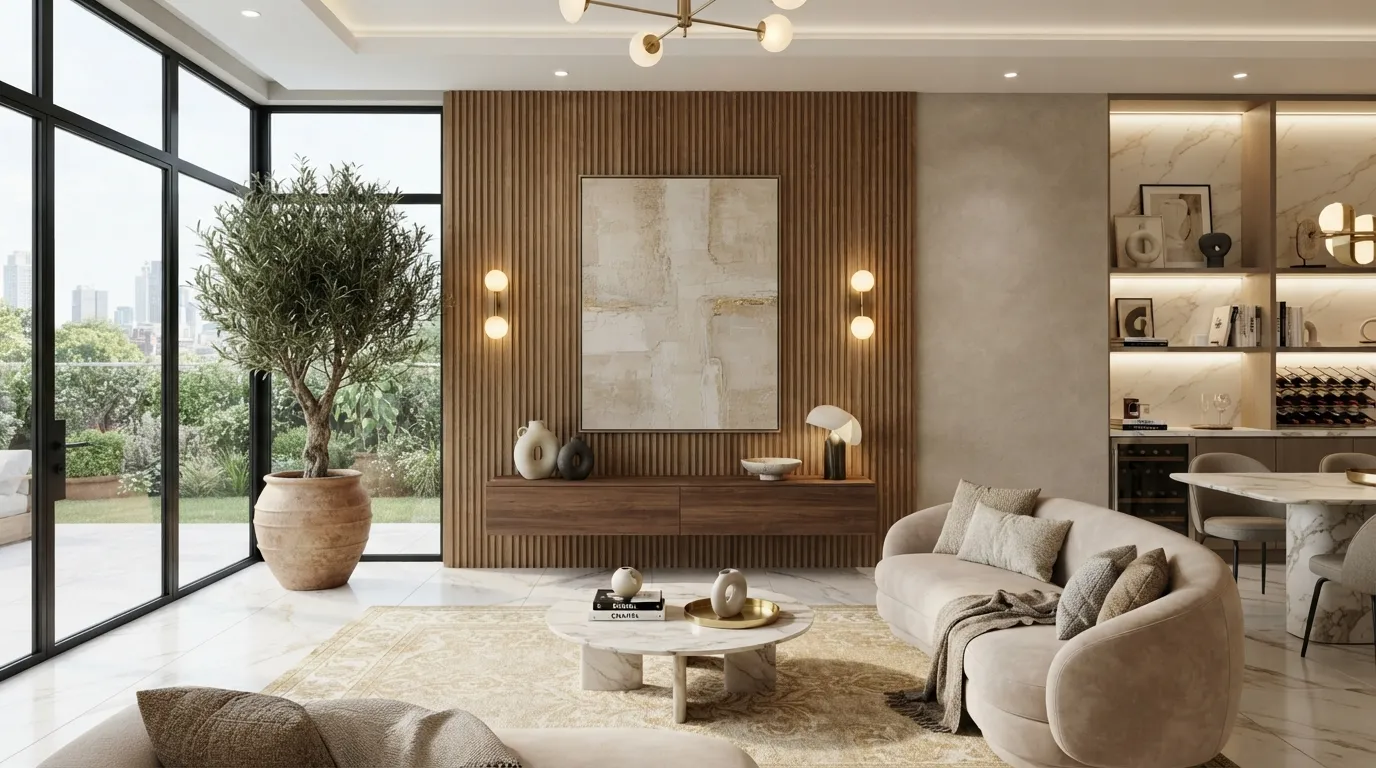
A thoughtfully selected wall sets the tone for the entire room and makes decorating far easier. Before deciding how to decorate a wall, look for the surface that naturally catches the eye when entering the space. This is often the wall behind a sofa, bed, dining table, or entry console. Starting with the right location creates a balanced design and prevents decorations from feeling scattered. Many professionals recommend considering natural light, ceiling height, nearby windows, and furniture placement first because these elements influence how every decorative feature looks throughout the day.
I’ve noticed that many beautiful interiors rely more on smart placement than expensive décor. A common mistake people make is decorating every empty surface instead of creating one intentional feature wall. In my experience, stepping back and viewing the room from multiple angles helps reveal the strongest location. This simple approach makes it easier to add artwork, shelves, lighting, or textured finishes later while keeping the overall design clean, elegant, and visually connected. A carefully chosen focal area also gives the room a timeless, professionally designed appearance.
Color and Texture
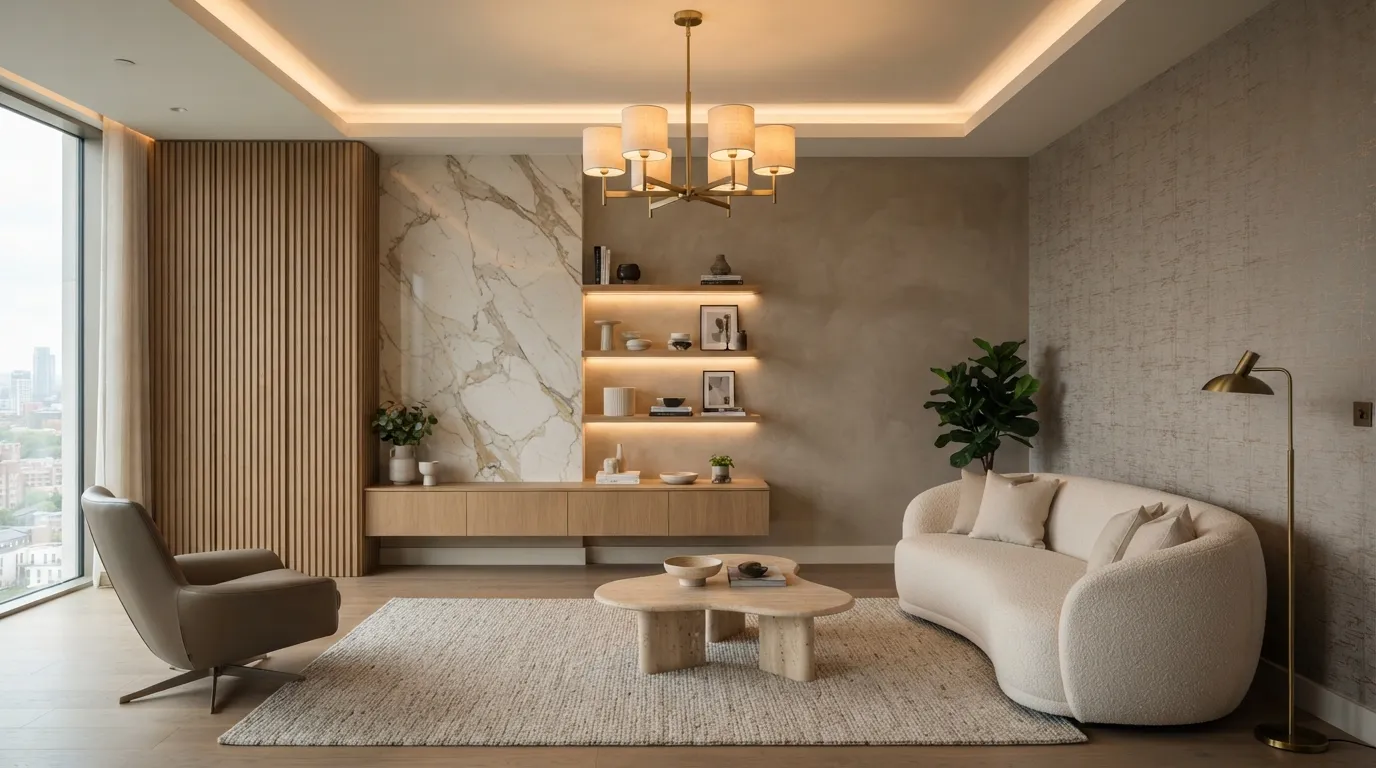
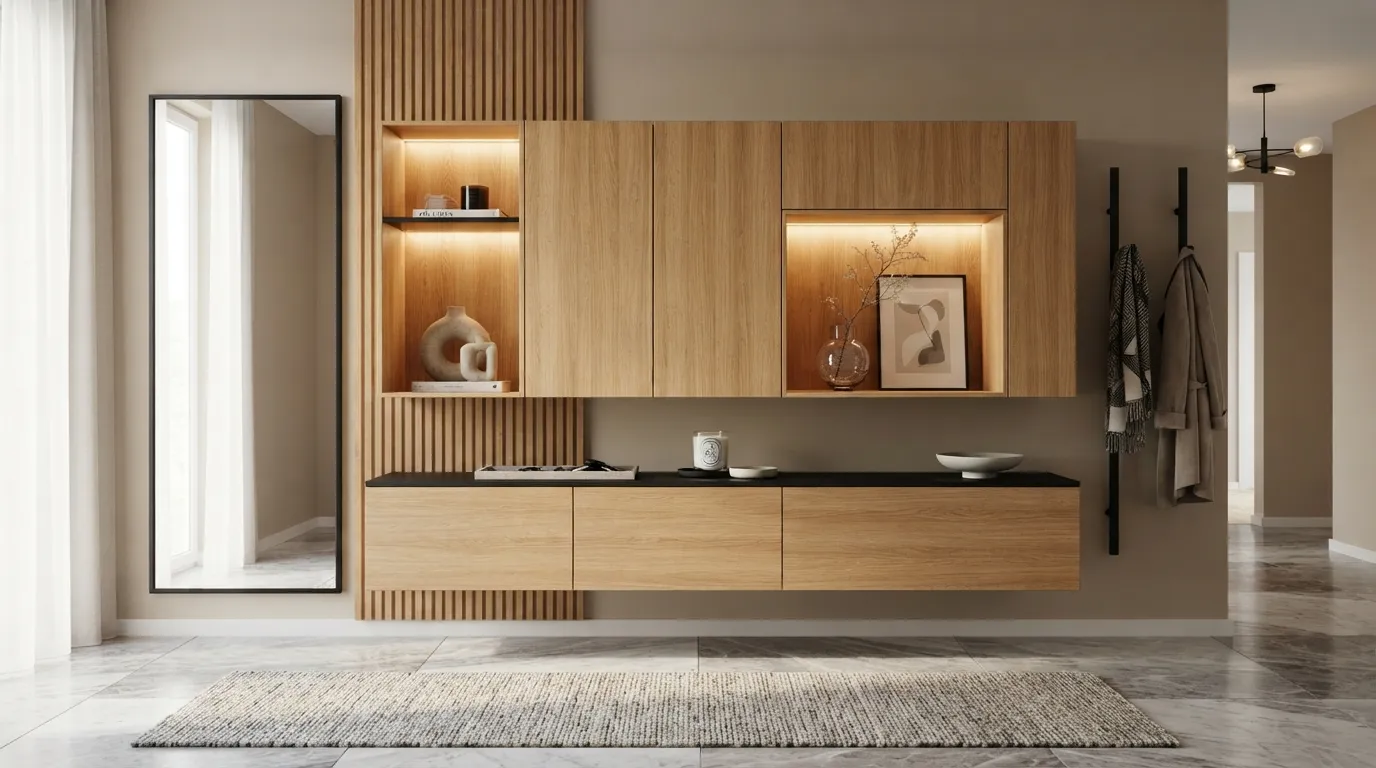
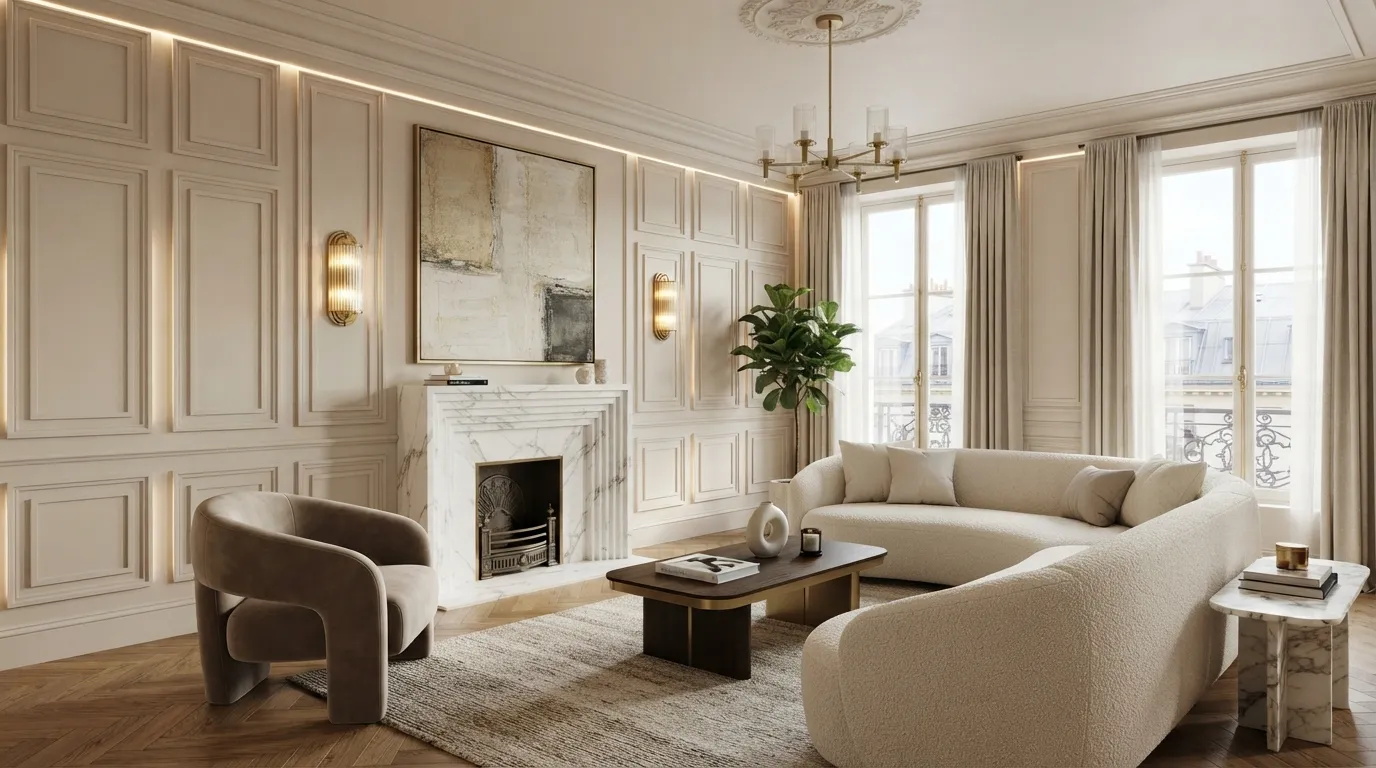
Color and texture work together to transform an ordinary wall into a sophisticated design feature. Instead of relying only on paint, consider combining finishes such as wood slats, limewash, decorative plaster, stone veneer, or premium wallpaper. These materials create dimension while giving the room a more custom appearance. One practical approach is choosing two or three complementary finishes rather than mixing too many styles. This keeps the design cohesive while allowing architectural details and decorative accents to stand out naturally without overwhelming the overall space.
In my experience, subtle textures often create a more luxurious effect than bold patterns. I’ve found that neutral shades paired with rich materials deliver timeless results that remain stylish for years. A common mistake people make is selecting trendy colors without considering existing furniture and flooring. Testing samples under both daylight and evening lighting helps prevent disappointment. Layering soft textures with modern finishes creates a welcoming atmosphere while maintaining an elegant, high-end appearance suitable for both contemporary and classic homes.
Statement Wall Art
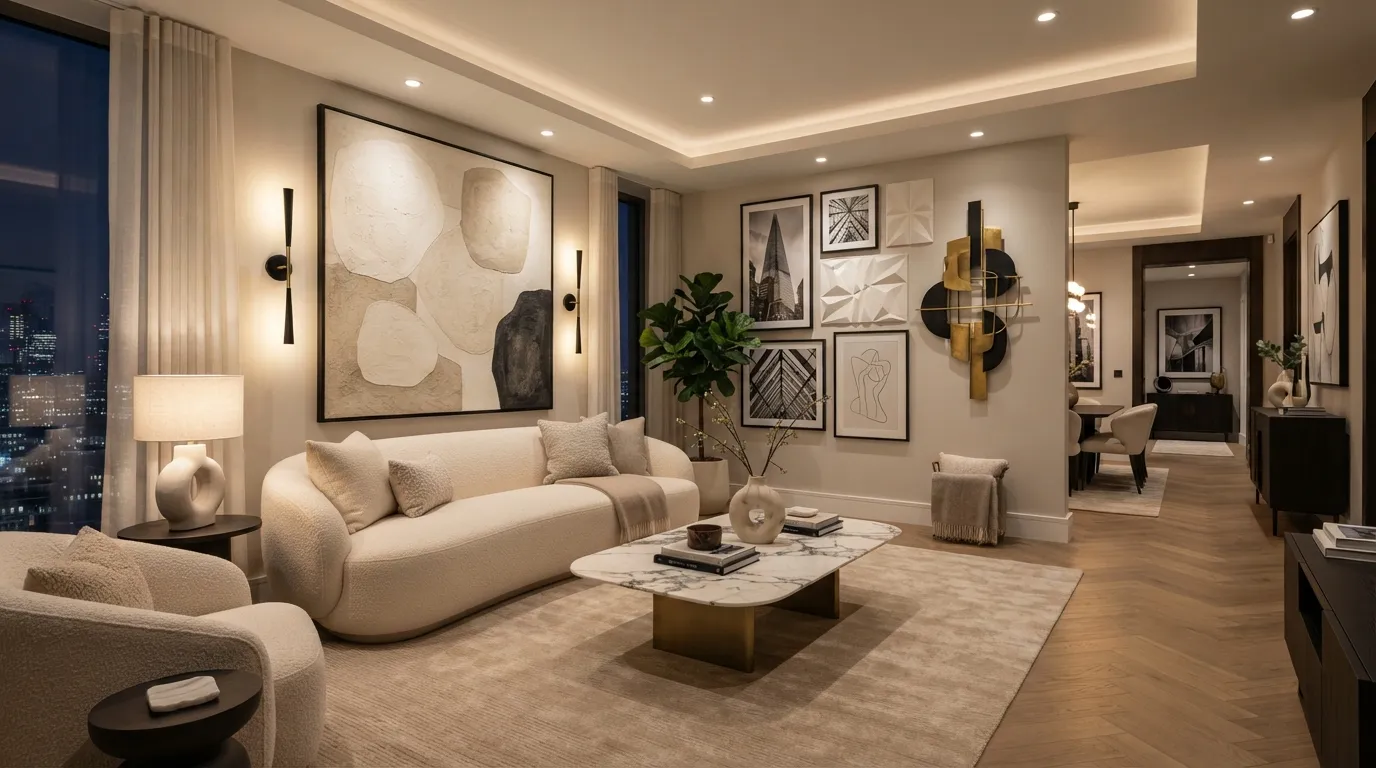
Artwork remains one of the easiest ways to elevate an interior while expressing personality and style. Rather than filling every available space, select one or two meaningful pieces that create a strong visual statement. Oversized artwork often delivers a cleaner, more luxurious appearance than multiple small frames. If you’re wondering how to decorate a wall with lasting appeal, investing in quality art or carefully curated prints can instantly make the room feel professionally designed while maintaining flexibility for future style updates.
Many professionals recommend considering scale before purchasing artwork because proportions greatly affect the finished result. I’ve seen this method work well in living rooms, bedrooms, and entryways where one impressive focal piece anchors the entire design. A common mistake people make is hanging artwork too high or choosing frames that compete with surrounding décor. Keeping colors coordinated and allowing sufficient empty space around each piece creates an elegant gallery effect that feels balanced, modern, and intentionally curated.
Floating Shelves
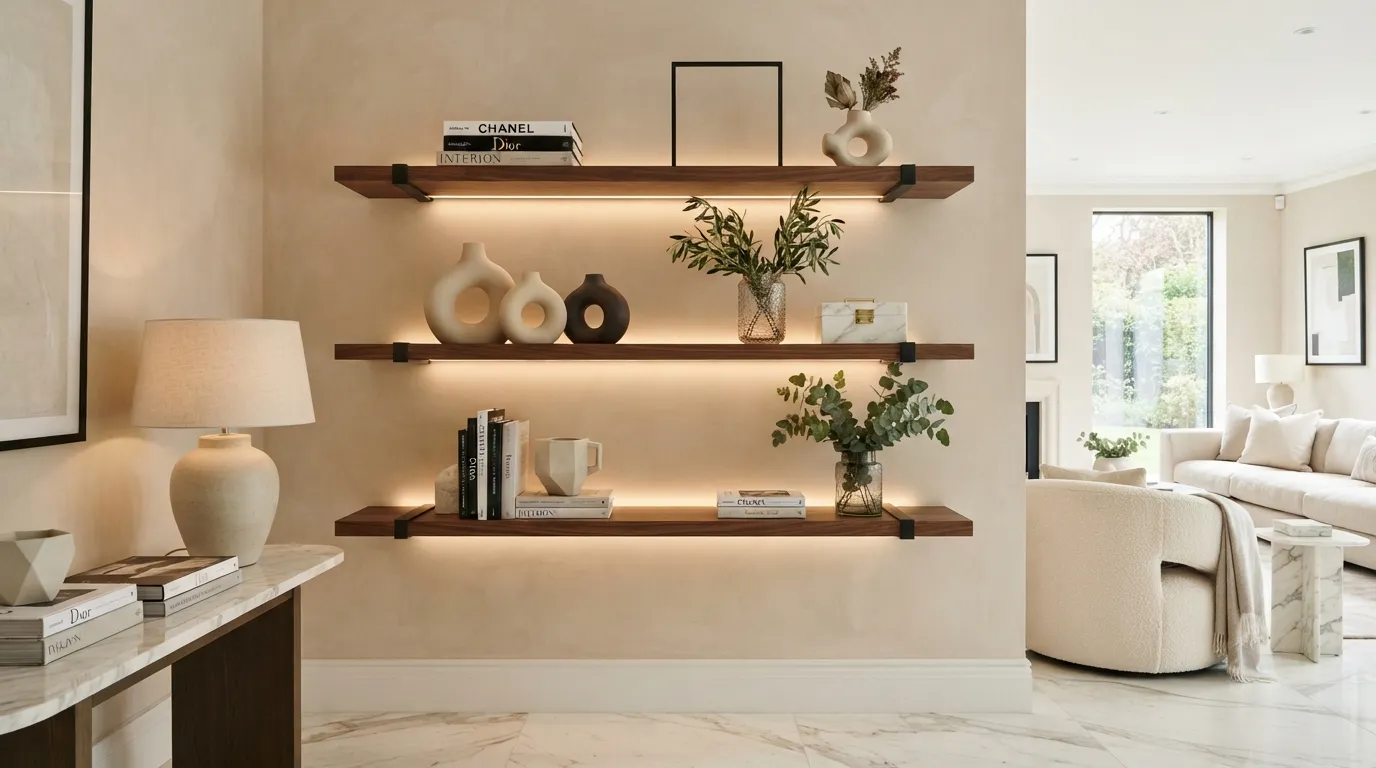
Floating shelves combine storage with style, making them one of the most versatile ways to enhance a feature wall. Instead of displaying every decorative item, curate a thoughtful arrangement using books, artwork, plants, candles, and sculptural accessories. I’ve found that limiting each shelf to a few carefully selected objects creates a cleaner, more luxurious appearance. Using wood, stone, or matte-finished shelves helps establish visual warmth while maintaining a modern aesthetic that blends effortlessly with contemporary interiors and evolving home décor trends.
One practical approach is arranging accessories in groups of odd numbers while mixing different heights, textures, and shapes. A common mistake people make is placing identical items evenly across every shelf, which often looks flat and predictable. Many professionals recommend layering framed artwork behind smaller decorative pieces to add depth without creating clutter. This styling technique keeps the display visually interesting while allowing each object to stand out naturally, resulting in an elegant wall arrangement that feels curated rather than crowded.
Decorative Mirrors
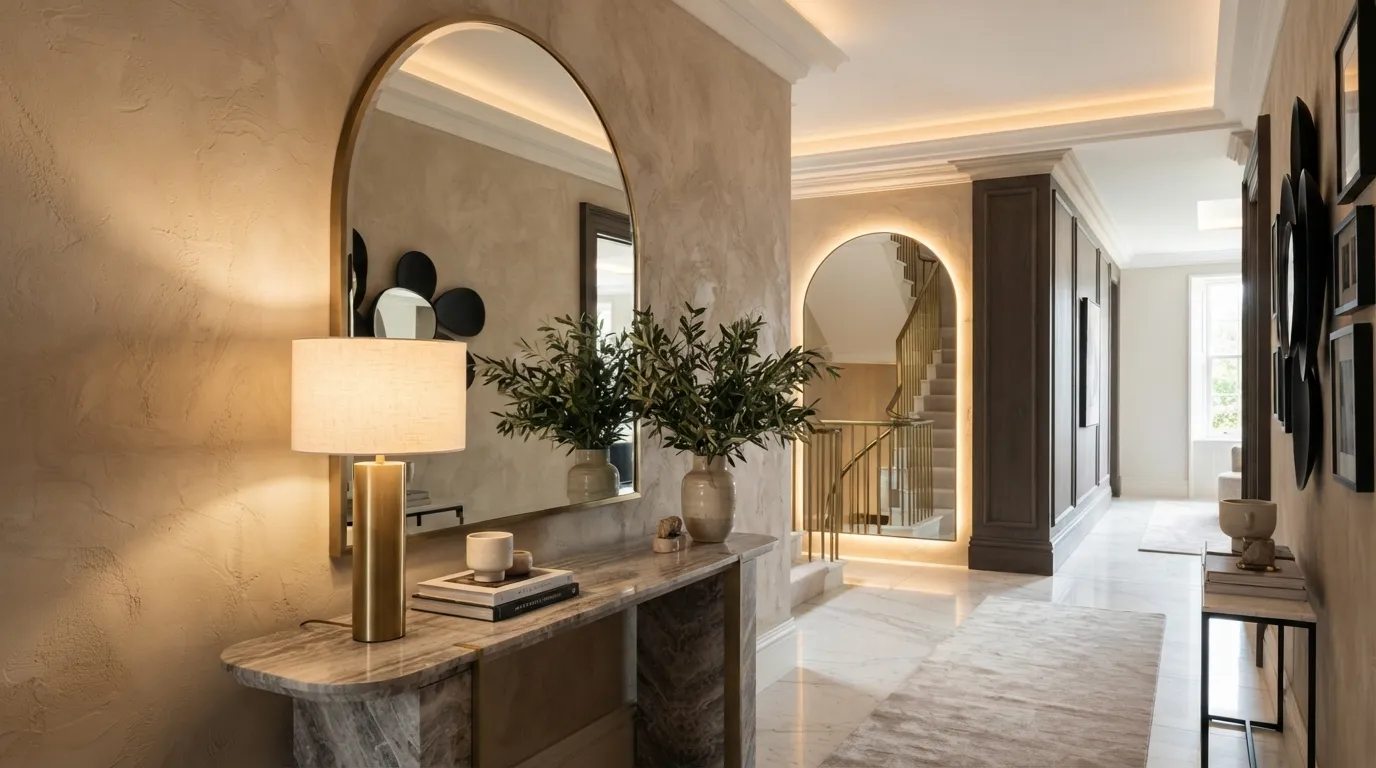
Decorative mirrors do far more than provide reflections they create the illusion of larger, brighter, and more open interiors. Whether placed in an entryway, living room, hallway, or bedroom, a thoughtfully positioned mirror can become a striking design feature. Instead of covering an entire surface, choose a statement piece with a distinctive frame that complements nearby furniture and finishes. This simple design strategy adds depth while helping smaller spaces feel more spacious, airy, and visually balanced throughout the day.
In my experience, oversized mirrors with thin metal, brass, or wood frames create a timeless look that works across many decorating styles. I’ve noticed that placing a mirror opposite a window allows natural light to spread throughout the room, making the entire space feel brighter. A common mistake people make is hanging mirrors where they reflect cluttered areas or distracting objects. Careful placement ensures the reflection highlights beautiful architectural details, artwork, or greenery instead of drawing attention to less attractive elements.
Accent Lighting
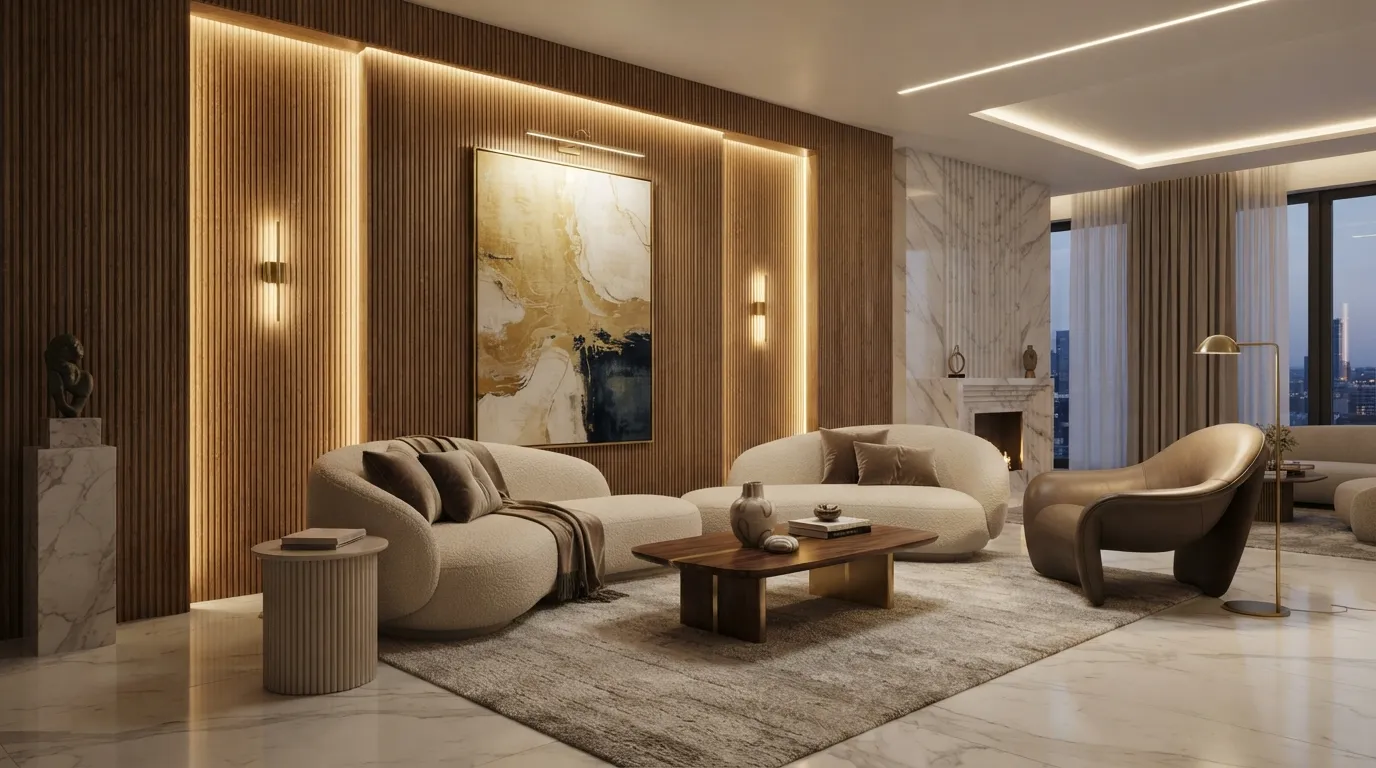
Lighting transforms wall décor by adding depth, warmth, and visual drama that daytime decoration alone cannot achieve. Wall sconces, concealed LED strips, picture lights, and architectural lighting all emphasize textures, artwork, and decorative features while creating a sophisticated atmosphere. If you’re exploring how to decorate a wall with a luxury-inspired finish, combining layered lighting with quality materials produces an elegant result that feels both functional and visually impressive without requiring a complete room renovation.
I’ve seen this method work especially well in living rooms, bedrooms, and dining spaces where evening ambiance matters just as much as daytime appearance. A common mistake people make is relying on one overhead light that leaves walls looking flat and lifeless. Many professionals recommend using warm white LEDs around 2700K to 3000K because they create a comfortable glow without overwhelming the space. Layered illumination enhances every decorative element while making the room feel inviting, modern, and professionally designed.
Gallery Wall Layout
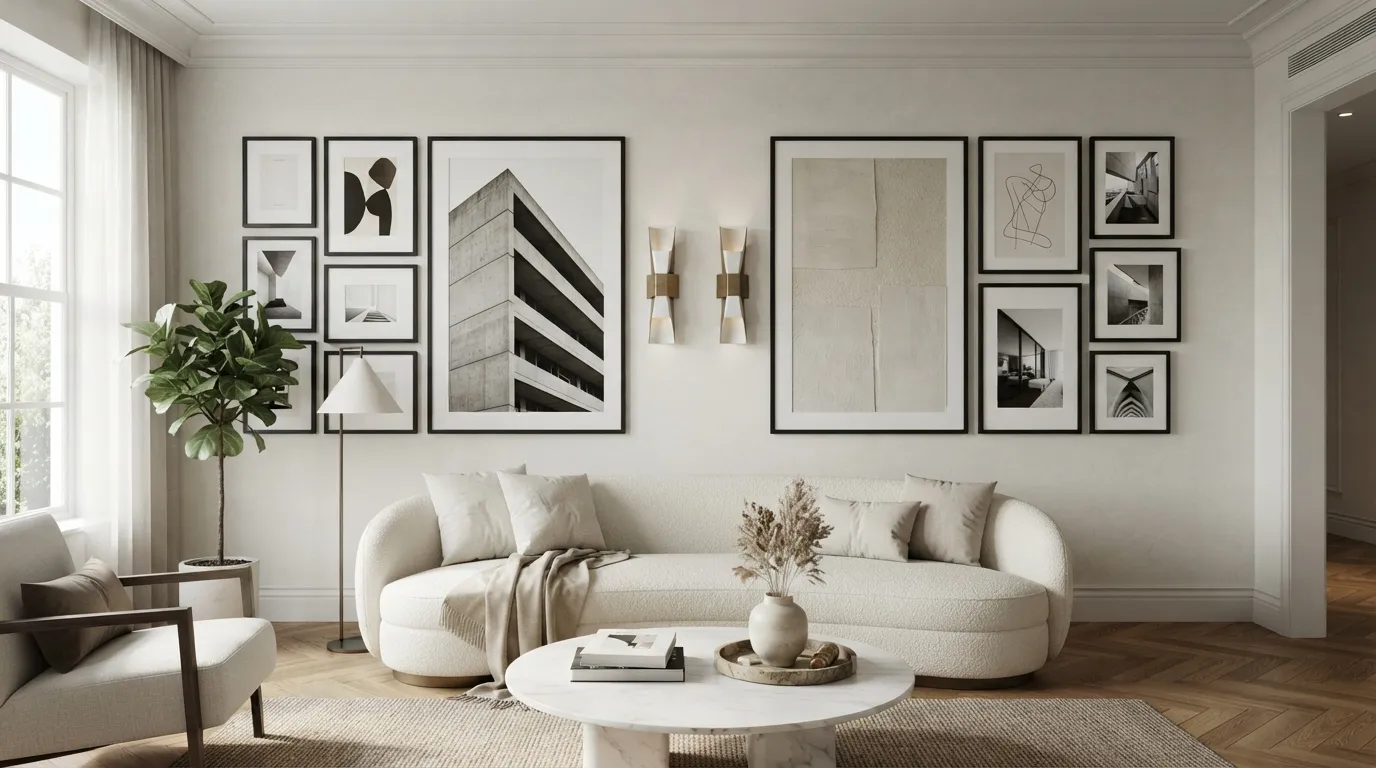
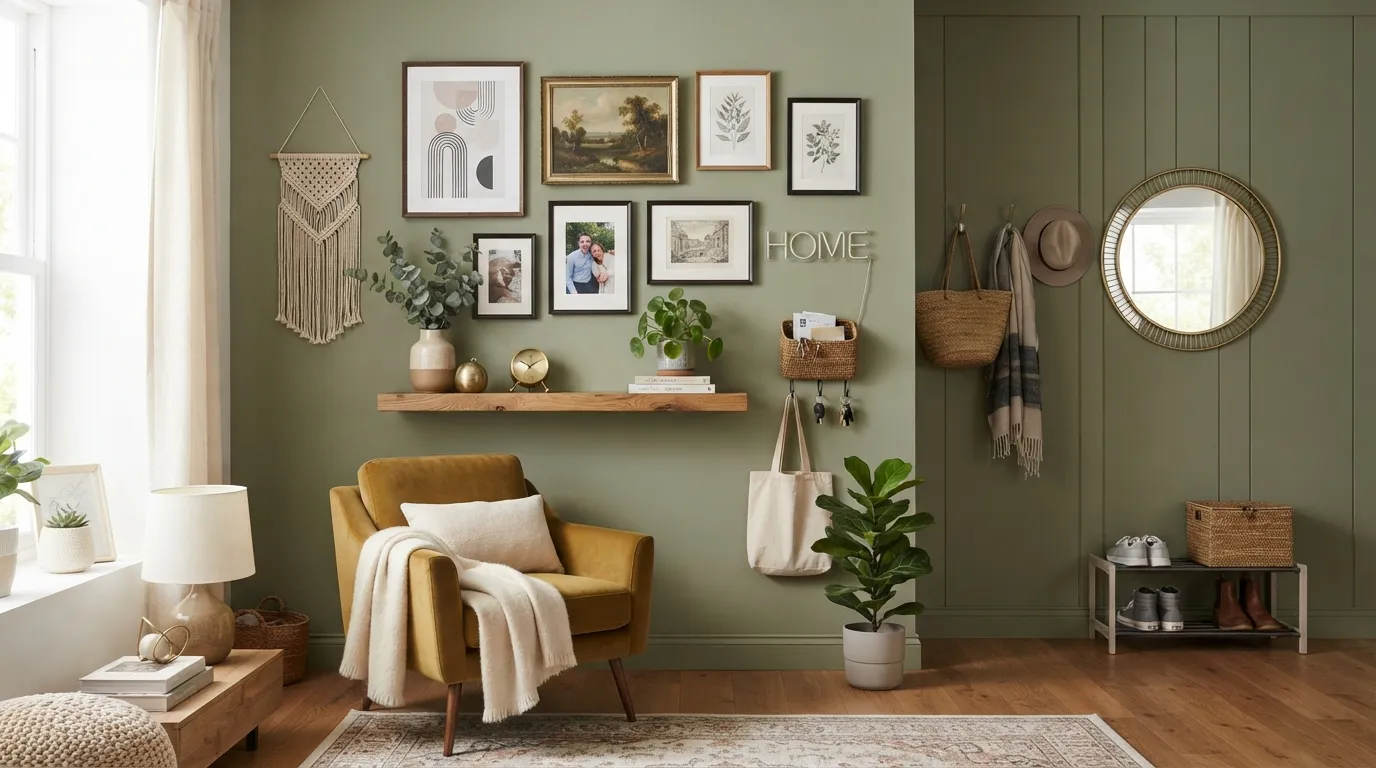
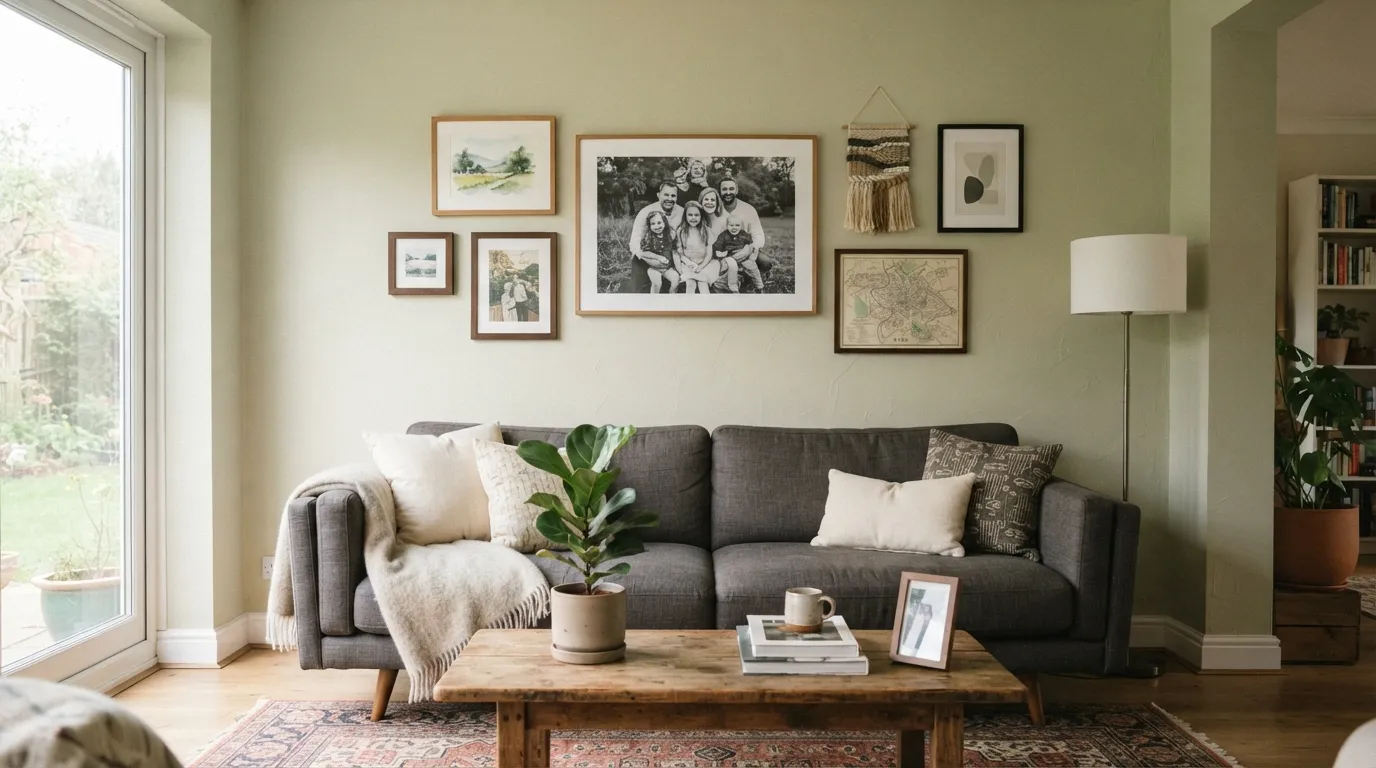
A gallery wall adds personality while showcasing meaningful artwork, travel memories, and decorative prints in one cohesive display. Rather than filling every available space, focus on creating a balanced composition that complements the room’s architecture. One practical approach is beginning with the largest frame near the center and building outward using smaller pieces. This technique creates natural visual flow while preventing the arrangement from feeling random. Coordinating frame finishes and artwork colors also helps achieve a refined, professionally styled appearance.
I’ve noticed that the most impressive gallery walls are carefully edited instead of overloaded with decorations. A common mistake people make is mixing too many frame styles, colors, and sizes without a clear plan. Many professionals recommend maintaining equal spacing, usually two to three inches between frames, to create consistency. Taking time to experiment with layouts before installing hardware reduces unnecessary wall damage and results in a display that feels timeless, elegant, and easy to update as personal collections grow.
Natural Greenery
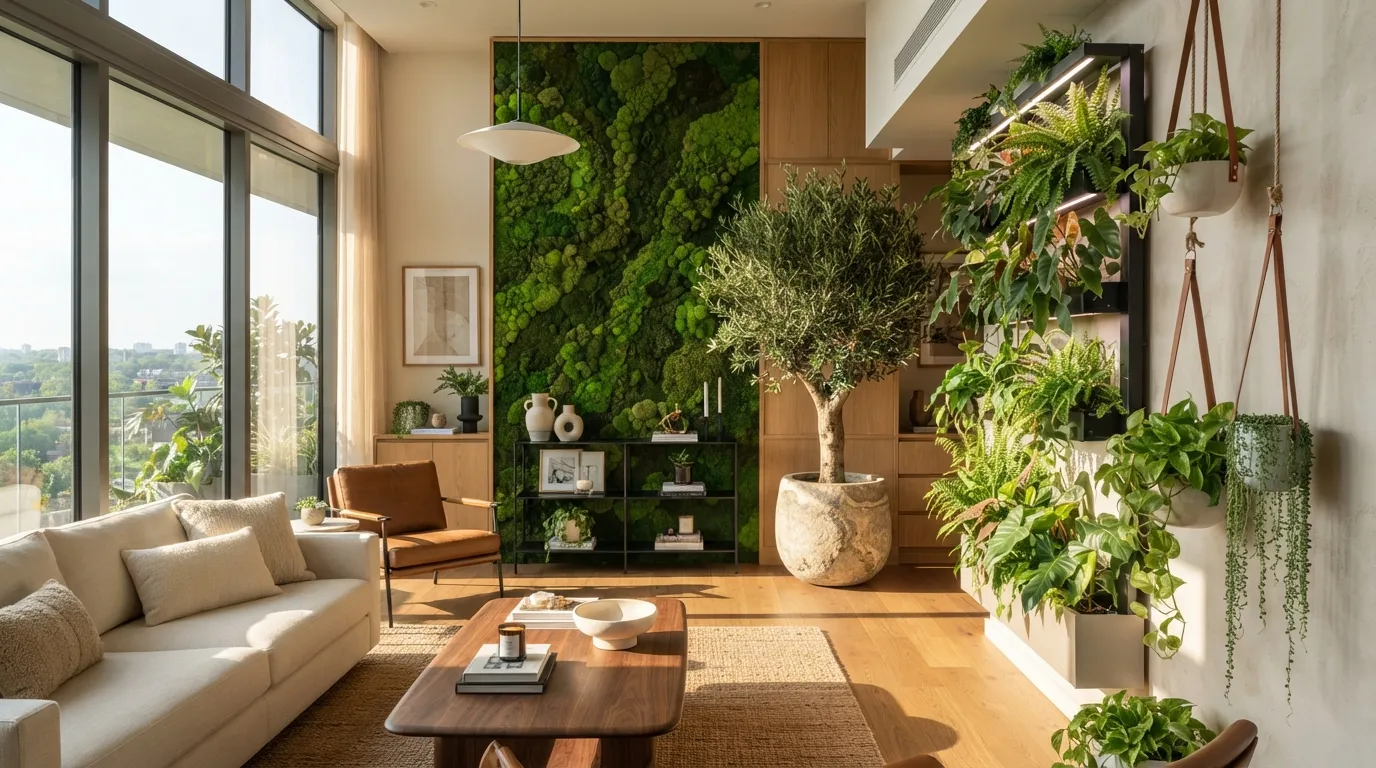
Bringing greenery into wall décor introduces color, texture, and freshness that artificial accessories often cannot match. Hanging planters, vertical gardens, wall-mounted pots, or climbing plants create visual interest while making interiors feel more welcoming. If you’re wondering how to decorate a wall in a way that feels modern yet timeless, incorporating natural elements is an excellent choice. Living plants pair beautifully with wood, stone, and neutral finishes, helping create a calming atmosphere that remains stylish throughout changing design trends.
In my experience, even one carefully placed plant can transform an ordinary wall into an inviting focal point. I’ve found that selecting varieties suited to your home’s lighting conditions leads to healthier growth and easier maintenance. A common mistake people make is overcrowding the area with too many planters, reducing the clean appearance they hope to achieve. Mixing greenery with artwork, shelves, or subtle lighting creates a balanced composition that feels sophisticated without requiring constant redesign or expensive decorative upgrades.
Seasonal Refreshes
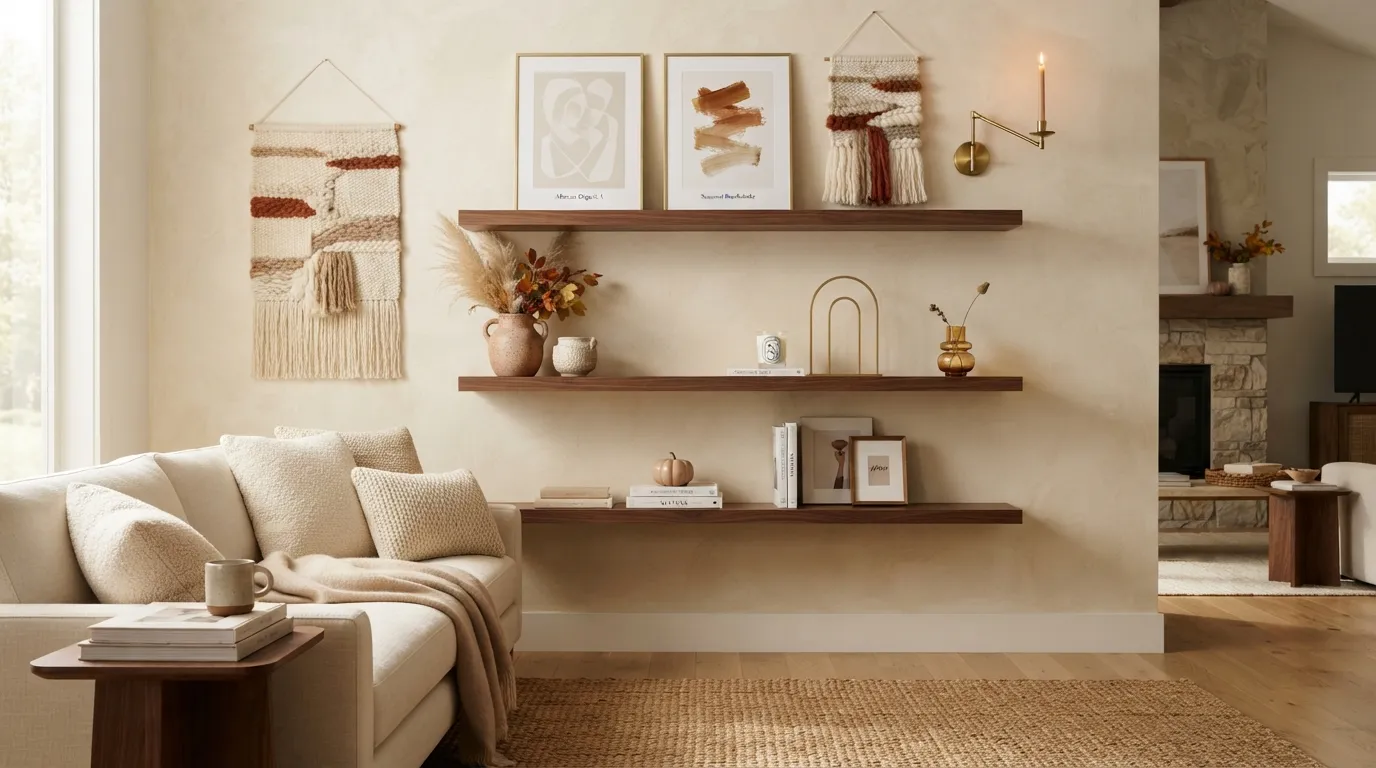
Refreshing wall décor seasonally keeps interiors feeling current without requiring major renovations or significant spending. Small updates, such as changing artwork, decorative wreaths, mirrors, shelves, or accent colors, can dramatically influence the mood of a room. Many professionals recommend treating permanent features as the foundation while using removable accessories to reflect seasonal trends. This flexible approach allows homeowners to enjoy updated interiors throughout the year while preserving the room’s overall character and long-term design consistency.
I’ve seen this method work well because it encourages thoughtful decorating rather than constant replacement of furniture or finishes. A common mistake people make is following every trend, resulting in spaces that quickly feel outdated. Instead, invest in timeless foundational pieces and update only decorative accents when seasons or preferences change. This strategy keeps walls looking modern, elegant, and inviting while reducing unnecessary expenses. Small, intentional changes often create the biggest visual impact without disrupting the harmony of the surrounding space.
Emma Williams
Emma Williams is an interior design expert and decor editor at Lady Home Decor. She specializes in modern, cozy, and functional home styling, helping readers discover inspiring decorating ideas that are easy to recreate. Her work focuses on timeless design, practical solutions, and the latest home decor trends.