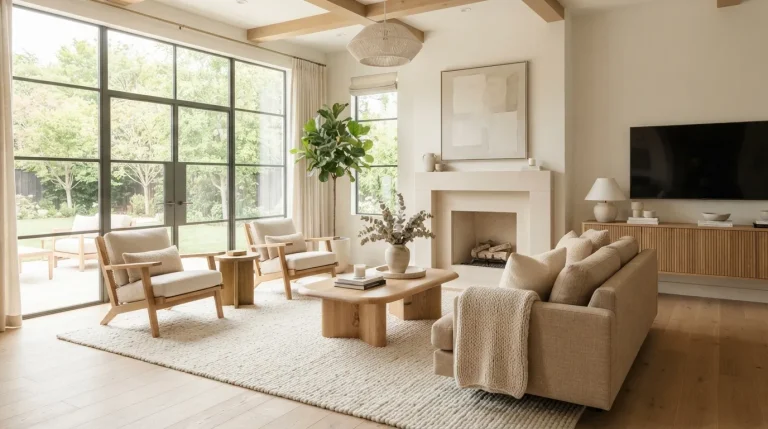
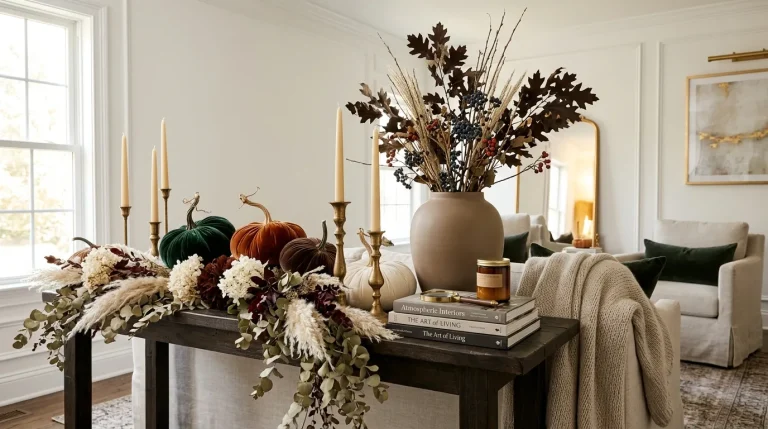
How to Decorate Living Room for a Luxurious Look
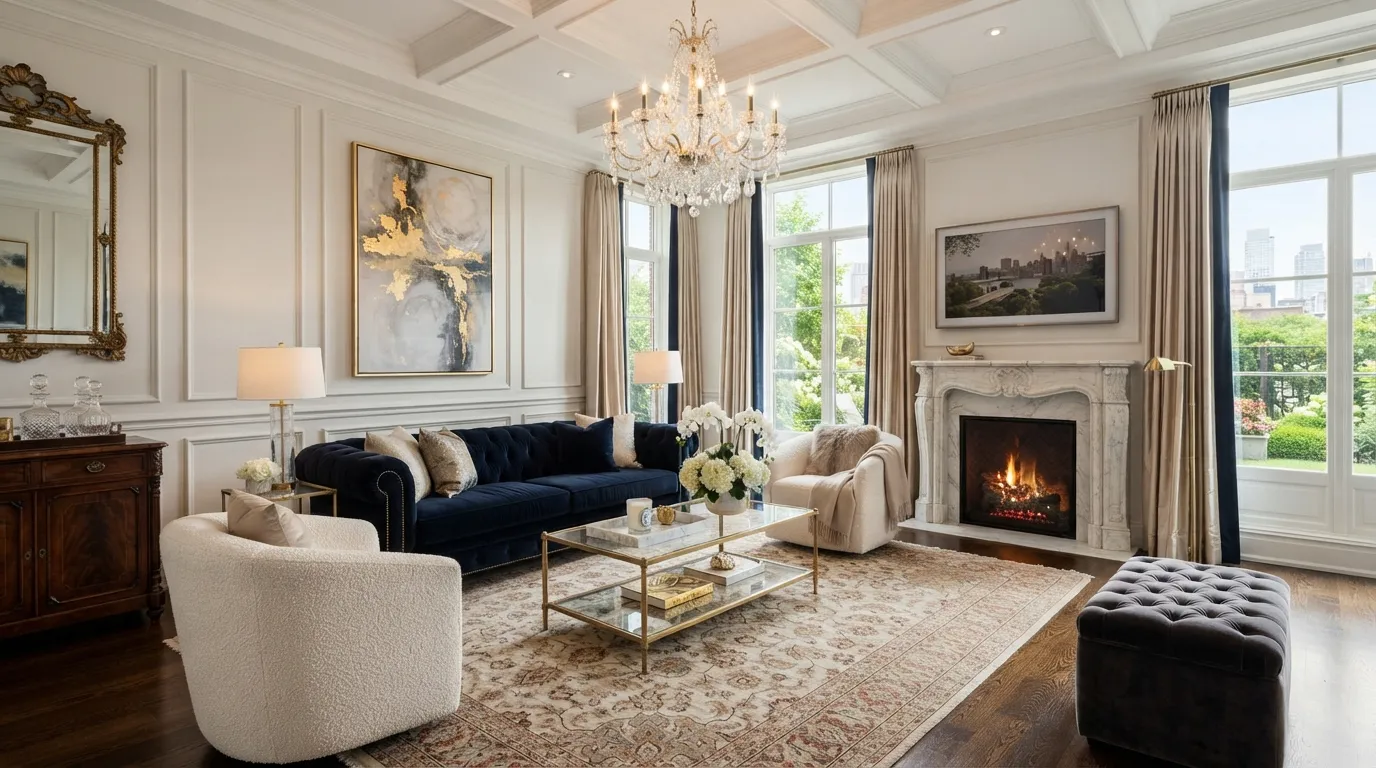
First Things First
A beautifully designed living room can completely transform the way your home feels. If you’re wondering how to decorate living room spaces with a luxurious yet welcoming style, you’re in the right place. Creating an elegant interior isn’t simply about buying expensive furniture it’s about making thoughtful choices that improve comfort, balance, and visual appeal.
This guide explores the essential design principles that help create a refined living space, from selecting the right color palette and premium materials to arranging furniture, layering lighting, styling décor, and adding the perfect finishing touches. Along the way, you’ll discover practical ideas that work in both large and small living rooms without requiring a complete renovation.
In my experience, many people overlook the importance of layout, lighting, and texture, even though these details often make the biggest difference. I’ve found that combining timeless design choices with a few carefully selected statement pieces creates a sophisticated room that remains stylish for years. Whether you’re refreshing your current décor or planning a full makeover, this article will give you clear, practical guidance to help you create a modern, luxurious living room that feels both functional and beautifully designed.
Color Palette
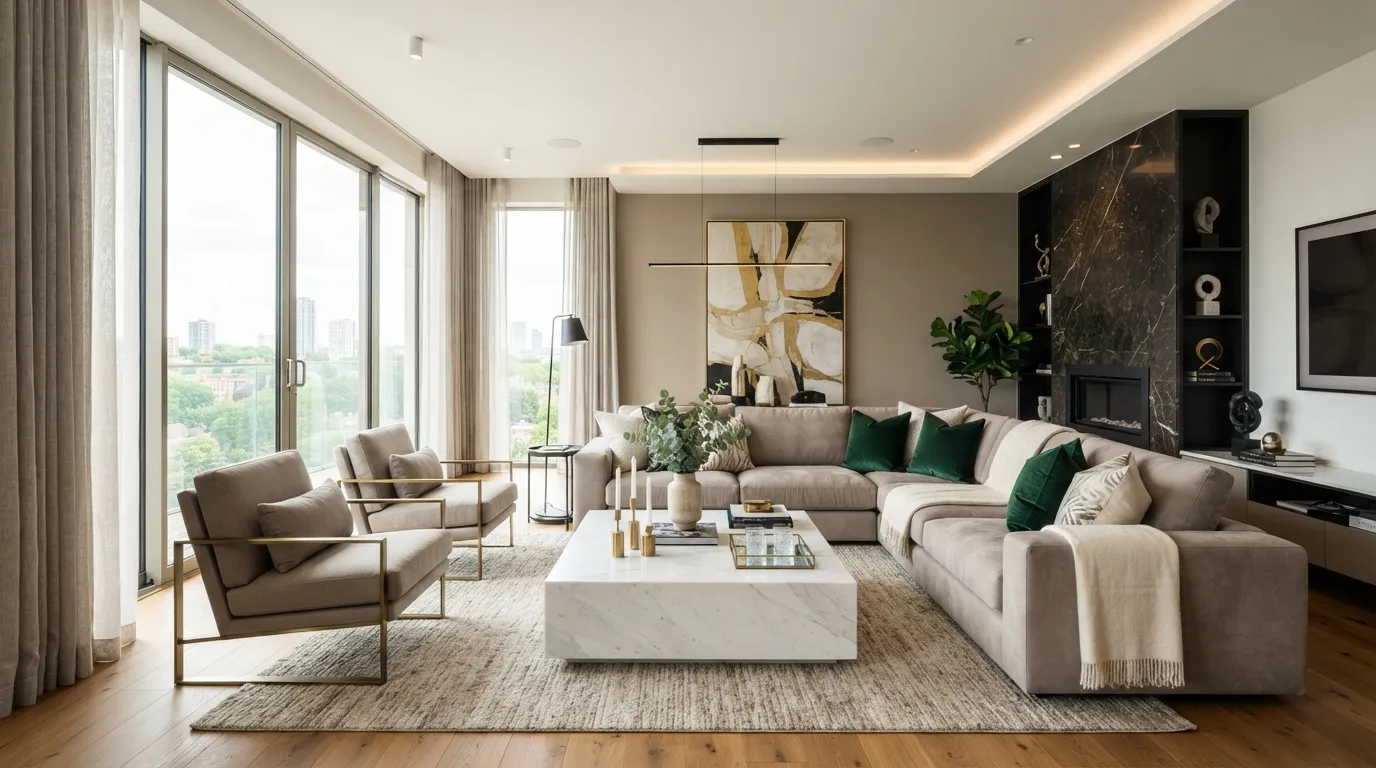
A carefully planned color palette lays the foundation for a space that feels elegant, balanced, and inviting. If you’re exploring how to decorate living room spaces with a high-end appearance, start with timeless neutral shades like warm white, greige, taupe, soft beige, or light stone. These colors create a calm backdrop that allows premium materials and statement furniture to stand out naturally. Rich accents such as emerald green, deep navy, charcoal, or matte black introduce depth without making the room feel crowded. I’ve found that limiting bold colors to a few intentional touches creates a more sophisticated and expensive-looking result.
Luxury interiors rarely rely on bright colors alone. Instead, they achieve visual interest by layering different tones, textures, and finishes within the same palette. Pair soft linen upholstery with velvet cushions, natural wood, brushed brass, and subtle marble details to add depth while maintaining harmony. A common mistake people make is introducing too many unrelated colors, which makes even expensive furnishings appear disconnected. One practical approach is choosing a dominant color, a complementary secondary shade, and a single accent tone that repeats throughout artwork, decorative accessories, and textiles for a cohesive finish.
Statement Furniture
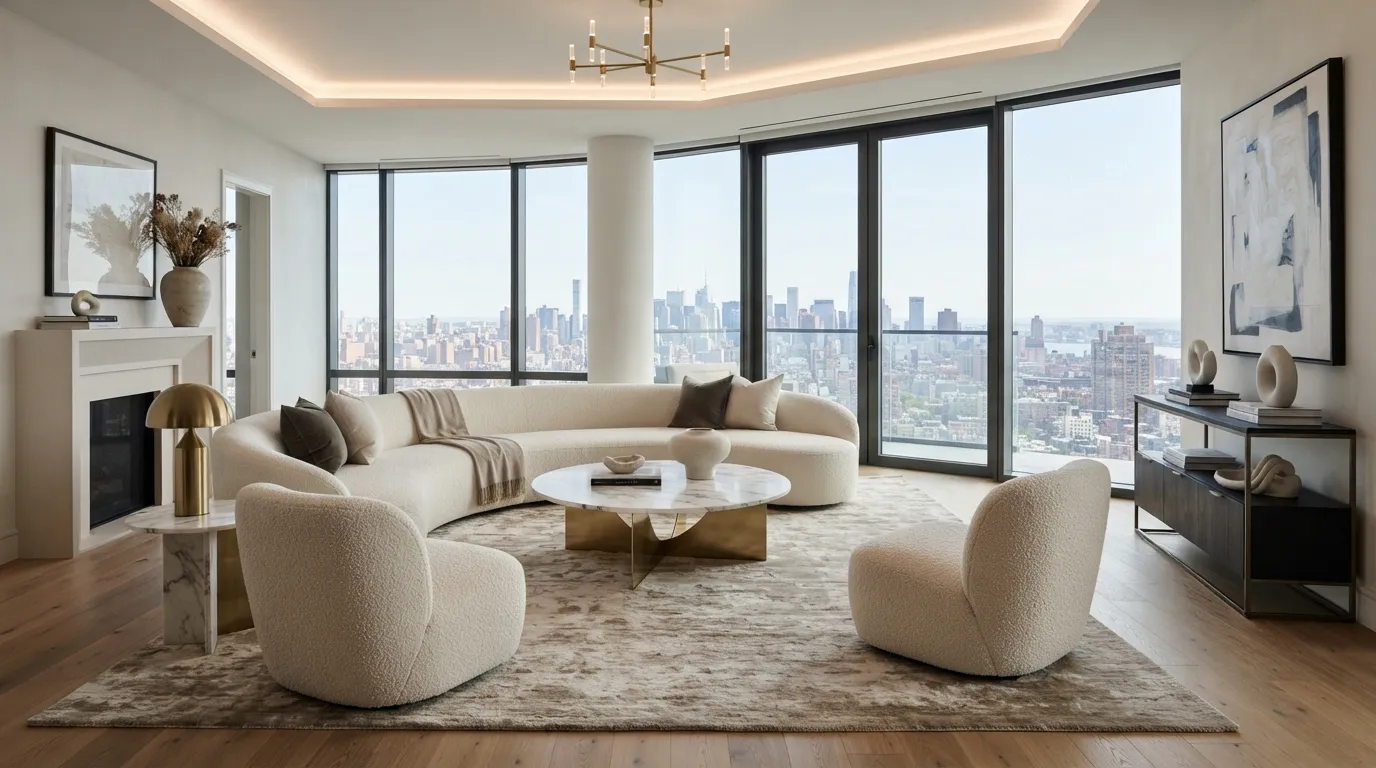
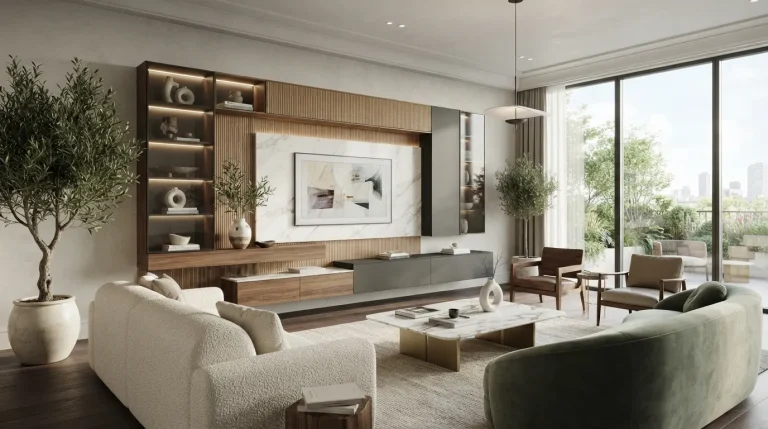
The furniture you select has the greatest influence on how refined a living room feels. Rather than filling every corner, focus on fewer, higher-quality pieces with elegant proportions and premium finishes. A beautifully designed sectional sofa, sculptural accent chair, or marble coffee table immediately creates a luxurious atmosphere while improving everyday comfort. Many professionals recommend allowing each statement piece enough surrounding space so its design can be appreciated instead of competing with neighboring furniture.
Modern interiors also benefit from combining different forms and materials without creating visual clutter. Curved sofas soften clean architectural lines, while wood, glass, stone, and metal introduce subtle contrast that feels intentional. I’ve noticed that oversized furniture often overwhelms average-sized rooms, making them appear smaller than they are. One practical approach is measuring the available floor space before shopping and selecting pieces that leave generous walkways. This balance between scale, comfort, and craftsmanship gives the room an expensive designer appearance that never feels overcrowded.
Layered Lighting
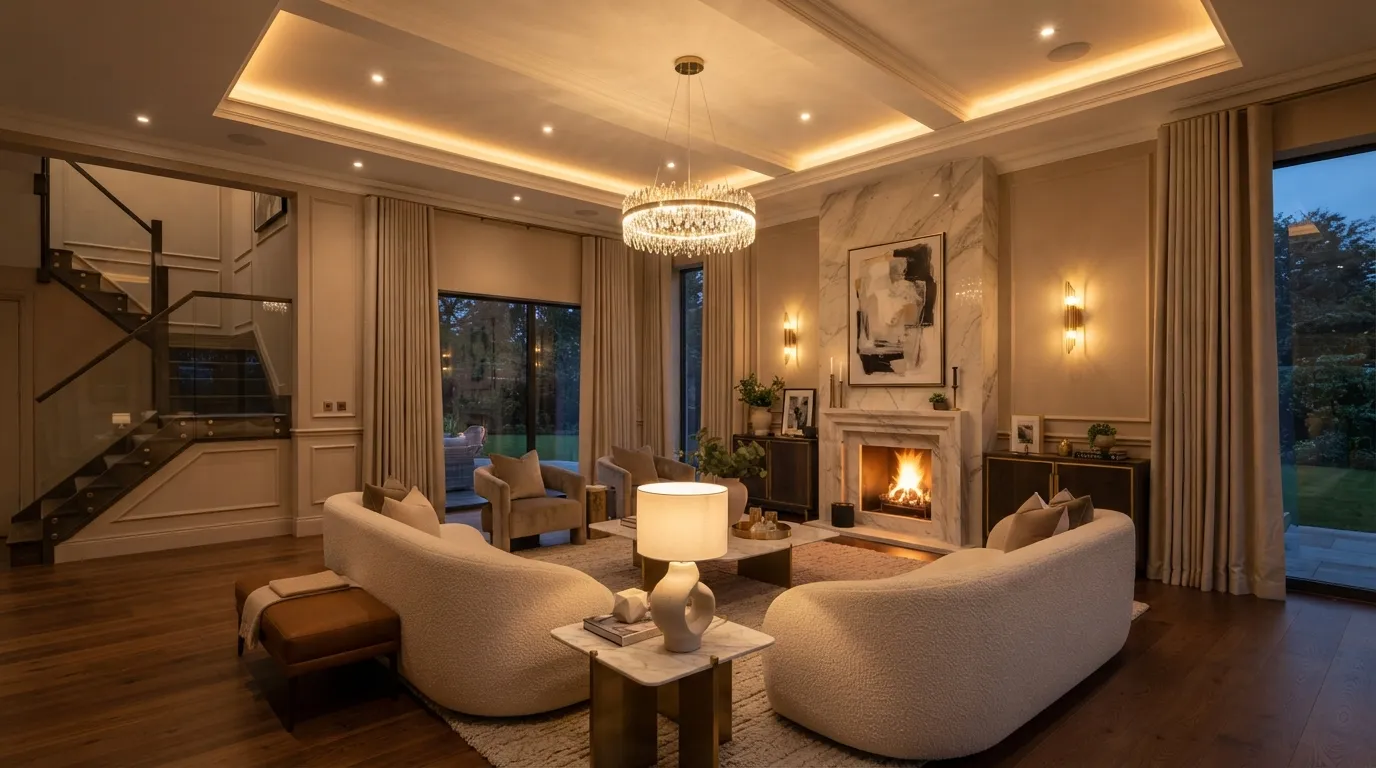
Lighting transforms the overall mood more dramatically than many homeowners expect. A thoughtfully layered lighting plan creates depth, highlights beautiful design features, and makes the space feel welcoming from morning until night. Instead of relying on one ceiling fixture, combine recessed lighting, elegant pendant lights, wall sconces, table lamps, and concealed LED strips. This layered approach allows each part of the room to serve a purpose while producing a balanced glow that enhances furniture, artwork, and decorative accessories without harsh shadows.
Luxury spaces often appear warm and inviting because multiple light sources work together rather than competing. Warm white bulbs generally create a softer atmosphere than cooler alternatives, especially when paired with textured fabrics and natural materials. In my experience, installing dimmers is one of the simplest upgrades that instantly elevates a room while improving flexibility for entertaining or relaxing. A common mistake people make is placing every light at the same height, which reduces dimension instead of creating visual interest throughout the entire space.
Premium Materials
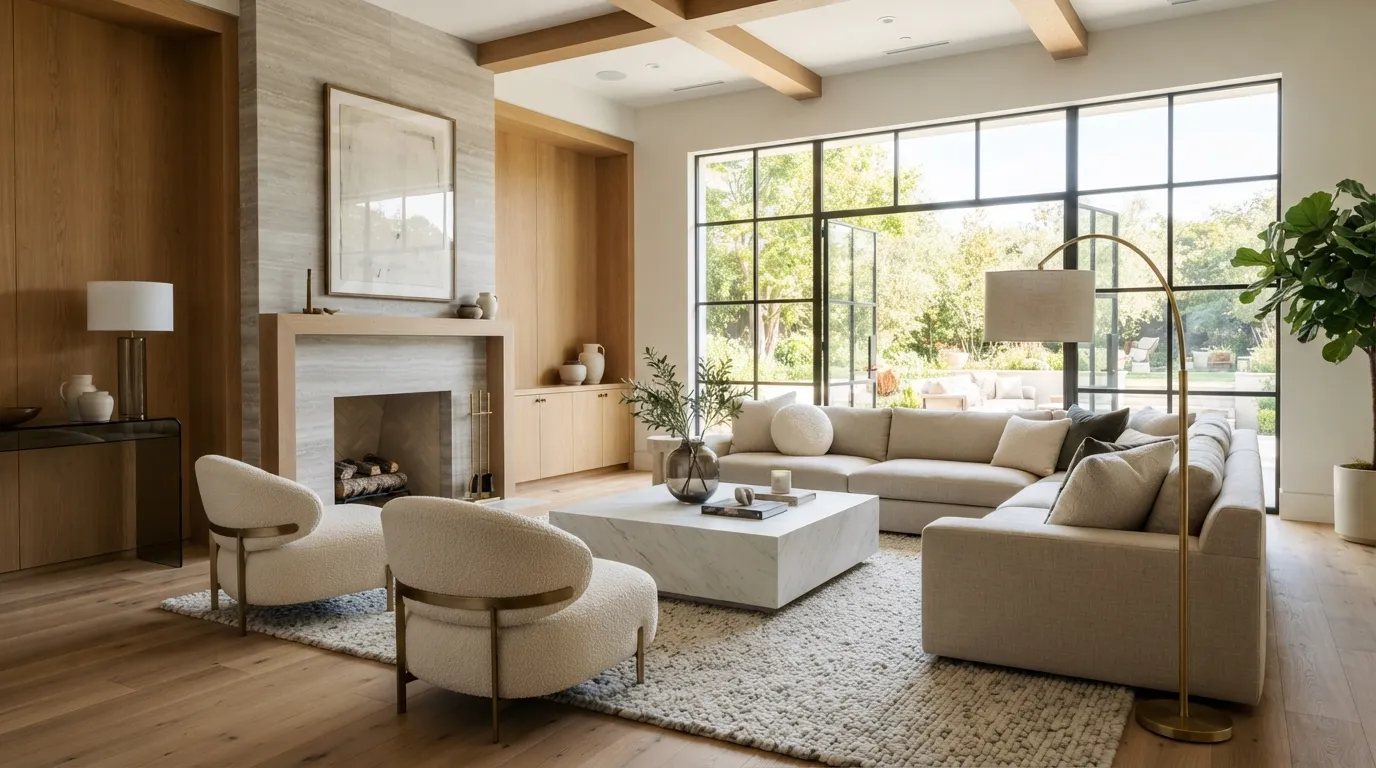
Premium materials instantly elevate a living room by adding texture, depth, and lasting visual appeal. Rather than filling the space with trendy decorations, focus on finishes that naturally feel elegant. Marble, natural wood, brushed brass, linen, boucle, leather, glass, and stone create a sophisticated foundation that works across many interior styles. Many professionals recommend combining only three or four primary materials to maintain harmony. This thoughtful mix produces a curated look that feels intentional instead of busy while remaining stylish for years rather than following short-lived design trends.
Texture plays just as important a role as the material itself. Smooth marble beside warm wood, soft upholstery against matte metal, and woven textiles layered with polished glass create subtle contrast that adds richness without clutter. I’ve seen this method work well in both compact apartments and spacious homes because it creates visual interest without requiring countless decorative pieces. A common mistake people make is choosing inexpensive imitations with inconsistent finishes, which often reduce the overall quality of the room instead of enhancing its luxurious appearance.
Elegant Window Treatments
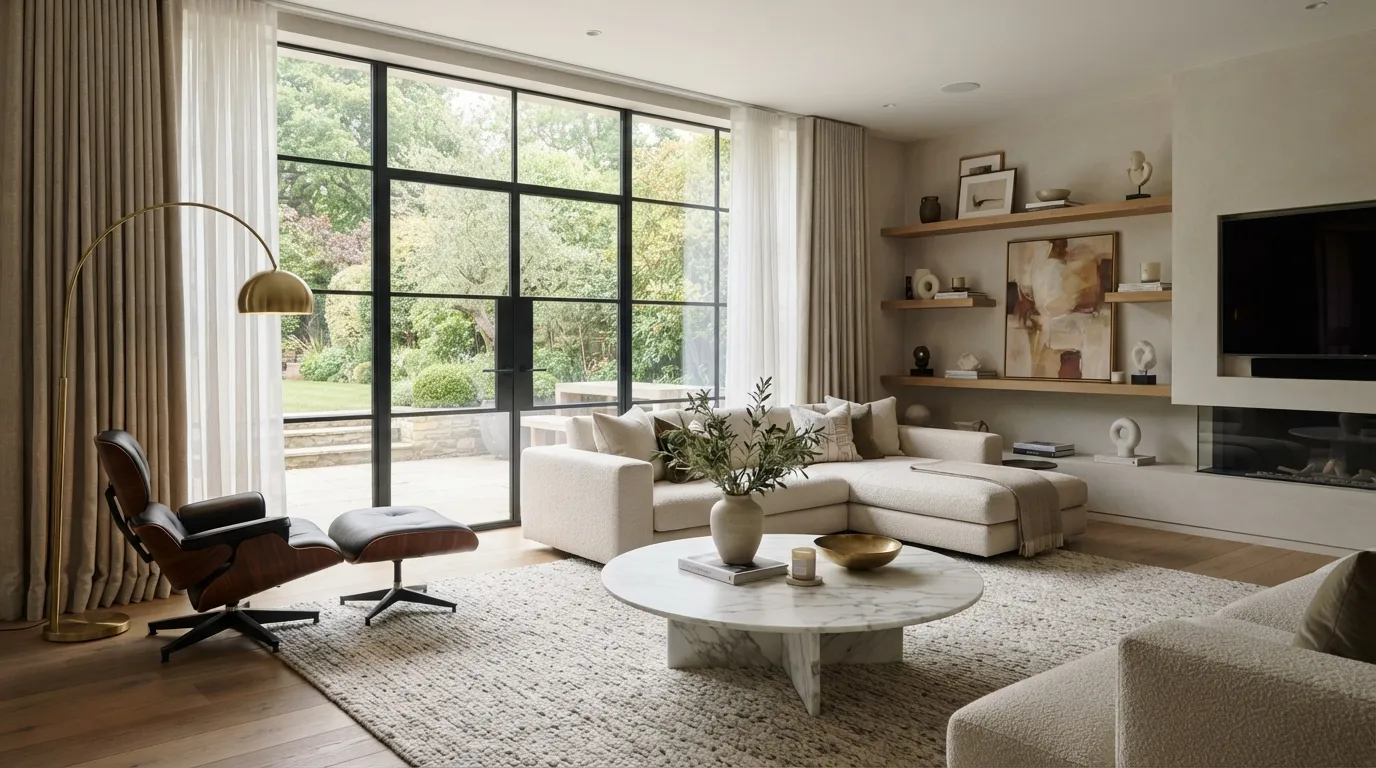
Window treatments have a remarkable impact on how spacious and luxurious a room feels. Floor-to-ceiling curtains draw the eye upward, making ceilings appear higher while adding softness to the architecture. Linen, velvet, and textured woven fabrics create an upscale appearance without overwhelming the room. One practical approach is pairing lightweight sheers with heavier drapes so you can control privacy, natural light, and ambiance throughout the day while maintaining an elegant layered look that feels professionally designed.
Placement is just as important as fabric selection. Mount curtain rods several inches above the window frame and extend them beyond each side to maximize visible glass and create the illusion of larger windows. I’ve noticed this simple adjustment transforms ordinary rooms more effectively than many expensive renovations. Avoid curtains that barely touch the floor or appear too short, as they interrupt the visual flow. Full-length panels with generous folds contribute to a polished finish that complements both contemporary and classic interior styles.
Decorative Accessories
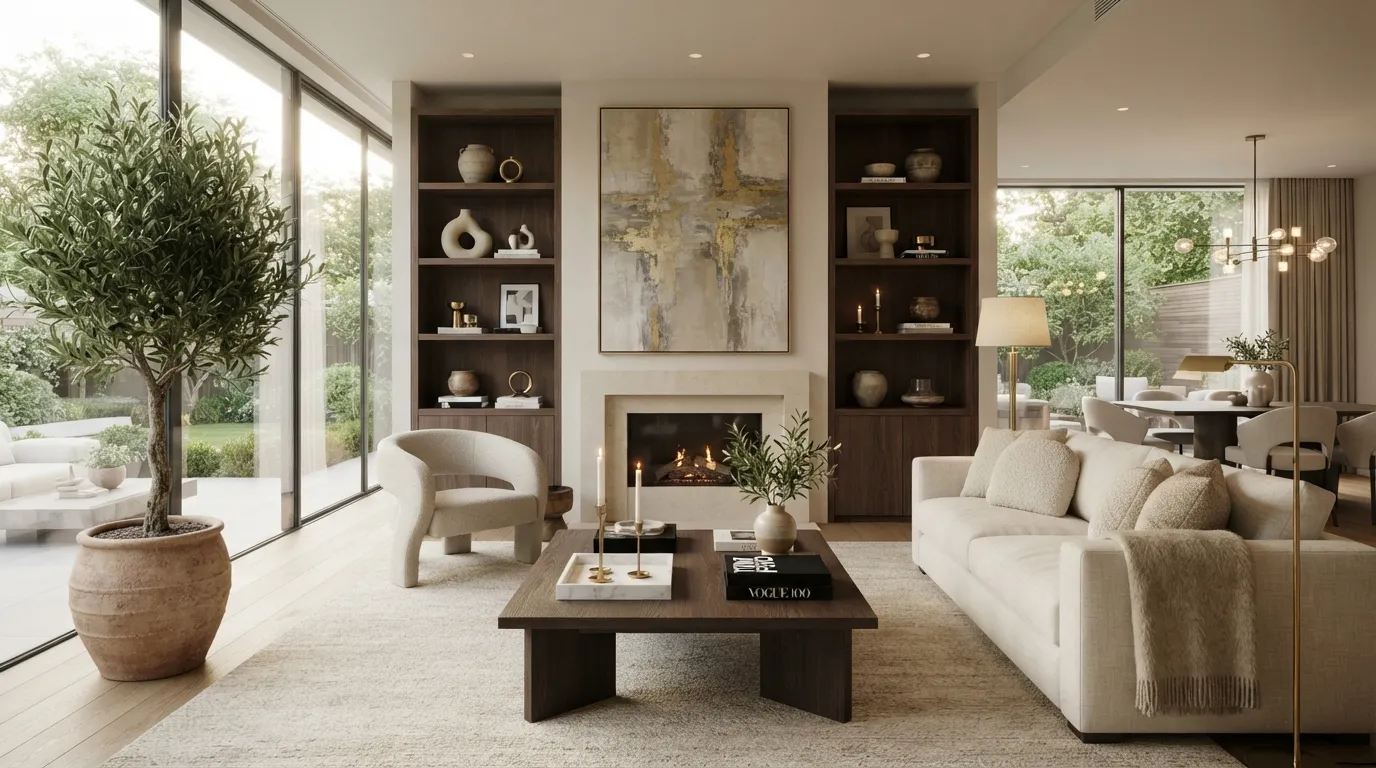
Decorative accessories complete the overall design by adding personality without creating unnecessary clutter. Carefully chosen artwork, sculptural vases, coffee table books, candles, trays, and indoor plants introduce character while reinforcing the room’s color palette and design style. Rather than purchasing many small decorations, select a few statement pieces that complement one another. This approach creates a clean, luxurious environment where every object serves a visual purpose and contributes to the overall composition instead of competing for attention.
Professional-looking styling often depends on thoughtful arrangement more than expensive purchases. Group decorative objects in odd numbers, combine varying heights, and leave empty space around each display to allow individual pieces to stand out. In my experience, incorporating natural greenery instantly makes a room feel more vibrant while balancing stone, metal, and wood finishes. A common mistake people make is covering every shelf or tabletop with décor, which reduces elegance and makes the space feel crowded rather than refined.
Luxury Wall Decor
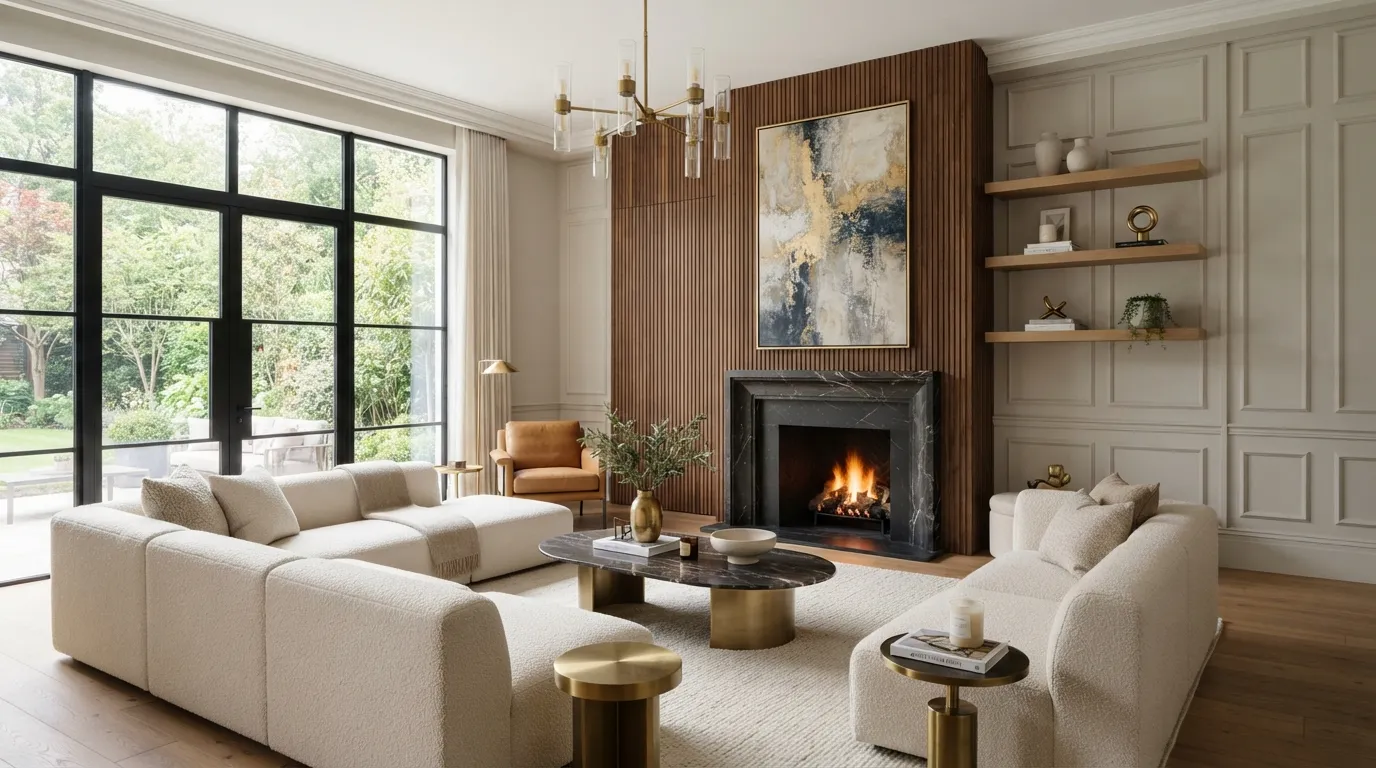
Wall décor does more than fill empty space it shapes the personality of the entire room. Large-scale artwork, decorative wall panels, textured plaster, or elegant molding can instantly make the space feel custom designed. Instead of covering every wall with pictures, focus on one or two statement features that naturally draw attention. Many professionals recommend selecting artwork that complements the room’s color palette while introducing subtle contrast. This creates visual balance and allows each design element to contribute without overwhelming the overall aesthetic.
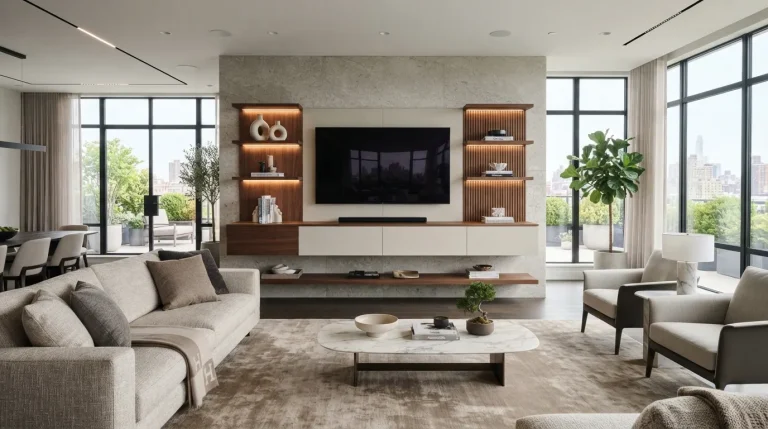
Architectural details also add lasting sophistication. Fluted wood panels, marble feature walls, geometric molding, and minimalist floating shelves introduce texture while keeping the design refined. I’ve noticed that oversized artwork often creates a stronger impression than several smaller frames placed together. A common mistake people make is hanging artwork too high, which disrupts the room’s proportions. One practical approach is positioning the center of the artwork close to eye level and ensuring it relates proportionally to nearby furniture for a professionally styled appearance.
Balanced Layout
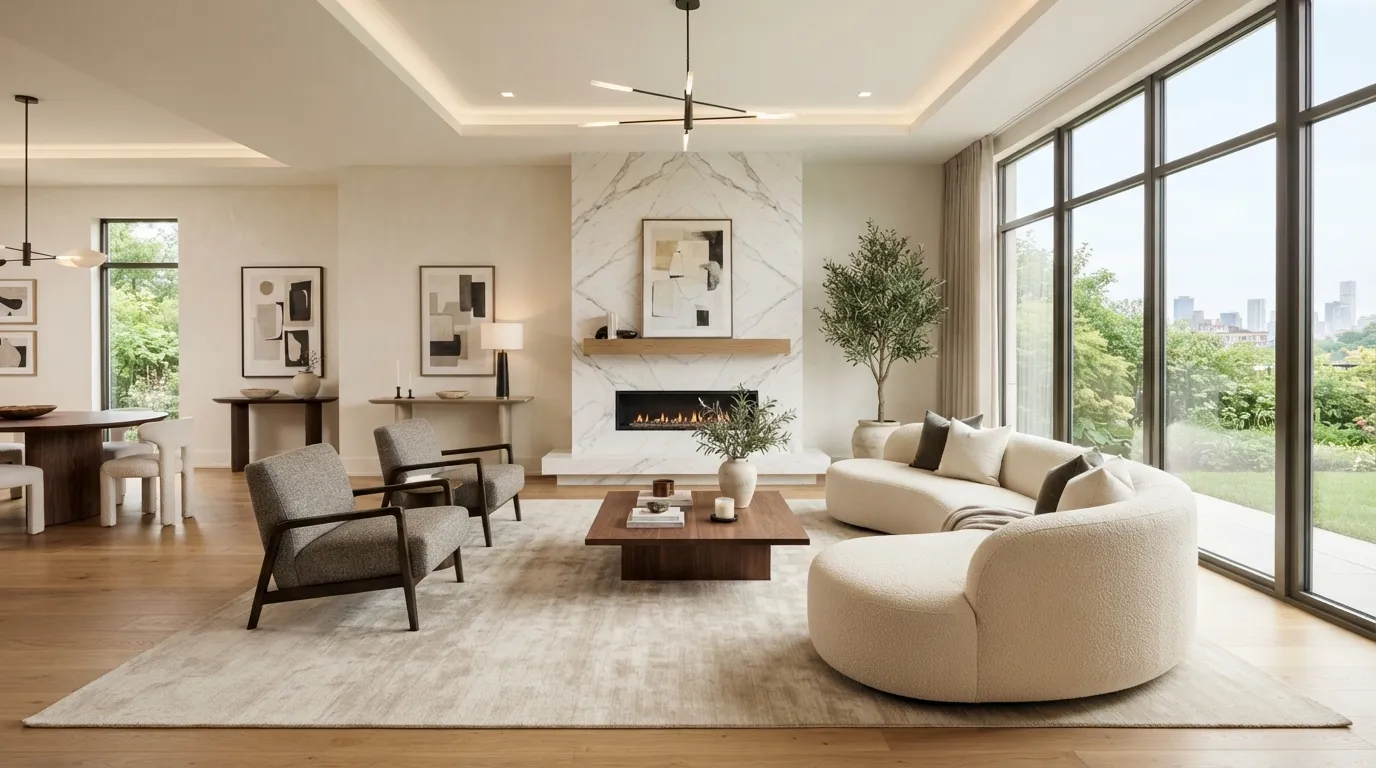
A thoughtful furniture layout makes the room feel more spacious, comfortable, and visually appealing. Instead of pushing every piece against the walls, arrange seating to encourage conversation while highlighting a focal point such as a fireplace, large window, or entertainment unit. The goal is creating a natural flow that allows people to move comfortably throughout the space. One practical approach is beginning with the largest furniture piece and positioning the remaining items around it to establish balance before adding decorative accents.
Scale and spacing play a significant role in achieving a luxurious appearance. Even premium furniture can feel crowded if pieces are placed too closely together or scattered without purpose. I’ve found that leaving generous pathways immediately improves both comfort and visual harmony. Area rugs also help define seating zones while connecting sofas, chairs, and tables into one cohesive arrangement. Avoid filling every corner simply because space is available, as carefully placed furniture often creates a more elegant and inviting atmosphere.
Finishing Touches
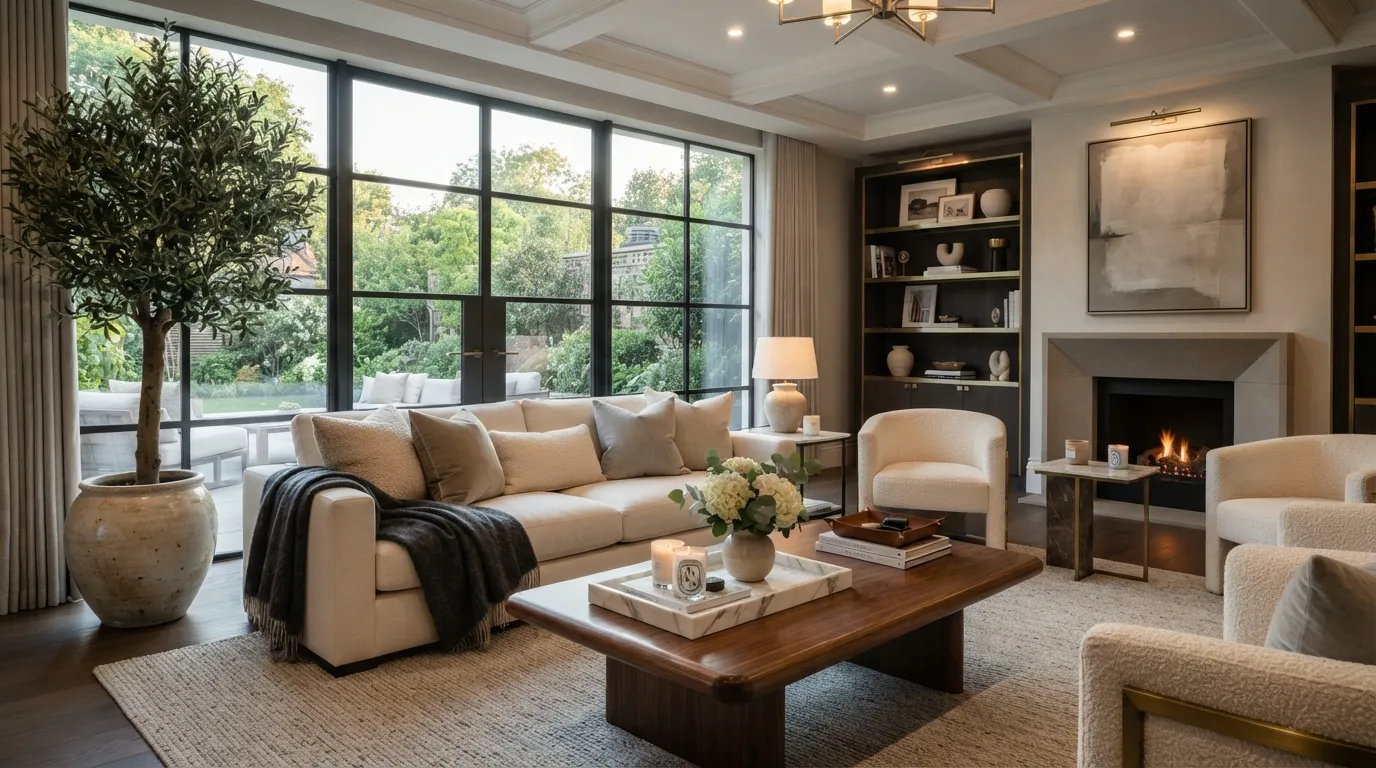
The final details often determine whether a living room feels complete or unfinished. Fresh flowers, elegant candles, decorative trays, luxury throws, and carefully selected cushions introduce warmth while reinforcing the overall design theme. Small updates like replacing outdated hardware, upgrading lamp shades, or adding textured accessories can dramatically improve the room without requiring a full renovation. These finishing touches create a welcoming environment that feels polished, comfortable, and thoughtfully curated for everyday living as well as entertaining guests.
Maintaining the space is equally important for preserving its luxurious appearance. Clean surfaces, organized shelves, and well-cared-for furniture allow every design element to stand out. In my experience, rotating decorative accessories seasonally keeps the room feeling fresh without unnecessary spending. A common mistake people make is adding new décor without removing older pieces, resulting in visual clutter. Thoughtful editing is often more effective than constant decorating, helping the room retain an elegant, timeless atmosphere throughout the year.
Smart Storage
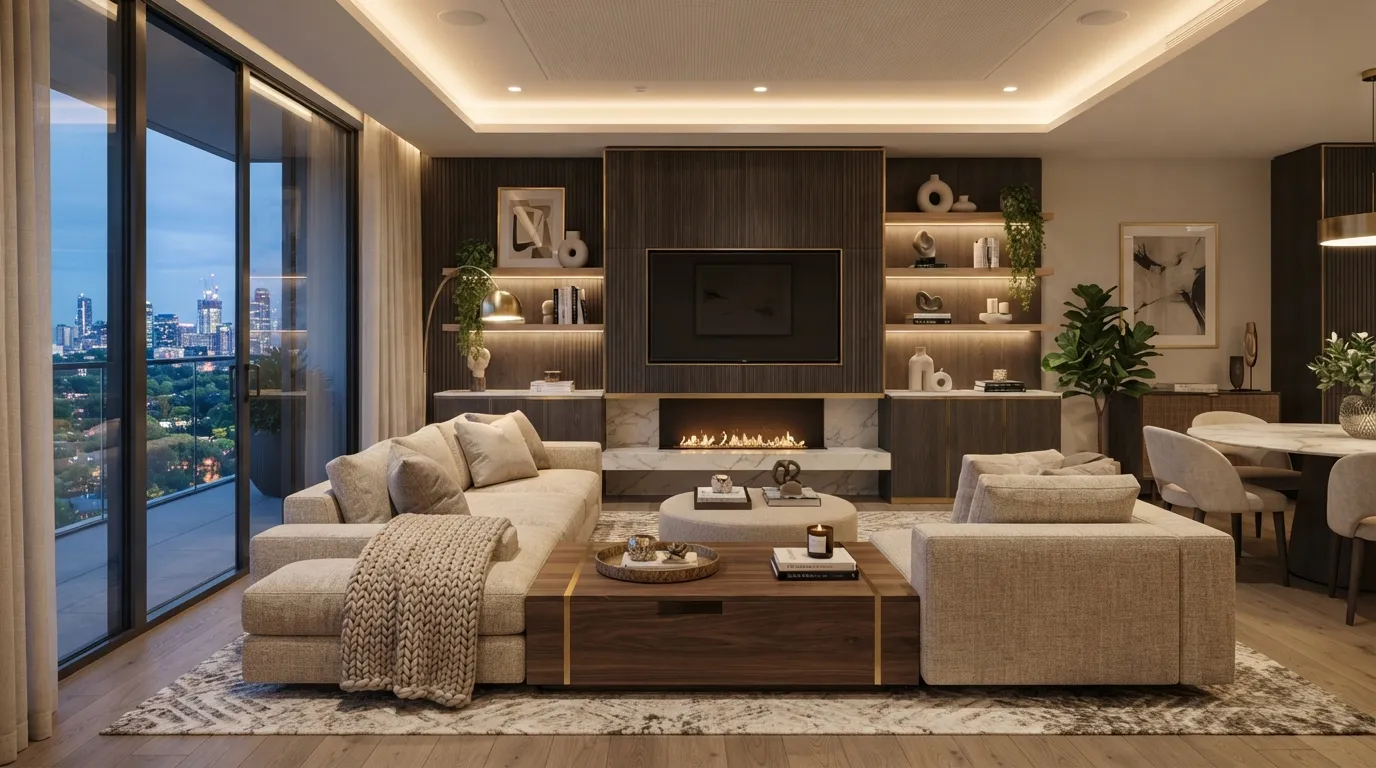
An organized living room always feels more luxurious than one filled with visible clutter. Smart storage solutions help maintain clean lines while ensuring everyday items remain within easy reach. Built-in cabinets, concealed storage ottomans, sleek media units, and multifunctional coffee tables provide practical storage without compromising style. Many professionals recommend treating storage as part of the overall design rather than an afterthought. This approach keeps the room functional while allowing decorative elements to become the visual focus instead of miscellaneous household items.
Custom-looking storage doesn’t always require a major renovation. Floating shelves, matching baskets, and closed cabinetry can create a streamlined appearance while keeping books, electronics, and accessories neatly organized. I’ve noticed that limiting open shelving to curated displays makes the room feel calmer and more refined. A common mistake people make is leaving everyday items on tables and countertops, which quickly creates visual clutter. Regularly editing displayed objects helps maintain a sophisticated space that looks polished throughout the year.
Natural Greenery
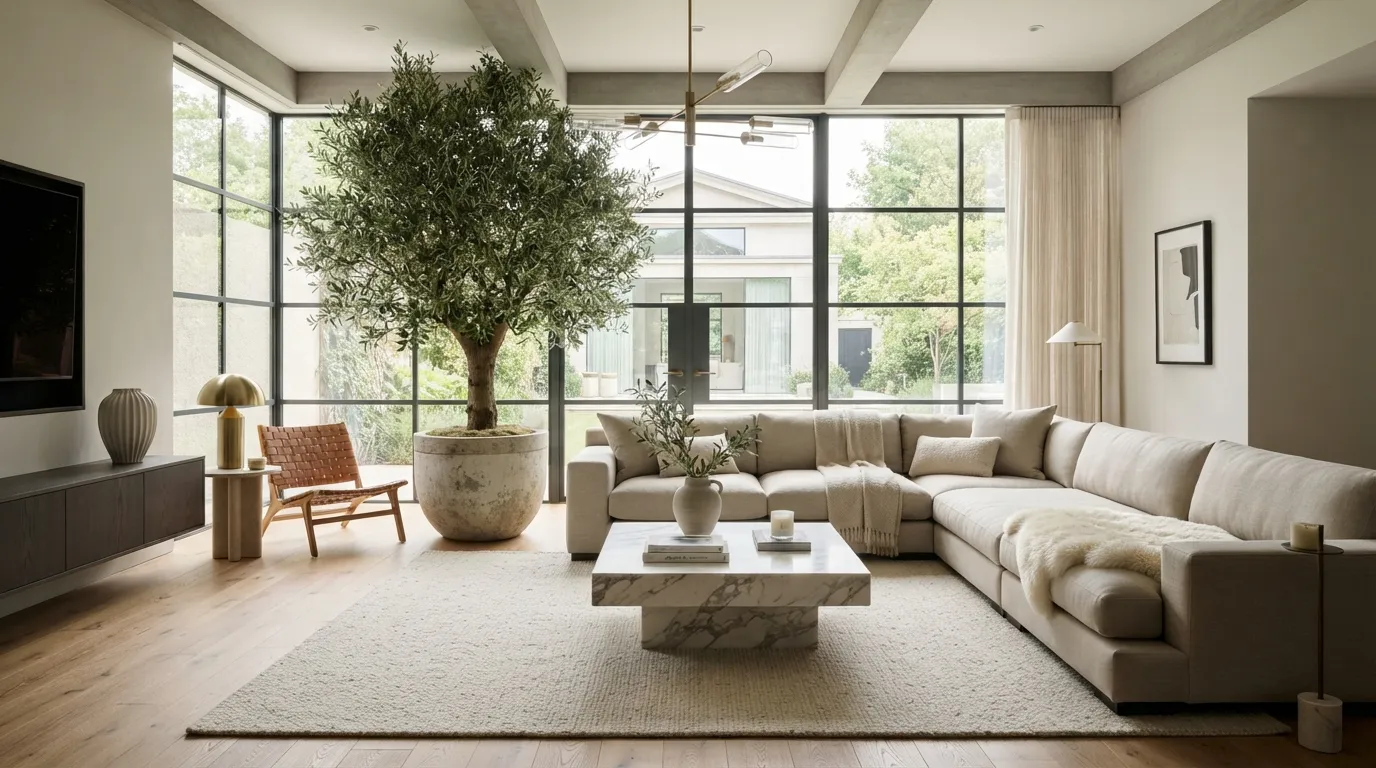
Natural greenery introduces life, texture, and freshness while softening modern interiors. Large indoor plants such as olive trees, fiddle leaf figs, bird of paradise, or rubber plants become sculptural design elements that complement contemporary furniture. Instead of placing small plants throughout the room, consider one or two statement varieties in elegant ceramic or stone planters. One practical approach is selecting containers that coordinate with existing finishes, helping the greenery blend naturally into the overall design while adding organic contrast.
Plants also improve the visual balance of spaces dominated by stone, glass, and metal finishes. Their natural shapes create movement and warmth without requiring excessive decoration. In my experience, larger plants often have a greater impact than several smaller pots scattered around the room. A common mistake people make is choosing plants that outgrow the available space or require more light than the room provides. Matching plant selection to your environment keeps the display healthy, beautiful, and easy to maintain.
Personal Style
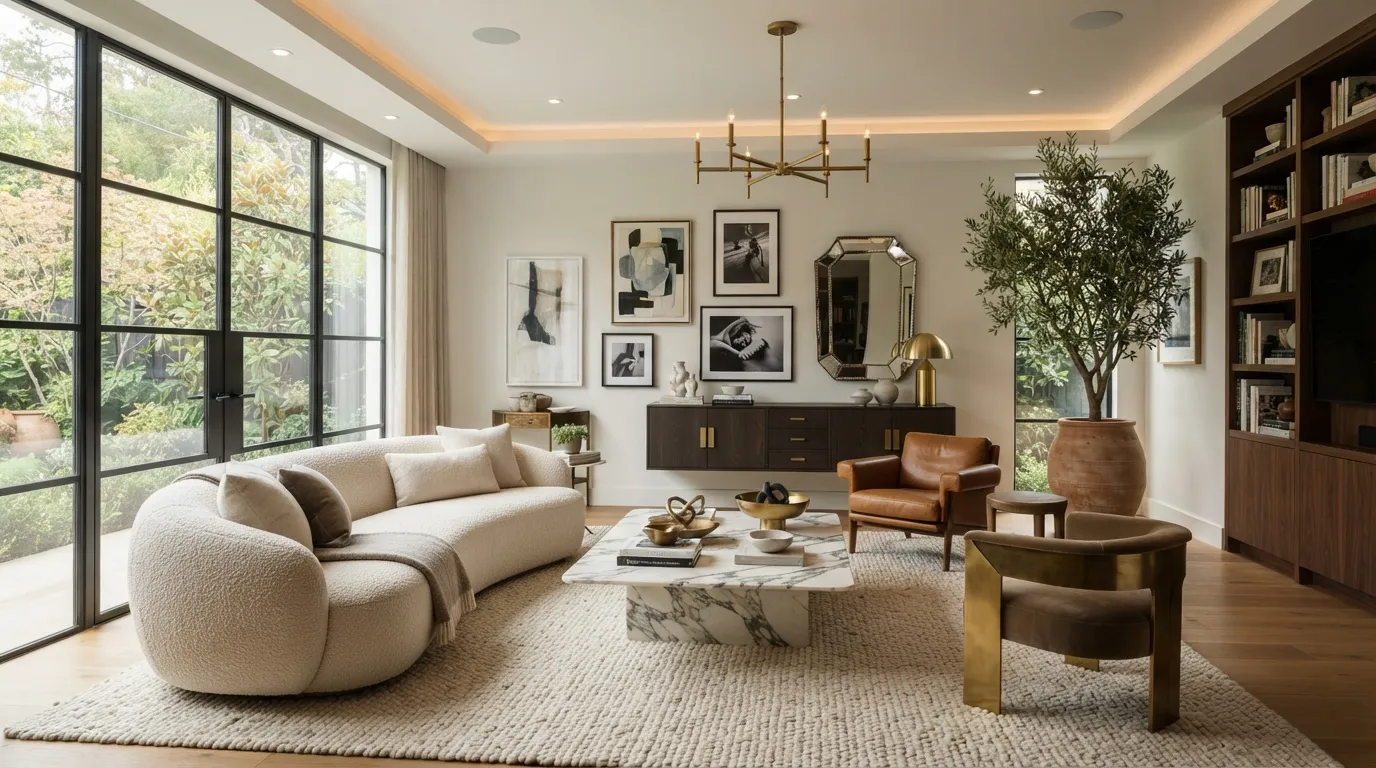
A luxurious living room should feel personal as well as beautiful. While inspiration from designer homes can provide direction, incorporating meaningful artwork, travel souvenirs, family heirlooms, or handcrafted décor gives the space authenticity and character. The most memorable interiors reflect the people who live in them rather than copying every current trend. If you’re wondering how to decorate living room spaces that remain stylish over time, prioritize pieces you genuinely enjoy and build around them with complementary furnishings and finishes.
Creating a personalized interior doesn’t mean filling every surface with decorative objects. Carefully edit your displays so each piece has room to stand out and contribute to the overall design. I’ve found that blending timeless furniture with a few current trends creates a room that feels fresh without becoming dated too quickly. A common mistake people make is replacing quality items simply because trends change. Investing in classic foundations while updating smaller accessories offers flexibility, long-term value, and a consistently elegant appearance.
Area Rugs
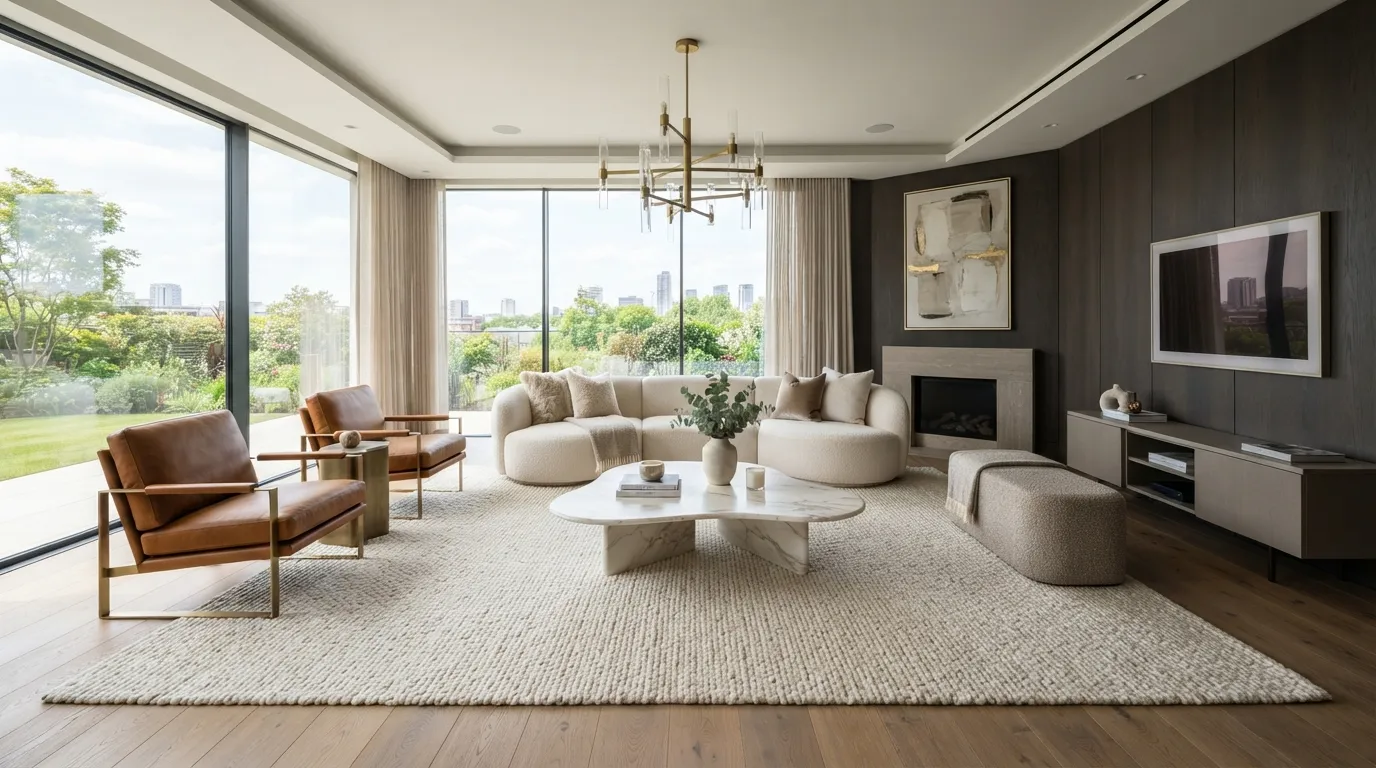
A well-chosen area rug brings the entire seating arrangement together while adding warmth and texture underfoot. Instead of treating it as an afterthought, use it to define the conversation area and create visual unity between the sofa, chairs, and coffee table. Large rugs generally make a room feel more spacious because they connect furniture into one cohesive composition. Many professionals recommend placing at least the front legs of major seating pieces on the rug to establish a polished, designer-inspired layout with balanced proportions.
Material selection is equally important for both comfort and durability. Wool, premium synthetic blends, and textured natural fibers provide softness while standing up to everyday use. I’ve noticed that rugs with subtle patterns and layered textures remain timeless longer than bold, trend-driven designs. A common mistake people make is choosing a rug that is too small, making the furniture appear disconnected. Investing in the correct size immediately enhances the room’s scale and creates a luxurious foundation that complements every other design element.
Ceiling Design
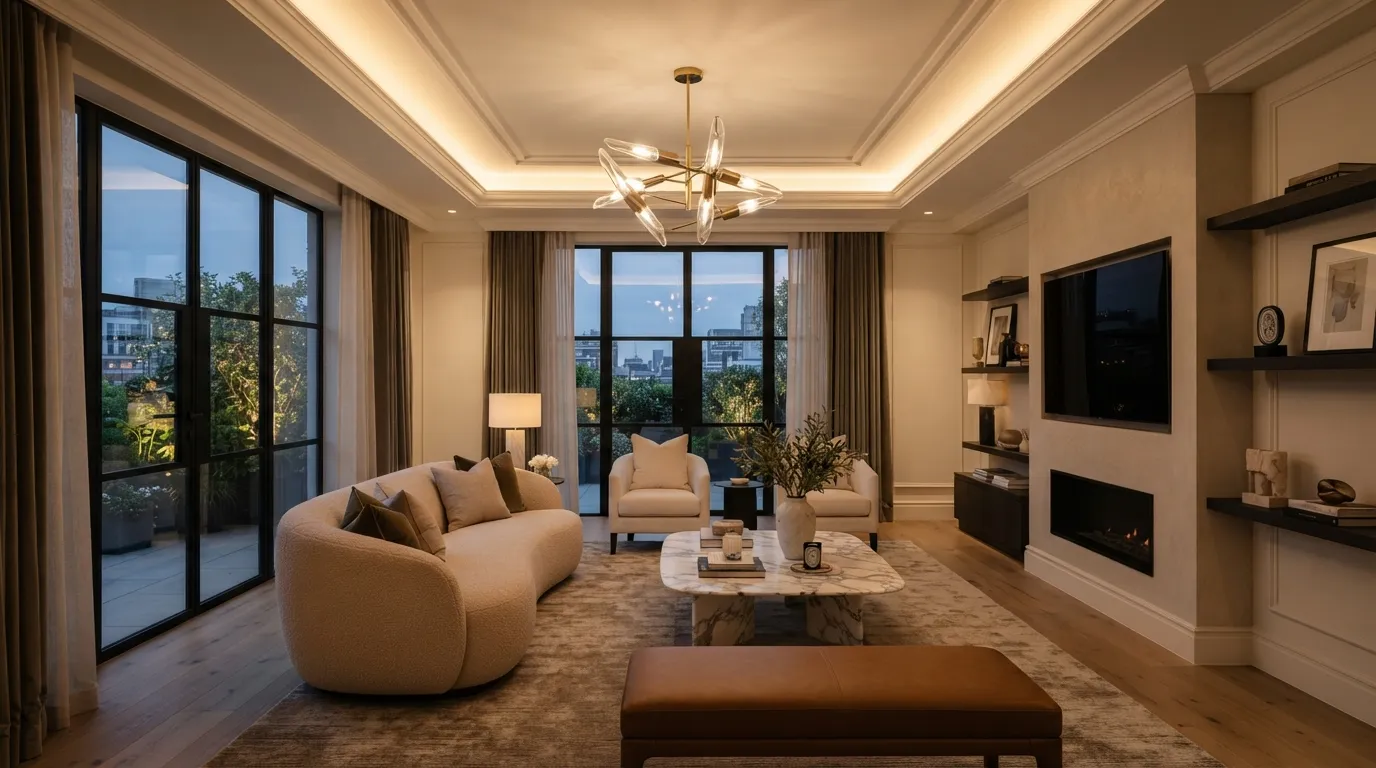
The ceiling is often overlooked, yet it has a significant impact on the overall atmosphere of a living room. Simple upgrades such as recessed lighting, elegant molding, wood slats, or a tray ceiling can introduce architectural character without overwhelming the space. Clean ceiling lines help modern interiors feel open and refined, while thoughtful detailing adds depth that complements the rest of the design. One practical approach is keeping the ceiling visually simple and allowing lighting to become the primary decorative feature.
Lighting placement should enhance both functionality and appearance. Evenly spaced recessed fixtures combined with a statement chandelier or sculptural pendant create a layered effect that feels sophisticated. In my experience, subtle architectural details usually age better than highly decorative ceiling treatments. A common mistake people make is installing oversized fixtures that dominate the room instead of complementing it. Choosing lighting proportional to the ceiling height and room dimensions creates a balanced, elegant look that remains stylish for years.
Seasonal Updates
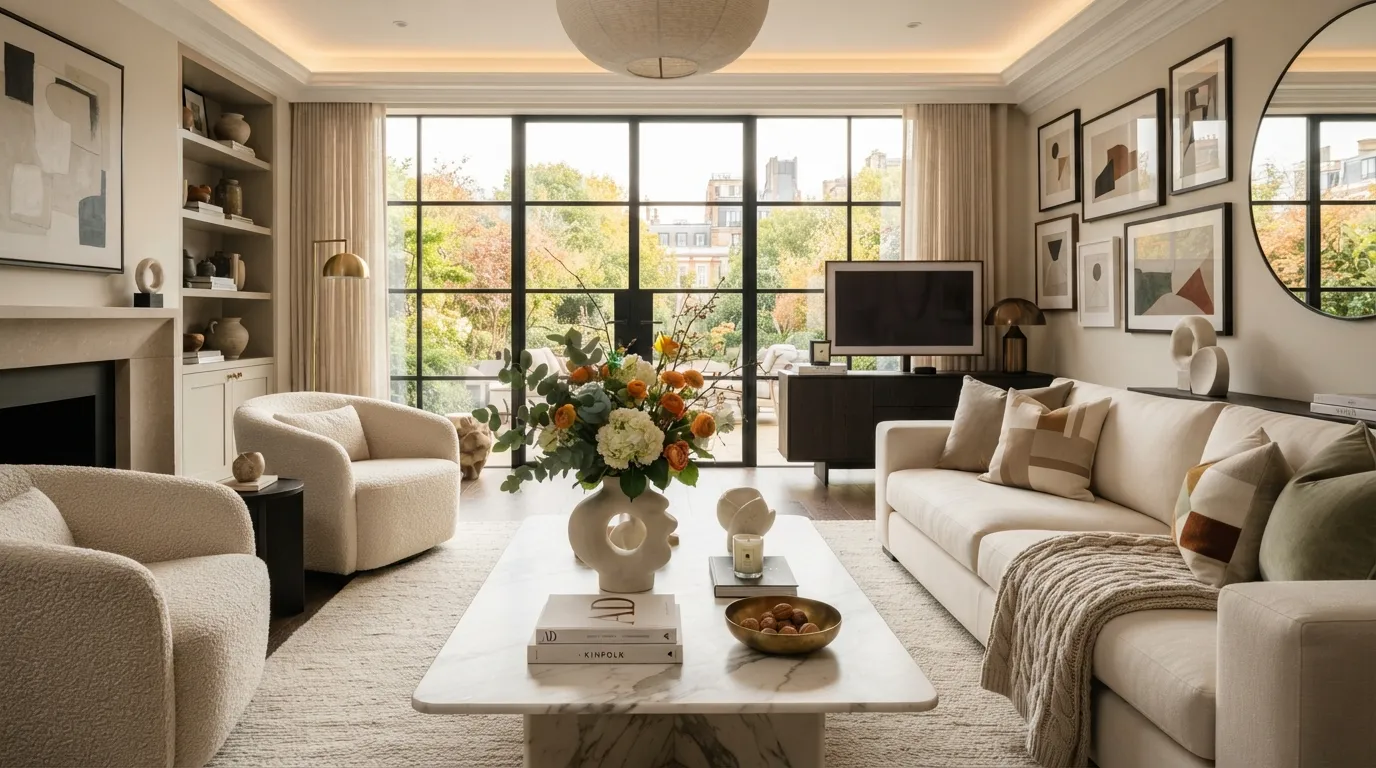
Keeping a living room fresh does not require replacing major furniture every year. Small seasonal updates can transform the atmosphere while preserving the timeless foundation of the space. Swapping cushion covers, adding textured throws, displaying seasonal flowers, or introducing decorative accents in current colors creates variety without disrupting the overall design. This strategy allows the room to evolve naturally throughout the year while maintaining an elegant appearance that never feels outdated or overly themed.
Thoughtful seasonal styling also prevents unnecessary spending by focusing on versatile accessories rather than permanent changes. I’ve found that rotating decorative objects keeps a room feeling renewed while encouraging a more intentional approach to decorating. A common mistake people make is following every trend, resulting in mismatched styles over time. If you’re learning how to decorate living room spaces for lasting appeal, invest in timeless furniture first, then update smaller accents seasonally to keep the space modern, inviting, and effortlessly luxurious.
Accent Seating
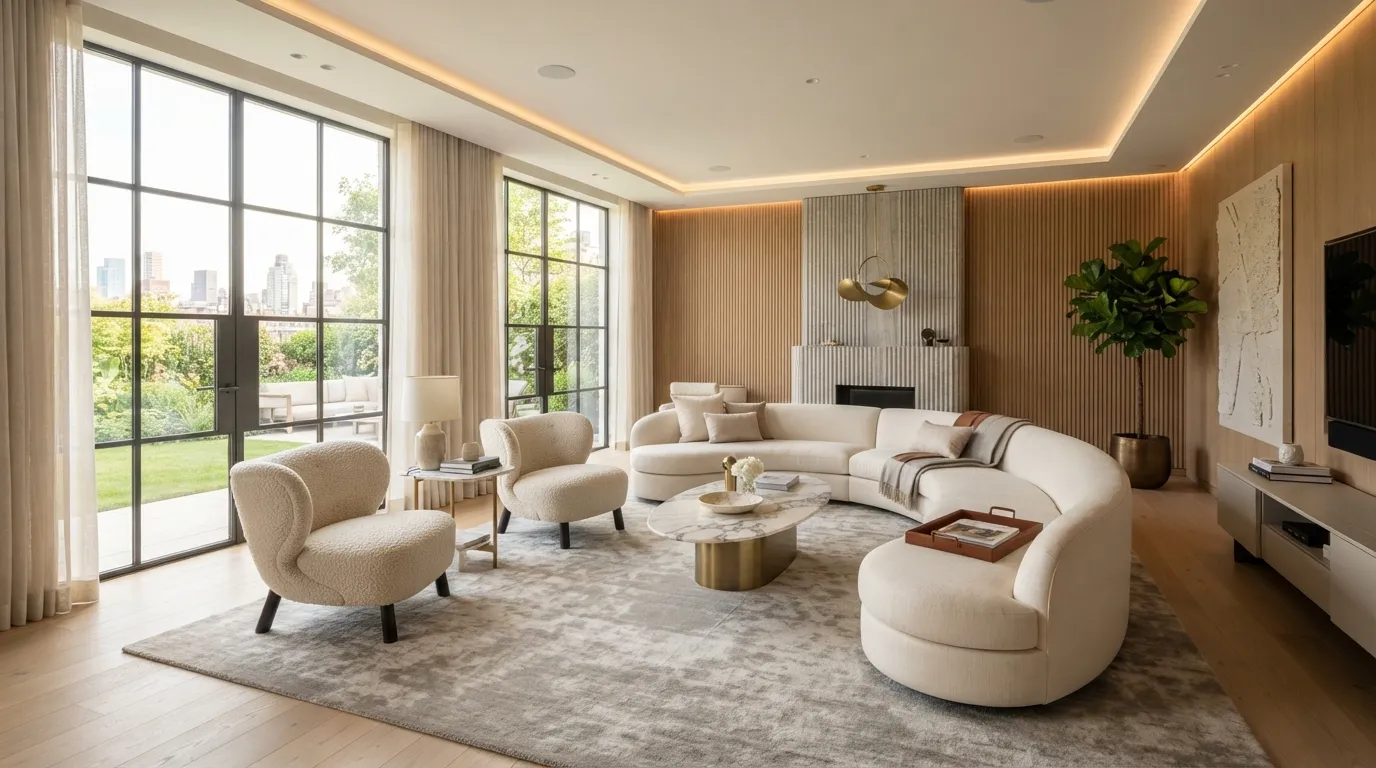
Accent seating adds both function and sophistication by creating additional places to relax without overwhelming the room. Sculptural lounge chairs, swivel chairs, or modern armchairs can become eye-catching design features while balancing the main seating arrangement. Rather than matching every piece exactly, combine complementary materials and colors that work within the overall palette. Many professionals recommend placing accent chairs near a coffee table or fireplace to create a welcoming conversation area that feels intentional and visually balanced.
Comfort should always accompany style when selecting occasional seating. High-quality upholstery, supportive cushions, and durable frames ensure these pieces remain practical for everyday use as well as entertaining guests. I’ve noticed that curved silhouettes soften modern interiors filled with straight architectural lines, resulting in a warmer atmosphere. A common mistake people make is choosing oversized chairs that restrict movement. Selecting appropriately scaled seating preserves open walkways while maintaining the elegant proportions associated with professionally designed interiors.
Coffee Table Styling
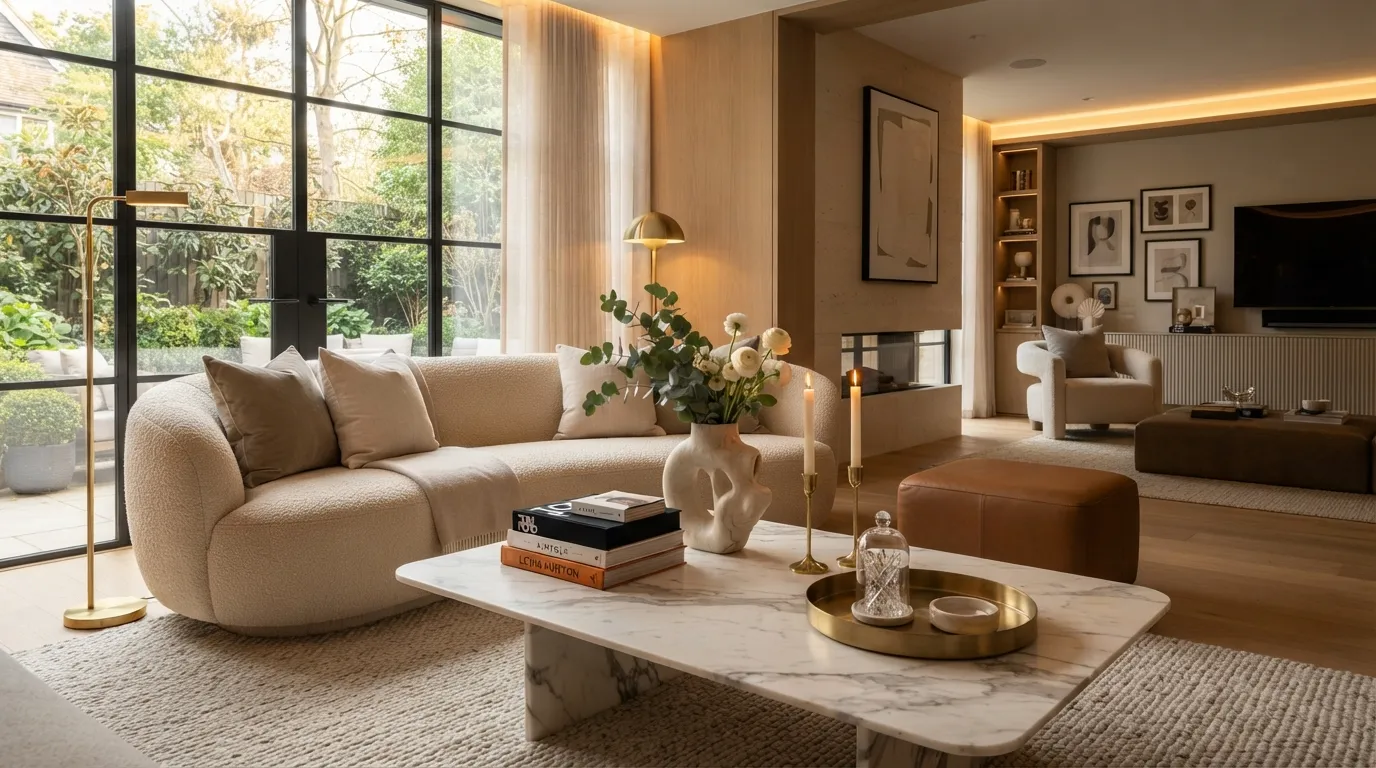
A thoughtfully styled coffee table becomes an elegant centerpiece that enhances the entire seating area. Instead of covering every inch with decorations, arrange a curated collection of objects that complement the room’s overall style. Coffee table books, sculptural vases, candles, decorative bowls, and fresh greenery create visual interest while maintaining a clean appearance. One practical approach is grouping accessories on a decorative tray, making the arrangement feel organized while allowing the table to remain functional for everyday use.
Balance is more important than quantity when styling surfaces. Mixing smooth marble, textured ceramics, glass, and natural wood introduces subtle contrast that feels refined rather than excessive. In my experience, leaving empty space between decorative pieces creates a more luxurious impression than filling every corner. A common mistake people make is using accessories of the same height, which makes the display appear flat. Varying scale and texture produces depth while keeping the arrangement sophisticated and visually appealing.
Technology Integration
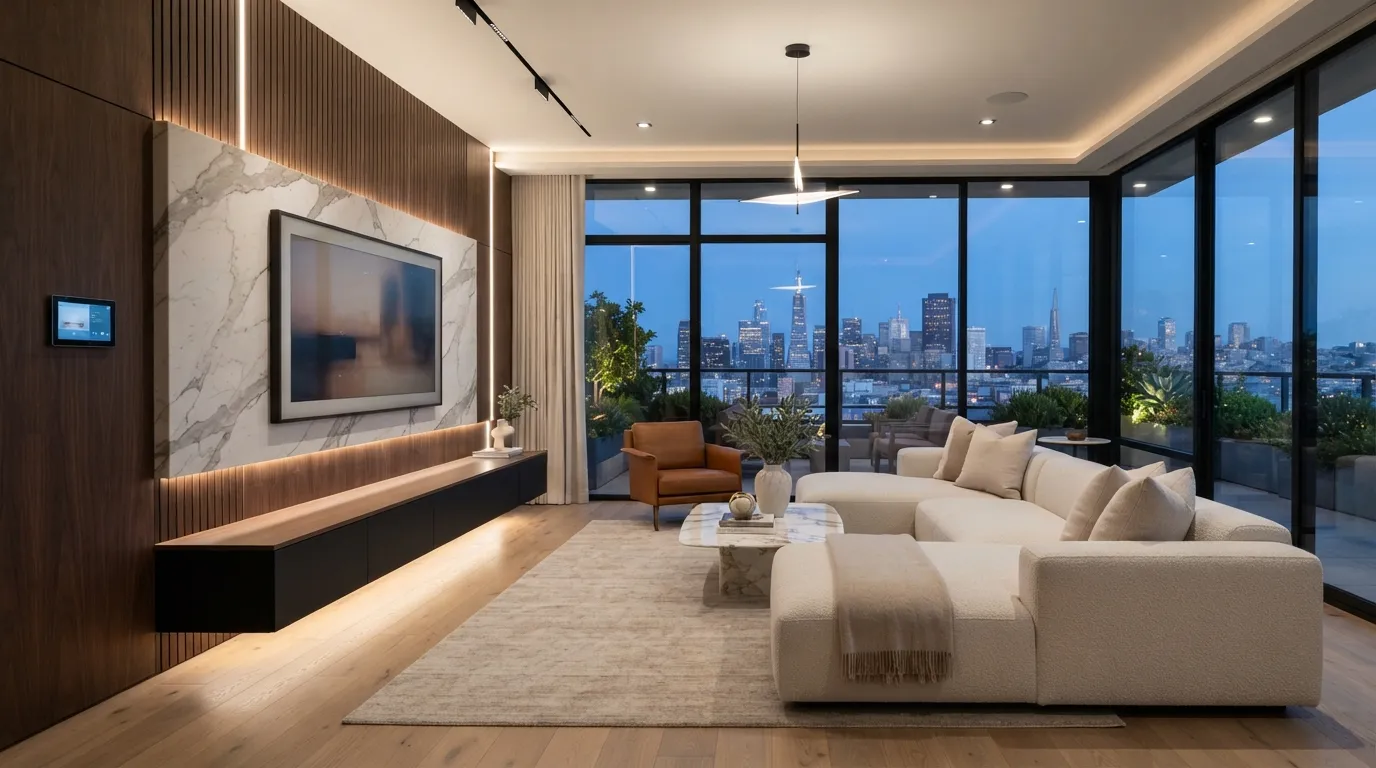
Modern technology can enhance both convenience and aesthetics when integrated thoughtfully into the living room. Wall-mounted televisions, concealed cable management, built-in speakers, and smart lighting systems create a streamlined appearance while improving everyday functionality. Rather than allowing electronics to become the visual focus, incorporate them into cabinetry or minimalist media walls that complement the room’s architecture. This approach preserves a refined atmosphere while ensuring the latest technology remains easy to access and enjoyable to use.
Smart home features also contribute to a more personalized living experience. Adjustable lighting scenes, automated blinds, and voice-controlled devices make it simple to change the room’s mood throughout the day without adding visual clutter. I’ve seen this method work well because it combines comfort with clean design, allowing technology to support the space instead of overpowering it. A common mistake people make is leaving visible wires and multiple devices exposed, which immediately reduces the polished, luxurious appearance of an otherwise beautiful room.
Maintenance Routine
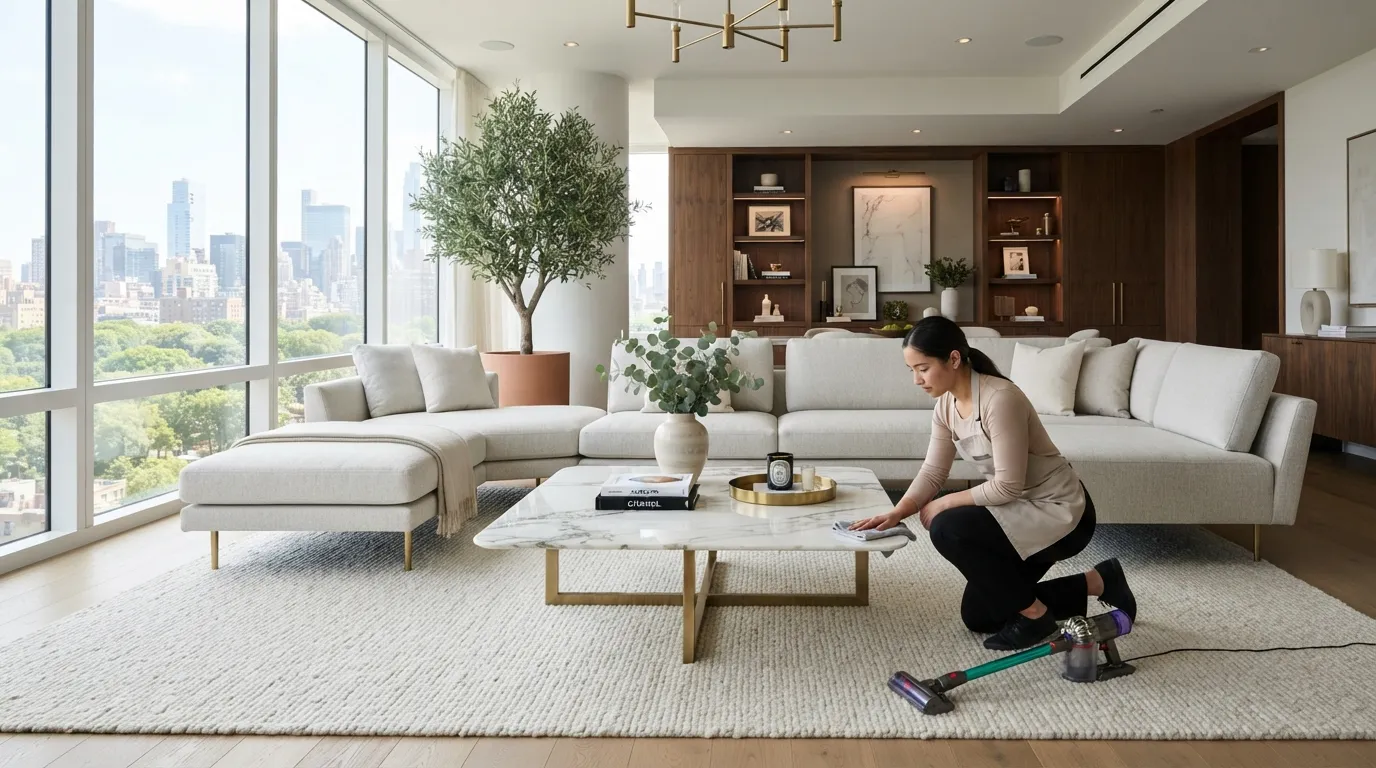
Even the most beautifully designed living room can lose its luxurious appeal without consistent maintenance. Regular cleaning keeps furniture, lighting, flooring, and decorative accents looking their best while extending their lifespan. Dusting shelves, polishing metal finishes, vacuuming upholstery, and caring for natural stone surfaces help preserve the refined appearance you’ve worked to create. Many professionals recommend following a weekly maintenance routine because small, consistent efforts are far easier than restoring a neglected room after months of accumulated dust and wear.
Protecting quality materials is equally important for maintaining long-term value. Use coasters on marble surfaces, rotate cushions to prevent uneven wear, and follow manufacturer recommendations for cleaning specialty fabrics. I’ve found that addressing small scratches, loose hardware, or minor stains immediately prevents larger issues later. A common mistake people make is focusing only on decorating while overlooking maintenance. A well-maintained space always appears more luxurious than a neglected room filled with expensive furnishings.
Budget Priorities
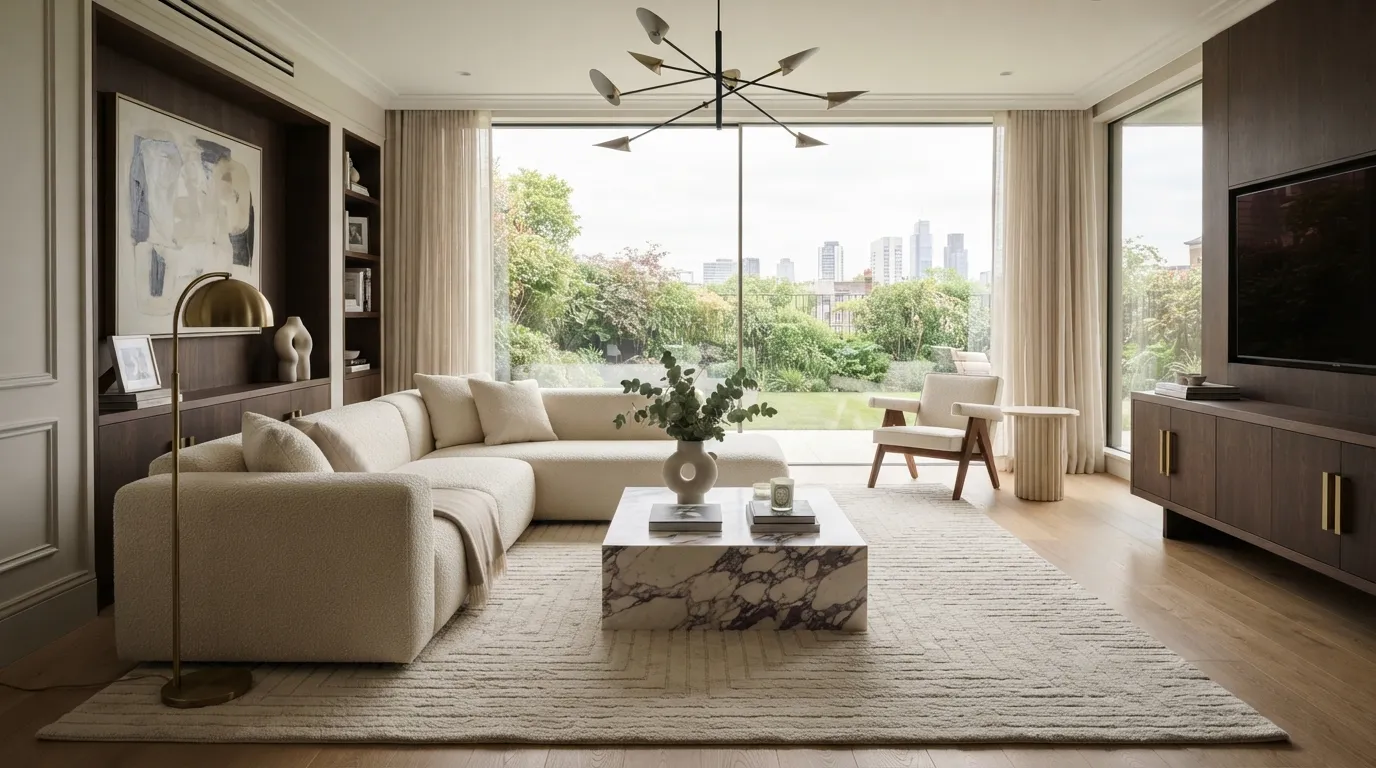
Creating an elegant living room does not always require an unlimited budget. Prioritizing investments allows you to achieve a premium appearance while spending wisely over time. Begin with foundational pieces such as a comfortable sofa, quality rug, durable lighting, and well-made tables before purchasing decorative accessories. One practical approach is upgrading the room in phases, ensuring every new addition complements the existing design rather than making rushed purchases that may need replacing later.
Accessories, artwork, and seasonal décor can evolve as your style changes, making them ideal areas to save money initially. In my experience, investing in fewer high-quality essentials delivers better long-term results than purchasing numerous inexpensive items at once. A common mistake people make is spending most of their budget on trendy decorations while overlooking furniture quality and layout. Thoughtful planning creates a refined interior that feels cohesive, comfortable, and luxurious regardless of the overall budget.
Common Decorating Mistakes
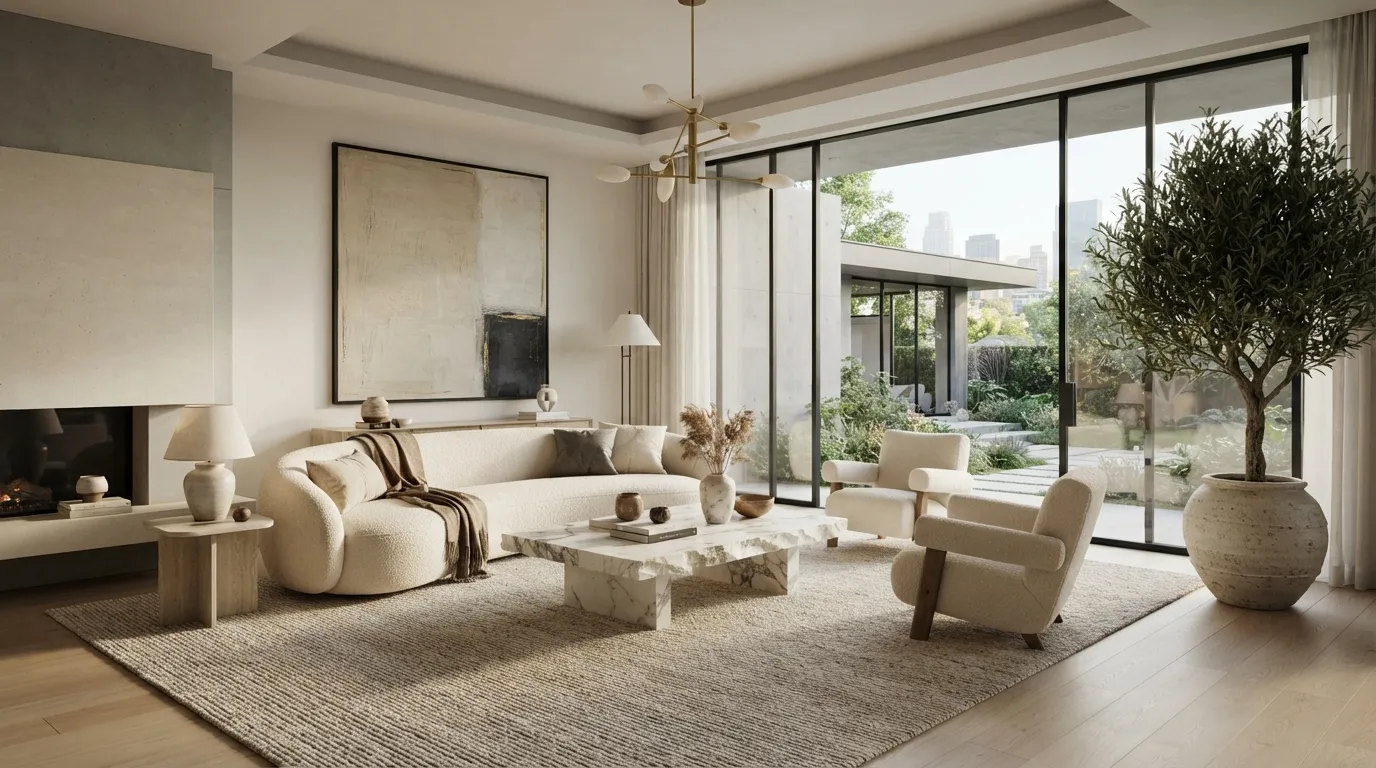
Avoiding common decorating mistakes is just as important as selecting beautiful furniture and accessories. Overcrowded layouts, mismatched finishes, poor lighting, and oversized decorative pieces can make even premium interiors feel disorganized. If you’re learning how to decorate living room spaces successfully, remember that thoughtful restraint often creates a stronger impression than excessive decoration. Focus on balance, proportion, and functionality so every element contributes to a cohesive design that feels inviting as well as visually refined.
Successful interiors continue evolving through careful observation rather than constant redesign. I’ve noticed that stepping back and evaluating the room after each update helps identify areas that need adjustment before adding more décor. A common mistake people make is trying to fill every empty wall or surface immediately. Leaving intentional open space creates breathing room, highlights statement pieces, and gives the entire living room a calm, sophisticated atmosphere that reflects modern luxury instead of unnecessary excess.
In the End
Designing a luxurious living room is about combining thoughtful planning, quality materials, balanced layouts, and carefully chosen decorative details. Throughout this guide, you’ve learned practical ways to create a refined space by improving color coordination, lighting, furniture selection, storage, textures, accessories, and overall organization. When deciding how to decorate living room interiors, remember that consistency and attention to detail often have a greater impact than expensive purchases alone. I’ve found that even small improvements can make a significant difference over time. Apply these ideas with confidence, continue exploring new design inspiration, and enjoy creating a living room that reflects your personal style while remaining elegant, comfortable, and timeless.

Olivia Carter
Olivia Carter is the founder of Lady Home Decor and a passionate home decor expert. She shares practical, stylish ideas to help homeowners create beautiful, comfortable, and welcoming spaces. Her expertise covers bedrooms, kitchens, living rooms, bathrooms, and small-space decorating.