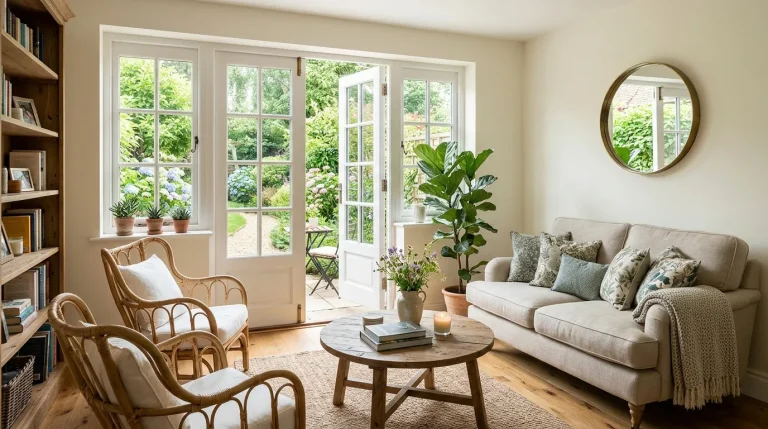
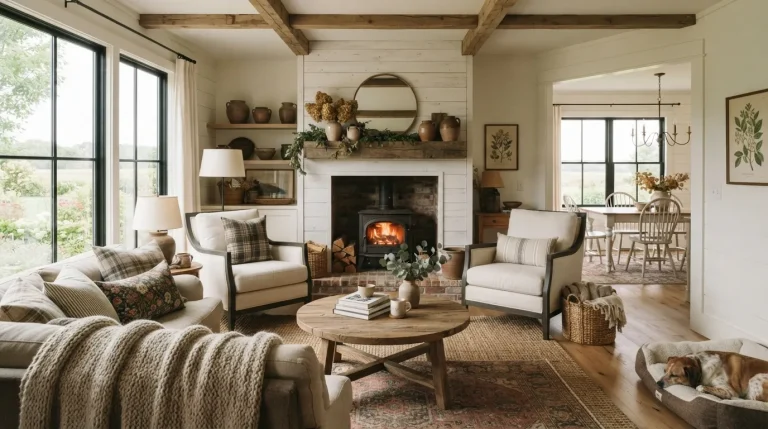
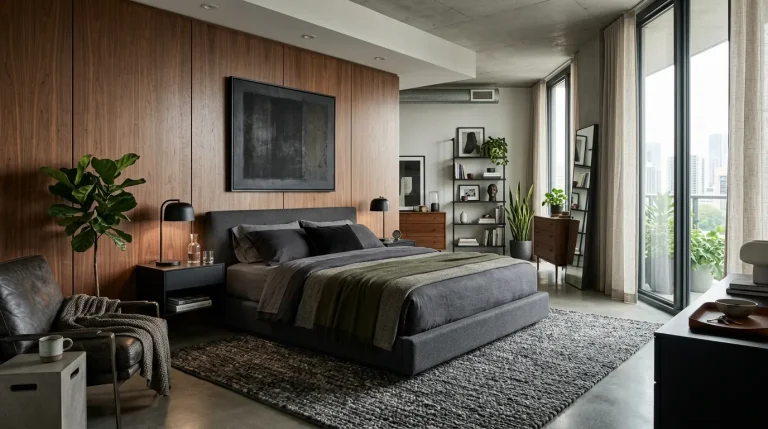
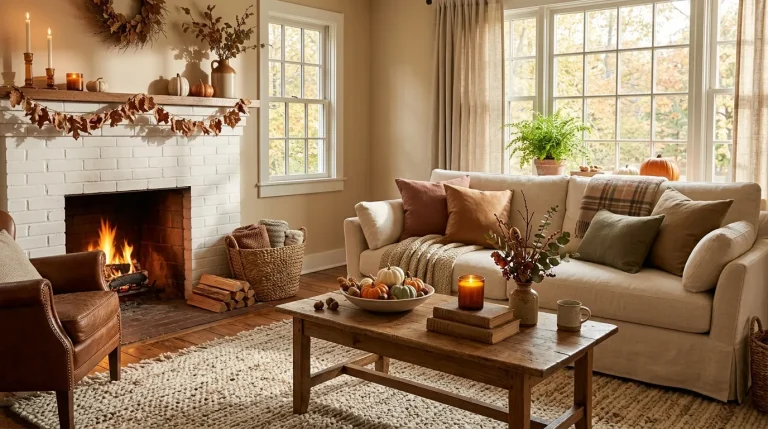
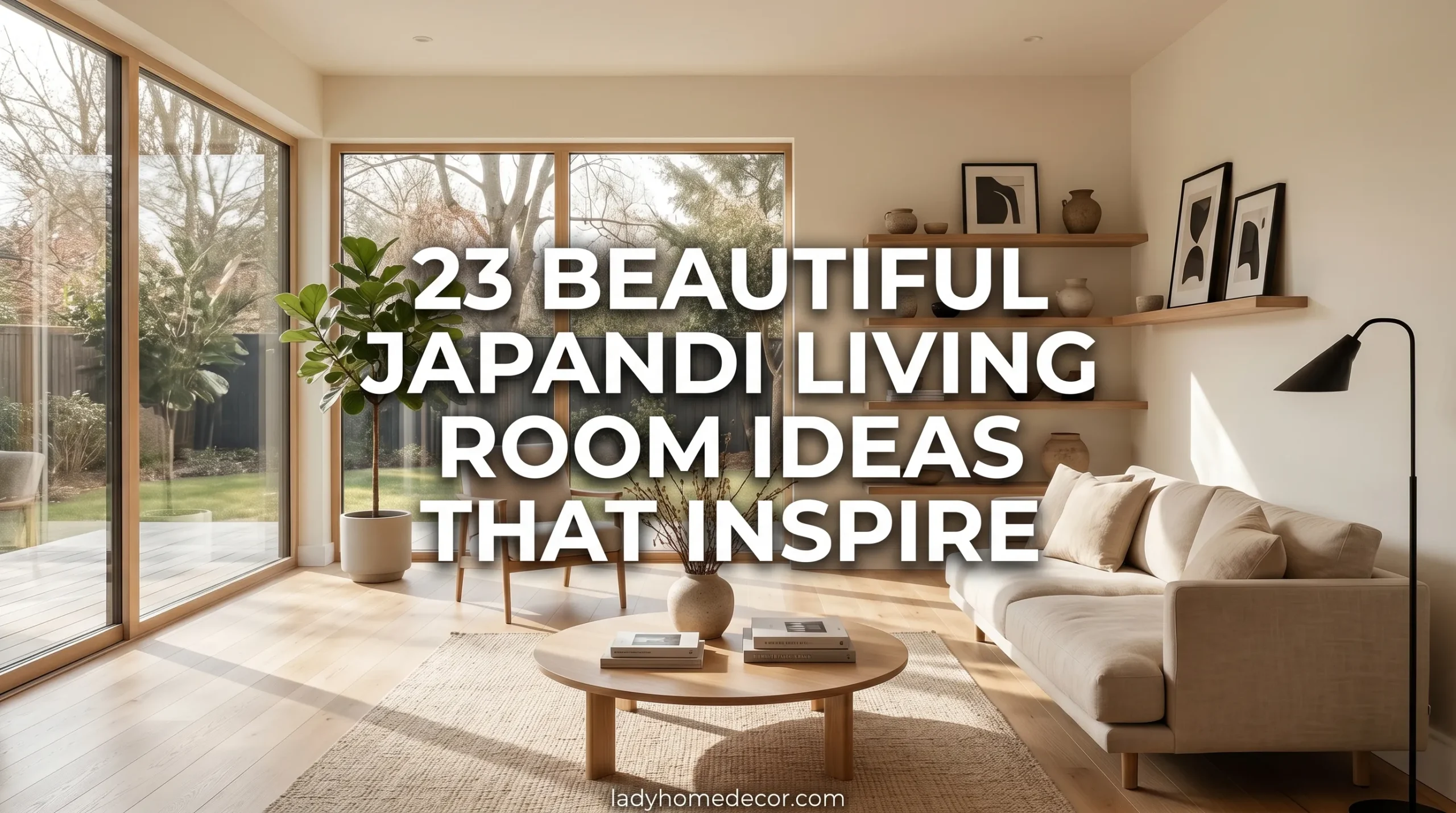
23 Beautiful Japandi Living Room Ideas That Inspire

Introduction
Dreaming of a calm, clutter-free space that still feels warm and stylish? These Japandi Living Room Ideas are exactly what you need to transform your home into a peaceful retreat. Blending minimal design with cozy comfort, this style helps you create a space that feels both functional and beautifully balanced.
If your living room feels overwhelming, outdated, or just not “right,” you’re not alone. I’ve noticed many people struggle to find that perfect mix of simplicity and warmth. That’s where Japandi design truly shines. It focuses on clean lines, natural materials, and intentional choices that make your space feel lighter and more inviting. In my experience, even small changes like adjusting lighting or textures can completely shift how a room feels. This guide is here to inspire you with practical, easy-to-follow ideas that you can actually use in real homes.
1. Neutral Wood Harmony
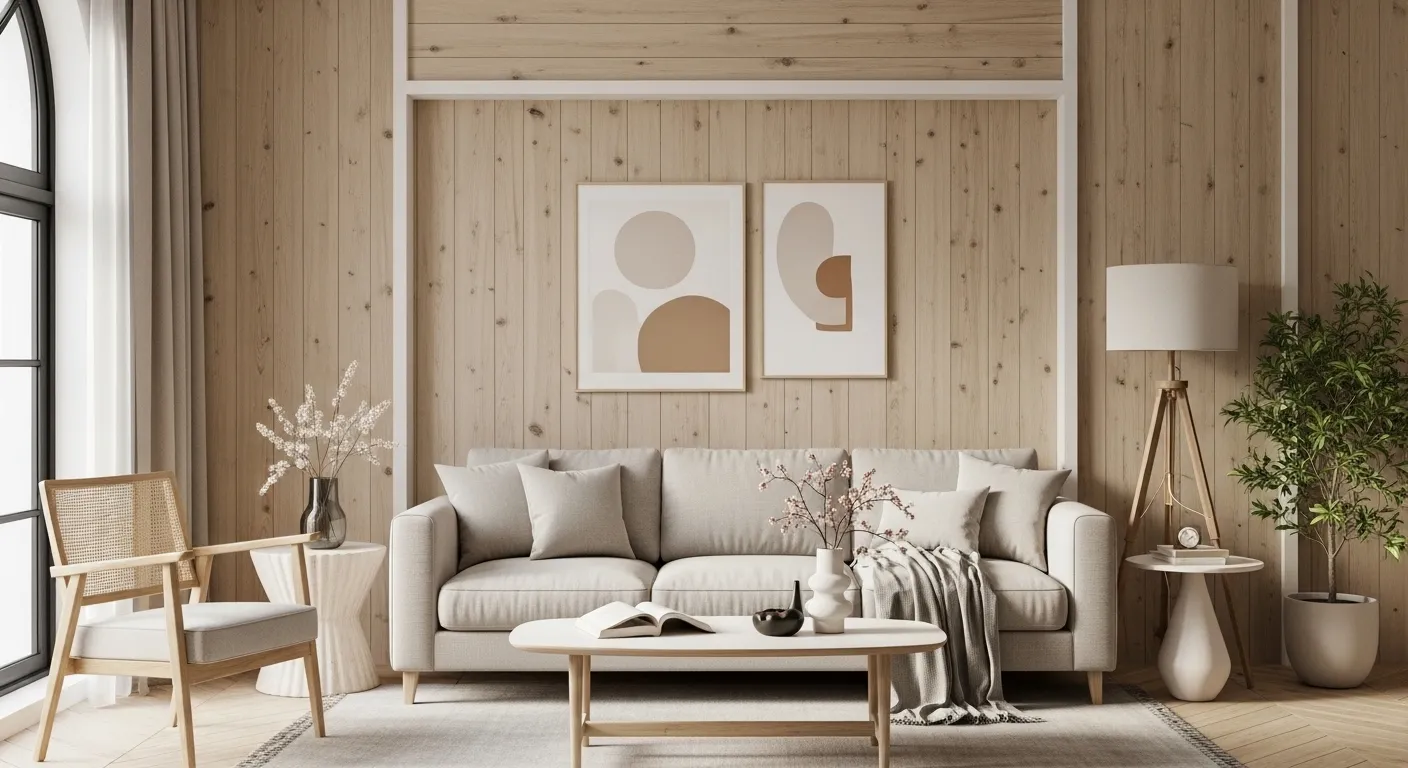
A calm and grounded living space often starts with the right materials, and this setup does it effortlessly. Neutral wood tones instantly bring warmth while keeping the room light and breathable. I’ve noticed that using oak or ash finishes helps reflect light beautifully, making even smaller spaces feel more open. This approach works especially well if your goal is to create Japandi living room ideas that feel timeless rather than trendy. The simplicity of the materials allows every piece to stand out without overwhelming the space.
What makes this idea truly practical is how easy it is to maintain and style over time. Neutral wood pairs seamlessly with soft fabrics and subtle decor, so you don’t need to constantly redecorate to keep it looking fresh. That’s why many designers recommend starting with a neutral base like this. It creates flexibility while still delivering a polished, cohesive look. Over time, you’ll notice the room feels more relaxing and visually balanced, which is exactly what this design style aims to achieve.
2. Low Profile Seating
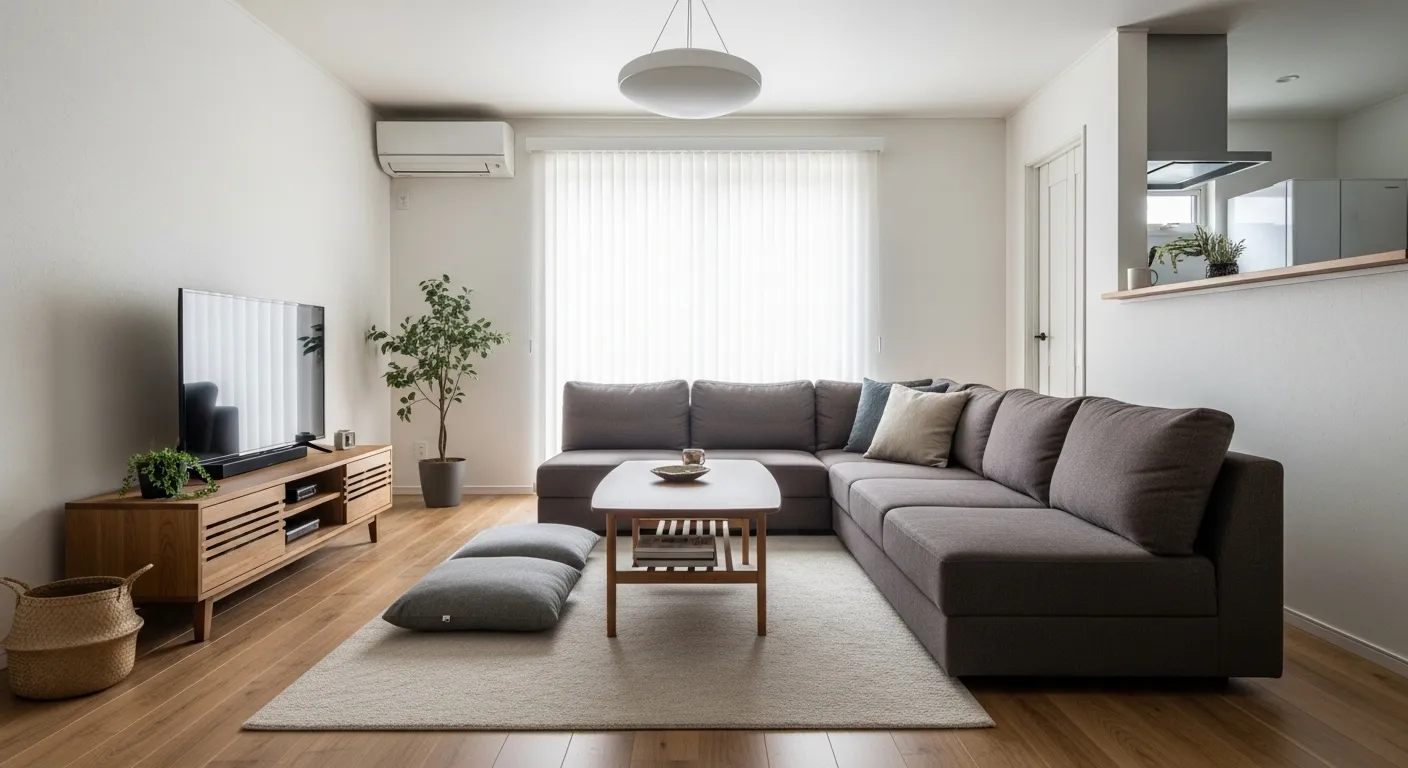
If you want your living room to feel instantly calmer, lowering your furniture can make a surprising difference. Low-profile seating creates a grounded look that visually expands the space, making ceilings appear higher and rooms feel less crowded. In my experience, this works especially well in homes where space is limited but style still matters. The simplicity of a lower sofa or floor seating aligns perfectly with Japandi interiors, where comfort meets minimal design in a very intentional way.
Another benefit is how this setup naturally encourages a slower, more relaxed lifestyle. Sitting closer to the ground subtly shifts the energy of the room, making it feel more intimate and peaceful. I’ve seen this work well in homes where people want to disconnect from busy routines and create a quiet retreat. Pairing low seating with soft textiles and warm lighting enhances the effect even more. Over time, you’ll notice the space feels less formal and more inviting, without losing its clean and modern aesthetic.
3. Soft Beige Layers
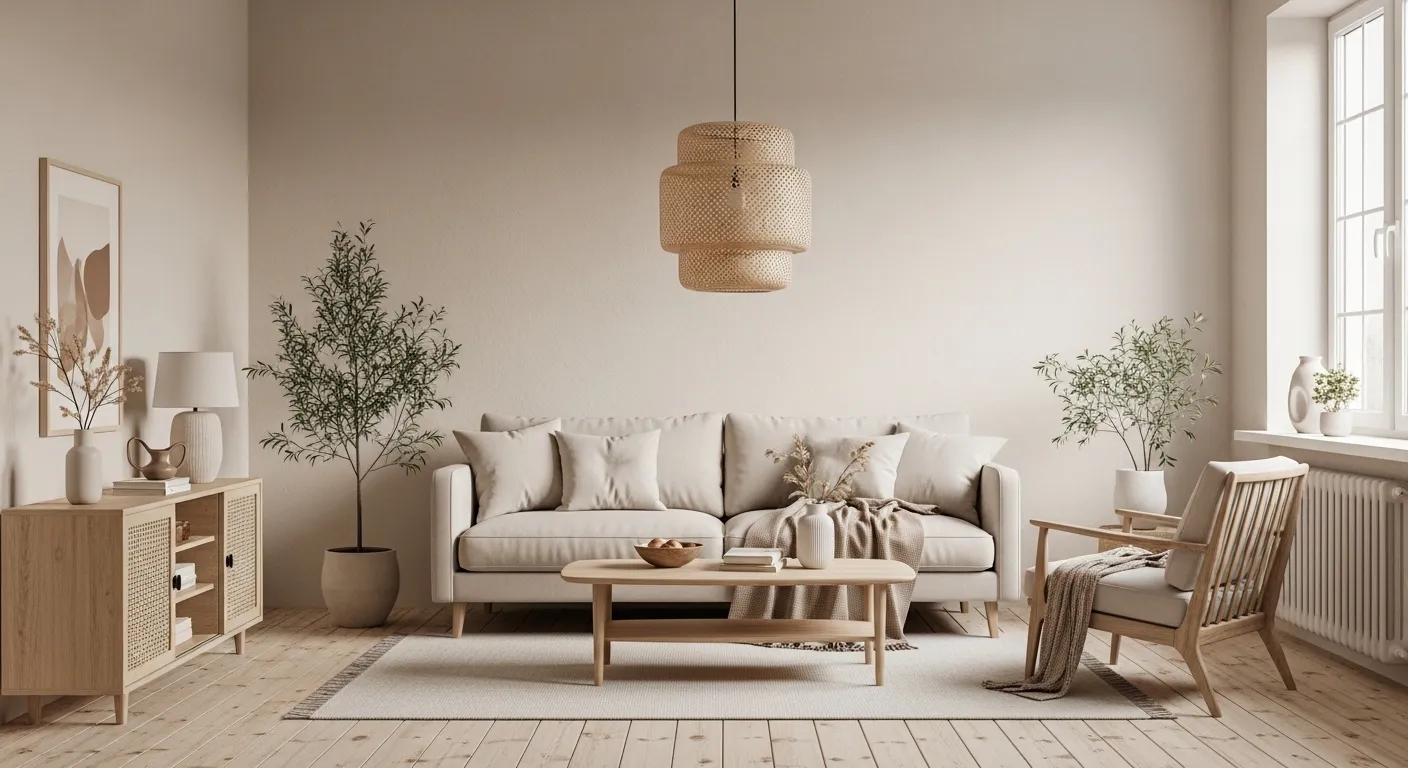
A beautifully layered beige palette can transform a plain room into something incredibly soothing and elegant. Instead of relying on contrast, this idea builds depth through subtle tonal variations. I’ve noticed that combining different textures like linen, wool, and soft cotton keeps the space from feeling flat. This approach fits perfectly within Japandi living room ideas because it focuses on harmony rather than bold statements. The result is a space that feels calm, cohesive, and visually rich without being overwhelming.
What makes this design especially appealing is its versatility and long-term appeal. Beige tones rarely go out of style, and they adapt easily to seasonal changes with small updates. That’s why many designers recommend investing in neutral foundations like this. You can switch out cushions, throws, or small decor pieces without disrupting the overall look. Over time, the room maintains its soft elegance while still feeling fresh and updated. It’s a simple yet highly effective way to achieve a timeless and relaxing living space.
4. Dark Wood Contrast
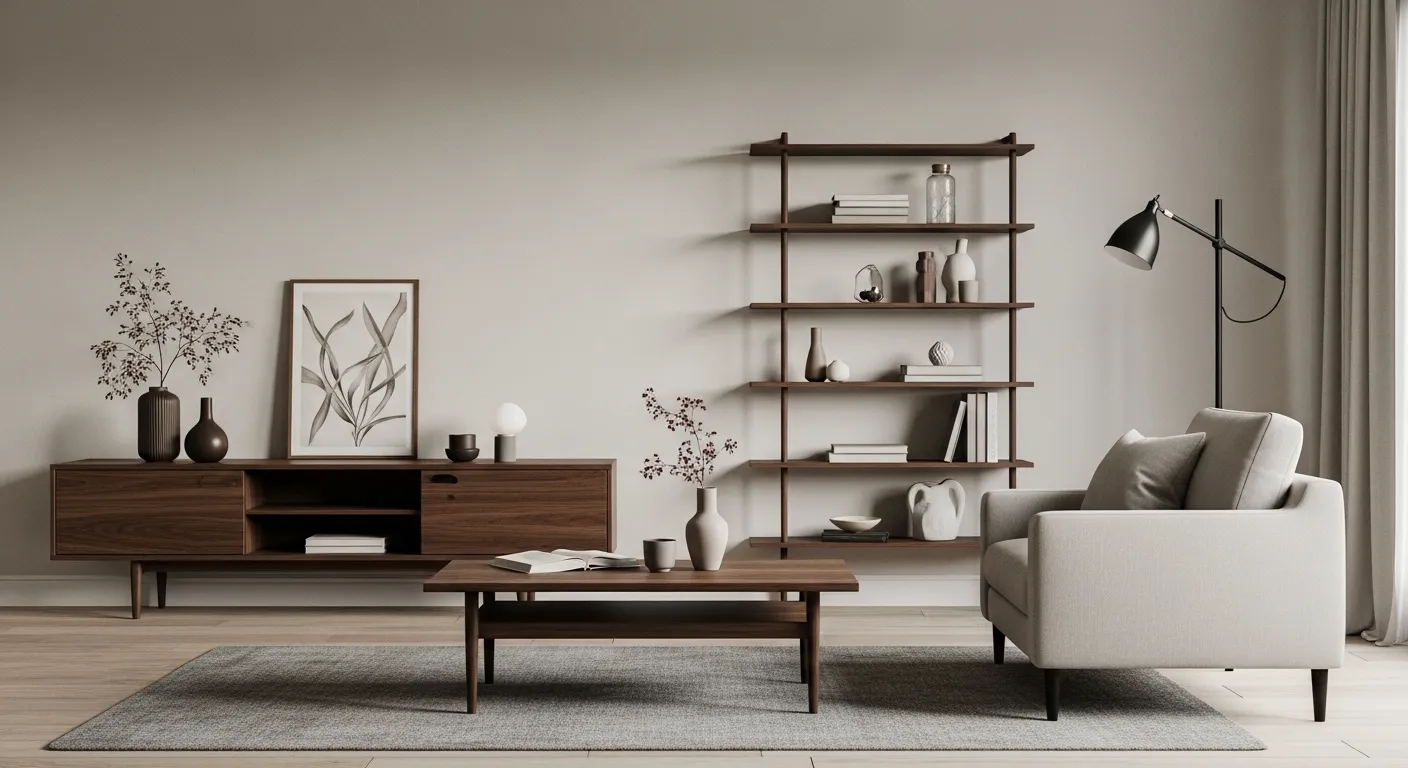
If your space feels too light or flat, introducing darker wood tones can instantly elevate the design. Dark wood contrast creates a strong visual anchor that grounds the entire room while still maintaining a calm and minimal feel. I’ve noticed that pairing walnut or espresso finishes with soft neutrals prevents the space from feeling heavy. This balance is key in Japandi living room ideas, where contrast is used thoughtfully rather than aggressively. The result is a refined, layered look that feels both modern and timeless.
What makes this approach effective is how it adds character without clutter. A single dark coffee table or shelving unit can completely shift the room’s visual weight. That’s why many designers recommend using contrast strategically instead of filling the space with decor. Over time, you’ll notice the room feels more intentional and styled, even with fewer elements. It’s a simple upgrade that brings depth, warmth, and a slightly more dramatic edge while still staying true to a calm, minimalist aesthetic.
5. Linen Texture Focus
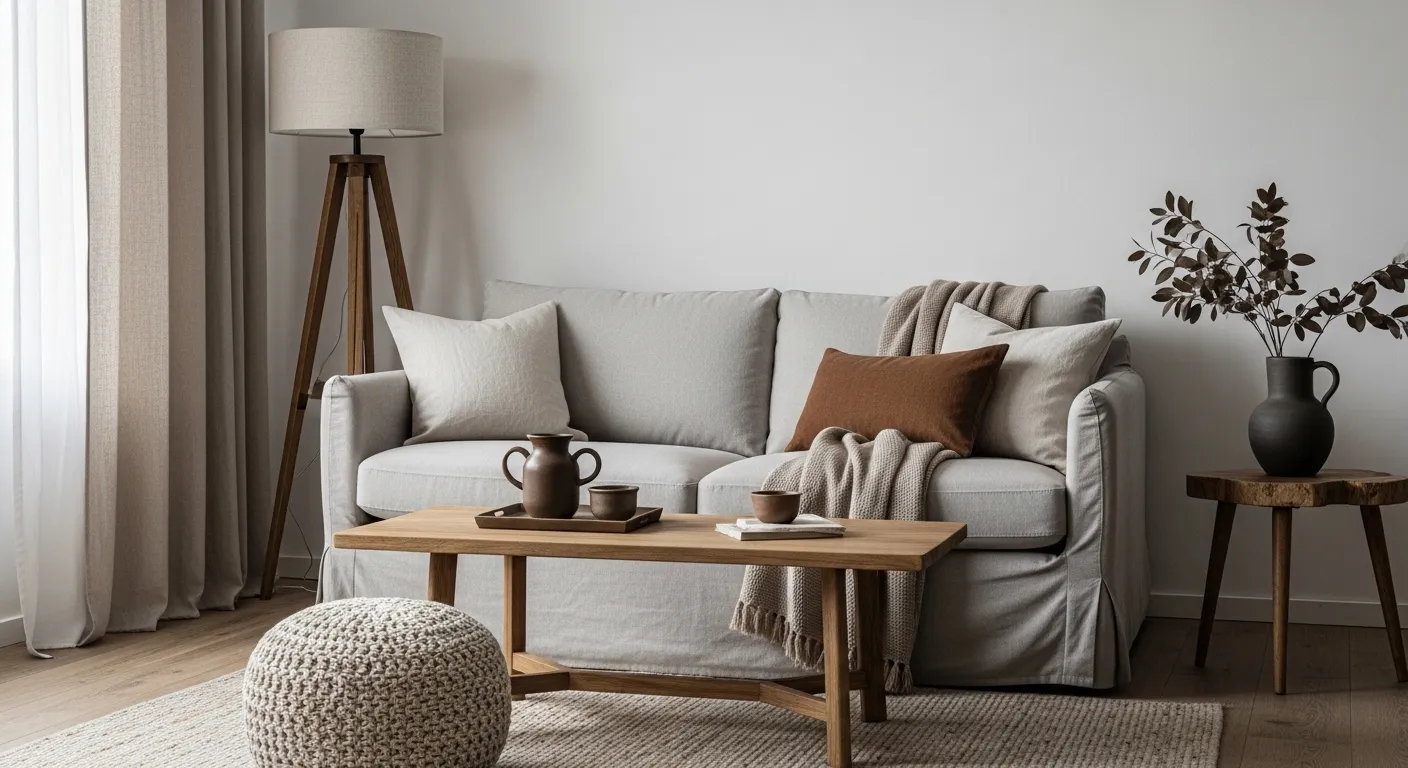
When a room feels too plain, texture can completely transform the experience without adding clutter. Linen is one of the easiest ways to introduce that softness while keeping everything visually light. I’ve tried this in spaces that felt too “flat,” and the difference is immediate. The gentle folds and natural imperfections of linen create a relaxed, effortless look that aligns beautifully with Japandi interiors. It adds warmth while still maintaining a clean and minimal appearance that feels intentional.
Another reason this works so well is its versatility across seasons and styles. Linen adapts naturally, feeling cool in summer and cozy in winter when layered. That’s why many designers recommend investing in quality fabric pieces like curtains or upholstery. Over time, linen develops a slightly worn-in look that actually enhances its charm. This creates a home that feels lived-in rather than staged. The result is a soft, inviting space that feels both practical and visually calming without needing constant updates.
6. Minimal Wall Art
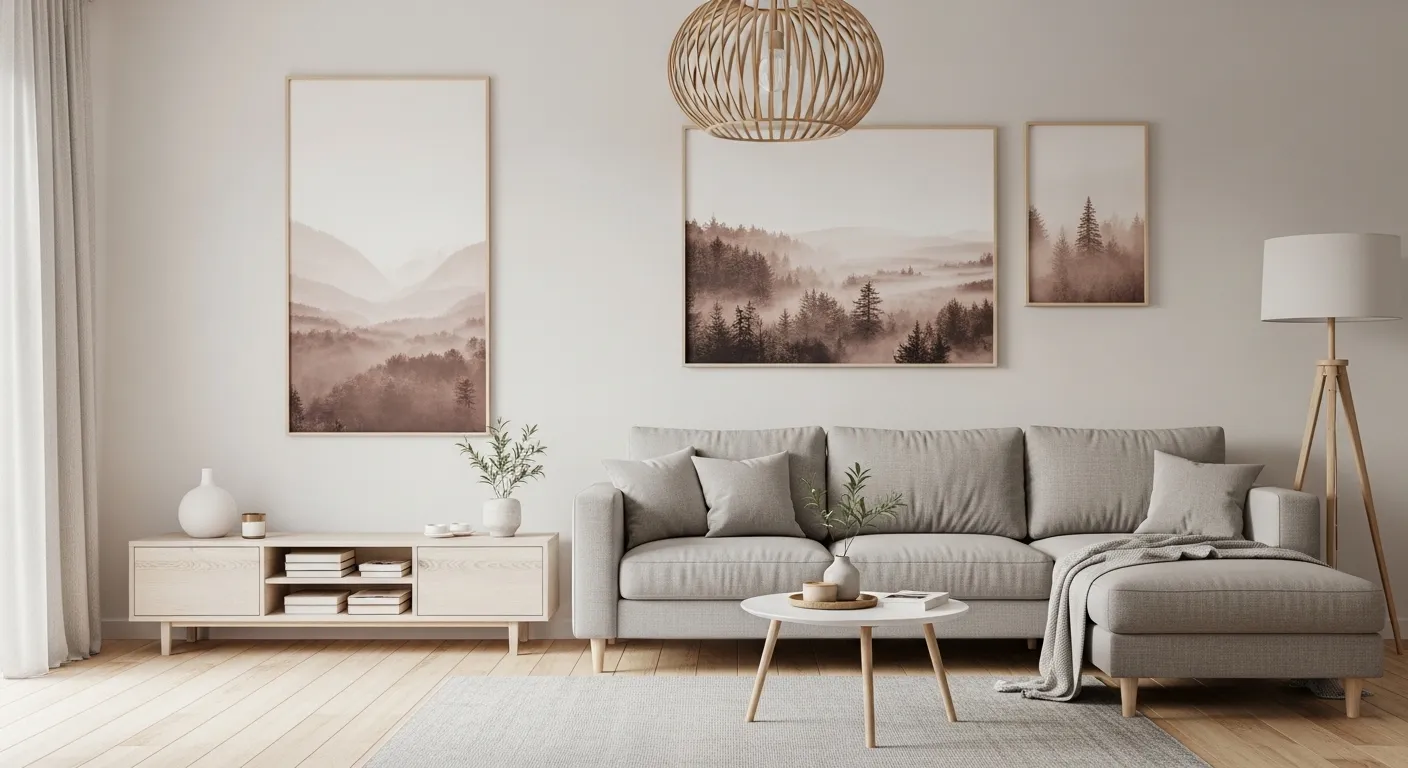
If your walls feel busy or overwhelming, simplifying your artwork can instantly calm the entire room. Minimal wall art focuses on quality over quantity, allowing one piece to stand out rather than competing for attention. In my experience, this approach creates a stronger visual impact than filling every wall. It also aligns perfectly with Japandi design, where negative space is just as important as the decor itself. The simplicity helps your eyes rest, making the room feel more peaceful and intentional.
What makes this idea especially practical is its flexibility and ease of change. You can rotate artwork seasonally or whenever you want a subtle refresh without redesigning the entire space. I’ve seen this work well in homes where people want style without commitment. Choosing neutral or nature-inspired art keeps everything cohesive while still adding personality. Over time, the room feels more curated and less cluttered. It’s a simple shift that creates clarity, focus, and a beautifully balanced living environment.
7. Warm White Palette
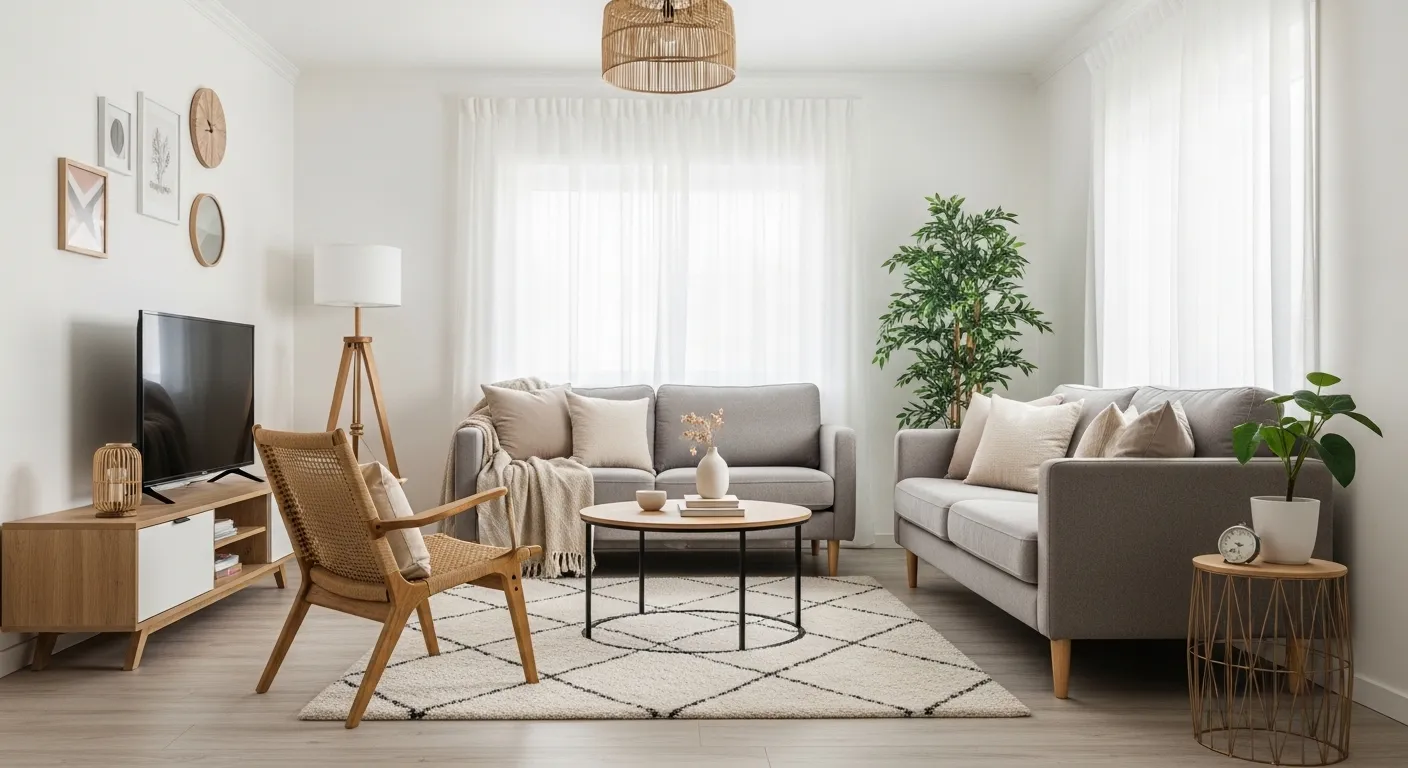
A warm white palette can completely change how a living room feels, especially if it currently looks dull or heavy. Unlike stark white, warmer tones add a subtle softness that feels inviting rather than clinical. I’ve noticed that this approach works incredibly well in Japandi interiors, where balance and calmness are key. The gentle warmth reflects light in a way that keeps the room bright while still feeling cozy. It’s a simple foundation that instantly elevates the overall mood without requiring major changes.
What makes this idea so effective is how adaptable it is across different homes and styles. Warm whites pair effortlessly with wood, textiles, and natural elements, making styling much easier over time. That’s why many designers recommend starting with this base if you’re unsure where to begin. You can layer textures, add subtle decor, or keep things minimal without losing cohesion. Over time, the space feels more open, peaceful, and visually balanced, creating a perfect environment for everyday living.
8. Black Accent Details
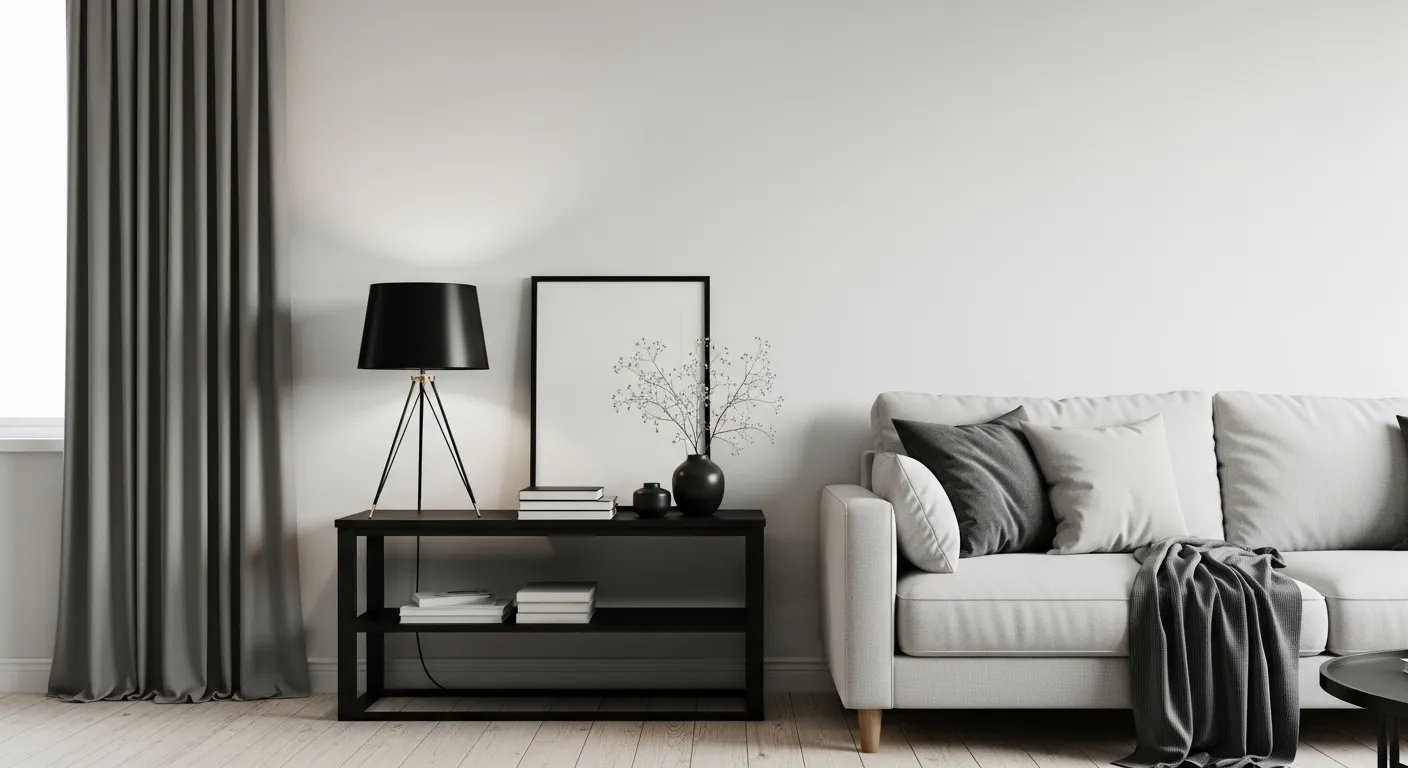
Sometimes a room feels incomplete, even when everything looks “right,” and that’s where black accents come in. Small touches of black create visual anchors that bring clarity and structure to the space. I’ve seen this work well in rooms that felt too soft or washed out. A simple black lamp, frame, or table edge can instantly sharpen the overall look. This contrast is essential in Japandi living room ideas, where balance between light and dark elements creates a more refined and intentional design.
The best part about this approach is how subtle yet impactful it can be. You don’t need to add much to achieve the effect, which keeps the space clean and uncluttered. In my experience, starting with just one or two black elements is enough to transform the room. Over time, you can adjust or layer more if needed. This flexibility makes it easy to experiment without commitment. The result is a space that feels more polished, modern, and visually balanced without losing its calm atmosphere.
9. Natural Fiber Rugs
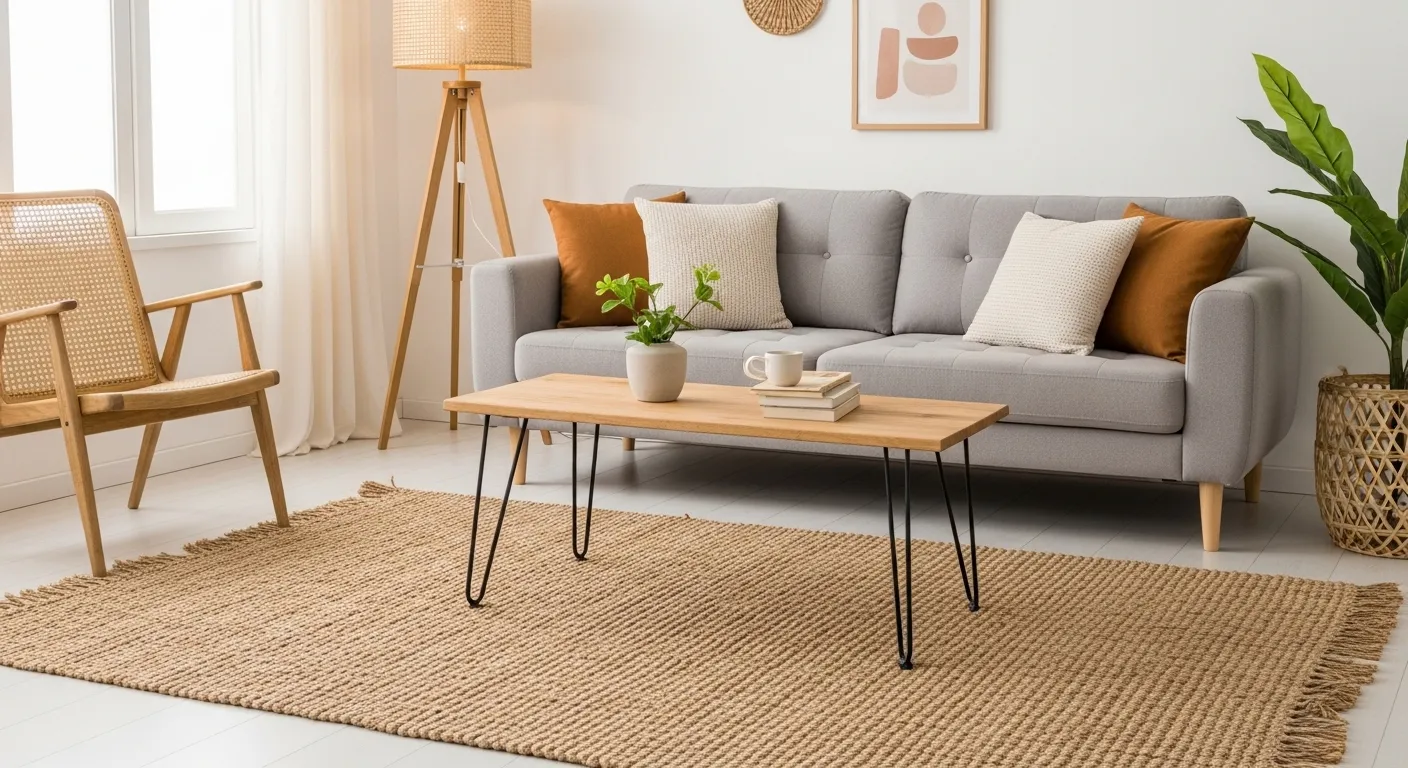
If your living room feels a bit empty or lacks warmth, a natural fiber rug can instantly fix that. These rugs add texture in a very subtle and organic way, making the space feel more grounded and complete. I’ve noticed that jute or sisal rugs work especially well in Japandi interiors because they blend seamlessly with wood and neutral tones. They create a soft contrast against smooth surfaces, which adds depth without disrupting the calm and minimal aesthetic of the room.
Another reason this idea works so well is its practicality in everyday living. Natural fiber rugs are durable and handle high-traffic areas better than many soft fabrics. That’s why many designers recommend them for both style and function. Over time, they develop a slightly worn texture that actually enhances their charm. This makes the space feel more lived-in and authentic rather than overly styled. It’s a simple addition that brings warmth, texture, and balance to the entire room.
10. Sliding Panel Screens
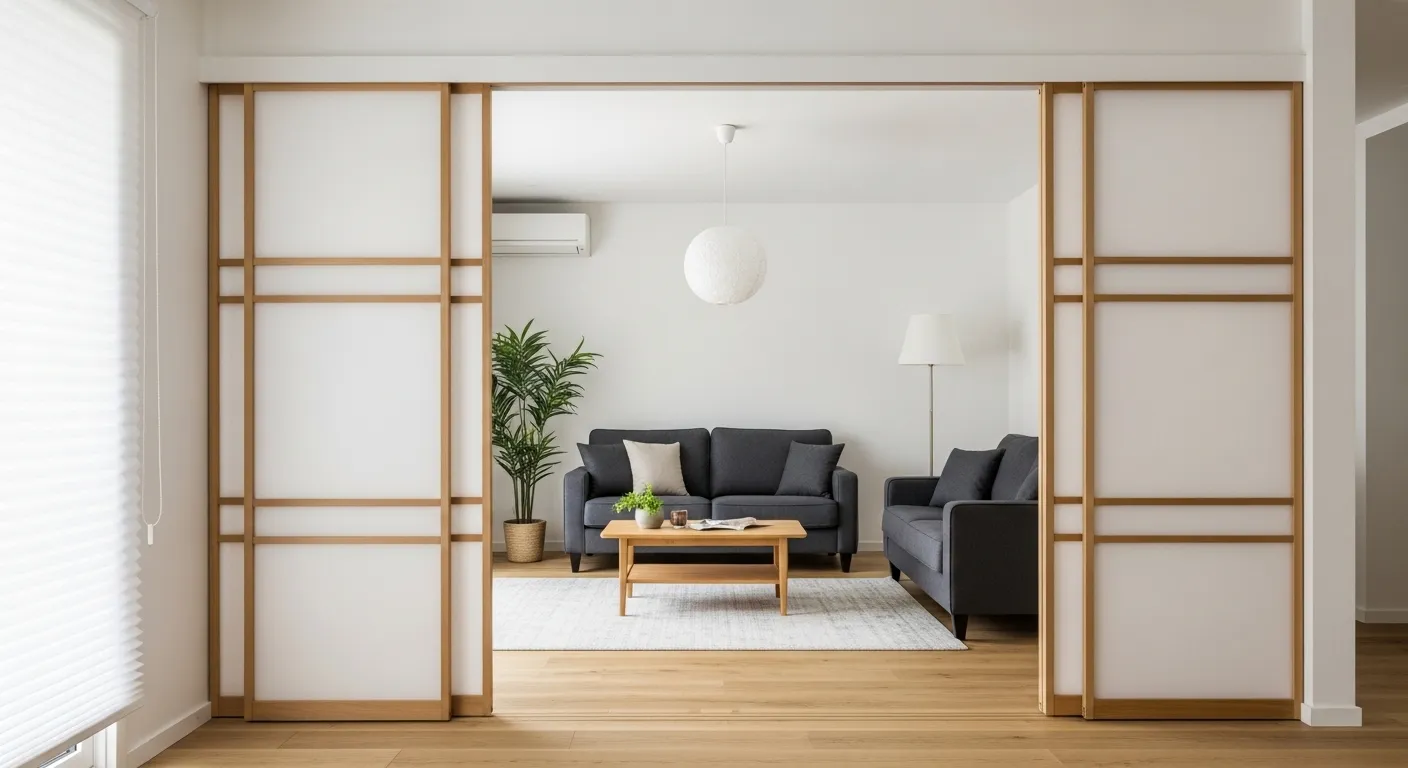
If your living room feels too exposed or lacks structure, sliding panel screens can instantly redefine the space. These panels offer a subtle way to divide areas without making the room feel closed off. I’ve seen this work beautifully in open layouts where you want a bit of separation without losing light. The soft diffusion of light through the panels adds a calm, peaceful glow that perfectly complements Japandi living room ideas. It creates a sense of privacy while still maintaining an airy and connected environment.
What makes this idea especially useful is its flexibility in everyday living. You can easily adjust the panels based on your needs, whether you want openness or separation. That’s why many designers recommend this solution for modern homes with multifunctional spaces. Over time, it helps the room feel more organized and intentional without adding visual clutter. The clean lines and natural materials also enhance the overall aesthetic, making the space feel both practical and beautifully minimal.
11. Indoor Plant Corners
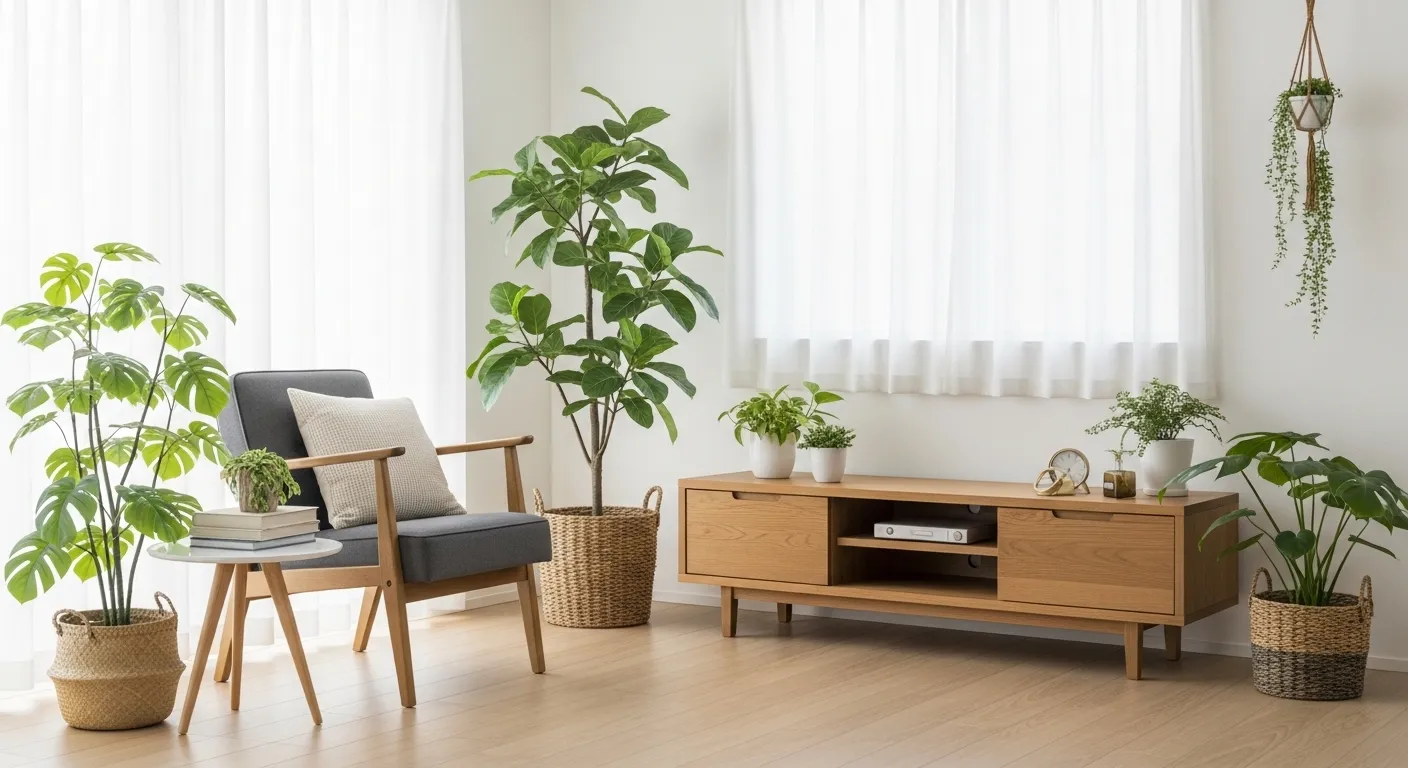
A simple plant corner can completely transform the energy of your living room without requiring major changes. Adding greenery introduces life, color, and a sense of calm that instantly makes the space feel more inviting. I’ve noticed that even one tall plant in the right spot can act as a focal point while still keeping the room minimal. This works perfectly in Japandi interiors, where nature plays a key role in balancing clean lines and neutral tones.
What makes this idea so effective is how adaptable it is for different homes and lifestyles. You can start small with a few low-maintenance plants and build from there over time. In my experience, grouping plants together creates a stronger visual impact than scattering them around. It also keeps the design intentional and organized. Over time, the space feels more vibrant and connected to nature, which enhances both the aesthetic and the overall mood of the room.
12. Open Shelf Styling
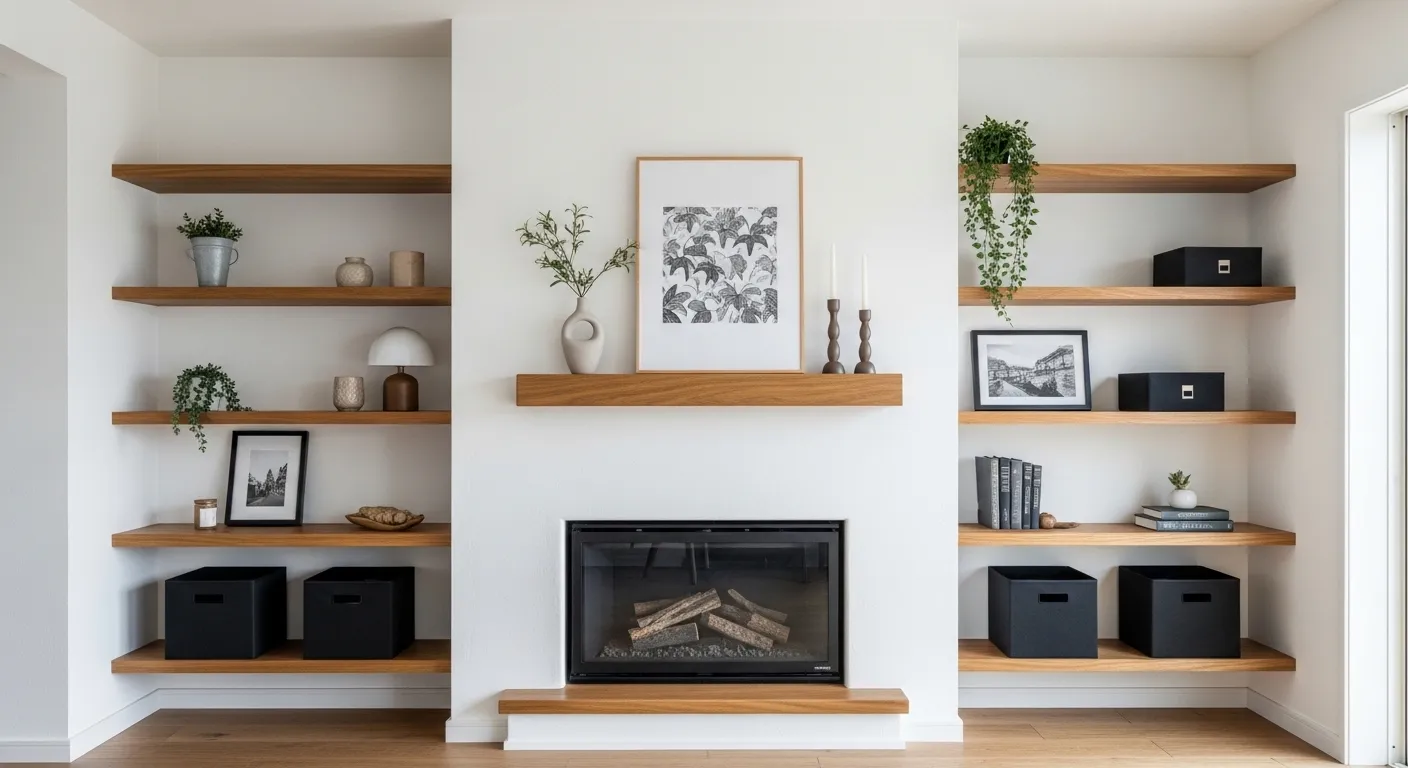
Open shelving can easily look messy, but when styled correctly, it becomes a beautiful design feature. The key is keeping things minimal and intentional, allowing each piece to stand out. I’ve noticed that limiting the number of items and focusing on neutral tones creates a much cleaner look. This approach aligns perfectly with Japandi living room ideas, where simplicity and balance are essential. The result is a space that feels curated rather than cluttered.
Another reason this works so well is its flexibility and practicality in daily life. You can rotate items, add seasonal touches, or keep it consistent without much effort. I’ve seen this work especially well in homes where people want both style and functionality. Keeping shelves organized also makes the room feel more spacious and calm. Over time, this small design choice can significantly improve how the entire living room looks and feels.
13. Earth Tone Palette
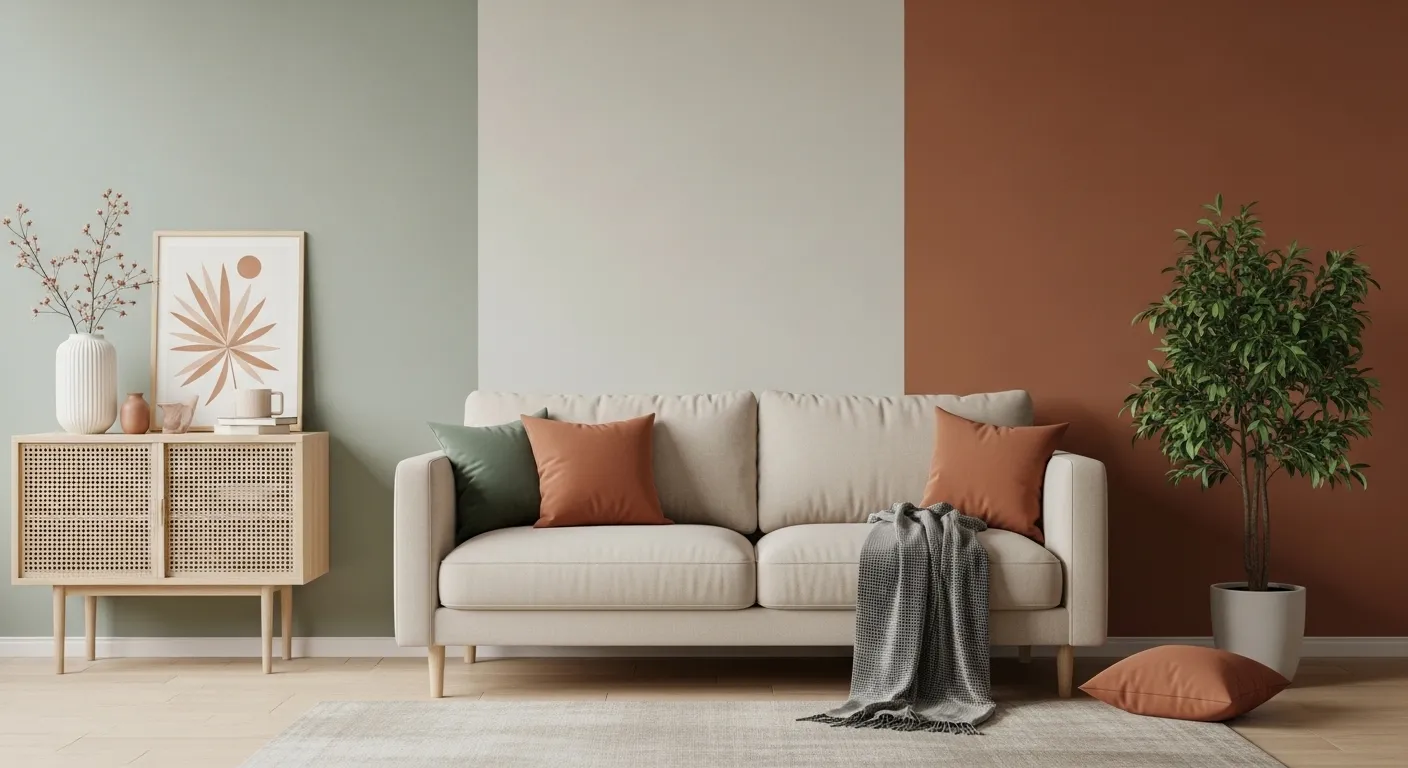
If your space feels too plain but you want to avoid bold colors, an earth tone palette is the perfect solution. These muted shades bring warmth and depth while still keeping the room calm and cohesive. I’ve noticed that combining soft greens, warm browns, and clay tones creates a natural harmony that feels very relaxing. This approach works beautifully in Japandi interiors, where the goal is to reflect nature in a subtle and balanced way without overpowering the design.
What makes this idea especially practical is how easy it is to layer and adjust over time. You can introduce these tones through cushions, throws, or small decor pieces without committing to major changes. That’s why many designers recommend starting with neutral bases and adding earthy accents gradually. Over time, the space feels richer and more inviting while still maintaining its simplicity. It’s a gentle way to bring personality into the room without disrupting its calm and minimal vibe.
14. Statement Pendant Light
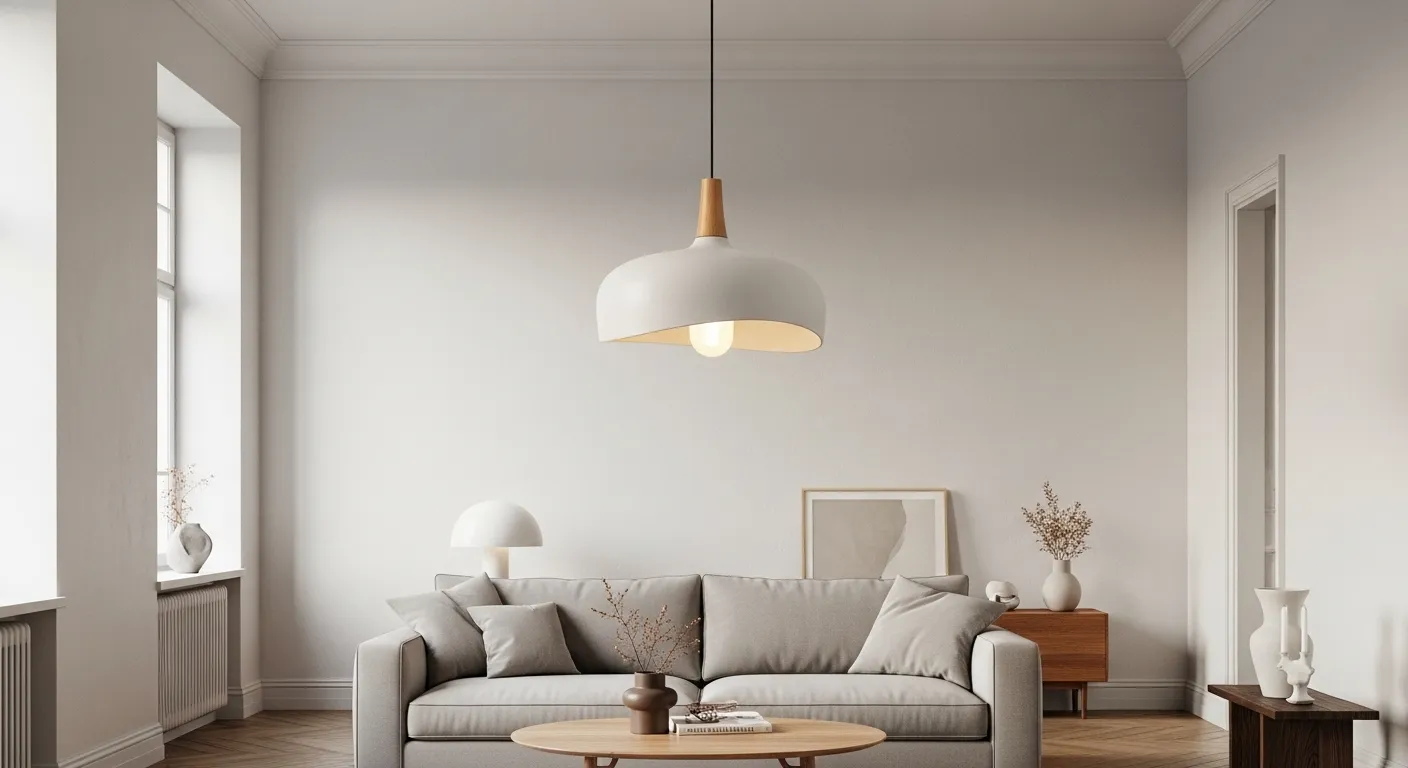
Lighting can completely change the mood of a room, and a statement pendant is one of the easiest ways to make an impact. Instead of using multiple light sources, focusing on one standout piece creates a clean and intentional look. I’ve seen this work especially well in minimal spaces where every element matters. The soft glow from a well-placed pendant enhances the calm atmosphere while also adding a touch of personality to the design.
Another reason this idea works so well is its ability to combine function with style. A pendant light doesn’t just illuminate the space; it also acts as a design feature. In my experience, choosing a simple yet unique shape keeps the look balanced without feeling overwhelming. Over time, it becomes a defining element of the room that ties everything together. This small change can elevate the entire space, making it feel more refined, cozy, and thoughtfully designed.
15. Floor Seating Setup
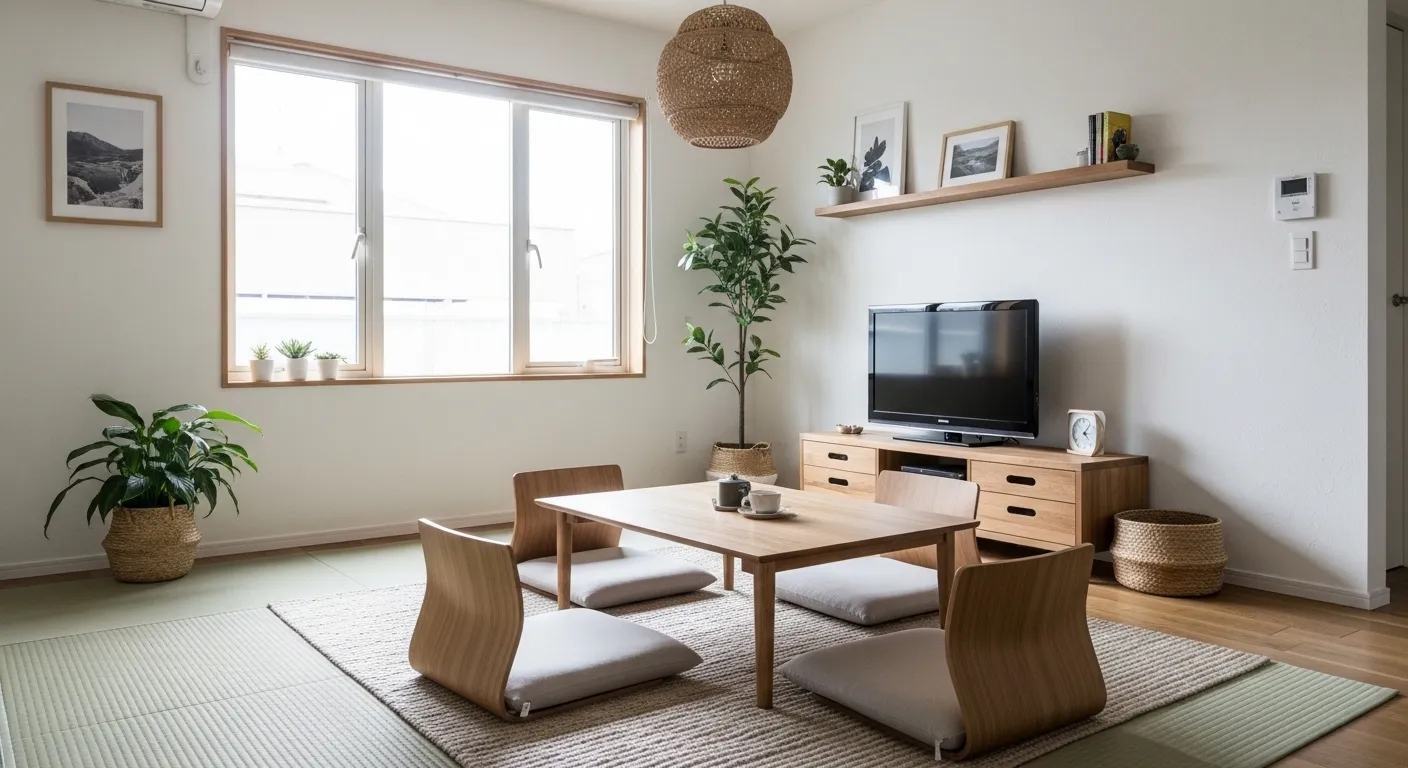
A floor seating setup can instantly make your living room feel more relaxed and inviting. By lowering the seating arrangement, the space feels more open and less structured, which is perfect for creating a calm environment. I’ve noticed that this works especially well in smaller homes where traditional furniture can feel bulky. The simplicity of cushions and a low table aligns beautifully with Japandi design, offering both comfort and minimal visual weight.
What makes this idea truly special is how it changes the way you use the space. Sitting closer to the ground creates a more intimate and connected atmosphere, which many people find comforting. I’ve seen this work well in homes where people want a more casual and flexible setup. Over time, the room feels less formal and more adaptable to daily life. It’s a simple shift that brings both functionality and a unique aesthetic to your living space.
16. Light Wood Flooring
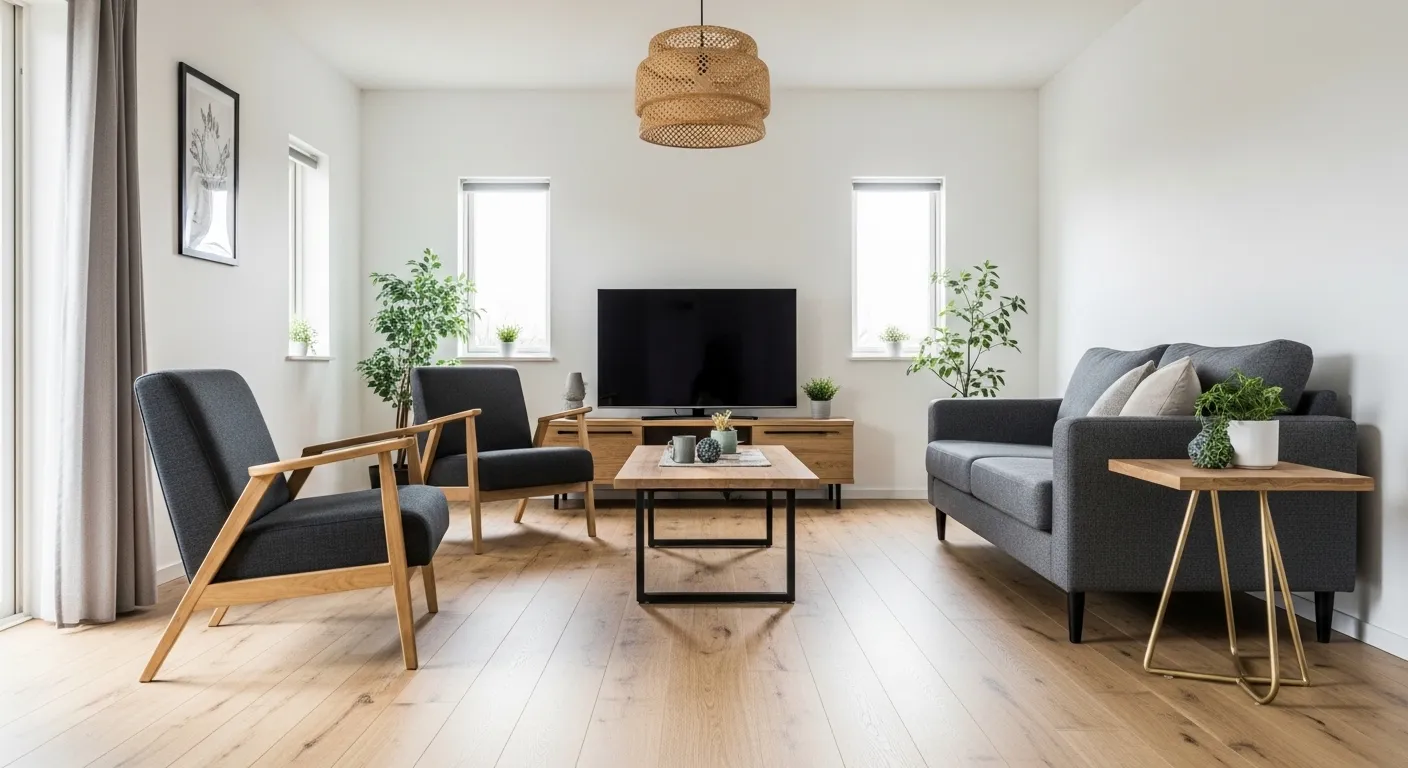
The foundation of your living room plays a bigger role than most people expect, and light wood flooring can completely transform the feel of the space. It reflects natural light beautifully, making the room appear brighter and more open. I’ve noticed that even darker furniture looks more balanced when placed on lighter floors. This contrast helps maintain the clean and calm look that defines Japandi living room ideas without making the space feel heavy or crowded.
What makes this choice especially practical is its long-term versatility. Light wood flooring works with almost any color palette, allowing you to update your decor without needing major changes. That’s why many designers recommend it as a reliable base for minimalist interiors. Over time, it helps maintain a fresh and timeless appearance. The room feels more spacious, cohesive, and naturally inviting, which is exactly what you want in a calm and functional living environment.
17. Textured Throw Layers
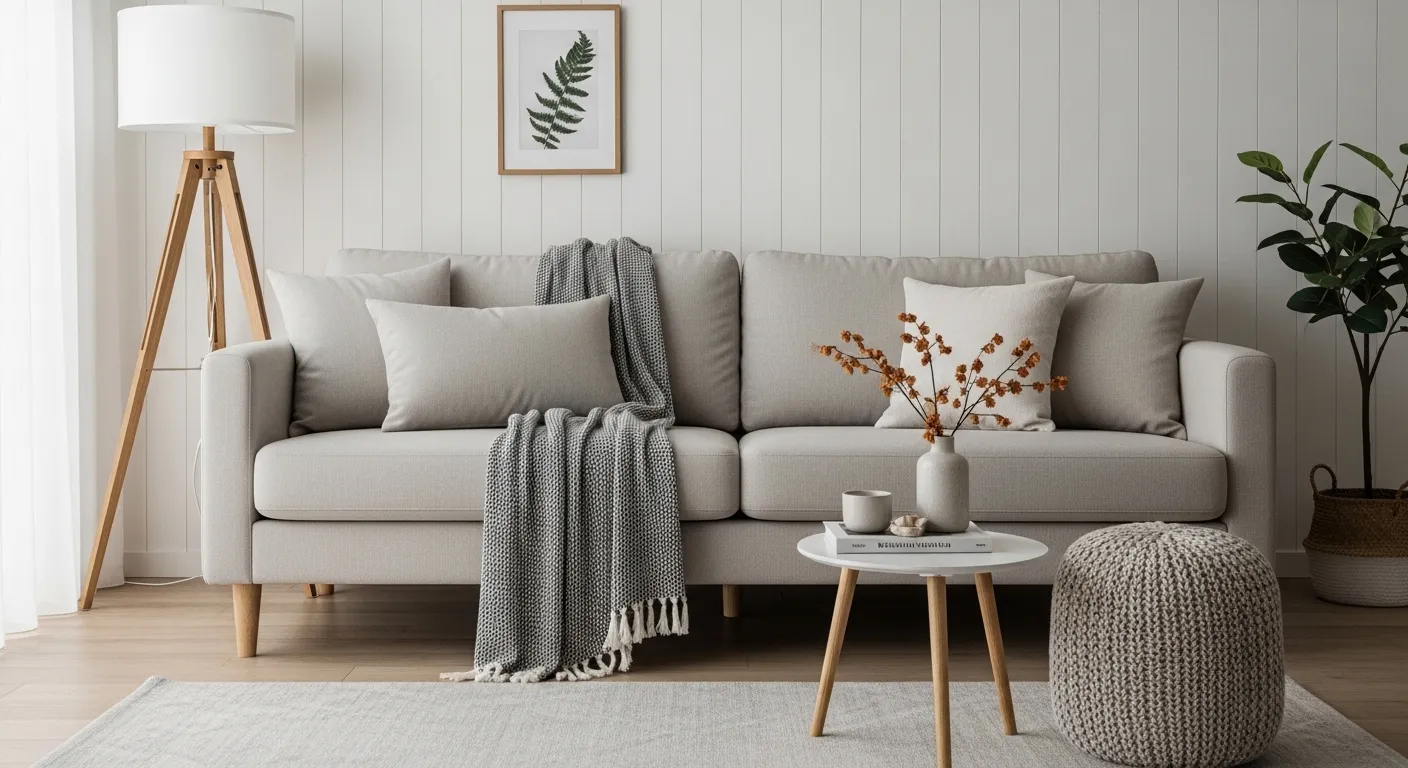
If your living room feels a bit too minimal or lacks warmth, adding textured throws can make a noticeable difference. These layers create a sense of comfort without disrupting the clean aesthetic. I’ve tried this in spaces that felt too plain, and the result was immediate. The mix of linen, wool, or cotton textures adds depth while still keeping everything visually soft. This approach fits perfectly within Japandi interiors, where subtle details make a big impact.
Another reason this idea works so well is its flexibility and ease of styling. You can change textures or tones depending on the season without redesigning the entire space. In my experience, even one well-placed throw can shift the mood of the room. Over time, these small additions make the space feel more personal and inviting. It’s a simple yet effective way to maintain a balance between minimalism and comfort in your living area.
18. Simple Ceramic Decor
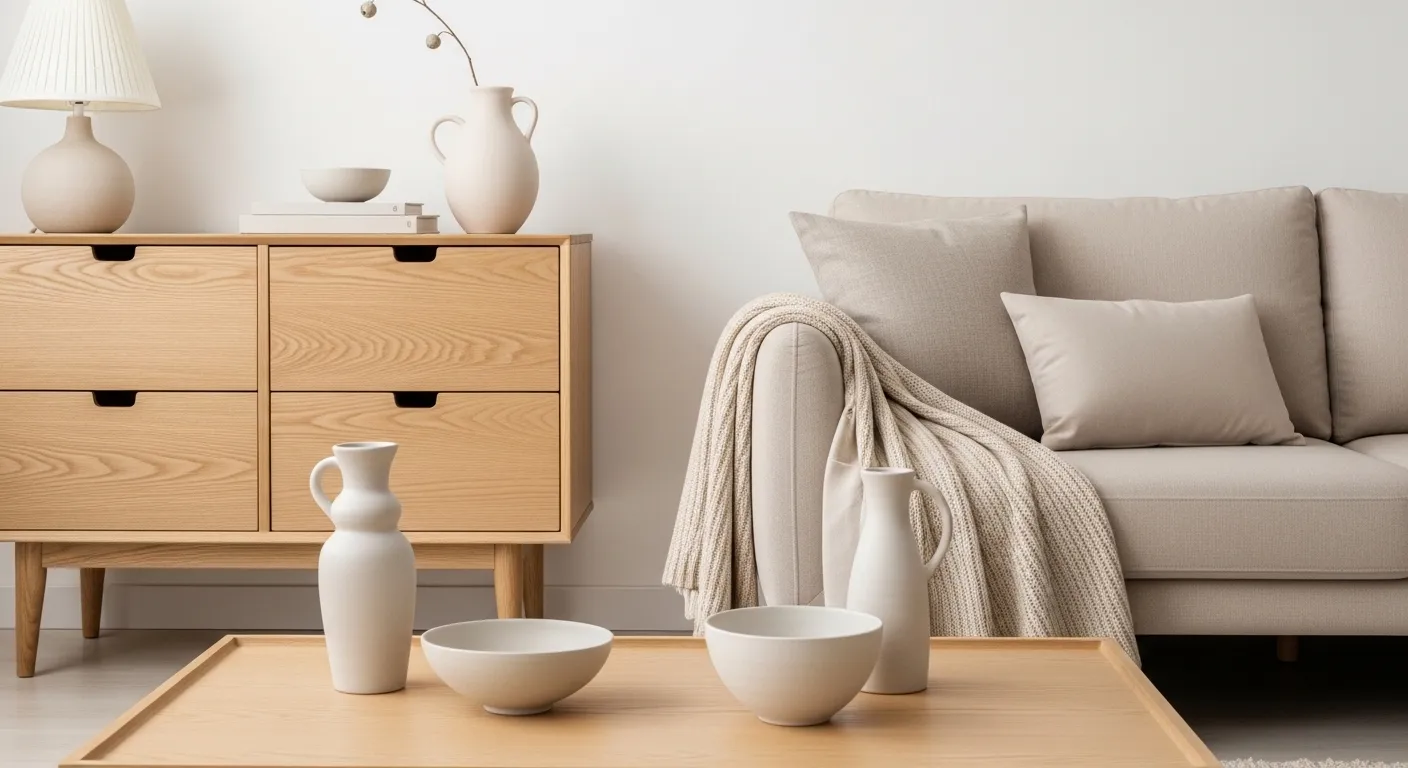
Decor doesn’t need to be complex to make an impact, and simple ceramic pieces prove that beautifully. A few well-placed vases or bowls can add character while maintaining a clean and minimal look. I’ve noticed that handmade or slightly imperfect ceramics bring a sense of authenticity that fits perfectly with Japandi interiors. These pieces create visual interest through texture and form rather than color or excess detail, which keeps the space calm and cohesive.
What makes this idea especially effective is its ability to evolve over time. You can easily swap or rearrange pieces without affecting the overall design. That’s why many designers recommend keeping decor minimal but meaningful. In my experience, this approach helps avoid clutter while still allowing personal expression. Over time, the room feels more curated and intentional, with every item contributing to a Calmand balanced environment.
19. Soft Ambient Lighting
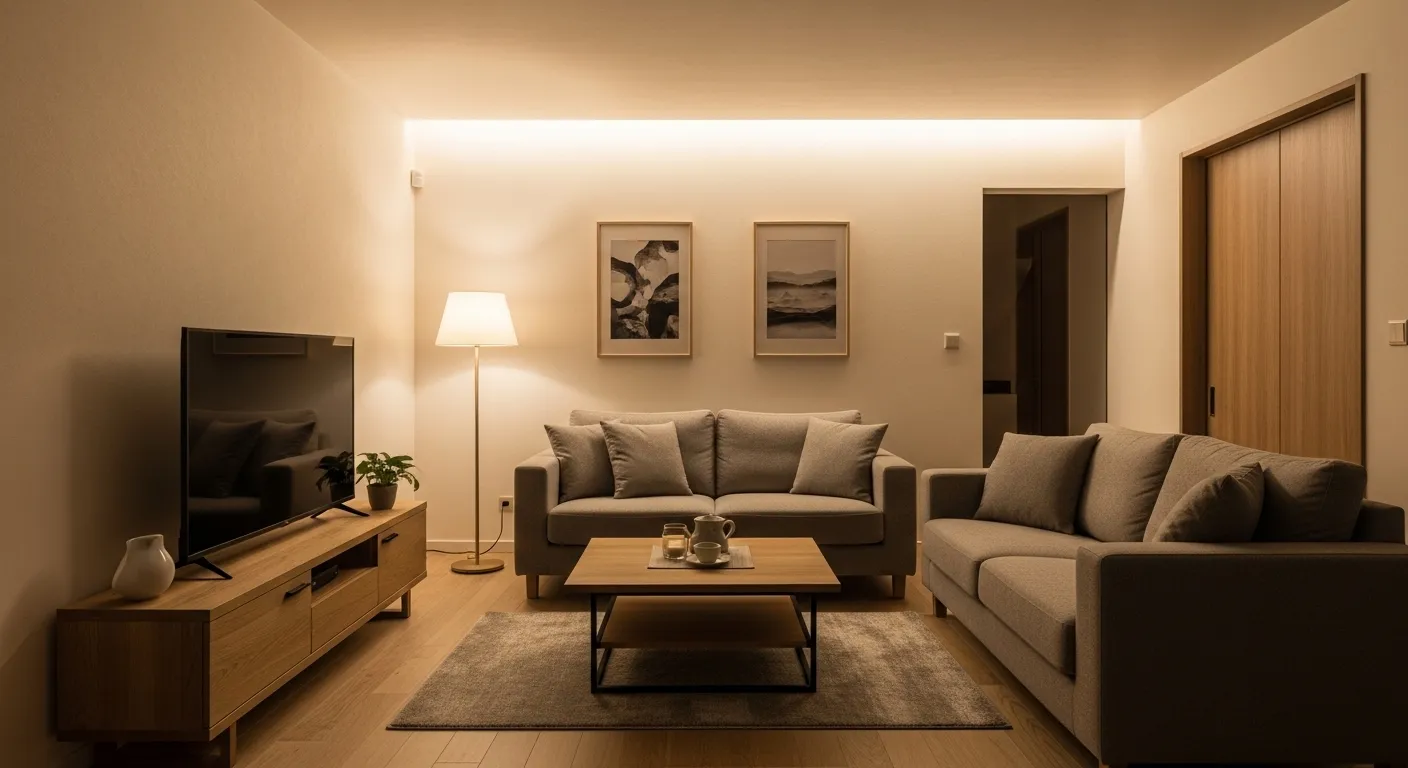
Lighting can completely shift how your living room feels, especially in the evening, and soft ambient lighting makes a noticeable difference. Instead of relying on bright overhead lights, this approach layers gentle light sources to create a warm and calming environment. I’ve noticed that even a simple floor lamp or hidden LED strip can transform the mood instantly. This works beautifully in Japandi living room ideas, where the goal is to create a peaceful, balanced space that feels inviting at any time of day.
What makes this idea especially effective is how it enhances everything already in the room. Soft lighting highlights textures like wood, linen, and ceramics without overpowering them. In my experience, this creates a more intimate and cozy setting that encourages relaxation. Over time, you’ll find yourself naturally preferring this softer lighting setup, especially during quiet evenings. It’s a simple upgrade that brings warmth, depth, and a sense of calm without requiring major design changes.
20. Neutral Curtain Flow
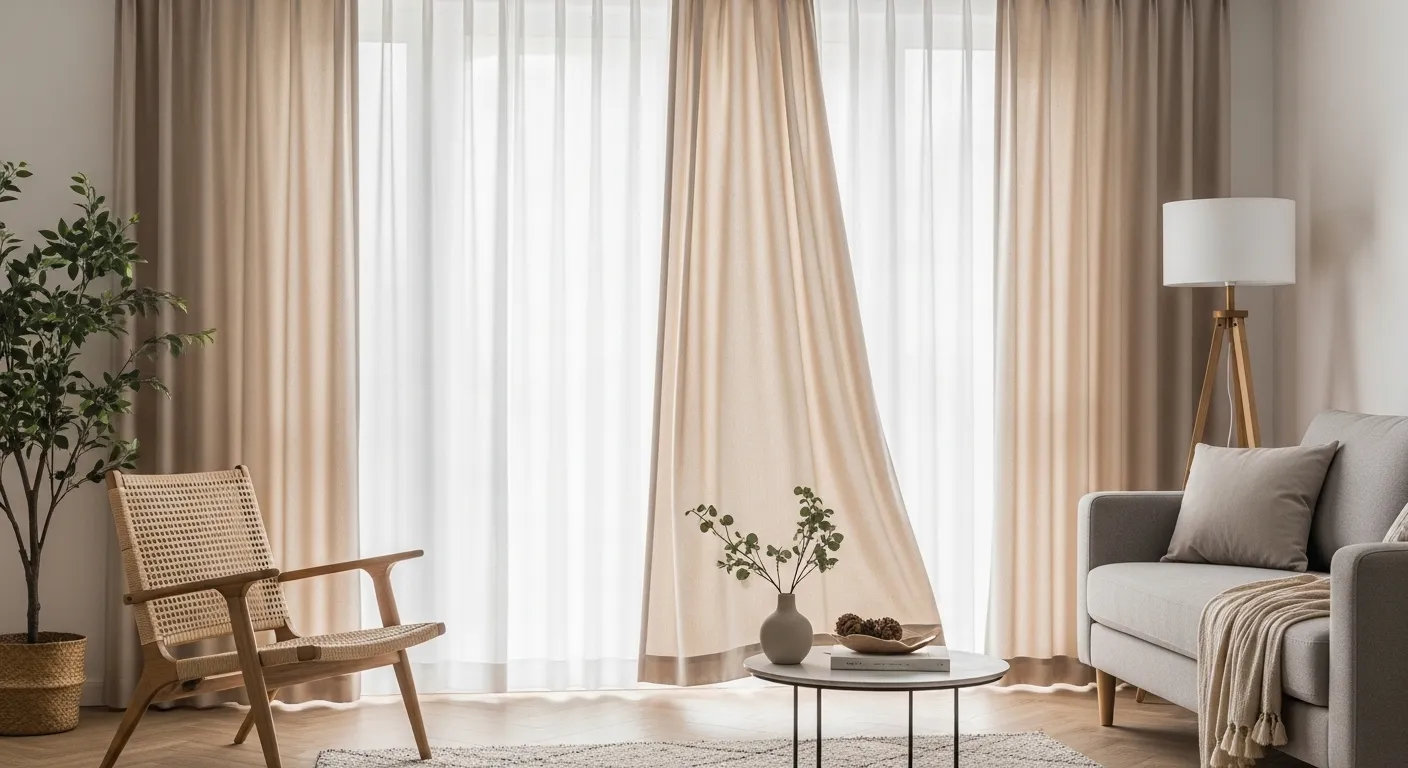
Curtains often get overlooked, but the right choice can completely elevate your living room. Neutral, flowy curtains soften incoming light and create a gentle, calming atmosphere. I’ve noticed that floor-length curtains in soft fabrics instantly make a space feel taller and more refined. This works perfectly in Japandi interiors, where every element is meant to feel intentional yet effortless. The subtle movement of the fabric adds life to the room without disrupting its minimal design.
Another reason this idea works so well is its ability to tie the entire space together. Neutral curtains blend seamlessly with wood tones, textiles, and simple decor. That’s why many designers recommend sticking to soft, natural fabrics for a cohesive look. Over time, they help maintain a light and airy feel while still offering privacy. It’s a small detail that creates a big visual impact, making the room feel more polished, balanced, and comfortable.
21. Compact Coffee Table
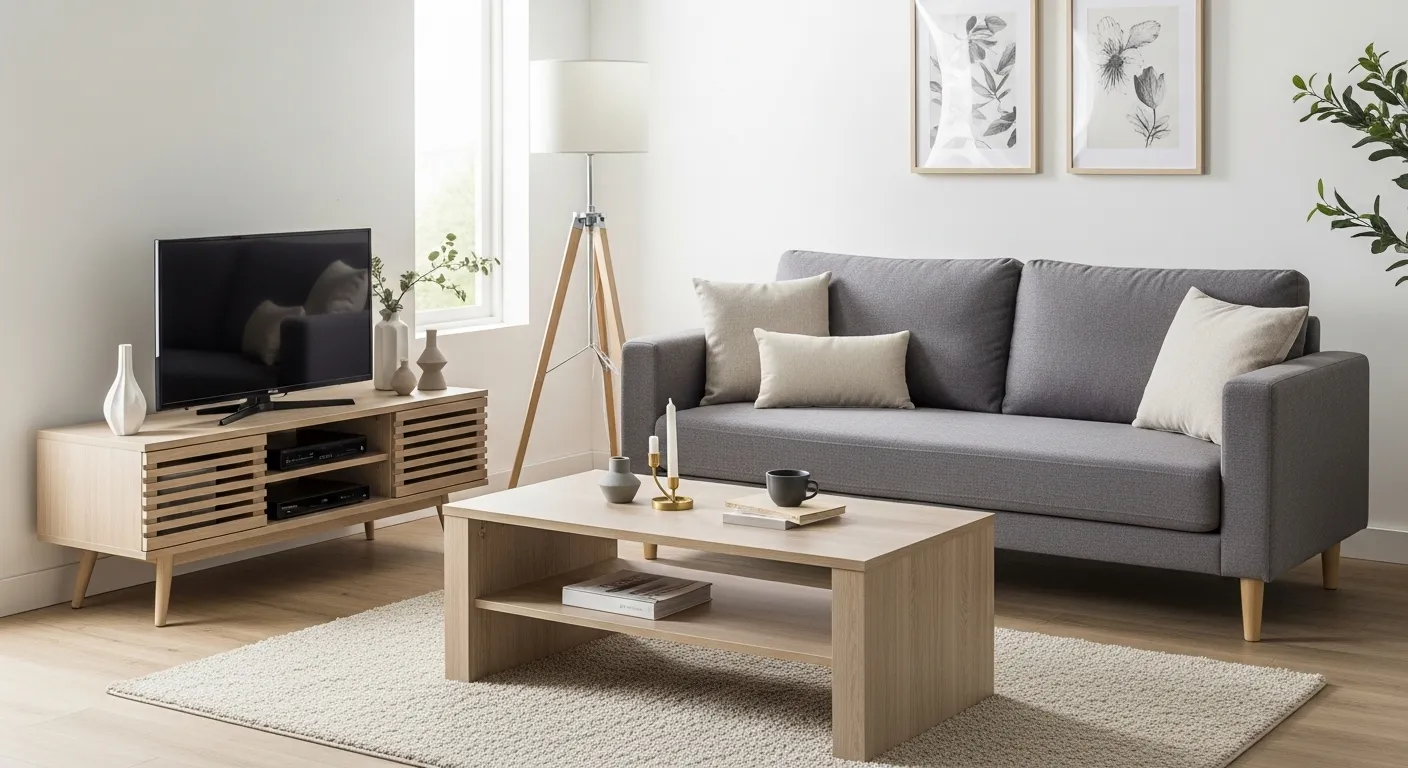
A bulky coffee table can easily disrupt the flow of a living room, especially in smaller spaces. Choosing a compact design keeps everything feeling open and breathable. I’ve seen this work well in homes where space is limited but style is still important. A smaller table allows more room to move around while still serving its purpose. This approach aligns perfectly with Japandi design, where functionality and simplicity go hand in hand without unnecessary excess.
What makes this idea especially practical is how it encourages intentional styling. With less surface area, you naturally avoid clutter and focus on just a few meaningful items. In my experience, this creates a cleaner and more organized look without extra effort. Over time, the room feels more spacious and visually balanced. It’s a simple change that improves both function and aesthetics, making your living space feel more comfortable and thoughtfully designed.
22. Muted Green Accents
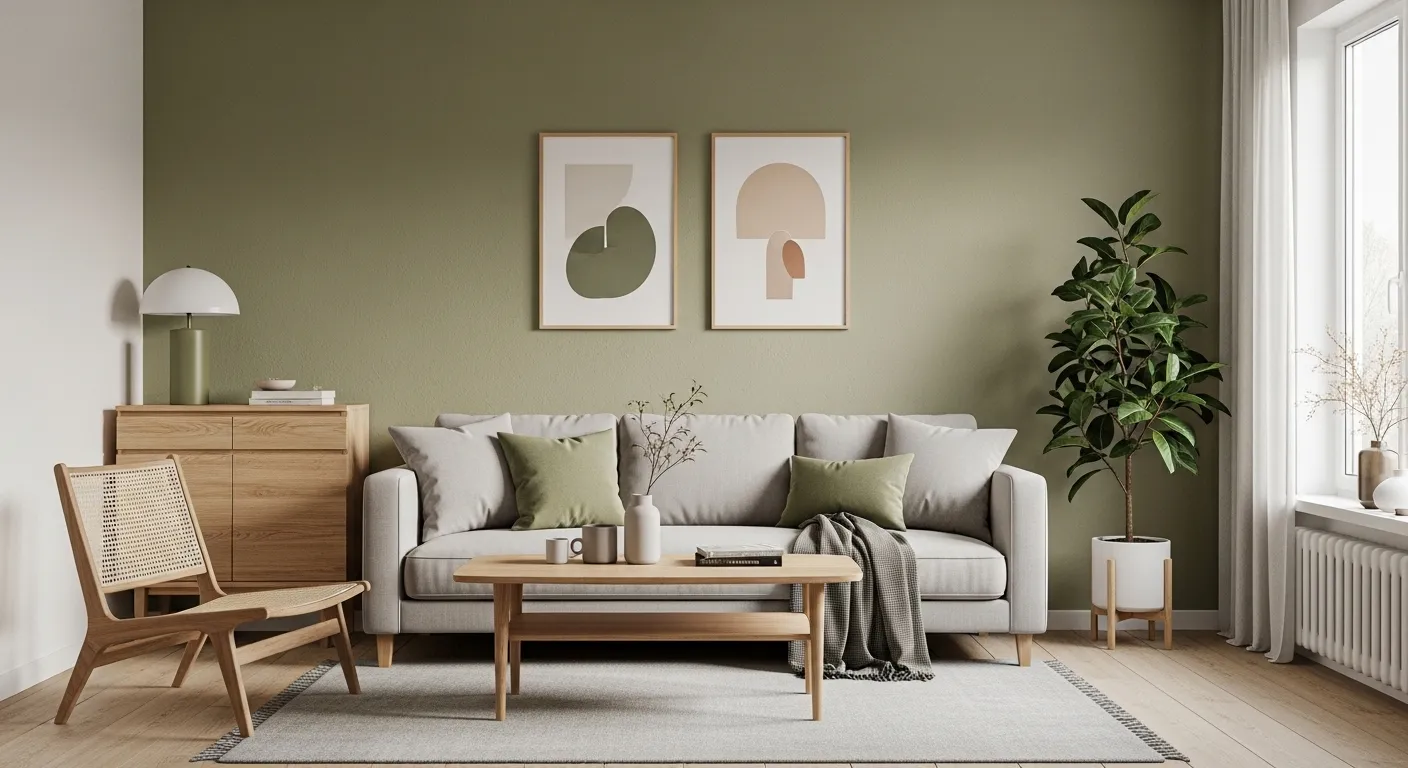
If your space feels a bit too neutral or lacks freshness, muted green accents can make a subtle but powerful difference. These tones bring in a natural element that instantly makes the room feel more alive without disrupting the calm aesthetic. I’ve noticed that soft sage or olive shades work especially well because they blend seamlessly with wood and beige tones. This makes them perfect for Japandi living room ideas, where the goal is to stay minimal while still feeling connected to nature.
What makes this idea especially appealing is how easy it is to experiment with. You don’t need to repaint walls or invest in large furniture pieces. In my experience, even small additions like cushions or a throw can shift the entire mood of the room. Over time, these subtle green touches create a more balanced and refreshing environment. It’s a simple, low-effort way to introduce color while maintaining the clean and peaceful look of your living space.
23. Clutter-Free Layout
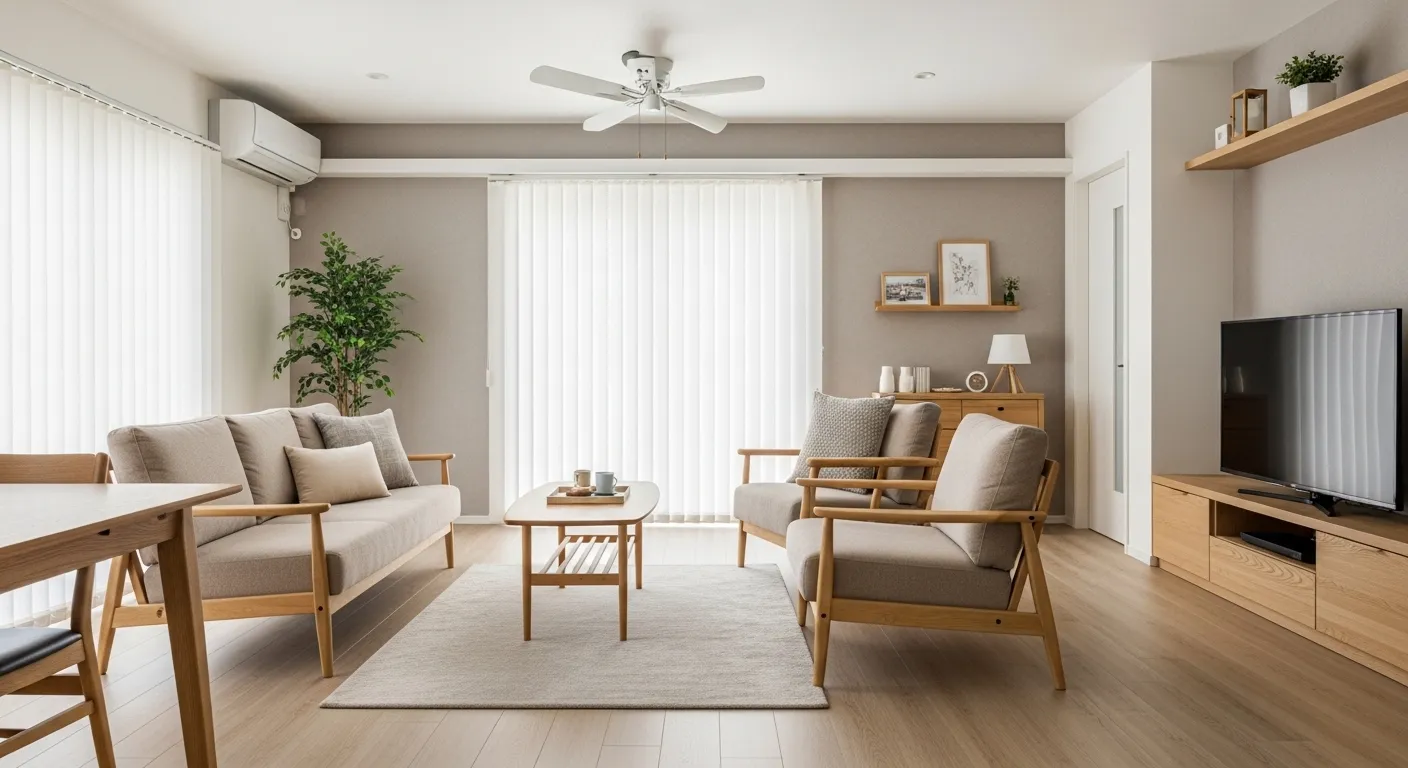
A clutter-free layout is the foundation of any successful Japandi living room, and it can completely transform how your space feels. Removing unnecessary items allows the room to breathe and creates a sense of calm that’s hard to achieve otherwise. I’ve noticed that even small decluttering efforts can make a big impact, especially in busy households. This approach aligns perfectly with Japandi design principles, where simplicity and intention are more important than filling every corner.
What makes this idea truly powerful is how it improves both the look and function of your living room. When everything has a purpose, the space becomes easier to use and maintain. In my experience, this also reduces daily stress because the environment feels more organized and peaceful. Over time, you’ll naturally become more mindful about what you bring into the space. The result is a living room that feels open, balanced, and effortlessly beautiful.
Conclusion
Creating a calm and beautiful living space doesn’t require a complete makeover it’s often the small, thoughtful changes that make the biggest impact. These Japandi Living Room Ideas show how simplicity, natural textures, and balanced design can completely transform your home into a peaceful retreat.
I’ve seen how even one or two of these ideas can make a space feel more open, relaxing, and intentional. Now it’s your turn to bring that feeling into your own home. Save this post on Pinterest for inspiration, try a few ideas that resonate with you, and share it with others who want a calmer, more stylish living space.
Olivia Carter
Olivia Carter is the founder of Lady Home Decor and a passionate home decor expert. She shares practical, stylish ideas to help homeowners create beautiful, comfortable, and welcoming spaces. Her expertise covers bedrooms, kitchens, living rooms, bathrooms, and small-space decorating.