22 Lovely Kitchen Paint Color Ideas for Walls That Feel Cozy

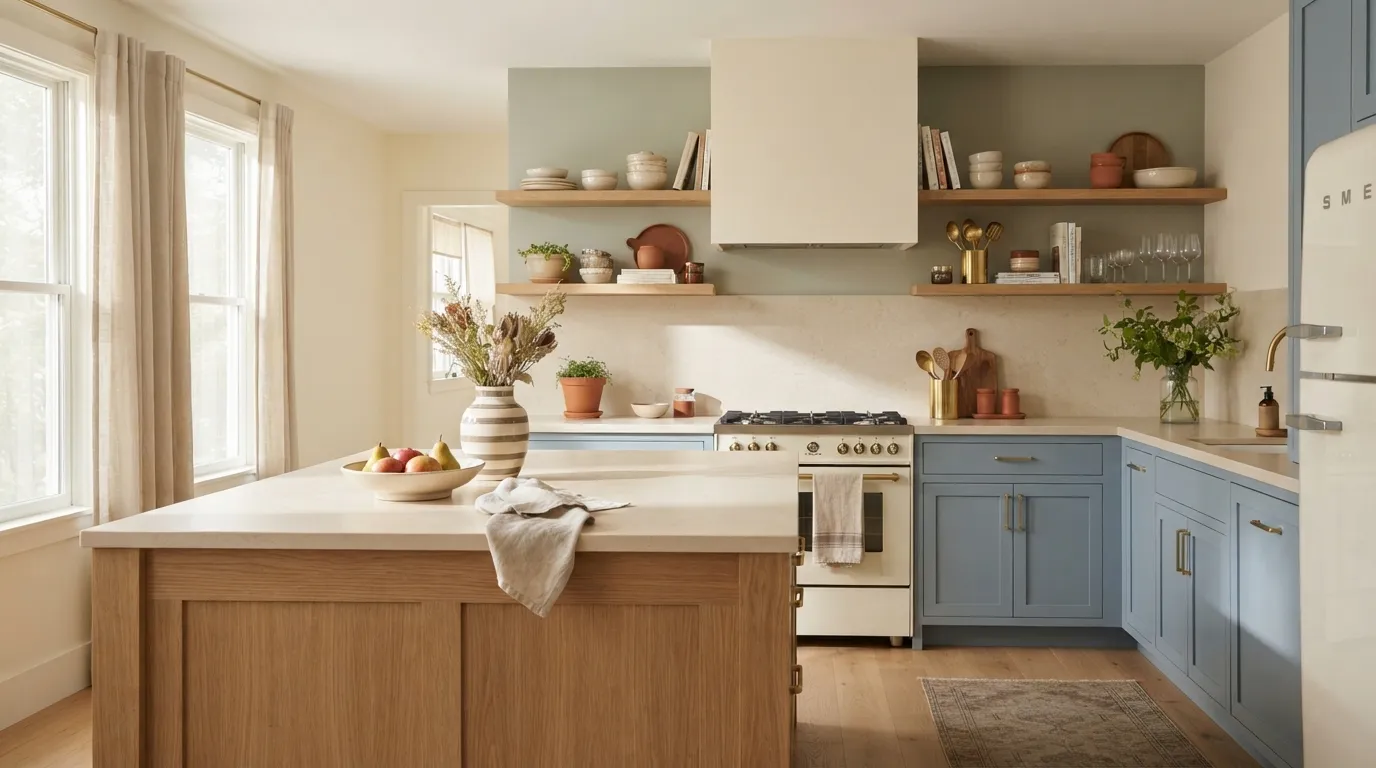
Your kitchen walls can change the whole mood of the room. The right kitchen paint color ideas for walls can make a plain space feel warmer, calmer, and more inviting without replacing cabinets or countertops. From creamy neutrals and soft sage to dusty blue and earthy terracotta, there are plenty of shades that work beautifully with modern kitchen styles.
Choosing the right color starts with your existing finishes and natural light. A warm shade can make a north-facing kitchen feel cozier, while a soft green or blue can bring a fresh touch to a bright space. These kitchen wall paint ideas will help you find a color that fits your style, works with your materials, and makes everyday time in the kitchen feel a little more comfortable.
1. Warm White Walls for a Soft Kitchen
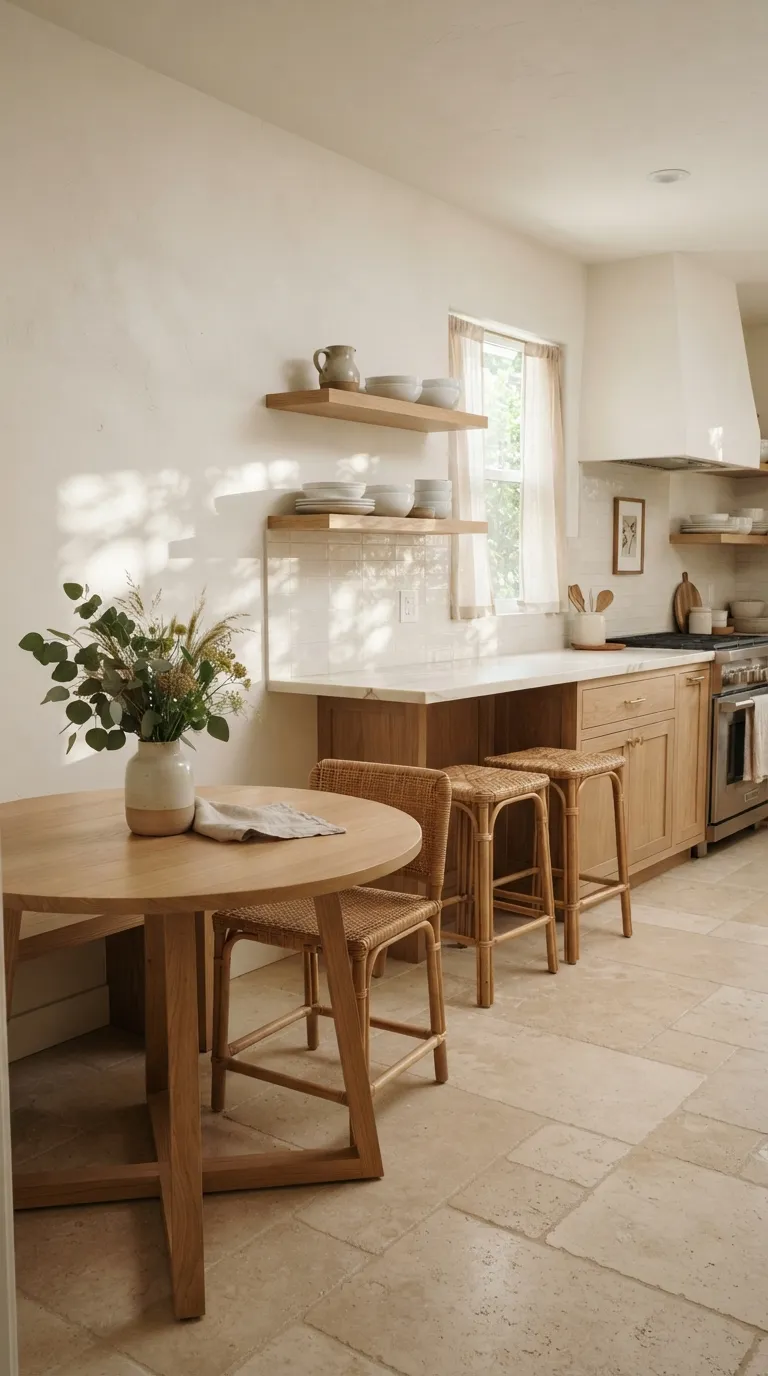
Warm white gives your kitchen a gentle base without making it feel cold. It works especially well with natural wood, cream countertops, woven textures, and simple ceramic pieces, so the room feels calm from morning to night.
If you’re comparing kitchen paint color ideas for walls, start with the light in your room. A warm white can look creamy beside morning sunlight and softer under evening lamps, making it a practical choice for open kitchens and smaller spaces.
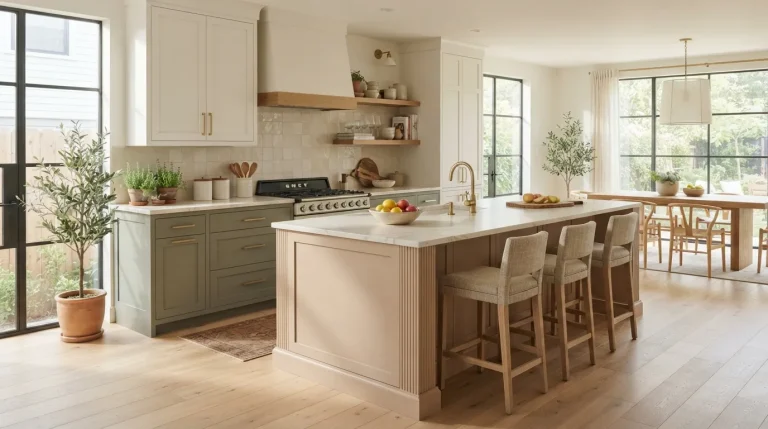
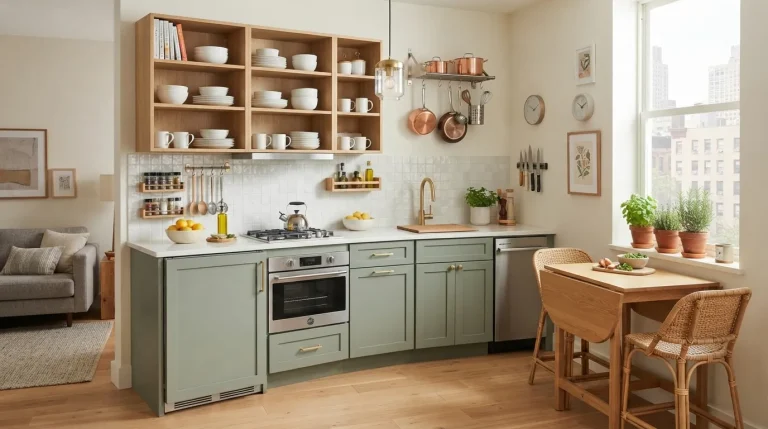
2. Sage Green for a Fresh Cozy Feel
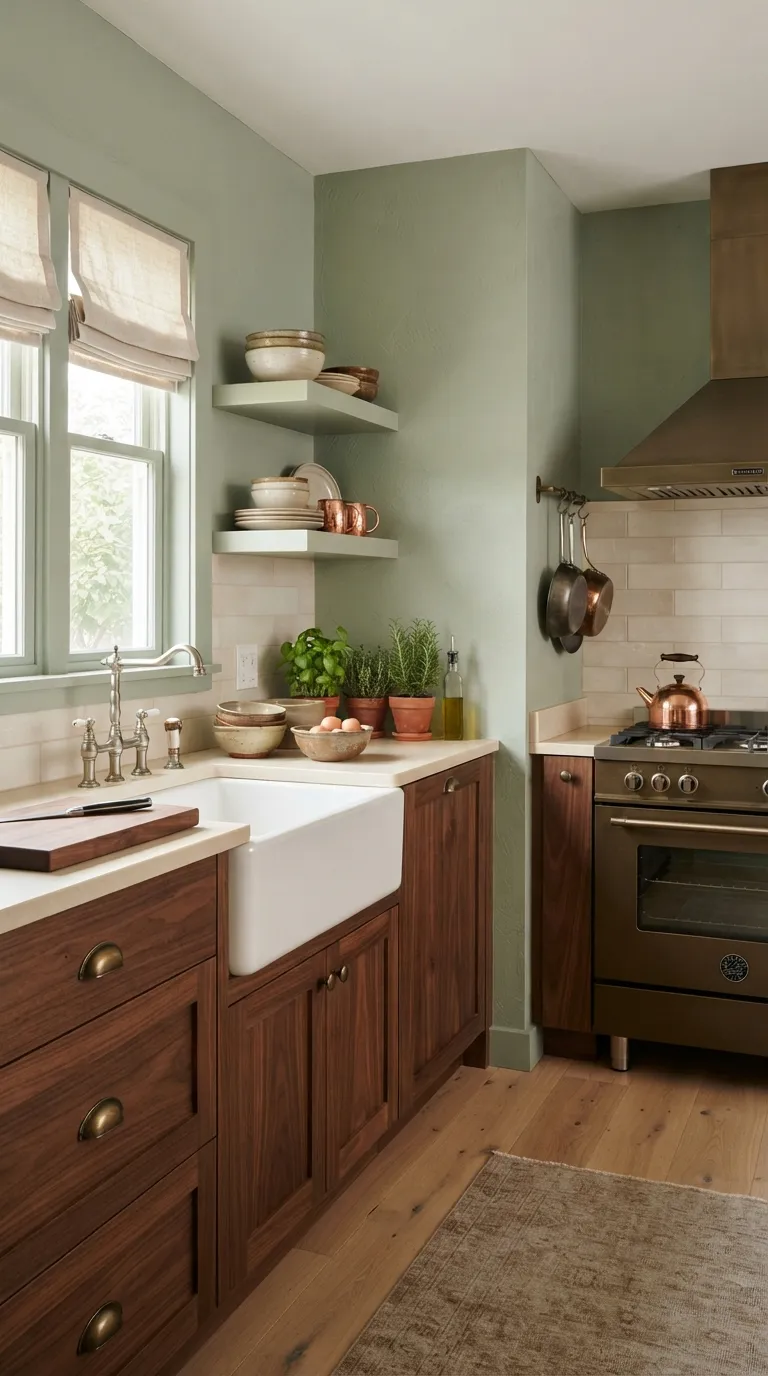
Sage green brings a soft connection to nature without making the kitchen feel too rustic. It pairs beautifully with walnut, cream, bronze, and natural linen, giving the walls more character while keeping the overall palette easy on the eyes.
For a small kitchen, try sage on the main walls and keep larger surfaces light. This balance helps the green feel intentional rather than heavy, especially when paired with warm bulbs and plenty of daylight.
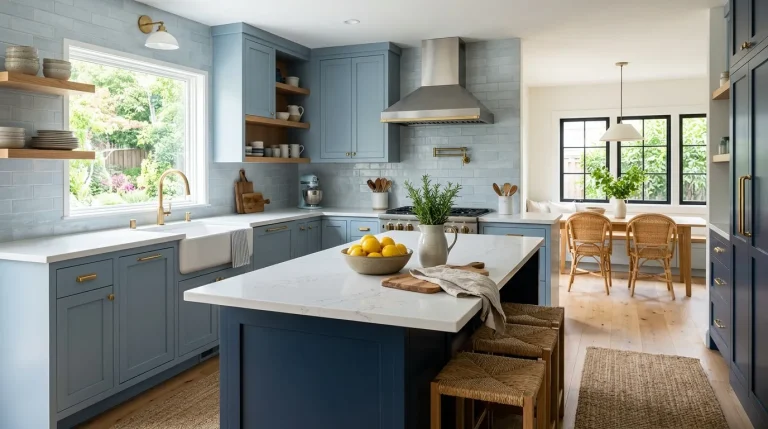
3. Dusty Blue Walls for a Calm Kitchen
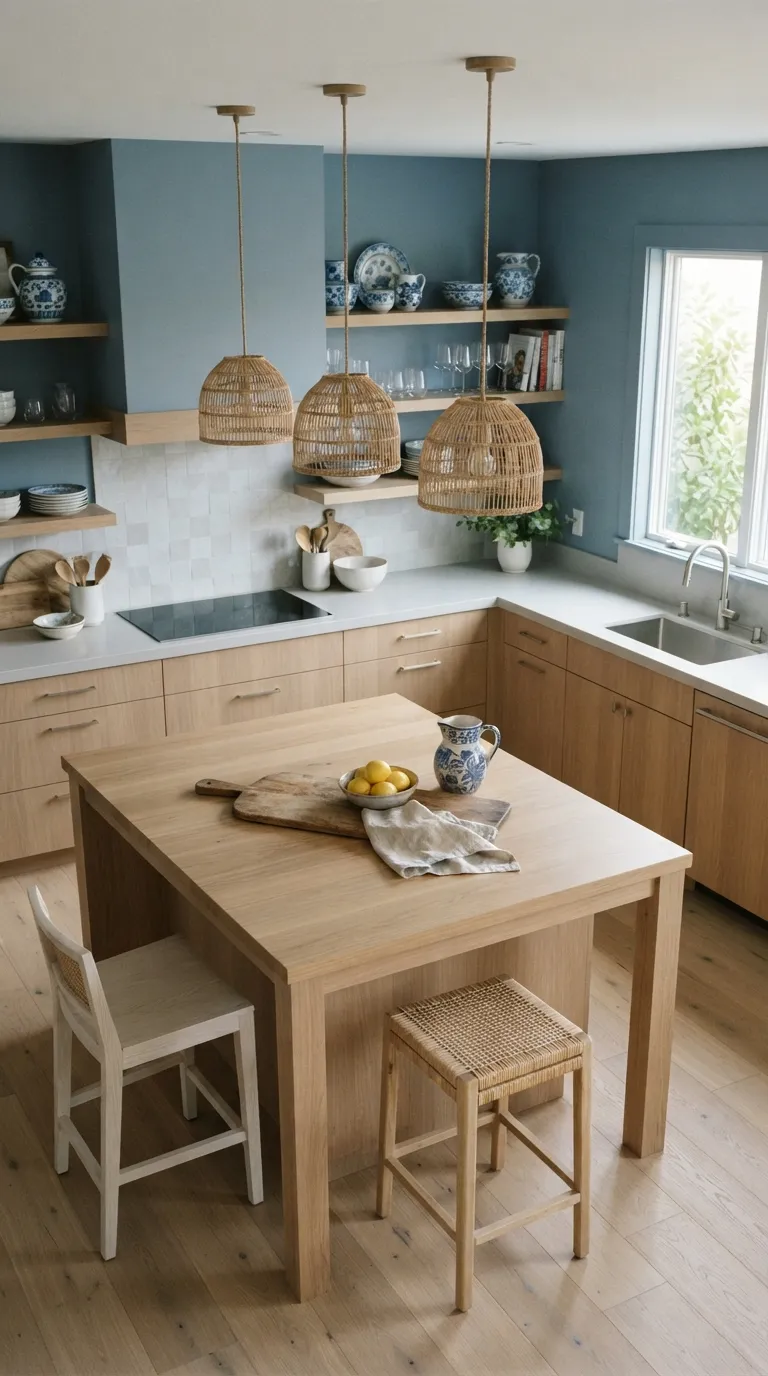
Dusty blue makes kitchen walls feel calm and collected. Its muted tone works well with white oak, pale stone, brushed metal, and soft textiles, giving the room a clean look without feeling too stark.
Picture a kitchen with plenty of natural light and simple cabinetry. Dusty blue walls can add depth behind open shelving or a dining nook while keeping the space airy, making this one of the most versatile kitchen paint color ideas for walls.
4. Creamy Beige for a Warm Neutral Kitchen
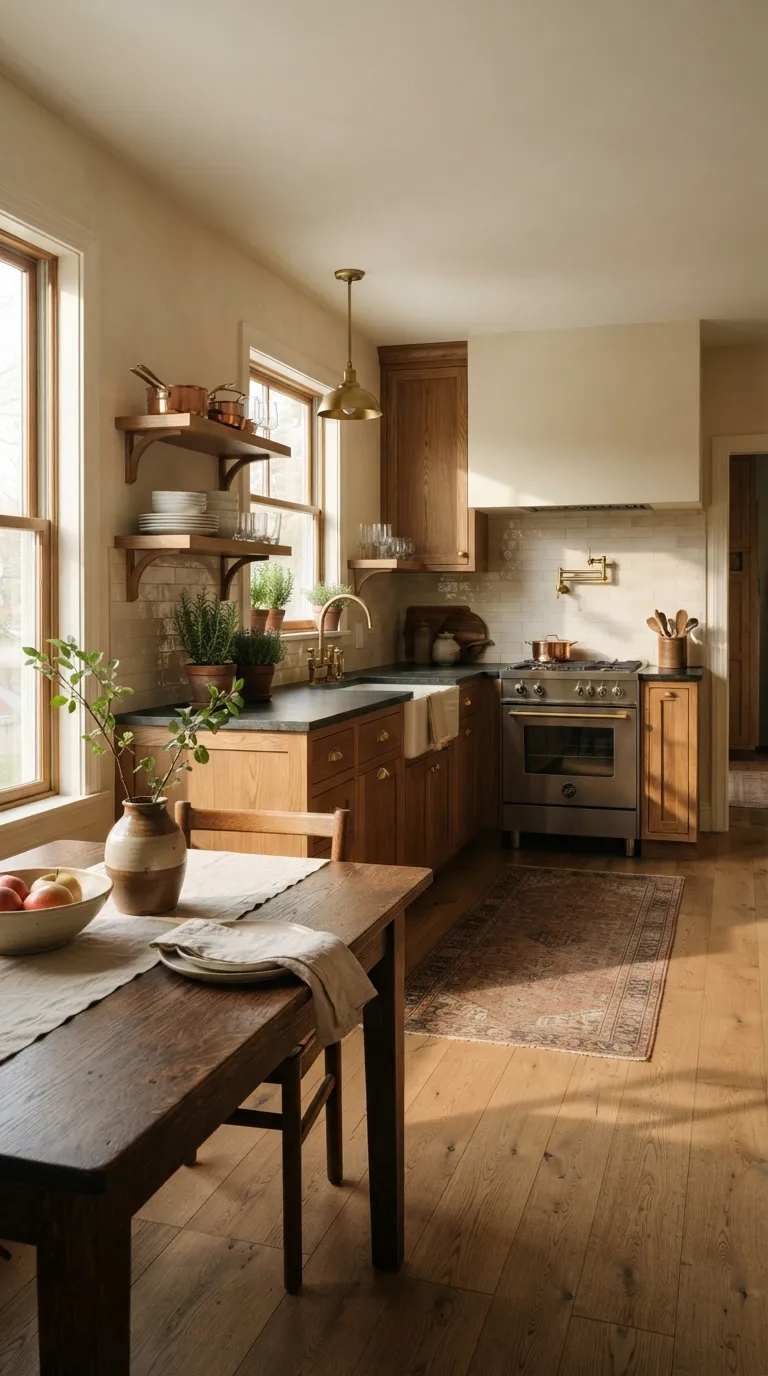
Creamy beige gives a kitchen a soft, grounded backdrop. It looks especially inviting beside oak cabinets, warm metals, stone surfaces, and darker wood furniture.
Choose beige when you want neutral kitchen wall colors with more warmth than plain white. Test a few samples beside your counters because beige can look noticeably different in morning and evening light.
5. Greige Walls for Modern Kitchen Style
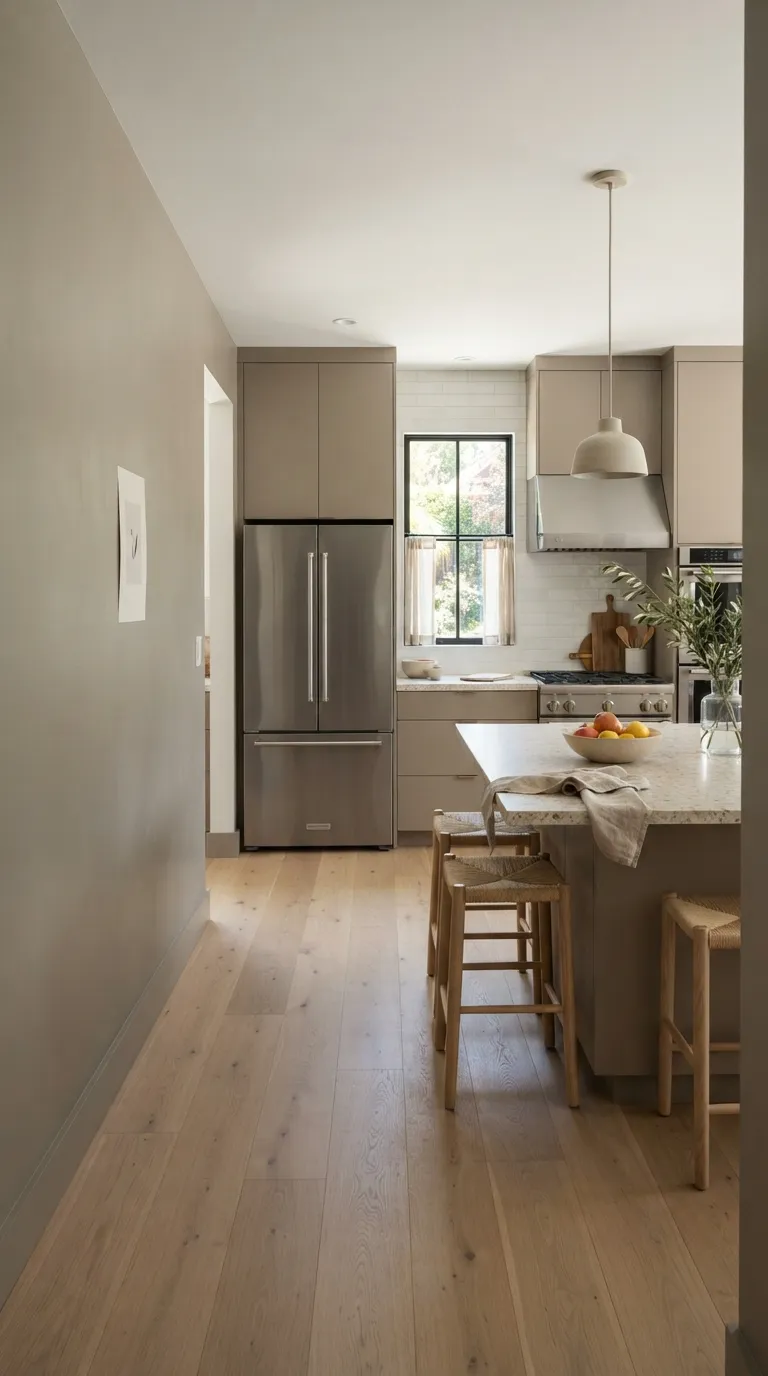
Greige sits between beige and gray, so it can bridge warm and cool finishes with ease. It’s a smart choice when your kitchen has mixed metals, neutral cabinets, or several wood tones.
Use greige on larger wall areas when you want a polished backdrop without strong contrast. A lighter shade keeps the room open, while a deeper greige can make a dining corner feel more intimate.
6. Terracotta Walls for Earthy Kitchen Charm
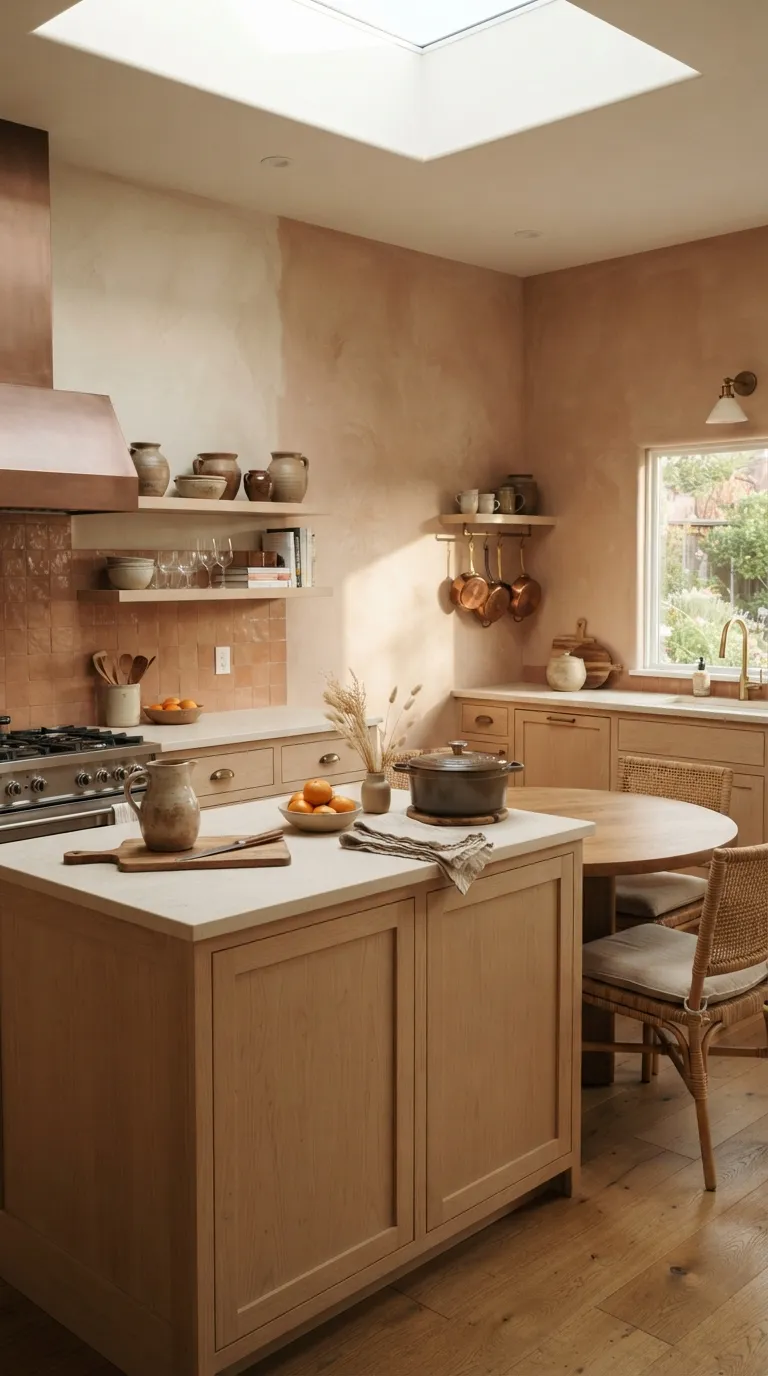
Terracotta brings earthy warmth to kitchen walls without needing bold furniture. Its clay-inspired tone pairs naturally with cream, maple, brass, rattan, and other warm materials.
Keep the shade muted if your kitchen is compact. A softer terracotta can create a cozy focal wall without making the room feel closed in.
7. Pale Yellow for a Sunny Kitchen
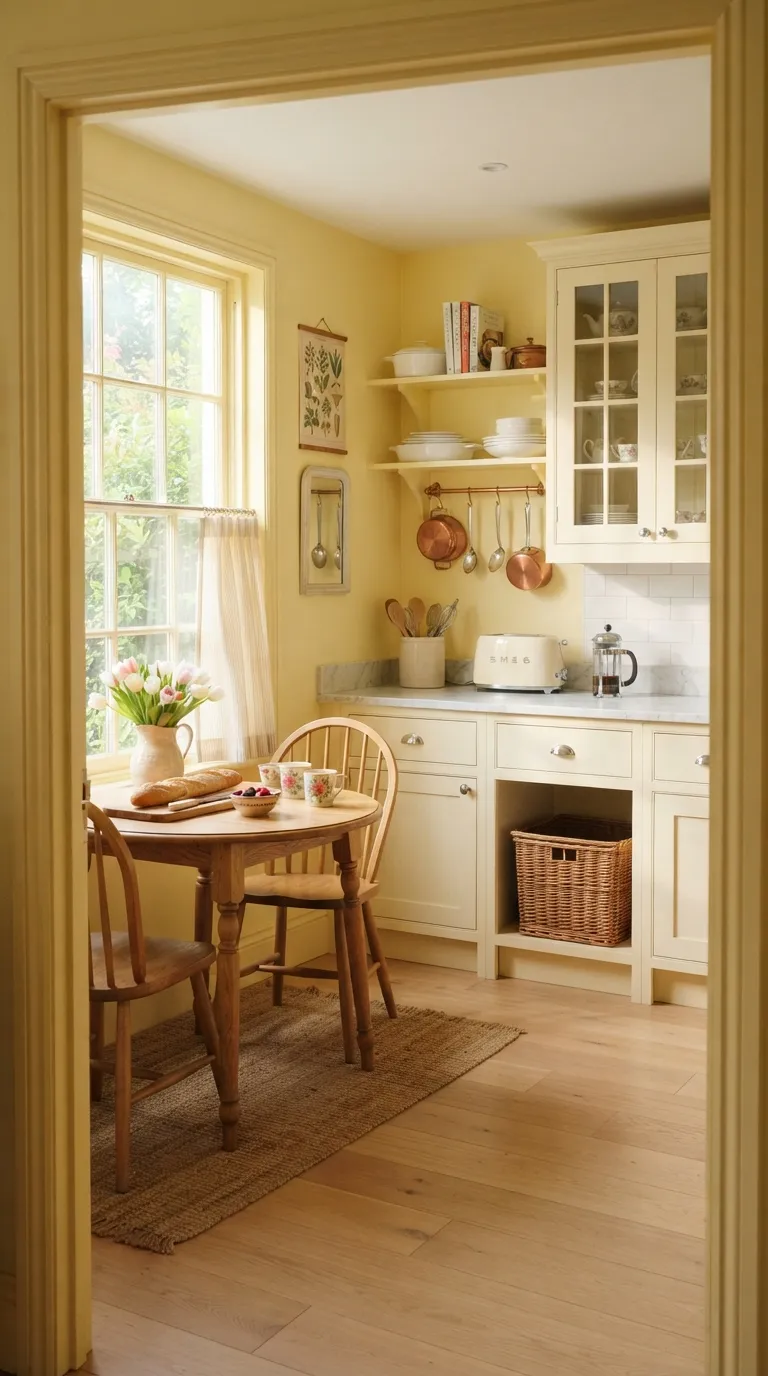
Pale yellow can make a kitchen feel warm and welcoming without demanding attention. Look for buttery or muted shades instead of sharp lemon tones if coziness is your goal.
This color works beautifully with cream cabinetry and light wood. It also suits breakfast nooks, especially where morning sunlight can bring out the gentle warmth of the wall paint.
8. Soft Gray Walls for a Clean Cozy Look
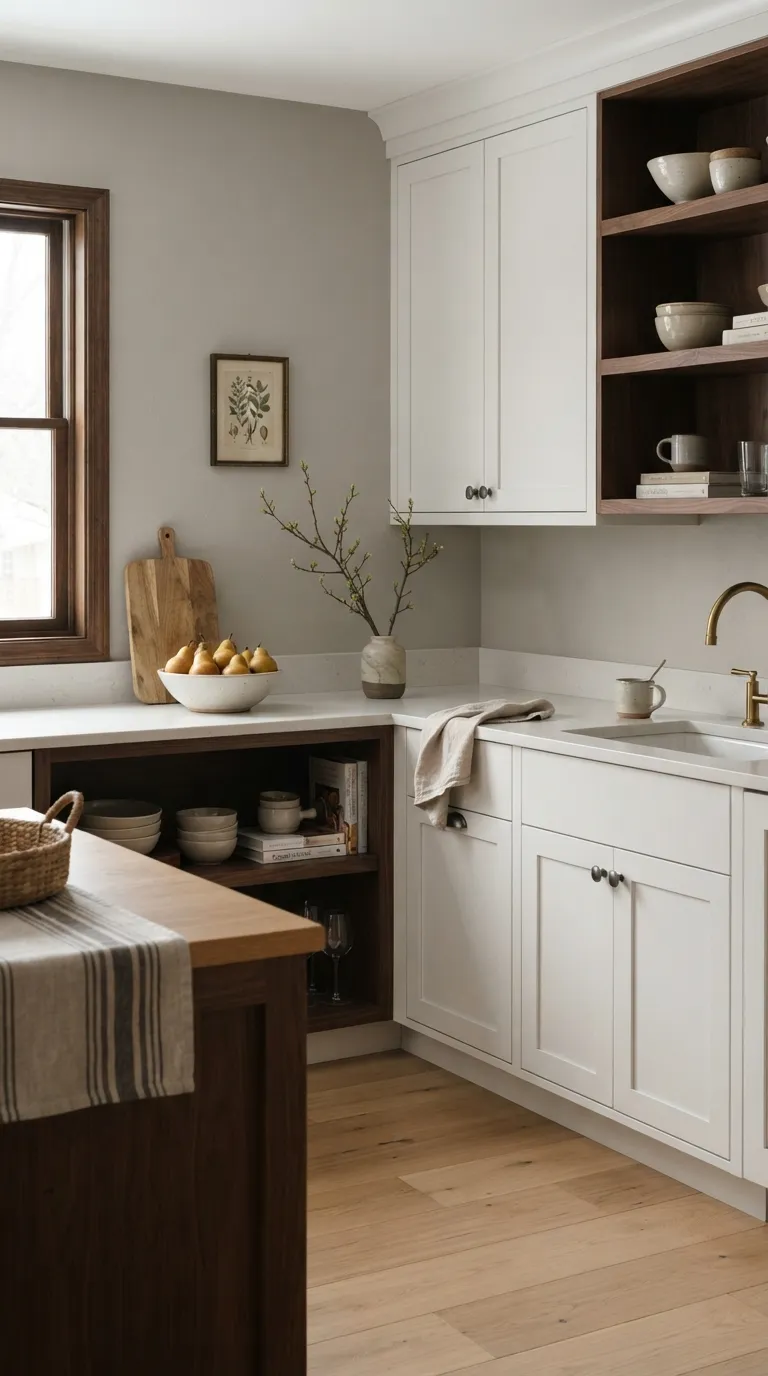
Soft gray works when you want a quiet wall color with a modern edge. Choose a gray with warm undertones so the kitchen feels comfortable rather than cold.
Pair it with white cabinetry, walnut, or warm oak to add contrast. Among kitchen paint color ideas for walls, this option is especially useful when your counters or backsplash already have several colors.
9. Deep Navy for a Cozy Statement Wall
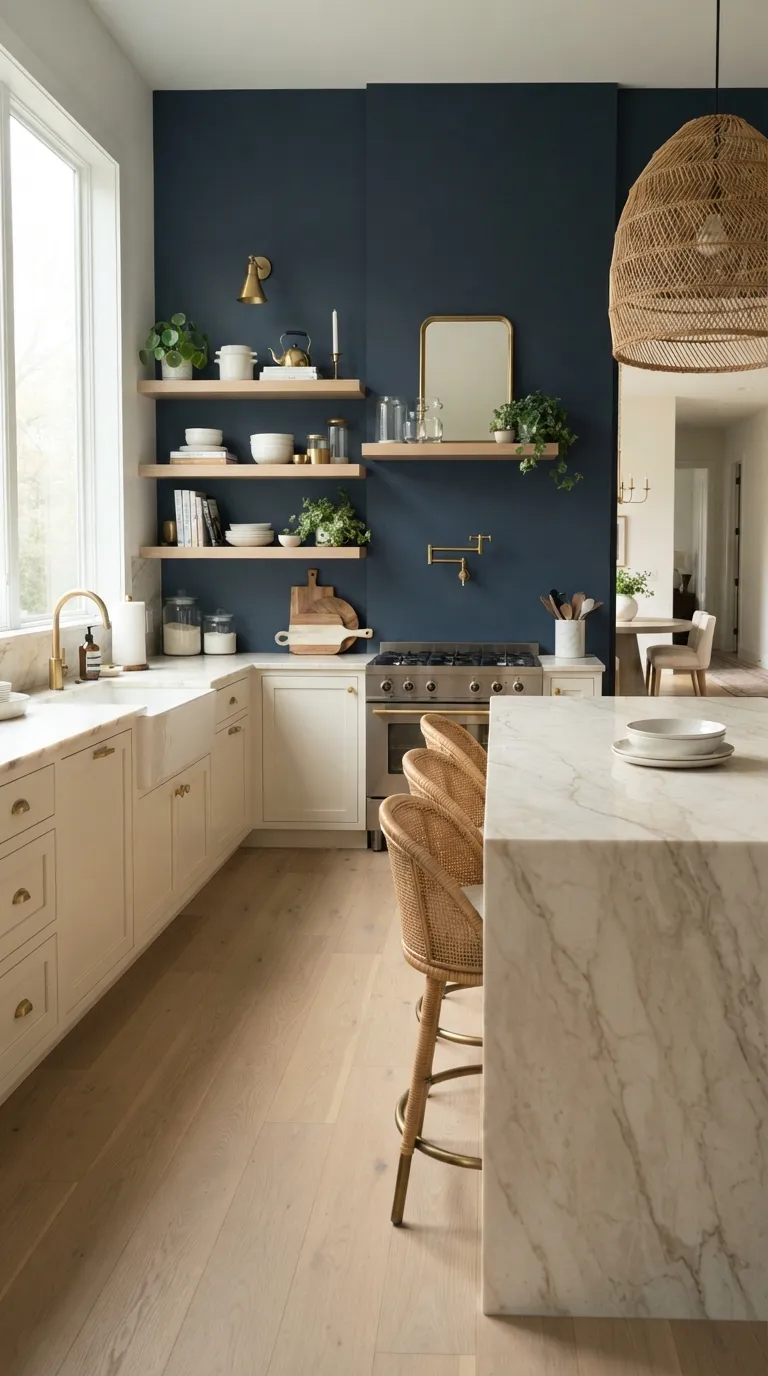
Deep navy adds depth without requiring a fully dark kitchen. It looks rich beside warm white cabinets, pale wood, brass, and creamy stone.
You may want to check out Lovely Neutral Kitchen Color Palette as well.
Use it on one wall if you’re unsure about a darker palette. A statement wall behind open shelves, a breakfast nook, or a dining area can create a strong visual anchor.
10. Muted Olive Green for Natural Warmth
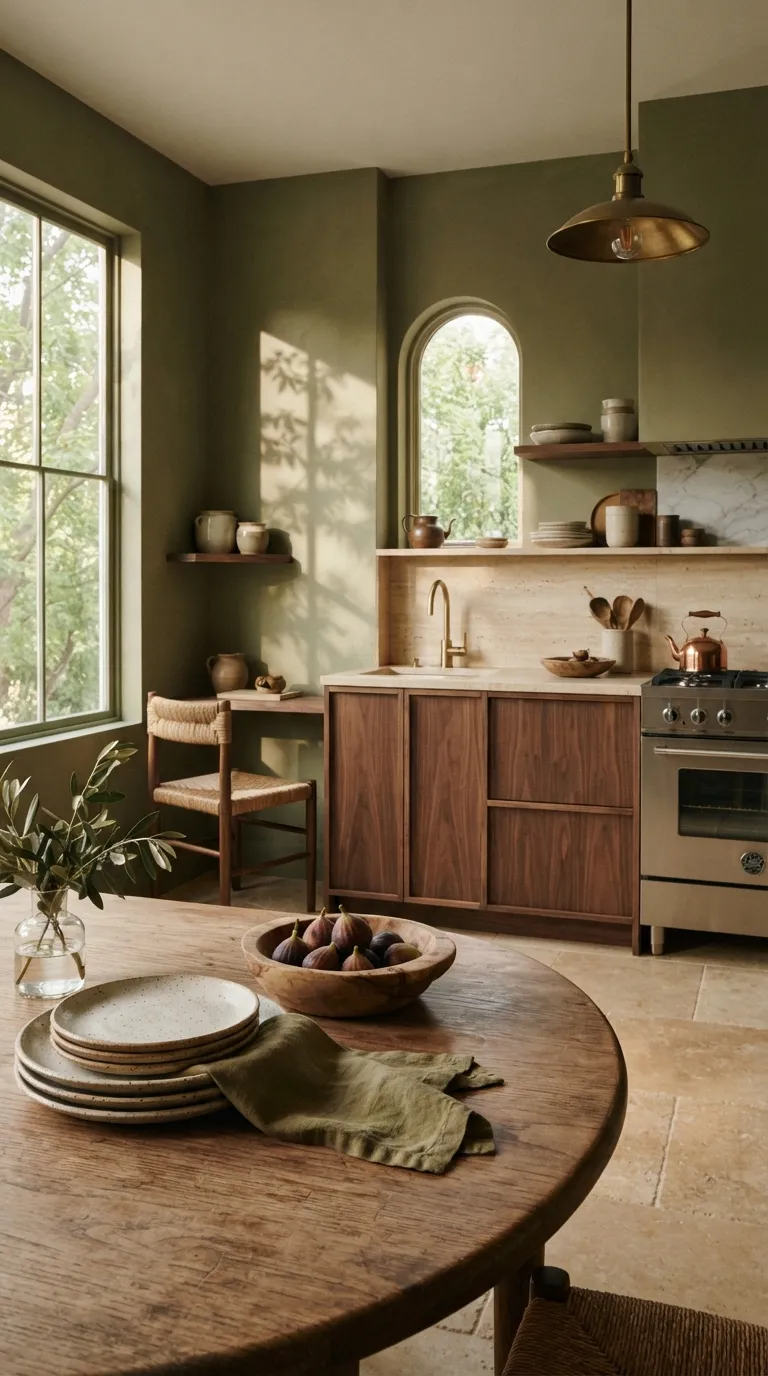
Muted olive gives your kitchen a grounded, natural feel. Its earthy quality pairs nicely with walnut, travertine, brass, linen, and other organic finishes.
Try olive on walls around a dining area or pantry entrance when you want a little color without a bright finish. Keep the rest of the palette restrained so the green remains the main visual feature.
11. Blush Beige for a Subtle Cozy Accent
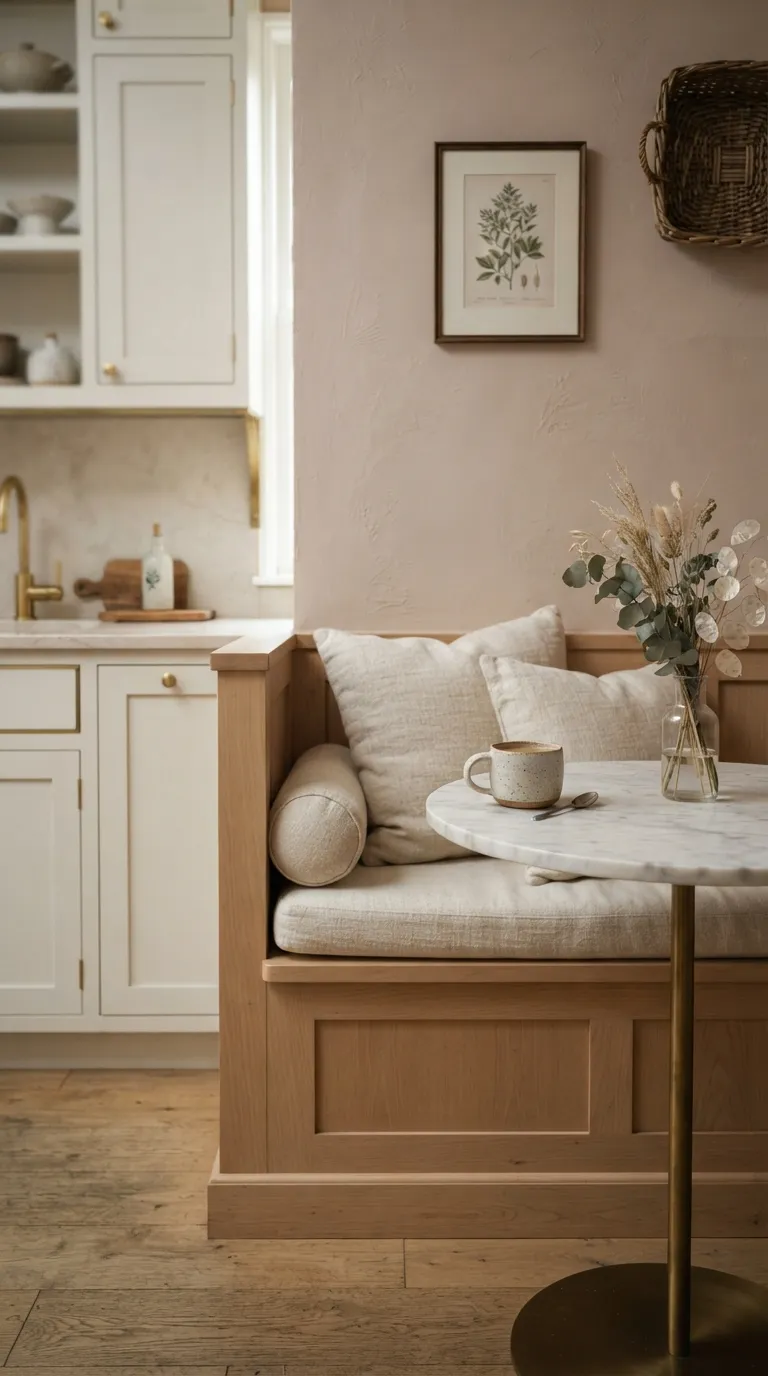
Blush beige adds a hint of rosy warmth without making the kitchen look overly colorful. It can soften a hard-edged modern space and make a small breakfast corner feel more inviting.
Choose a dusty, muted version rather than a saturated pink. Pair it with creamy white, pale maple, limestone, and brass for a balanced palette that feels cozy but still grown-up.
12. Charcoal Gray for a Moody Kitchen
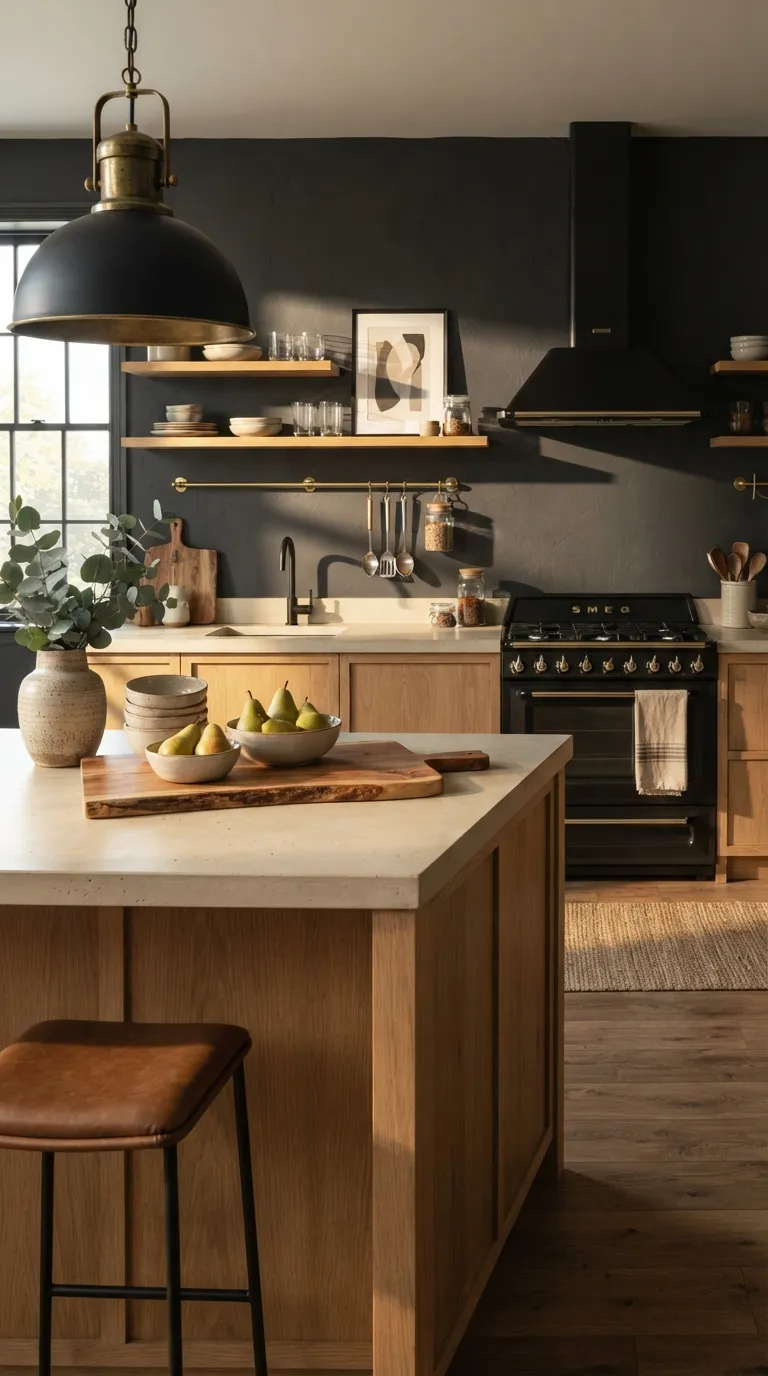
Charcoal gray creates a cozy backdrop when you want something deeper than standard neutral paint. Warm oak and cream surfaces keep the darker walls from feeling too severe.
Use charcoal where your kitchen gets plenty of daylight or has strong layered lighting. It works particularly well behind a dining table, coffee station, or open shelving.
13. Light Taupe for a Timeless Kitchen
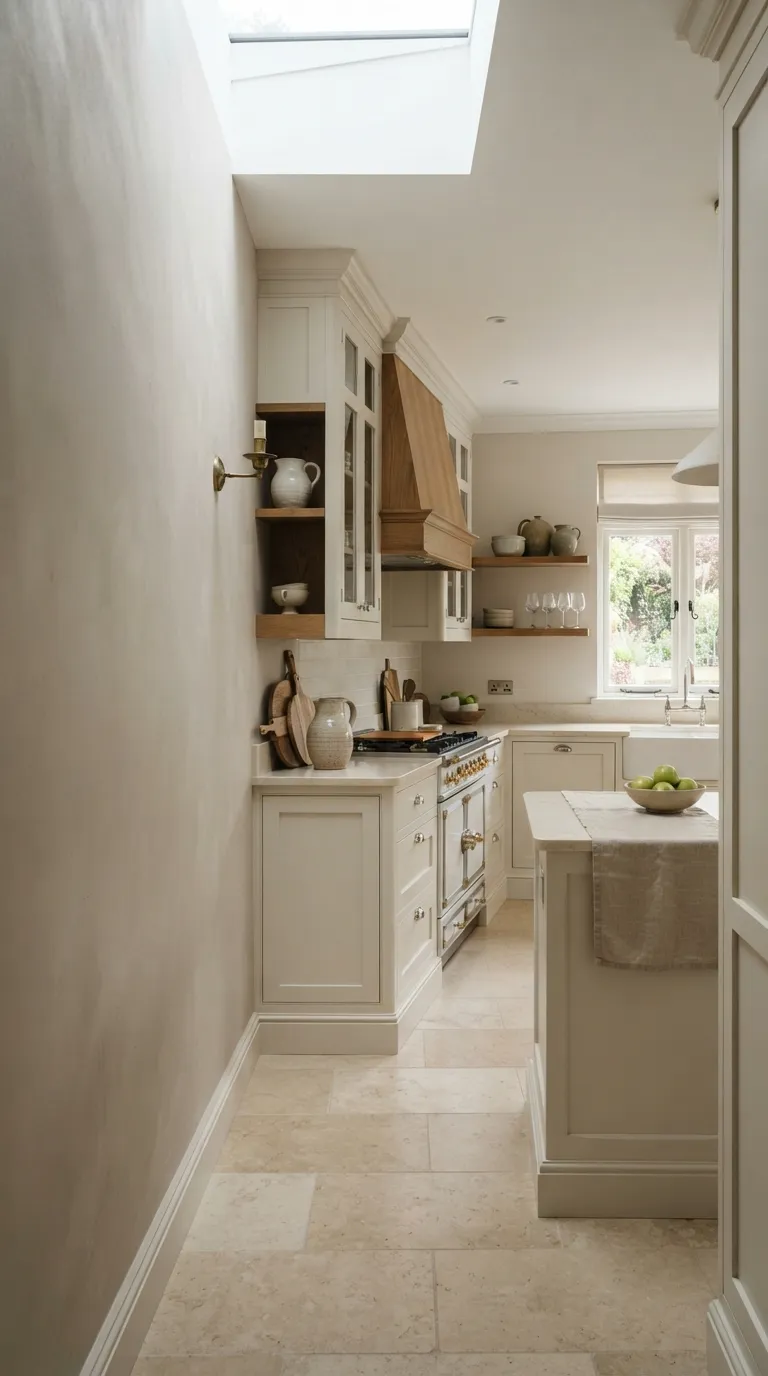
Light taupe offers the warmth of beige with a slightly more tailored look. It’s easy to pair with cream cabinets, dark wood, stone counters, and both cool and warm metal finishes.
If you’re unsure which neutral will suit your kitchen, taupe can be a useful middle ground. Sample it beside the backsplash and countertop before painting the full wall.
14. Warm Greige for an Open-Plan Kitchen
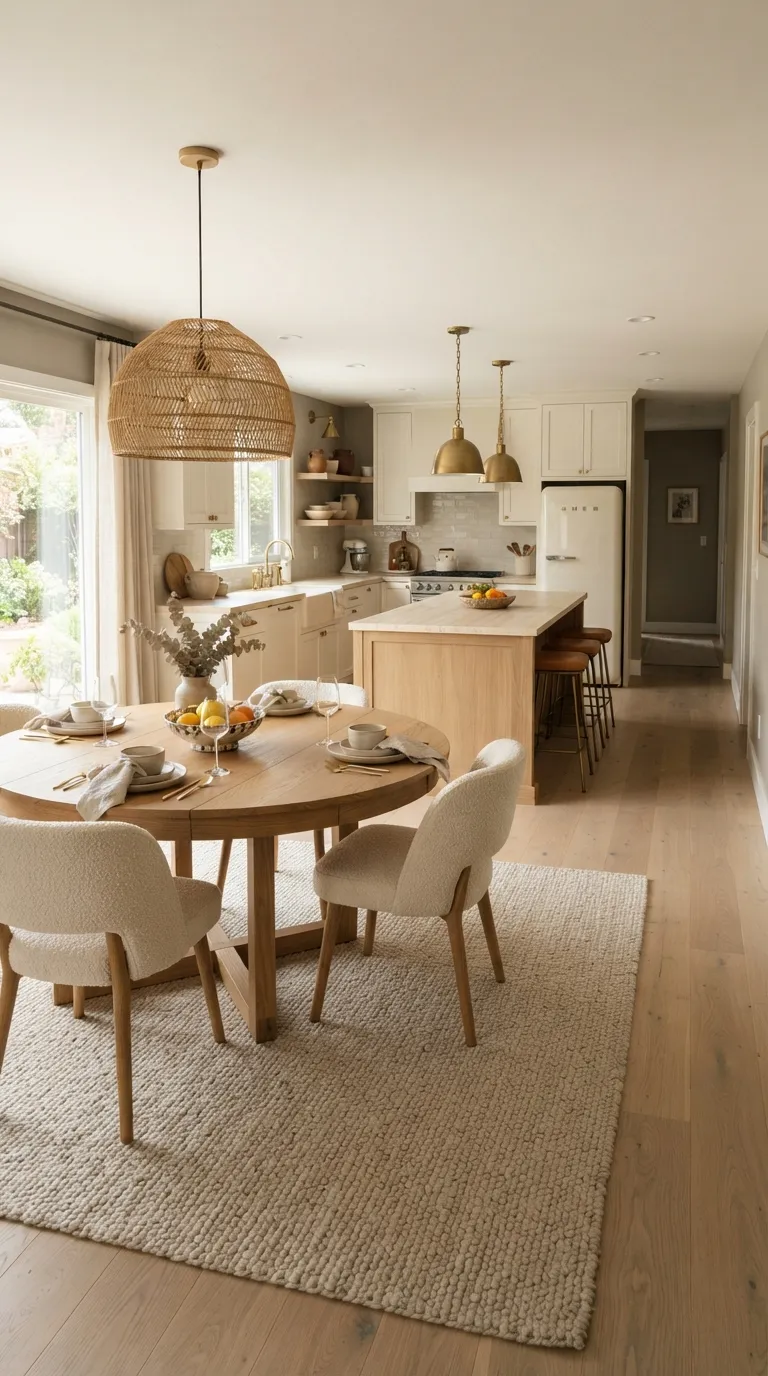
Open kitchens need wall colors that connect several areas without looking flat. Warm greige does that by sitting comfortably between cream, beige, gray, wood, and metal finishes.
Use the same shade across connected walls when the kitchen flows directly into dining or living areas. The continuous color can make the entire space feel more settled and visually organized.
15. Powder Blue for a Light Cottage Kitchen
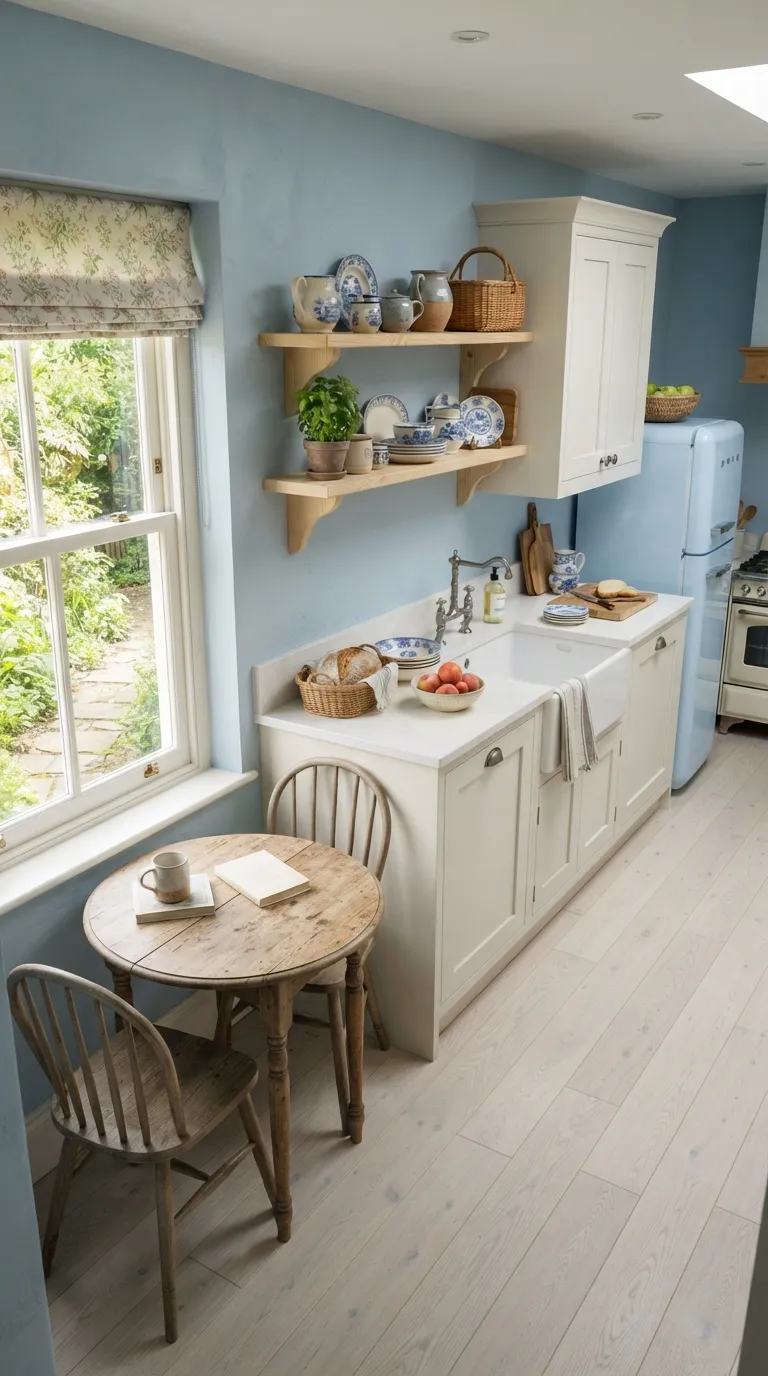
Powder blue gives kitchen walls a light, airy quality while still adding color. It feels especially natural with cream cabinets, pale wood, white counters, and vintage-inspired hardware.
This shade suits cottage kitchens, breakfast areas, and rooms with plenty of daylight. Add woven textures and simple ceramics to keep the palette warm rather than overly cool.
16. Warm Mushroom for a Sophisticated Neutral
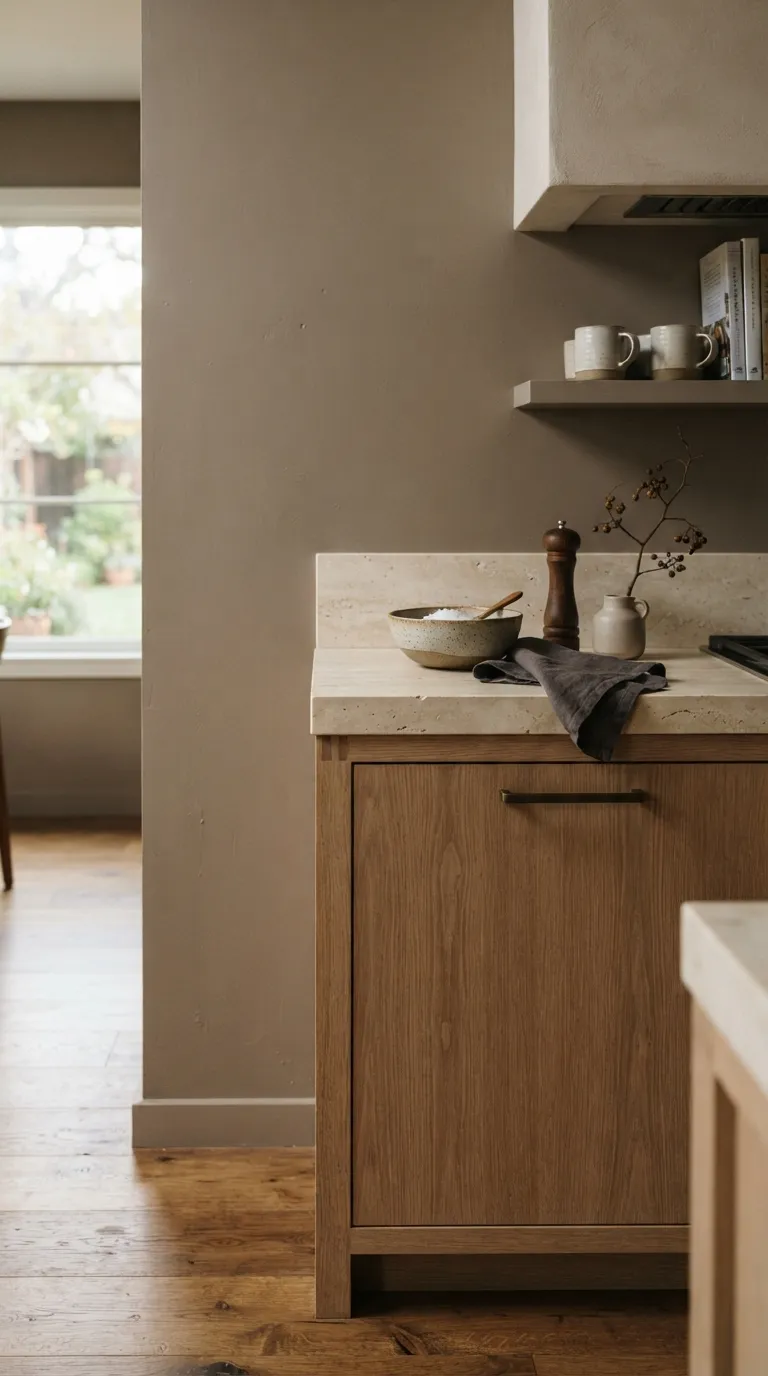
Warm mushroom sits comfortably between gray, brown, and beige. It gives neutral kitchens more depth while staying easy to pair with natural wood and creamy stone.
Use it when you want a mature color that still feels relaxed. Keep the trim slightly lighter to give the walls a clean edge without creating a sharp contrast.
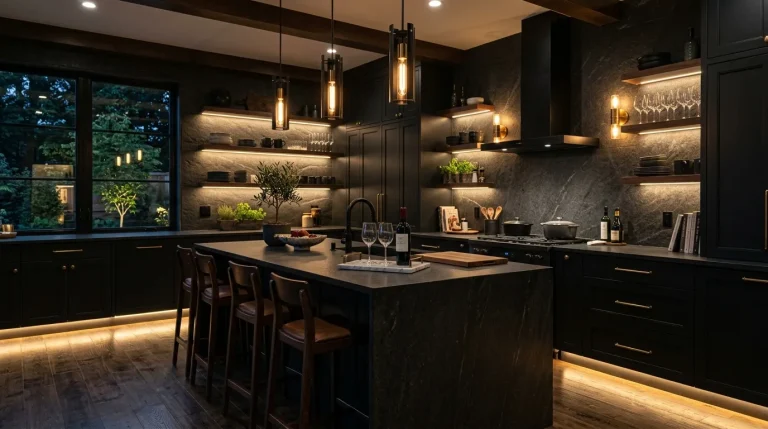
17. Soft Black for a Dramatic Kitchen Wall
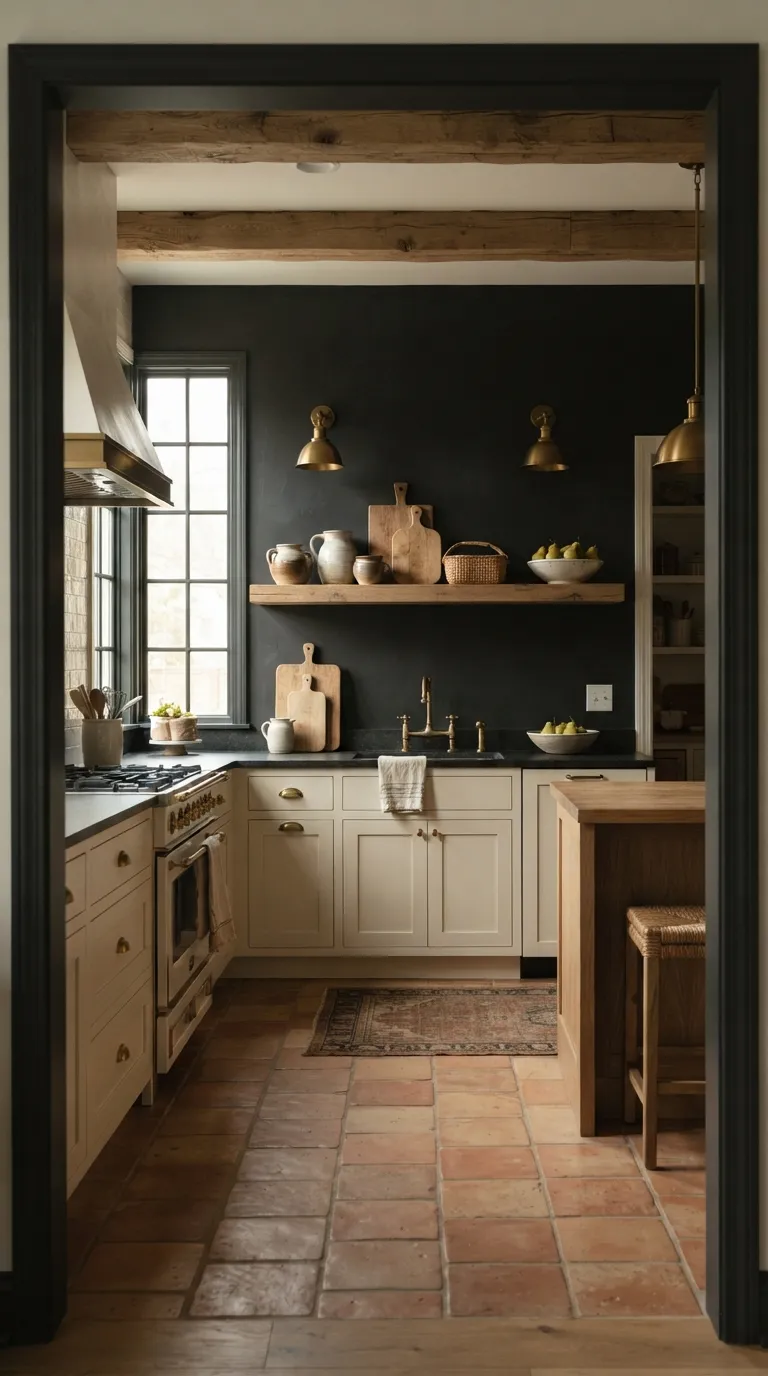
Soft black can turn an ordinary kitchen wall into a strong focal point. Choose a warm charcoal-black rather than a blue-black if you want the room to feel more inviting.
Keep dark paint to one wall when the kitchen has limited natural light. Warm wood, brass, creamy cabinets, and earthy flooring can balance the depth and stop the space from feeling too stark.
18. Muted Teal for a Colorful Kitchen
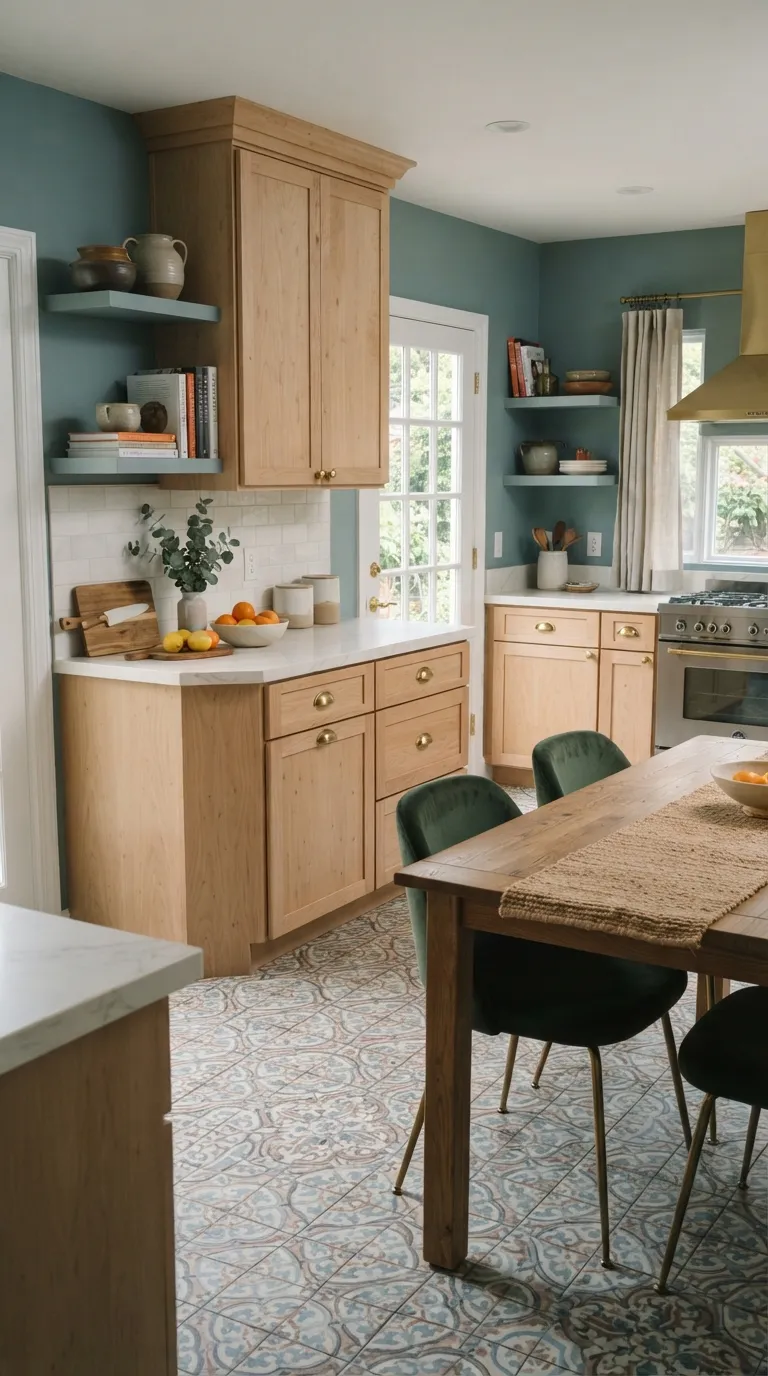
Muted teal is a good pick when neutral walls feel too predictable. Its blue-green base adds personality while a dusty finish keeps the room comfortable.
Balance teal with warm materials rather than adding several competing colors. Maple, brass, cream, natural fibers, and soft green accents create a kitchen palette that feels collected.
19. Cocoa Brown for a Rich Cozy Kitchen
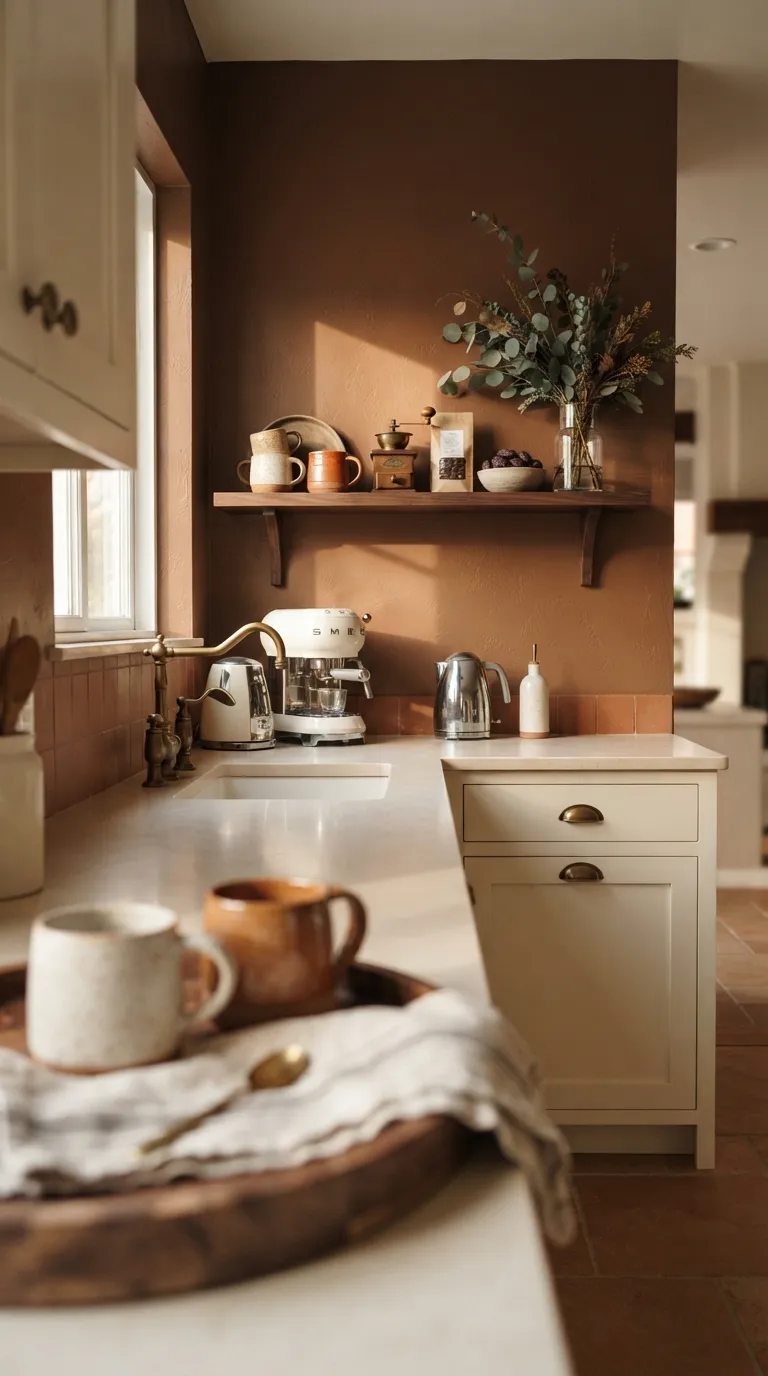
Cocoa brown brings a deep, comforting quality to kitchen walls. It works best when balanced with lighter cabinetry, warm stone, and plenty of natural light.
Try this color around a coffee station or dining corner for a cozy café-inspired feel. If the room is small, keep the ceiling and largest cabinets light to preserve visual openness.
20. Muted Lavender for a Soft Modern Kitchen
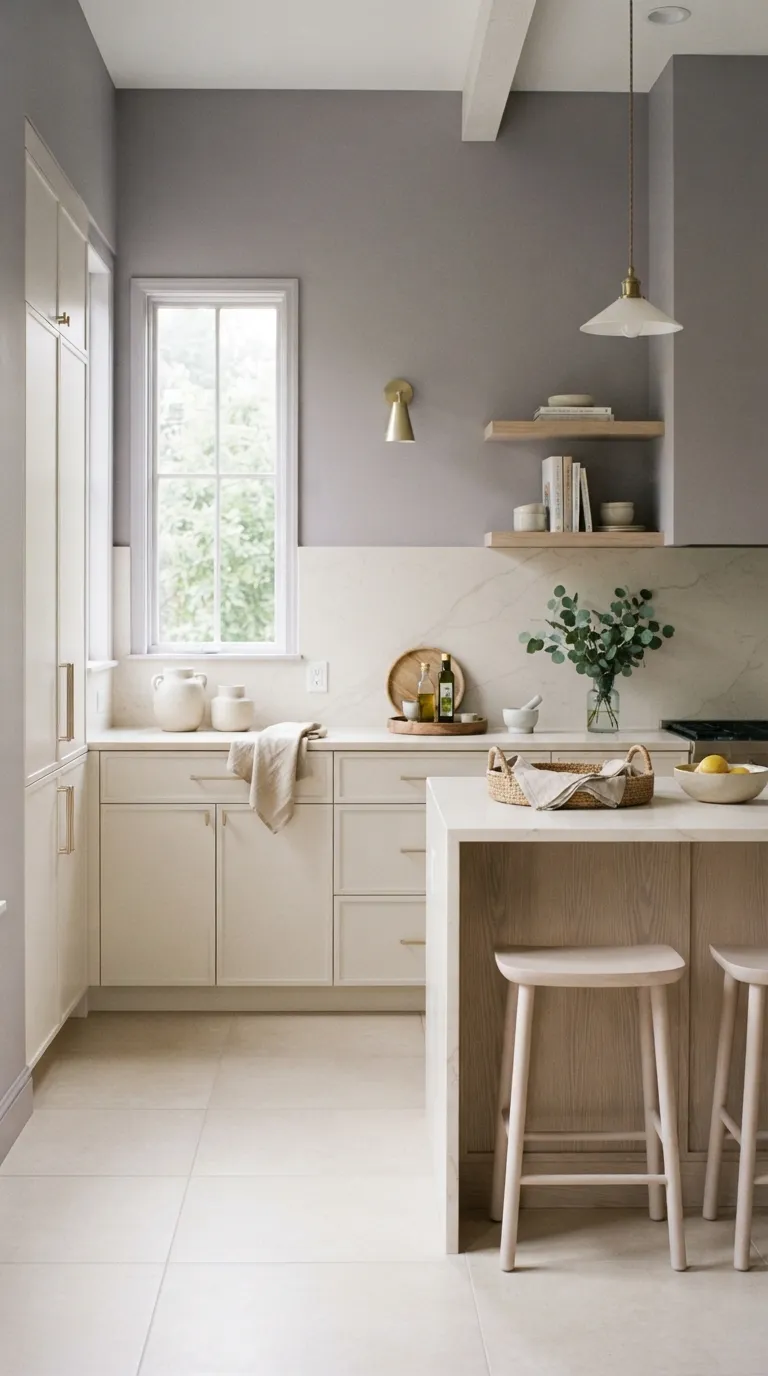
Muted lavender adds a gentle hint of color while gray undertones keep it sophisticated. It’s a nice alternative when you want something softer than blue or green.
Pair lavender-gray walls with warm white, pale ash wood, cream, and champagne metal. The contrast keeps the color fresh without making the kitchen feel overly sweet.
21. Forest Green for a Cozy Traditional Kitchen
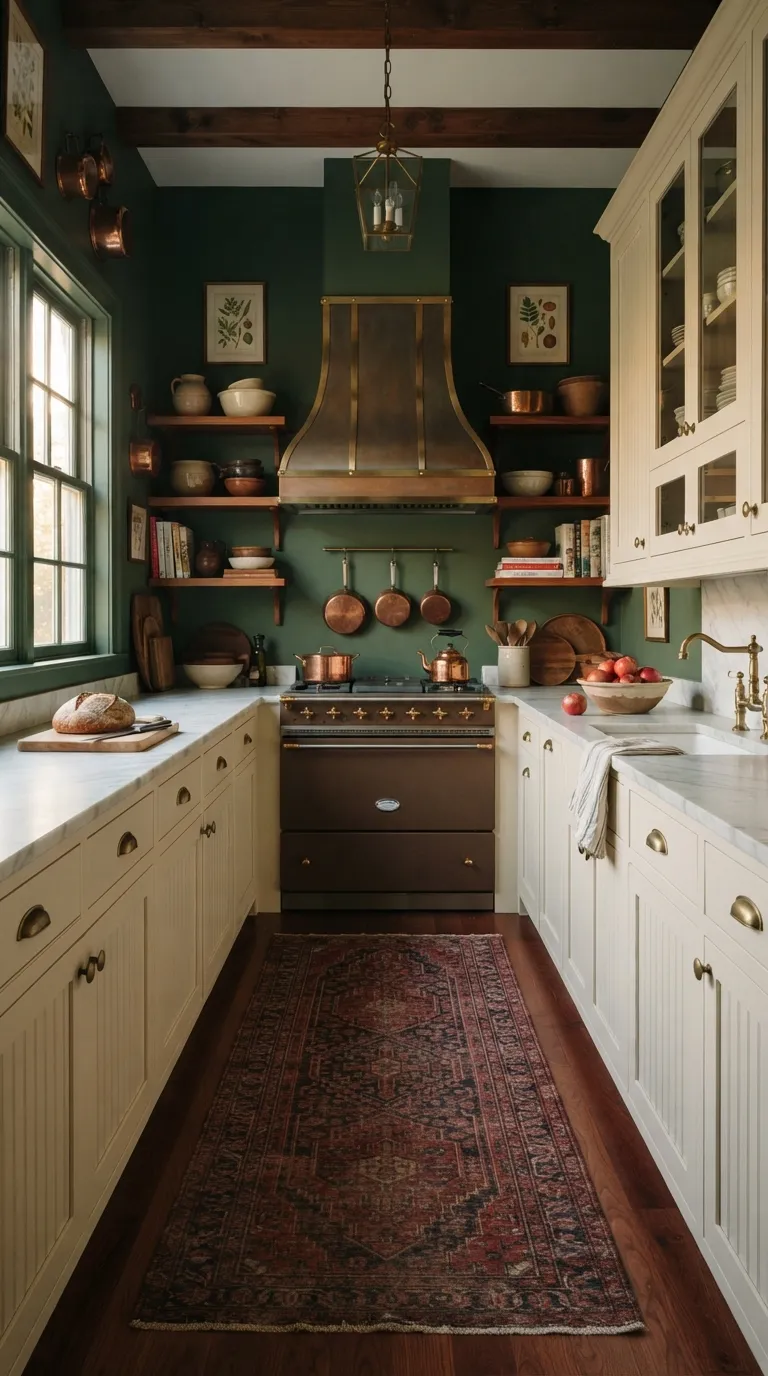
Forest green gives traditional kitchens a rich, grounded backdrop. It pairs naturally with cream cabinetry, cherry wood, brass, marble, and copper.
Use this deep shade when your kitchen has good daylight and enough visual breathing room. If the room is darker, consider using forest green on one wall instead of covering every surface.
22. Soft Peach for a Warm Welcoming Kitchen
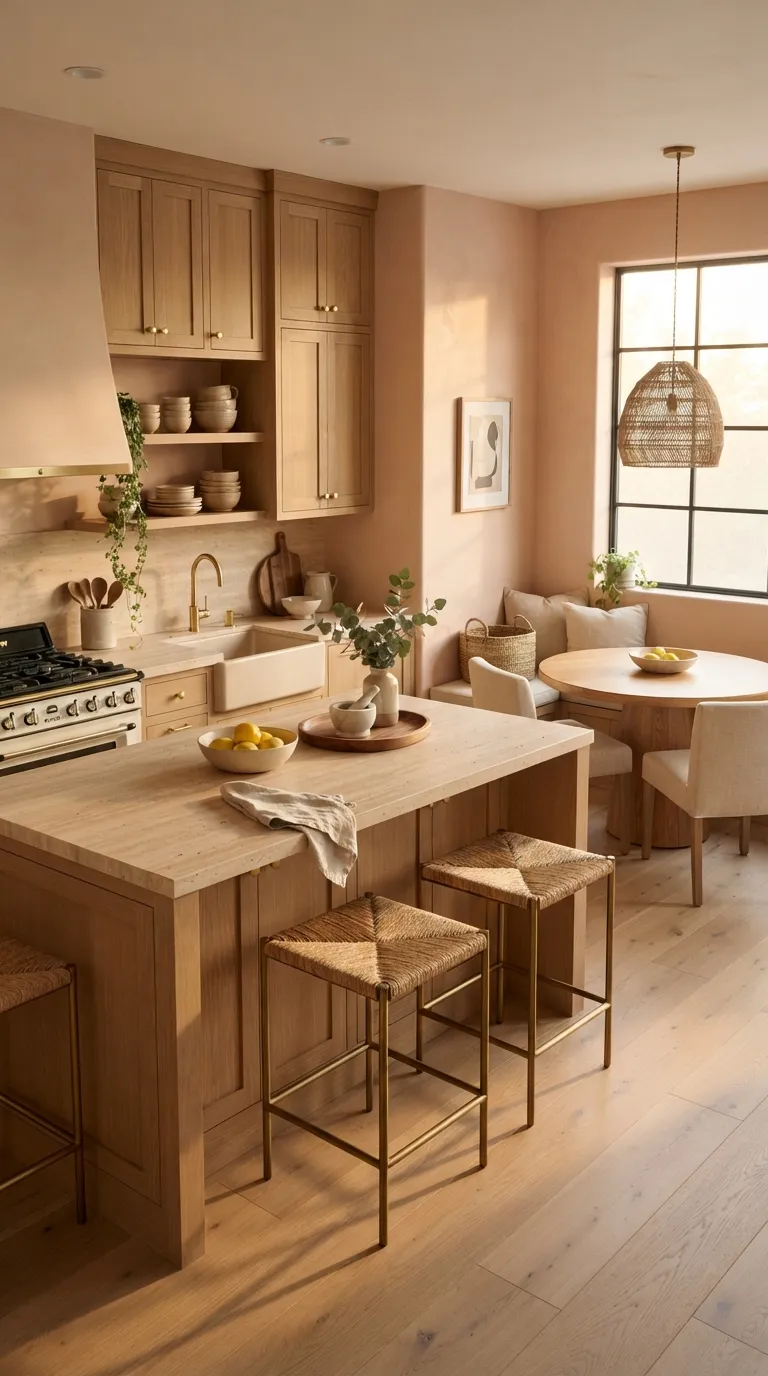
Soft peach can make kitchen walls feel warm without looking overly bright. Choose a muted shade with beige or clay undertones for a more relaxed result.
It works especially well with creamy oak, travertine, brass, and natural textiles. If you’re testing kitchen paint color ideas for walls, place your sample near the floor, cabinets, and countertop to see how the peach changes throughout the day.
Ready to Start?
The best kitchen wall color should work with your room’s natural light, cabinets, counters, flooring, and hardware. Start with two or three paint samples rather than choosing from a tiny color card.
Look at each sample in the morning, afternoon, and evening before making the final call. Whether you prefer warm white, sage green, dusty blue, earthy terracotta, or a deeper statement shade, the right color can make your kitchen feel more comfortable and connected to the rest of your home.
Emma Williams
Emma Williams is an interior design expert and decor editor at Lady Home Decor. She specializes in modern, cozy, and functional home styling, helping readers discover inspiring decorating ideas that are easy to recreate. Her work focuses on timeless design, practical solutions, and the latest home decor trends.