12 Reasons Is Your Sink Water Pressure Low? Fix It Fast

Is your sink water pressure low and making everyday tasks frustrating? A weak stream can make washing dishes, filling pots, or rinsing your hands take much longer than it should. Before you assume there’s a serious plumbing problem, there are several simple causes worth checking.
Low sink pressure can come from a clogged aerator, mineral buildup, partially closed valves, damaged supply lines, old filters, or problems farther inside the plumbing system. In my experience, starting with the easiest checks often saves time and unnecessary repair costs. This guide explores common reasons for weak sink water flow and practical ways to troubleshoot them. You’ll learn what to check first, which problems you may be able to fix yourself, and when professional help makes more sense. By working through these possibilities, you can identify the cause and get your sink flowing more reliably again.
1. Clogged Aerator
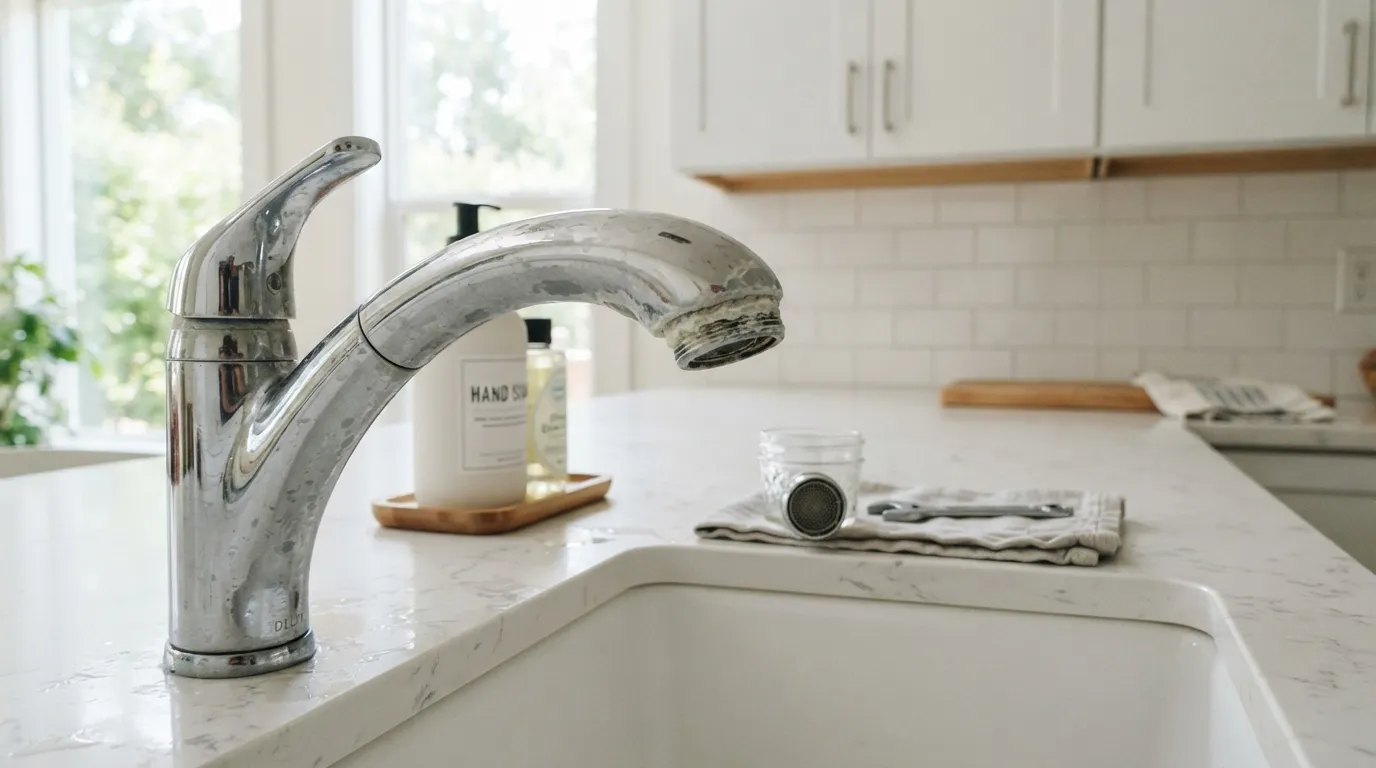
A weak stream from your faucet can be frustrating, especially when everything else in the kitchen seems to work perfectly. One of the most common reasons is a clogged aerator, the small screen attached to the faucet tip. Over time, minerals, sand, and tiny debris collect inside it, restricting water flow. If is your sink water pressure low is the question you’re asking, this simple component should be the first place to check before assuming a larger plumbing problem.
Cleaning the aerator usually takes only a few minutes and requires minimal tools. Simply remove it, soak it in vinegar if mineral buildup is heavy, then rinse and reinstall it. I’ve noticed this fix works surprisingly often, especially in homes with hard water. Restoring proper flow not only improves everyday tasks like washing dishes but also helps your faucet perform the way it was designed. Starting with this easy inspection can save both time and unnecessary repair costs.
2. Mineral Buildup
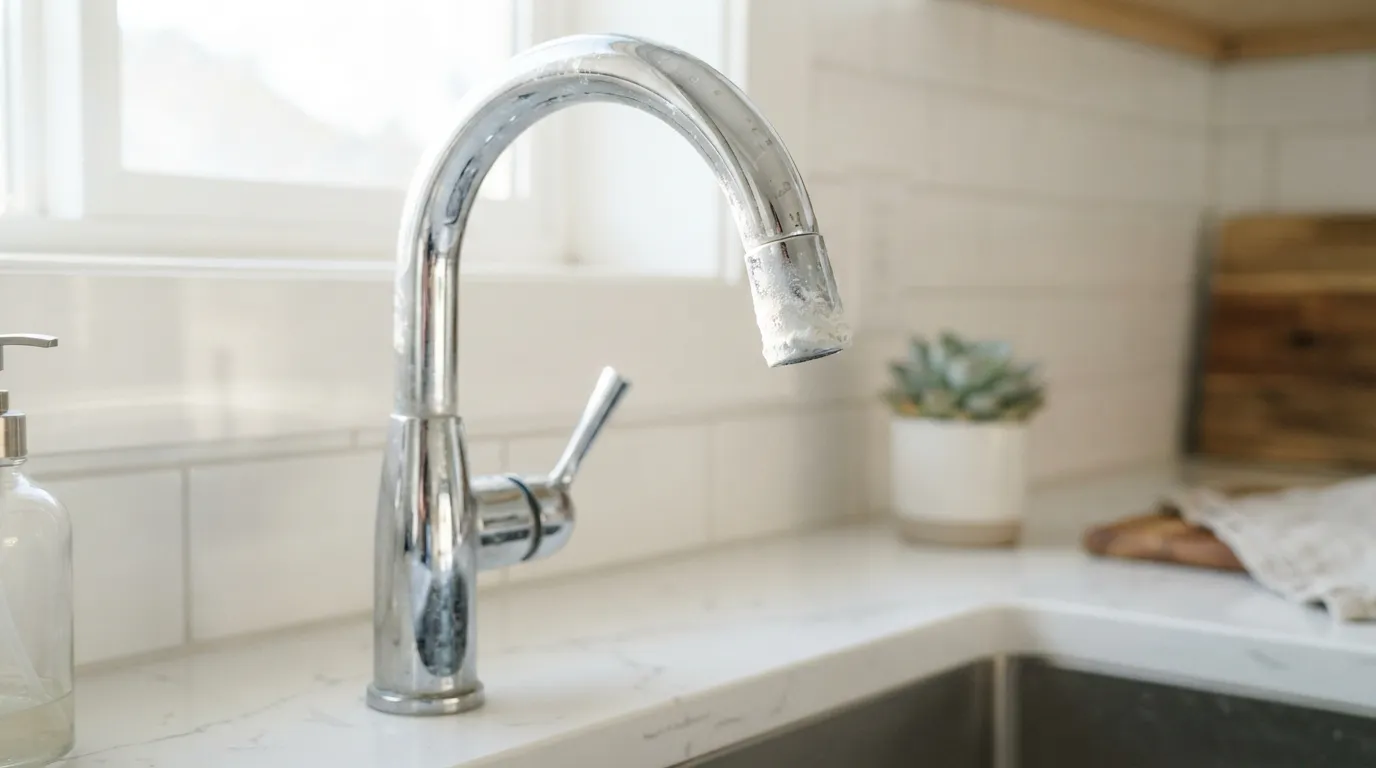
Hard water leaves behind calcium and magnesium deposits that gradually collect inside faucets and connecting parts. While the buildup may seem harmless at first, it slowly narrows the path that water travels through. The result is noticeably weaker flow and inconsistent pressure. Many homeowners overlook this issue because the faucet still works, but the performance steadily declines until everyday tasks become more difficult and time-consuming.
Removing mineral deposits is usually simple with regular maintenance. Soaking affected parts in white vinegar loosens stubborn scale without damaging most finishes. In my experience, repeating this cleaning every few months keeps faucets flowing much better in areas with hard water. Small preventive habits often eliminate the need for costly plumbing repairs later while extending the life of your kitchen fixtures and improving daily convenience.
3. Shut-Off Valve
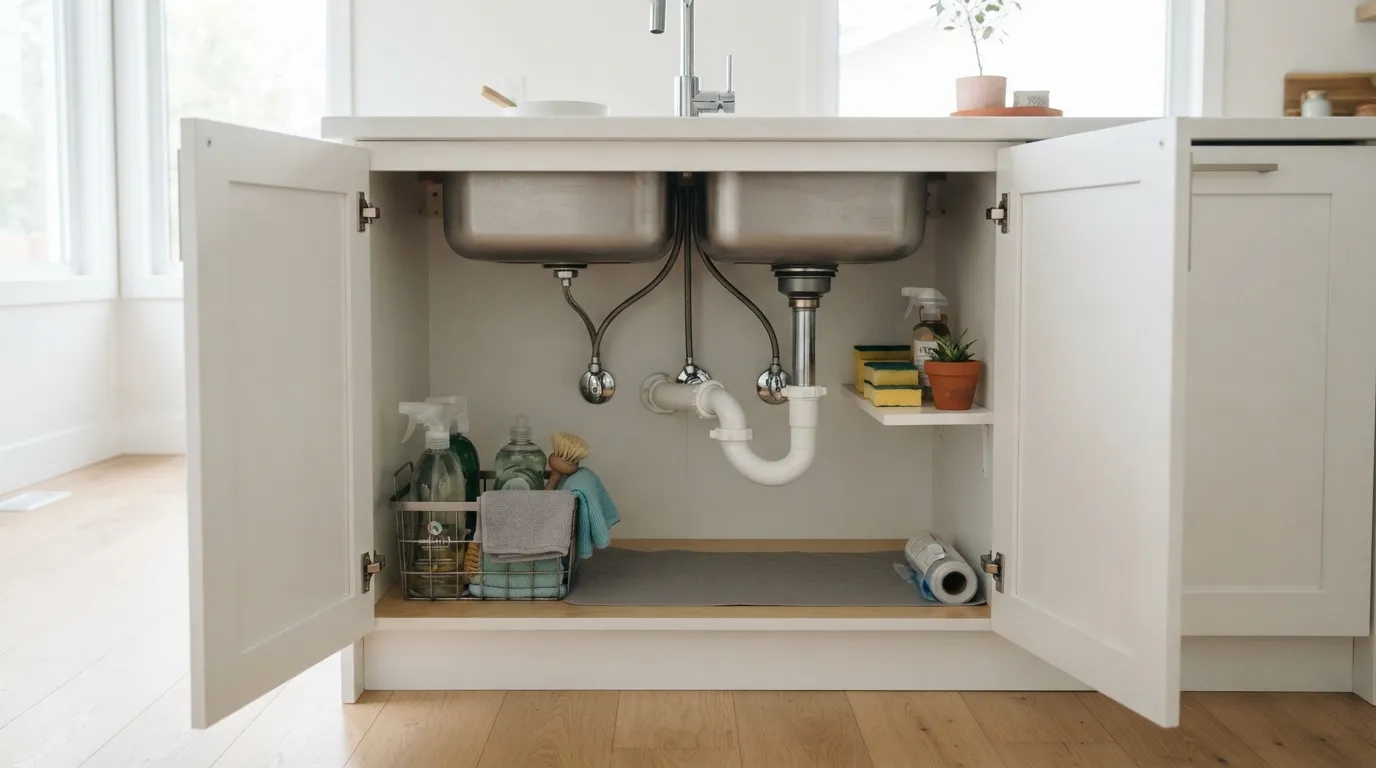
Sometimes the solution isn’t inside the faucet at all. A shut-off valve beneath the sink may have been left partially closed after maintenance or accidentally bumped while storing cleaning supplies. Even a slight restriction can noticeably reduce water pressure. Because these valves control the amount of water reaching your faucet, checking them is an easy step that many homeowners forget during troubleshooting.
Open the cabinet beneath the sink and inspect both supply valves carefully. Turn them gently until they are fully open, avoiding excessive force that could damage older fixtures. I’ve seen this work well after simple plumbing repairs where the valve was never completely reopened. Before replacing expensive parts or calling a plumber, verifying these valves can quickly eliminate one of the easiest causes of poor water flow.
4. Leaking Supply Line
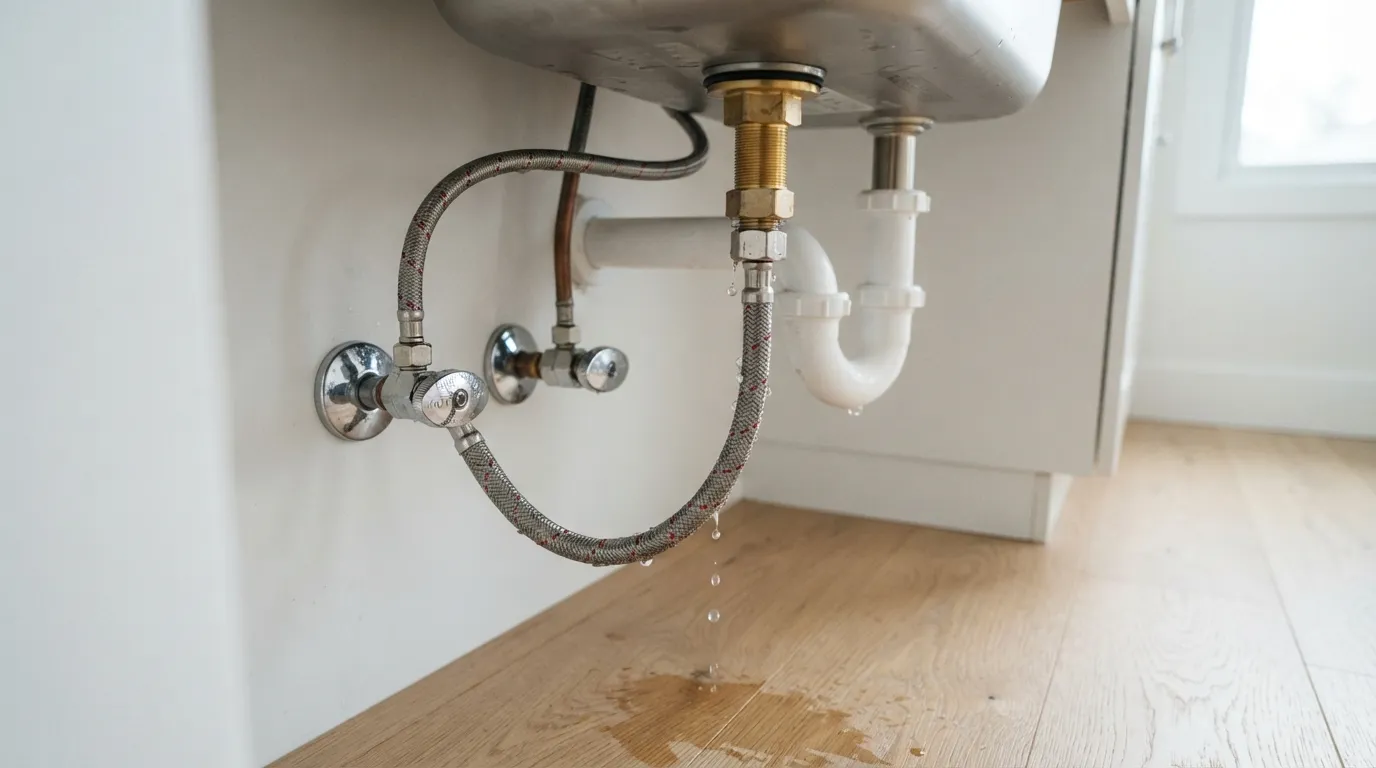
A hidden leak beneath the sink can reduce water pressure while quietly damaging cabinets and flooring. Even a slow drip allows water to escape before it reaches the faucet, making the flow feel weaker than normal. If you’ve ruled out simpler causes, inspecting the supply lines is a smart next step. Catching a leak early protects your plumbing system and prevents much more expensive repairs in the future.
Look closely for moisture, corrosion, or tiny droplets around hose connections and fittings. In my experience, braided supply lines last for years, but worn seals eventually fail. Replacing a damaged hose is often easier than homeowners expect and immediately restores consistent performance. Regular inspections also provide peace of mind because they help uncover small plumbing issues before they become major household problems.
5. Faulty Faucet Cartridge
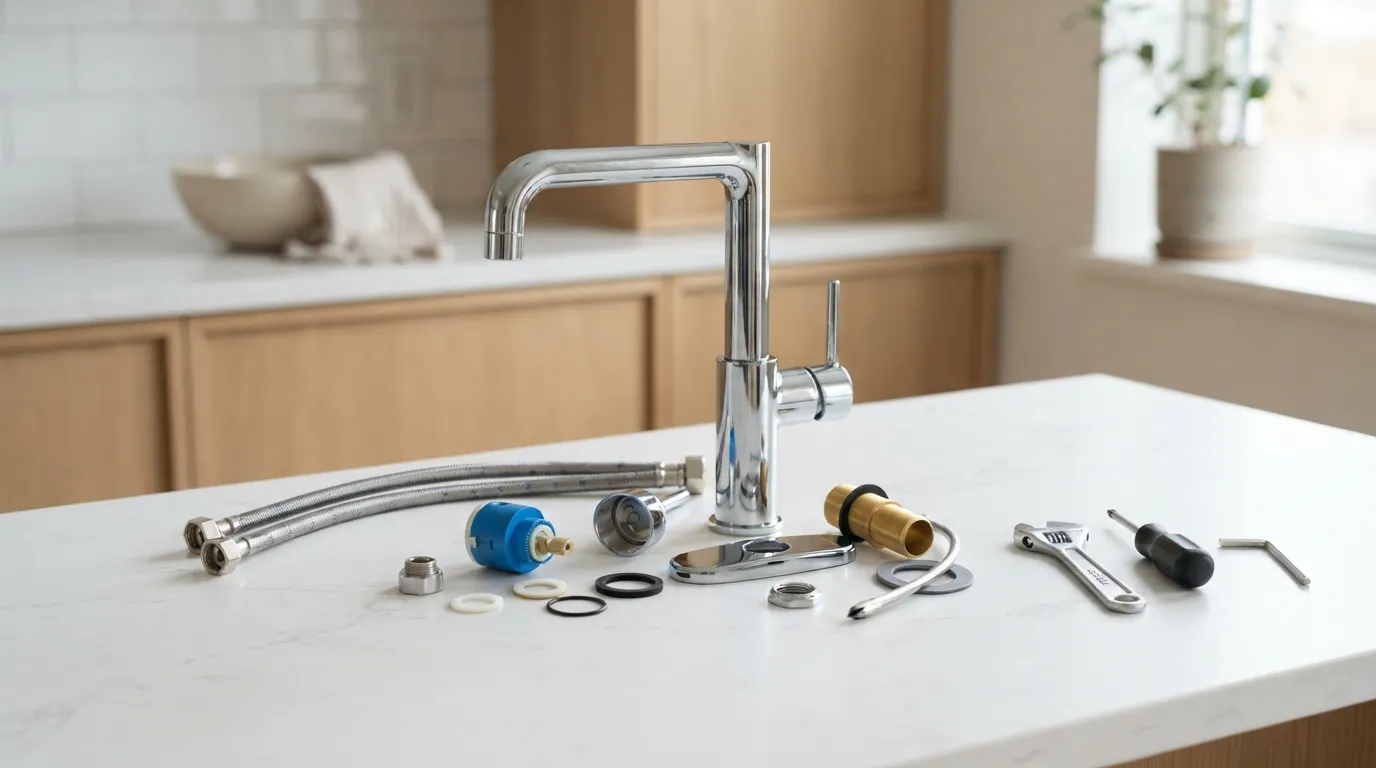
Inside many modern faucets is a cartridge that controls both water flow and temperature. After years of daily use, it can wear out or become clogged with debris. The result is weaker pressure, uneven flow, or difficulty adjusting temperature. While the outside of the faucet may look perfect, this hidden component often explains why performance gradually declines over time.
Replacing the cartridge requires a little patience but is usually straightforward with basic tools. I’ve noticed many homeowners assume they need an entirely new faucet when only the cartridge has failed. Installing a quality replacement often restores full water flow and makes the faucet feel almost brand new. Following the manufacturer’s instructions ensures the repair is completed safely and correctly.
6. Clogged Water Lines
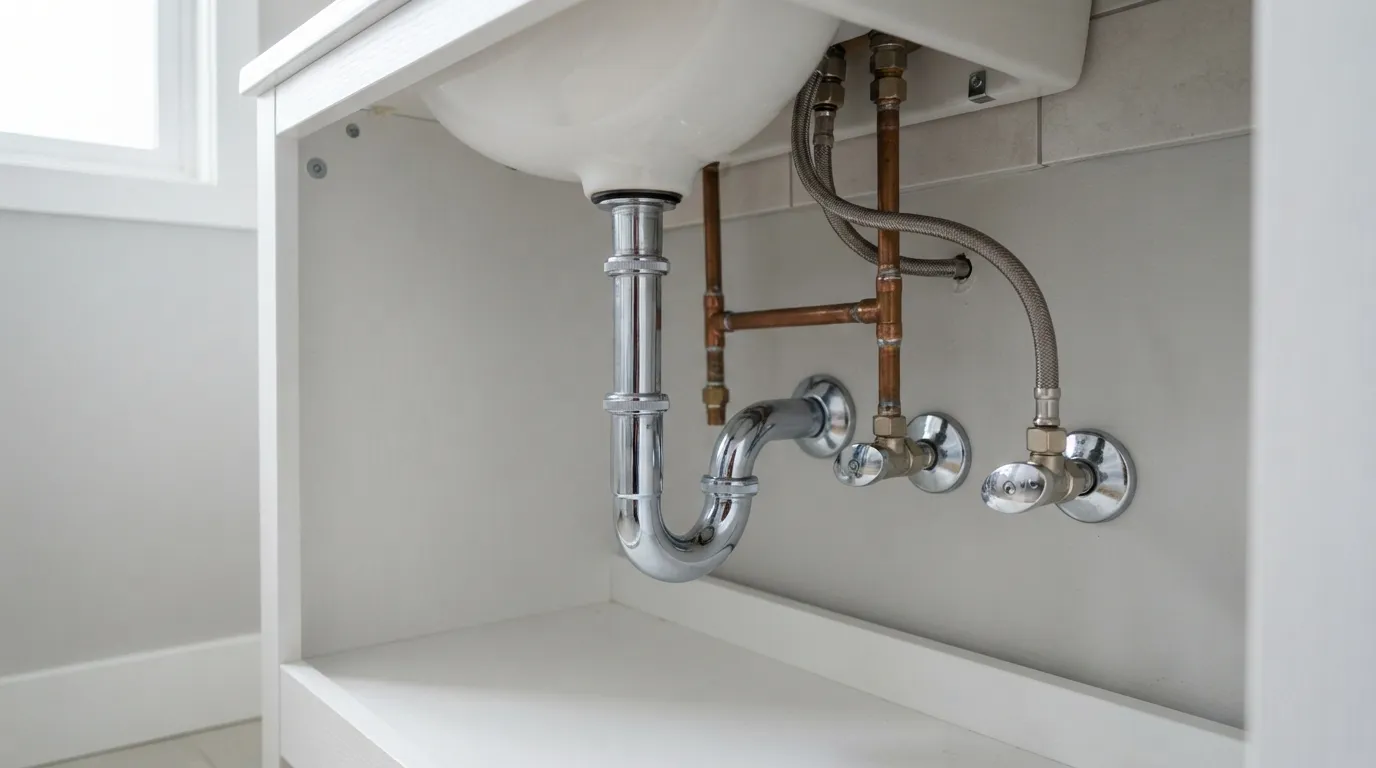
Water supply lines can slowly collect sediment, rust particles, or mineral deposits that reduce the amount of water reaching your faucet. This issue is especially common in older homes where plumbing has been in place for decades. Restricted pipes create weaker flow even when the faucet itself is working properly. Identifying the blockage early prevents additional strain on the plumbing system and improves daily convenience.
If cleaning the faucet doesn’t solve the issue, the supply lines deserve closer attention. I’ve seen this work consistently after flushing debris from plumbing following repair work or municipal water maintenance. Severe blockages may require a plumber to clean or replace affected sections, but addressing the problem promptly helps restore reliable pressure and prevents future interruptions during everyday kitchen tasks.
7. Pressure Regulator
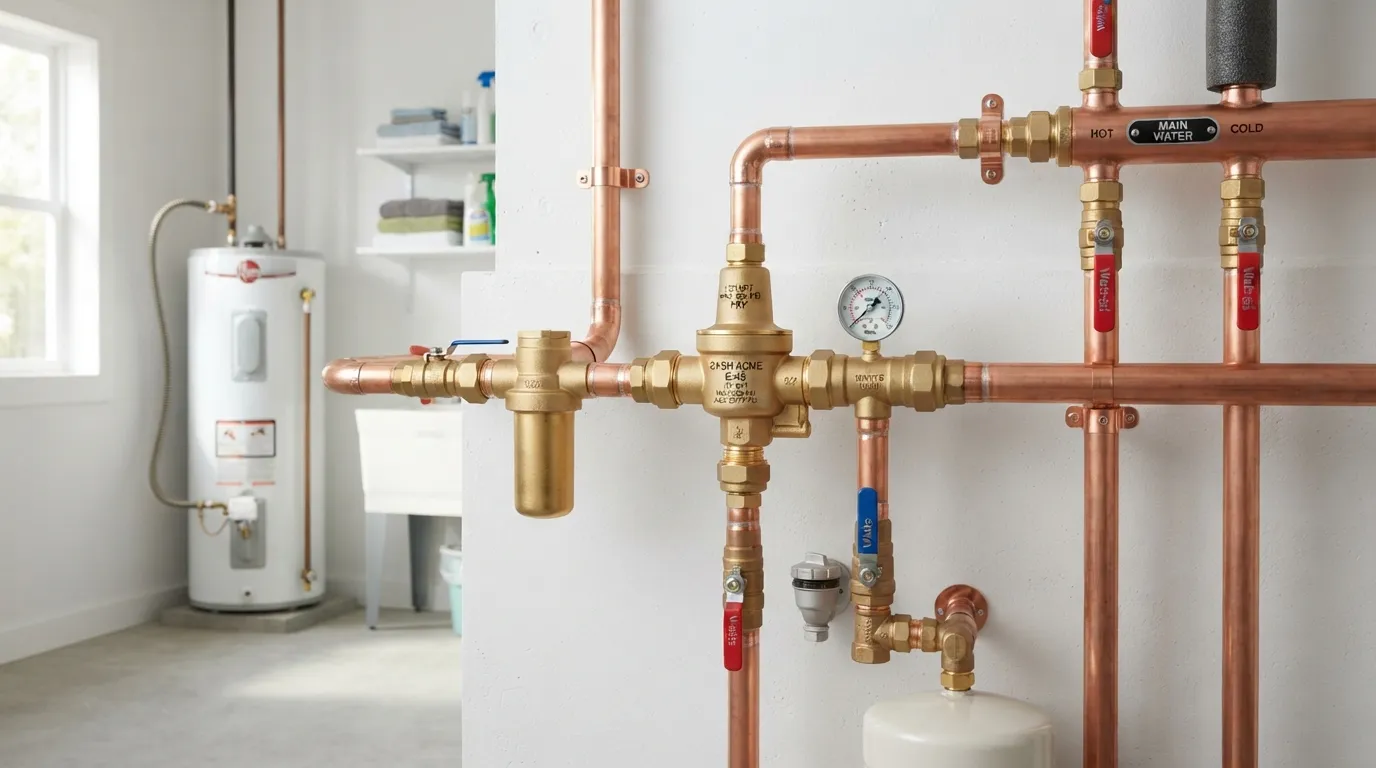
If the water flow feels weak at several sinks rather than just one, the pressure regulator could be the hidden cause. This device controls the amount of water entering your home’s plumbing system. As it wears out, pressure may become inconsistent or remain permanently low. Homeowners often mistake this for isolated faucet issues, but the real problem begins much earlier in the plumbing network.
A simple pressure gauge can quickly confirm whether the regulator is working correctly. In my experience, replacing a worn regulator noticeably improves water flow throughout the entire house. That’s why many plumbers recommend checking this component before replacing multiple fixtures. Restoring balanced pressure also reduces unnecessary strain on appliances, faucets, and pipe connections, helping your plumbing system last longer.
8. Hidden Pipe Leak
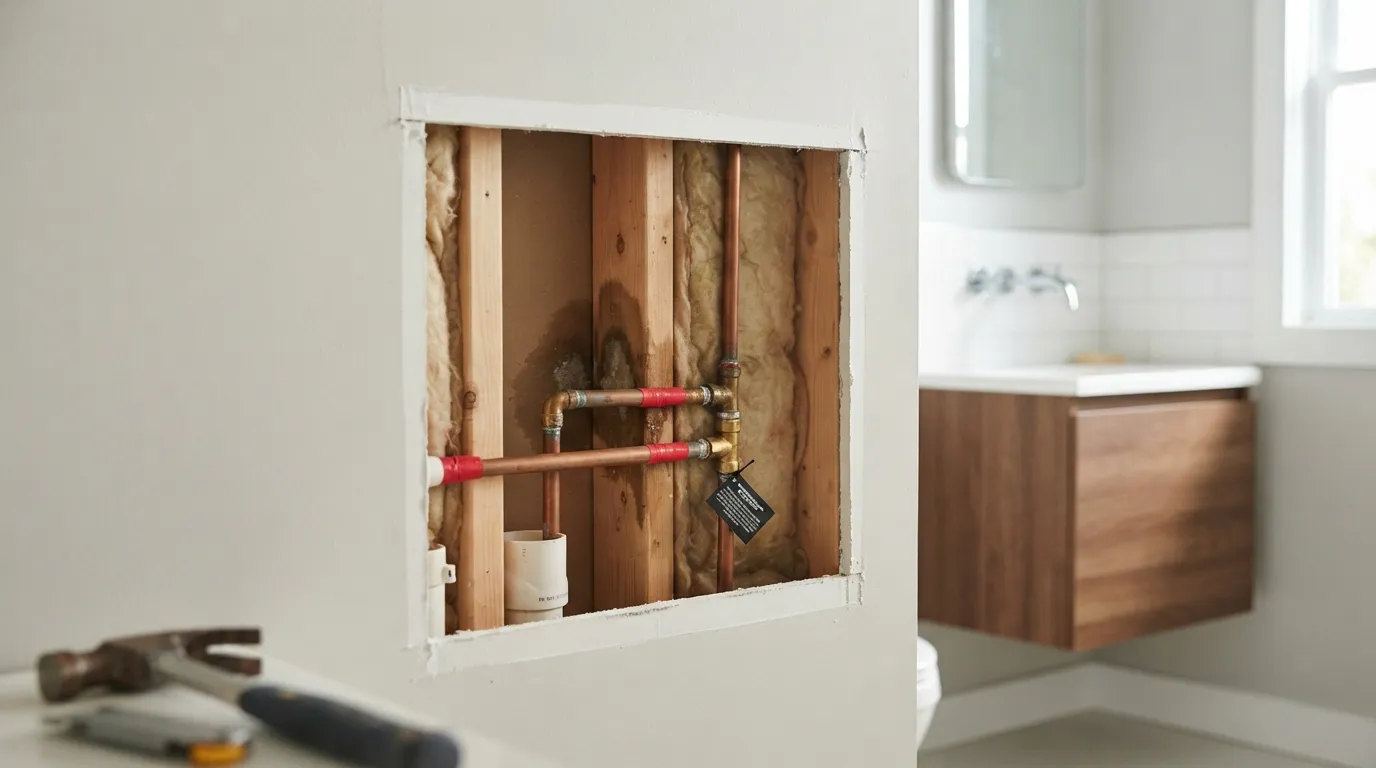
Not every plumbing leak is visible beneath the sink. Water escaping behind walls or beneath floors reduces pressure while causing gradual damage that often goes unnoticed. You may first notice weaker water flow, rising utility bills, or mysterious damp spots around the home. Identifying hidden leaks early protects both your plumbing system and your home’s structure from long-term moisture problems.
Watch for peeling paint, mold growth, musty odors, or unexplained wet areas near plumbing walls. I’ve noticed homeowners frequently focus on the faucet while the real issue remains hidden elsewhere. Professional leak detection equipment can locate the problem without unnecessary wall removal. Addressing concealed leaks quickly restores better water pressure and prevents expensive repairs caused by prolonged water damage.
9. Municipal Water Supply
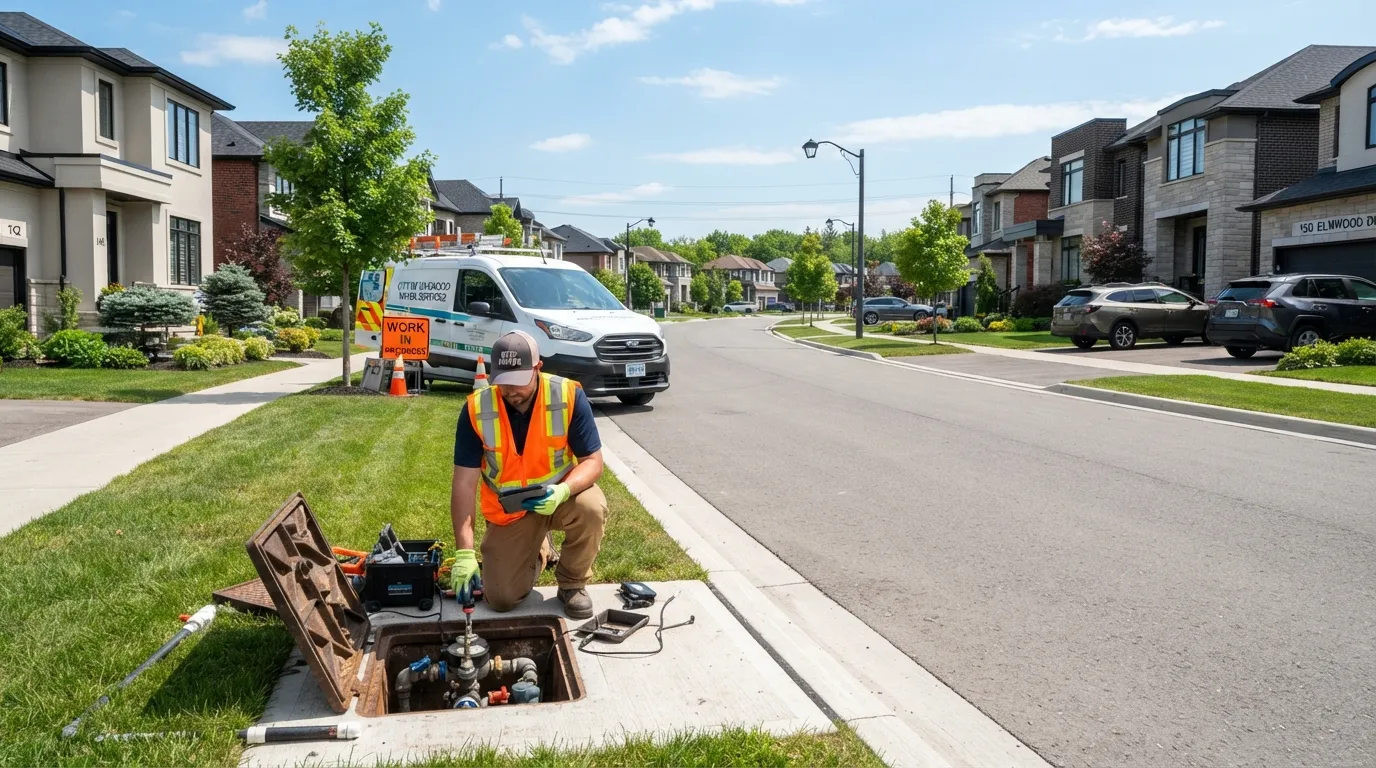
Sometimes your home’s plumbing isn’t responsible at all. Water utilities occasionally perform maintenance, repair damaged mains, or manage temporary supply issues that reduce pressure across an entire neighborhood. If multiple homes experience the same problem, your sink may simply be reacting to changes in the municipal system rather than an issue inside your own plumbing.
You might also want to read Kitchen Trends.
Before starting expensive repairs, ask nearby neighbors if they’ve noticed weaker water flow. In my experience, this quick conversation can save hours of unnecessary troubleshooting. Checking your local utility’s service updates may also explain sudden pressure changes. Waiting for scheduled maintenance to finish is often the simplest solution when the problem originates outside your home.
10. Clogged Shut-Off Valve
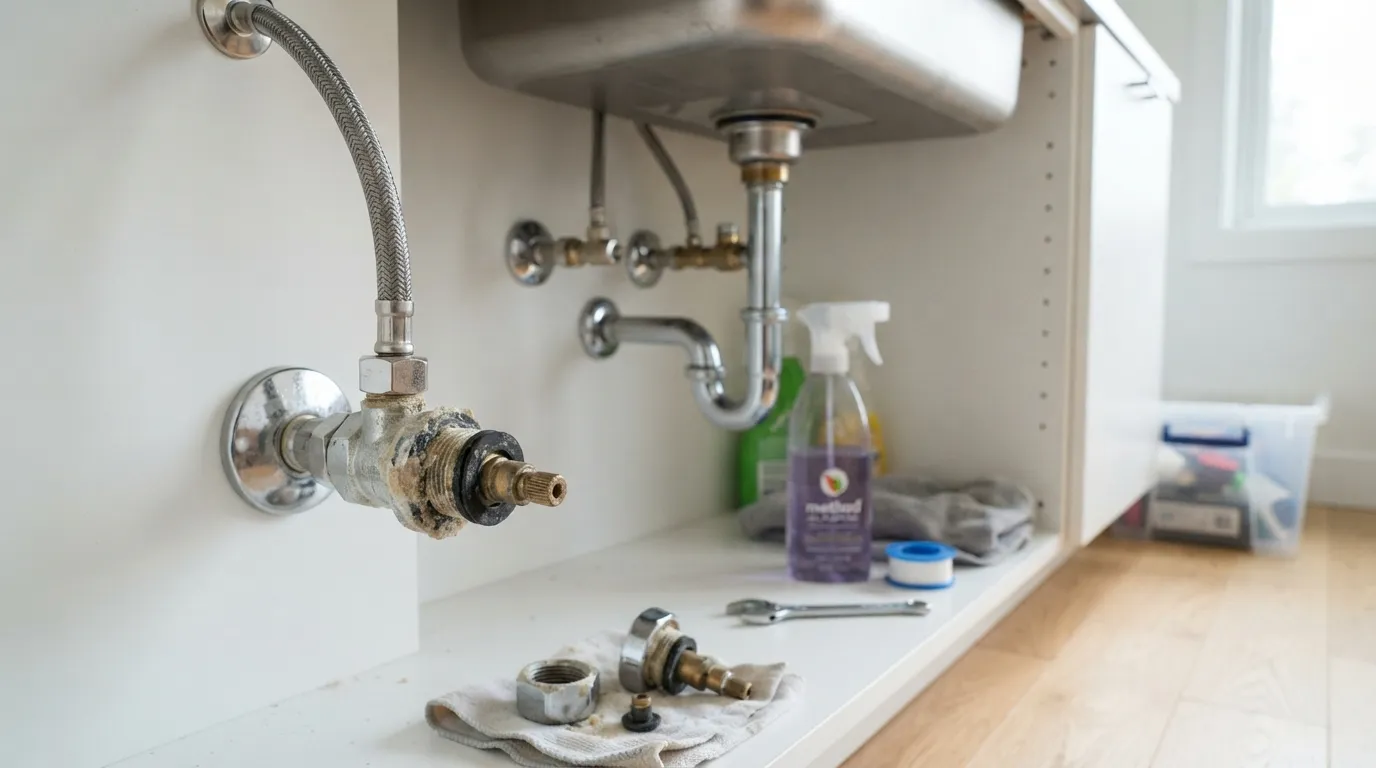
Even when the valve is fully open, debris or corrosion inside it can still limit water flow. Older plumbing systems are especially prone to this issue because minerals gradually accumulate over time. The restriction happens inside the valve itself, making it difficult to notice without inspection. A clogged valve quietly reduces pressure while the rest of the plumbing appears perfectly normal.
If the valve feels stiff or shows signs of corrosion, replacement is usually the best solution. I’ve seen this restore strong water flow in kitchens where every other troubleshooting step failed. Installing a new shut-off valve also makes future plumbing repairs easier and more reliable. Addressing this hidden restriction helps ensure your faucet receives a steady, unrestricted water supply every day.
11. Damaged Faucet Hose
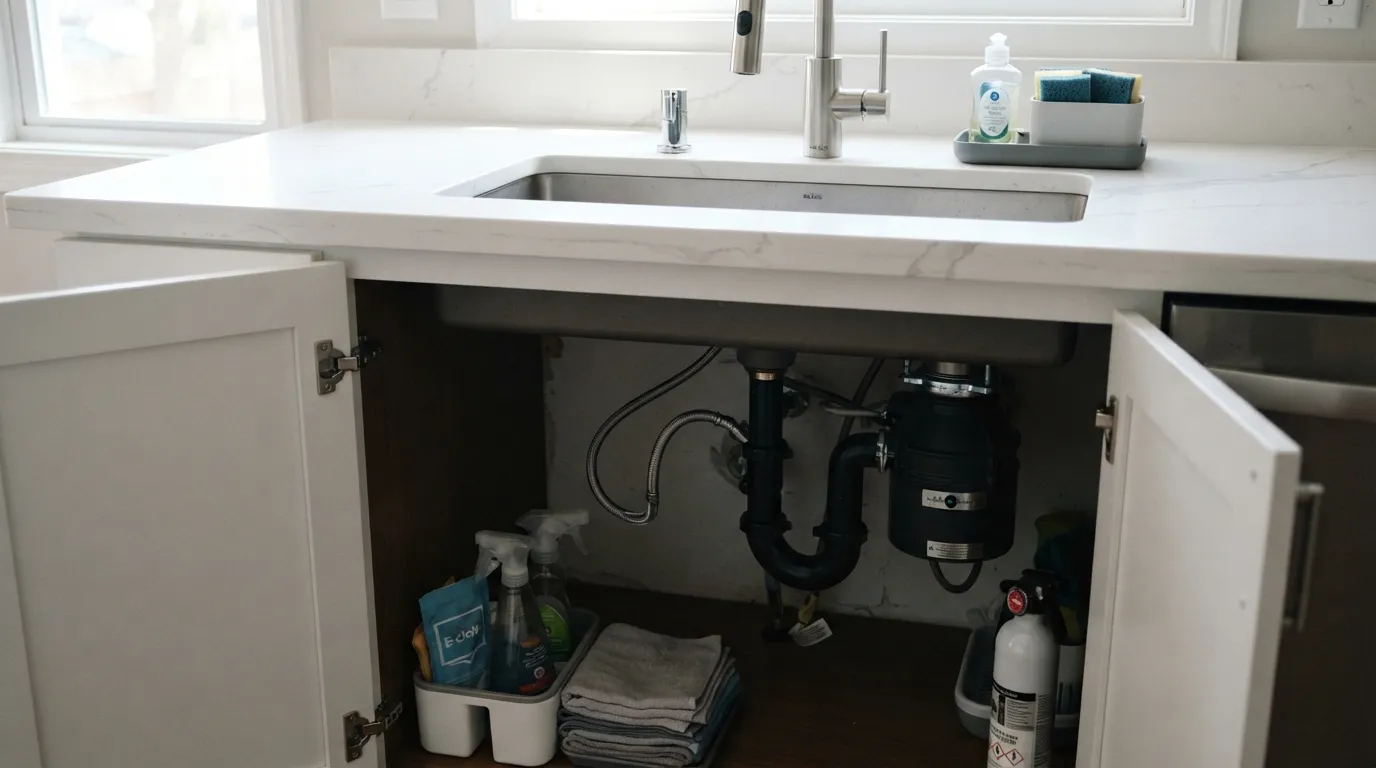
Pull-down and pull-out faucets depend on flexible hoses to deliver water efficiently. When these hoses become twisted, pinched, or damaged, the flow weakens significantly. Because the restriction happens beneath the sink, many homeowners never think to inspect it. A simple visual check often reveals the problem within minutes and prevents unnecessary replacement of perfectly good faucet components.
Open the cabinet and gently pull the sprayer in and out while watching the hose movement. In my experience, stored bottles or cleaning supplies frequently push against the hose, causing repeated kinks. Straightening or replacing the hose immediately improves performance in many cases. Keeping the cabinet organized also reduces the chance of the problem returning in the future.
12. Water Filter Blockage
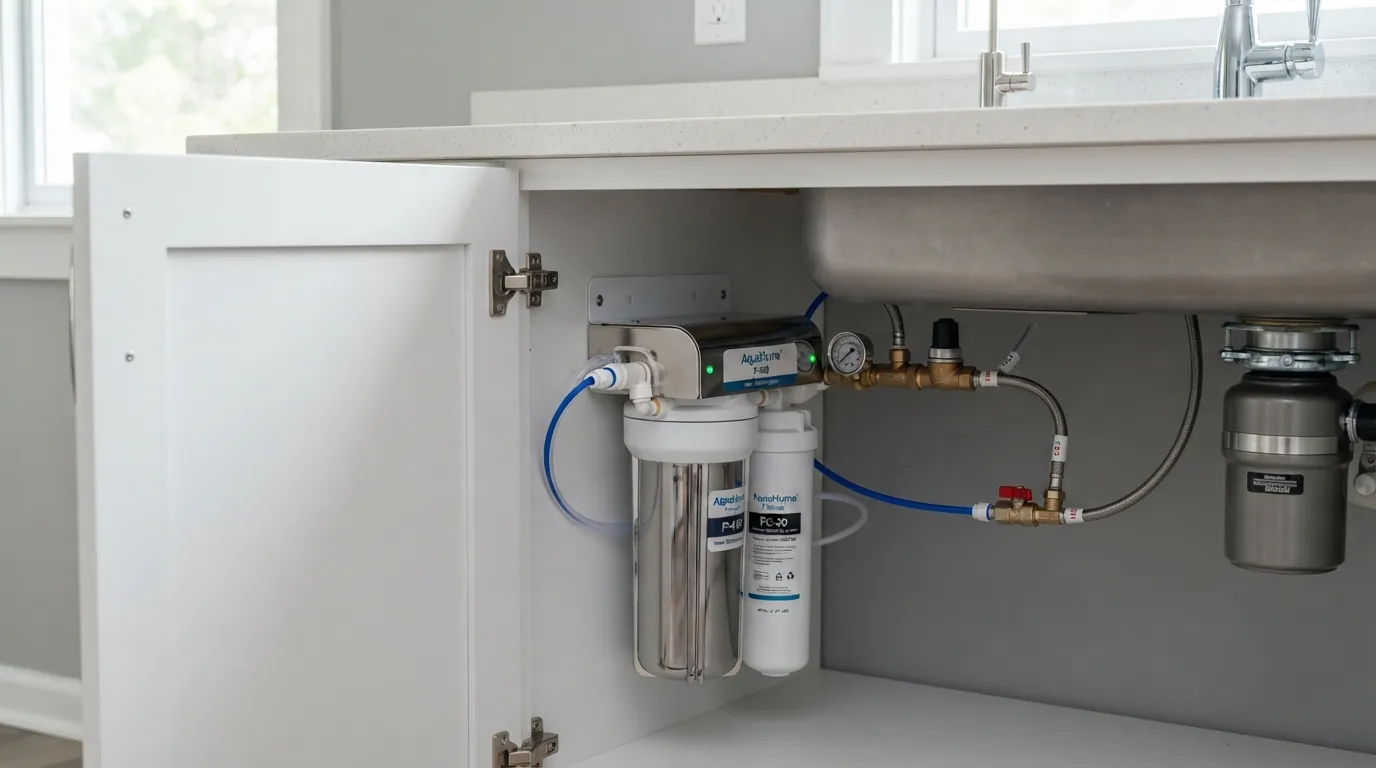
If your sink is connected to a water filtration system, an overdue filter replacement could easily explain the reduced pressure. As filters capture sediment and contaminants, they slowly become clogged until water struggles to pass through. This gradual decline often goes unnoticed because it happens over several months. Many people assume there’s a plumbing problem when the filter simply needs routine maintenance.
Check the installation date and compare it with the manufacturer’s replacement schedule. I’ve noticed that replacing an old cartridge often delivers immediate results, making the faucet feel noticeably stronger again. Fresh filters not only improve water pressure but also maintain cleaner, better-tasting water for everyday use. Keeping up with scheduled replacements is one of the simplest ways to avoid recurring flow problems.
Your Next Step
A weak faucet doesn’t always mean an expensive plumbing repair is waiting. As you’ve seen, many causes are simple to identify and can often be fixed with basic tools and a little patience. From cleaning an aerator to replacing a clogged filter or checking hidden plumbing connections, each solution brings you one step closer to restoring normal water flow. I’ve seen how small maintenance tasks like these can make a noticeable difference in everyday life. If is your sink water pressure low, start with the easiest fixes first, save this guide on Pinterest for future reference, and share it with friends or family who may be facing the same frustrating problem.
Emma Williams
Emma Williams is an interior design expert and decor editor at Lady Home Decor. She specializes in modern, cozy, and functional home styling, helping readers discover inspiring decorating ideas that are easy to recreate. Her work focuses on timeless design, practical solutions, and the latest home decor trends.