22 Home Design Trends That Won’t Break Your Bank This Year

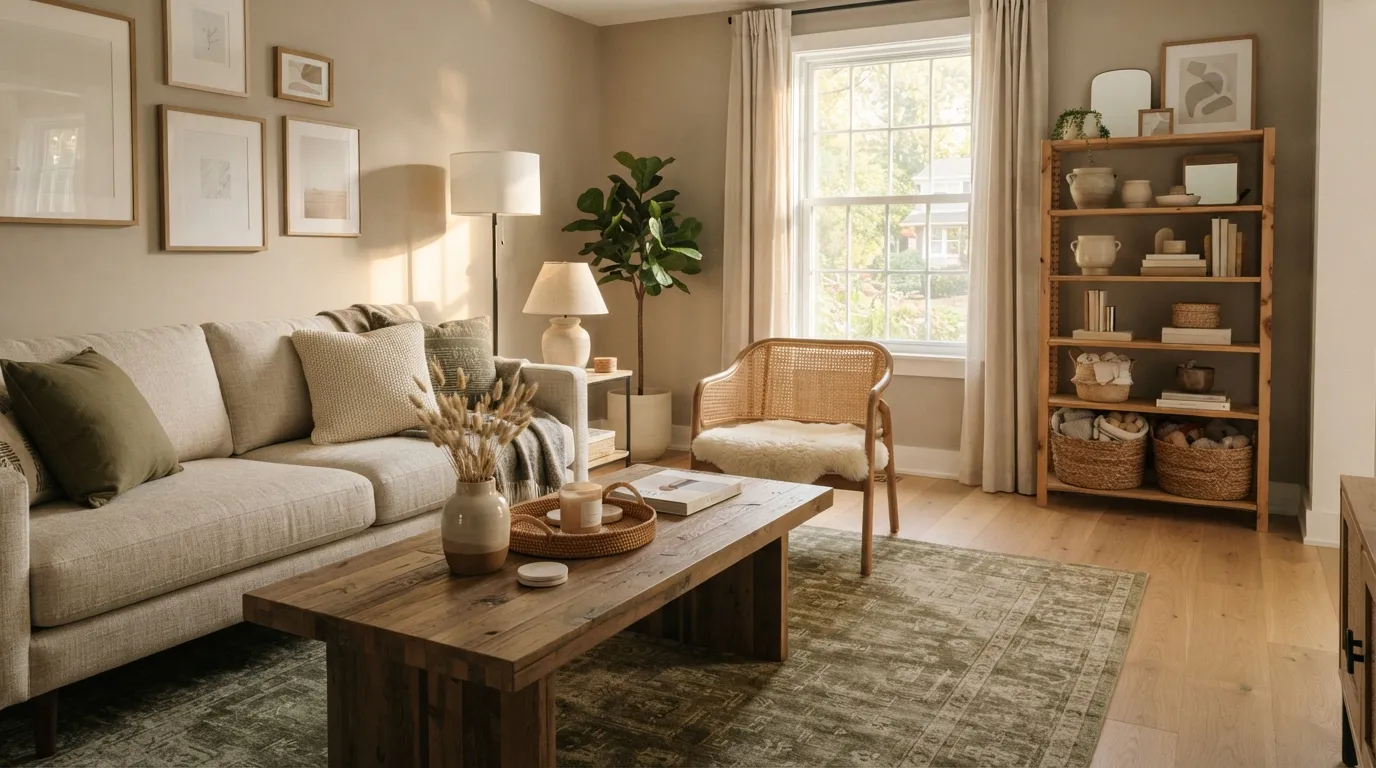
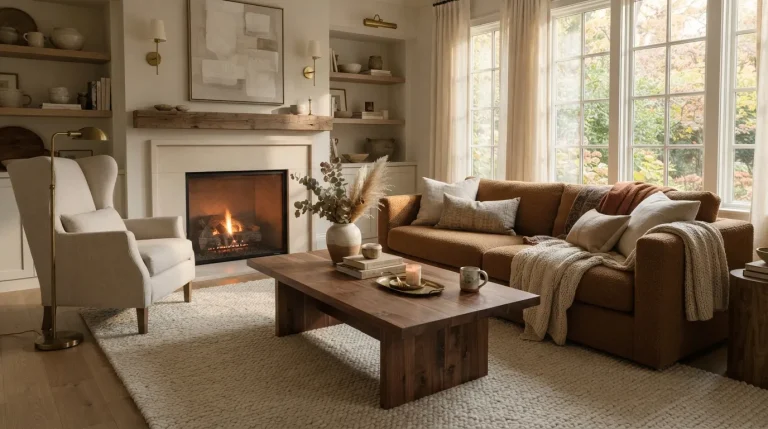
If you want a stylish home, you don’t need a huge budget. The best home design trends on a budget focus on smart updates that change how a room feels without forcing you to replace everything. A fresh paint color, better lighting, or a well-placed vintage piece can make a plain space feel carefully planned.
This year’s affordable home decor ideas lean toward comfort, character, and practical style. Think warm neutrals, natural textures, thrifted furniture, layered lighting, small-space storage, and simple DIY projects. These 22 ideas can help you give your home a fresh look while keeping your spending under control.
1. Warm Neutral Walls With Character
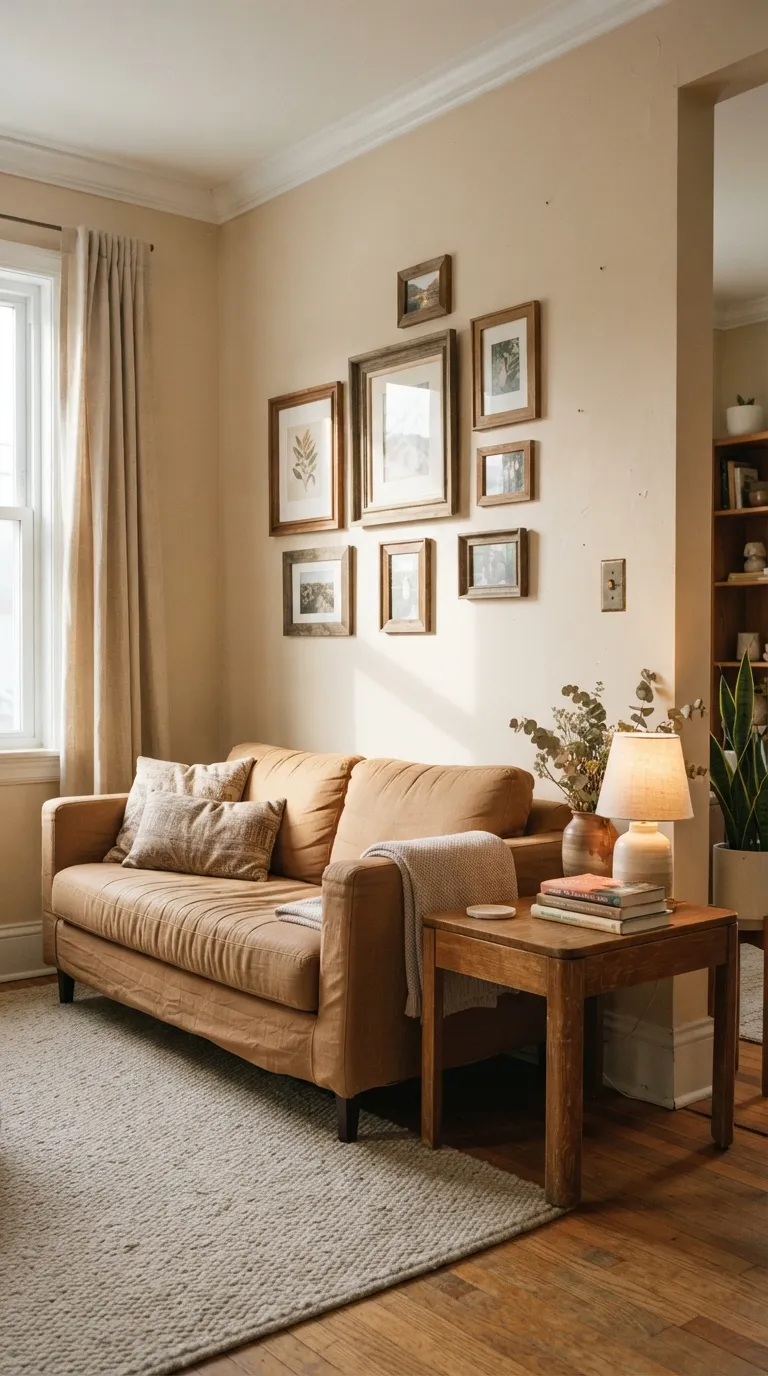
Warm neutral paint is one of the easiest ways to refresh a room. Shades like soft beige, mushroom, cream, and greige work with many furniture styles, so you won’t need to rebuild the whole space around the color.
For a personal touch, create a small gallery wall with thrifted frames or inexpensive prints. Picture a plain beige wall beside a simple sofa, then add five varied frames and a small wall lamp. The room suddenly has a story without a costly makeover.
2. Vintage Furniture Finds That Feel Fresh
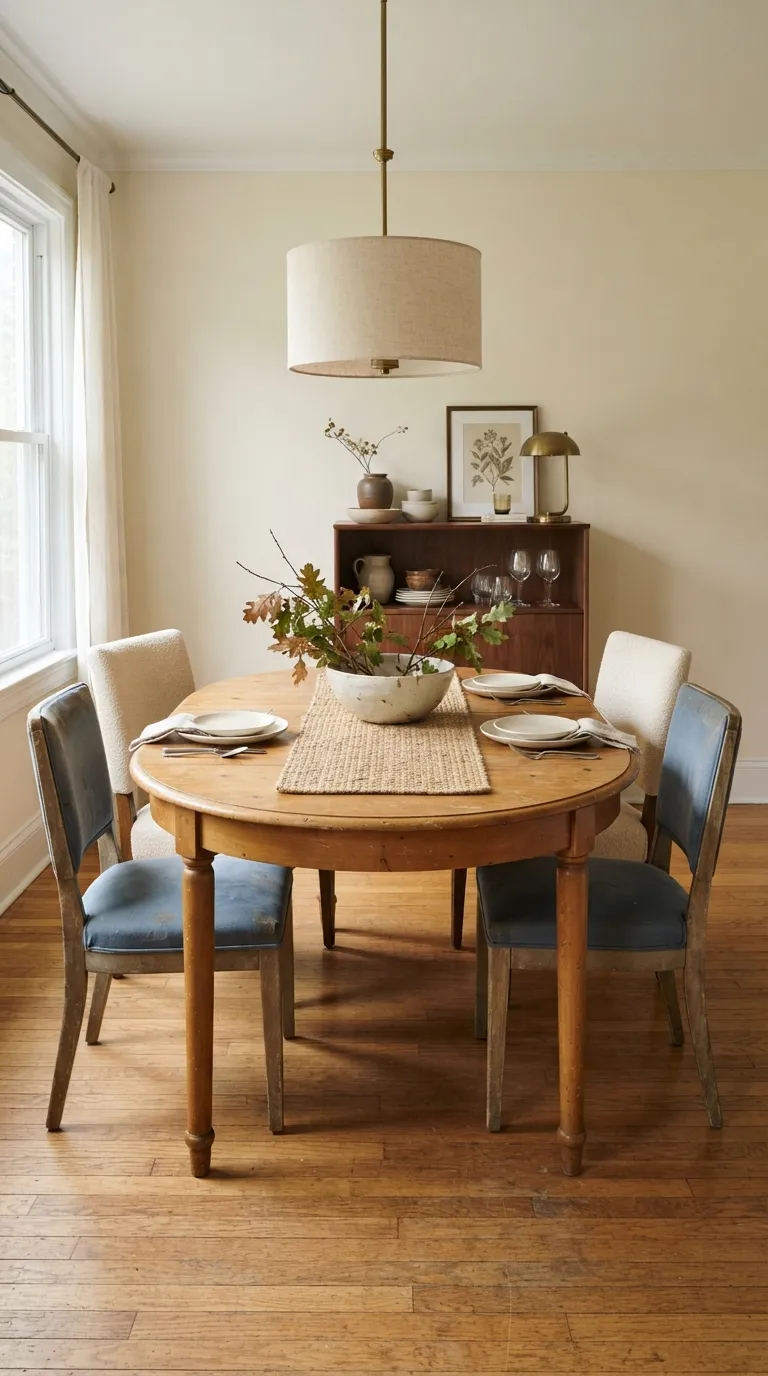
Secondhand furniture can give your home more character for less money. Look for solid wood tables, small cabinets, side chairs, and nightstands at thrift stores, estate sales, flea markets, or local resale shops.
You don’t need a matching set. A vintage table with newer chairs can look intentional when you repeat one color or material nearby. A simple sanding job, fresh hardware, or a coat of paint can also give an older piece a cleaner look.
3. Peel-and-Stick Wallpaper Accents
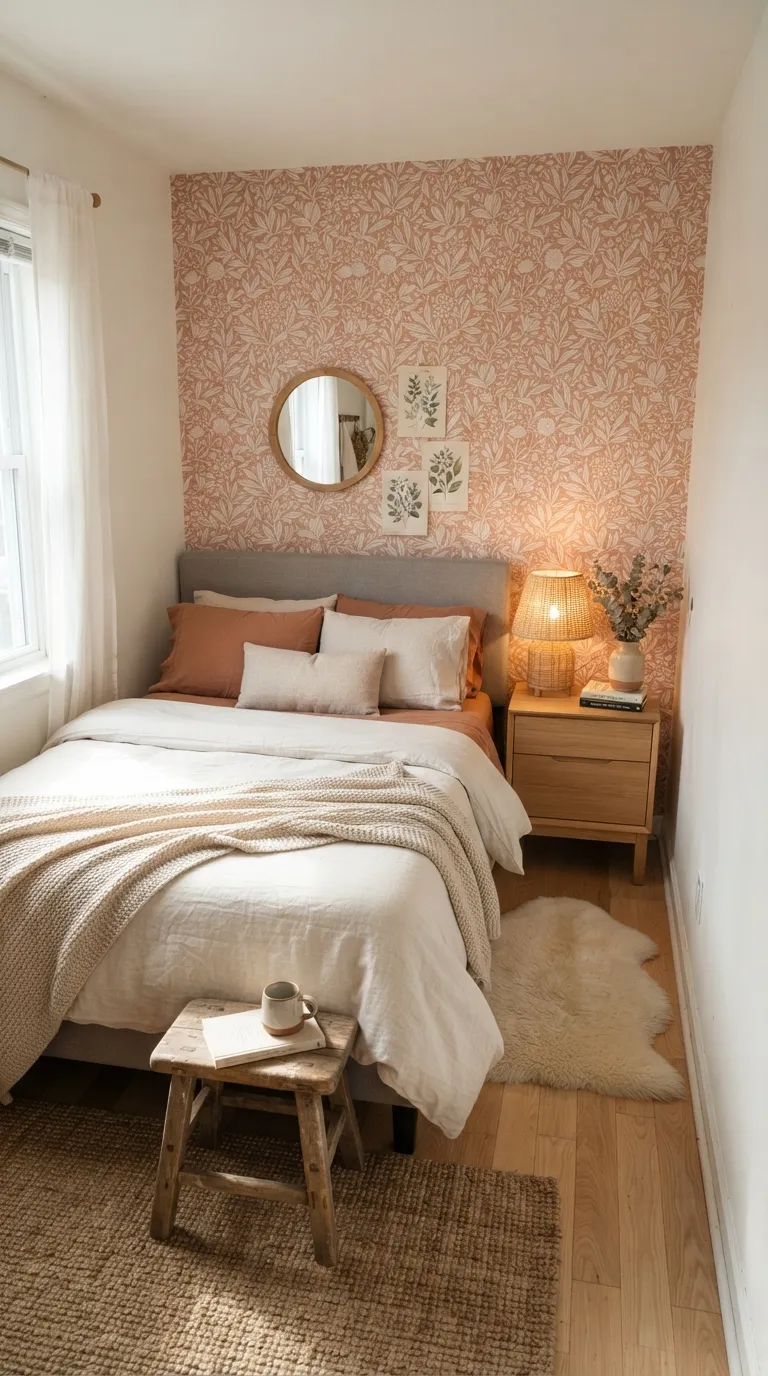
Peel-and-stick wallpaper can add pattern without the cost and commitment of traditional wallpaper. Use it on one wall, inside a reading nook, behind open shelves, or across the back of a small cabinet.
Choose a pattern that works with pieces you already own. For example, a cream-and-terracotta print can connect plain bedding, a wood nightstand, and a woven lamp into one relaxed bedroom scheme. A small roll can be enough when you keep the project focused.
4. Statement Lighting Without the Big Price Tag
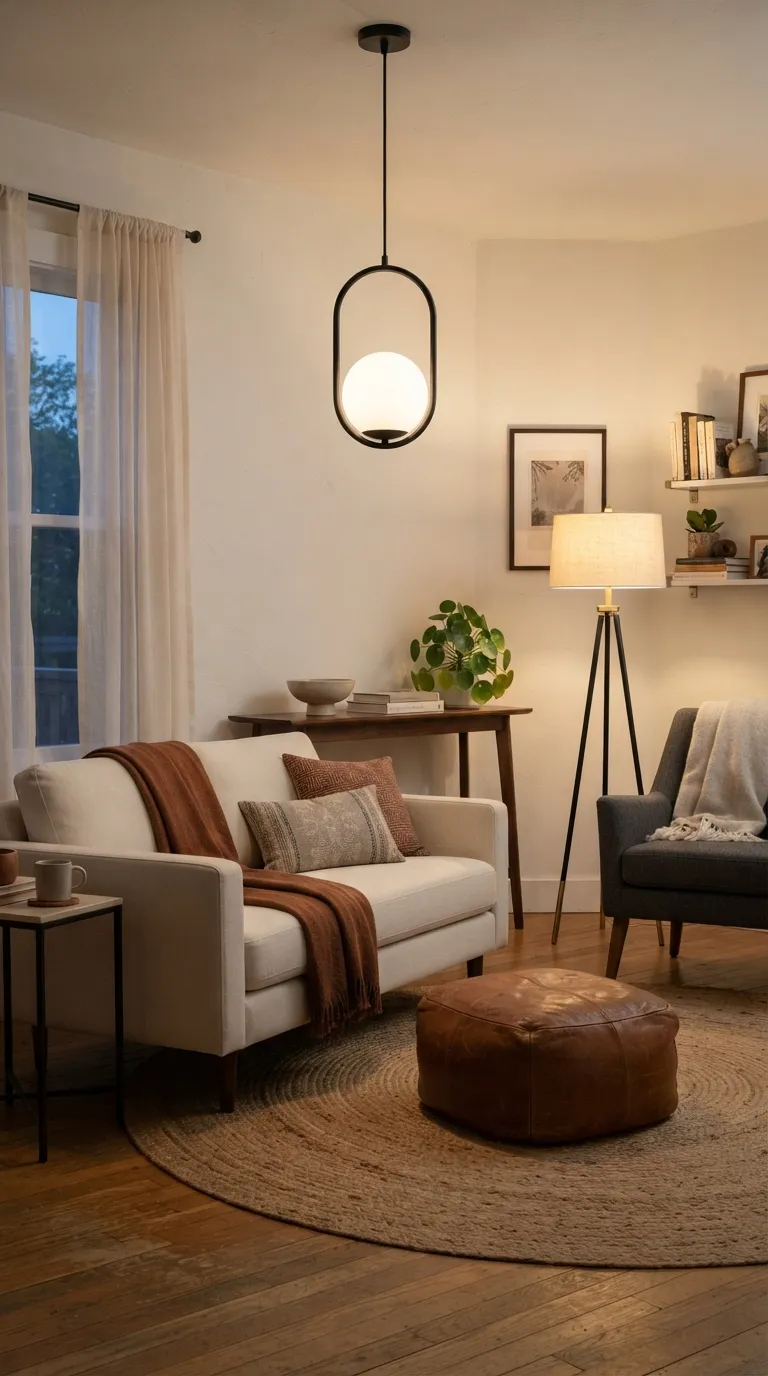
Good lighting can make inexpensive furniture look more considered. Instead of replacing a room full of pieces, try changing one dated ceiling fixture for a woven pendant, globe light, or simple sculptural design.
Layering matters too. Pair an overhead fixture with a floor lamp and a small table lamp so the room doesn’t depend on one harsh light source. Shopping clearance aisles or resale listings can help you find attractive fixtures without draining your decorating budget.
5. Curved Furniture for a Softer Room
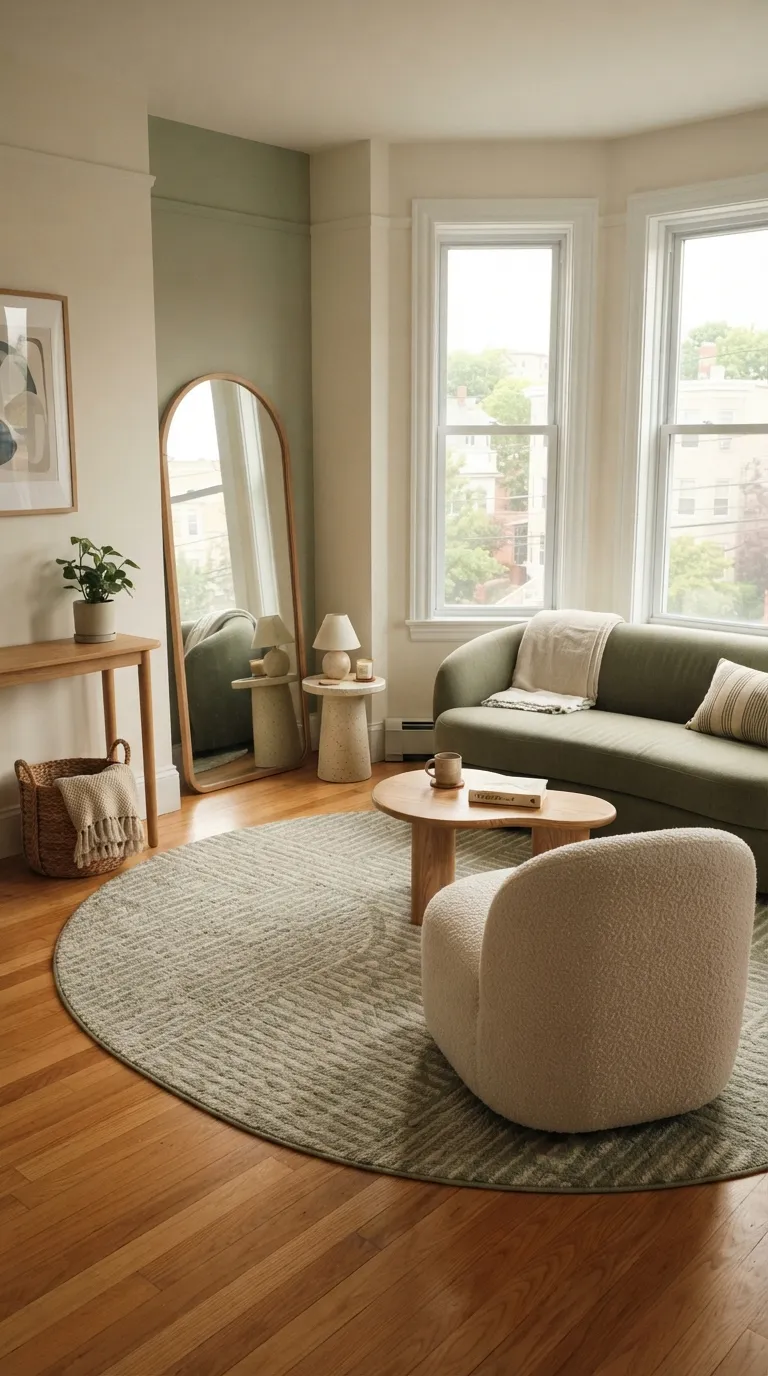
Curved shapes bring a softer feel to rooms filled with straight lines. You don’t need a rounded sofa to try the look. A curved chair, oval coffee table, arched mirror, or round ottoman can make a similar visual change for less.
Start with one piece that fits your existing layout. A small curved table beside a rectangular sofa creates contrast without making the room feel busy. This is one of those home design trends on a budget that works especially well in apartments and compact rooms.
6. Thrifted Art for Personal Walls
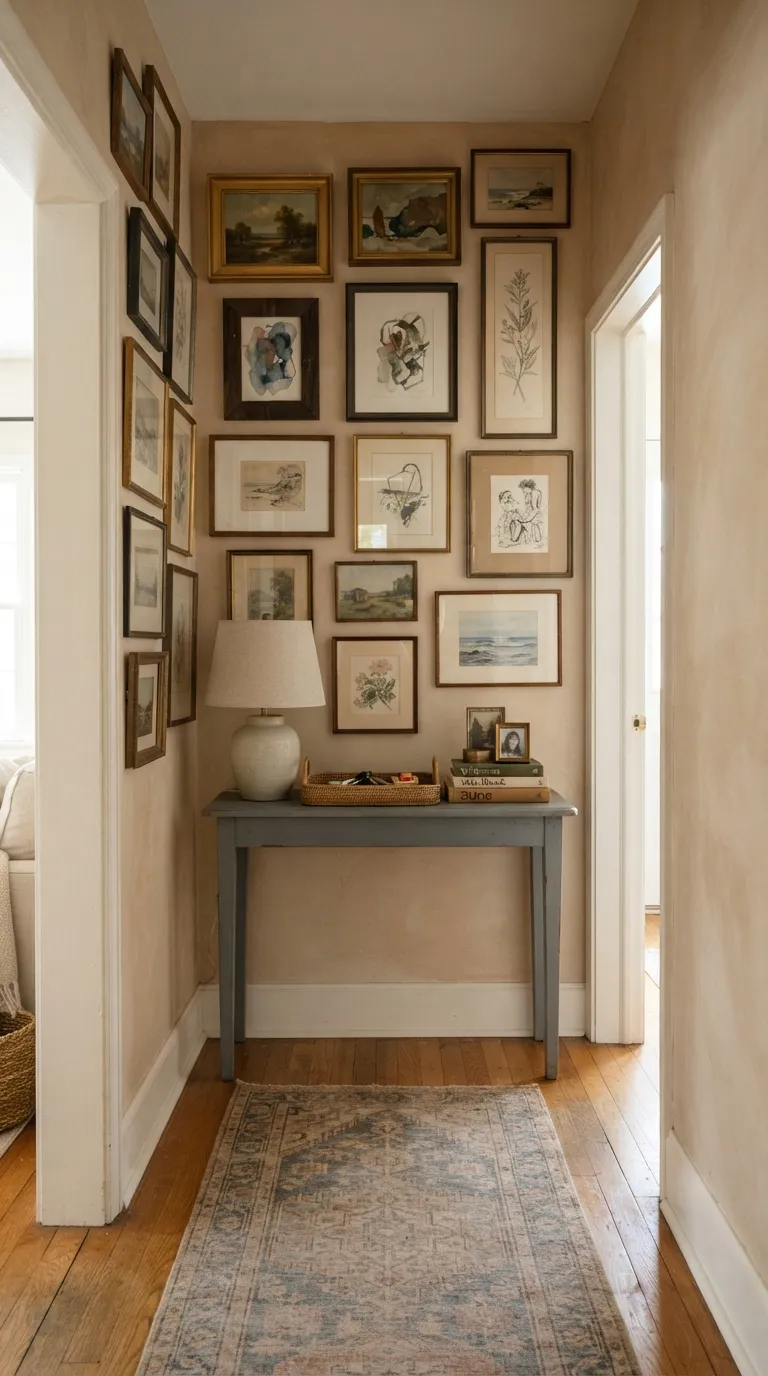
Wall art doesn’t have to come from a gallery or a high-end decor store. Thrift shops, flea markets, resale stores, and local artists can offer pieces with plenty of personality at modest prices.
Mixing frames can make the collection feel relaxed and collected. Picture a narrow hallway with five small artworks in different wood and metal frames. Keep a loose color connection between the pieces, and the wall can feel intentional without matching everything perfectly.
7. Natural Textures for a Cozy Layered Look
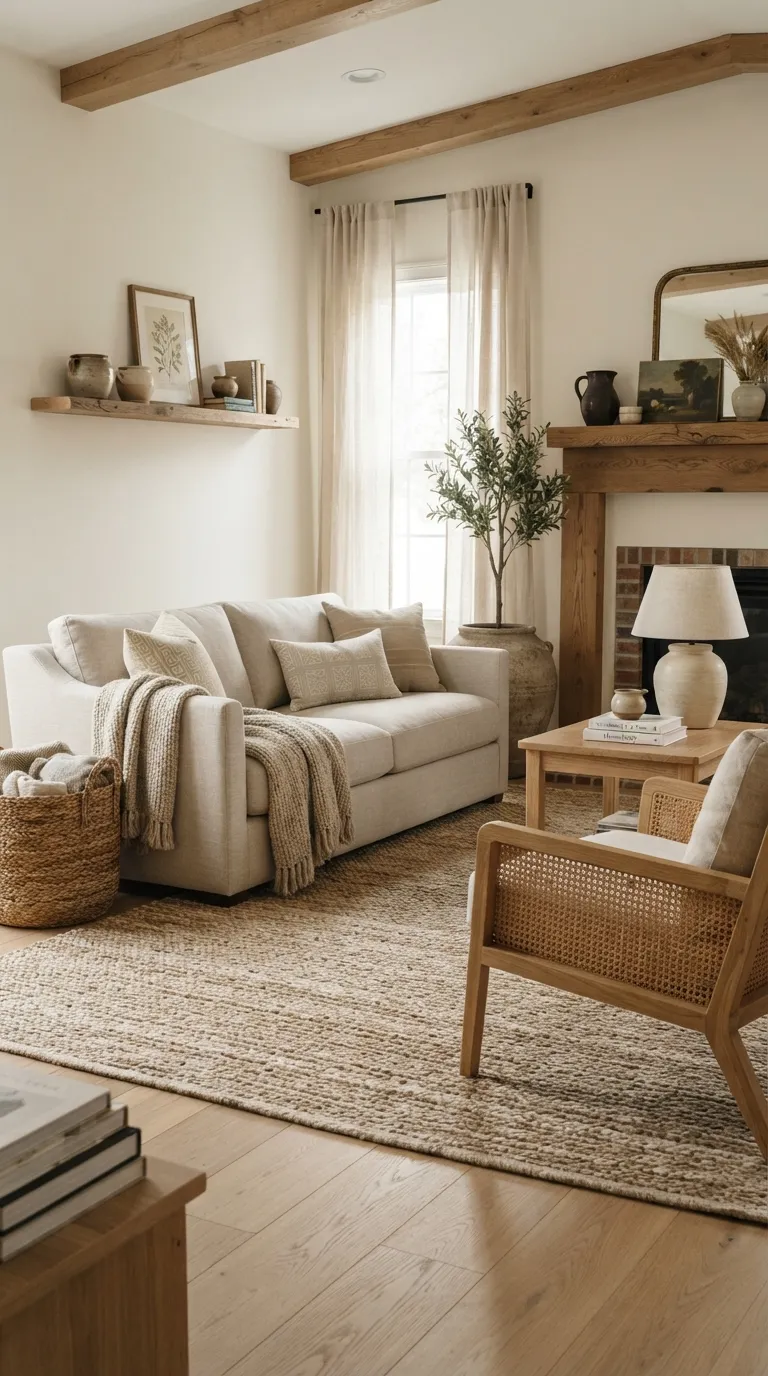
Natural materials can make a room feel warmer without requiring expensive furniture. Woven baskets, linen curtains, cotton cushions, jute rugs, cane details, and unfinished wood all bring texture into a space.
Use small layers rather than buying everything at once. A woven basket beside the sofa and a linen cushion on the chair may be enough to start. These simple home decor ideas add depth while keeping your spending under control.
8. Open Shelving With Everyday Decor
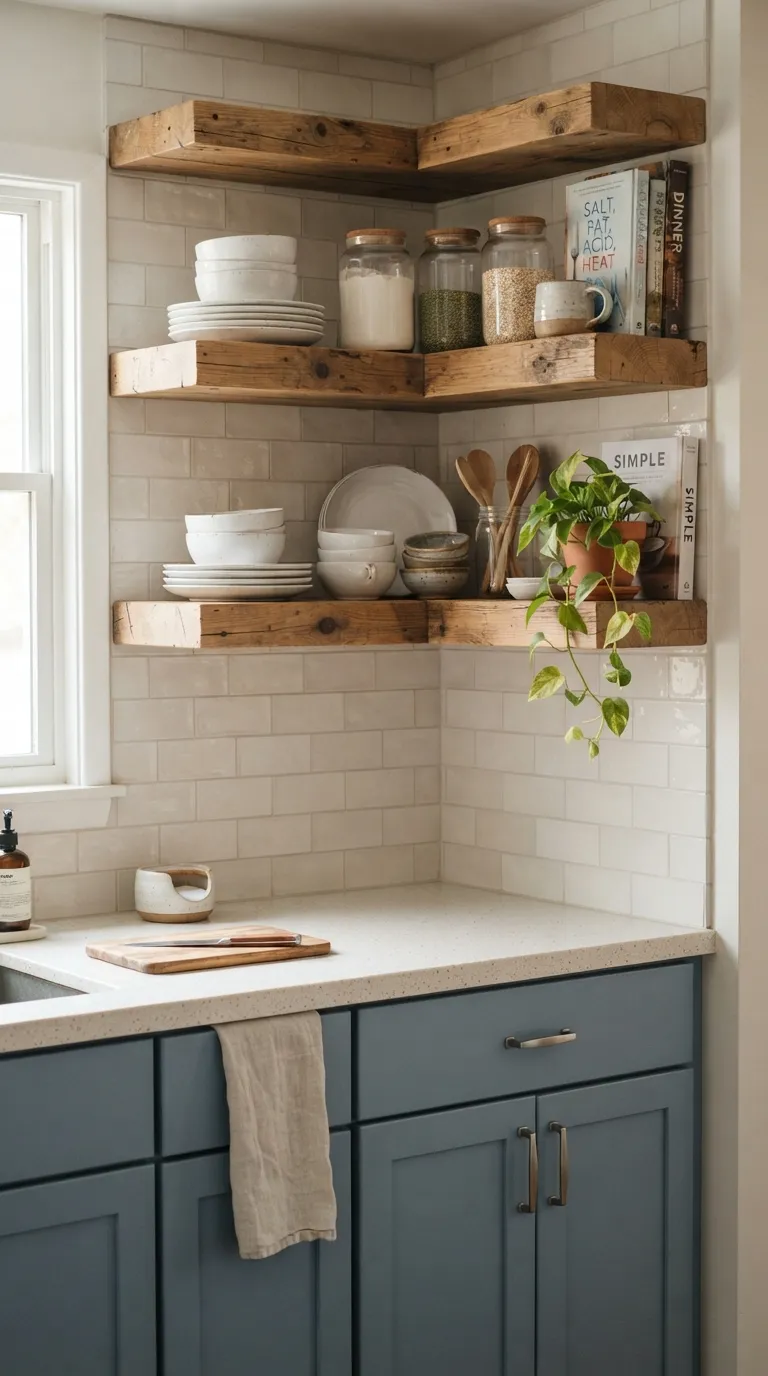
Open shelves can add storage and personality at the same time. If you already have wall space, a few sturdy shelves may cost far less than a full cabinet system.
Keep the styling useful. Stack plates, display glasses, add a small plant, and leave a little breathing room between groups. The result feels casual and practical instead of looking like a display that nobody is allowed to touch.
9. One Bold Color in a Small Dose
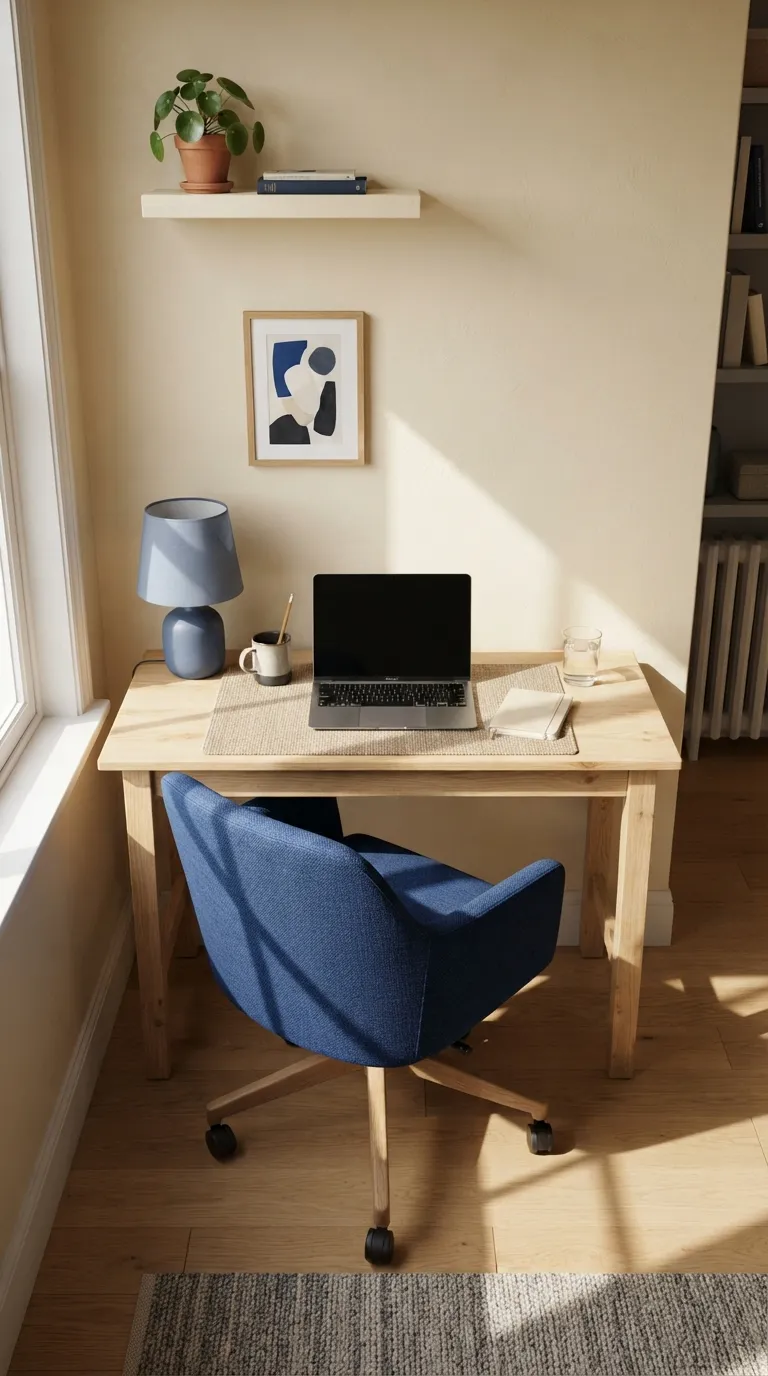
A bold color can work harder when you use less of it. Rather than painting an entire room, bring in one strong shade through a chair, lamp, cushion, curtain, or small piece of art.
Repeat that color twice or three times for a connected look. A deep blue chair paired with a small blue lamp and artwork detail can give a neutral office a clear focal point without requiring a costly redesign.
10. Painted Interior Doors for a Fresh Accent
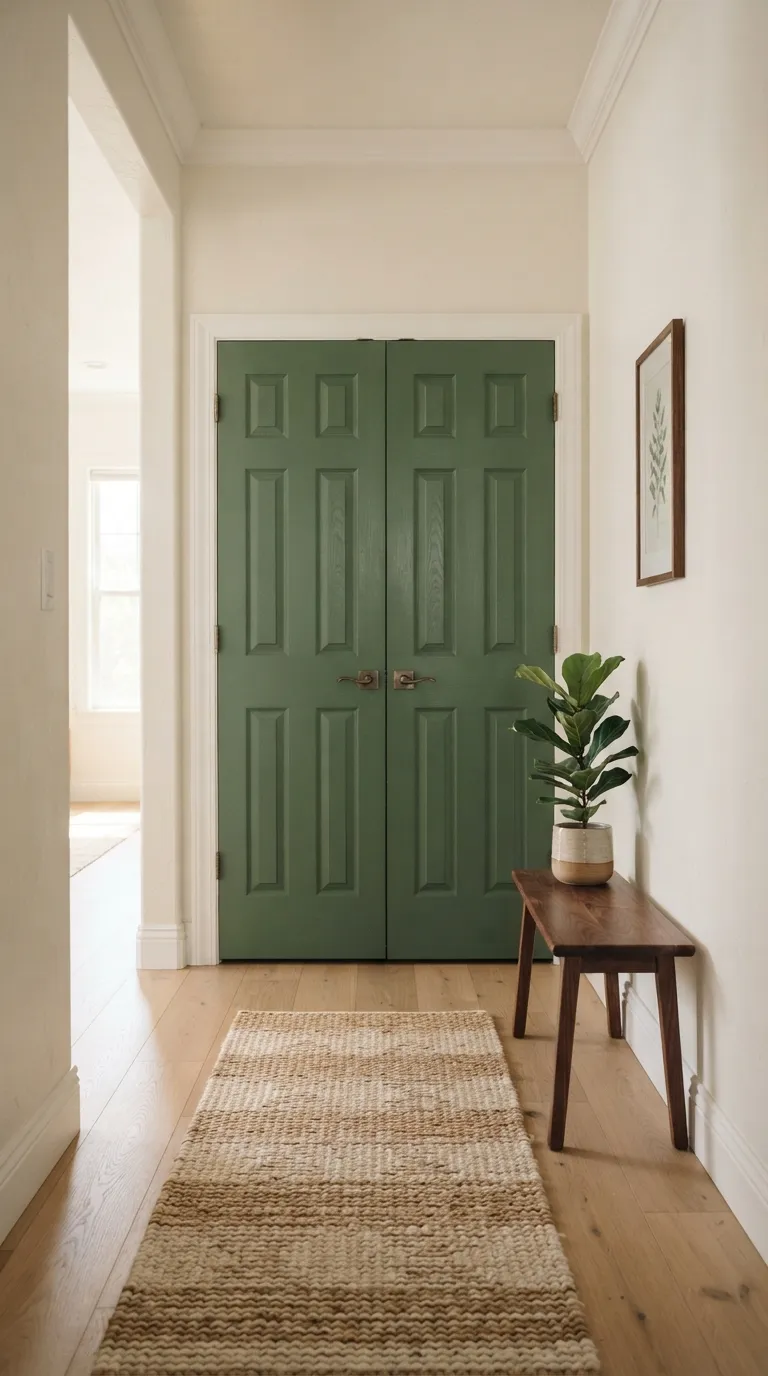
Interior doors are easy to overlook, yet they can become a strong design detail with a small amount of paint. Try deep green, warm brown, charcoal, muted blue, or another shade that works with your existing rooms.
Paint just one door if you’re testing the idea. A pantry door, bedroom door, or office entrance can become a simple focal point without the cost of replacing trim or buying new furniture.
11. Layered Rugs for Extra Texture
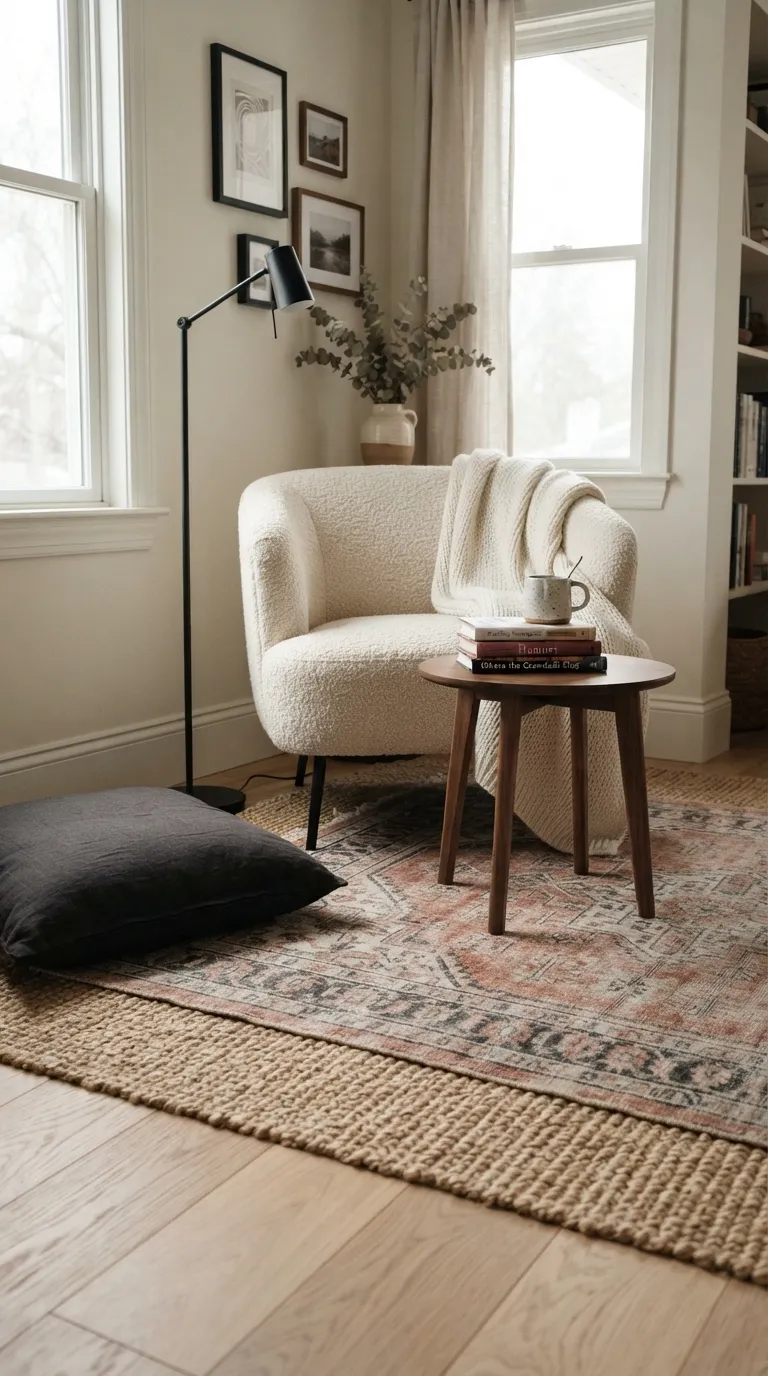
Layering rugs can add warmth and visual interest without replacing a perfectly good floor. Start with a larger neutral rug, then place a smaller patterned or vintage-style rug on top.
This approach works particularly well when you have a rug that feels too plain. A small accent rug can introduce pattern and color while using much less material than a full-size replacement.
12. DIY Built-In Style Bookcases
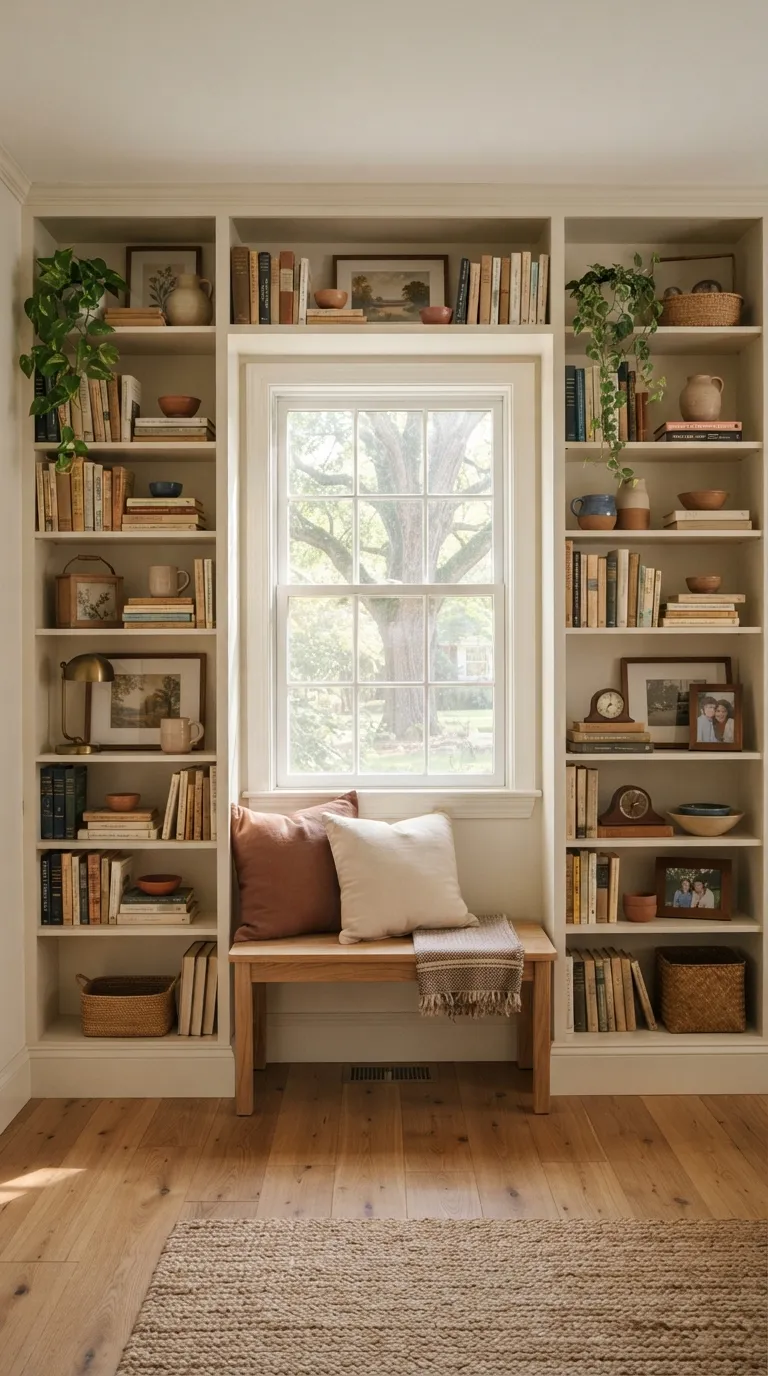
Built-in shelving can look expensive, but you can create a similar effect with basic bookcases and trim. Paint the shelves and wall in the same color so the separate pieces feel like one unit.
Use baskets to hide clutter and leave open spaces for books, plants, and artwork. For a small room, even one narrow shelving wall can provide useful storage while giving the space a more finished appearance.
13. Oversized Mirrors to Open Up Small Rooms
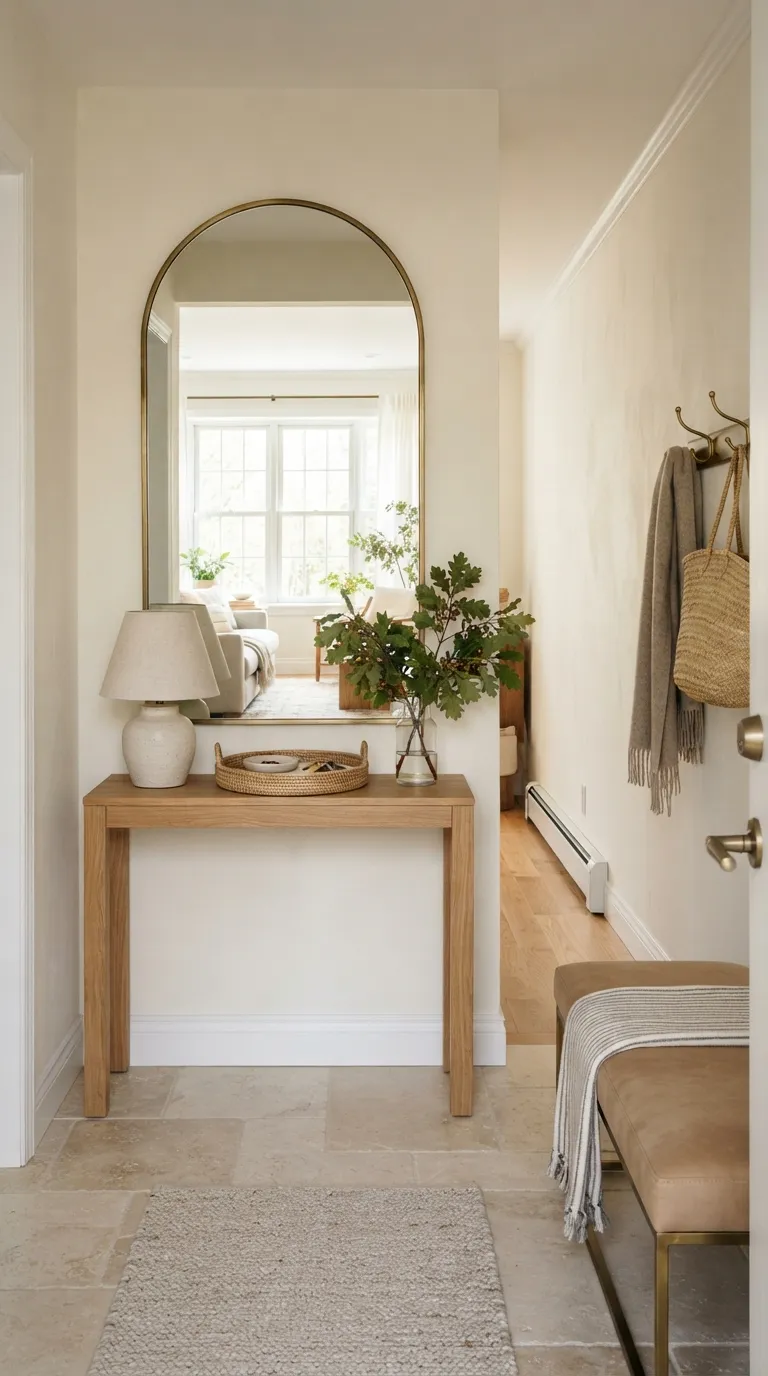
A large mirror can make a tight room feel brighter and more spacious. You don’t need an expensive custom frame either. Look for simple secondhand mirrors or affordable full-length styles with clean shapes.
Place the mirror where it can reflect daylight, artwork, or an attractive part of the room. In a narrow entry, a tall mirror above a slim console can add function while giving the area more visual depth.
14. Affordable Hardware With a Designer Feel
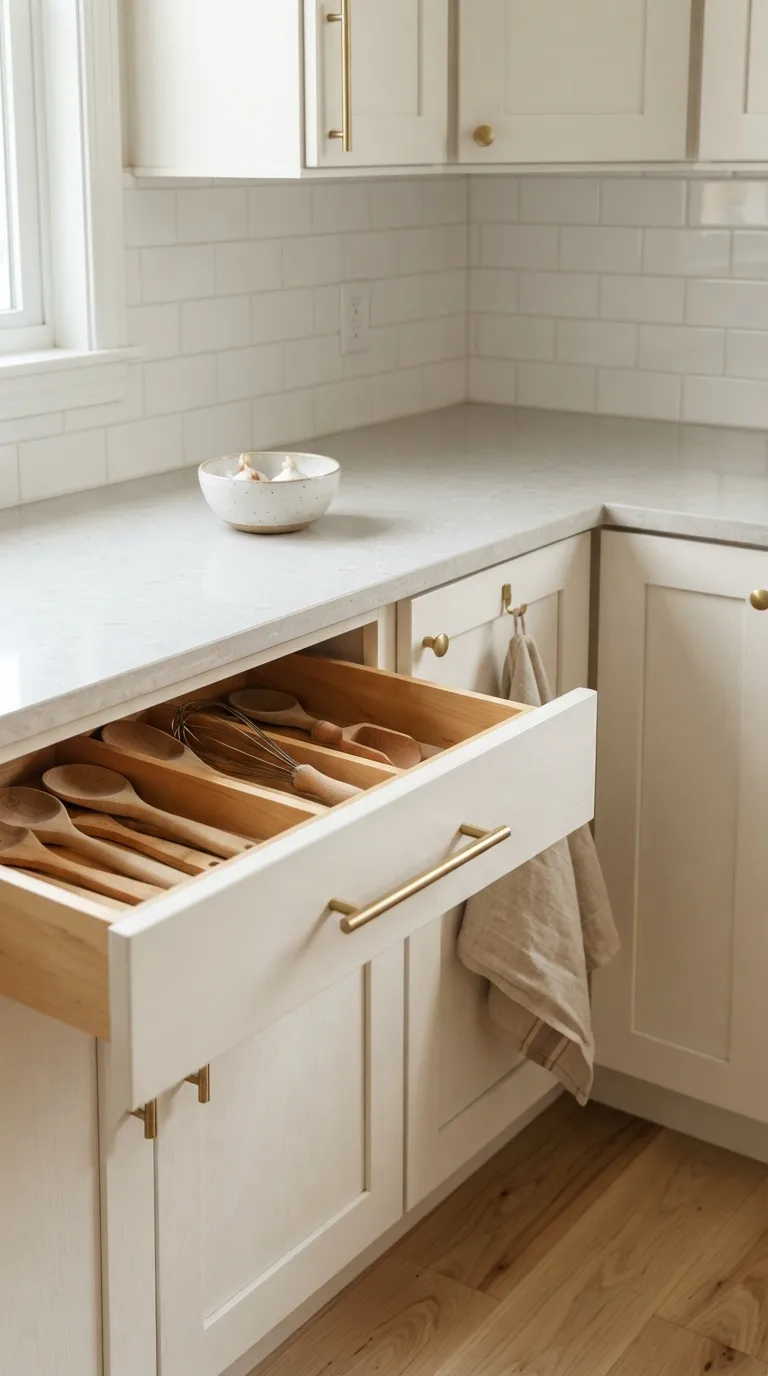
New cabinet pulls can give a kitchen or bathroom a fresh look for a fraction of the cost of new cabinets. Choose one finish and repeat it across the room for a cleaner appearance.
Measure your existing hardware before ordering replacements. Brushed brass, aged bronze, matte black, and soft nickel can all work well, depending on your room’s palette. A small hardware update can make old cabinetry feel much more current.
15. Cozy Window Seats With Simple Layers
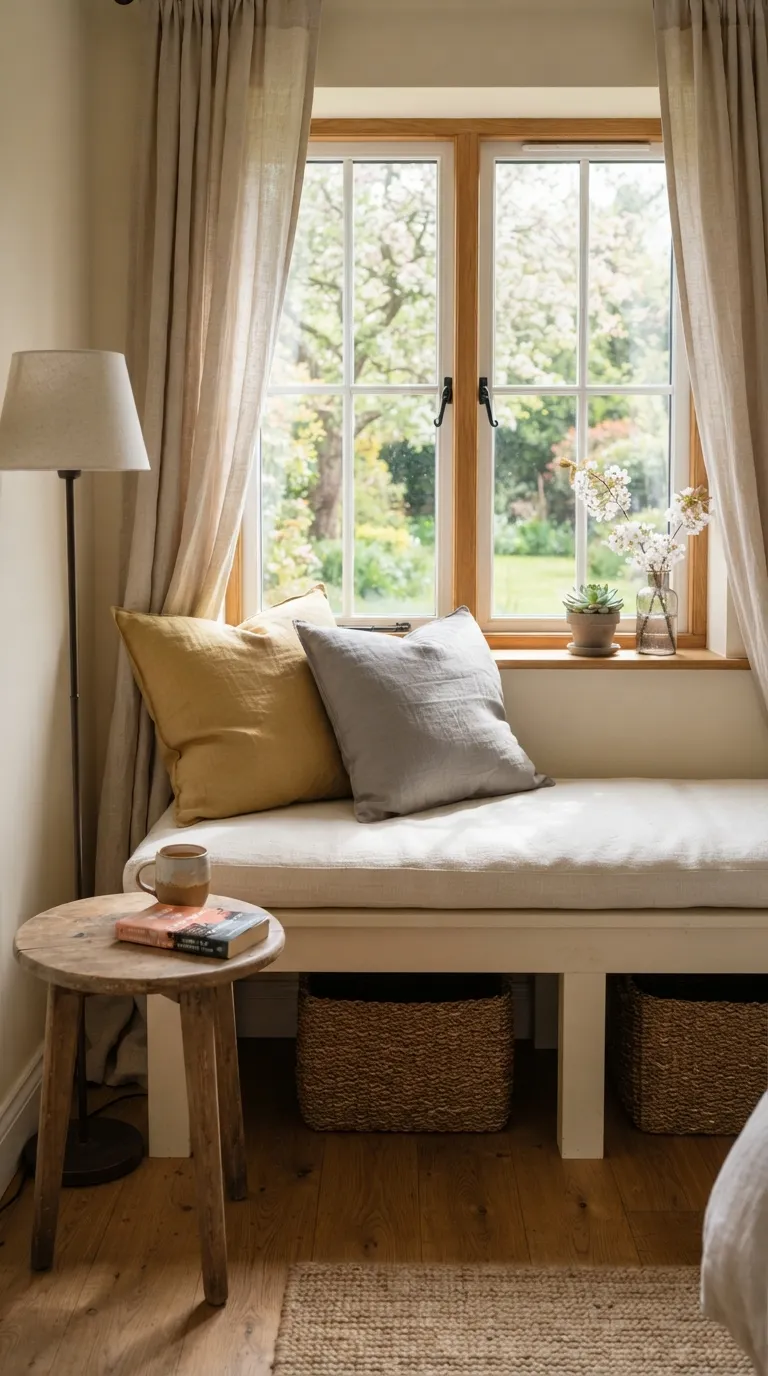
A window seat can turn unused space into a favorite spot without requiring a major renovation. A sturdy bench, thick cushion, and a few pillows can create the same cozy effect.
Use the space below for baskets, shoes, blankets, or books. For renters, a freestanding storage bench placed beneath a window can deliver a similar look without permanent construction.
16. Warm Wood Accents for Everyday Rooms
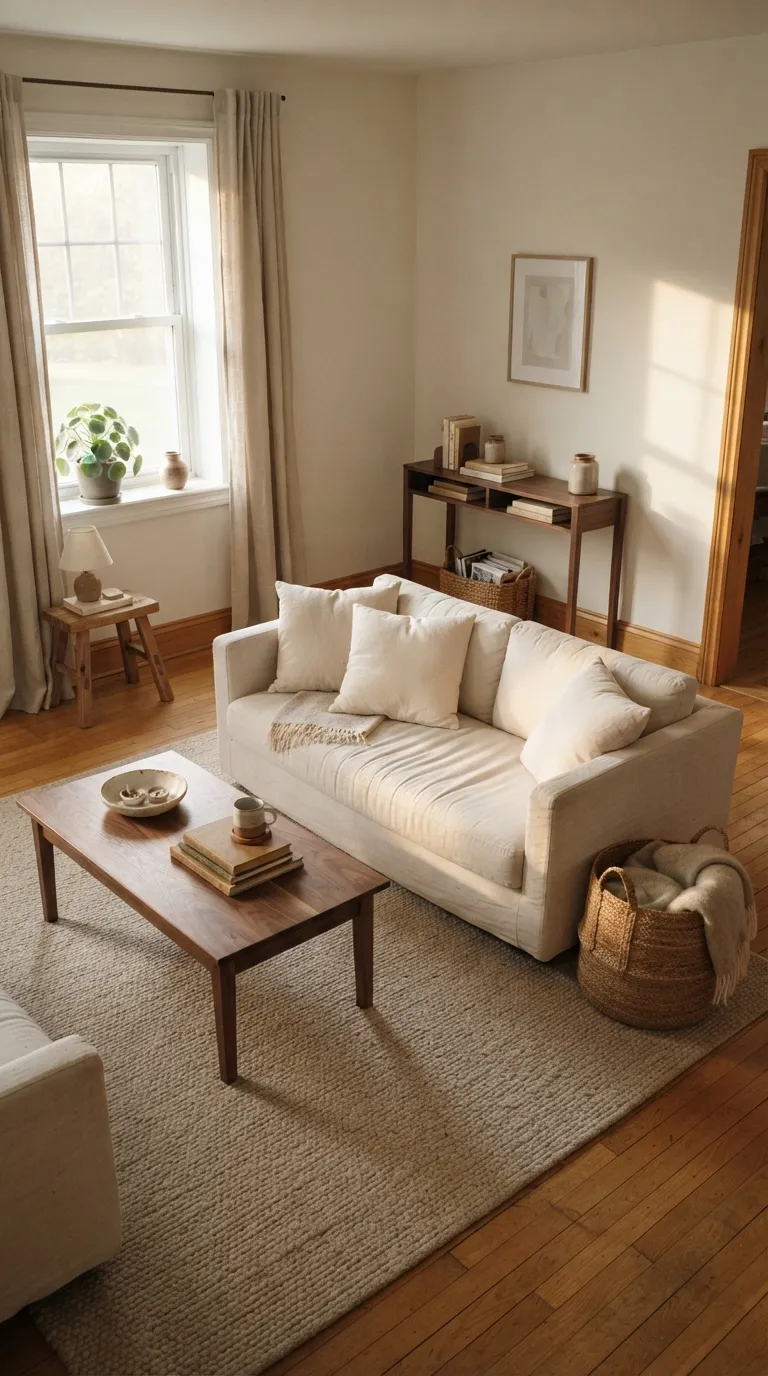
Warm wood can make neutral rooms feel less flat. You can bring it in through a small table, stool, picture frame, cutting board, tray, or secondhand cabinet rather than buying a full furniture set.
Mixing wood tones can also work when the finishes share a similar warmth. A walnut table beside honey-colored shelves can feel relaxed and collected, especially when cream textiles soften the contrast.
17. Small-Scale Pattern in Bathrooms
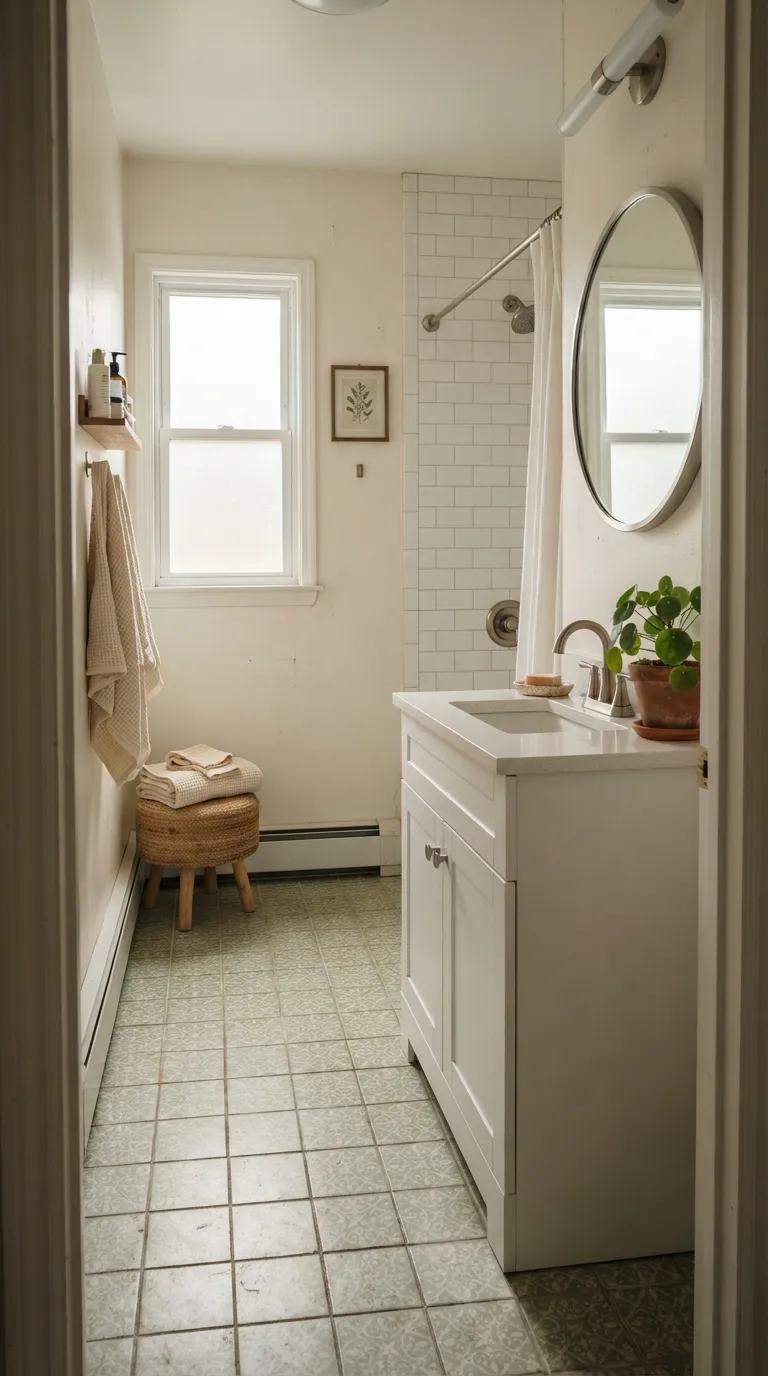
Small bathrooms are ideal places to use pattern because you need less material. A patterned shower curtain, bath mat, removable wallpaper, or small tile area can give the room a clear focal point.
Keep larger fixtures simple when the pattern is strong. A plain vanity and neutral walls allow a patterned floor or curtain to stand out without making the bathroom feel crowded.
18. Thrifted Baskets for Stylish Storage
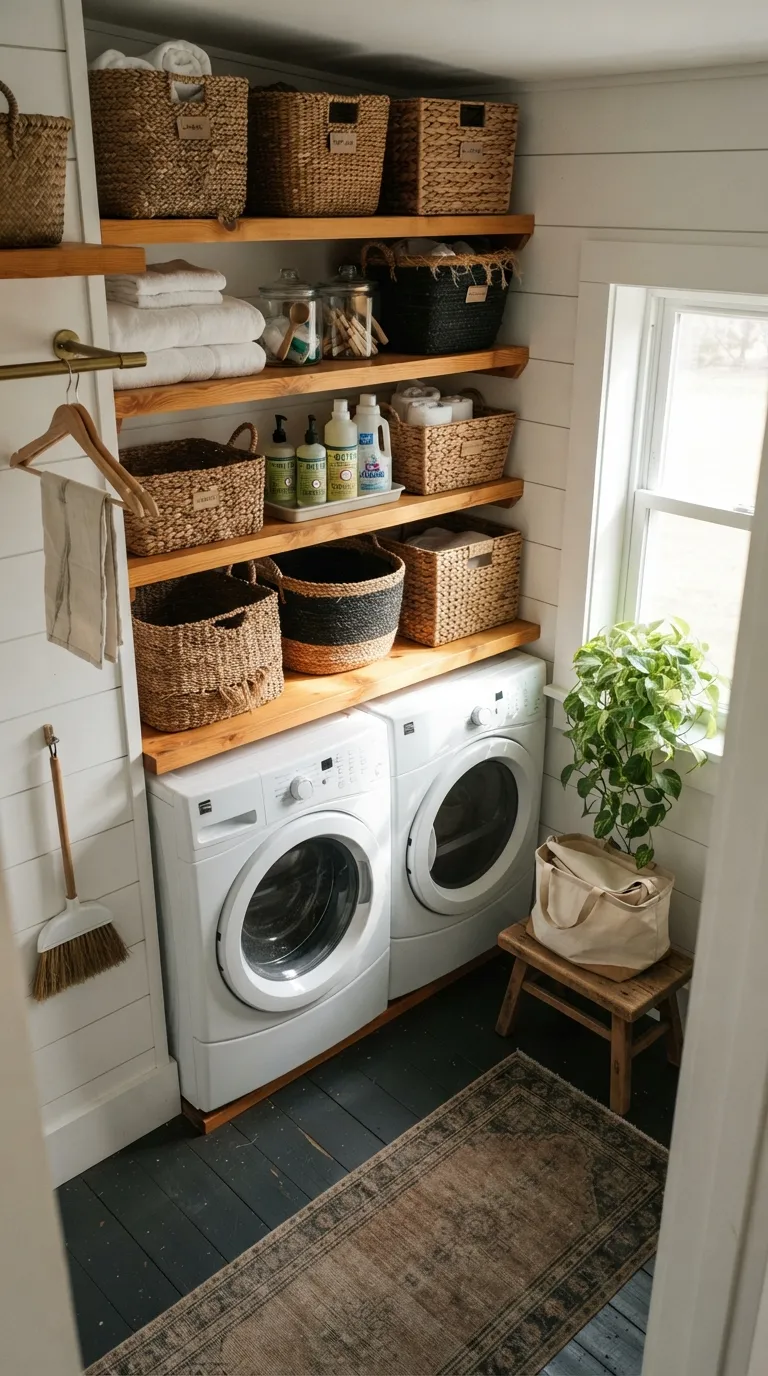
Storage can look decorative when you choose containers with texture. Thrifted baskets are especially useful for blankets, toys, towels, shoes, and laundry supplies.
Don’t worry if every basket doesn’t match. Similar natural materials can tie different shapes together, while a few dark or painted pieces can add contrast. This simple approach makes everyday storage part of the room’s decor.
19. Color-Drenched Nooks With Paint
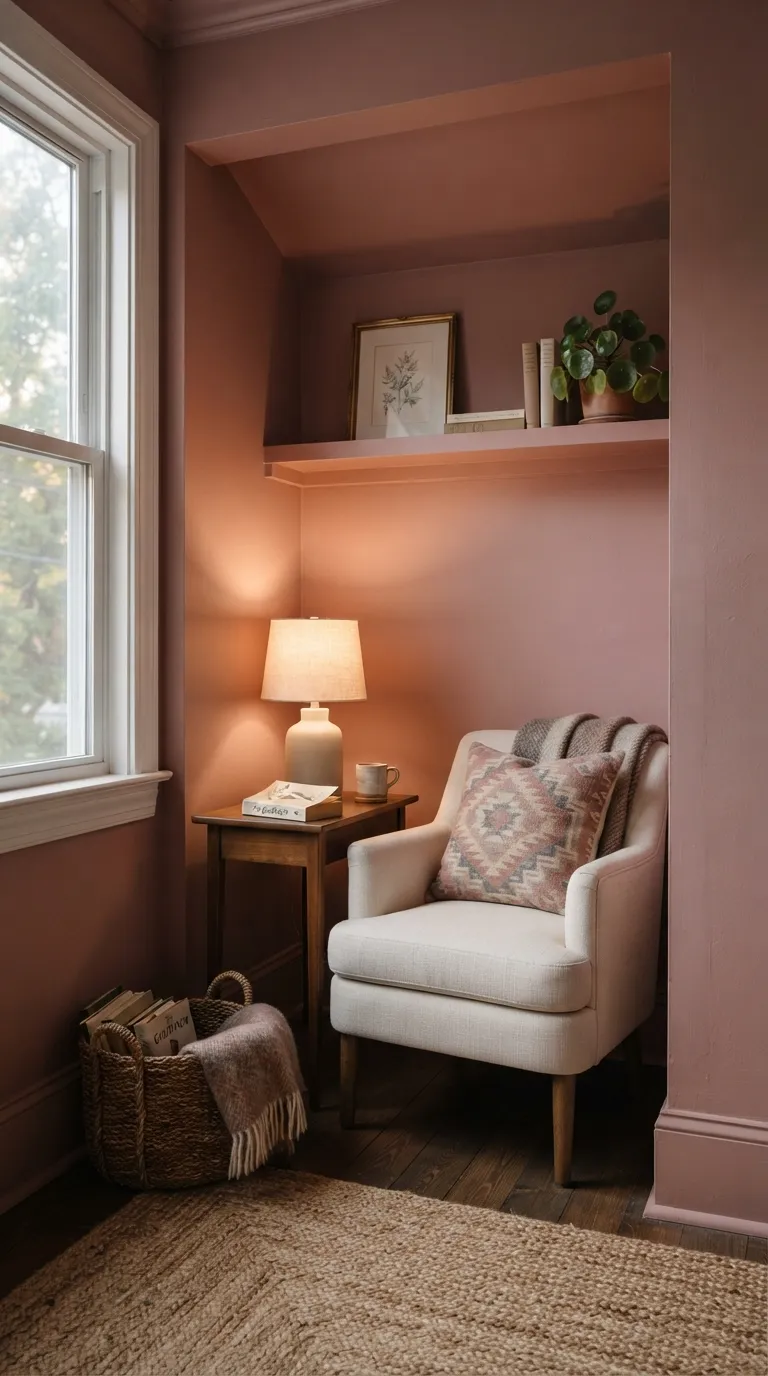
Painting a small nook in one color can create a cozy, custom feel with very little material. Cover the walls, trim, and shelving in the same shade for a more connected appearance.
This idea works well in reading corners, home offices, breakfast areas, and entry alcoves. A muted color keeps the effect easy to live with, while a contrasting chair or lamp gives the space a clear focal point.
20. Simple Molding for Architectural Detail
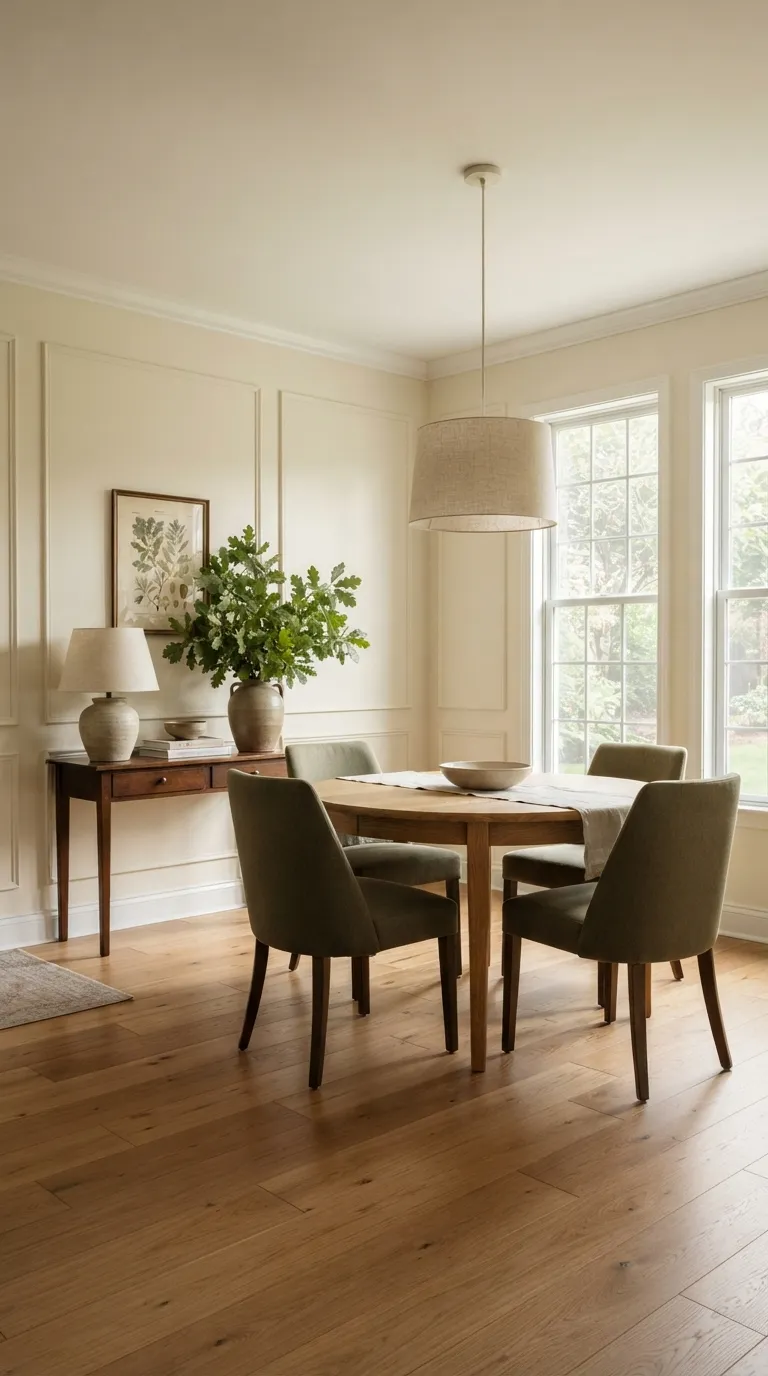
Basic wall molding can add structure to a plain room without requiring a full renovation. Narrow strips of trim arranged into simple rectangles can create a classic detail on an otherwise empty wall.
Paint the molding and wall the same color for a subtle effect. For a budget project, measure carefully, keep the pattern simple, and use a level before attaching each piece.
21. Secondhand Decor With a Collected Look
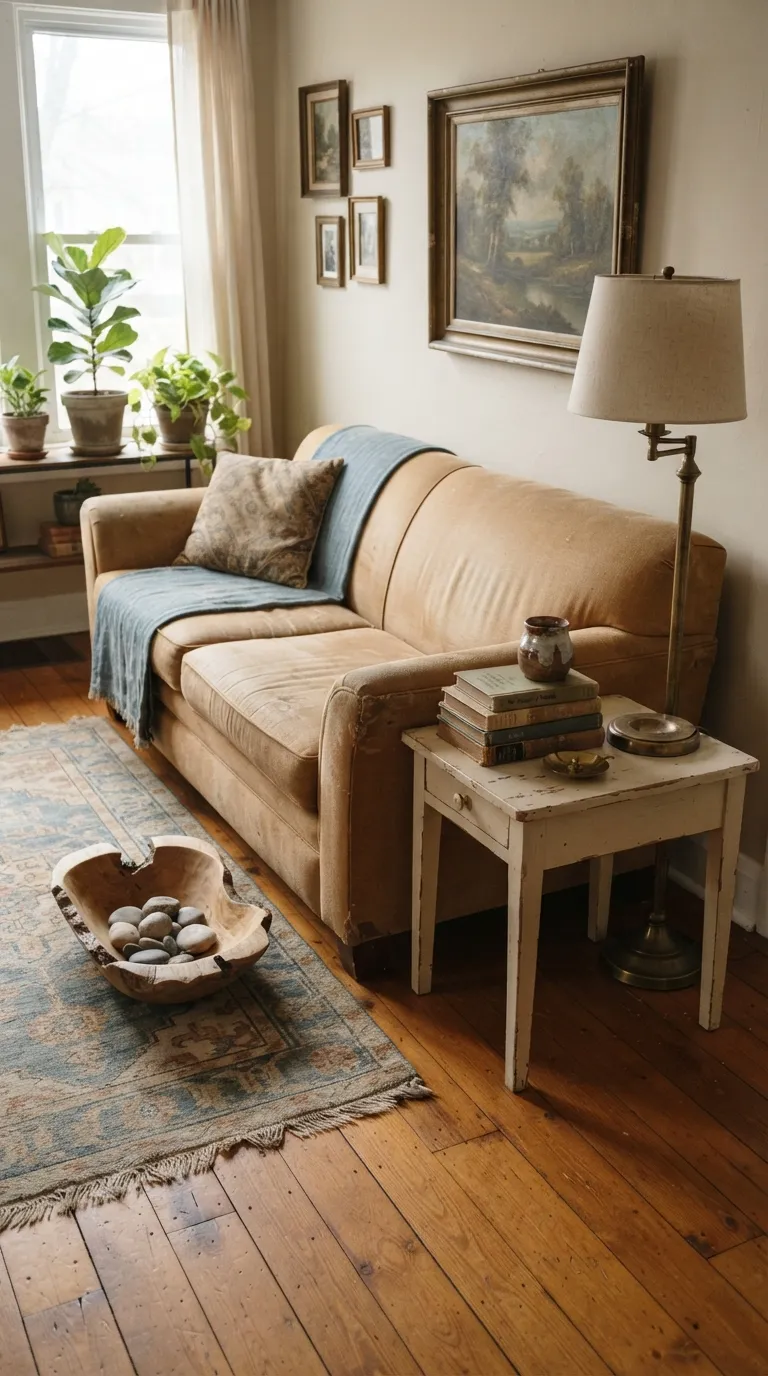
A room doesn’t need brand-new decor to look polished. Secondhand pieces often bring the small imperfections that make a space feel personal rather than copied from a showroom.
Try buying one category at a time. You might start with lamps, then search for ceramics or framed art that share similar colors. This makes home design trends on a budget feel more like collecting than shopping.
22. Rearranging What You Already Own
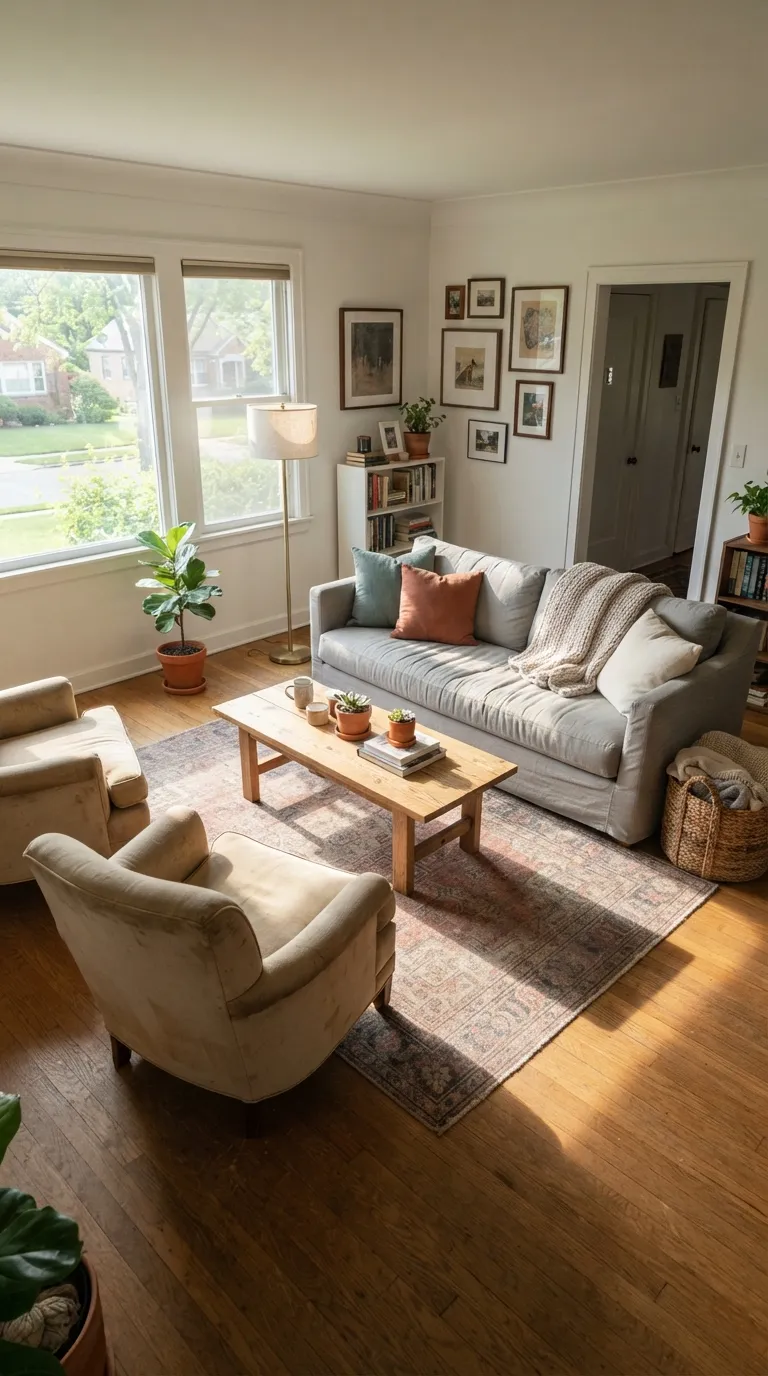
Before buying anything, try moving the furniture you already have. Pulling a sofa away from the wall, changing the angle of a chair, or centering a rug can make a familiar room feel fresh.
Think about how you actually use the space. A living room may work better when chairs face the sofa instead of the television, while a small table can create a useful reading corner. Sometimes the best budget decor starts with a new floor plan.
Ready to Start?
You don’t need to tackle all 22 ideas at once. Pick the room that bothers you most, then choose one affordable change that can make a visible difference. Paint, lighting, secondhand finds, textiles, and simple furniture rearrangements can all give your space a more personal look without a large bill.
The smartest home design trends on a budget work with what you already own. Start small, shop thoughtfully, and give useful pieces a second life before replacing them. A few well-chosen changes can make your home feel more like you while keeping your decorating plans comfortably within reach.
Emma Williams
Emma Williams is an interior design expert and decor editor at Lady Home Decor. She specializes in modern, cozy, and functional home styling, helping readers discover inspiring decorating ideas that are easy to recreate. Her work focuses on timeless design, practical solutions, and the latest home decor trends.