20 Stunning Luxury Home Design Trends Everyone Is Obsessed With

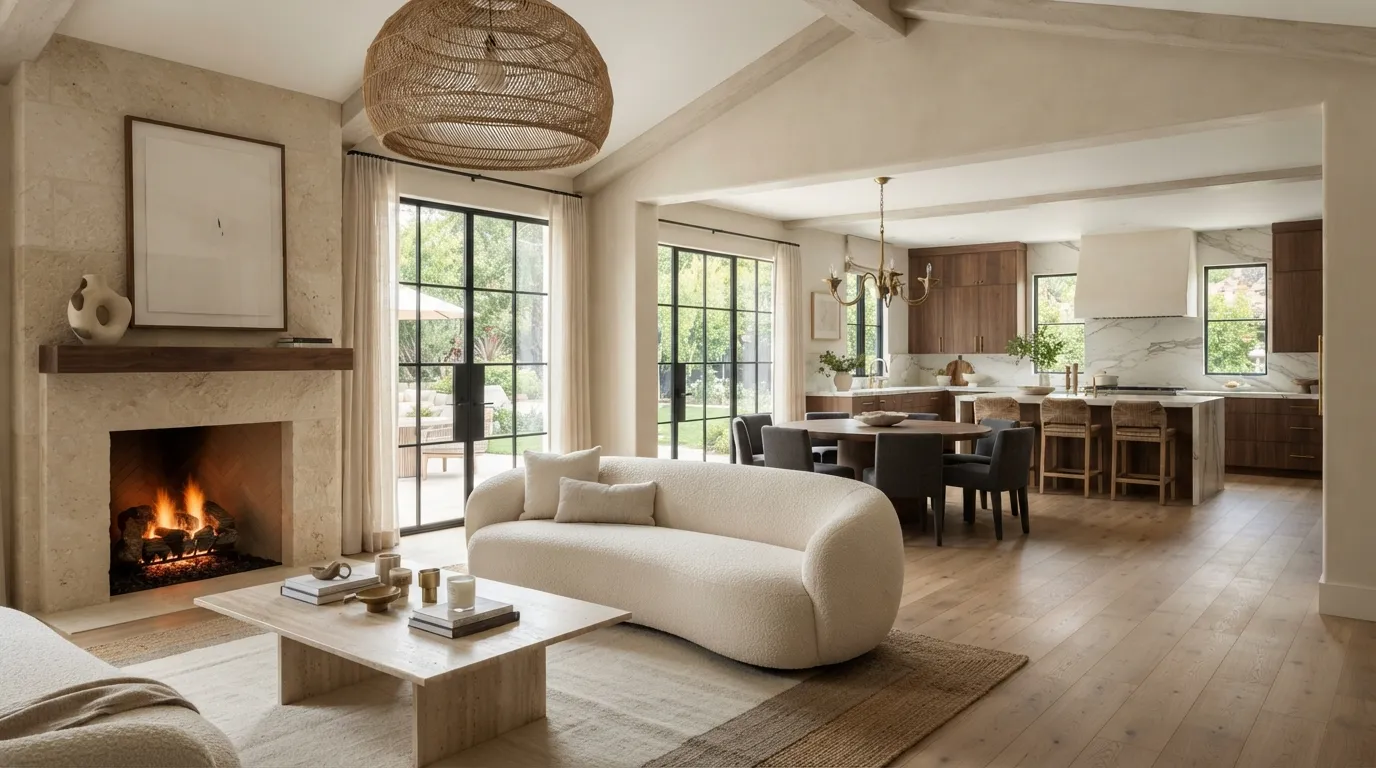
Luxury interiors no longer depend on rooms packed with expensive-looking pieces. The best luxury home design trends focus on comfort, strong materials, thoughtful lighting, and details that feel personal. Think natural stone, warm wood, tailored furniture, soft curves, and rooms that look polished without feeling stiff.
You don’t need a mansion to borrow these ideas. A small material upgrade, better lighting choice, or carefully selected statement piece can change the feel of a room. These 20 trends offer practical inspiration for living rooms, kitchens, bedrooms, bathrooms, and outdoor spaces while keeping the overall look refined and inviting.
Warm Minimalism With Rich Materials
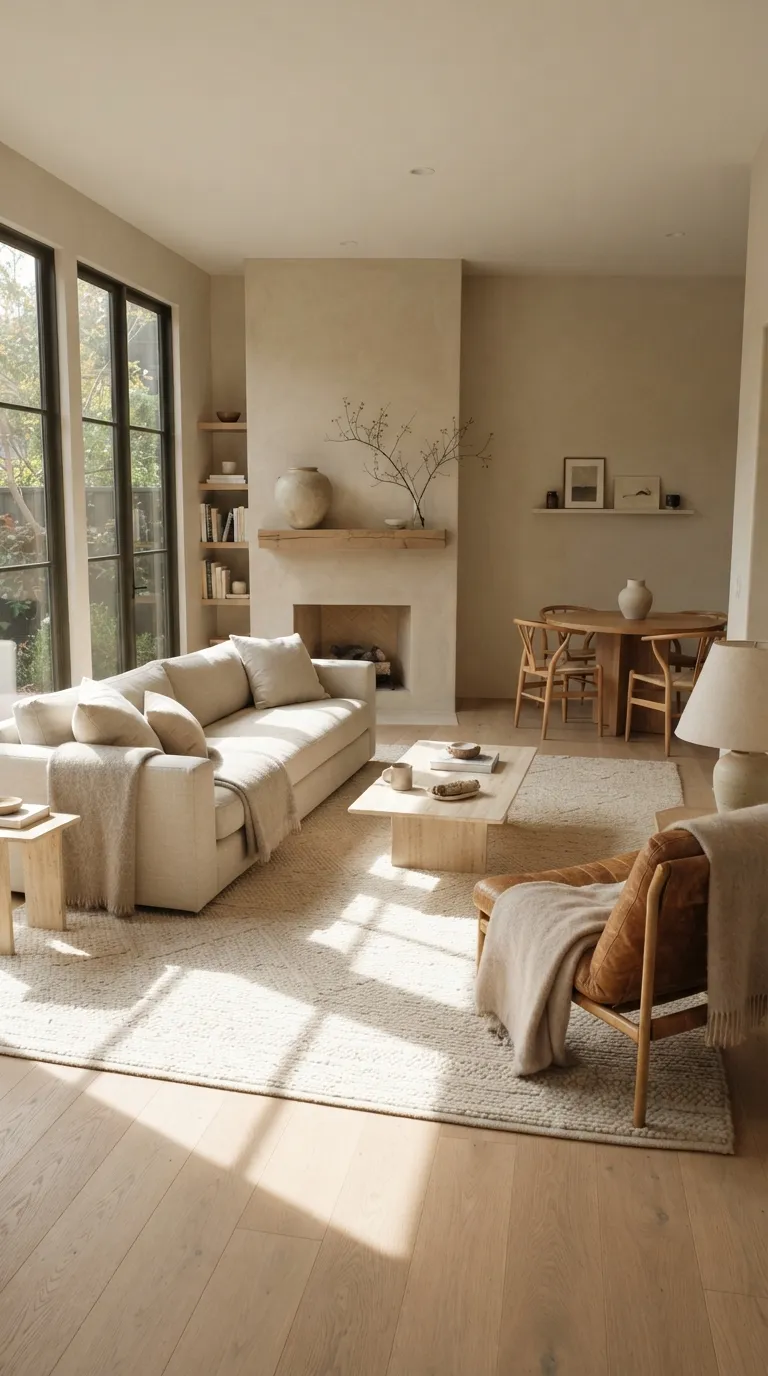
Warm minimalism works because it gives every item room to breathe. Instead of filling shelves and surfaces, choose a few pieces with strong texture, such as a travertine table, oak cabinet, linen sofa, or handmade ceramic. This approach makes one of the most useful luxury home design trends easy to bring into an ordinary space.
Keep the palette close to nature for a calm result. Cream, sand, warm beige, walnut, and muted brown pair well with stone and wood. If your room feels too plain, add interest through texture rather than adding more objects.
Sculptural Furniture With Soft Curves
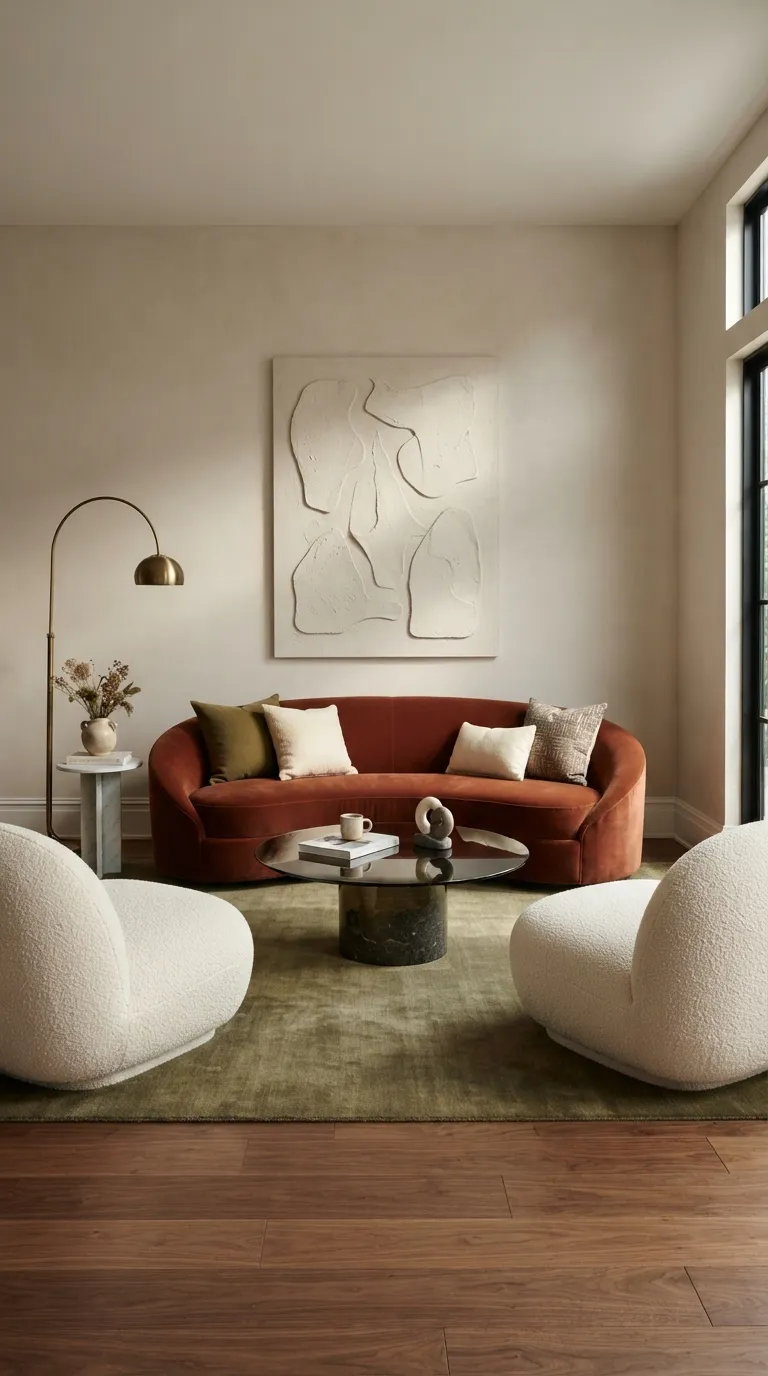
Curved furniture brings a softer shape to rooms filled with straight walls and sharp edges. A rounded sofa, oval coffee table, or barrel chair can become the focal point without relying on loud patterns. Designers often use these shapes to make large living areas feel more relaxed and conversational.
You can start small with one curved piece. Try an oval ottoman in the family room or a rounded accent chair beside a window. Pair soft silhouettes with stone, wood, or metal so the room still feels grounded and balanced.
Statement Stone That Takes Center Stage
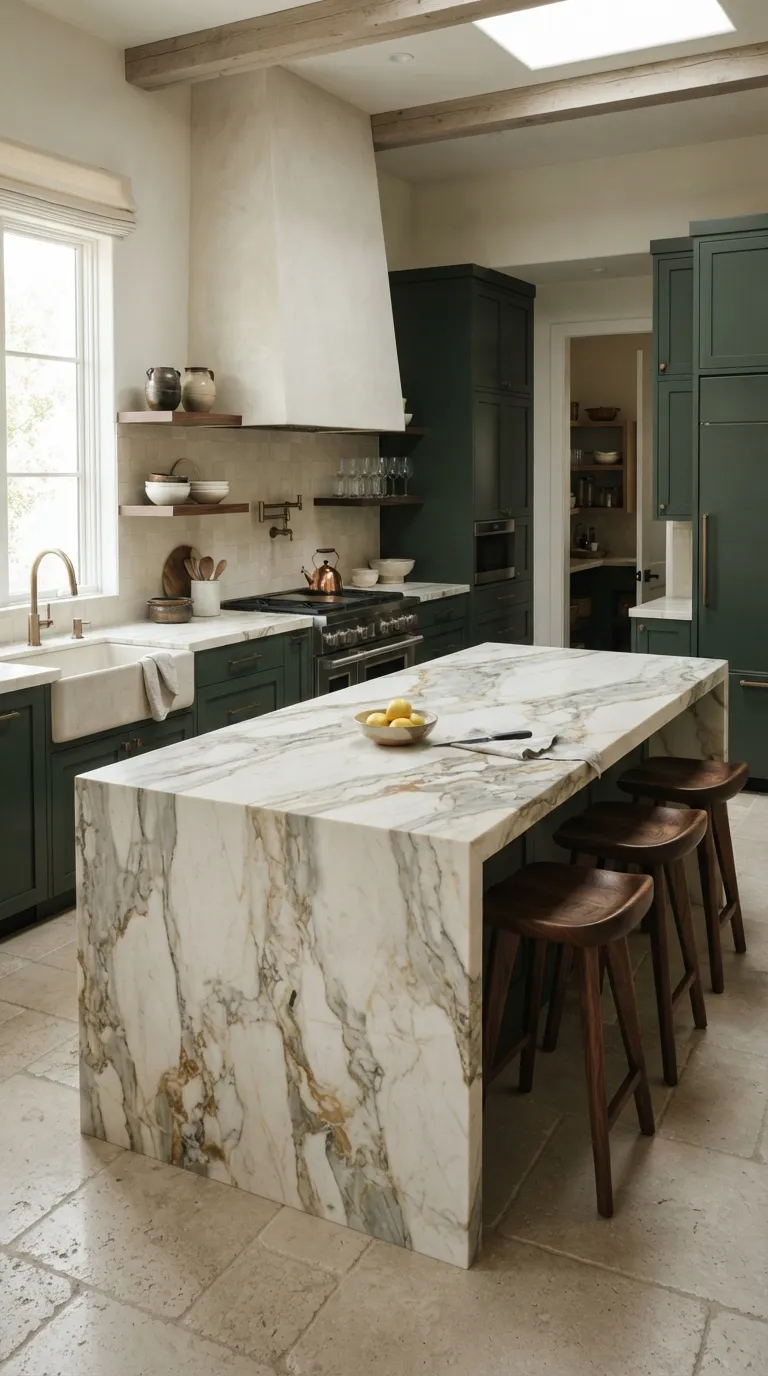
Natural stone is having a strong moment in high-end interiors, especially when one slab becomes the room’s main feature. Quartzite, marble, limestone, and richly veined granite can add depth to a kitchen island, fireplace surround, vanity, or entry console. The key is to let the stone do the talking.
Choose supporting finishes that don’t compete with the surface. Dark cabinetry, warm wood, aged metal, or simple plaster can frame bold veining beautifully. For a smaller budget, consider using stone on one focused area instead of covering every surface.
Layered Lighting for a Softer Glow
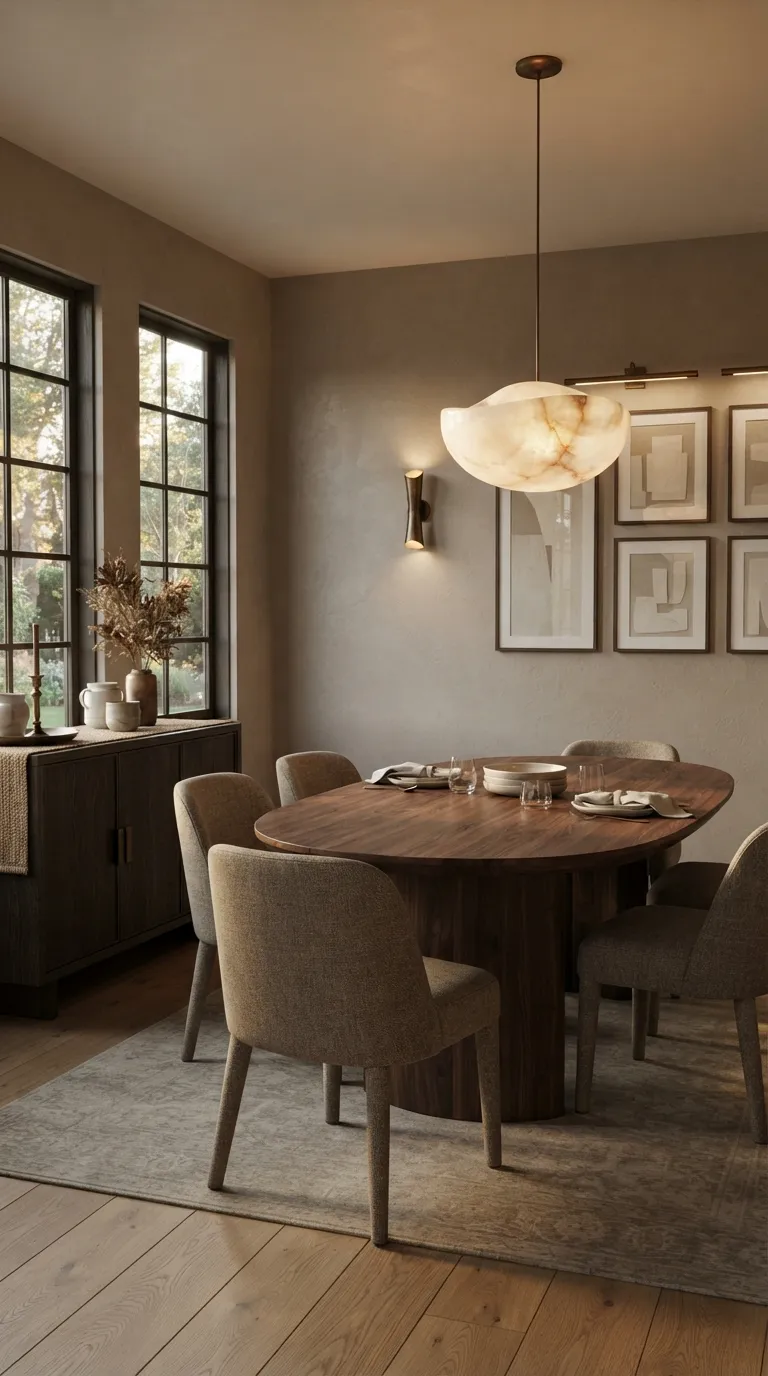
Good lighting can make expensive materials look even better. Instead of depending on one ceiling fixture, combine pendants, sconces, lamps, and accent lights to create different layers. This gives you control over the mood from breakfast through evening.
Start with the room’s main task, then add supporting lights around it. A dining table needs focused light, while a nearby sideboard may benefit from a small lamp or picture light. Warm bulbs usually work well with wood, stone, brass, and soft fabrics.
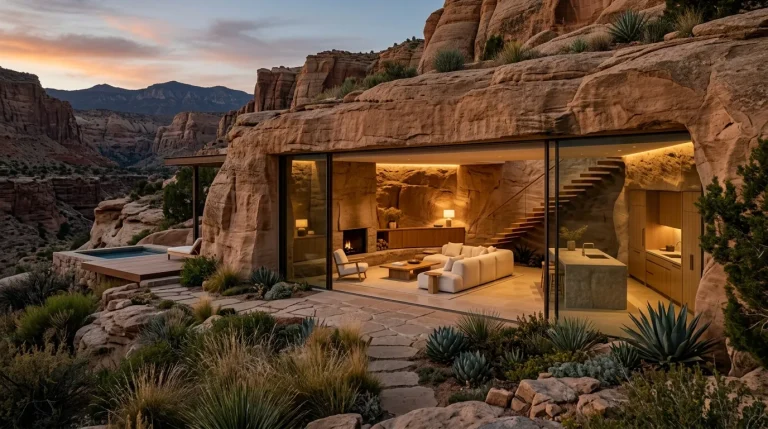
Floor-to-Ceiling Windows With Natural Views
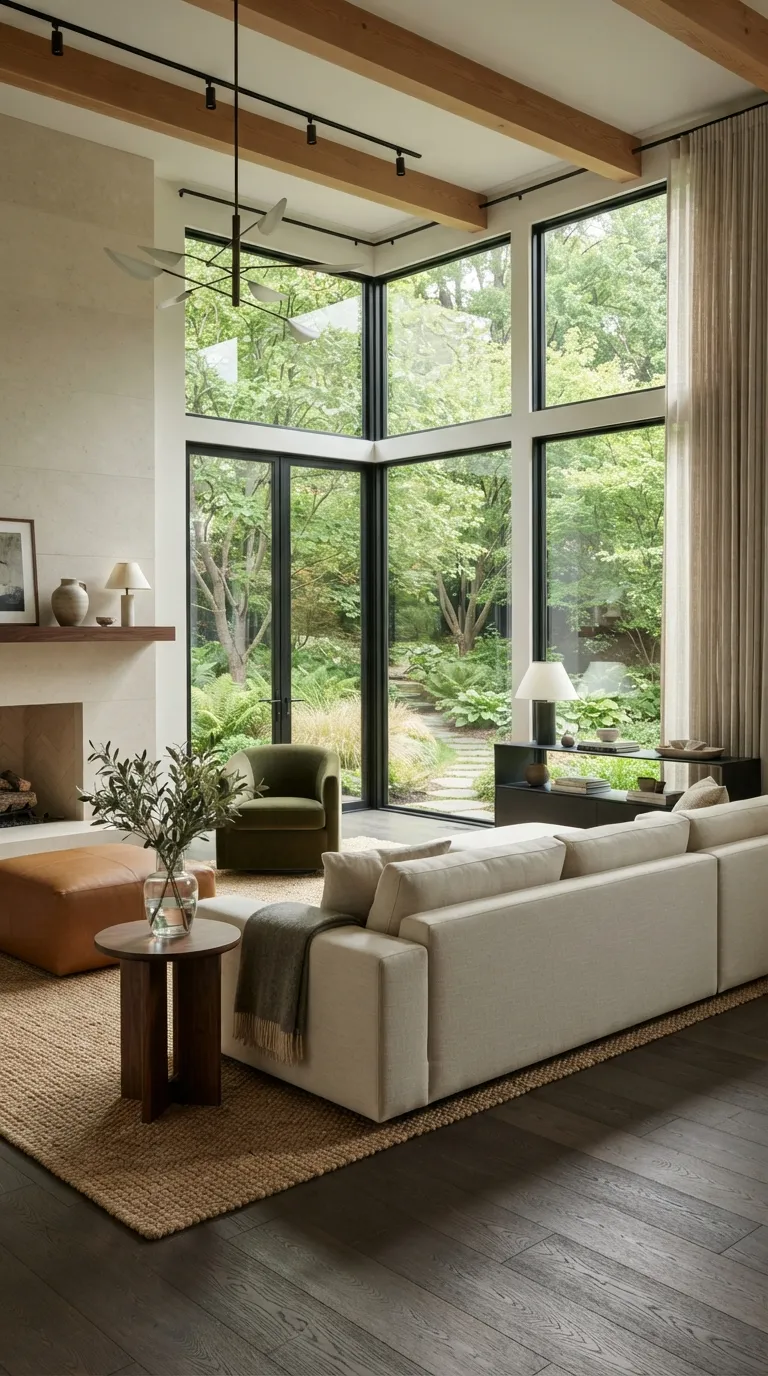
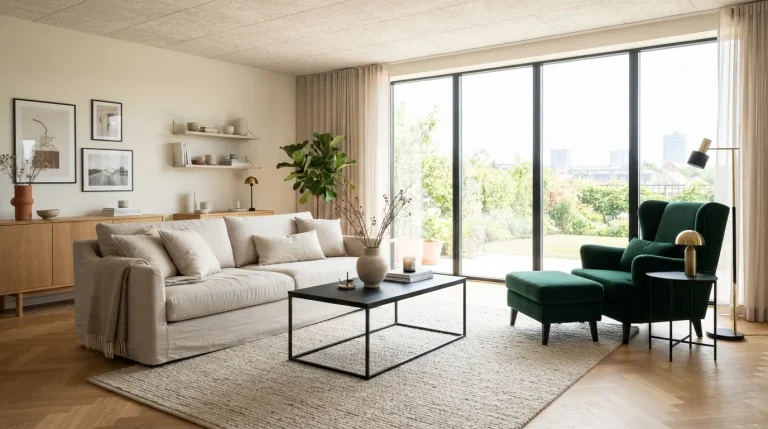
Large windows connect the interior with its surroundings and give everyday rooms a sense of openness. When the view is attractive, keep window treatments simple so trees, gardens, or distant scenery become part of the design.
You can create a similar feeling without replacing your windows. Use light curtains, mirrors placed opposite existing glass, and furniture with a low profile. Keep nearby colors connected to the outdoors for a calm indoor-outdoor look.
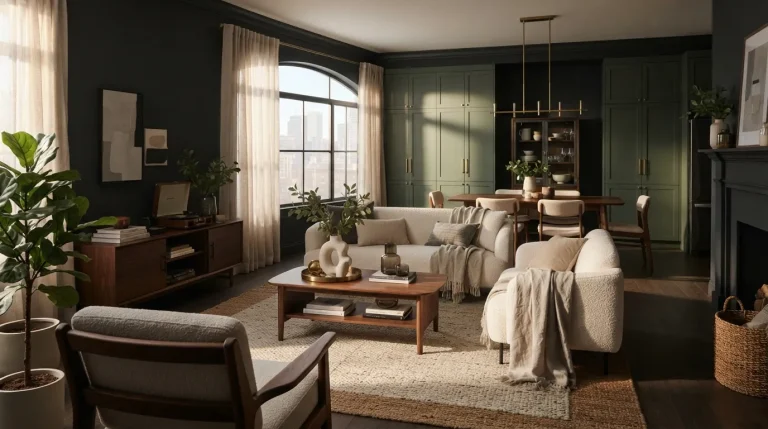
Moody Kitchens With Deep Cabinet Colors
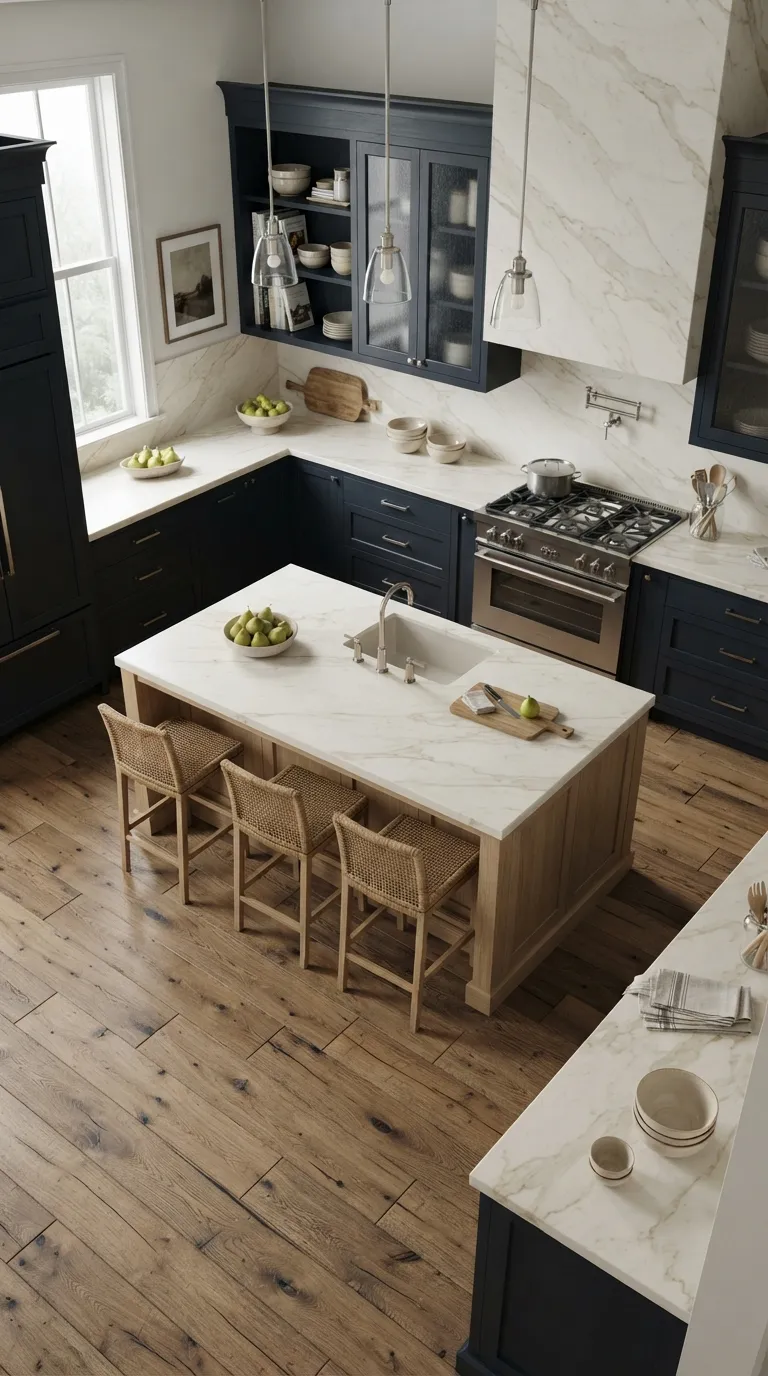
Deep kitchen colors can make a large space feel more intimate. Navy, charcoal, forest green, espresso, and near-black cabinetry work especially well when paired with lighter counters or natural wood.
Balance is the trick. If the cabinets are dark, bring in pale stone, warm flooring, or woven seating to keep the kitchen from feeling heavy. Simple hardware also lets the cabinet color stay in charge.
Natural Wood Walls for Quiet Warmth
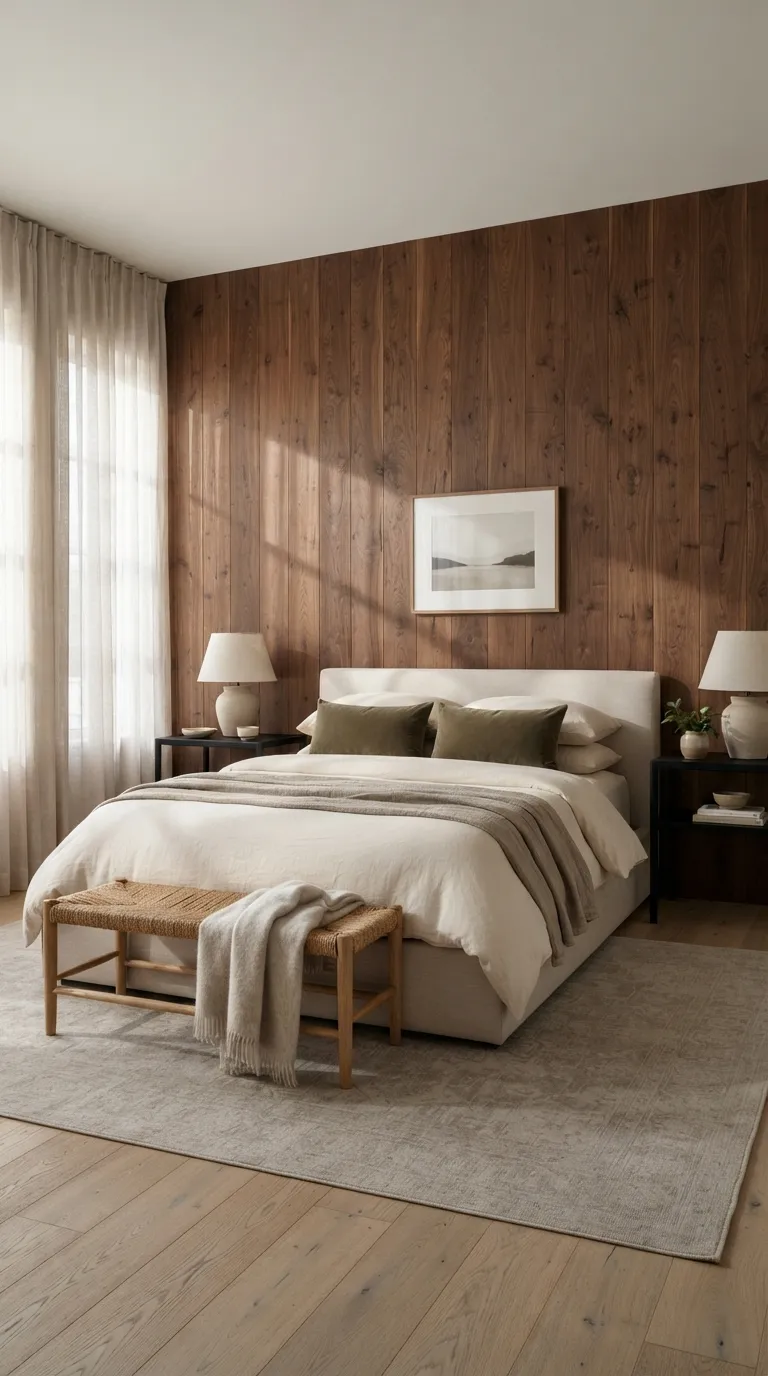
Wood paneling adds depth without making a room feel busy. Walnut, oak, ash, and smoked wood can turn a plain bedroom wall, hallway, or study into a strong architectural feature. The natural grain also brings warmth to rooms with stone, glass, or metal finishes.
Try paneling one wall instead of the entire room. A simple headboard wall can create a polished bedroom backdrop, while narrow wood slats can give a home office a tailored look. Keep the surrounding furniture simple so the wood remains the visual anchor.
Spa-Like Bathrooms With Natural Stone
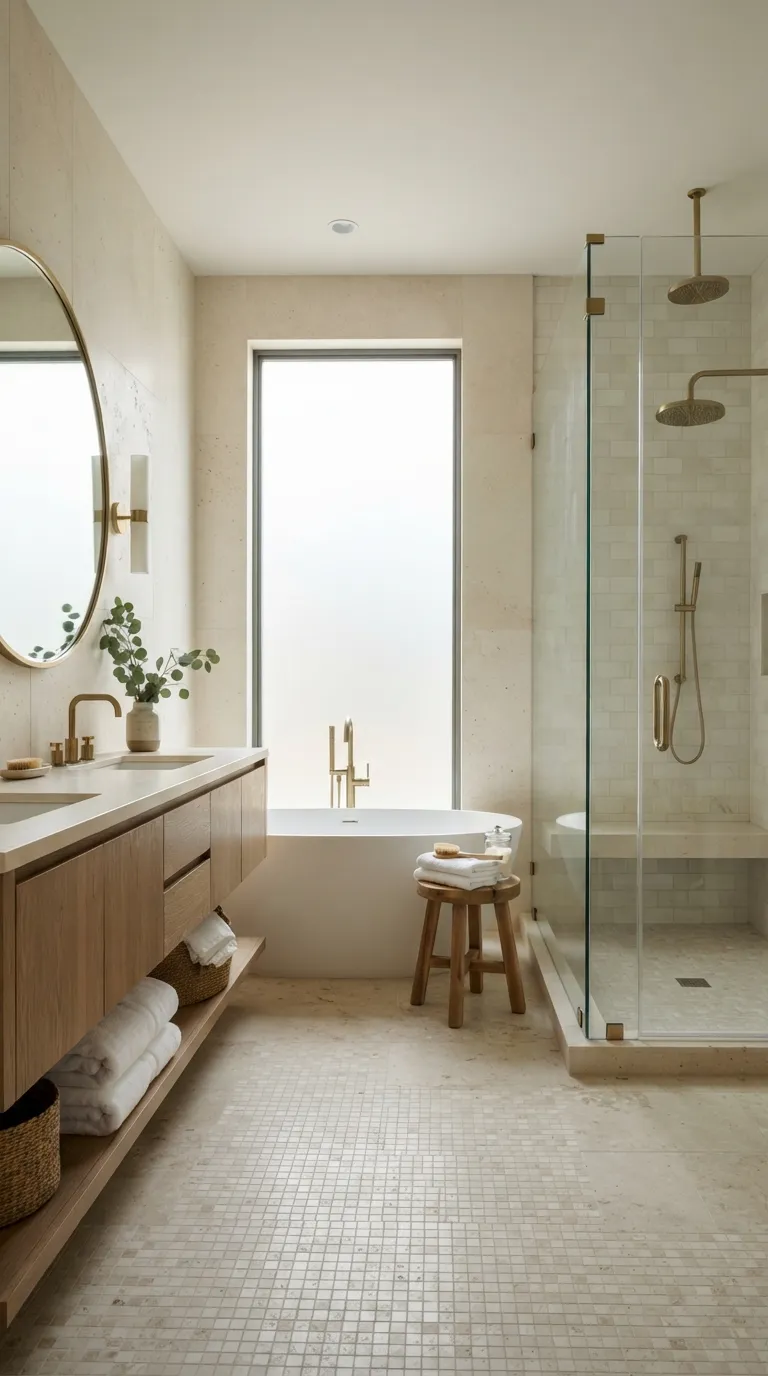
A spa-like bathroom starts with materials that feel calm underfoot and easy on the eyes. Natural stone, oak cabinetry, clear glass, and soft metal finishes create a refined setting without needing excessive decoration.
Focus on the areas you touch and see most. A stone shower bench, quality vanity top, deep soaking tub, or wide-format floor tile can make a noticeable difference. Keep bottles and accessories limited so the bathroom stays clean and restful.
Hidden Storage for a Cleaner Look
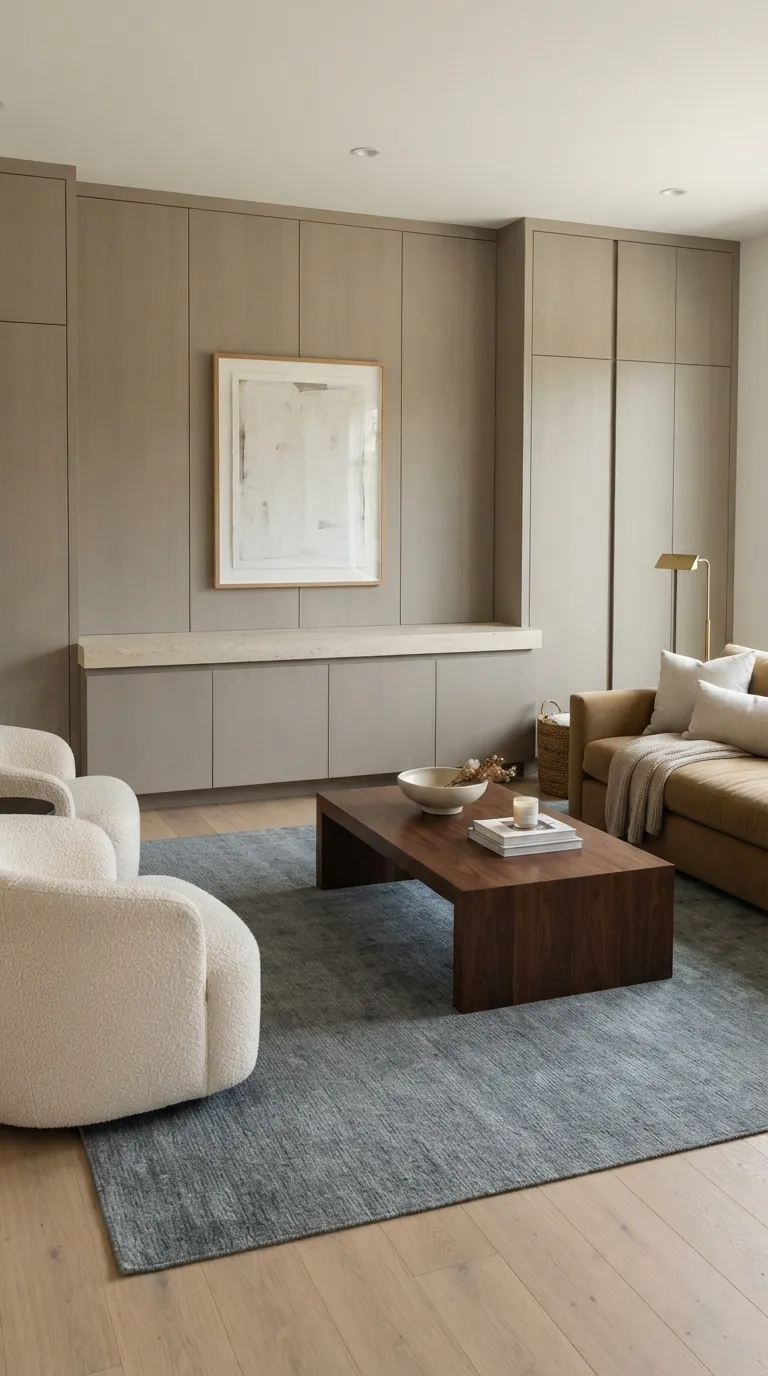
Luxury rooms often look calm because clutter has a place to disappear. Built-in cabinets, hidden drawers, window seats, and closed media storage keep everyday items close without leaving them on display.
Think about what regularly collects on your surfaces. If shoes pile near the entry, add a closed bench cabinet; if blankets gather in the living room, use a built-in drawer beneath a console. Storage works best when it’s designed around your real routines.
Aged Brass Details for Lasting Character
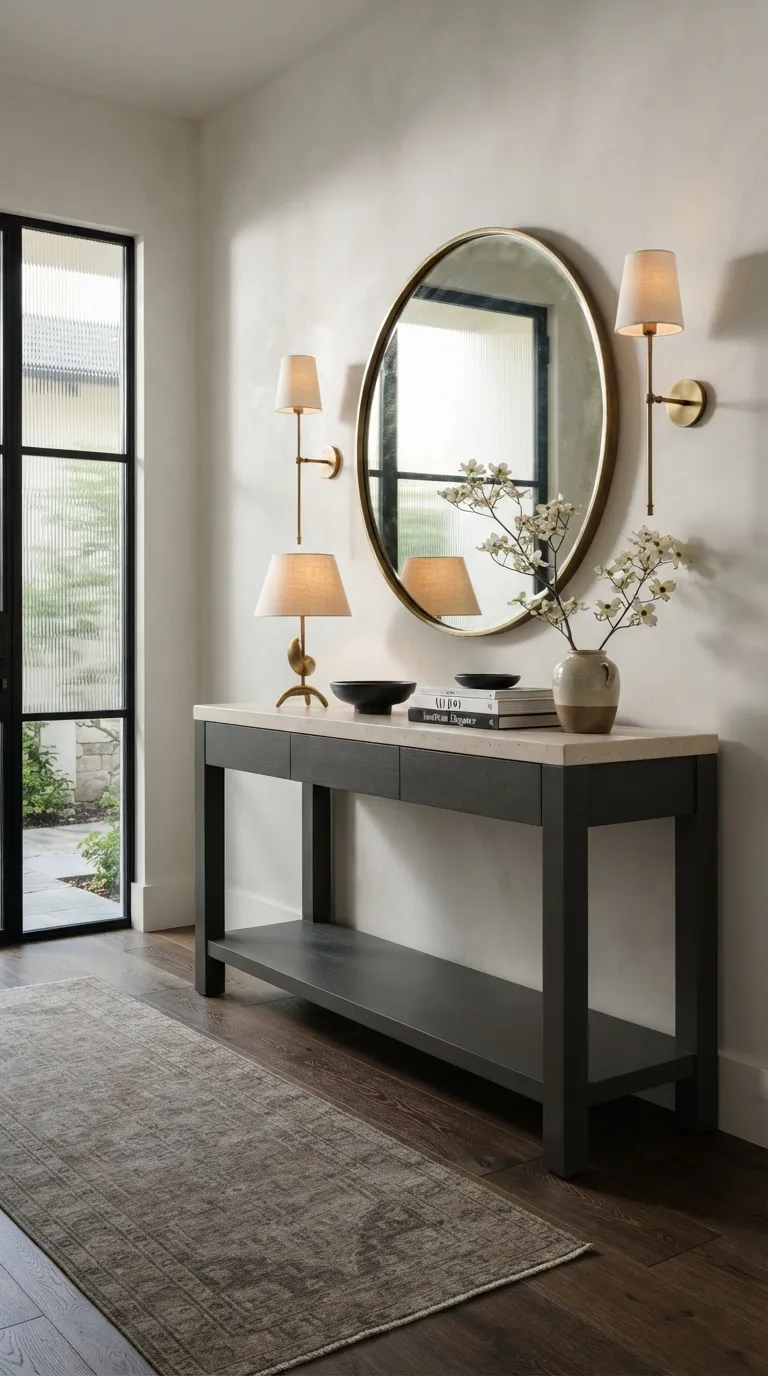
Aged brass gives a room warmth without looking overly polished. Use it on cabinet pulls, faucets, mirrors, sconces, curtain rods, or small tables to introduce a subtle metallic note. Its softer finish pairs especially well with natural stone and warm wood.
You don’t need brass everywhere. Pick two or three places where the finish can repeat, then let other materials take the lead. This simple pattern creates a connected look while keeping the room relaxed.
Statement Fireplaces With Architectural Presence
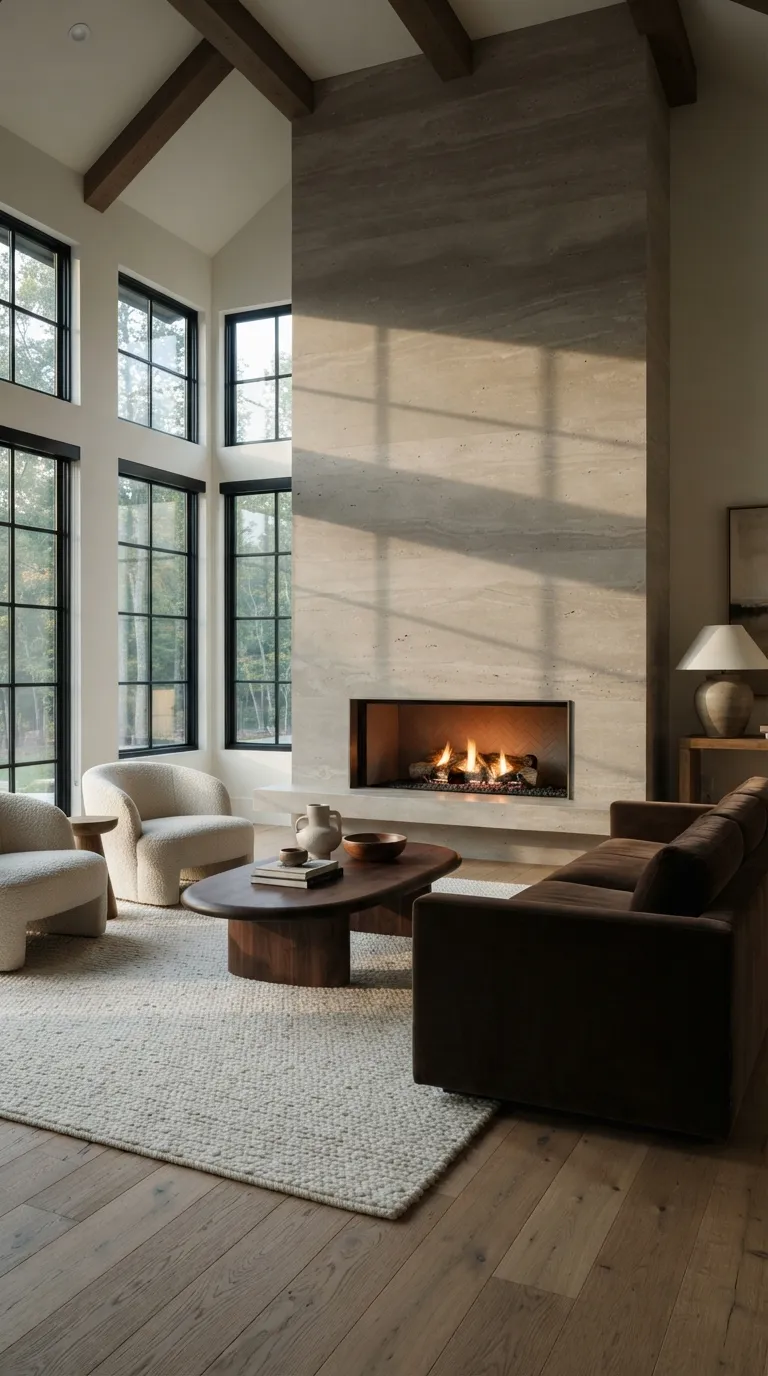
A strong fireplace can anchor an entire living area. Full-height stone, plaster, brick, or dark wood surrounds give the wall architectural weight while creating a natural gathering point for furniture.
Keep the mantel styling restrained when the surround already has visual strength. One large vessel or a small group of ceramics may be enough. Place seating toward the fireplace rather than pushing every piece against the walls.
Quiet Luxury Bedrooms With Hotel-Like Comfort
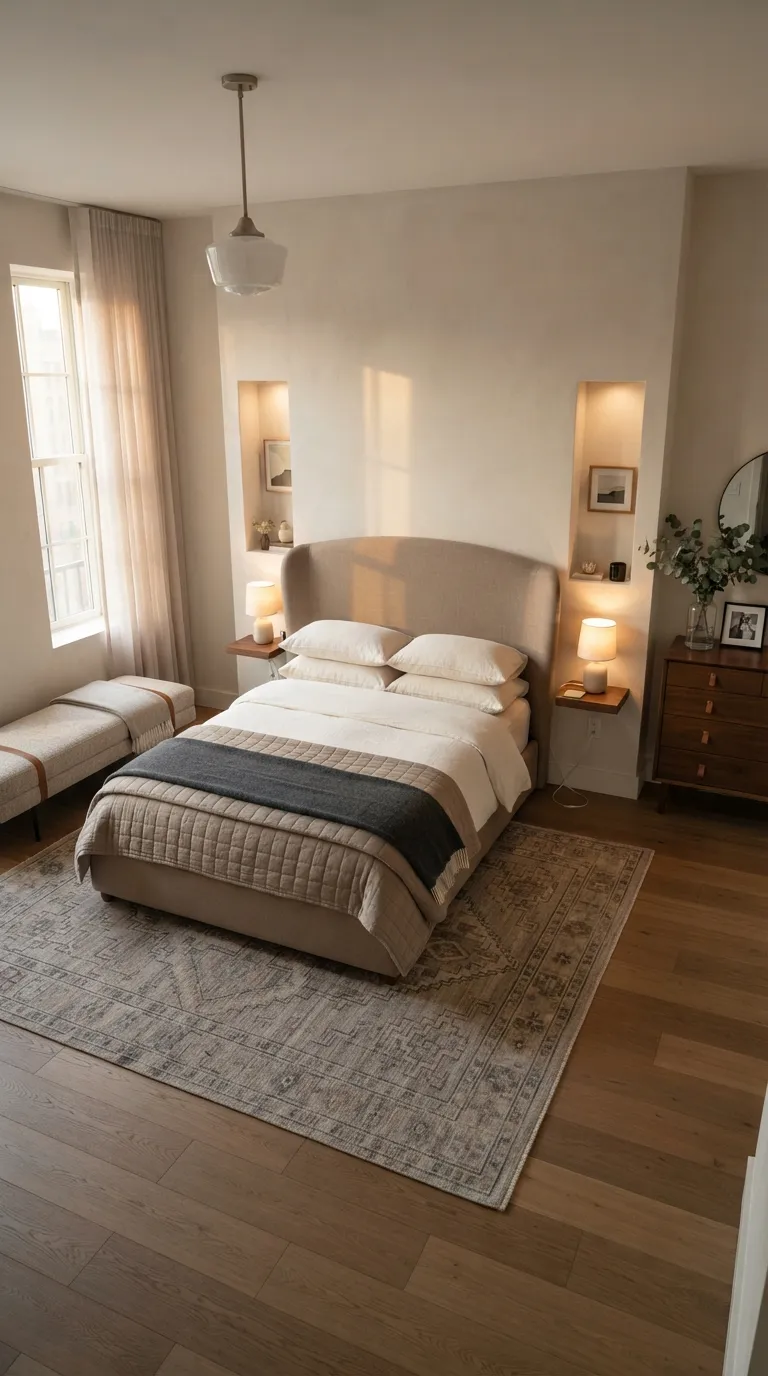
A luxury bedroom should feel comfortable before it looks polished. Layered bedding, a substantial upholstered headboard, soft rugs, quality window treatments, and warm bedside lighting create that restful hotel-inspired feel.
Choose fewer pieces and give them breathing room. A well-made bed, one useful bench, and simple nightstands can feel more refined than a room crowded with accessories. Keep colors close in tone so the space feels peaceful at night.
Plaster Walls With Handmade Texture
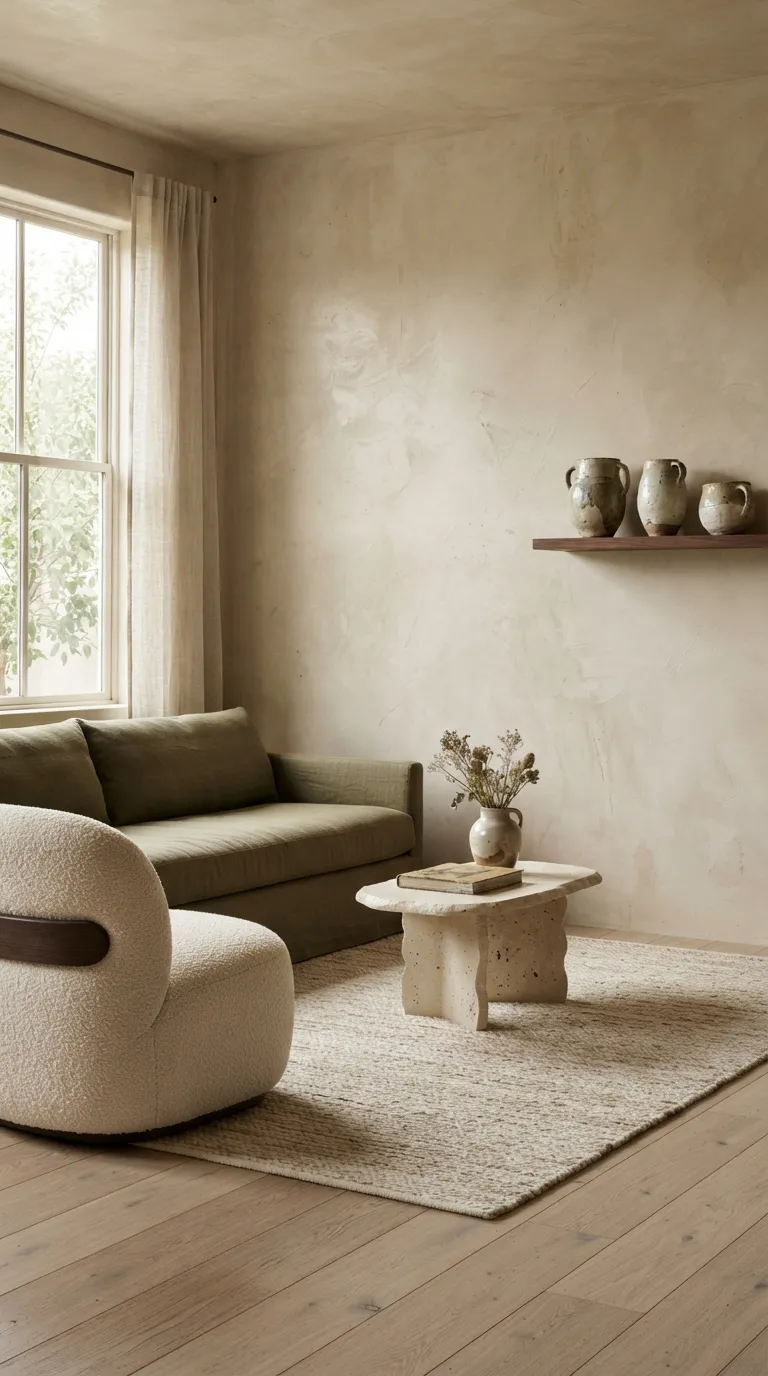
Plaster walls bring gentle texture to spaces that might otherwise feel flat. Limewash, Venetian plaster, and other hand-finished surfaces can create depth without adding wallpaper patterns or busy artwork.
Use this treatment where you want the wall itself to feel special. A bedroom, dining room, hallway, or fireplace surround can benefit from a softly textured finish. Keep nearby furniture simple to let the natural variation show.
Custom Millwork That Fits the Room
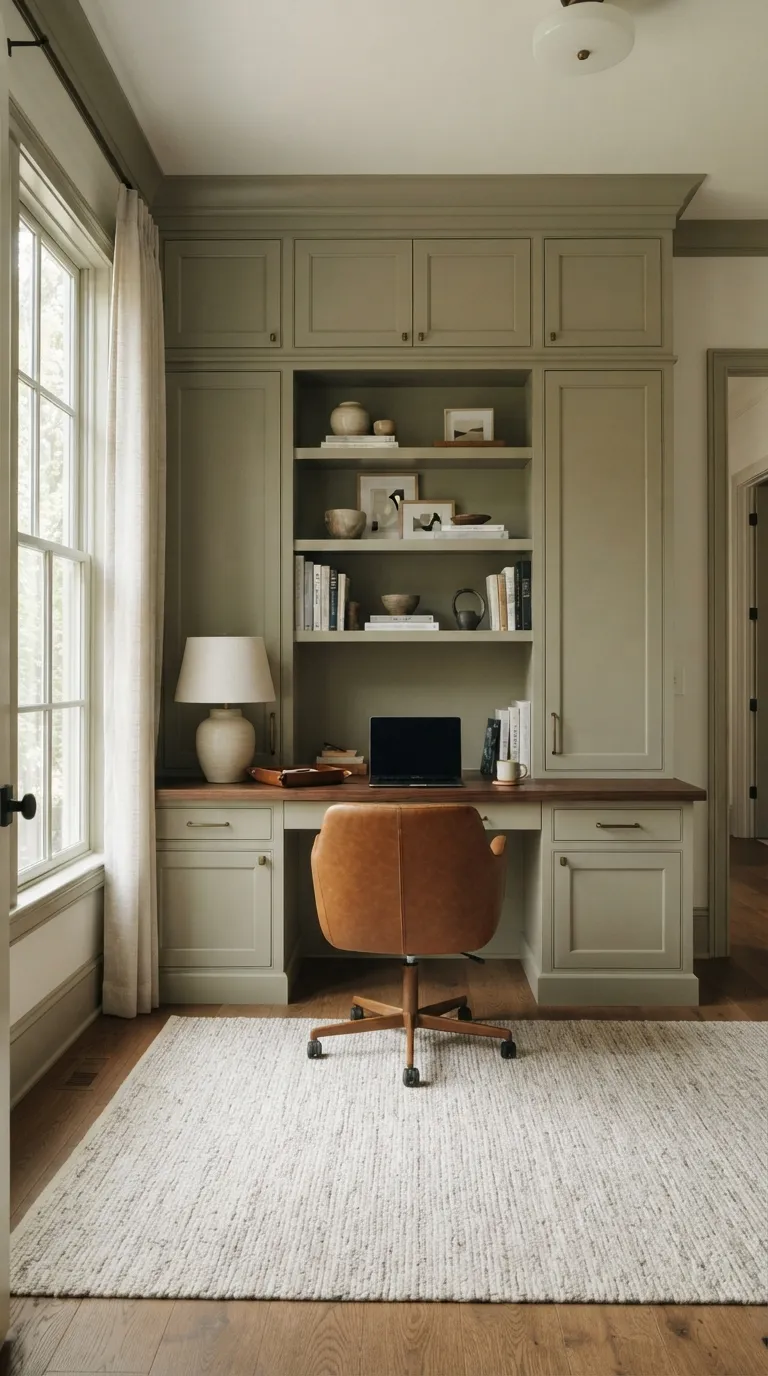
Custom millwork gives a home a tailored appearance because it uses every inch with purpose. Built-in desks, bookshelves, wardrobes, banquettes, and storage walls can make awkward areas feel intentional.
The best designs balance display space with closed storage. Put everyday items behind doors and reserve open niches for pieces you genuinely enjoy seeing. Even one custom wall can give a room the character of a carefully planned luxury interior.
Oversized Art as a Focal Point
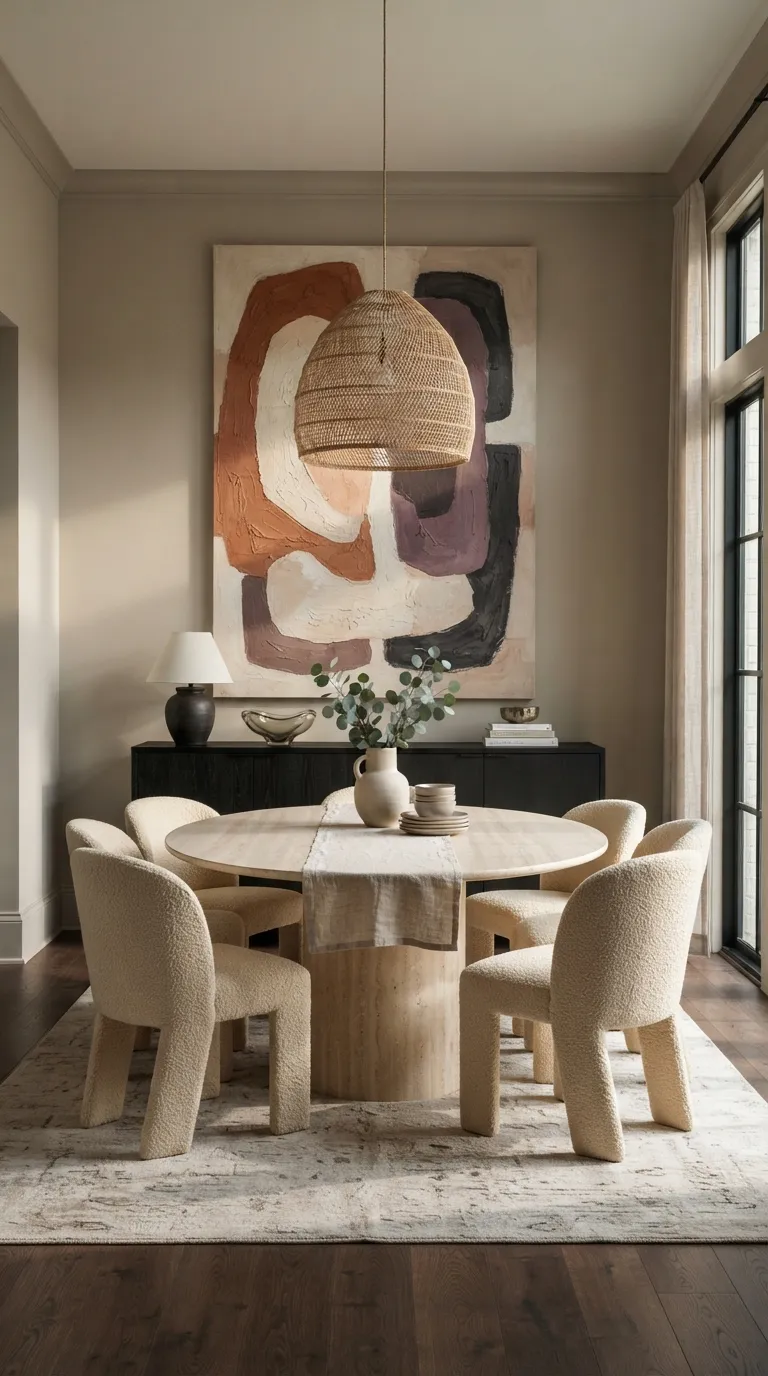
One large artwork can give a room a finished look without filling every wall. Choose a piece with colors that connect to the furniture, flooring, or nearby accessories. The goal isn’t to match everything, but to create a visual thread through the space.
Hang the artwork where it can command attention. A dining room sideboard, living room fireplace, bedroom headboard wall, or stair landing can provide the right setting. Leave enough empty wall around it so the piece doesn’t compete with smaller decorations.
Indoor-Outdoor Living With Seamless Transitions
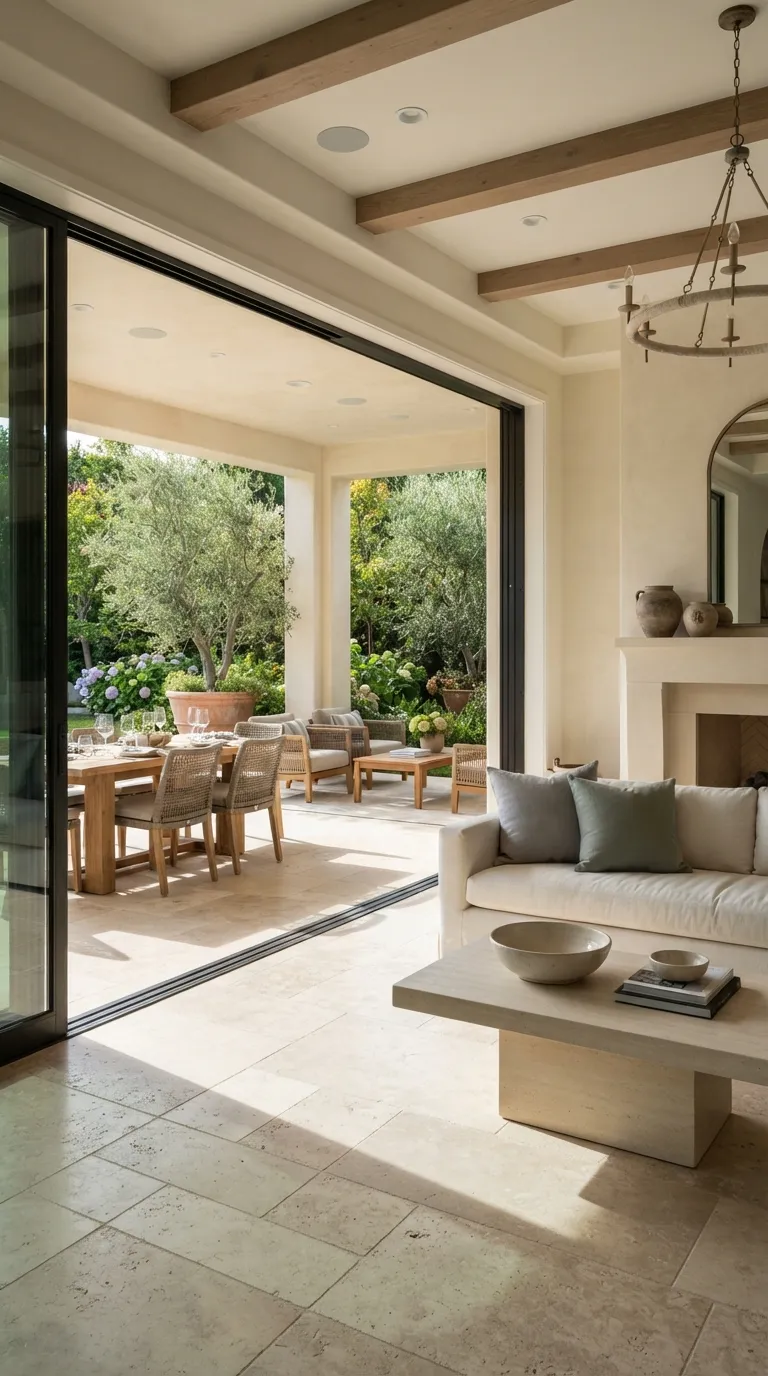
Indoor-outdoor living makes a home feel larger without adding another enclosed room. Large glass doors, matching flooring, and coordinated furniture can connect a living room with a terrace, patio, or garden.
Carry a few materials from one zone to the next. Stone flooring, similar wood tones, and related fabrics create a smooth visual link. Add weather-ready seating outside so the outdoor area feels like a true extension of the home.
Warm Metallic Mixes Instead of Matching Finishes
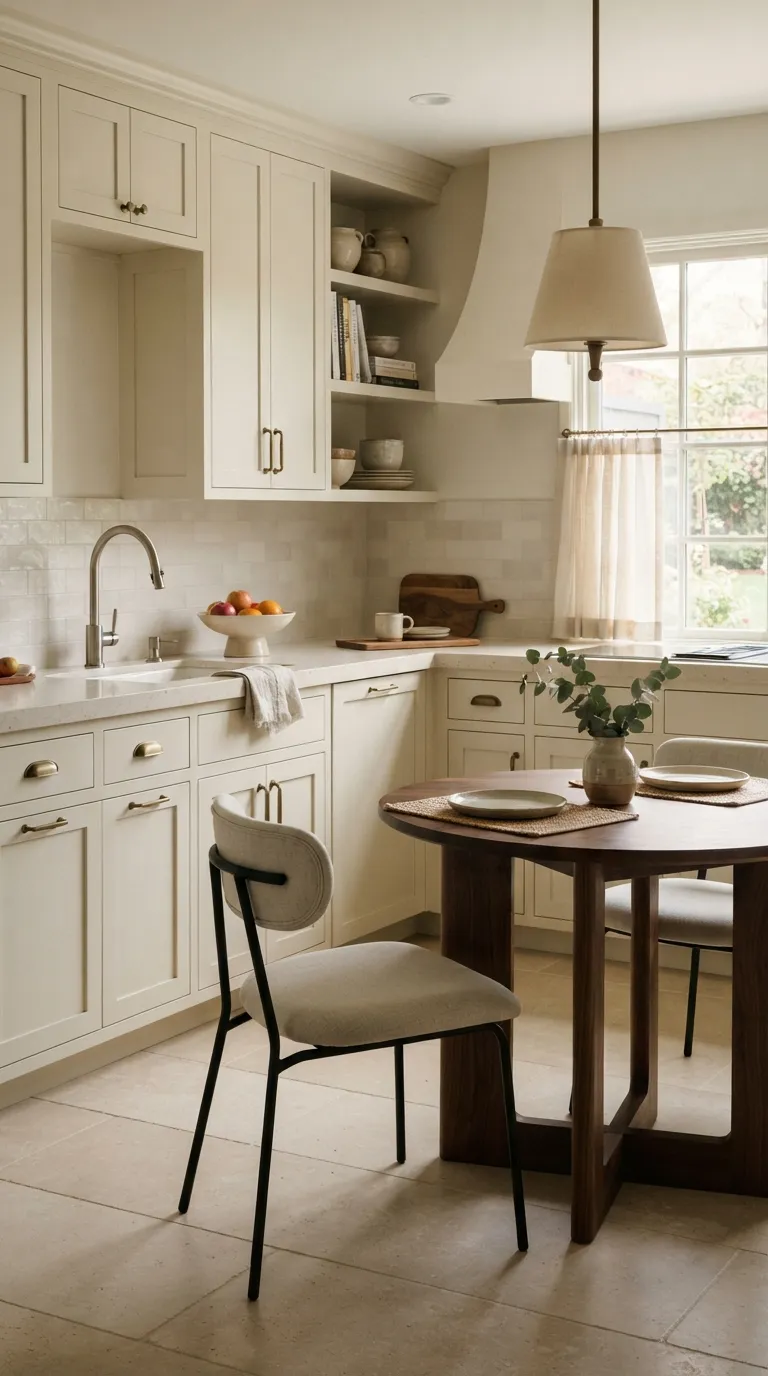
Matching every metal finish isn’t required for a polished room. Brass, bronze, nickel, and blackened metal can work together when each finish has a clear role. The result feels collected rather than overly coordinated.
Choose one finish as your main player and use the others in smaller doses. For example, brass can lead on cabinet hardware while nickel handles the faucet and bronze appears in lighting. Repeating each finish at least once helps the mix feel intentional.
Organic Shapes Inspired by Nature
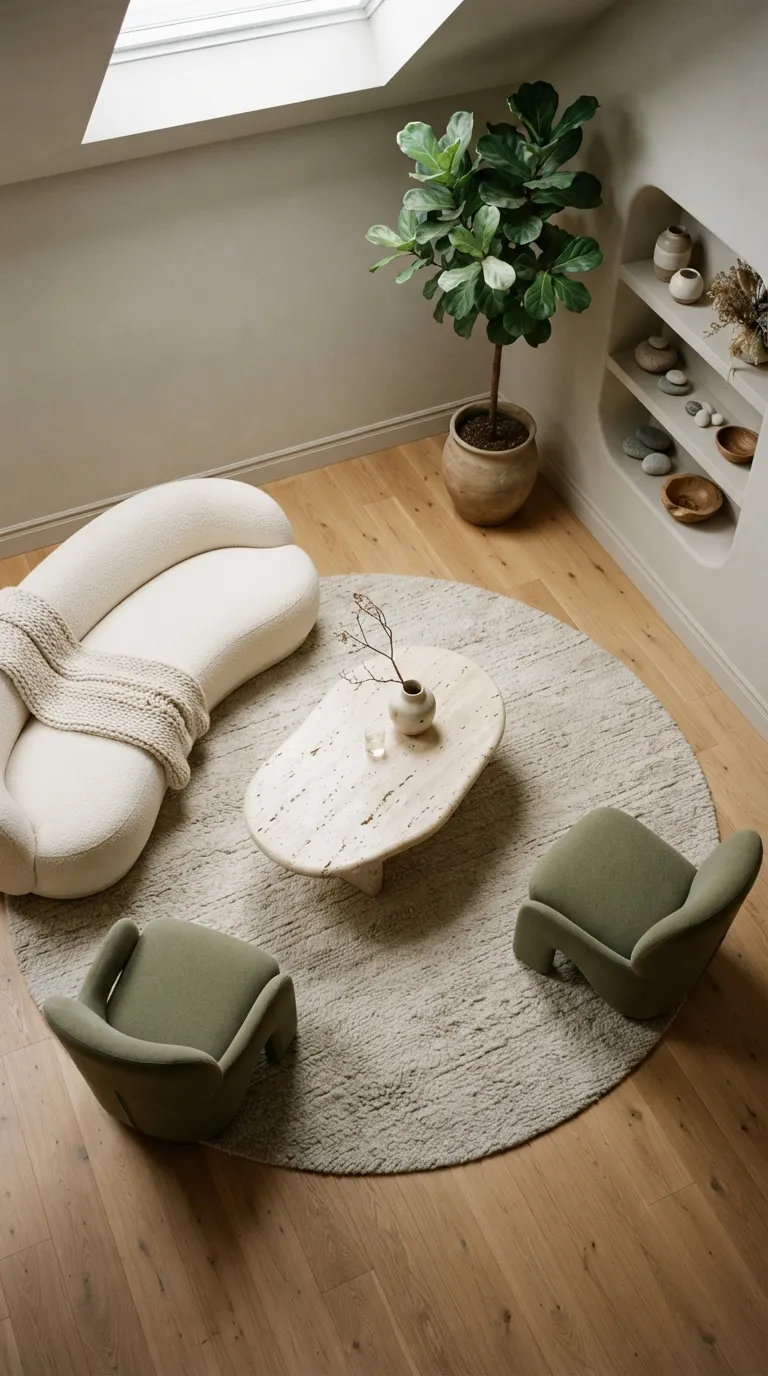
Nature-inspired shapes bring a relaxed quality to modern interiors. Irregular tables, rounded rugs, curved shelves, arched openings, and softly shaped chairs can make a room feel less rigid.
Look beyond furniture when using this idea. Organic ceramics, natural stone, indoor trees, woven baskets, and earthy colors can support the same design language. A few rounded forms are usually enough to soften a room filled with straight architectural lines.
Monochromatic Rooms With Subtle Contrast
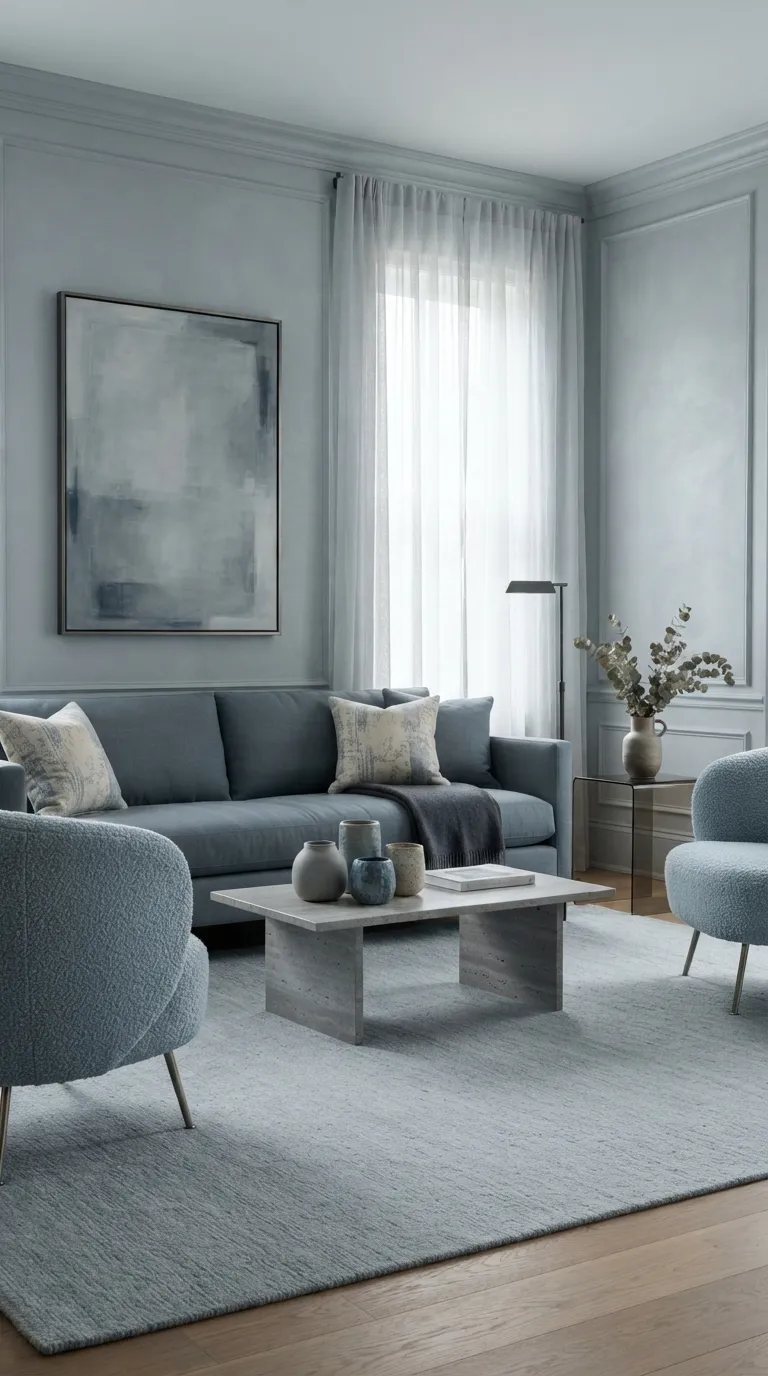
A monochromatic room can feel rich when you layer several tones of the same color. Instead of matching every item exactly, move from pale walls to deeper upholstery and slightly darker accessories. This creates depth while keeping the space visually calm.
Try this method with colors such as warm beige, soft green, dusty blue, or earthy brown. Change texture as you move through the room, using linen, wool, stone, wood, or glass to keep similar colors from looking flat.
Private Outdoor Rooms With Resort Comfort
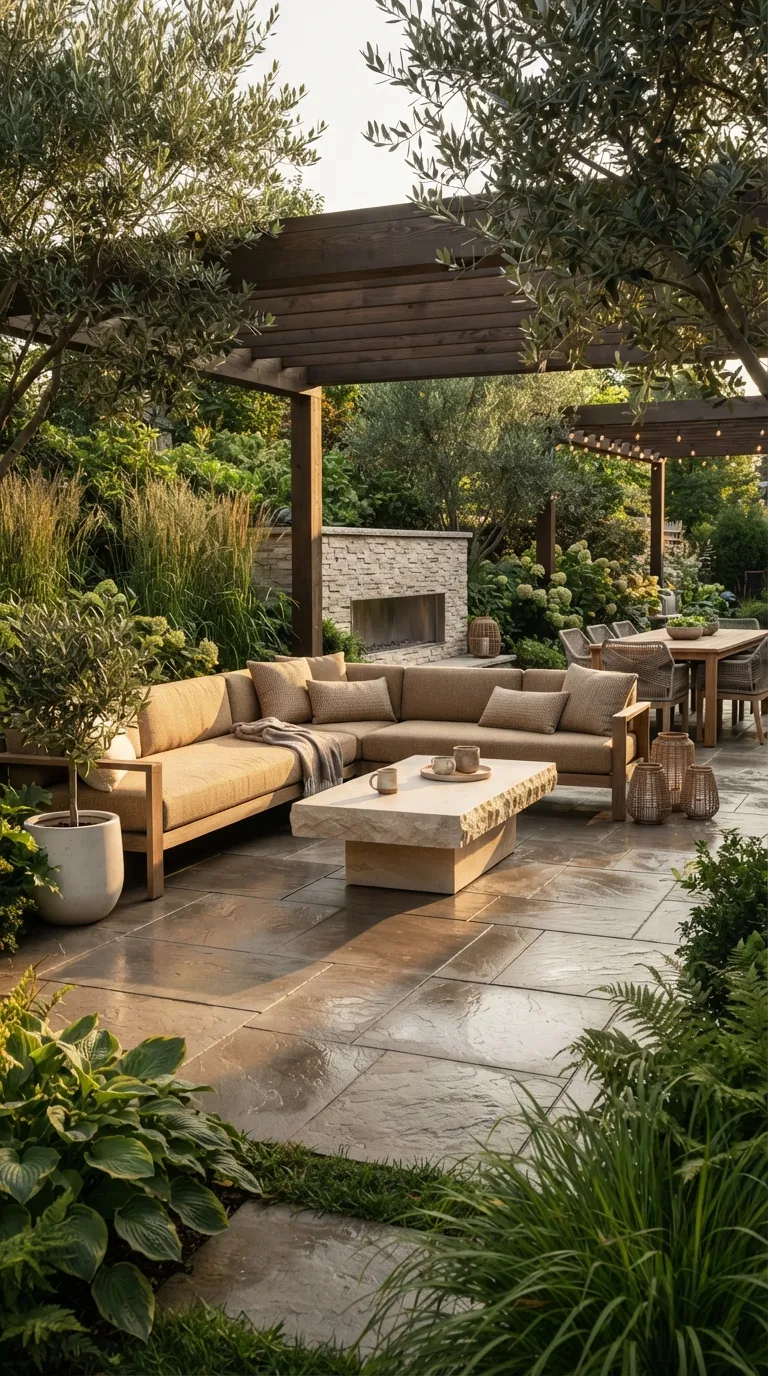
Outdoor areas now deserve the same planning as interior rooms. A covered patio with comfortable seating, stone surfaces, an outdoor fireplace, and layered planting can become a natural place for meals and quiet evenings.
Choose outdoor furniture for both comfort and durability. Performance fabrics, teak, powder-coated metal, and weather-ready stone can handle regular use while keeping the setting polished. Add privacy through plants, screens, or a pergola so the space feels more like a room than an exposed patio.
In the End
The strongest luxury home design trends aren’t about copying an entire showroom. They’re about choosing details that suit the way you live, then giving those details enough space to stand out. Natural materials, layered lighting, tailored storage, sculptural furniture, and comfortable outdoor areas can work together without making your home feel formal.
Start with one room and one clear idea. You might replace a dated light fixture, add a stone accent, introduce warmer wood, or create a more comfortable outdoor seating area. Once that change feels right, build around it with textures and finishes that support the same mood.
Emma Williams
Emma Williams is an interior design expert and decor editor at Lady Home Decor. She specializes in modern, cozy, and functional home styling, helping readers discover inspiring decorating ideas that are easy to recreate. Her work focuses on timeless design, practical solutions, and the latest home decor trends.