25 Stunning Colorful Minimalist Bedroom Ideas That Feel Bright
Introduction
Your bedroom should feel like a breath of fresh air calm, bright, and full of personality. A colorful minimalist bedroom is the perfect way to achieve that balance without clutter or overwhelm.
If your space feels too plain or lacks energy, you’re not alone. Many people struggle to add color without making their room feel busy or chaotic. That’s exactly where these ideas come in. This guide shares simple, creative ways to bring life into your bedroom while keeping it clean and relaxing.
In my experience, the key is not adding more, but choosing better. I’ve noticed that even one small color change like a painted accent or soft textile can completely shift the mood of a room. These ideas are designed to be practical, flexible, and easy to try, whether you’re updating a small corner or refreshing your entire space. Get ready to create a room that feels both inspiring and effortlessly calm.
1. Color Block Wall
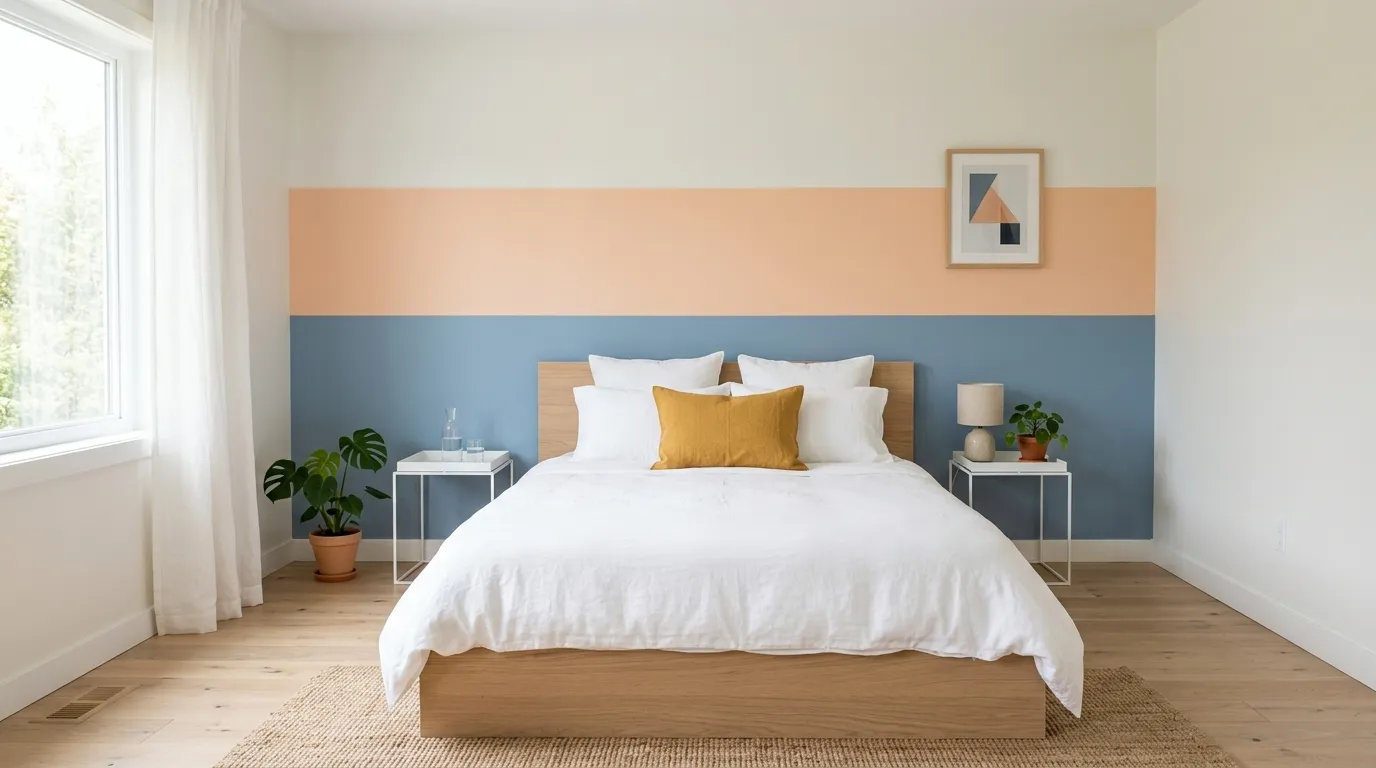
A simple wall can completely transform the feel of your space when you introduce clean, intentional color blocks. Instead of overwhelming the room, this approach adds just enough visual interest while keeping everything airy and uncluttered. In my experience, using two or three soft tones works best because it keeps the design cohesive and easy on the eyes. The structured shapes also make the room feel more organized, which is key in any colorful minimalist bedroom setup.
What makes this idea so effective is how effortlessly it blends creativity with simplicity. You don’t need extra furniture or decor to make an impact because the wall itself becomes the statement. I’ve noticed that even rented spaces can benefit from this using removable paint or panels. The result is a fresh, modern look that feels intentional and stylish without losing that calm, breathable atmosphere people want in a restful sleeping space.
2. Pastel Bedding Layers
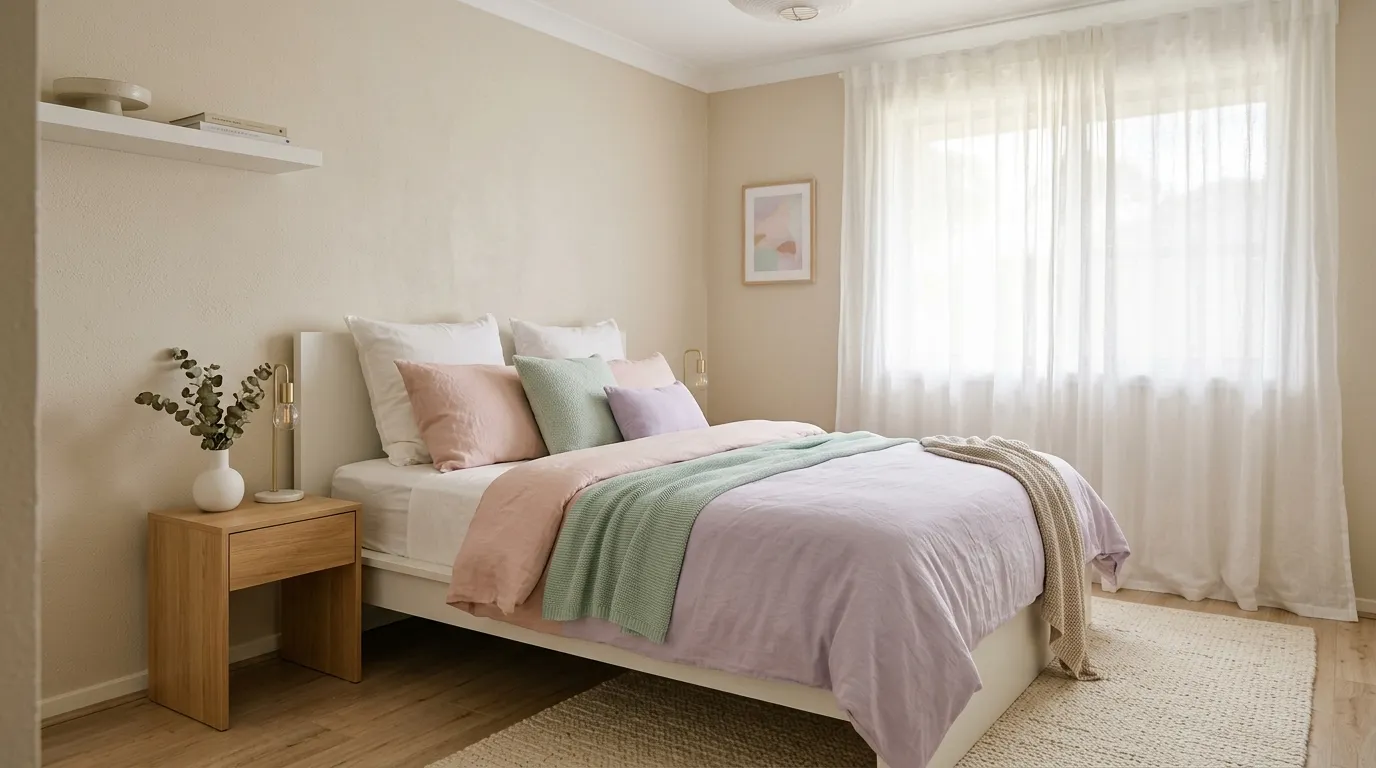
Layering soft pastel tones through bedding is one of the easiest ways to introduce color while keeping a light, minimalist feel. Instead of relying on bold contrasts, these gentle shades create a soothing environment that still feels visually interesting. I’ve tried this approach in smaller rooms, and it instantly made the space feel more open and inviting. The trick is to stick to a limited palette so everything blends naturally without looking busy or mismatched.
This idea works especially well because bedding is both functional and decorative. You’re not adding extra items, just upgrading what’s already there. That’s why many designers recommend focusing on textiles when building a balanced and colorful minimalist bedroom. The layers add depth and comfort while still maintaining a clean look. Over time, you can easily switch colors or textures to refresh the space without a full redesign, making it practical and stylish.
3. Single Bold Accent
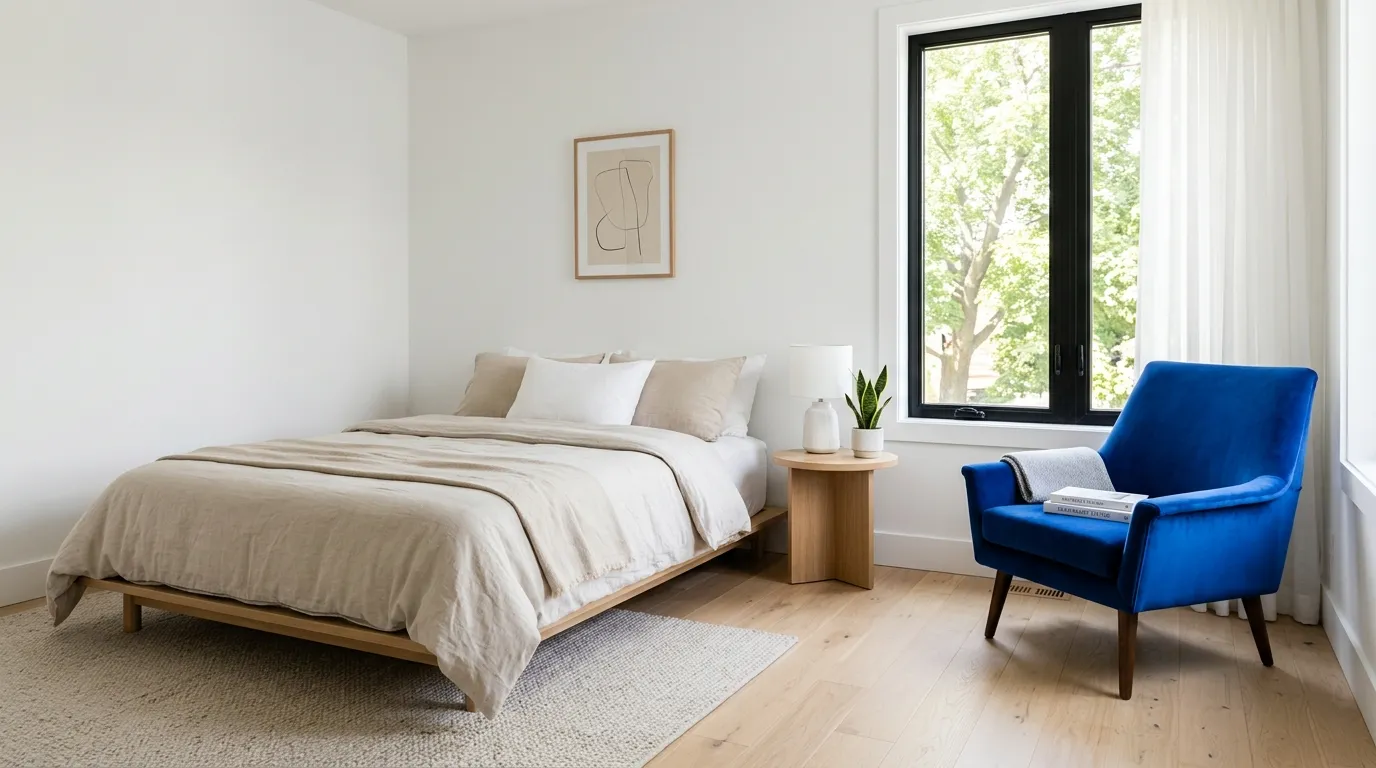
Sometimes, all a room needs is one standout piece to feel complete and visually engaging. A single bold accent, like a chair or artwork, draws attention without overwhelming the space. I’ve seen this work incredibly well in homes where people want color but are afraid of going too far. By limiting the color to one key element, the room stays calm while still feeling expressive and unique.
This approach is powerful because it creates balance between simplicity and personality. Instead of spreading color everywhere, you give it a purpose and a place to shine. I’ve noticed that this technique often makes a room look more expensive and thoughtfully designed. It’s also incredibly flexible, since you can swap out the accent piece anytime for a quick refresh while keeping the overall layout clean and minimal.
4. Two-Tone Curtains
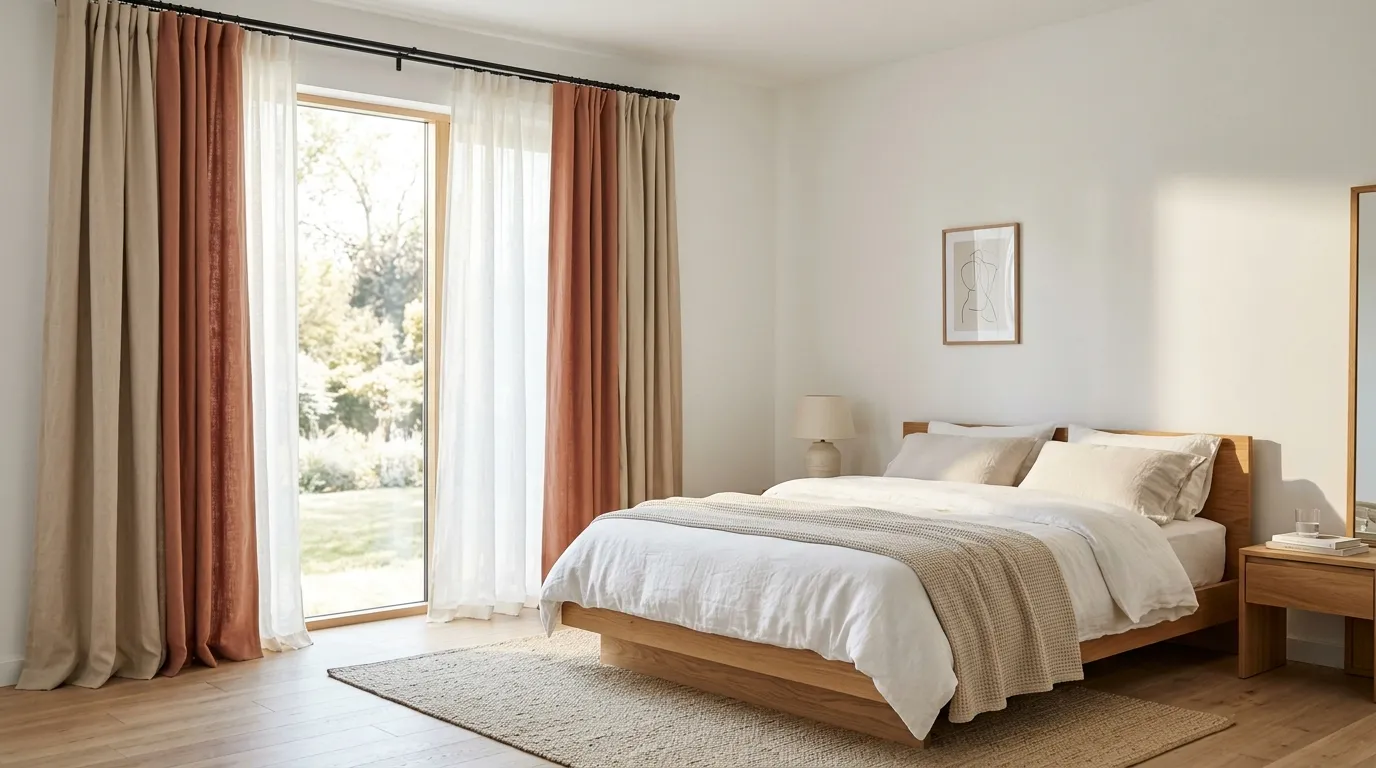
Curtains are often overlooked, but they can quietly shape the entire mood of a bedroom. Choosing a two-tone design introduces color in a way that feels soft and balanced rather than overwhelming. I’ve noticed this works especially well in rooms with lots of natural light, where the fabric gently filters brightness and adds depth. The vertical flow also makes the ceiling feel higher, which is a bonus for smaller spaces trying to feel more open and breathable.
What makes this idea practical is how seamlessly it blends function with style. You’re not adding extra decor, just upgrading something essential. That’s why many designers recommend focusing on larger fabric elements when building a colorful minimalist bedroom. The layered tones create interest without noise, helping the room feel thoughtfully styled while still calm. Over time, switching curtain colors can completely refresh the look without major changes.
5. Colorful Floating Shelves
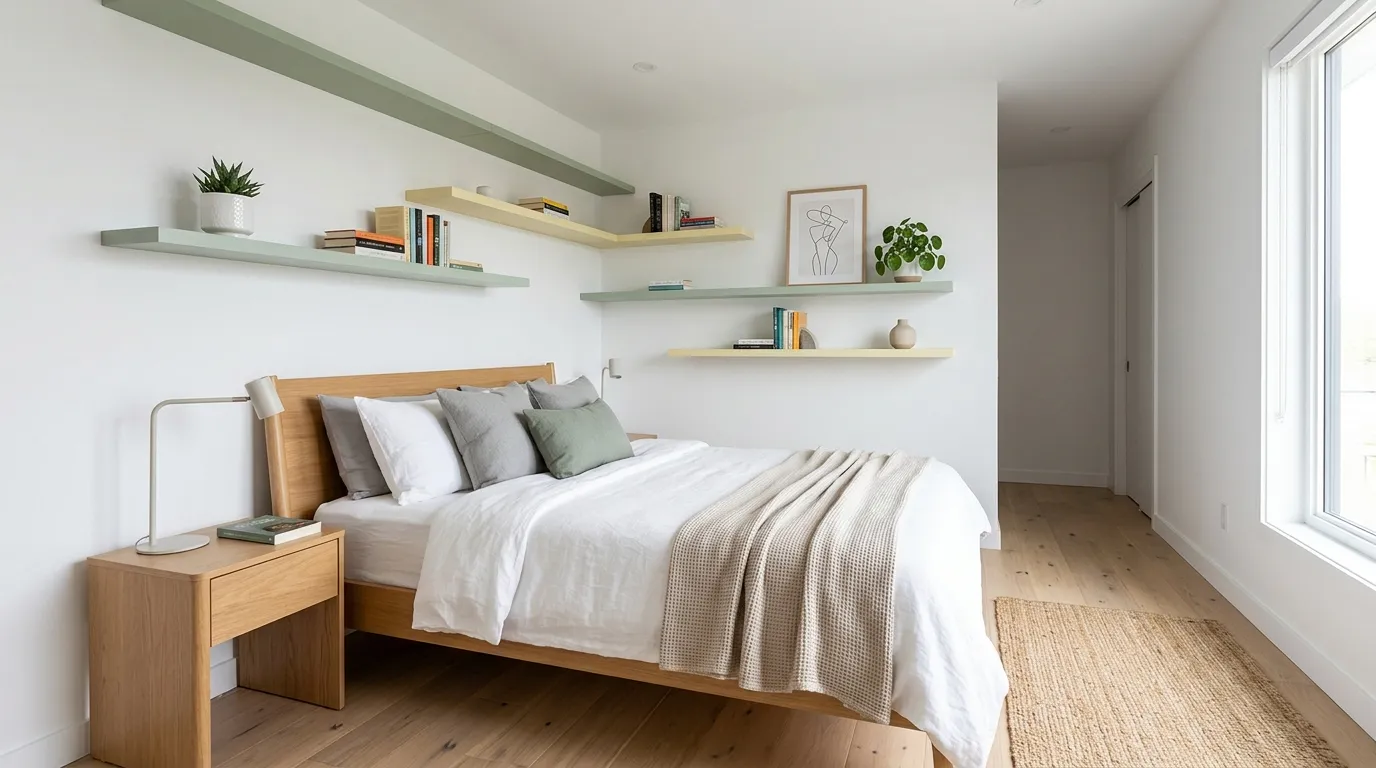
Floating shelves bring both function and personality into a bedroom without making it feel crowded. By adding soft color to the shelves themselves, you create subtle focal points that guide the eye naturally around the room. In my experience, this works best when you limit the number of items displayed, allowing each piece to stand out. The clean lines of floating shelves also maintain that open, minimalist feel while still offering practical storage.
This idea is especially useful for people who want to personalize their space without overdecorating. I’ve seen it work well in compact rooms where every inch matters, as it frees up valuable floor space. The added color helps break up plain walls without the need for large artwork. When styled thoughtfully, these shelves can make the room feel curated and intentional while still keeping everything light, simple, and easy to maintain.
6. Soft Gradient Wall
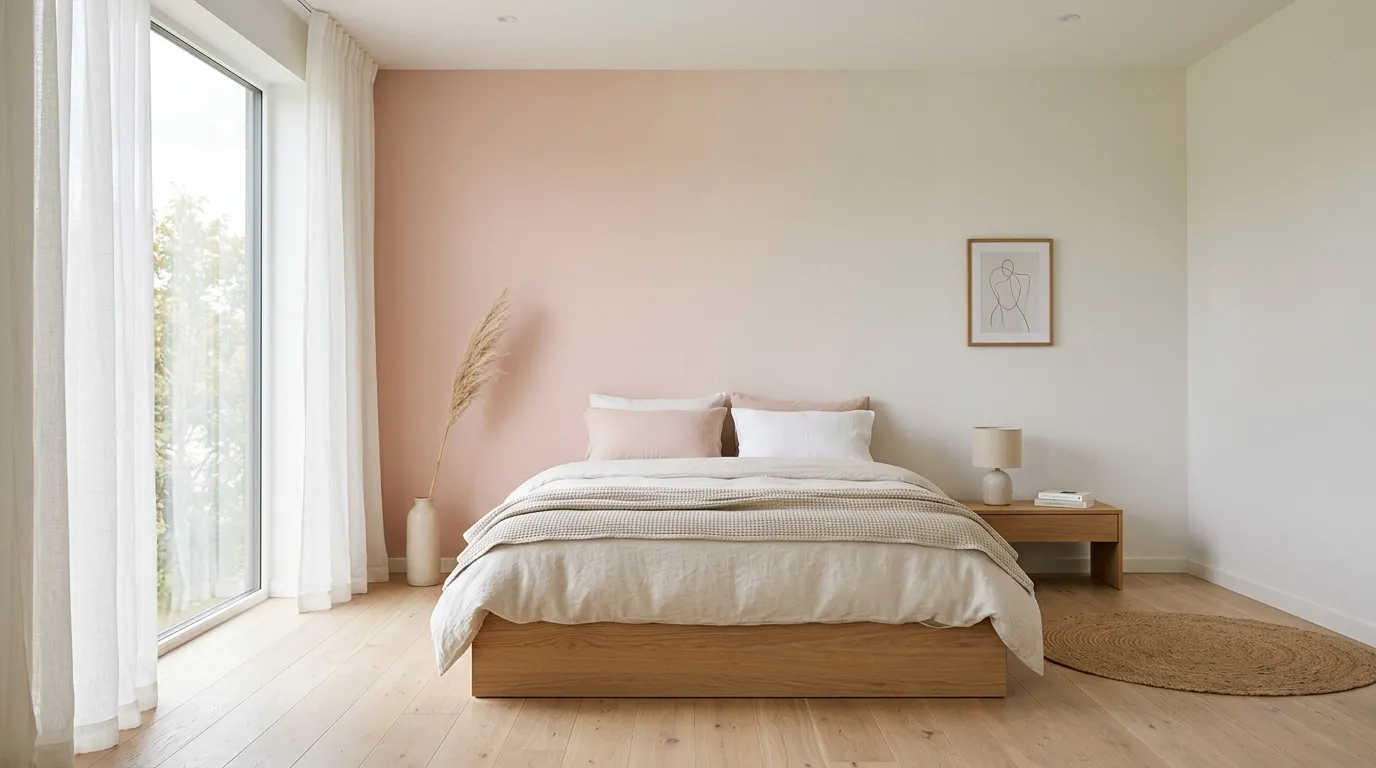
A gradient wall brings a gentle flow of color that feels natural and soothing rather than bold or distracting. Instead of sharp lines, the colors blend seamlessly, creating a soft visual movement that enhances the entire room. I’ve tried this approach in spaces that felt too plain, and it instantly added depth without losing simplicity. The gradual transition also helps the room feel more open, which is perfect for maintaining a minimalist vibe.
What makes this idea stand out is its ability to add artistic detail without clutter. You don’t need extra decor because the wall itself becomes a subtle centerpiece. I’ve noticed that pairing a gradient wall with neutral furniture creates the perfect balance between color and calmness. This approach works especially well in bedrooms where relaxation is the goal, offering a peaceful yet visually interesting environment that still feels clean and modern.
7. Bright Area Rug
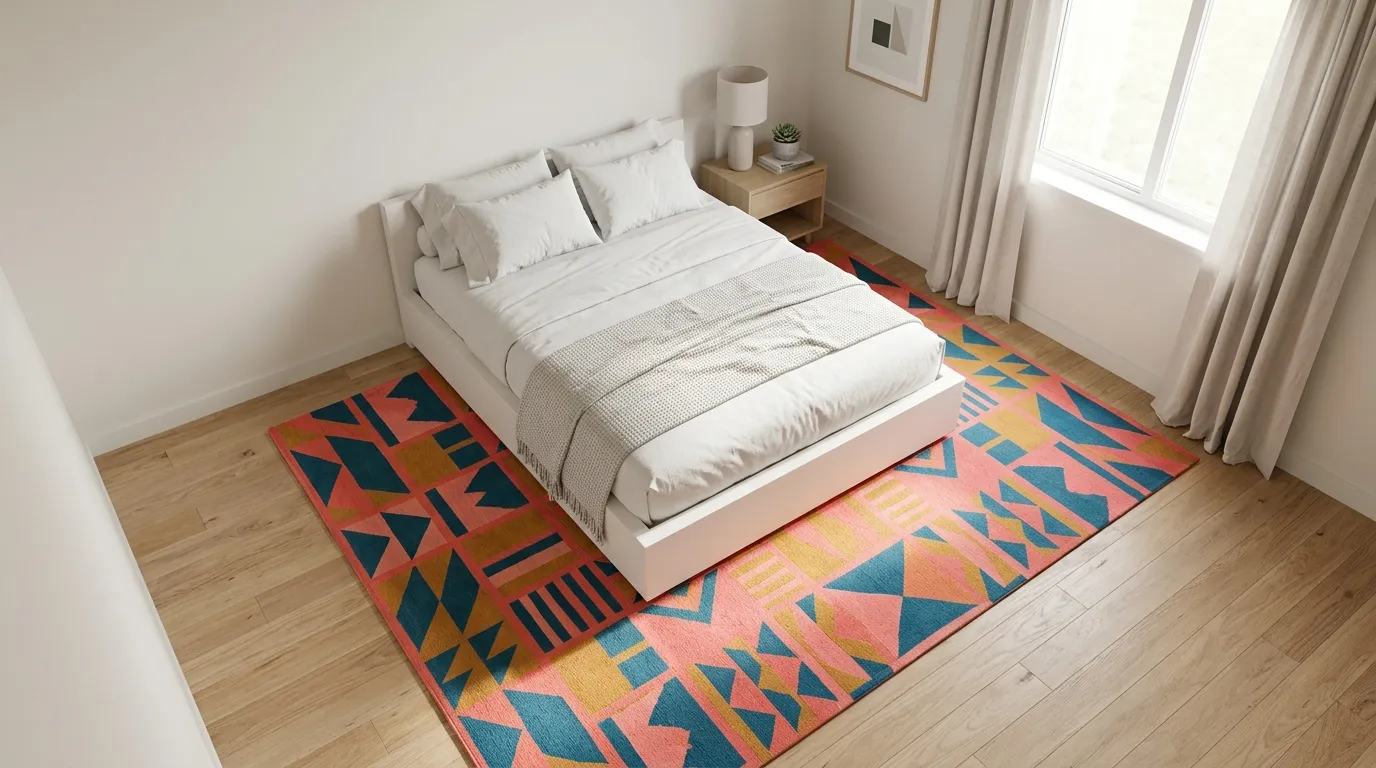
A bright area rug is one of the easiest ways to energize a calm bedroom without disrupting its simplicity. It grounds the space while adding a layer of color and texture that feels intentional rather than overwhelming. I’ve noticed that placing the rug partially under the bed helps anchor everything visually, making the room feel more put together. This small addition can completely shift the mood while keeping the rest of the design clean and uncluttered.
What makes this idea so practical is its flexibility. You can experiment with bold tones or playful patterns without committing to permanent changes. In my experience, rugs are perfect for testing color preferences in a colorful minimalist bedroom because they’re easy to replace. They also add comfort underfoot, which improves everyday living. The result is a space that feels warmer, more inviting, and visually balanced without adding unnecessary elements.
8. Painted Bed Frame
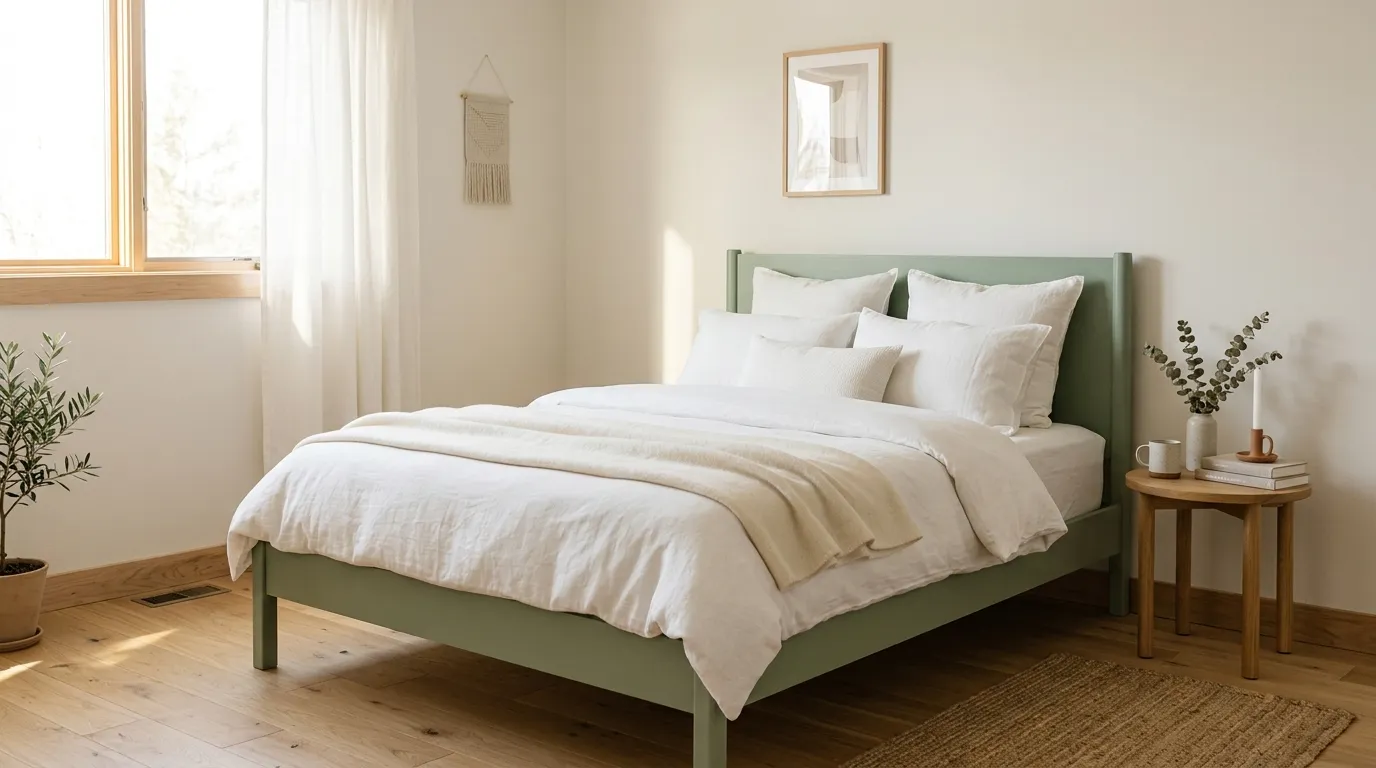
A painted bed frame can quietly transform the entire feel of a bedroom without adding clutter or complexity. Instead of relying on accessories, the bed itself becomes the design feature. I’ve seen this work beautifully in rooms where everything else is kept neutral, allowing the color to stand out in a calm and balanced way. The key is choosing a tone that complements the overall palette while still adding a touch of character.
This approach works because it combines function with design in a seamless way. You’re enhancing something essential rather than introducing new elements. That’s why many designers recommend focusing on core furniture pieces when adding color. In my experience, a soft painted finish keeps the look refined and modern. Over time, it also offers flexibility, since repainting the frame can completely refresh the room without requiring a full redesign.
9. Minimal Art Gallery
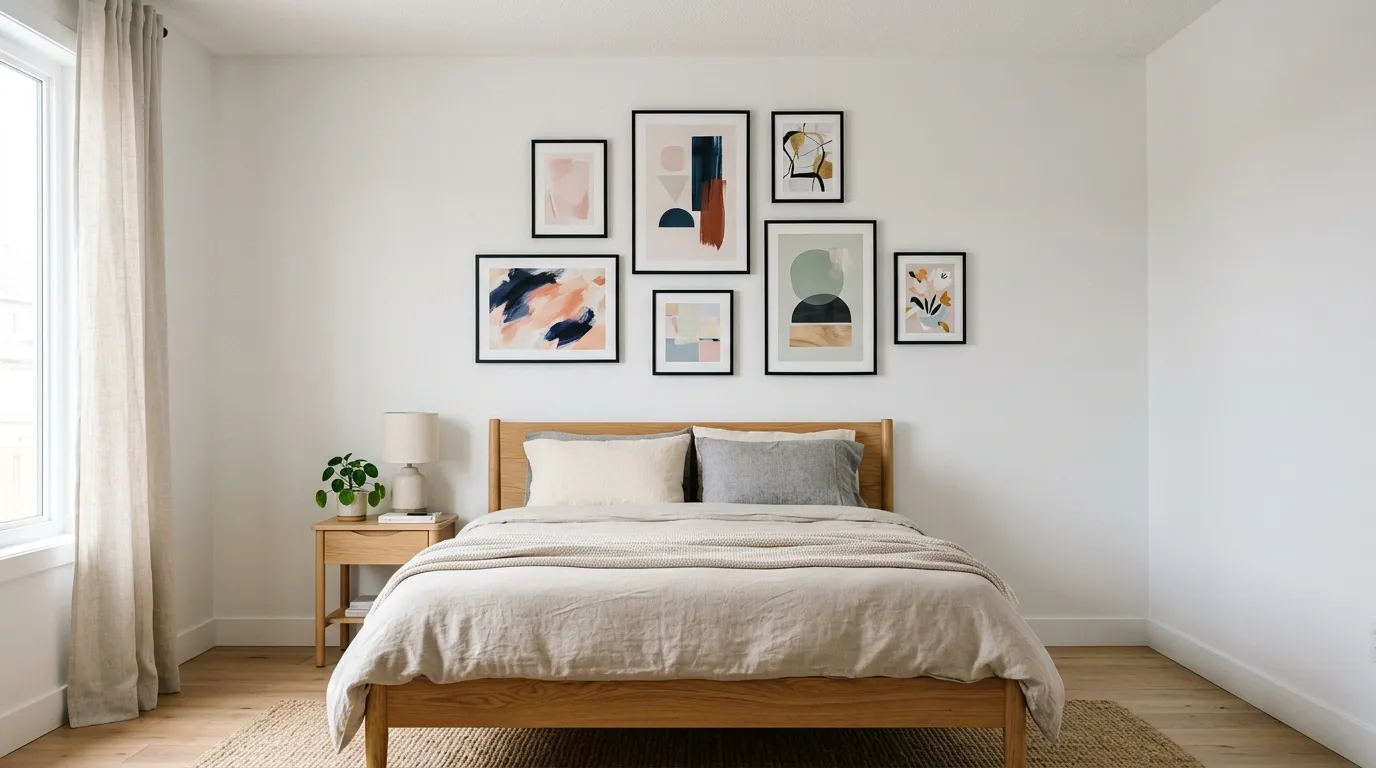
A small, curated gallery wall can bring life to a bedroom while still maintaining a minimalist feel. The key is to keep the arrangement simple and intentional, avoiding overcrowding. I’ve noticed that using a limited color palette within the artwork helps everything feel cohesive and calm. This way, the wall becomes a visual feature without competing with the rest of the room’s design.
What makes this idea effective is its balance between creativity and control. You can express personal style through art while still keeping the space uncluttered. In my experience, sticking to clean frames and consistent spacing makes a big difference in achieving that polished look. This approach works well for anyone wanting a personalized touch, creating a space that feels unique, thoughtful, and visually engaging without losing its simplicity.
10. Colored Nightstand Pop
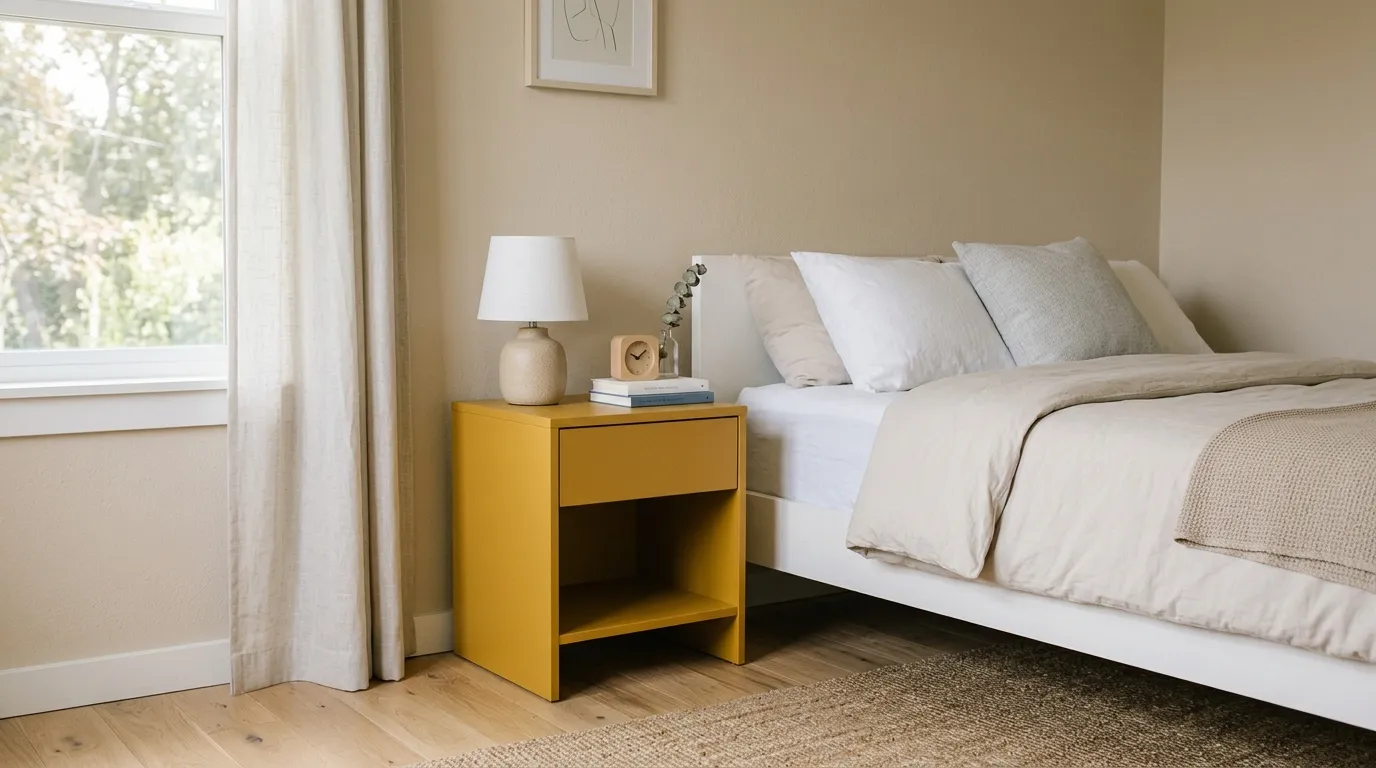
A colorful nightstand is a simple upgrade that can instantly bring personality into a calm bedroom. Instead of spreading color throughout the room, this approach focuses attention on one small but impactful area. I’ve noticed that placing a bold piece next to neutral bedding creates a beautiful contrast without feeling overwhelming. It keeps the space visually interesting while still maintaining a clean and minimal look that feels intentional.
This idea works especially well because it’s flexible and low commitment. You can repaint or replace the nightstand whenever you want a fresh look. In my experience, this is a great way to experiment with color without risking the overall balance of the room. The result is a space that feels modern, thoughtful, and slightly playful, all while staying grounded in simplicity and functionality.
11. Subtle Color Headboard
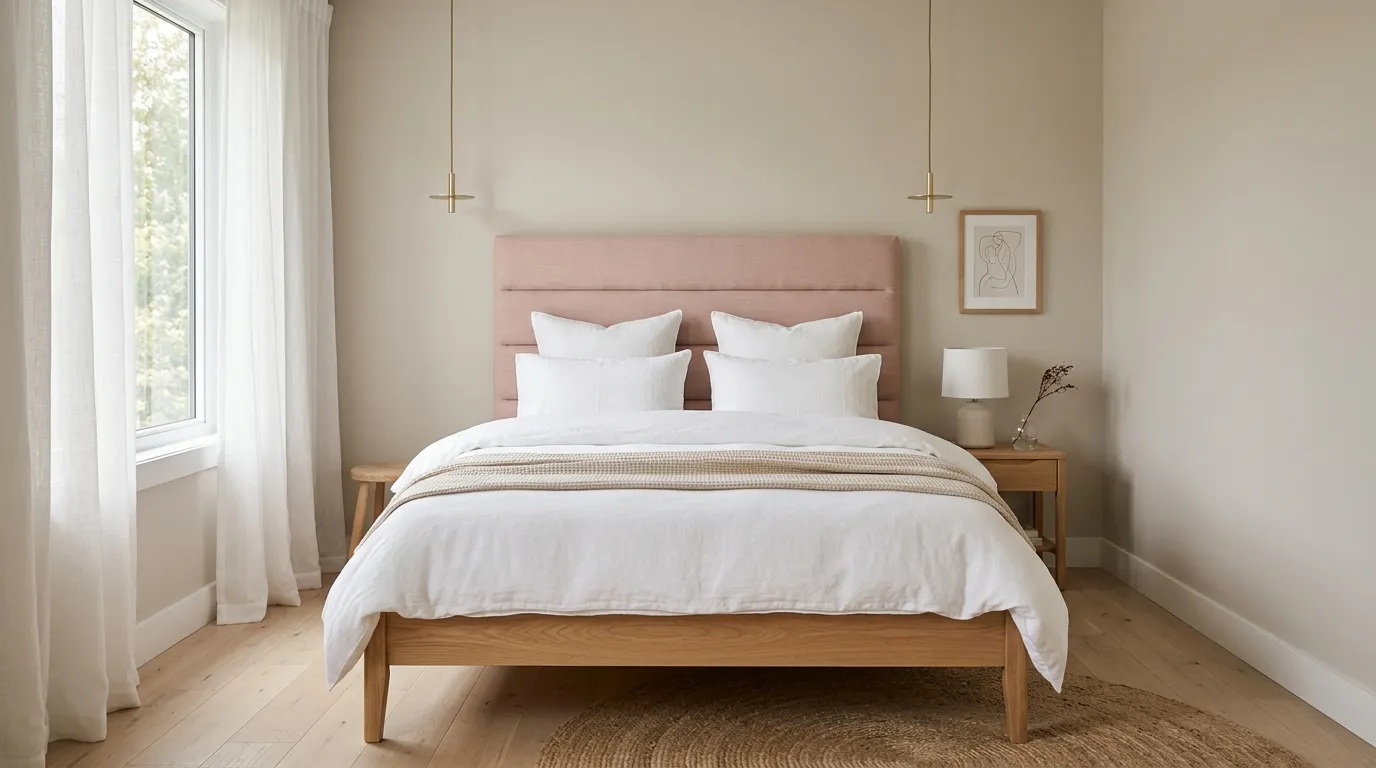
A soft-colored headboard can quietly elevate the entire bedroom without adding extra elements. It draws attention naturally while keeping the space calm and uncluttered. I’ve seen this work especially well in rooms that feel too plain, where a gentle color shift can make everything feel more complete. The upholstered texture also adds a layer of comfort, making the bed feel more inviting and cozy.
What makes this idea effective is its subtlety. You’re adding color in a way that doesn’t compete with the rest of the design. That’s why many designers recommend focusing on large but simple elements like headboards. In my experience, choosing muted tones helps maintain a clean look while still adding personality. The result is a bedroom that feels warm, balanced, and visually refined without losing its minimalist appeal.
12. Colorful Floor Cushion
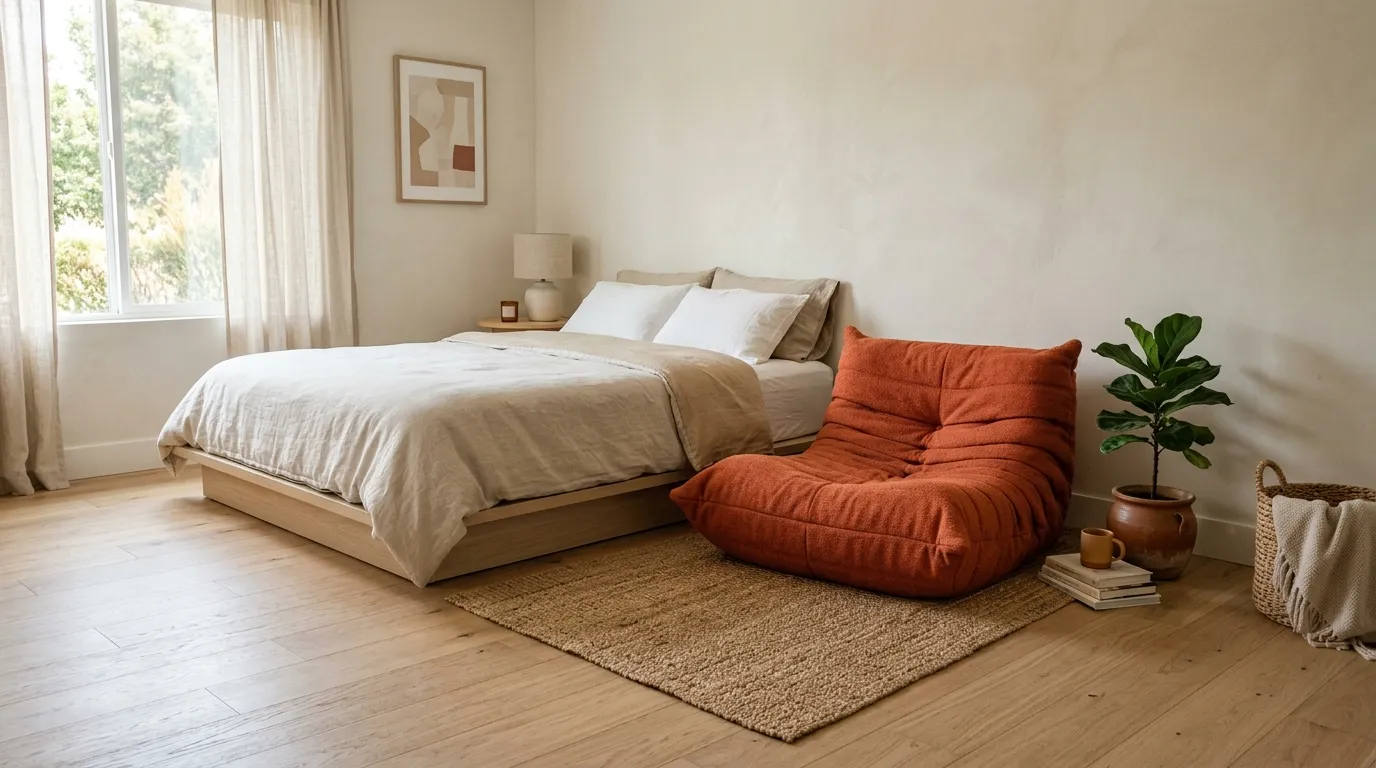
A colorful floor cushion is a simple way to make a bedroom feel more relaxed and inviting without adding heavy furniture. It creates a casual spot for reading or unwinding while introducing a warm pop of color. I’ve noticed that placing it near a window or beside the bed helps define a cozy corner without taking up much space. This keeps the room open and functional while still adding personality.
This idea works well because it blends comfort with simplicity. You’re not overcrowding the room, just enhancing how it’s used. In my experience, soft textures paired with warm tones create a welcoming atmosphere that feels lived-in yet minimal. The cushion can also be moved or replaced easily, making it a flexible design choice. It’s a small addition that brings both visual interest and everyday practicality.
13. Painted Door Accent
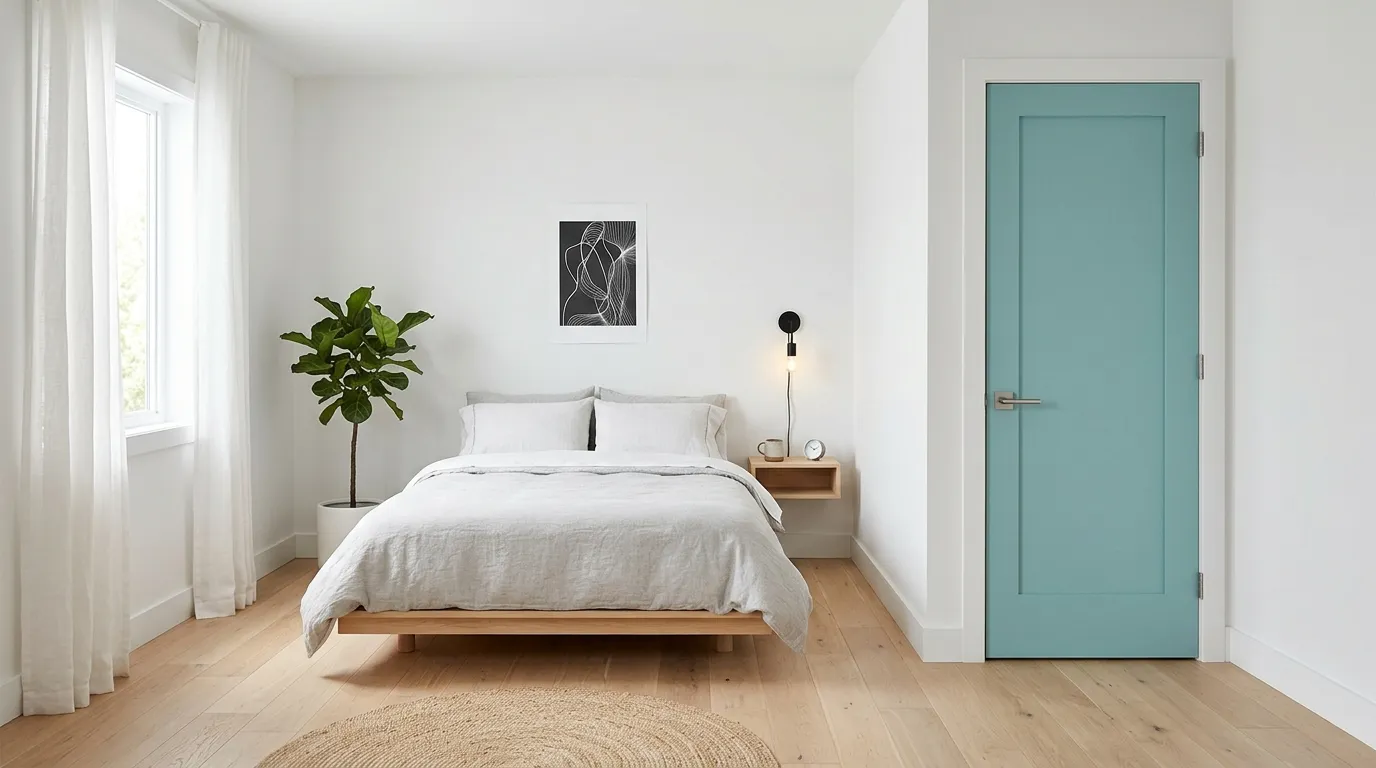
A painted door is one of those small changes that can make a surprisingly big impact in a bedroom. Instead of committing to a full wall transformation, this approach introduces color in a subtle and controlled way. I’ve noticed that doors naturally draw the eye, so adding color here feels intentional without overwhelming the space. It keeps the rest of the room calm while still adding a creative and modern touch.
What makes this idea especially appealing is its simplicity and flexibility. You can experiment with different shades without affecting the entire room design. In my experience, this works well for renters or anyone wanting a quick refresh. The result is a bedroom that feels thoughtfully styled, where even the smallest details contribute to the overall aesthetic without adding clutter or complexity.
14. Soft Color Ceiling
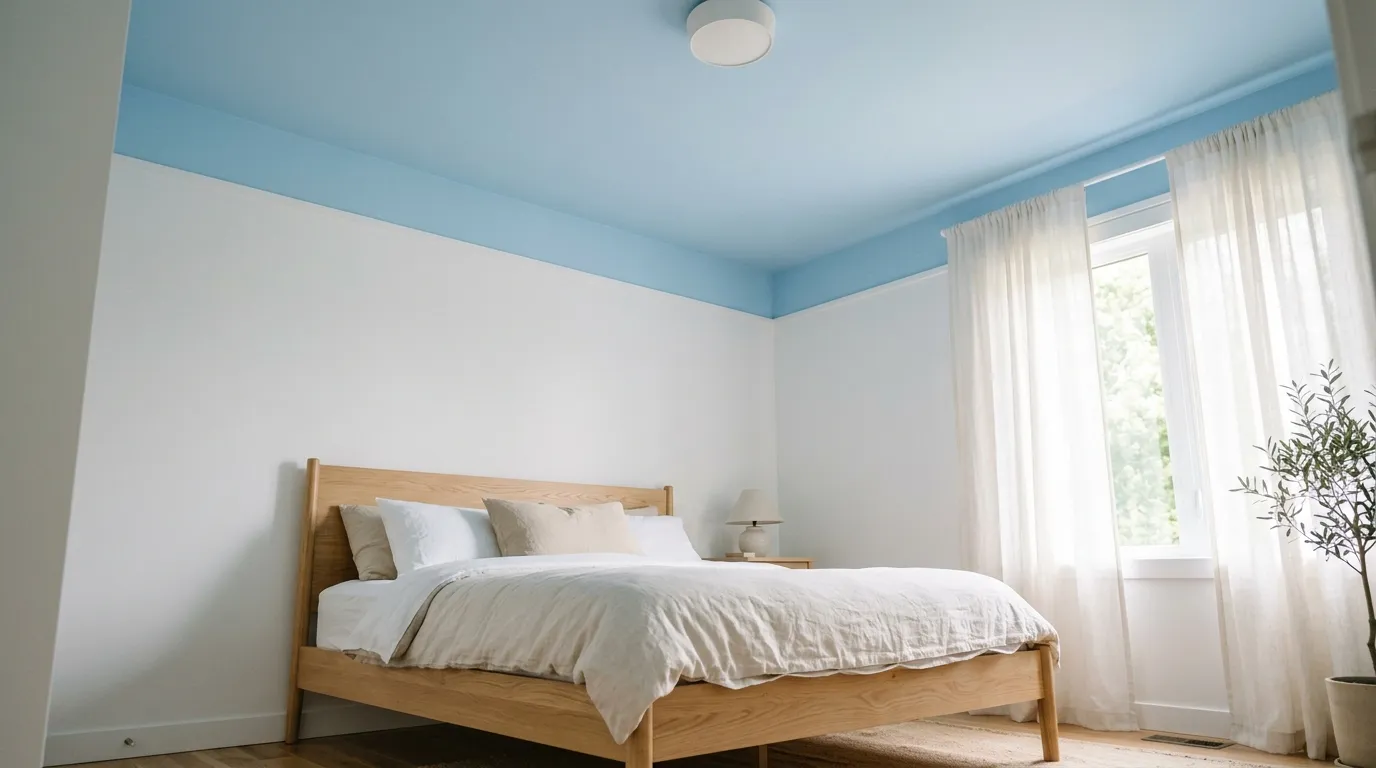
A softly colored ceiling can completely shift how a bedroom feels without changing the main design elements. Instead of focusing on walls or furniture, this approach draws the eye upward, creating a sense of openness and calm. I’ve seen this work especially well in rooms with good natural light, where the ceiling color gently reflects brightness and adds a soft glow throughout the space.
This idea stands out because it adds depth without adding clutter. You’re using an often-overlooked surface to introduce color in a refined way. In my experience, lighter shades work best to maintain that airy and minimalist feel. The result is a space that feels more expansive and thoughtfully designed, offering a subtle twist that still aligns perfectly with a clean and modern bedroom aesthetic.
15. Monochrome Color Scheme
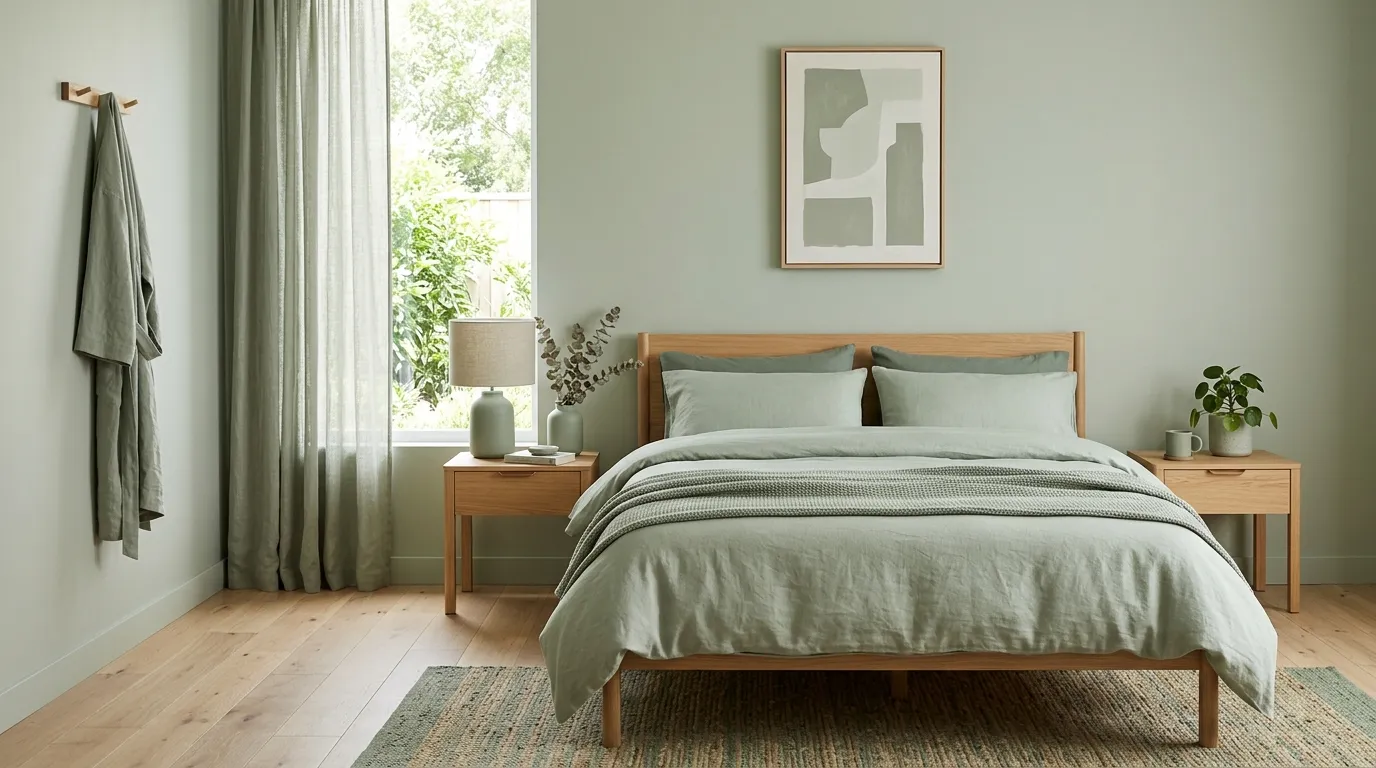
A monochrome palette is a smart way to bring color into a bedroom while keeping everything visually calm and cohesive. By using different shades of the same color, the room feels layered without becoming overwhelming. I’ve noticed this works especially well for people who love color but still want a clean, minimalist environment. The subtle variation adds depth while maintaining a sense of order and simplicity.
What makes this approach effective is its balance between creativity and control. You’re not mixing multiple colors, just exploring one in a thoughtful way. In my experience, this technique makes a space feel more polished and professionally styled. It also simplifies decorating decisions, since everything naturally coordinates. The result is a bedroom that feels soothing, modern, and visually connected without losing its minimalist charm.
16. Colorful Bed Throw
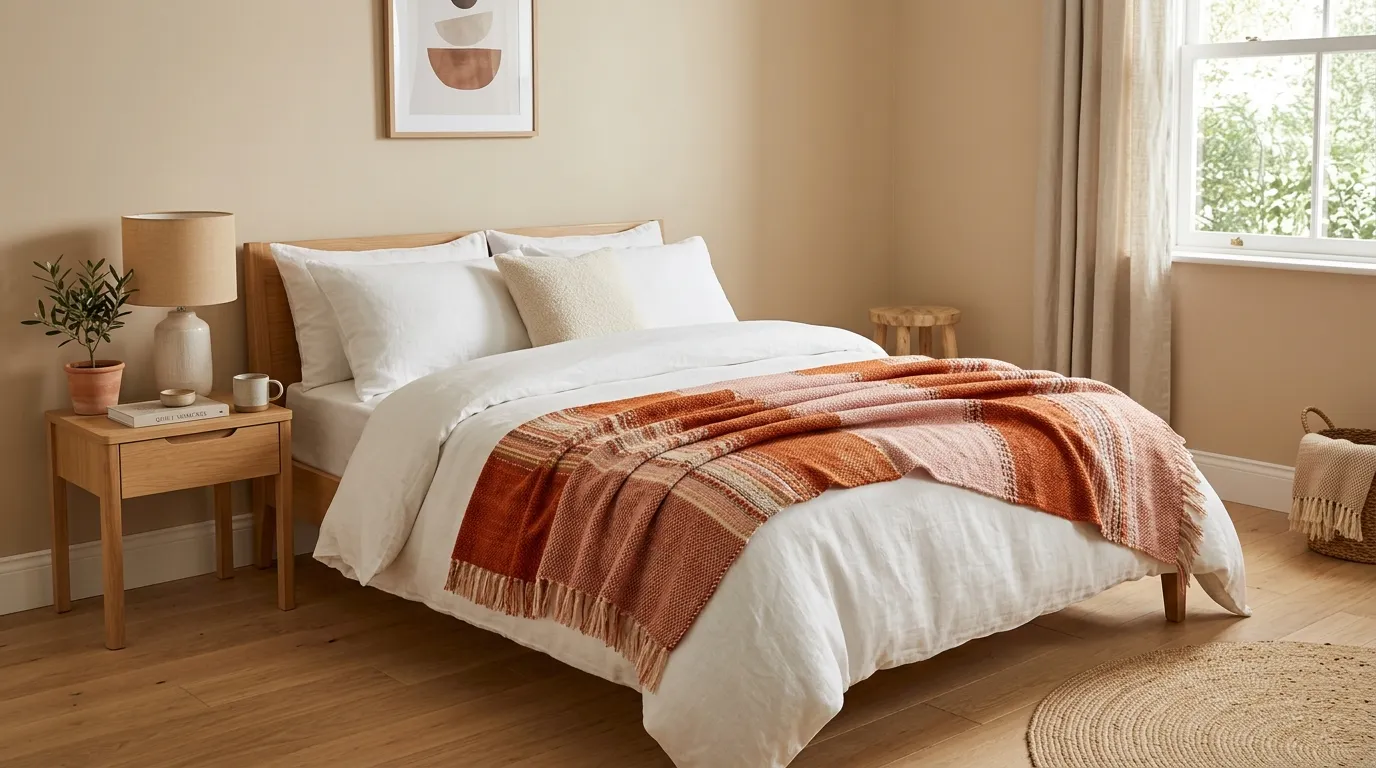
A colorful throw is one of the easiest ways to refresh a bedroom without making major changes. Draped casually over the bed, it adds a layer of warmth and visual interest that feels effortless. I’ve noticed that even the simplest spaces start to feel more inviting with this small addition. It allows you to play with color while keeping everything else calm and uncluttered.
This idea works well because it’s both practical and flexible. You can change the throw depending on the season or your mood, which keeps the room feeling fresh. In my experience, textured fabrics like woven or knitted throws add extra depth without overwhelming the design. The result is a cozy, stylish space that feels complete while still maintaining a clean and minimal look.
17. Bright Desk Corner
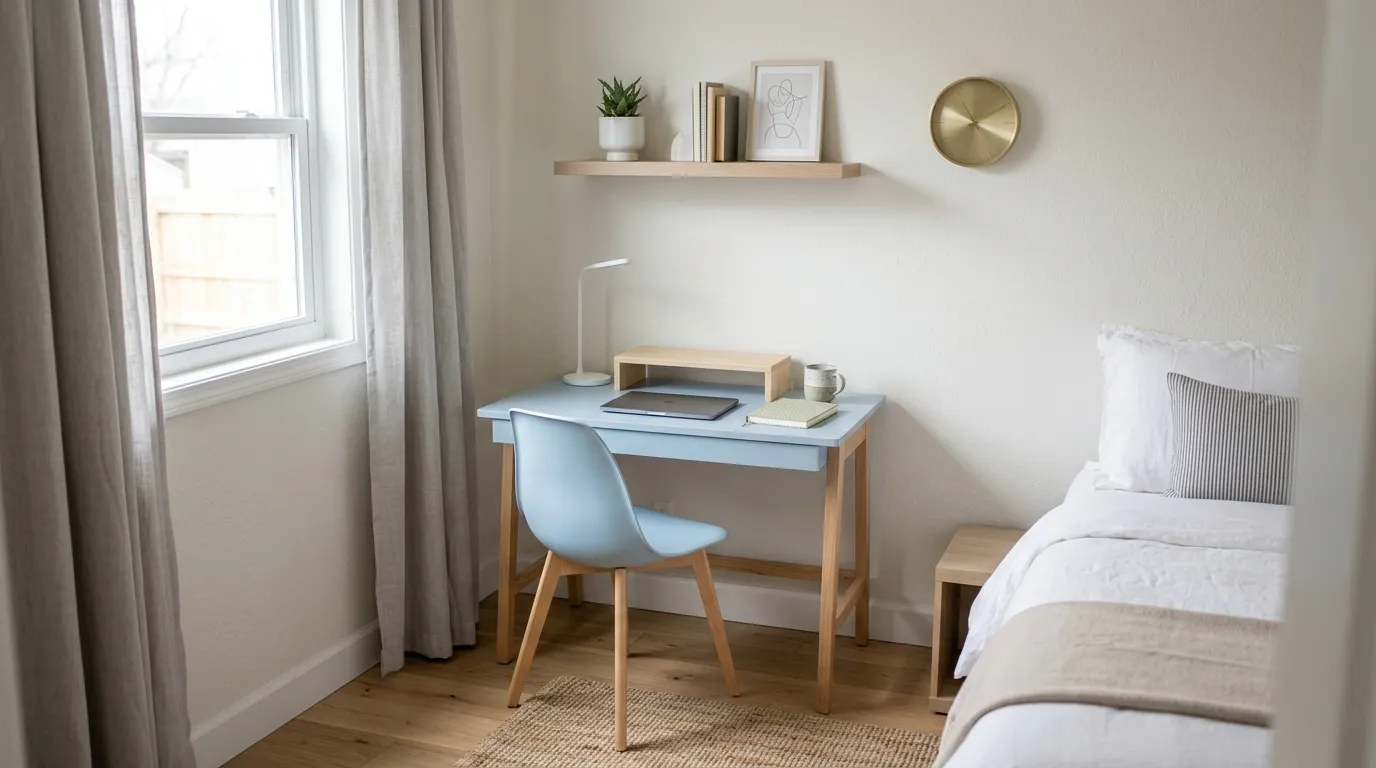
A bright desk corner can transform part of a bedroom into a productive and inspiring space without disrupting the overall design. By adding color to just this area, you create a clear visual zone that feels intentional. I’ve seen this work especially well in smaller rooms where every section needs a purpose. The color helps separate the workspace while still blending with the room’s overall aesthetic.
What makes this idea effective is its balance between function and style. You’re not just decorating, you’re improving how the space is used. In my experience, keeping the desk area simple with minimal items prevents it from feeling cluttered. The added color brings energy without overwhelming the room, making it a practical and visually appealing solution for modern living.
18. Color Trim Edges
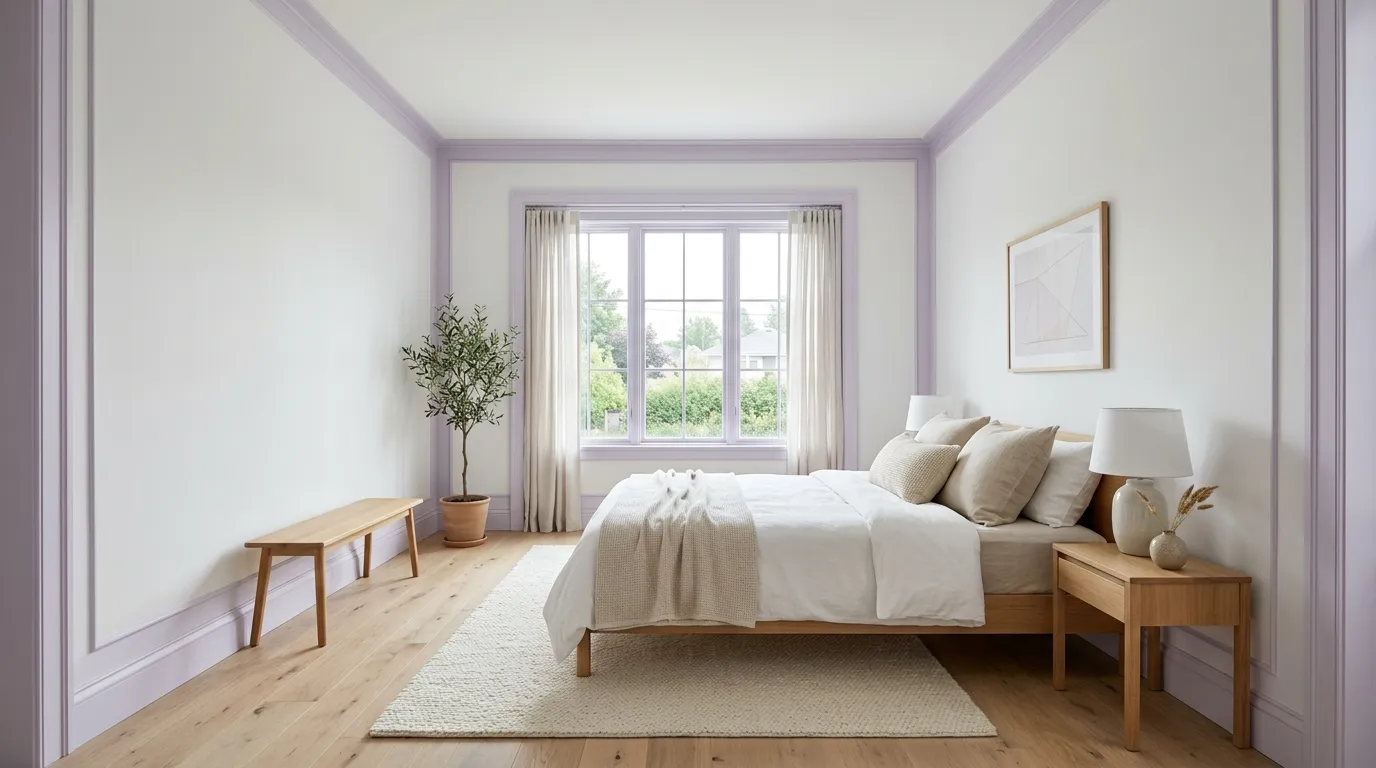
Coloring trim edges is a subtle design trick that can elevate a bedroom without adding extra decor. Instead of focusing on large surfaces, this approach highlights the structure of the room itself. I’ve noticed that even a soft tone can make the space feel more polished and intentional. It draws attention in a quiet way, adding depth while keeping everything clean and minimal.
This idea works because it enhances what’s already there rather than introducing something new. In my experience, this technique is especially effective in simple rooms that need a bit more definition. The result is a space that feels thoughtfully designed, where small details make a big difference. It keeps the room light and uncluttered while still adding a unique and refined touch.
19. Dual Color Pillows
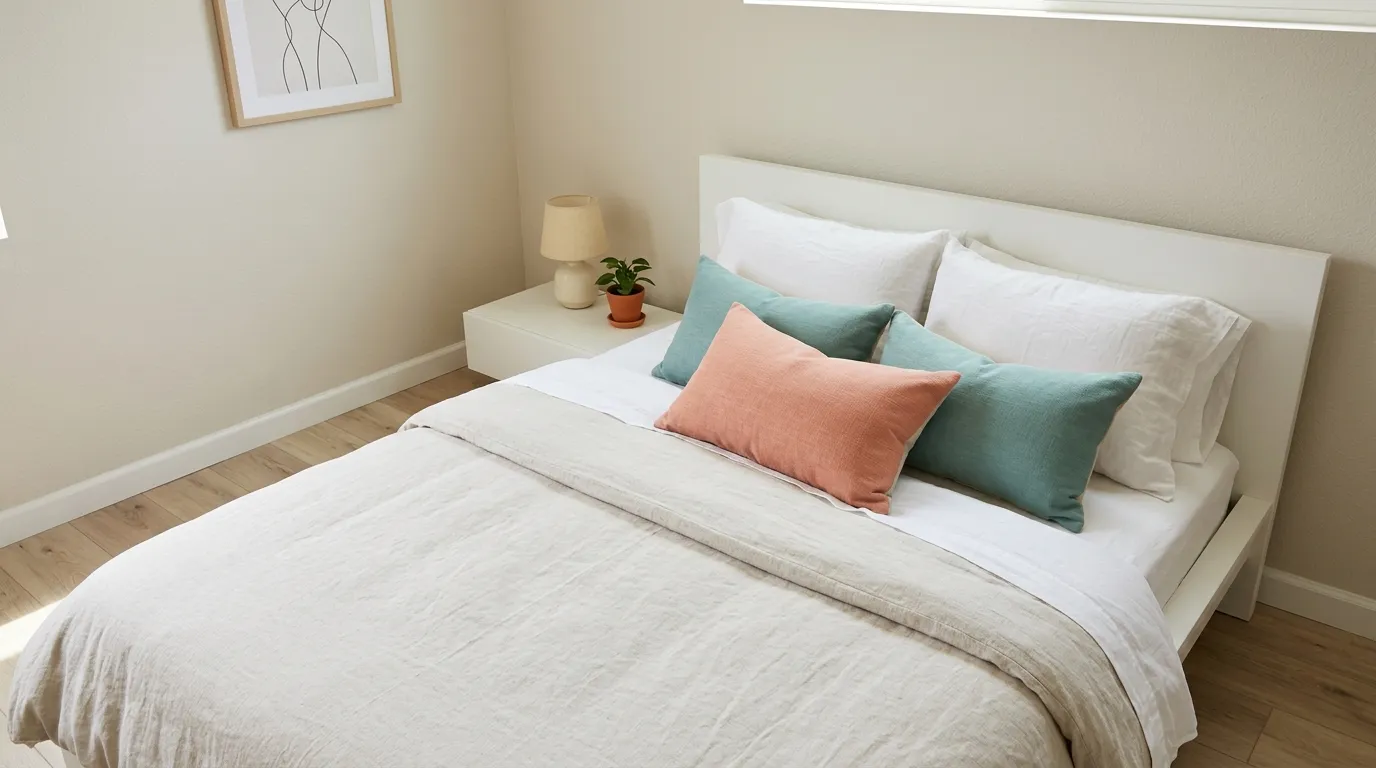
Swapping in dual-color pillows is one of the fastest ways to refresh a bedroom while keeping everything simple. The contrast between two tones adds just enough visual interest without making the space feel busy. I’ve noticed that even subtle combinations can completely change the mood of the room. It’s a small detail, but it helps the bed feel styled and intentional rather than plain.
This idea works especially well because it’s low effort and highly adaptable. You can rotate colors depending on the season or your preferences. In my experience, sticking to two complementary shades keeps the look balanced and cohesive. The result is a bedroom that feels fresh and inviting, where even the smallest updates make a noticeable difference without adding unnecessary clutter.
20. Painted Wardrobe Panels
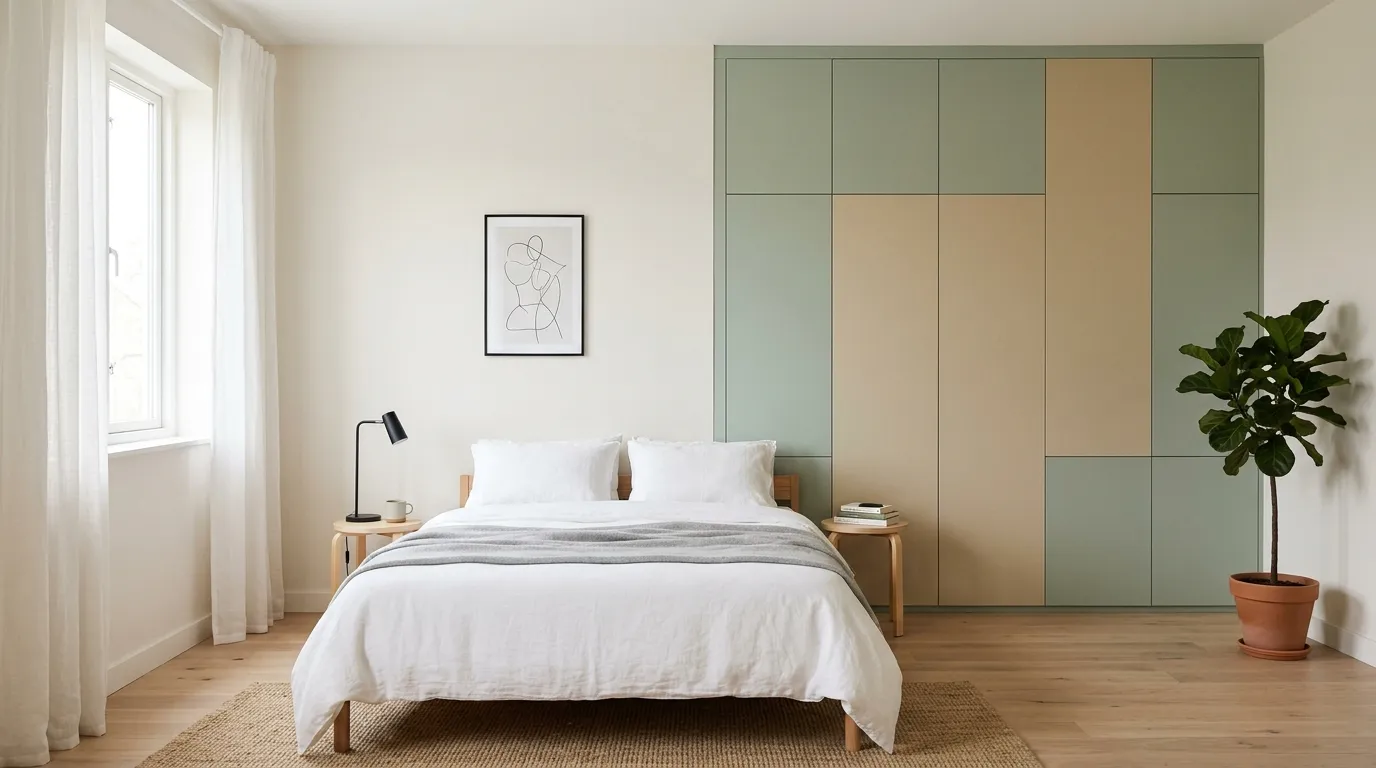
Painting wardrobe panels is a smart way to introduce color through furniture rather than accessories. Since wardrobes take up a large visual area, even a subtle color change can transform the entire room. I’ve seen this work especially well in spaces where walls are kept neutral, allowing the furniture to stand out without overwhelming the design. It creates a clean, integrated look that feels intentional.
What makes this idea effective is how it combines function with style. You’re enhancing something essential instead of adding more items. In my experience, using soft, muted tones helps maintain a calm atmosphere while still adding personality. The result is a bedroom that feels cohesive and thoughtfully designed, where color is present but never overpowering or distracting.
21. Colorful Bedside Lamp
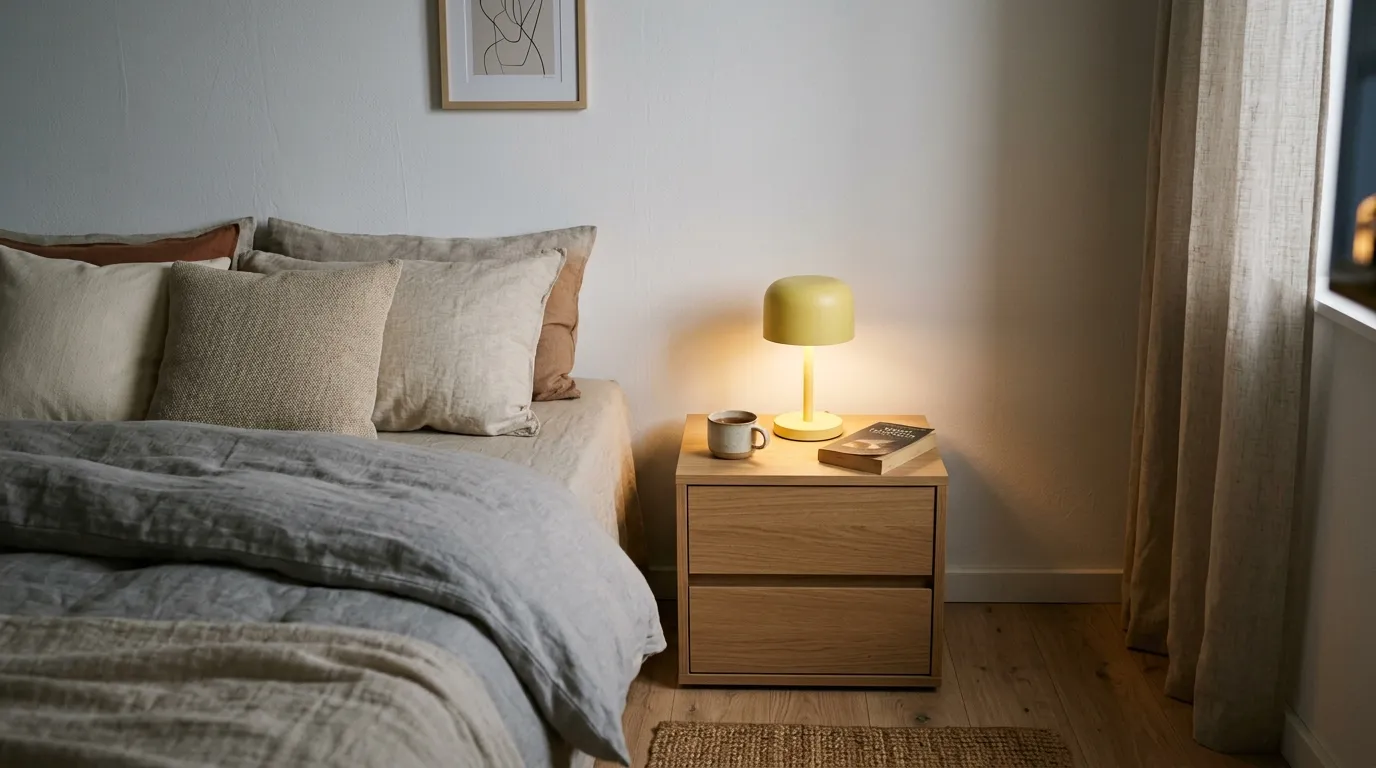
A colorful bedside lamp is a subtle yet effective way to bring personality into a bedroom. During the day, it acts as a small decorative accent, and at night, it adds a warm glow that enhances the overall atmosphere. I’ve noticed that lighting plays a huge role in how a room feels, and even a simple color shift can make the space more inviting and comfortable.
This idea works well because it blends practicality with design. You’re not adding unnecessary decor, just upgrading an essential item. In my experience, choosing a soft, matte finish keeps the look modern and minimal. The result is a bedroom that feels cozy, stylish, and thoughtfully put together, where even functional pieces contribute to the overall aesthetic.
22. Abstract Color Rug
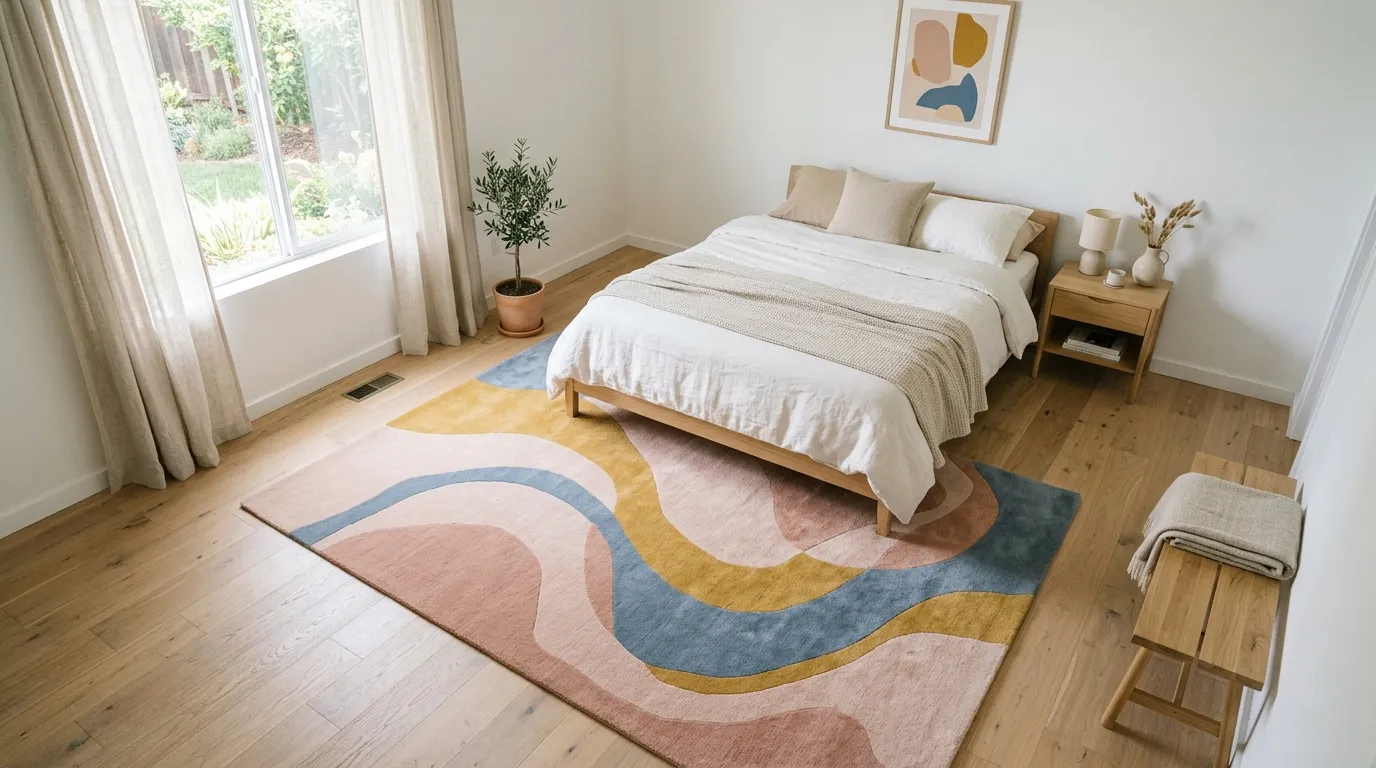
An abstract rug can instantly bring life into a bedroom while still keeping the overall design clean and minimal. The flowing shapes and blended colors create visual interest without feeling chaotic. I’ve noticed this works especially well in rooms that feel too flat or neutral. The rug introduces depth and personality while still maintaining a calm and organized look.
What makes this idea effective is how it combines art with function. You’re adding something useful while also enhancing the aesthetic. In my experience, choosing softer, muted tones within the pattern keeps everything cohesive. The result is a bedroom that feels more dynamic and thoughtfully styled, where color is present in a subtle and artistic way rather than overwhelming the space.
23. Color Panel Divider
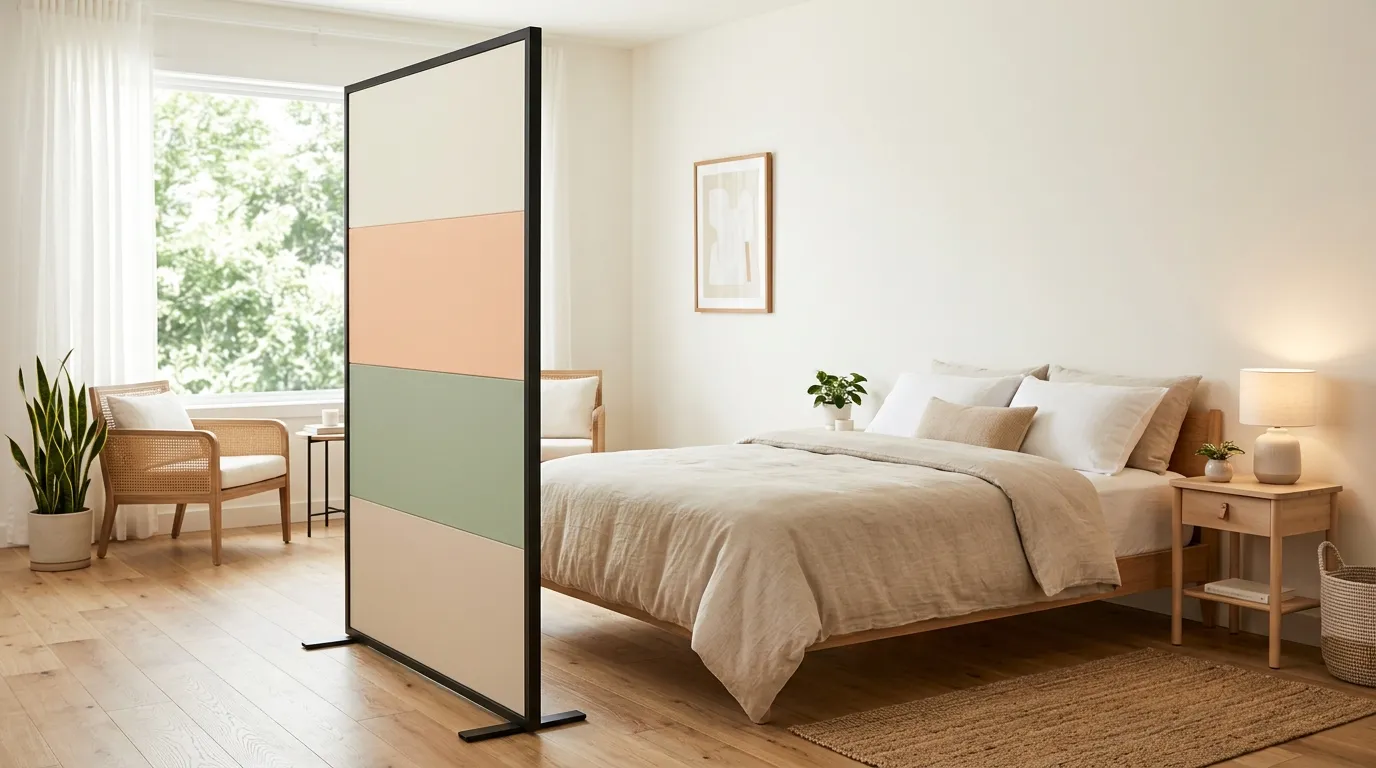
A color panel divider is a smart solution for adding both function and visual interest to a bedroom. It helps define different areas without making the space feel closed off. I’ve seen this work especially well in multi-purpose rooms where separation is needed but openness is still important. The added color brings personality while maintaining a clean and structured look.
This idea stands out because it’s both practical and decorative. You’re improving how the space works while also enhancing its appearance. In my experience, soft color blocking on the divider keeps the design cohesive and modern. The result is a room that feels organized, flexible, and visually engaging, without adding unnecessary bulk or clutter.
24. Minimal Color Wall Art
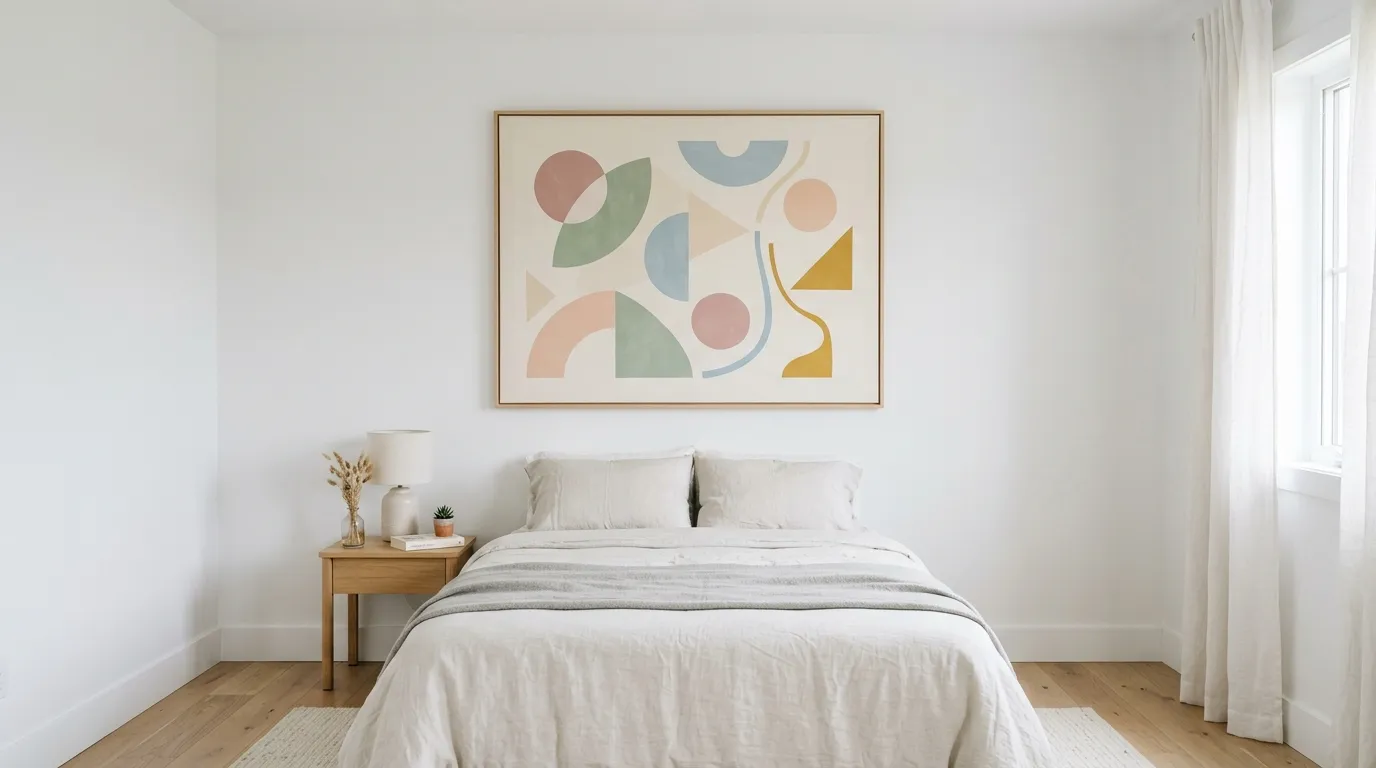
A single piece of wall art can completely change the feel of a bedroom when chosen thoughtfully. Instead of filling the walls, this approach focuses on one strong visual element. I’ve noticed that keeping the design minimal helps the artwork stand out without overwhelming the space. It creates a clean, balanced look that still feels expressive and personal.
This idea works well because it allows for creativity without clutter. You can choose colors that complement the room while still adding a bit of contrast. In my experience, larger pieces with simple designs have the most impact in minimalist spaces. The result is a bedroom that feels curated and stylish, where every element has purpose and contributes to the overall aesthetic.
25. Mixed Soft Accents
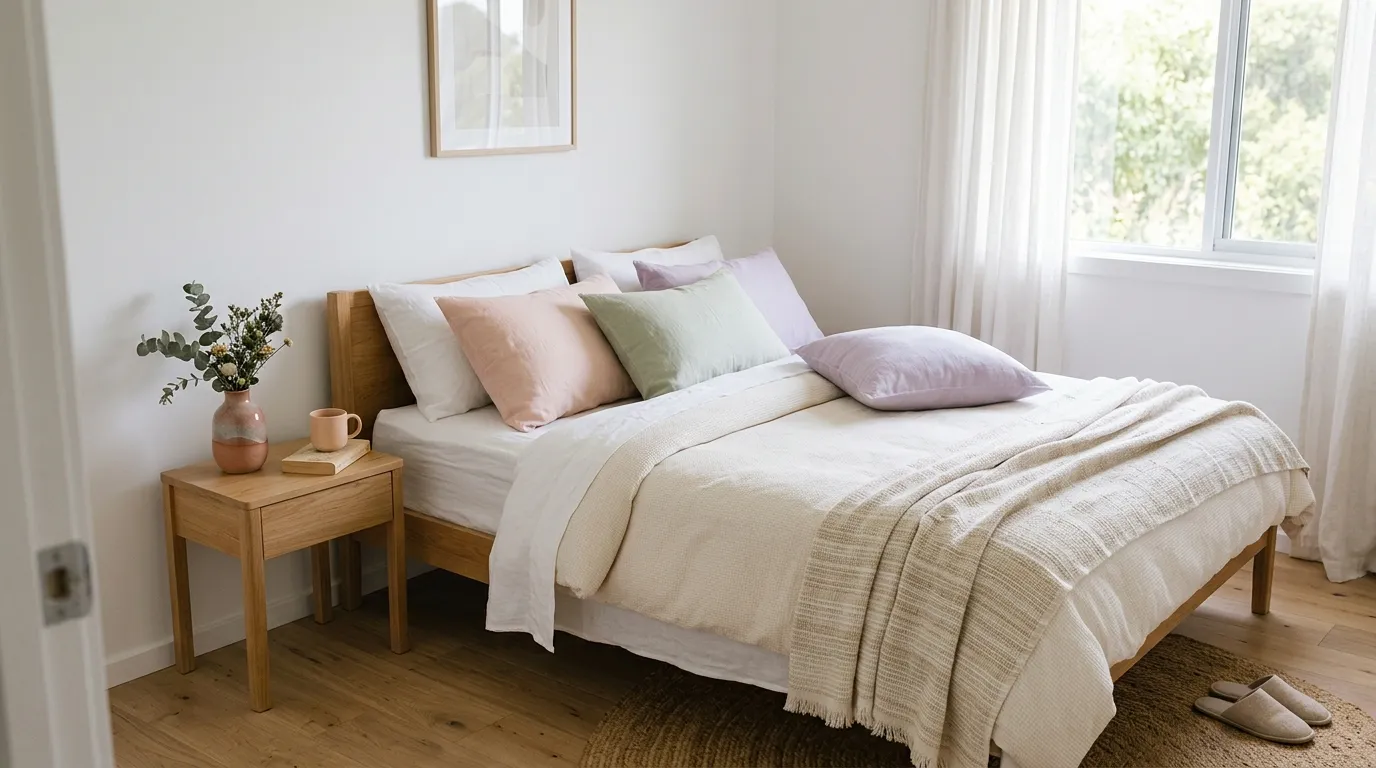
Mixing soft accents is a gentle way to bring color into a bedroom while keeping everything balanced and calm. Instead of relying on one bold feature, this approach spreads small touches throughout the space. I’ve noticed this works especially well for creating a relaxed and inviting atmosphere. Each element adds a bit of personality, but together they still feel cohesive and uncluttered.
This idea works because it gives you freedom to experiment without committing to one strong direction. In my experience, layering a few complementary tones creates depth without chaos. That’s why this approach is often used in a colorful minimalist bedroom, where the goal is to stay simple but not boring. The result is a space that feels warm, flexible, and effortlessly styled while still maintaining a clean and modern look.
Conclusion
Creating a beautiful bedroom doesn’t require a full makeover just thoughtful, intentional choices. These ideas show how small touches of color can transform a simple space into something fresh, stylish, and deeply personal. A well-designed colorful minimalist bedroom feels balanced, inviting, and easy to live in every day.
I’ve seen how even the smallest updates can make a space feel completely new. Now it’s your turn to try what inspires you most. Save this post on Pinterest, experiment with a few ideas, and share it with anyone who wants a brighter, more calming bedroom.

Olivia Carter
Olivia Carter is the founder of Lady Home Decor and a passionate home decor expert. She shares practical, stylish ideas to help homeowners create beautiful, comfortable, and welcoming spaces. Her expertise covers bedrooms, kitchens, living rooms, bathrooms, and small-space decorating.