9 Amazing ADHD Friendly Work Cubicle Designs

Where to Begin
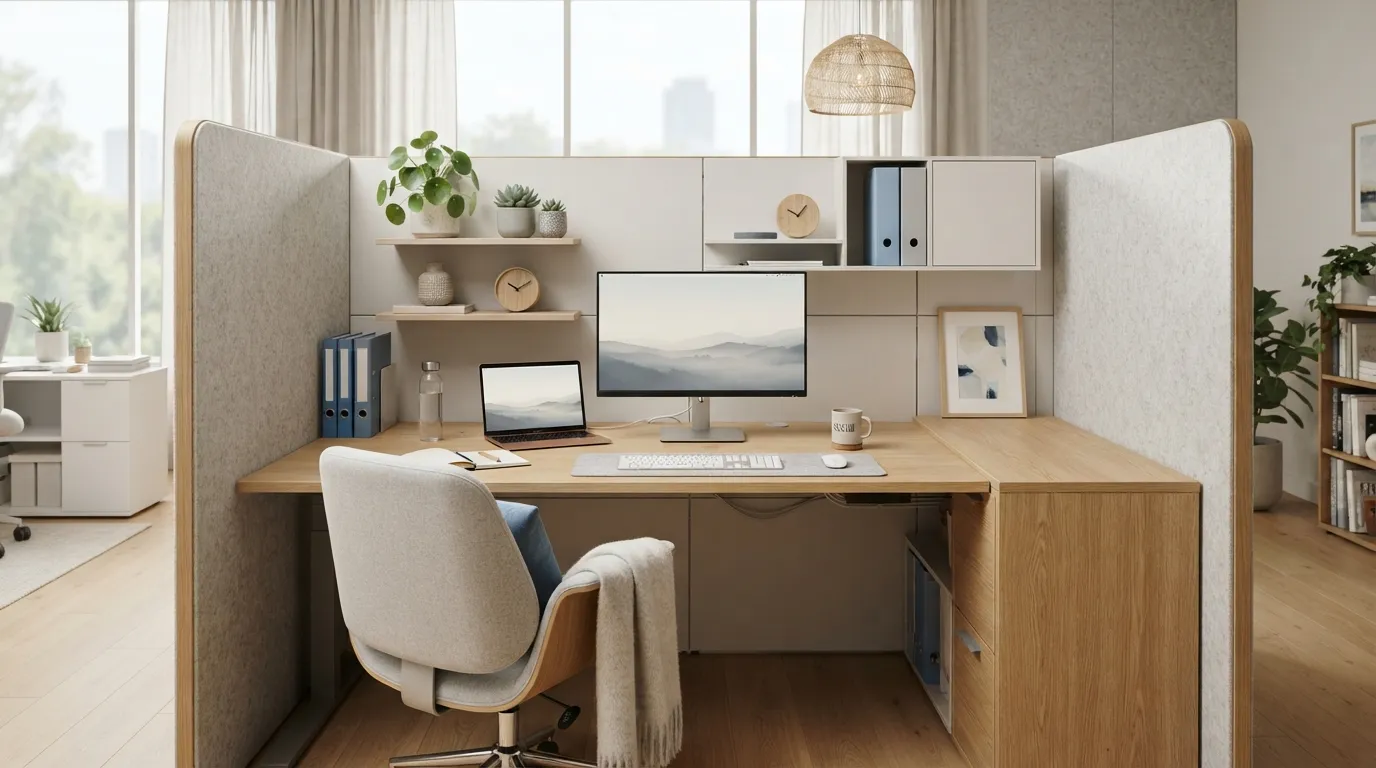
Feeling distracted at work or struggling to stay organized? These adhd friendly work cubicle ideas are designed to help you create a workspace that feels calm, functional, and inspiring. Whether you work in a busy office or a shared environment, the right design choices can make it easier to focus, reduce visual clutter, and improve your daily workflow.
In my experience, even small adjustments like better lighting, organized storage, or softer colors can completely change how a workspace feels. I’ve noticed that people often don’t need a complete office makeover to work more comfortably they simply need a layout that supports their attention instead of competing for it. Throughout this article, you’ll discover practical cubicle designs that combine modern style with everyday functionality, making it easier to stay productive while creating a workspace you’ll genuinely enjoy using.
1. Focus Zone
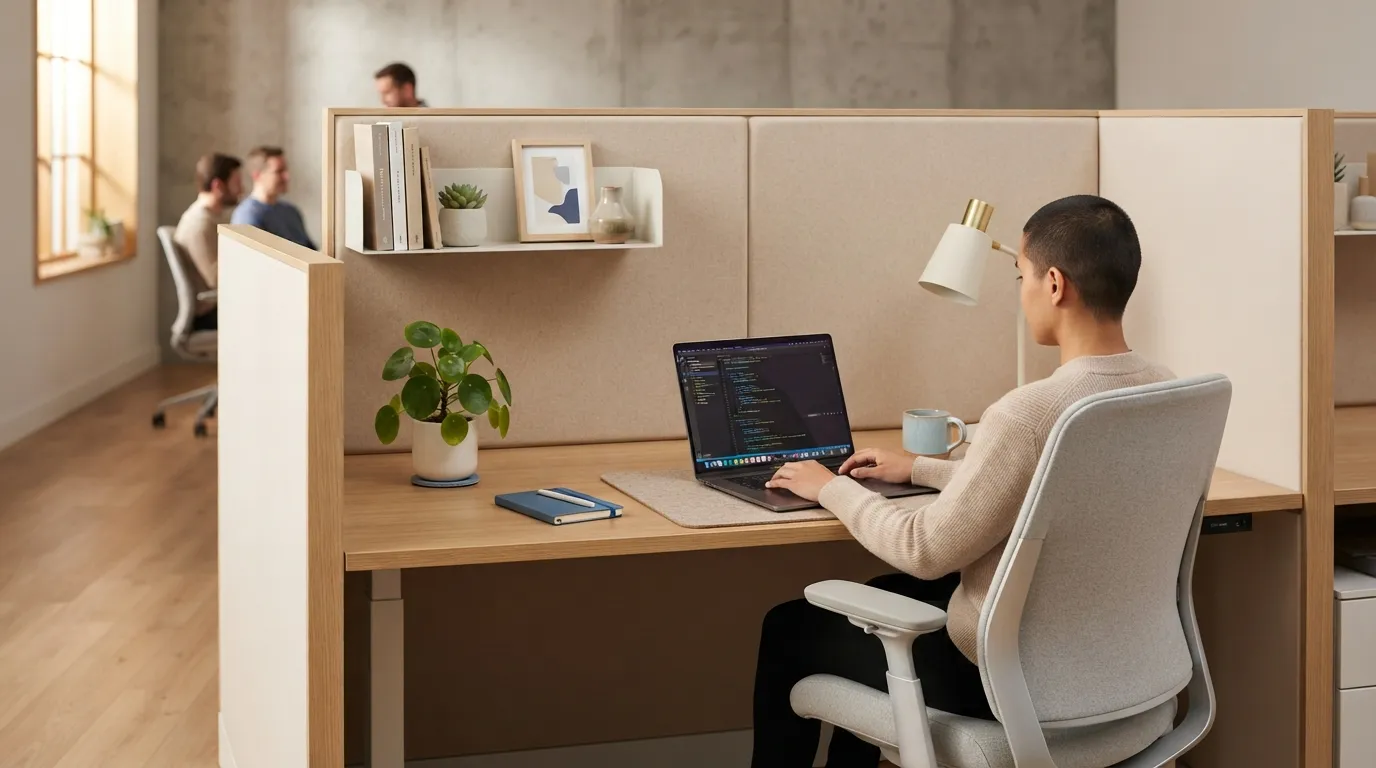
The biggest improvement often comes from removing unnecessary visual noise rather than adding more productivity tools. A simple cubicle with calming colors and minimal decorations naturally guides attention back to the task in front of you. Soft acoustic panels help reduce surrounding office distractions, while a clean desk makes every work session feel less overwhelming. This setup works especially well for people who struggle to switch their attention away from nearby conversations or constant movement.
I’ve noticed that keeping only the items used every day within easy reach makes work feel noticeably lighter. A dedicated place for your laptop, notebook, and water bottle eliminates unnecessary searching throughout the day. Small improvements like these create a workspace that feels predictable and comfortable. Over time, this organized layout builds better habits, reduces mental fatigue, and helps maintain consistent productivity without feeling overstimulated.
2. Color-Coded Organization
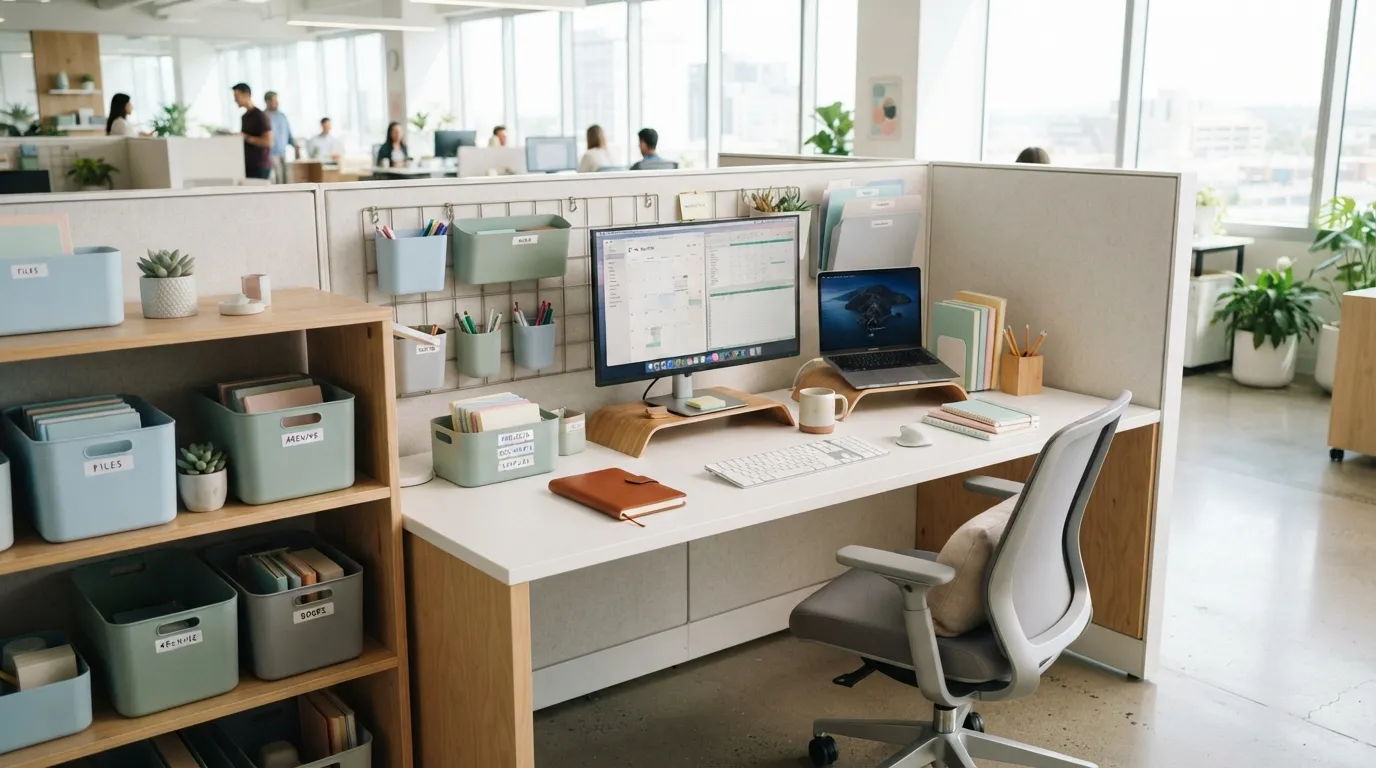
Finding important materials becomes much easier when every category has its own color. Instead of reading multiple labels, your brain quickly recognizes blue folders for projects, green trays for incoming work, or gray storage for reference materials. This simple system reduces unnecessary mental effort throughout the day. It also helps maintain an organized appearance without requiring complicated filing methods that are difficult to maintain consistently.
In my experience, color coding works best when the palette stays simple and consistent. Too many colors can become just as distracting as a cluttered desk. Limiting the workspace to three or four coordinated shades creates visual order while still making categories easy to recognize. This balanced approach keeps the cubicle looking modern and professional while supporting smoother daily workflows and better concentration.
3. Adjustable Lighting
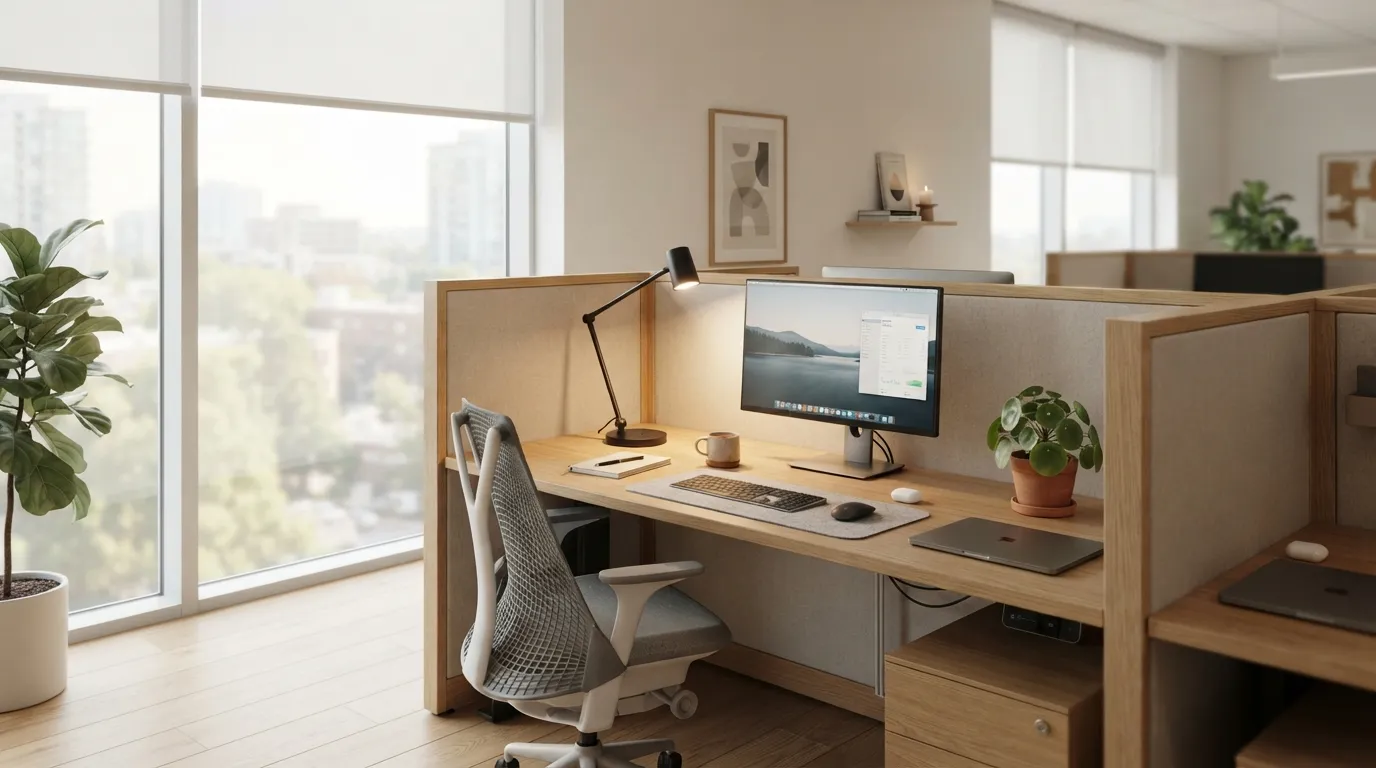
Lighting has a surprisingly powerful effect on attention, mood, and comfort. A combination of natural daylight and adjustable task lighting allows the workspace to adapt throughout the day instead of forcing your eyes to adjust constantly. Soft, balanced illumination reduces screen glare while making reading documents easier. This thoughtful lighting setup creates a more inviting environment that supports better concentration from morning until late afternoon.
I’ve seen this work well in many offices where employees spend long hours at their desks. Being able to brighten the space during detailed work and soften the lighting during computer tasks reduces visual fatigue significantly. Even a single adjustable LED desk lamp can make the cubicle feel more personalized and comfortable. Small lighting upgrades often deliver noticeable improvements in focus without requiring a complete workspace redesign.
4. Noise Control Panels
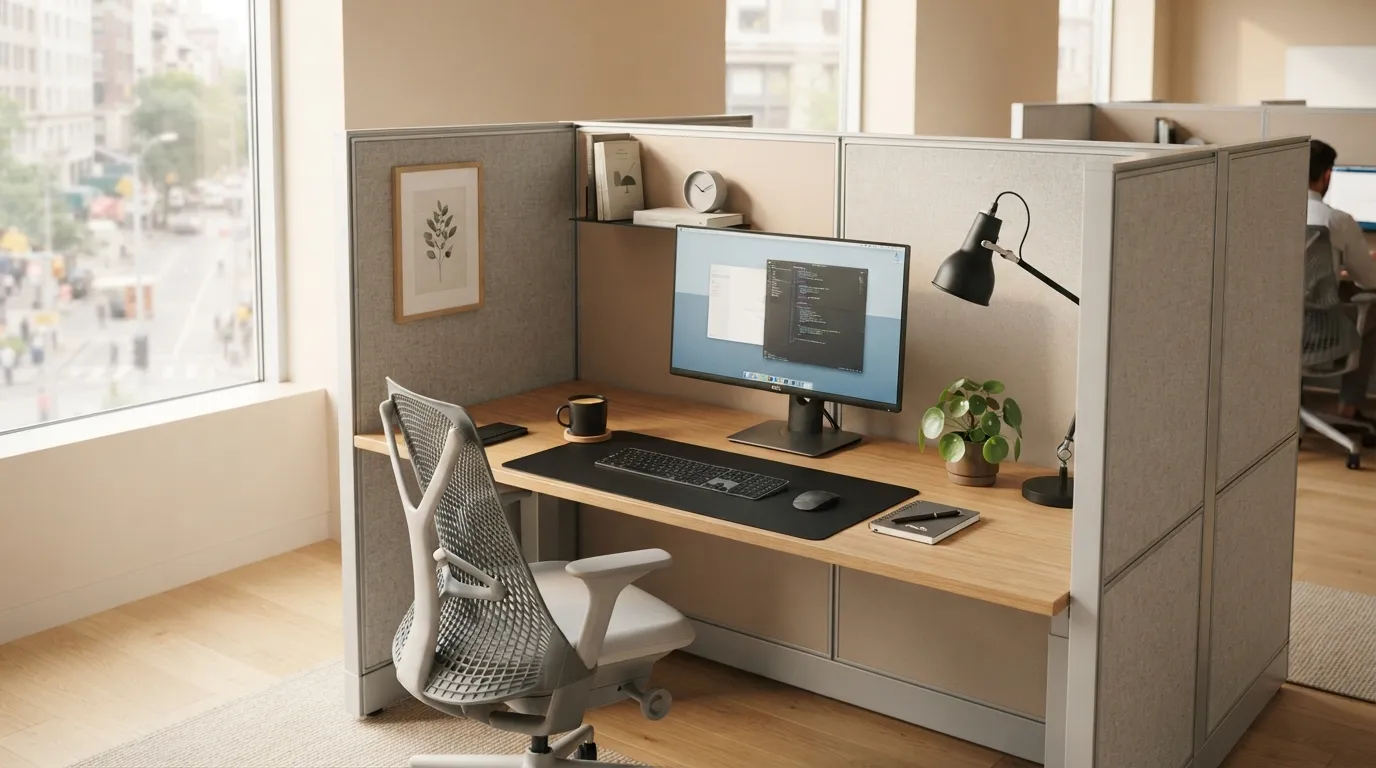
Open offices often come with constant conversations, ringing phones, and background movement that make it difficult to stay focused. Adding acoustic panels around the workspace creates a quieter environment without completely isolating you from coworkers. The softer soundscape helps reduce interruptions and allows your brain to stay engaged with important tasks. Many people notice they spend less energy filtering out distractions and more energy completing meaningful work.
I’ve noticed that even moderate sound reduction can make a surprising difference in daily productivity. Noise control doesn’t have to eliminate every sound; it simply lowers the intensity enough to improve attention. Combined with a tidy layout and calming colors, acoustic panels transform a standard cubicle into a more comfortable workspace. This practical upgrade supports longer periods of focus while helping reduce stress during busy office hours.
5. Vertical Storage Wall
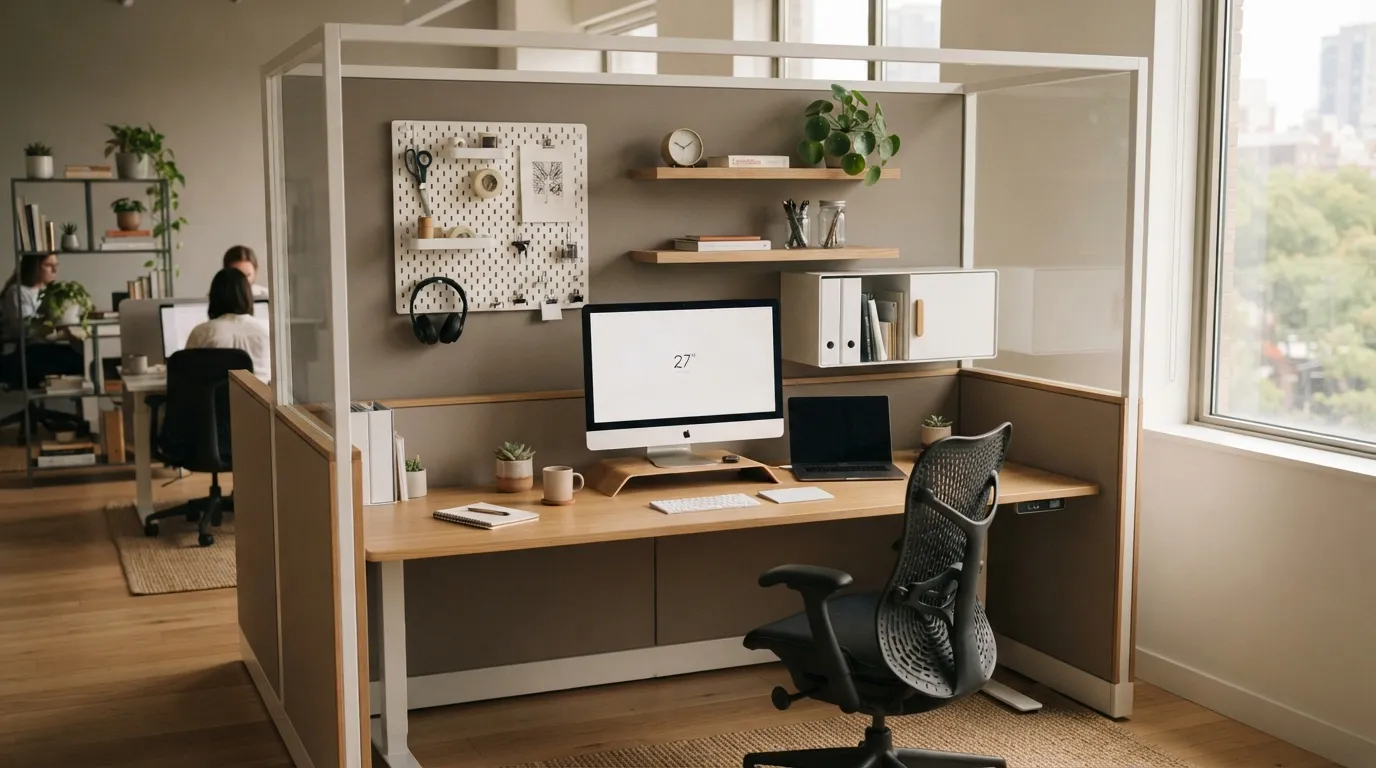
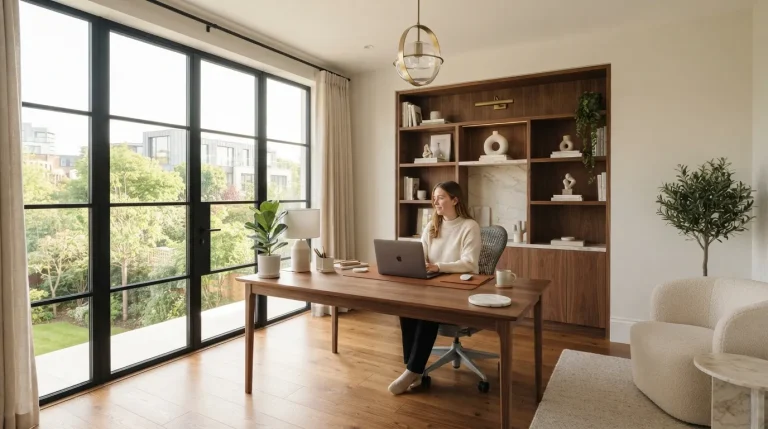
Using vertical space is one of the easiest ways to create a cleaner and more efficient workstation. Floating shelves, pegboards, and slim organizers move supplies off the desktop while keeping everything visible and accessible. Instead of searching through drawers, frequently used items remain within easy reach. This arrangement creates a more spacious feeling and helps maintain an organized environment that supports better concentration throughout the workday.
You may also enjoy reading Luxury Home Office.
In my experience, people are more likely to stay organized when storage feels effortless. Simple wall organizers encourage quick cleanup because every item has an obvious home. The workspace remains open, visually balanced, and easier to maintain even during busy weeks. Over time, these small organization habits reduce frustration and create a cubicle that feels calm, functional, and consistently ready for productive work.
6. Minimalist Desktop Layout
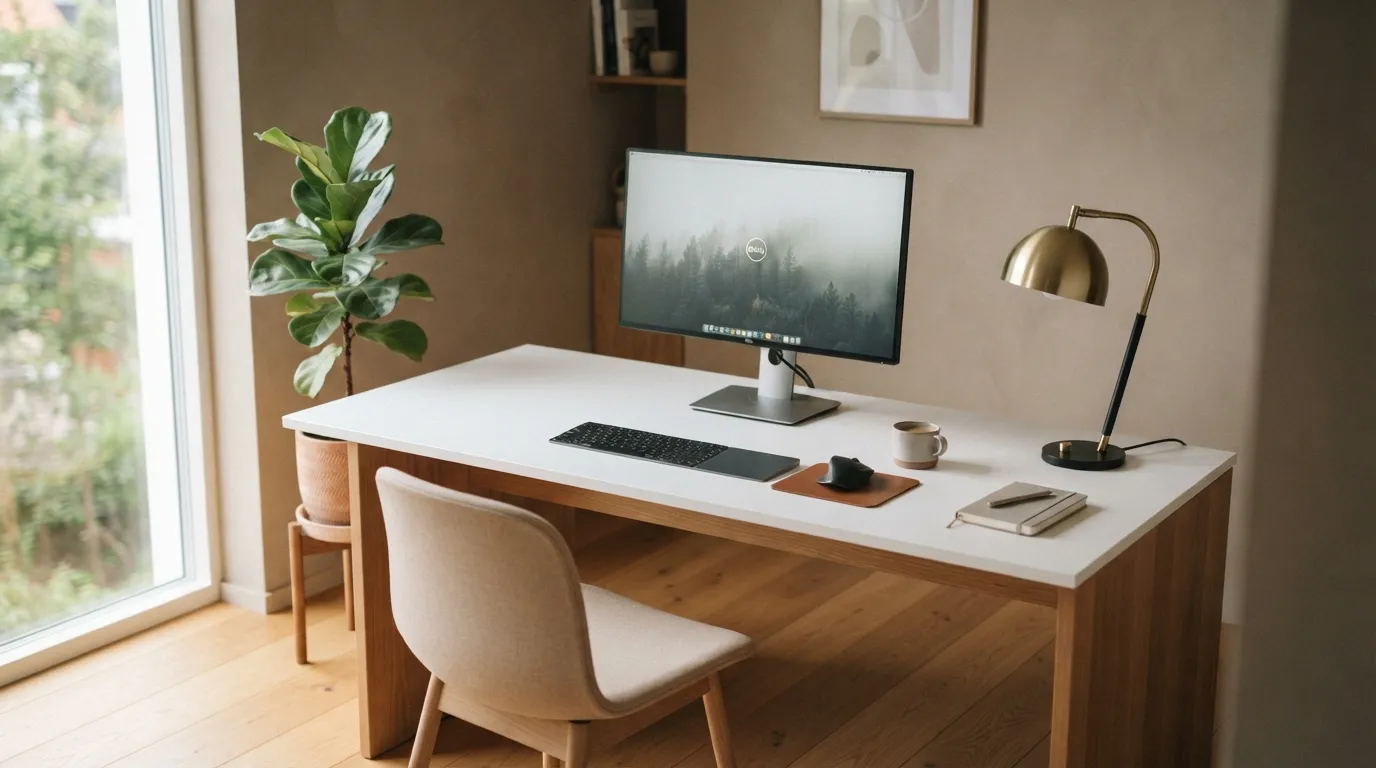
A thoughtfully arranged desktop makes every task feel more manageable. Instead of filling the surface with gadgets, paperwork, and decorations, keep only the essentials visible. Hidden cable management and wireless accessories further reduce visual distractions while creating a polished appearance. This simple layout allows your attention to stay on your work rather than constantly shifting between unnecessary objects scattered across the desk.
I’ve tried working in both crowded and minimalist workspaces, and the difference in mental clarity is remarkable. A clean desktop naturally encourages better habits because it’s easier to maintain throughout the day. Even spending a minute resetting the workspace before leaving can make tomorrow feel less stressful. Small organizational routines like these often produce lasting improvements in focus, efficiency, and overall workplace satisfaction.
7. Cozy Texture Corner
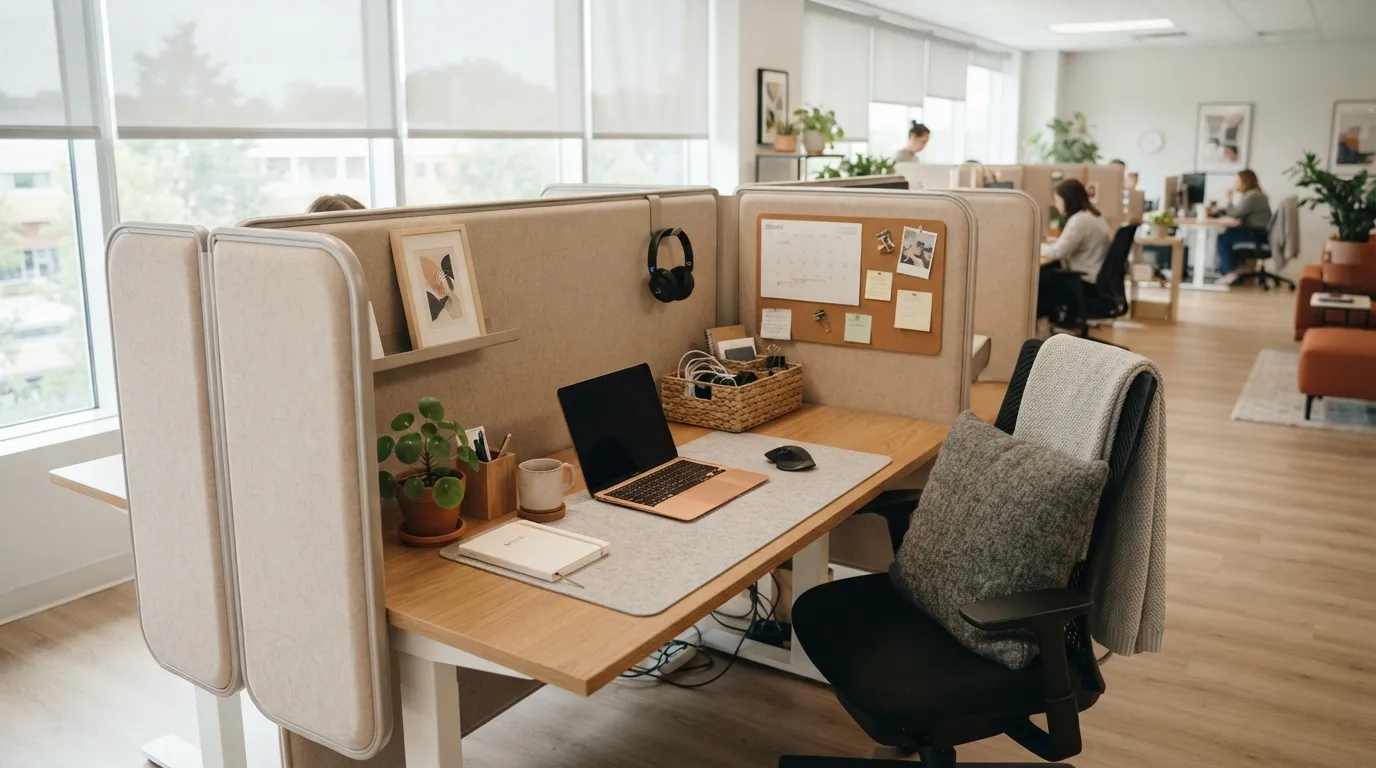
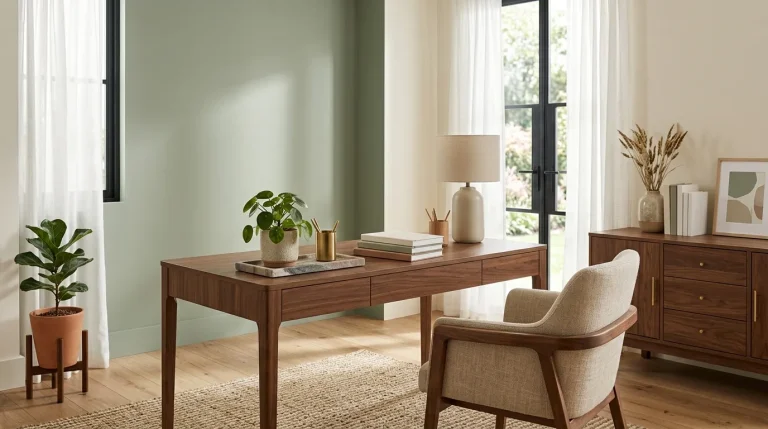
A workspace doesn’t have to feel cold or overly corporate to remain productive. Soft textures like a fabric chair cushion, felt desk mat, or woven organizer add warmth while keeping the design clean and professional. These subtle elements create a more welcoming environment that feels easier to settle into each morning. The balanced combination of texture and simplicity helps the space feel comfortable without becoming distracting.
I’ve noticed that thoughtful tactile details can make long workdays much more enjoyable. Smooth wood surfaces paired with soft fabrics create gentle sensory contrast that feels relaxing instead of overwhelming. Choosing just a few quality textures keeps the cubicle organized while adding personality. This approach works especially well for creating a workspace that supports comfort, focus, and consistent daily productivity.
8. Smart Cable Management
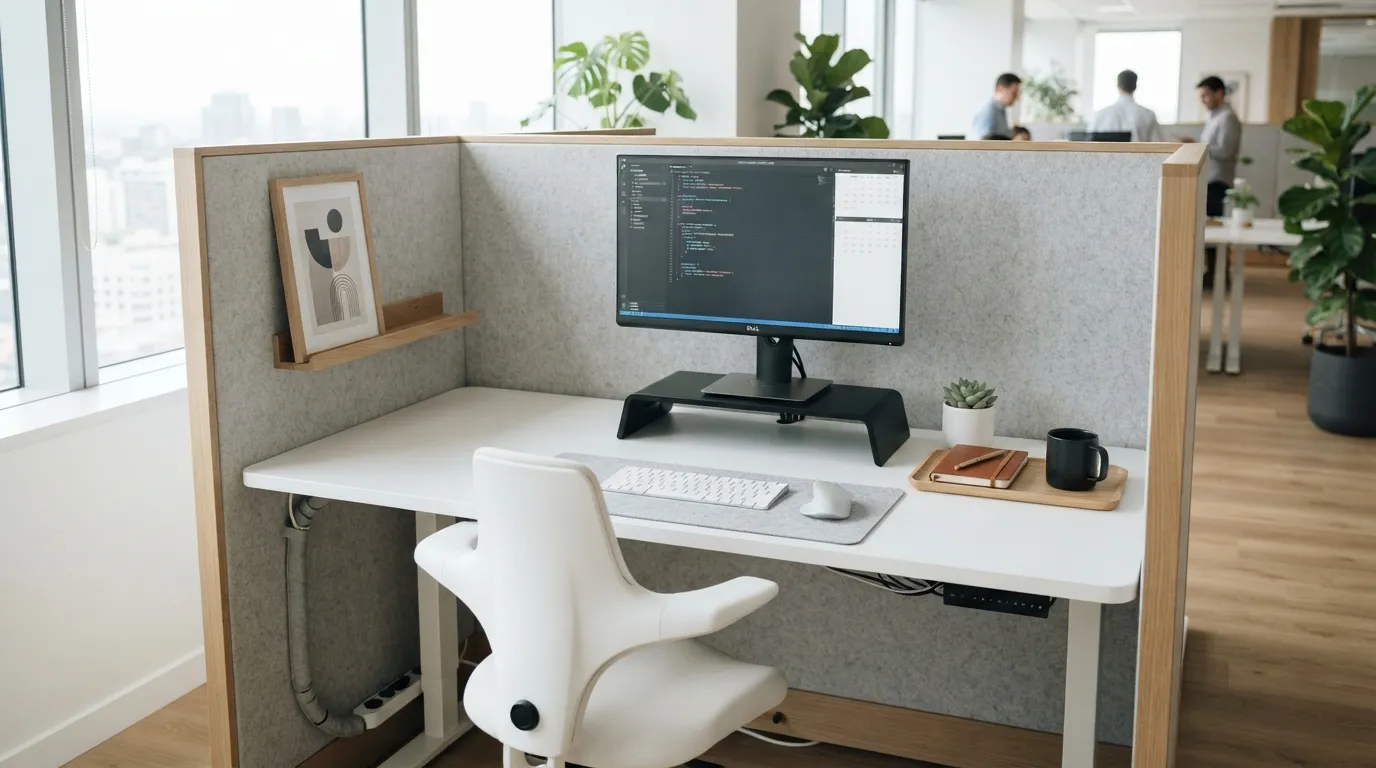
Messy cables often create more visual distraction than people realize. Organizing power cords beneath the desk and using cable clips or sleeves instantly gives the workspace a cleaner appearance. A tidy setup also makes it easier to move equipment, clean the desk, or replace devices without frustration. Small upgrades like these improve both functionality and aesthetics while keeping attention focused on important work.
In my experience, cable management is one of the quickest improvements with the biggest visual impact. Once wires disappear from view, the entire cubicle feels calmer and more spacious. Pairing hidden cables with wireless accessories creates an even cleaner layout that requires very little maintenance. This simple organizational habit helps maintain a polished workspace that supports better concentration every day.
9. Nature-Inspired Workspace
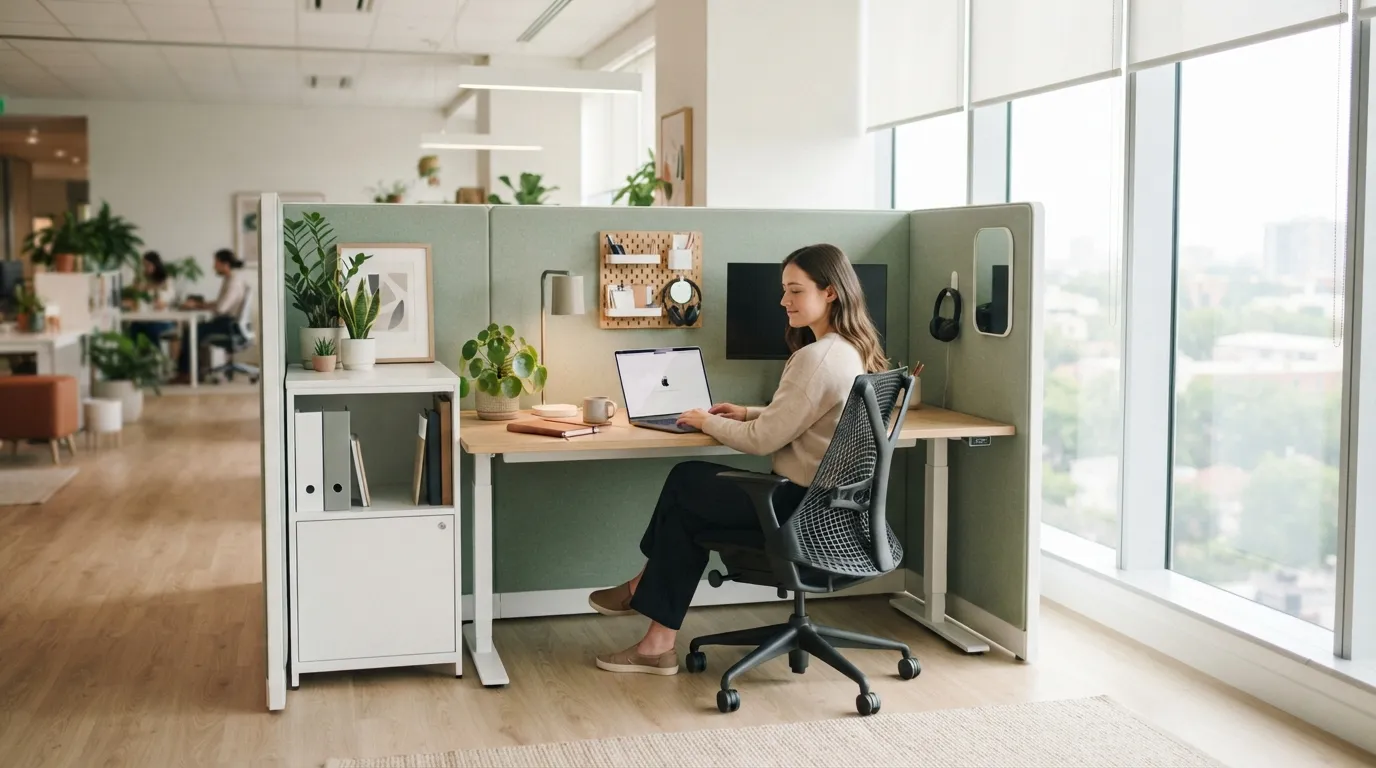
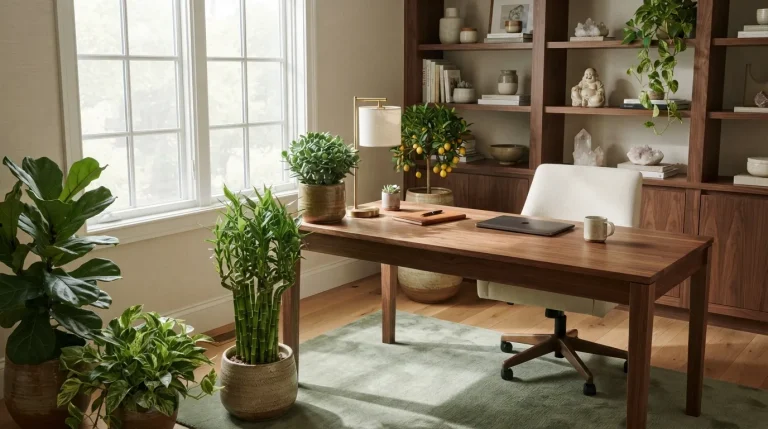
Natural elements can completely change the mood of a workspace without requiring a major redesign. A few low-maintenance plants, soft green accents, and warm wood finishes create a balanced environment that feels fresh and welcoming. Bright daylight enhances these features, making the cubicle appear larger and more inviting. This combination encourages a calmer mindset while still maintaining a clean, professional office appearance.
I’ve seen this work consistently in both home offices and corporate settings. Even a single healthy plant introduces life into the workspace and creates a stronger connection to nature during busy workdays. Combined with organized storage and a clutter-free layout, these small additions make the cubicle feel more peaceful and comfortable. The result is a stylish workspace that supports focus while making daily routines noticeably more pleasant.
Closing Thoughts
A thoughtfully designed workspace can have a meaningful impact on your comfort, focus, and productivity. These adhd friendly work cubicle ideas show that simple changes, from reducing clutter to adding calming textures and better organization, can transform an ordinary office into a space that supports your best work. I’ve seen how small improvements like these can make daily routines feel less stressful and far more enjoyable. Save this guide on Pinterest for future inspiration, try one or two ideas in your own cubicle, and share it with anyone looking to create a calmer, more organized workspace.
Brooklyn Sanders
Brooklyn Sanders is an interior design expert and decor editor at Lady Home Decor. She specializes in modern, cozy, and functional home styling, helping readers discover inspiring decorating ideas that are easy to recreate. Her work focuses on timeless design, practical solutions, and the latest home decor trends.