22 Truly Timeless Home Design Trends That Never Go Out of Style

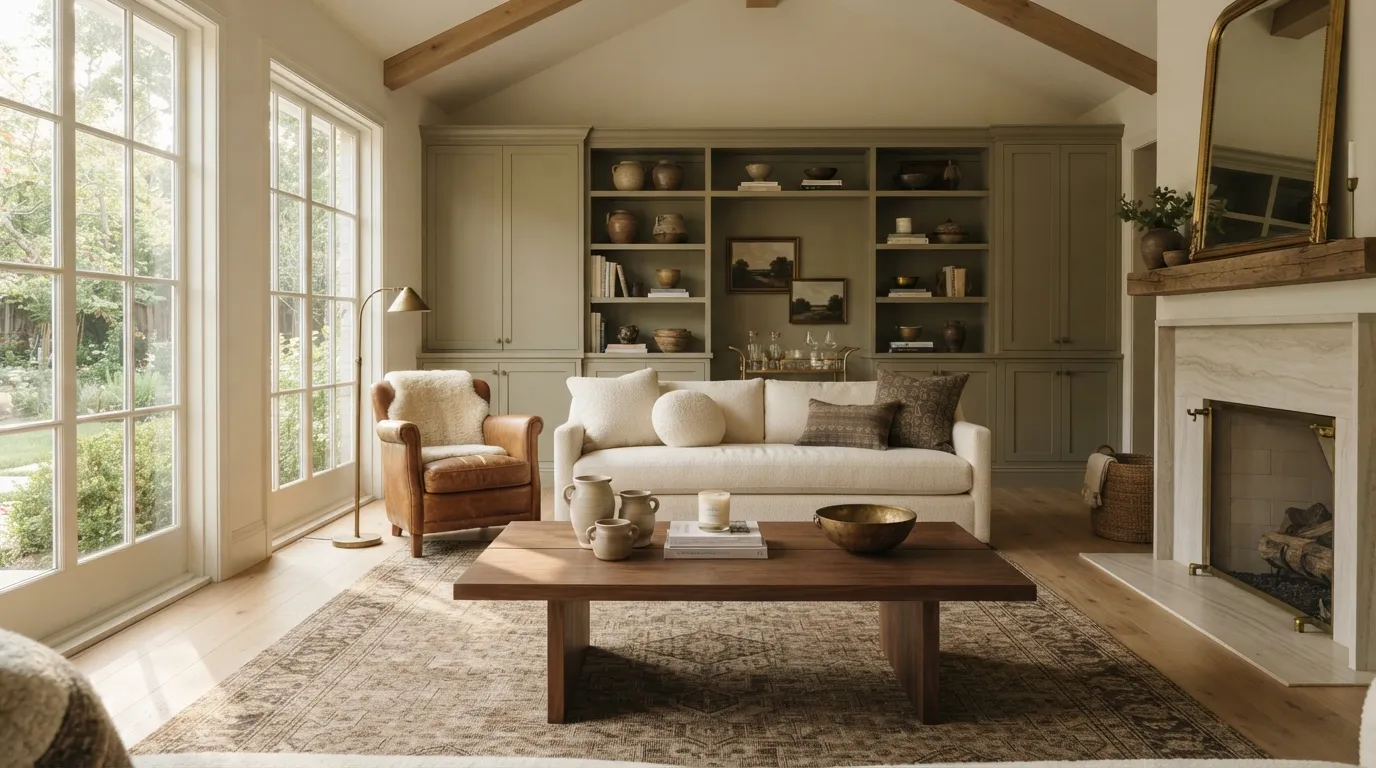
Some decorating ideas look great for a season, while others still feel right years later. If you’re searching for timeless home design trends that never go out of style, focus on details that balance comfort, function, quality, and classic appeal. Think natural materials, useful layouts, soft colors, and furniture with shapes that don’t depend on a passing fad.
The best timeless interiors also leave room for your personality. A classic sofa can sit beside modern art, while an old wood table can work beautifully with fresh lighting and simple accessories. These ideas can help you create a home that feels current without needing constant updates, making your space easier to decorate and more enjoyable to live in.
1. Warm Neutral Color Palettes
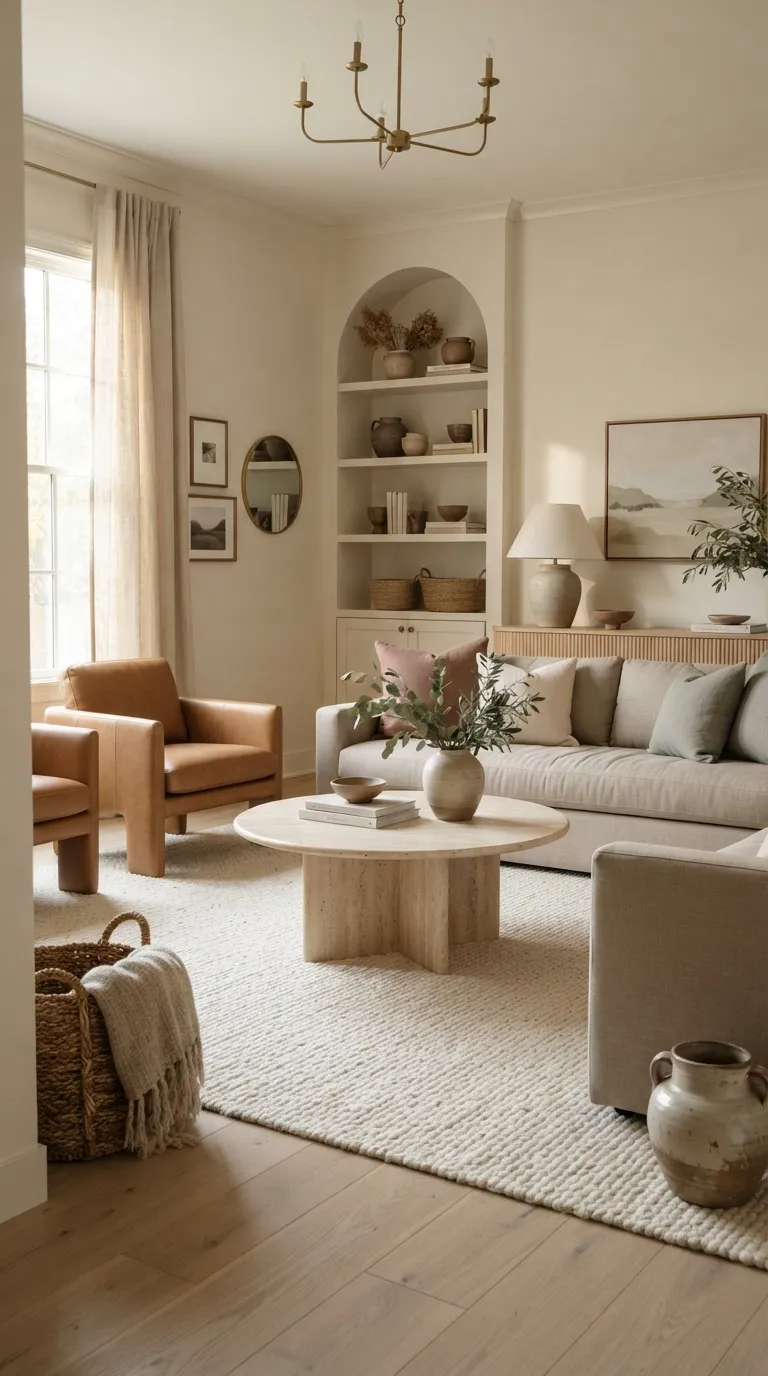
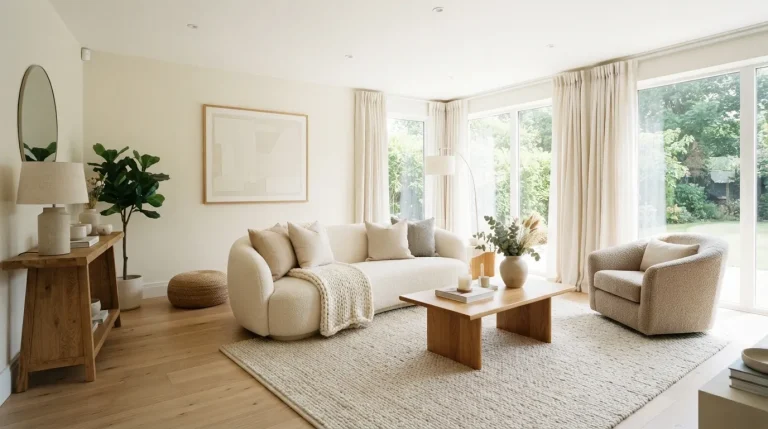
Warm neutrals have a quiet staying power because they work with almost any decorating style. Shades such as cream, beige, taupe, sand, and soft brown create a calm base that lets furniture, artwork, and seasonal accents change without making the room feel dated.
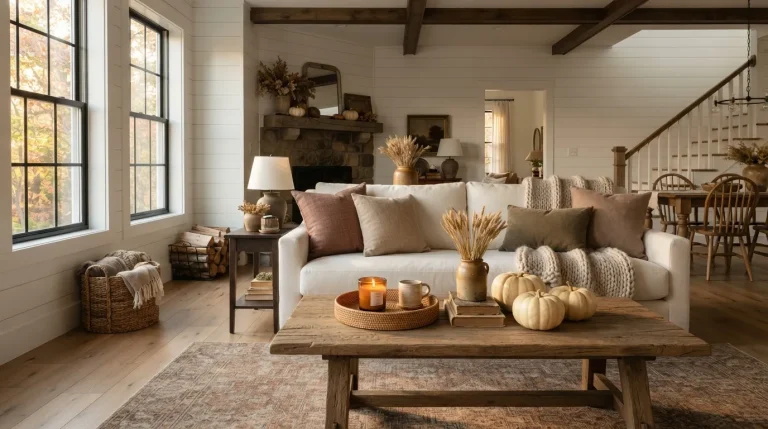
For a timeless interior, layer several neutral tones instead of using one shade everywhere. Picture a beige sofa with ivory curtains, a natural wood table, and a slightly darker rug, then add small touches of color through pillows or ceramics.
2. Natural Wood Throughout the Home
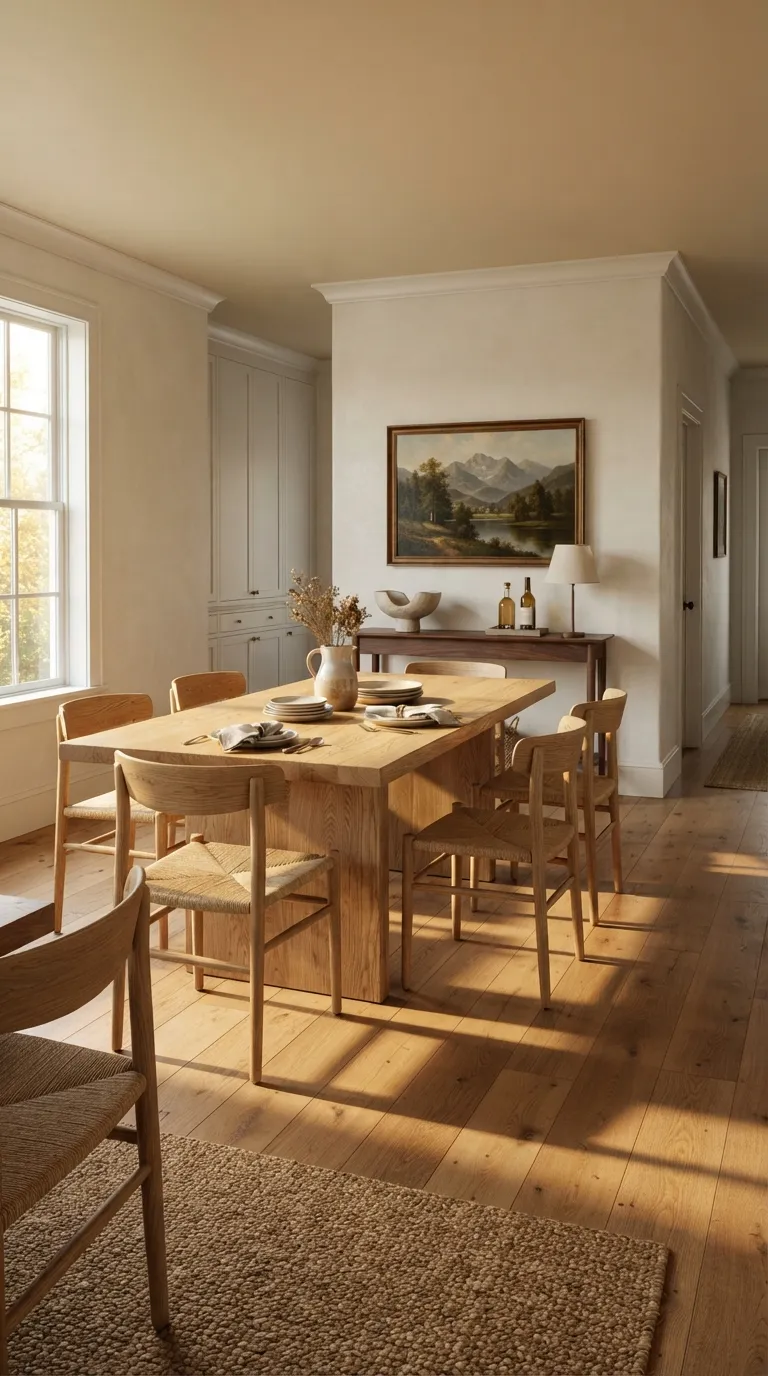
Natural wood adds warmth without tying a room to one particular decade. Oak, walnut, maple, and other wood species bring visible grain, subtle variation, and a sense of depth that works in both traditional and modern homes.
You don’t need matching wood everywhere. A walnut console can sit comfortably near oak flooring, while a lighter wood dining table can soften a kitchen filled with stone and metal. The key is to let the wood feel intentional rather than overly coordinated.
3. Classic Upholstered Furniture
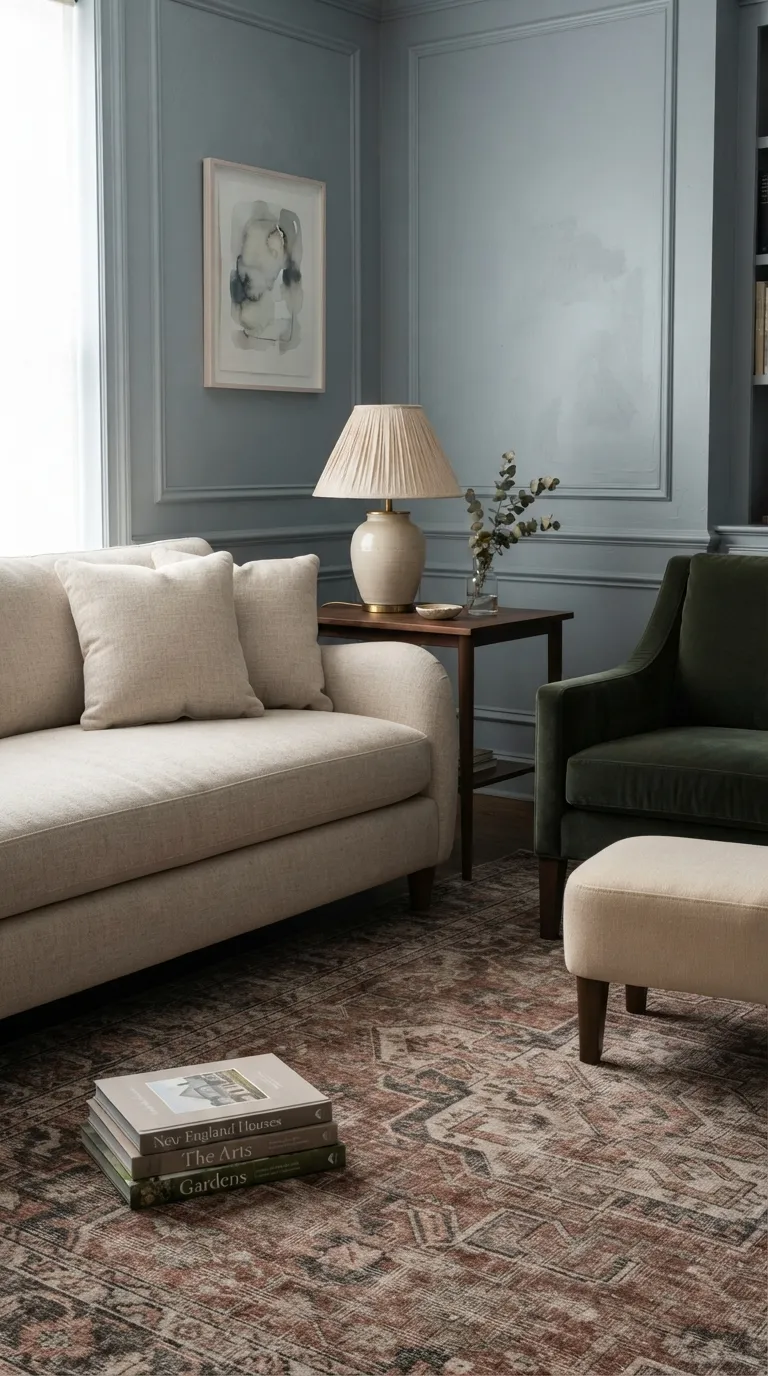
Classic upholstery gives a room structure while keeping it comfortable. Sofas and chairs with balanced proportions, simple arms, and quality fabrics tend to work across many decorating styles, from relaxed traditional rooms to cleaner contemporary spaces.
Choose upholstery for real life, not just appearance. If the living room gets heavy daily use, durable linen blends, cotton, performance fabrics, or tightly woven textiles can offer both comfort and practicality. A well-shaped sofa can anchor the room for years while pillows, throws, and artwork change around it.
4. Marble and Natural Stone
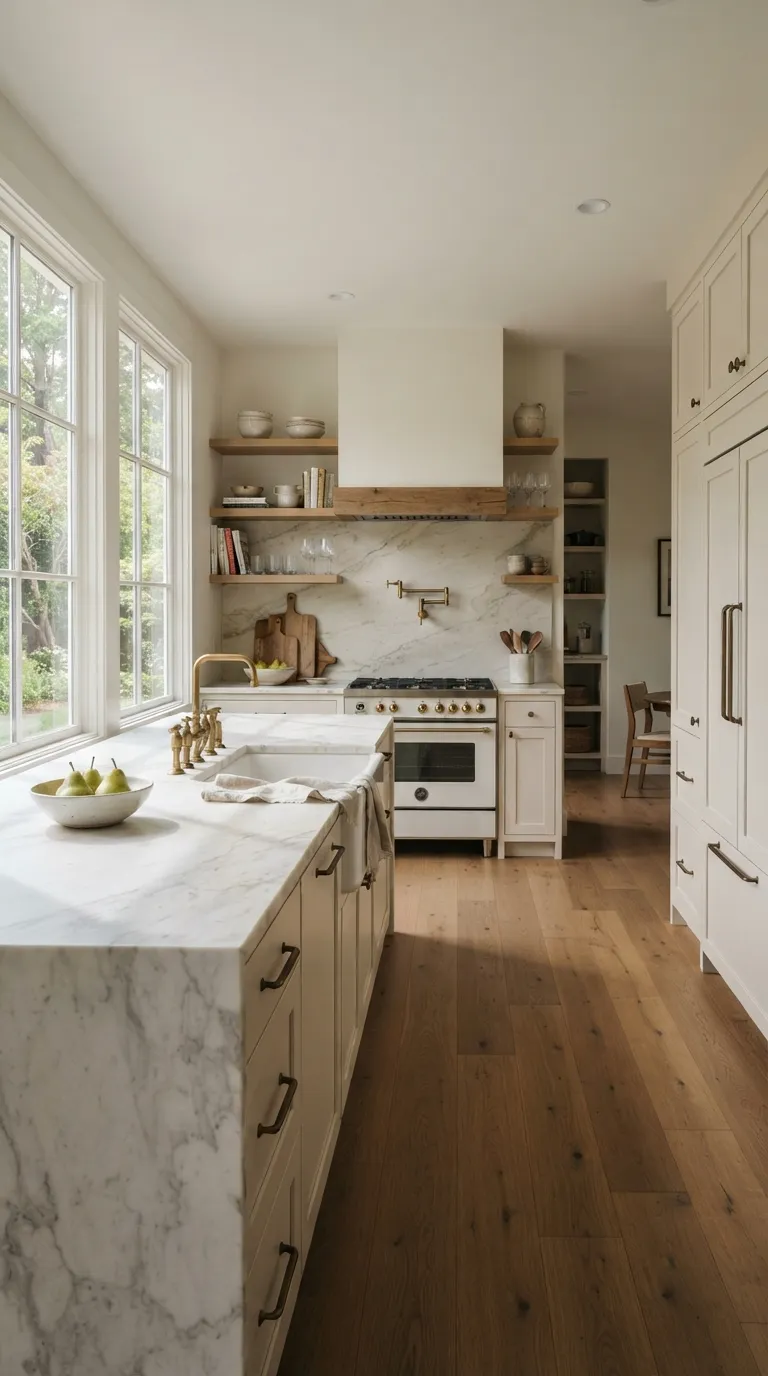
Natural stone has a way of making a home feel grounded. Marble, limestone, soapstone, and travertine bring organic variation, and their natural markings give surfaces character without relying on a passing decorating fad.
Use stone where it can work hard and look better with age. A marble countertop, limestone fireplace, or travertine side table can become a lasting feature while smaller decor pieces change around it.
5. Simple Architectural Trim
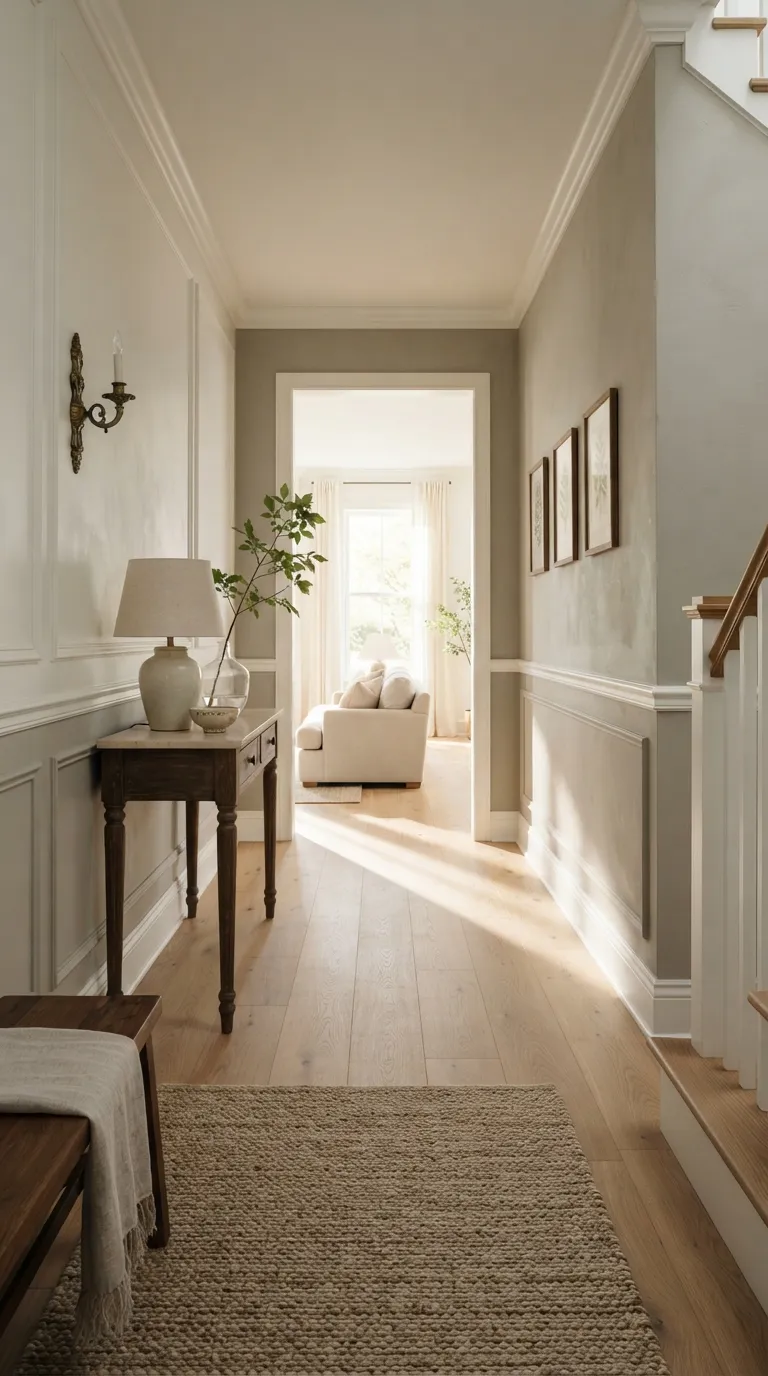
Architectural trim can make even a simple room feel considered. Picture-frame molding, simple crown molding, beadboard, and traditional door casings add structure without requiring bold furniture or busy decor.
Keep the profile clean if you want lasting appeal. White or softly painted trim works with many wall colors, while natural wood trim can bring warmth to older homes and spaces inspired by classic American interiors.
6. Well-Proportioned Lighting
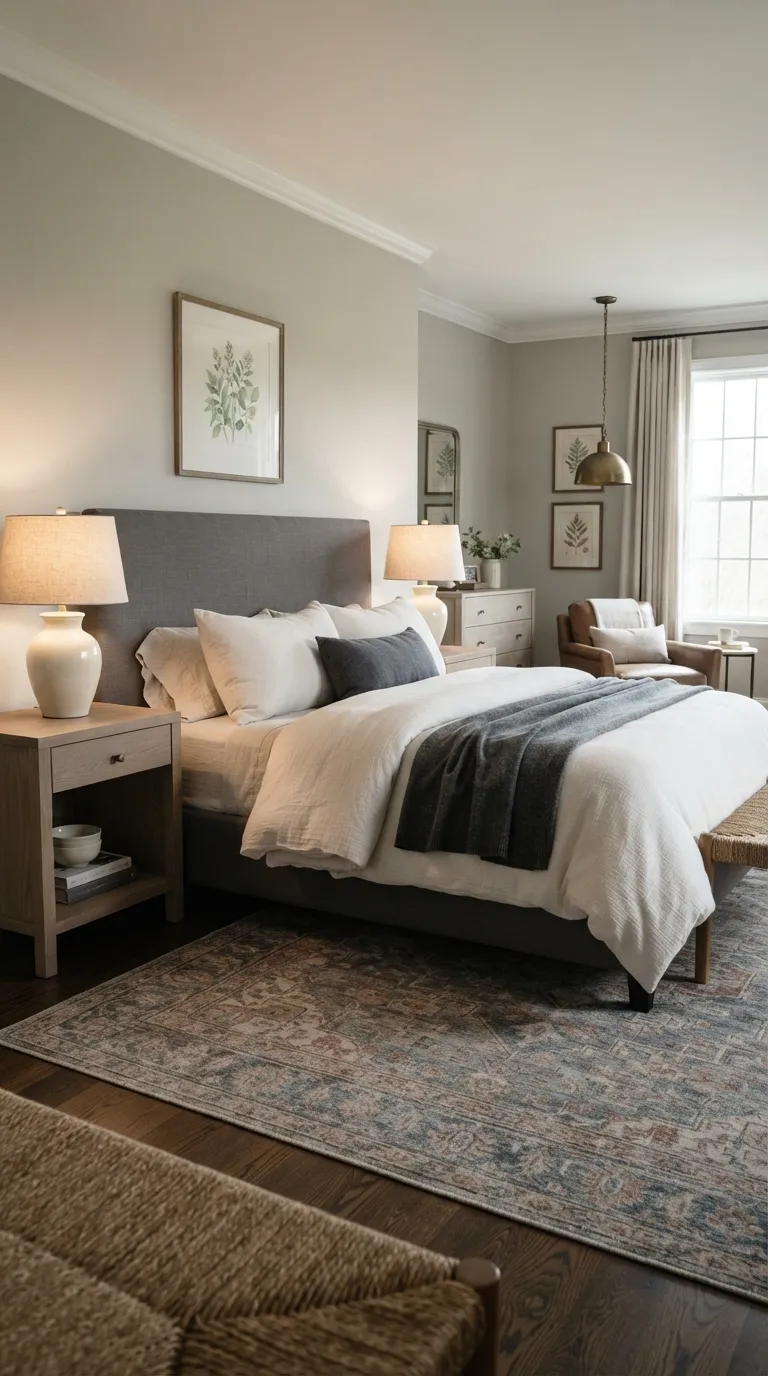
Good lighting should serve the room first. A mix of ceiling fixtures, table lamps, wall lights, and natural daylight gives each space useful layers without making the design feel tied to one trend.
Pay attention to scale as much as style. A tiny pendant can look lost above a large dining table, while an oversized fixture can crowd a small room. Choose lighting that fits the furniture and ceiling height, then use warm bulbs for a comfortable evening glow.
7. Hardwood Flooring
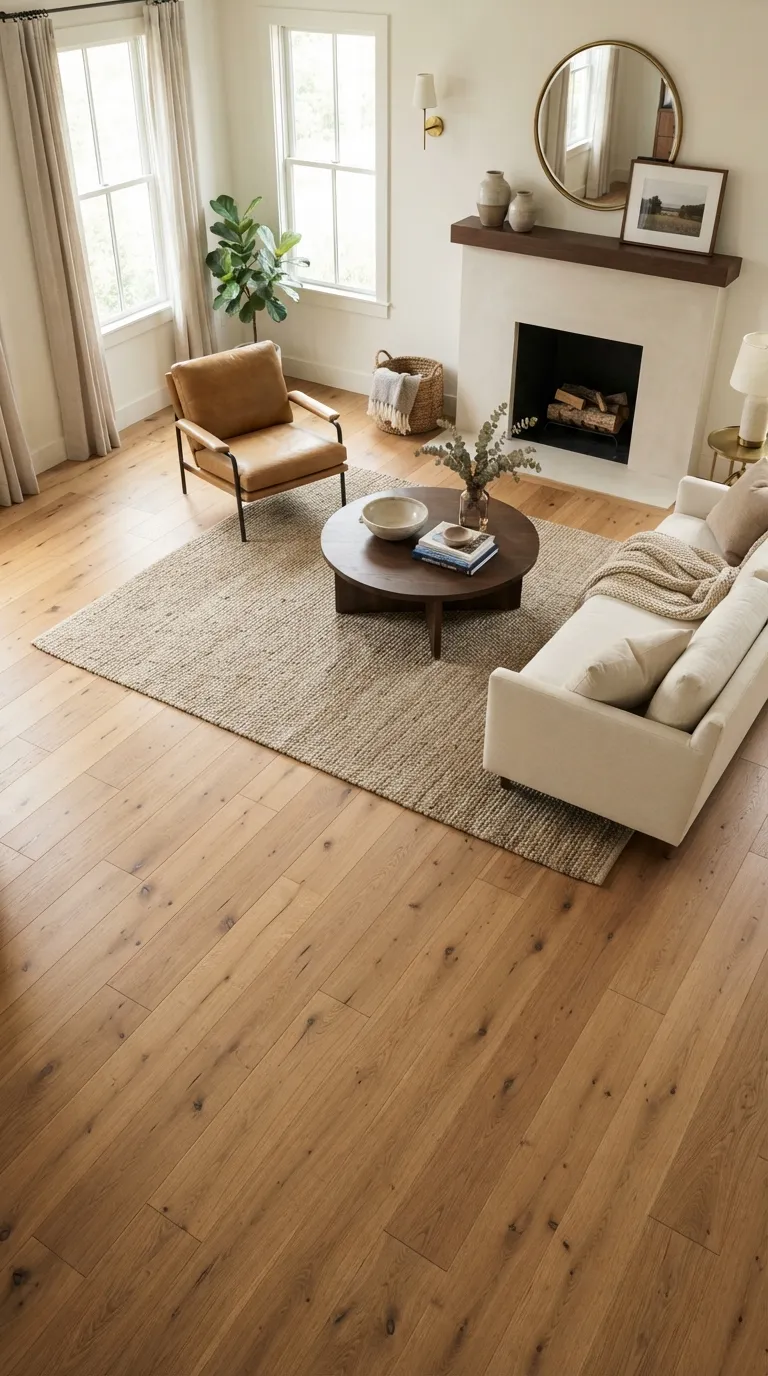
Hardwood flooring remains a dependable choice because it works with almost every decorating style. Its natural grain adds warmth underfoot, while a simple finish can suit traditional, transitional, Scandinavian, or modern rooms.
Choose the floor tone based on your home’s architecture and furniture. Medium oak offers a balanced look, while deeper walnut tones feel richer and lighter finishes can make compact rooms feel more open.
8. Classic White Kitchens
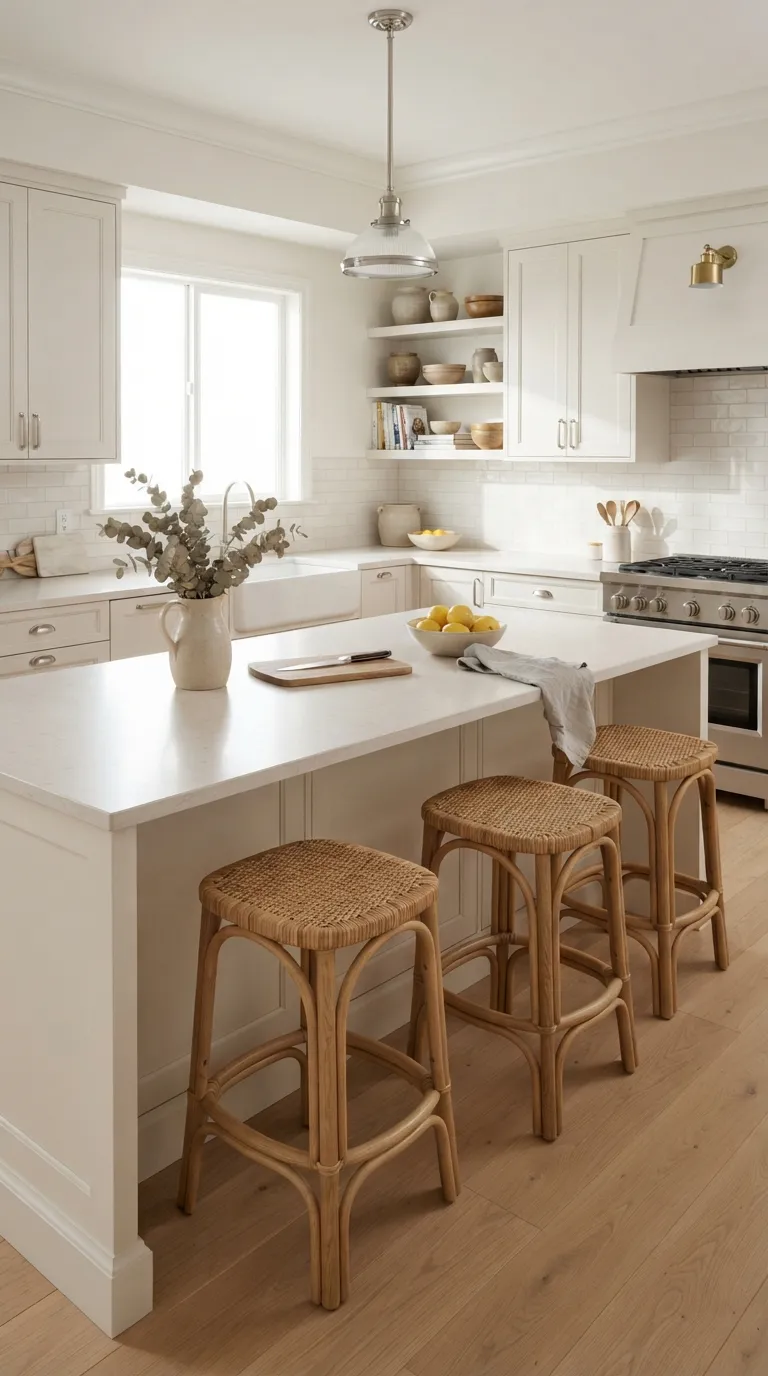
White kitchens offer a clean backdrop that can change with your tastes. Cabinet hardware, stools, rugs, artwork, and countertop accessories can all change without forcing you to replace the main cabinetry.
Warm up white surfaces with natural wood and textured fabrics. If an all-white room feels too stark, try cream cabinetry, pale stone, woven stools, or a wood island for a softer and more welcoming balance.
9. Built-In Shelving
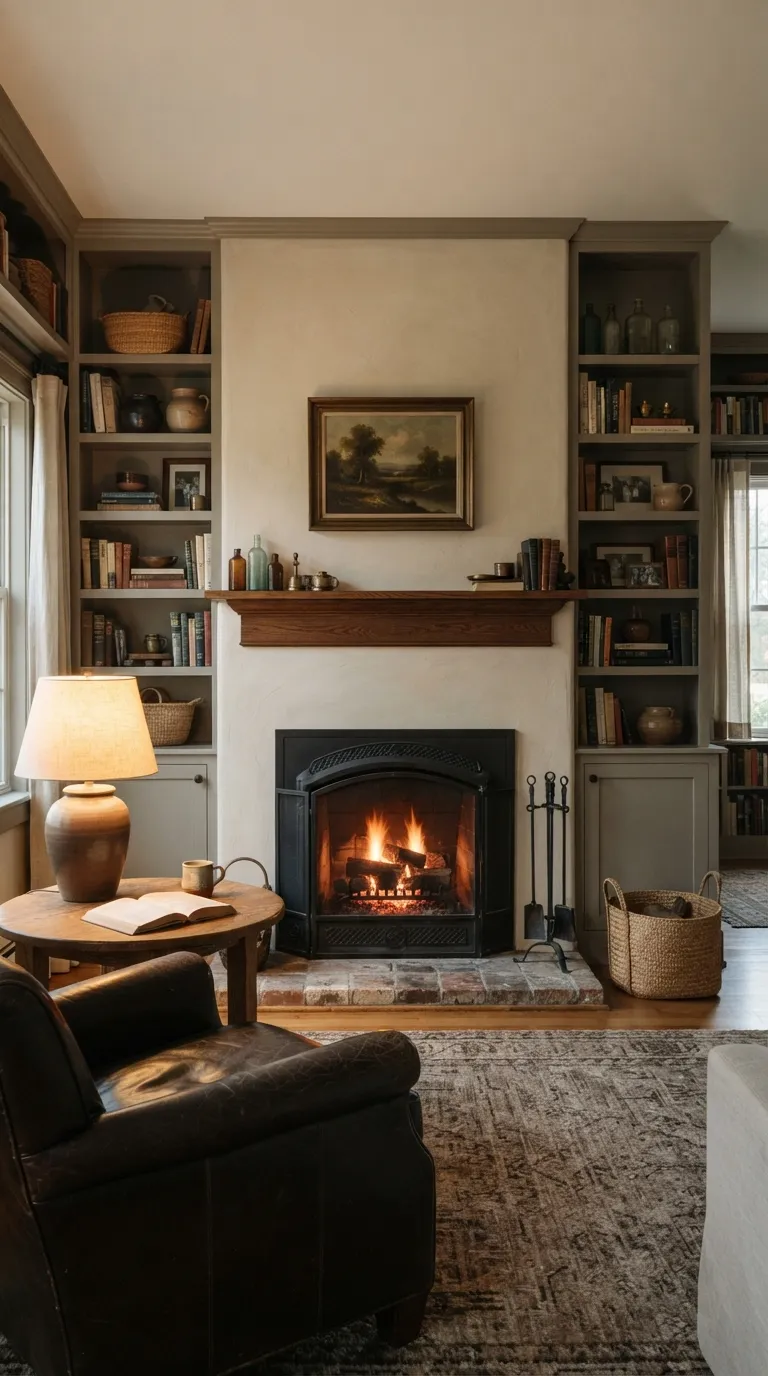
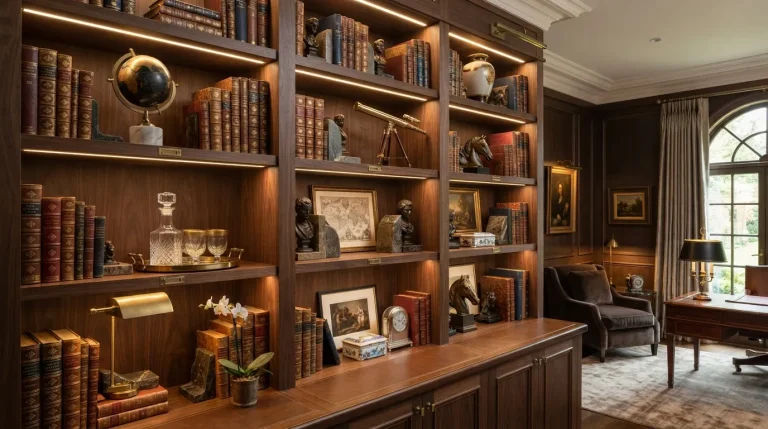
Built-in shelving gives a room storage, personality, and architectural structure at once. It can frame a fireplace, fill an unused wall, or create a practical home library without relying on freestanding furniture.
Keep the shelves useful as well as pretty. Mix books with baskets, ceramics, framed art, and a few meaningful objects, leaving some open space so the arrangement feels collected rather than crowded.
10. Vintage and Antique Accents
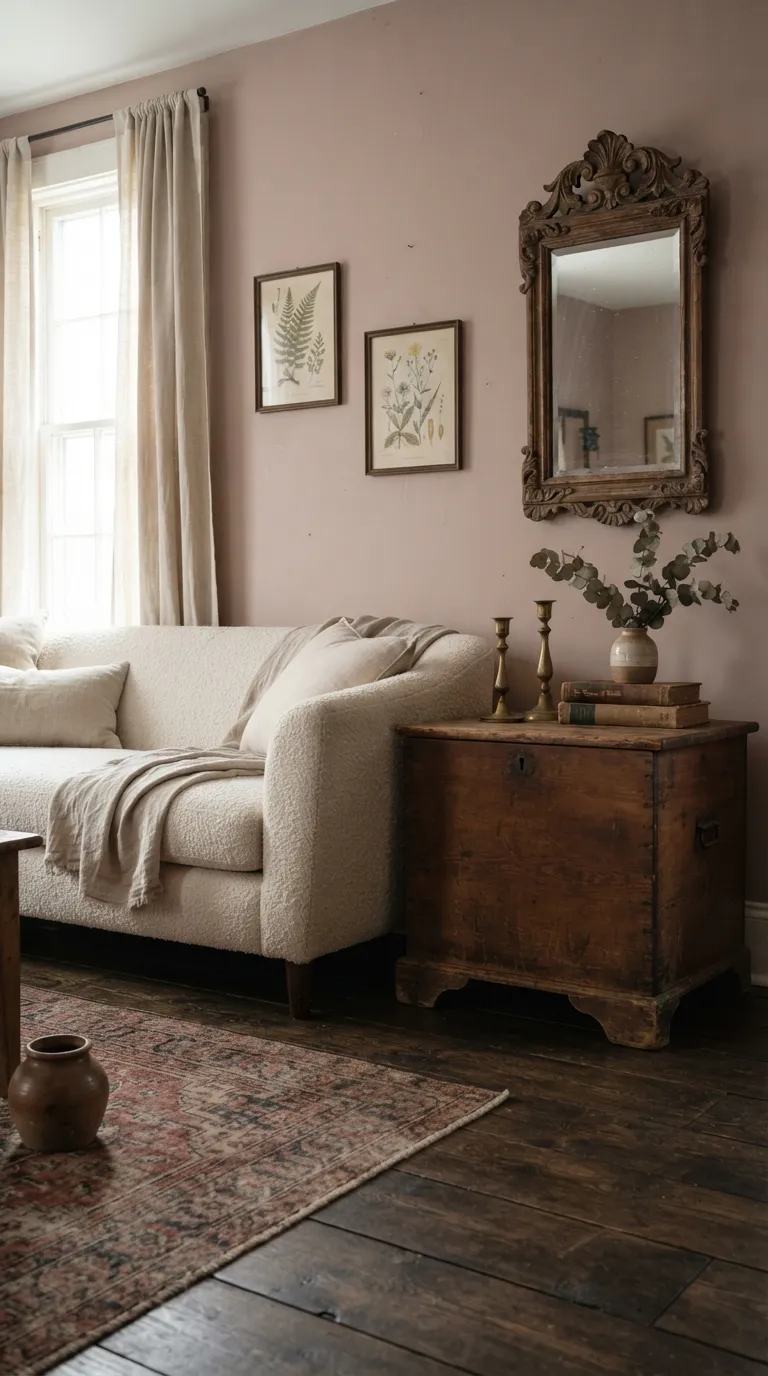
Vintage pieces give a home a sense of history and make a room feel less like a showroom. An antique mirror, old wooden chest, brass candlestick, or secondhand painting can add character beside newer furniture.
The trick is restraint. Choose a few pieces with visible age and pair them with simple contemporary surroundings so each object has space to stand out. This mix also makes timeless home design trends that never go out of style feel personal rather than predictable.
11. Layered Window Treatments
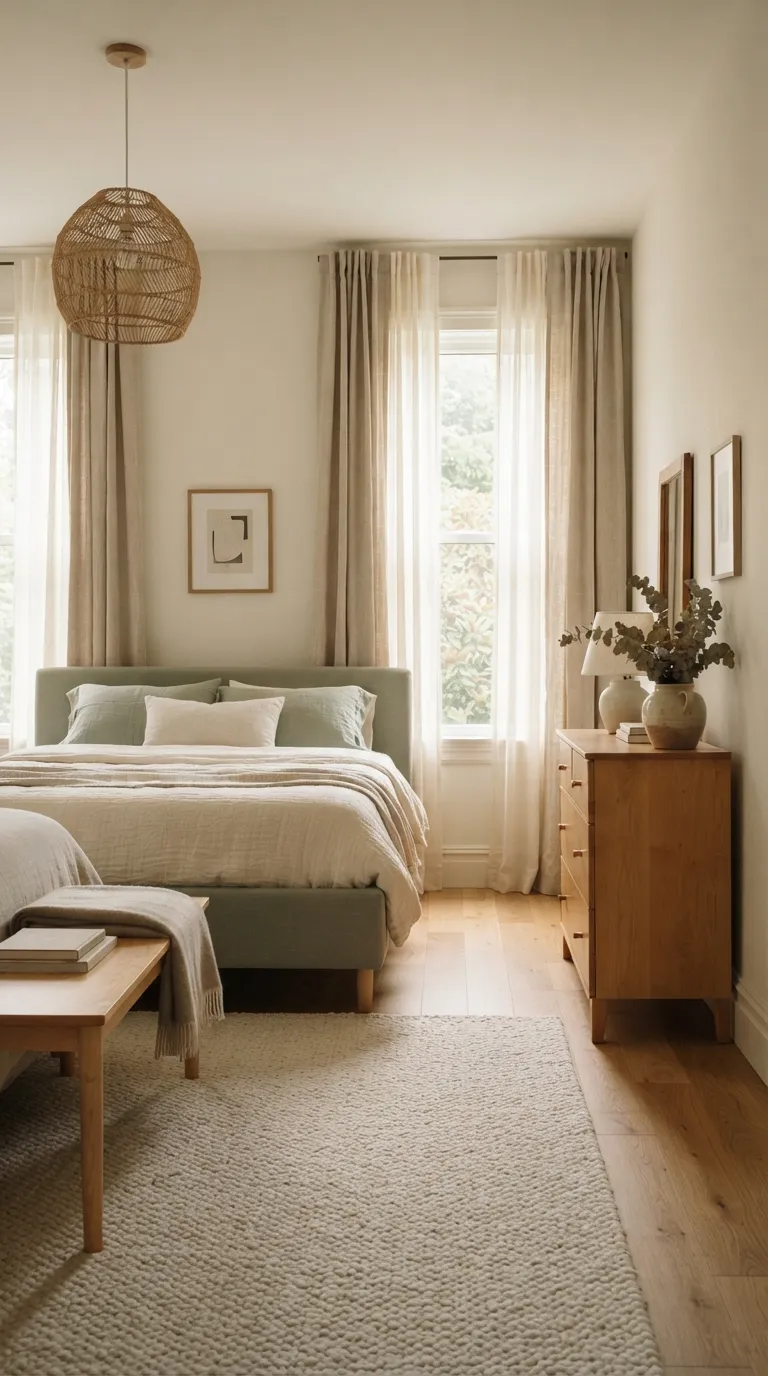
Window treatments affect both comfort and the overall feel of a room. Combining sheers with full curtains gives you flexible light control while adding softness and height around the windows.
Hang curtains close to the ceiling when the room allows it, and let the fabric reach the floor. Neutral linen, cotton, and textured blends tend to stay useful through many decorating changes and work across bedrooms, living rooms, and dining spaces.
12. Timeless Black-and-White Contrast
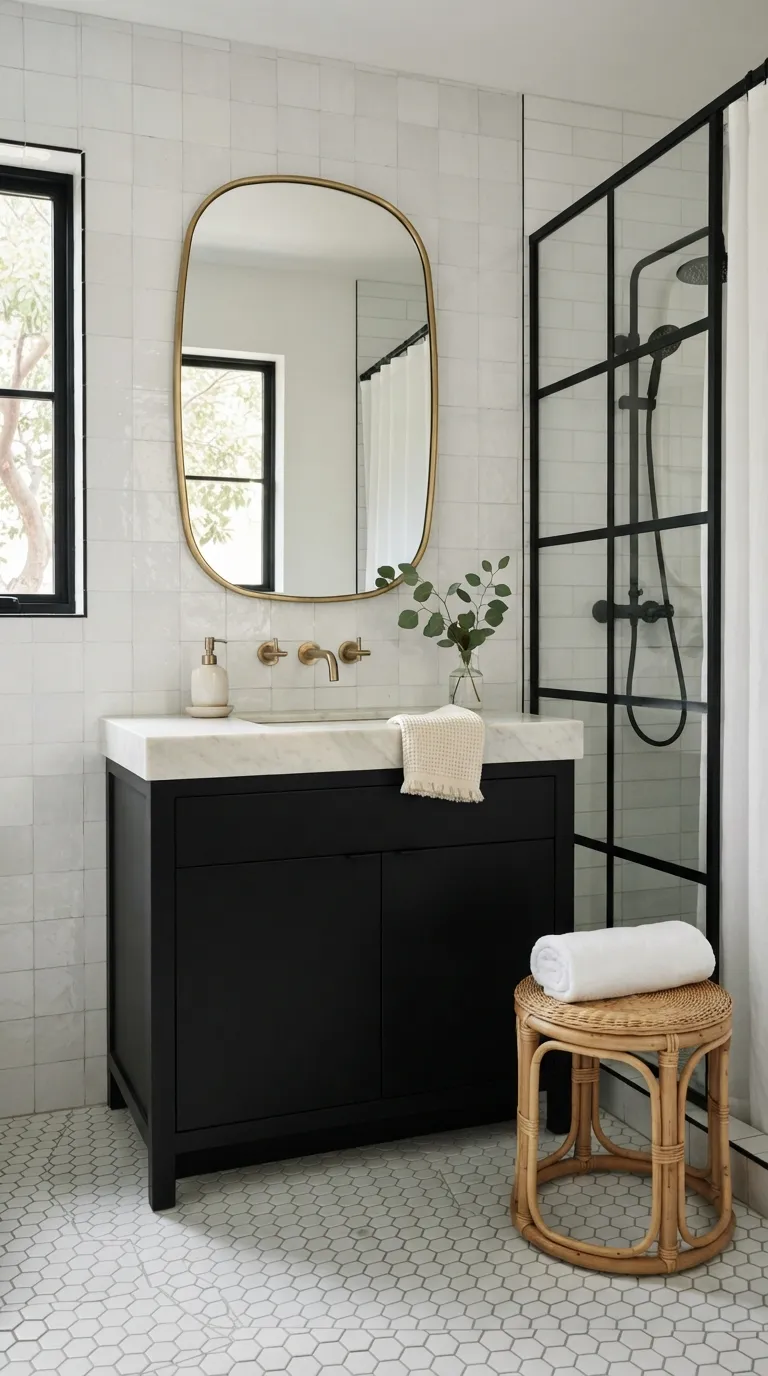
Black and white creates a clear visual foundation that doesn’t depend on a particular color craze. The pairing works especially well in kitchens, bathrooms, entryways, and rooms with strong architectural lines.
Soften the contrast with natural materials. Wood, marble, linen, woven fibers, and aged metal can keep black-and-white rooms from feeling too stark while preserving their clean, classic character.
13. Comfortable Reading Nooks
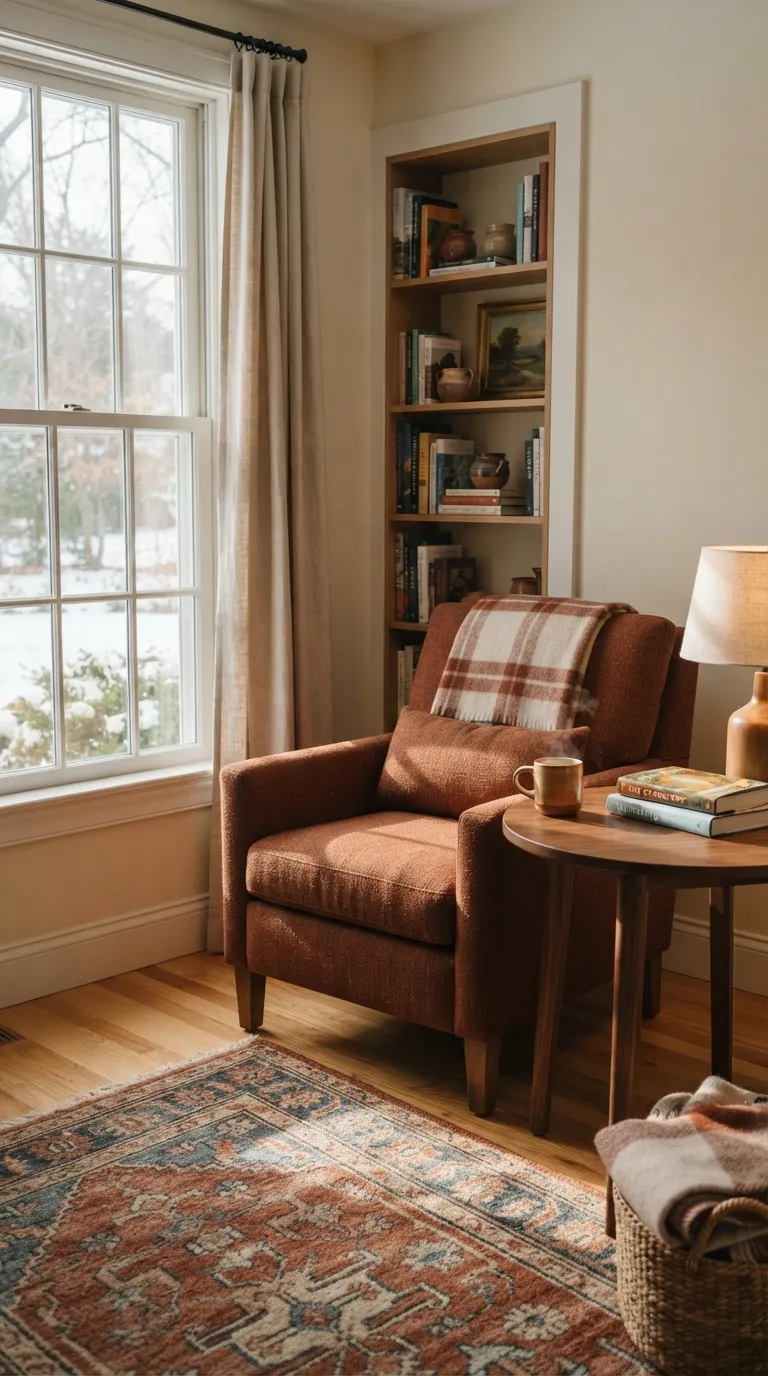
A reading nook gives an unused corner a clear purpose. You don’t need much space, either. A comfortable chair, small table, good lamp, and soft rug can create a peaceful spot for reading or enjoying a quiet cup of coffee.
Place the nook near natural light when possible. For evening use, add a dedicated lamp with a warm bulb so the area feels inviting without lighting the entire room.
14. Natural Linen and Cotton Textiles
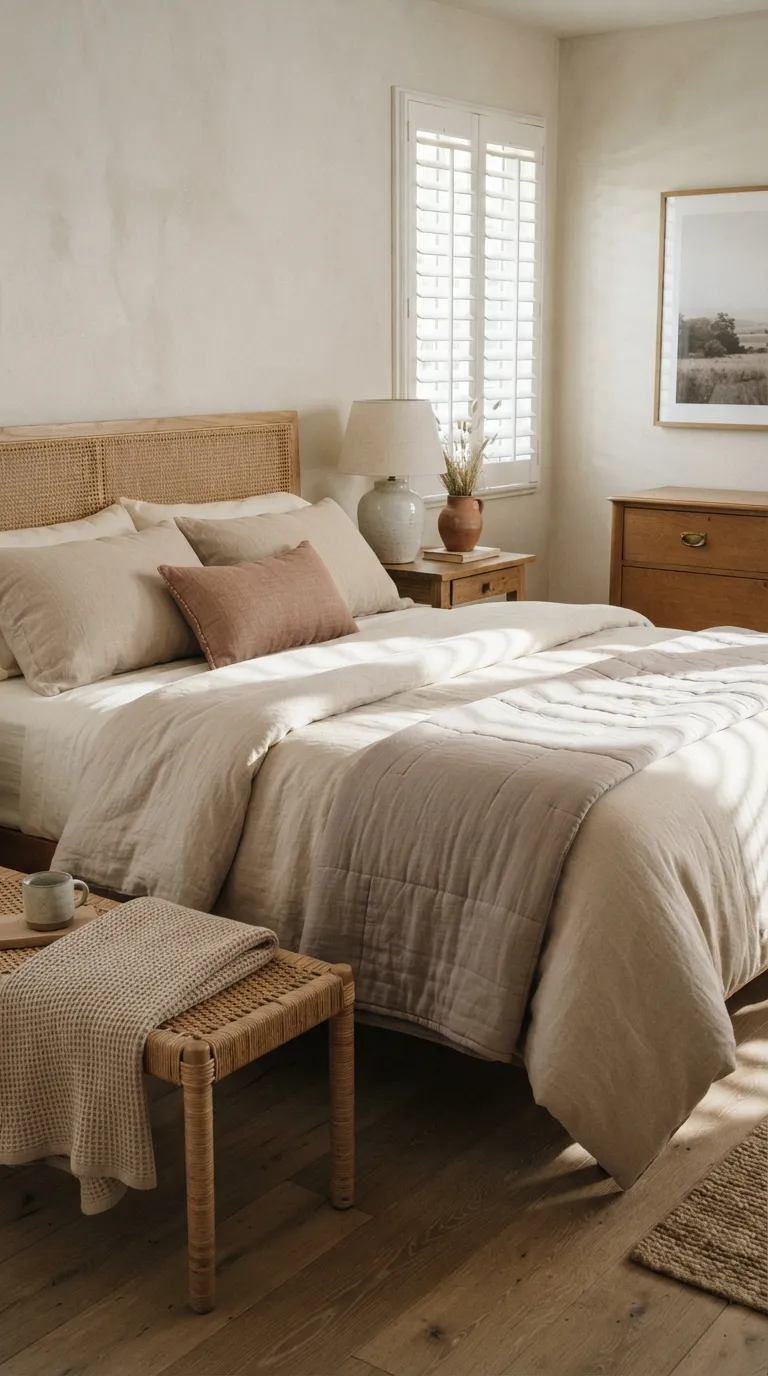
Natural fabrics bring softness to rooms without relying on loud patterns. Linen and cotton also have a relaxed texture that works beautifully in bedrooms, living rooms, dining areas, and casual spaces.
Mix textures instead of buying everything from one collection. A crisp cotton sheet can pair with a rumpled linen cover, while a heavier woven throw adds warmth and depth without making the room feel busy.
15. Classic Area Rugs
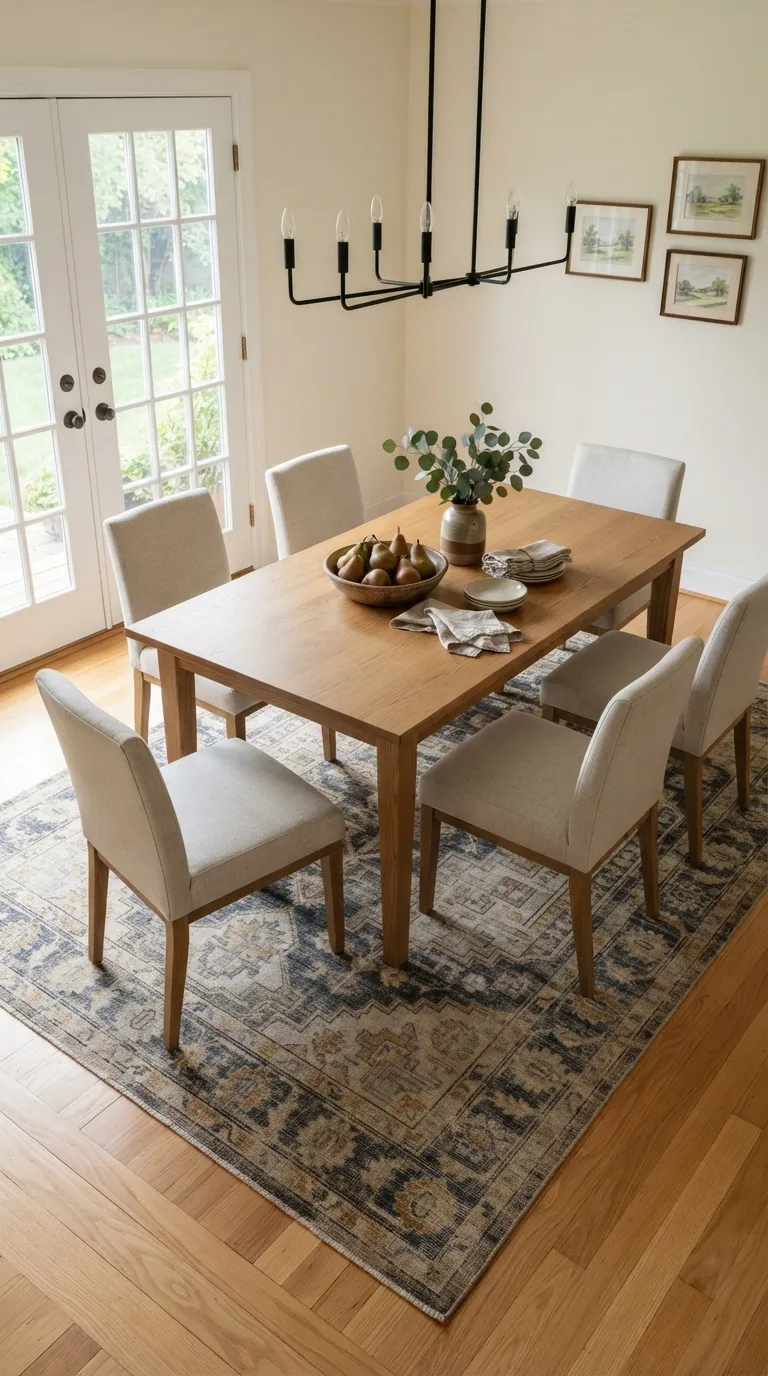
A good area rug can anchor an entire room. It defines seating zones, adds comfort underfoot, and introduces pattern without forcing you to decorate every surface.
For lasting appeal, look for patterns with several muted colors rather than one strong shade. Vintage-inspired motifs, subtle stripes, simple geometrics, and natural woven rugs can work with furniture changes over the years.
16. Freestanding Furniture With Character
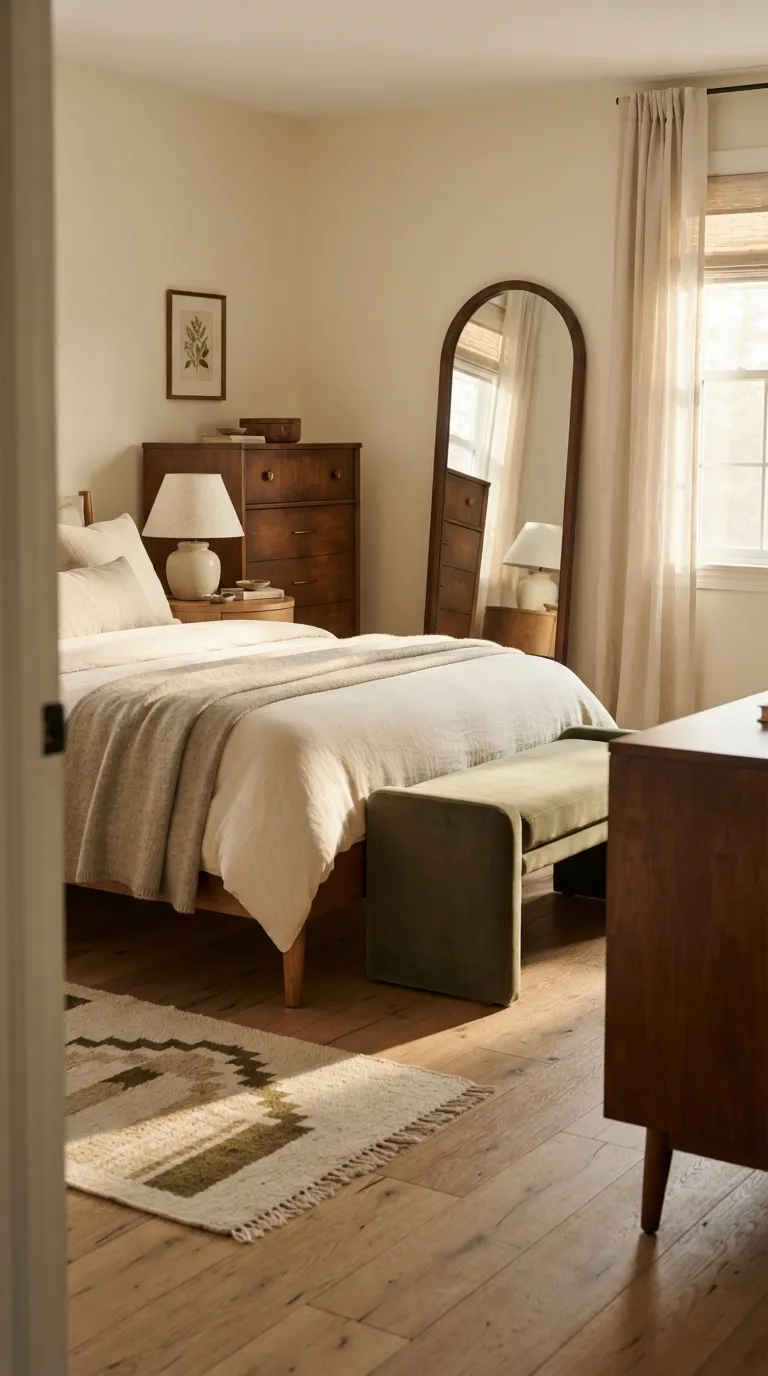
Freestanding furniture gives your rooms flexibility. Instead of filling every wall with permanent cabinetry, use dressers, consoles, cabinets, and sideboards that can move when your needs change.
Look for pieces with useful proportions and simple shapes. A solid wood dresser can work in a bedroom today and become an entryway cabinet later, giving your furniture a longer life.
17. Soft Curved Shapes
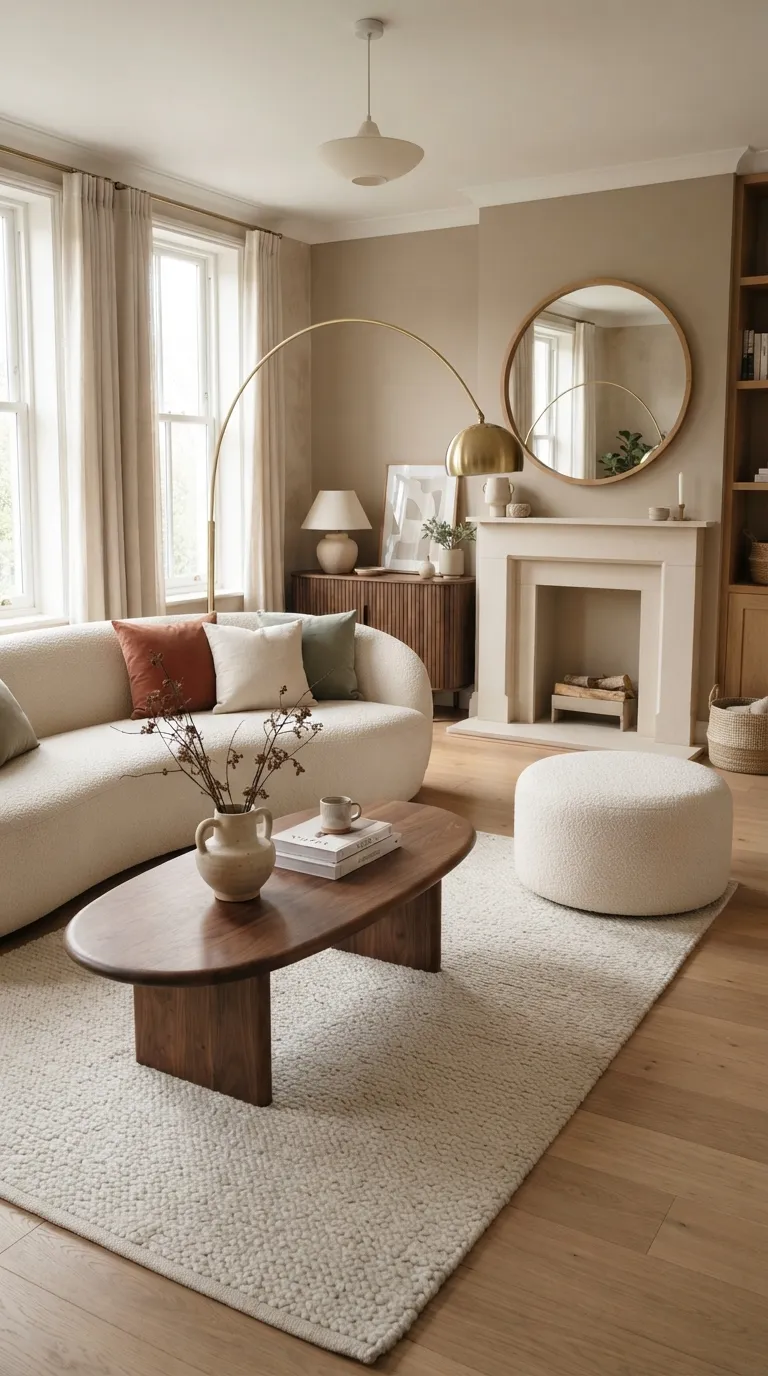
Curved furniture can soften a room filled with straight architectural lines. Rounded sofas, oval tables, arched mirrors, and circular rugs bring gentle movement while remaining easy to pair with classic pieces.
You don’t need curves everywhere. One rounded sofa or an oval coffee table can be enough to break up a boxy layout and make the furniture arrangement feel more relaxed.
18. Statement Fireplaces
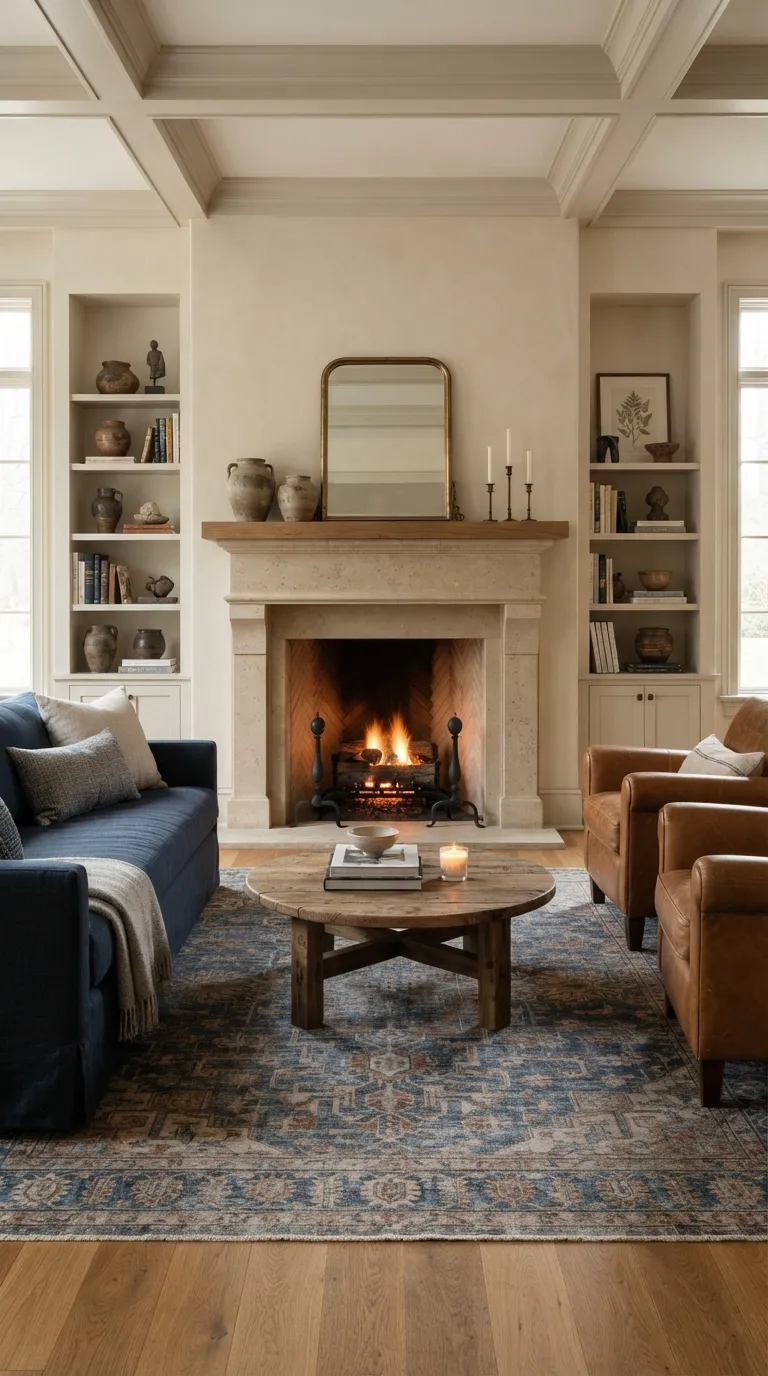
A fireplace naturally becomes a focal point, especially when its design feels connected to the architecture. Stone, brick, plaster, and simple wood surrounds can all create a strong feature without relying on ornate decoration.
Keep the mantel styling restrained. A mirror, artwork, pottery, or a few seasonal objects can change with the room while the fireplace remains a steady visual anchor.
19. Indoor Plants and Fresh Greenery
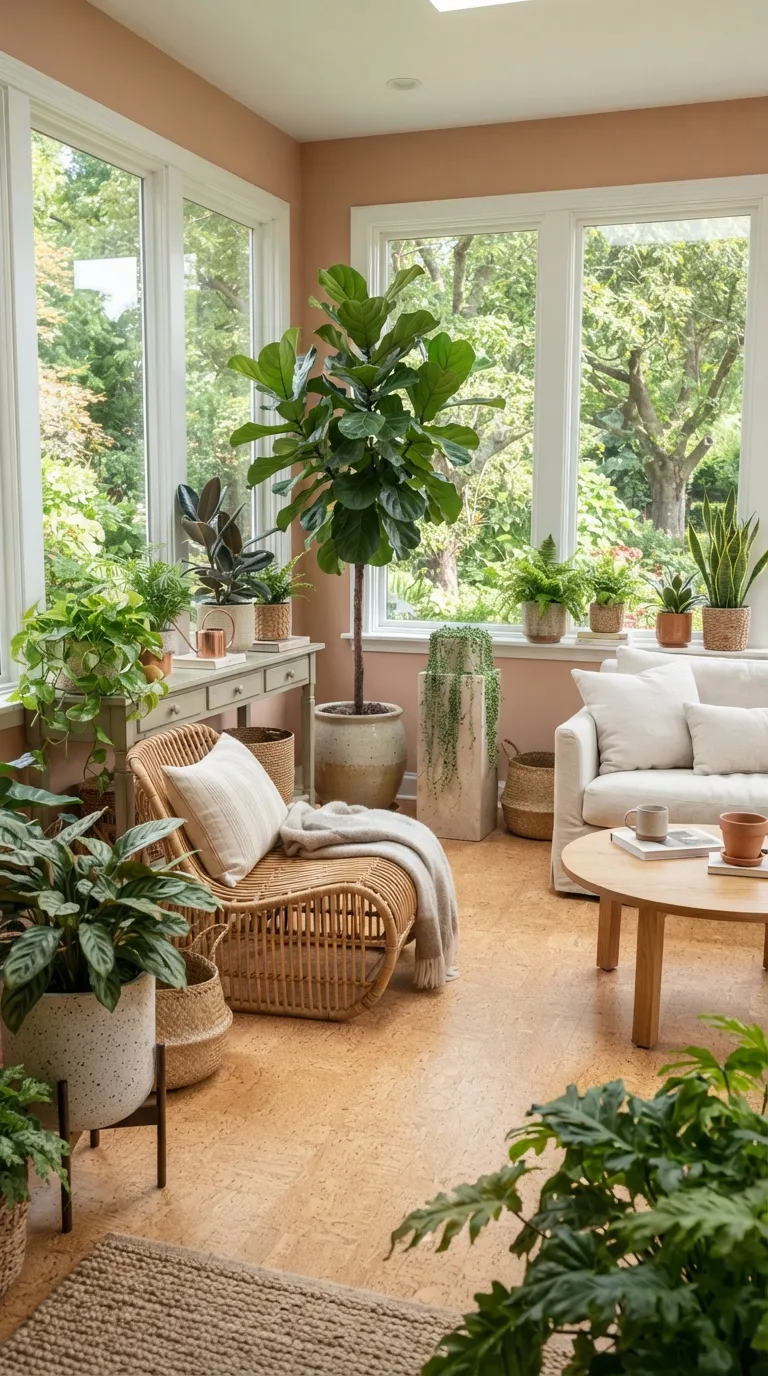
Plants bring natural color and texture into a home without demanding a full decorating change. A mature tree, trailing plant, or simple vase of fresh branches can make a room feel more connected to the outdoors.
Choose greenery based on your home’s light and your care routine. Place taller plants in empty corners, smaller varieties on shelves, and fresh branches on dining tables or consoles for an easy seasonal touch.
20. Functional Entryway Design
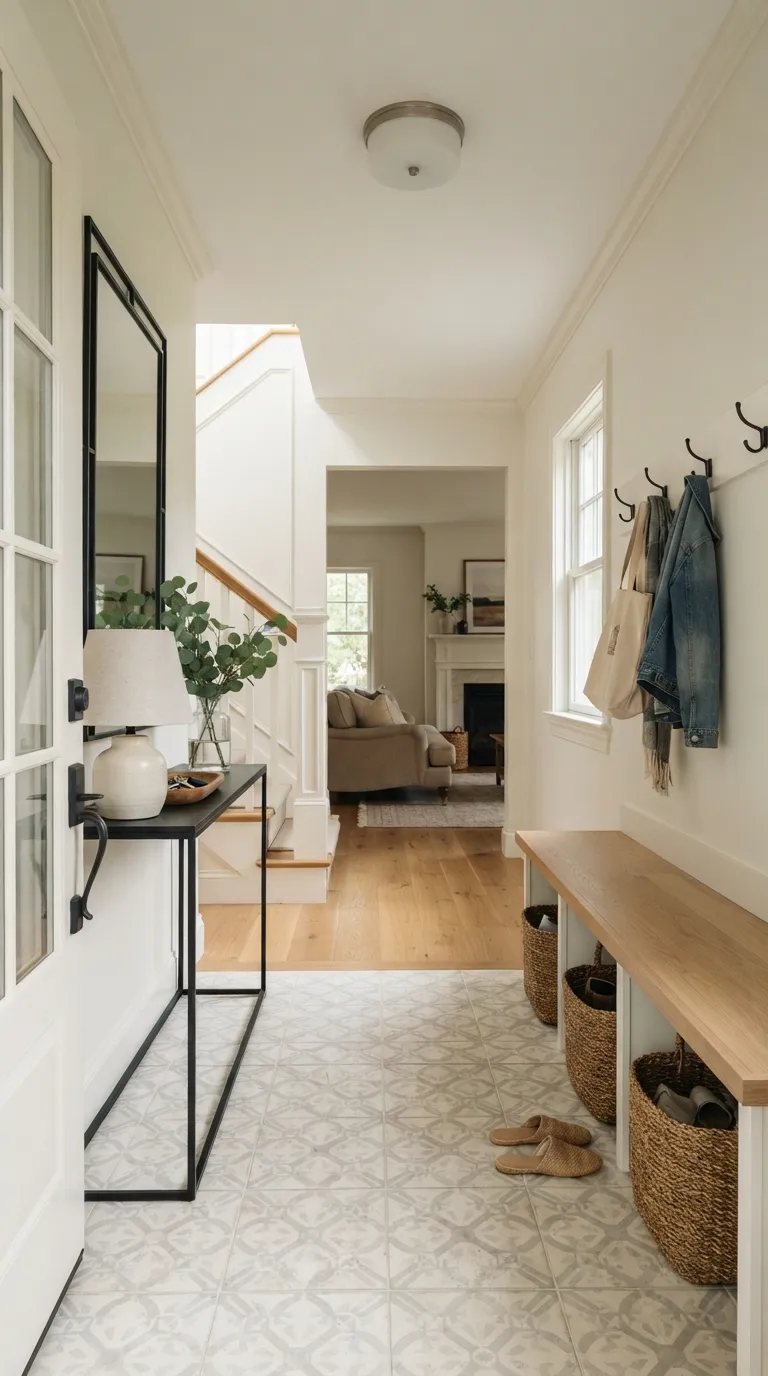
A beautiful entryway still needs to handle real life. Hooks, baskets, benches, drawers, and a useful surface for keys can keep daily clutter from spreading through the rest of the house.
Start with the habits of the people using the space. If shoes pile up near the door, add closed storage or baskets. If bags tend to land on a chair, provide hooks at a convenient height.
21. Mix of Old and New Decor
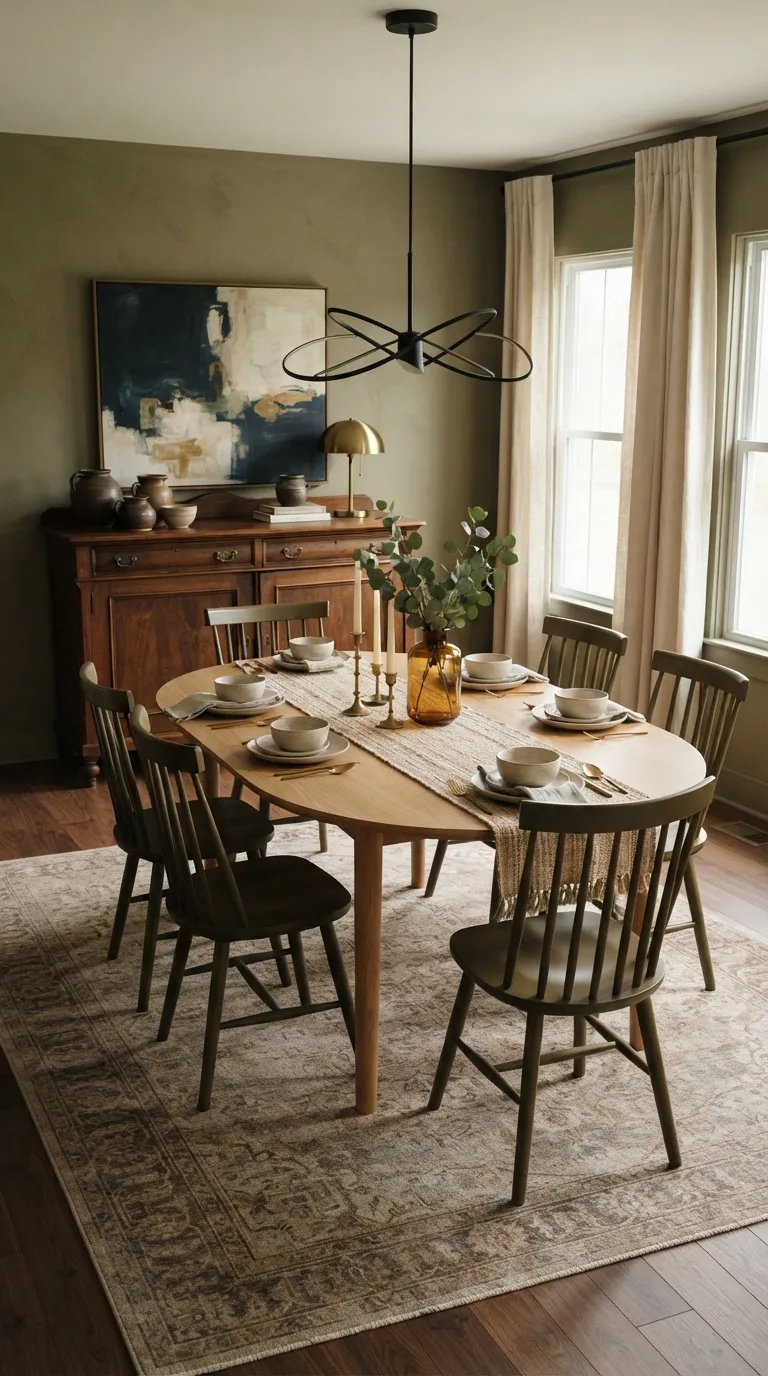
Rooms often feel more natural when every piece doesn’t look like it came from the same store. Mixing old and new furniture adds contrast, depth, and a sense of personality.
Try pairing one older piece with several newer ones. An antique cabinet can ground a modern dining room, while contemporary lighting can give a traditional space a fresh note without erasing its character.
22. Quality Over Quantity
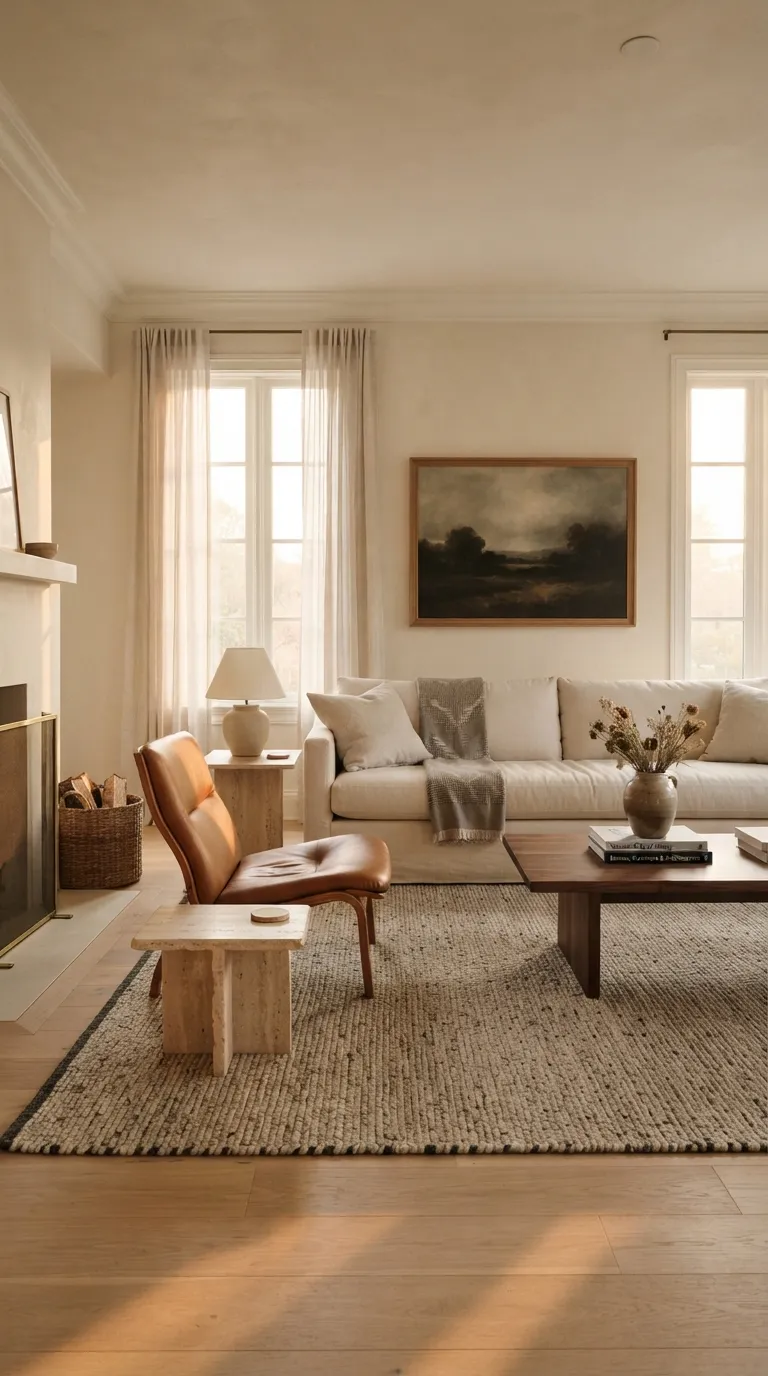
Timeless decorating doesn’t mean buying more. It means choosing pieces that feel good, work well, and can stay useful as your home changes.
Before buying another accent, look at what the room already needs. One solid table, comfortable chair, quality rug, or well-made lamp can have more staying power than a room packed with small decorative items.
Closing Thoughts
The best timeless home design trends that never go out of style give you a strong base without making your home feel frozen in one era. Natural materials, comfortable furniture, classic colors, useful storage, and thoughtful lighting can stay in place while smaller details change with your taste.
Start with one room rather than trying to redo everything at once. Choose a lasting foundation, then add artwork, textiles, plants, and personal pieces that make the space feel like yours. When your home works well and reflects your personality, you won’t need to chase every new decorating trend.
Emma Williams
Emma Williams is an interior design expert and decor editor at Lady Home Decor. She specializes in modern, cozy, and functional home styling, helping readers discover inspiring decorating ideas that are easy to recreate. Her work focuses on timeless design, practical solutions, and the latest home decor trends.