22 Modern Home Design Trends You Absolutely Need to See in 2026

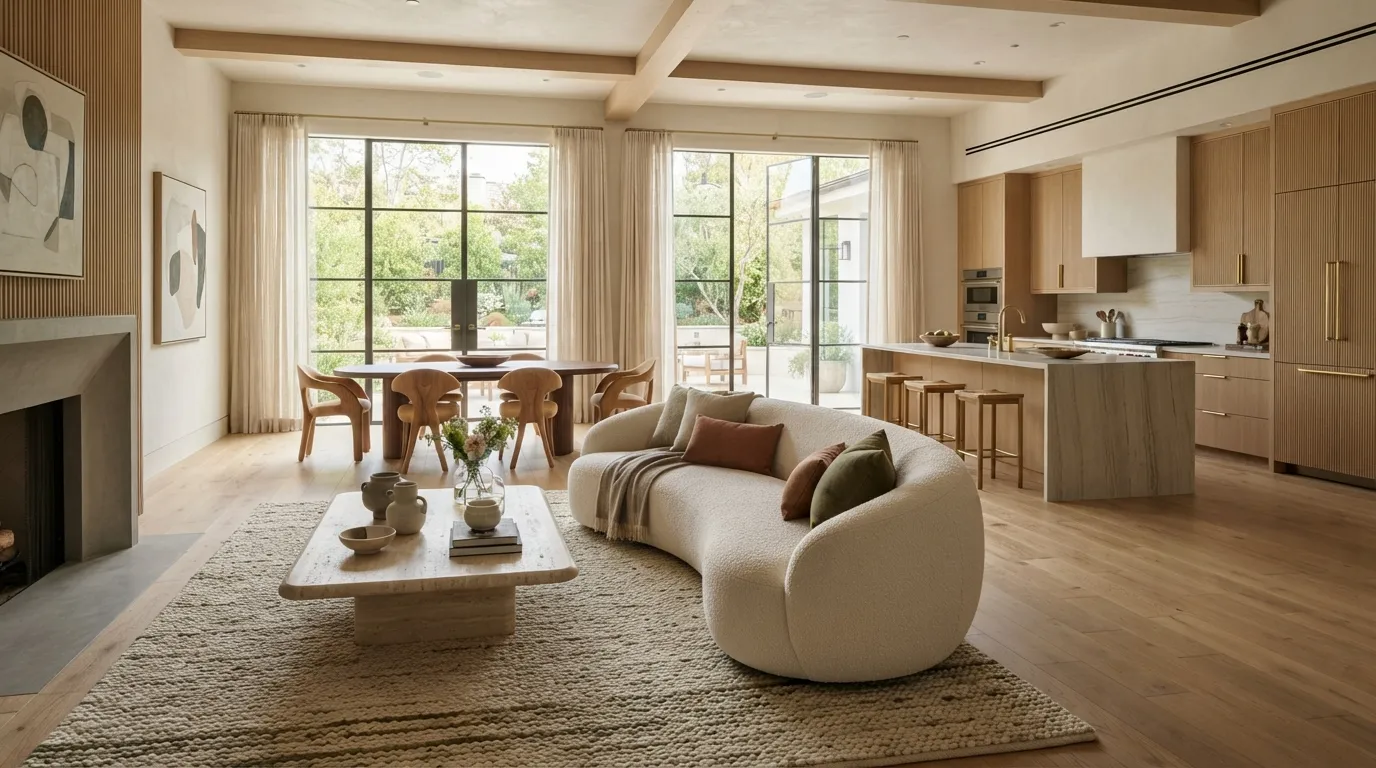
Modern homes are taking a warmer, softer direction in 2026. If you’re collecting ideas for a fresh space, modern home design trends for 2026 offer plenty of inspiration, from curved furniture and natural stone to earthy colors, quiet rooms, and smarter layouts. The goal isn’t to fill every corner with new pieces. It’s about choosing details that make your home feel current while still comfortable enough for everyday life.
You can bring these ideas into almost any room. A small update, such as a sculptural lamp or textured wall finish, can change the mood without a full renovation. The best modern interiors mix clean lines with natural materials, useful storage, cozy textures, and personal touches that keep the space from feeling cold.
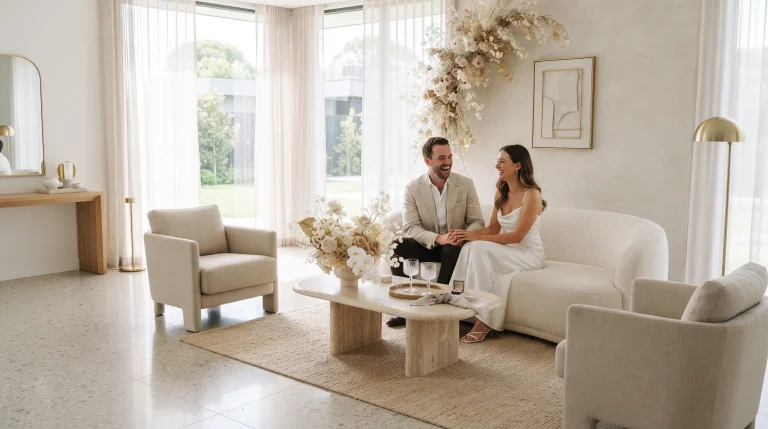
1. Warm Minimalism With Natural Texture
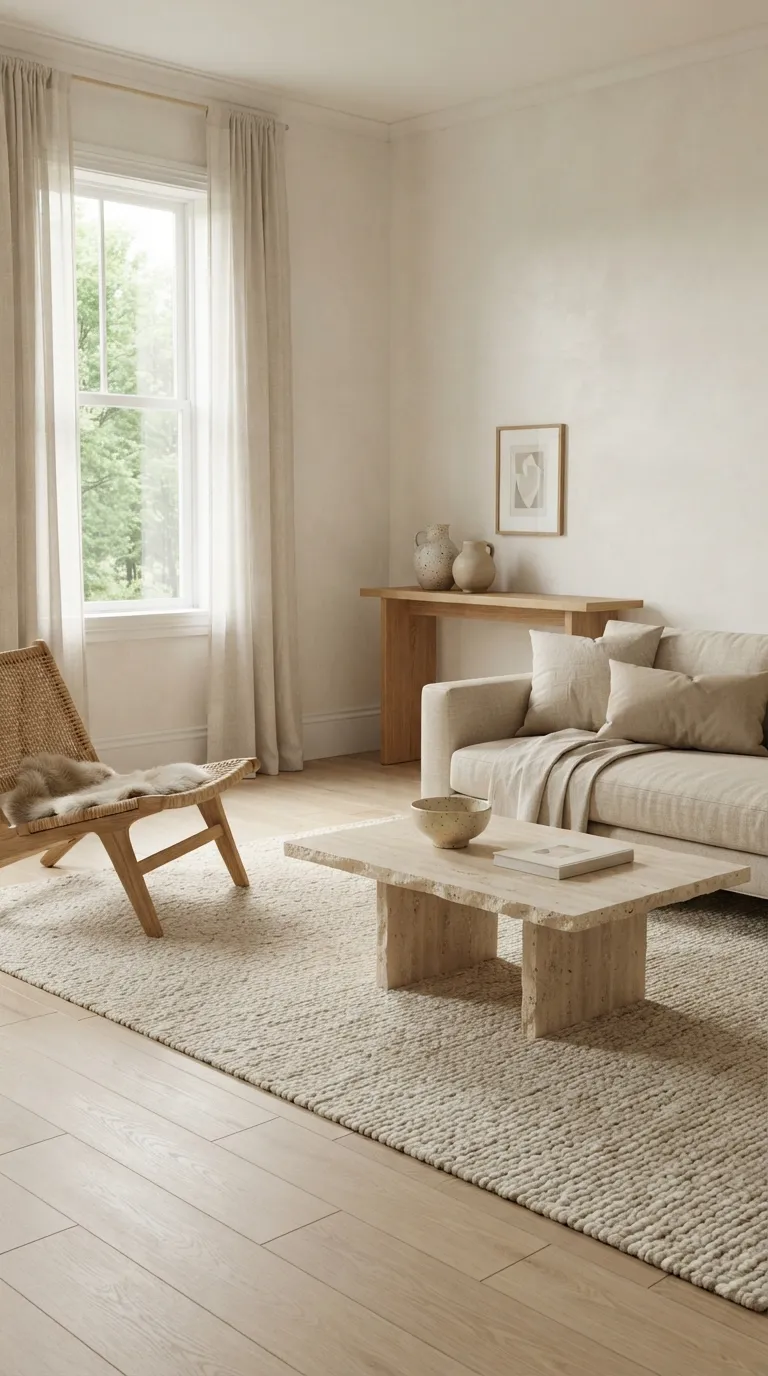
Warm minimalism keeps modern rooms from feeling stark. Instead of adding lots of decor, focus on tactile materials such as linen, wool, plaster, oak, rattan, and unfinished ceramics. These surfaces give a simple room enough visual interest without making it look busy.
Try this approach in your living room first. Keep the furniture profile clean, then layer in a textured rug, woven basket, soft curtains, and a few handmade pieces. The result feels calm and polished while still looking like someone actually lives there.
2. Curved Furniture Softens Modern Rooms
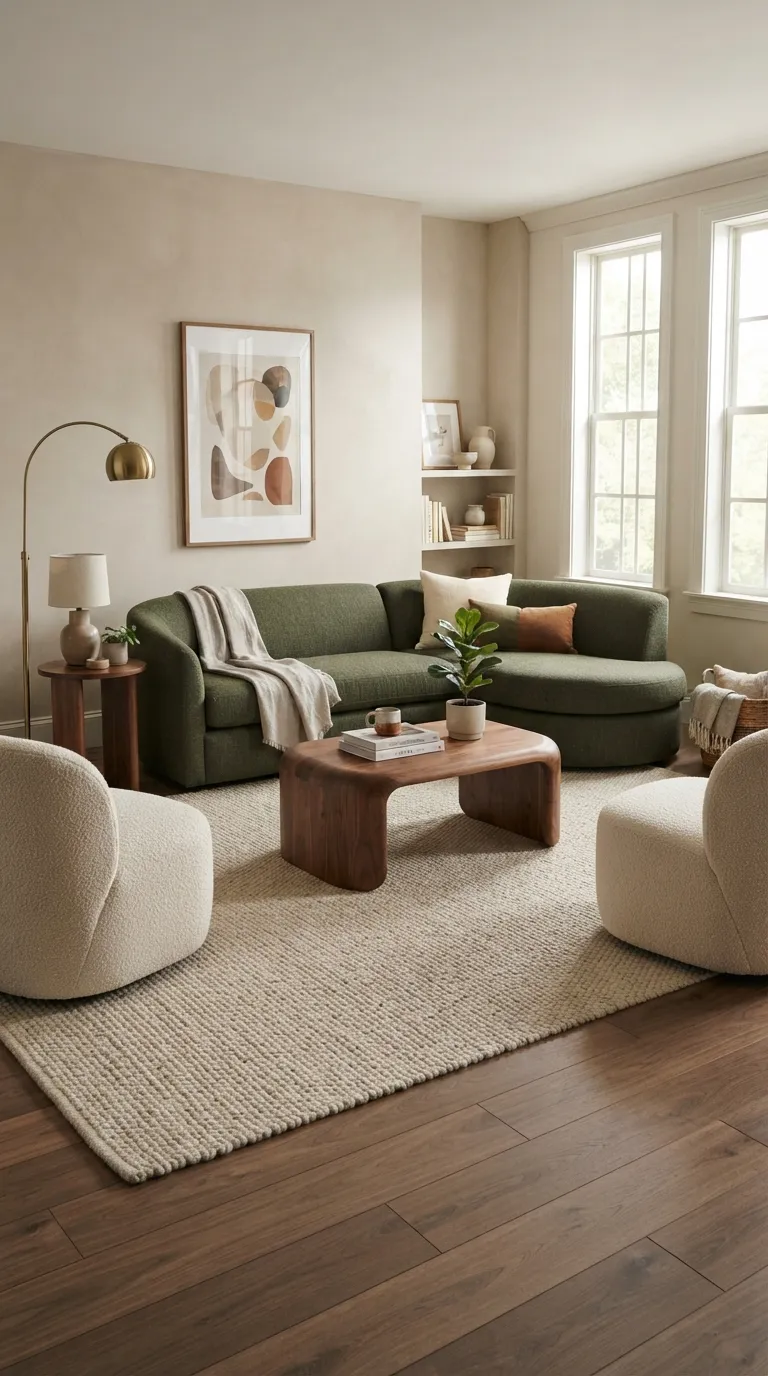
Curved furniture gives modern interiors a softer shape. Rounded sofas, oval tables, arched chairs, and circular mirrors can break up a room filled with straight walls and rectangular furniture. This idea works especially well when you want a clean space that still feels relaxed.
Start with one curved statement piece rather than replacing everything. A rounded coffee table can make a square seating arrangement feel less rigid, while an arched chair can add a gentle contrast beside a straight sofa. Professional designers often use this mix to create movement without adding clutter.
3. Earthy Color Palettes Replace Stark Neutrals
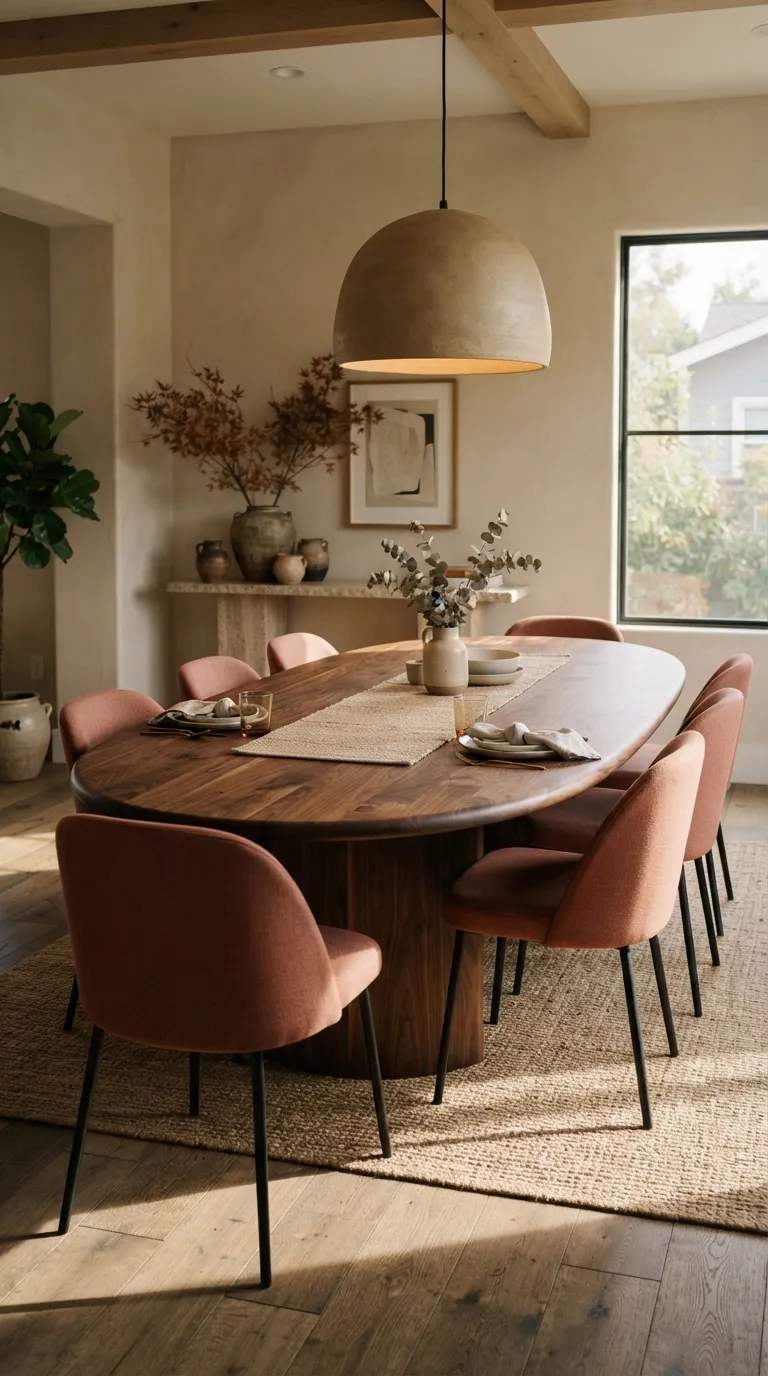
Color can make a modern room feel much more inviting. In 2026, earthy shades such as clay, terracotta, olive, mushroom, warm taupe, sand, and muted brown pair naturally with wood and stone. They also work well as small accents if you prefer a lighter base.
You don’t need to repaint every wall to try the look. Add an earthy dining chair, ceramic vase, rug, artwork, or set of cushions against a neutral background. For a small room, use one deeper tone in a controlled area so the space feels grounded rather than crowded.
4. Natural Stone Becomes a Design Feature
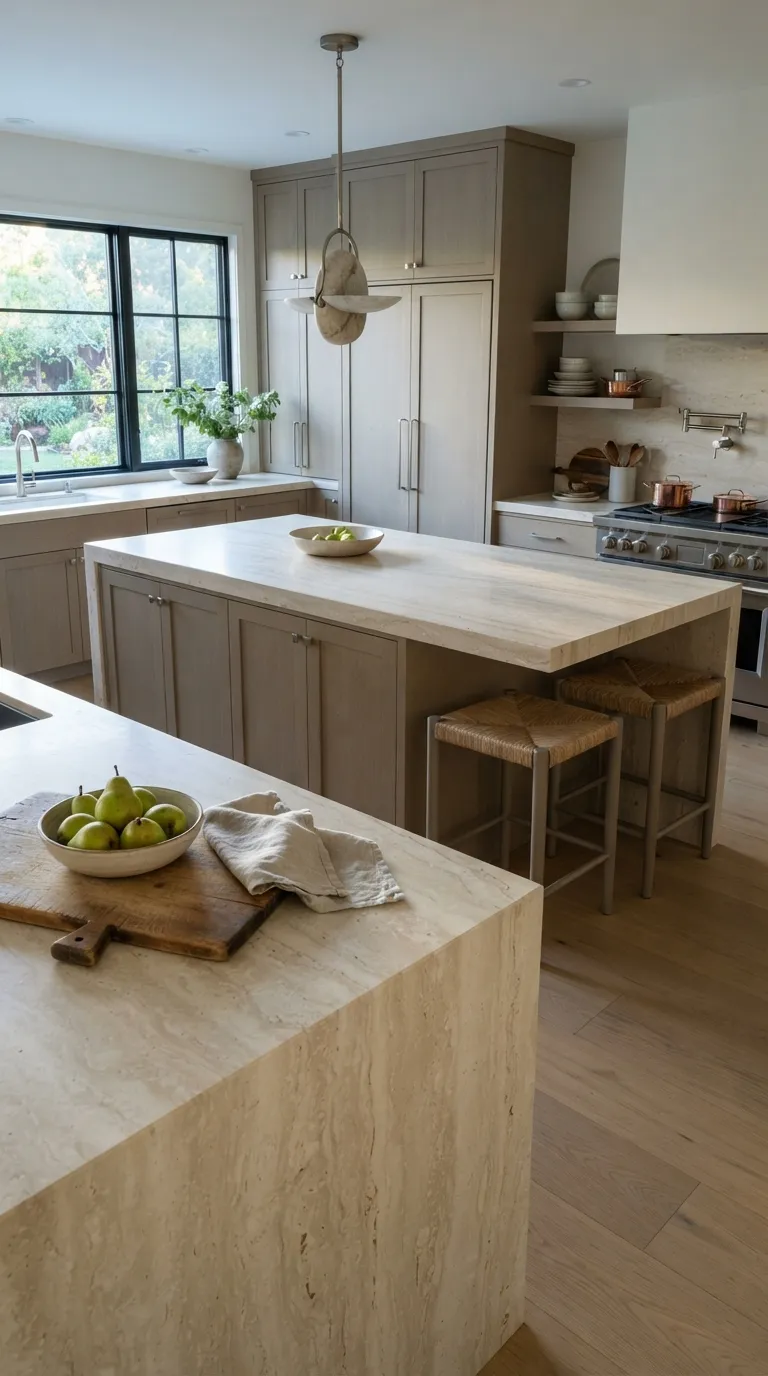
Natural stone is moving beyond basic countertops. Limestone, travertine, marble, and soapstone can now act as visual anchors in kitchens, bathrooms, fireplaces, and entryways. Their natural variation gives a room character that manufactured surfaces often can’t match.
For a modern kitchen, consider a stone island with simple cabinetry around it. If a large installation isn’t practical, use stone on a bathroom vanity, fireplace surround, or small side table. Let the stone stand out by keeping nearby finishes quiet.
5. Wood Ceilings Add Warmth Overhead
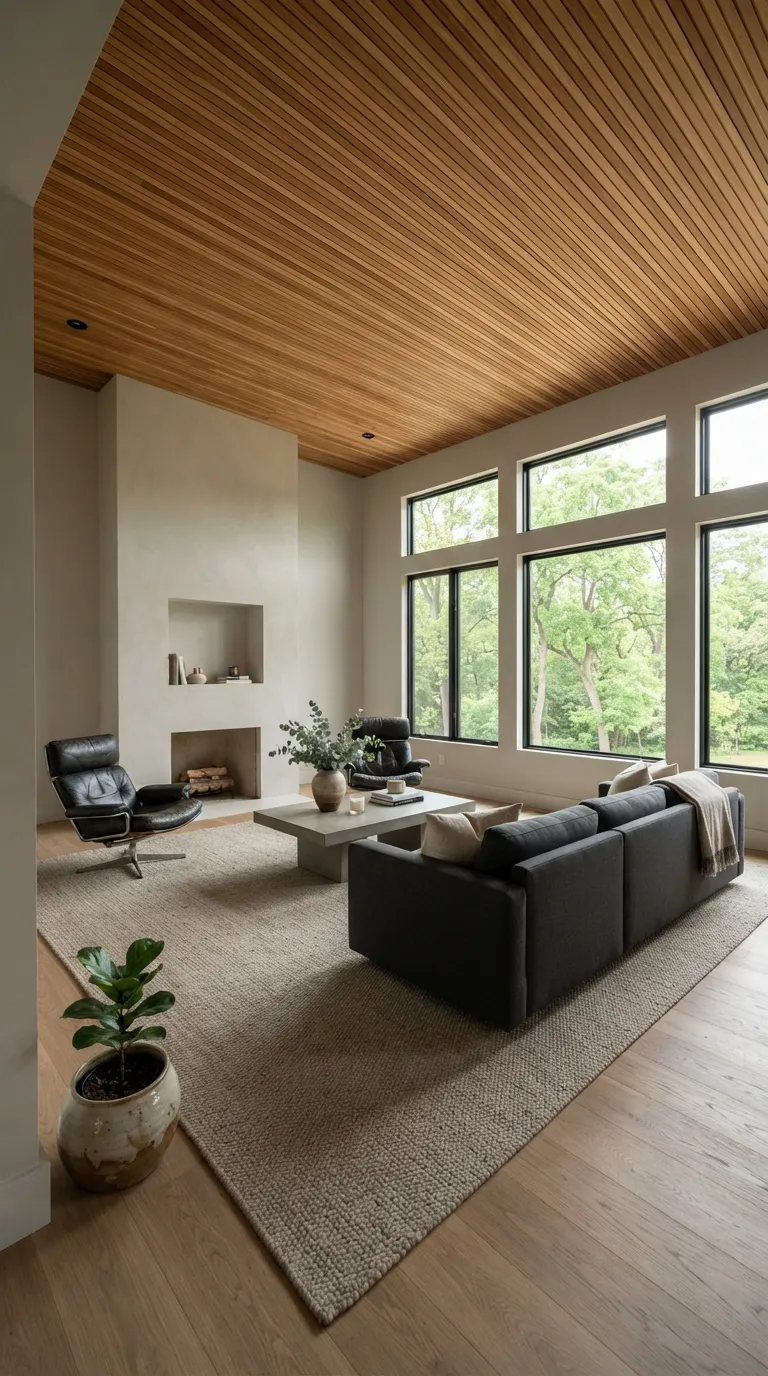
Wood isn’t limited to floors and cabinets. A timber ceiling can make a large modern room feel warmer while adding a strong architectural detail overhead. Light oak keeps the look airy, while walnut creates a deeper and richer mood.
This idea works particularly well in open-plan spaces with high ceilings. Pair wood overhead with simple walls and streamlined furniture so the ceiling becomes the main feature. Even a partial wood treatment over a dining area can create a defined zone without adding a wall.
6. Quiet Luxury Favors Quality Over Clutter
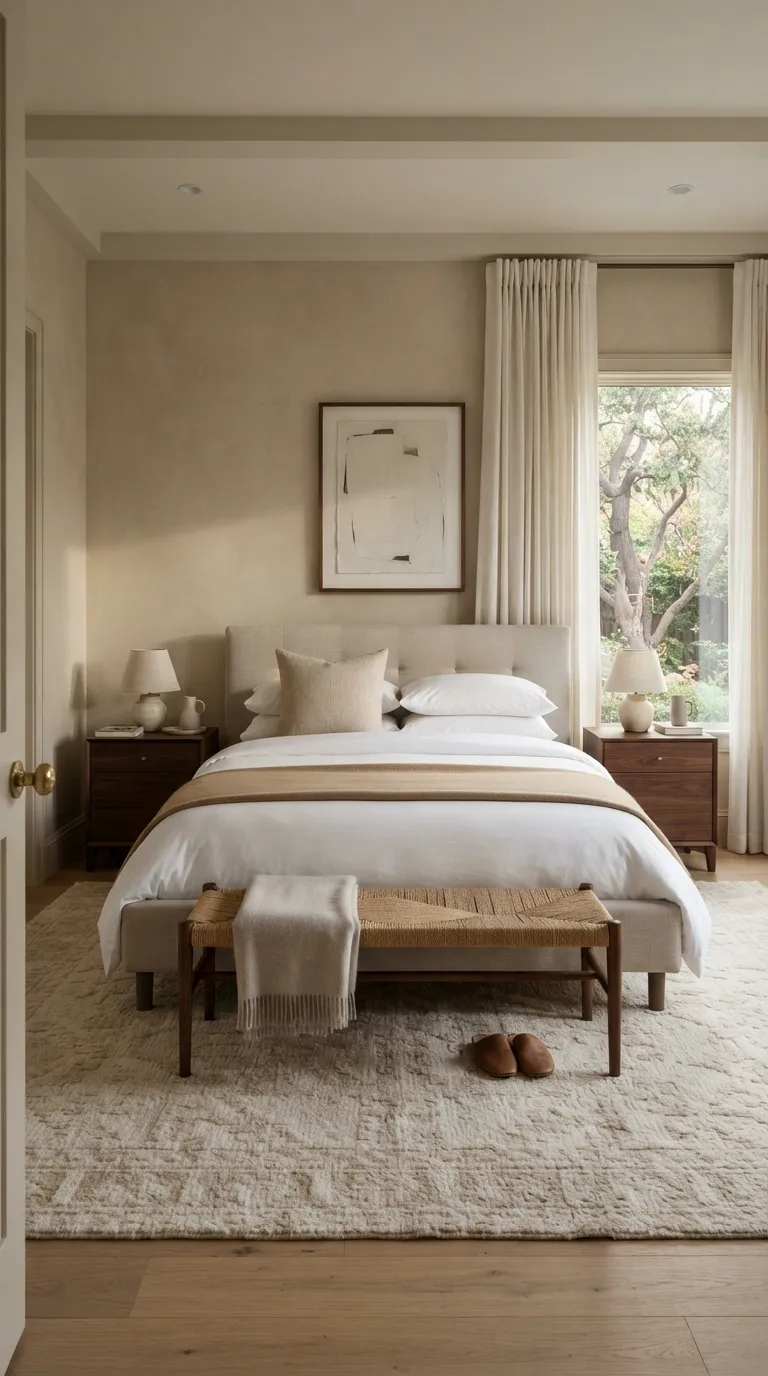
Quiet luxury is less about showing off and more about choosing pieces that feel good and last. Clean silhouettes, natural fabrics, quality wood, stone surfaces, and restrained decor create a polished home without filling every shelf.
Start by removing visual noise before buying anything new. Keep the pieces you use often, then choose one or two well-made additions that fit your existing room. A linen headboard, solid wood table, or handmade ceramic lamp can make a simple space feel carefully considered.
7. Fluted Details Bring Subtle Dimension
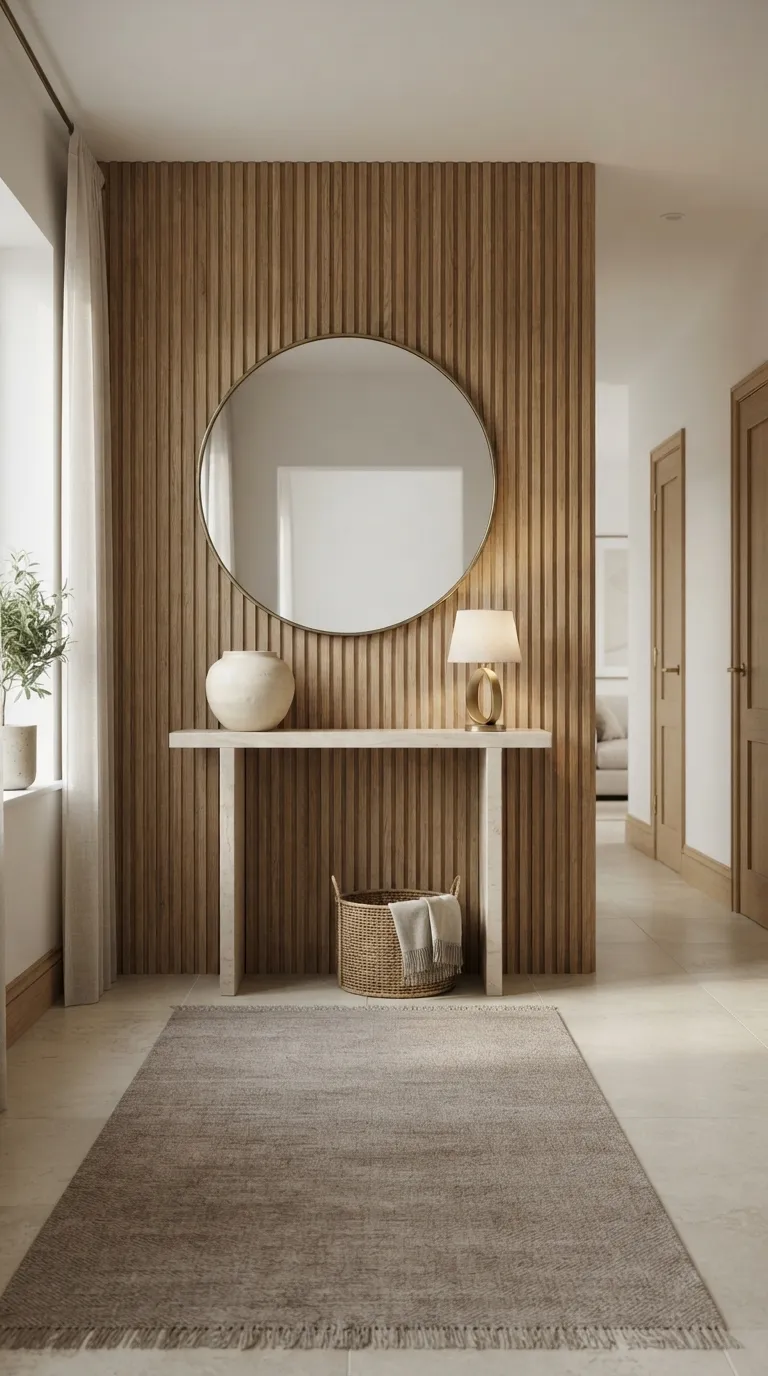
Fluted surfaces add texture without making a room feel busy. Vertical grooves can appear on cabinetry, walls, islands, furniture fronts, and even bathroom vanities. The repeated lines create a gentle rhythm that suits clean modern interiors.
Use fluting in a small area for an easy update. A fluted cabinet door or narrow entryway wall can provide enough detail to anchor the space. Pair it with smooth stone or plain painted walls so the texture has room to stand out.
8. Mixed Metals Create More Layered Interiors
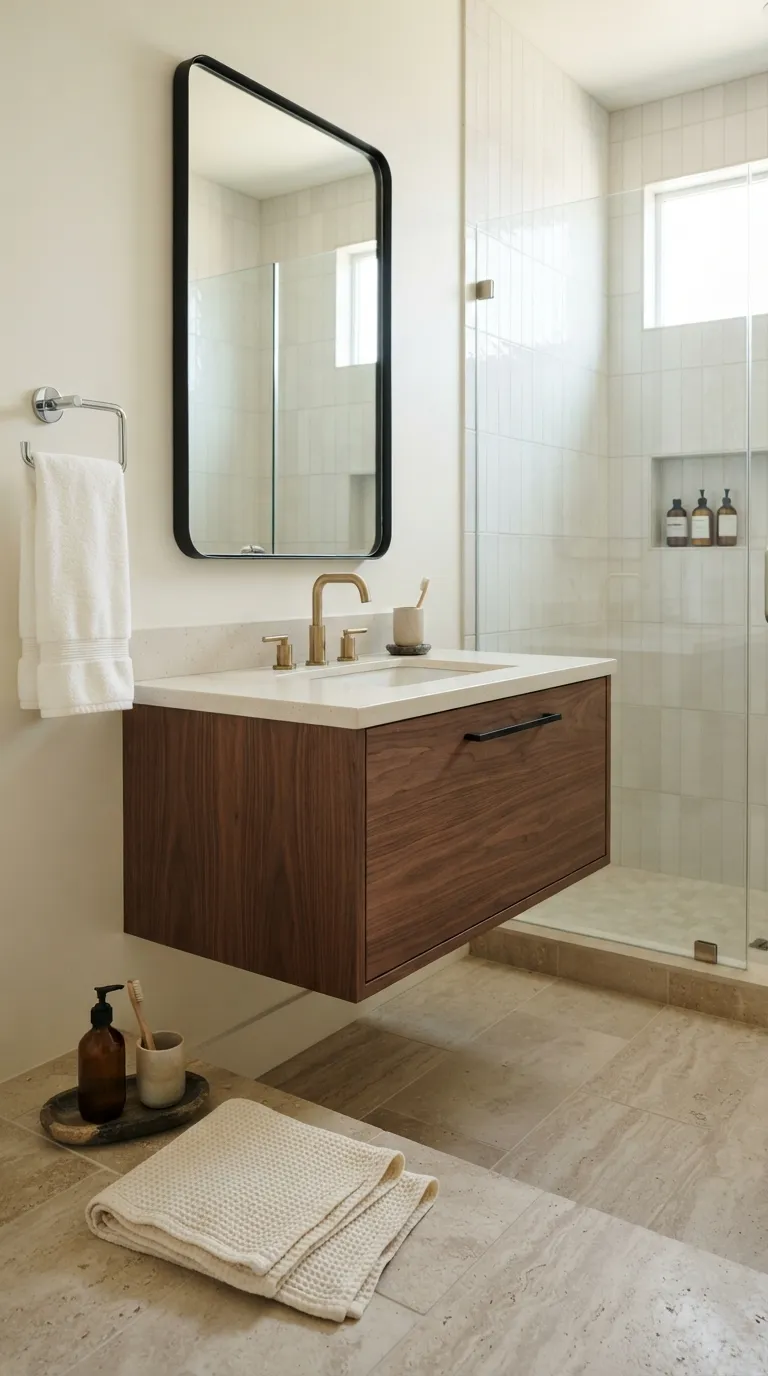
Modern rooms don’t need every metal finish to match. Combining brass, black, chrome, or nickel can give a space more depth and make fixtures feel collected rather than purchased as one set.
The trick is to repeat each metal with purpose. If brass appears on the faucet, echo it with a mirror frame or small light fixture. Keep the number of finishes controlled so the room feels connected instead of scattered.
9. Statement Lighting Works Like Modern Art
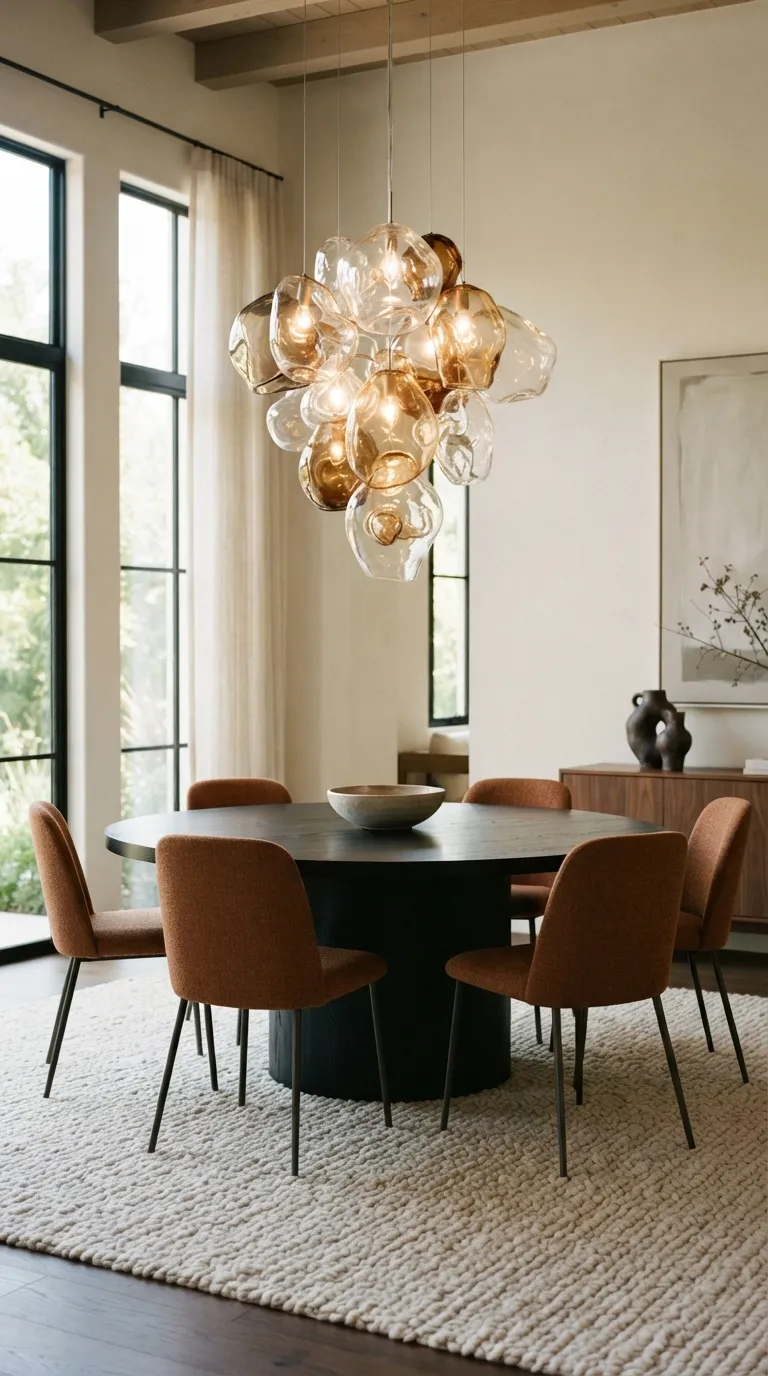
Lighting has become a major visual feature in modern interiors. Oversized pendants, sculptural chandeliers, paper lanterns, and artistic wall lights can give a room personality while serving a practical purpose.
Think of your lighting fixture as the room’s jewelry. Keep surrounding furniture simple when the fixture has a bold shape. In a dining room, a large pendant over the table can define the entire area without requiring extra decoration.
10. Indoor-Outdoor Living Feels More Connected
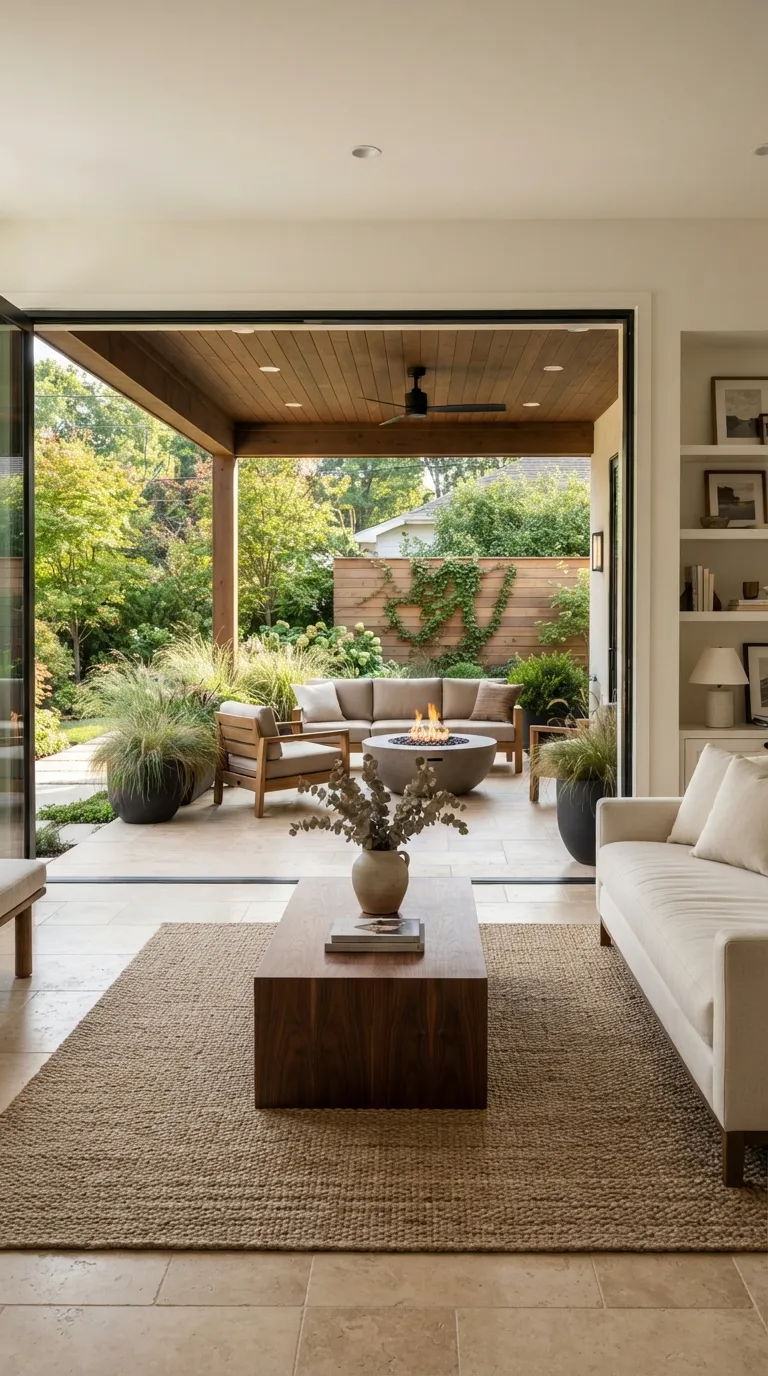
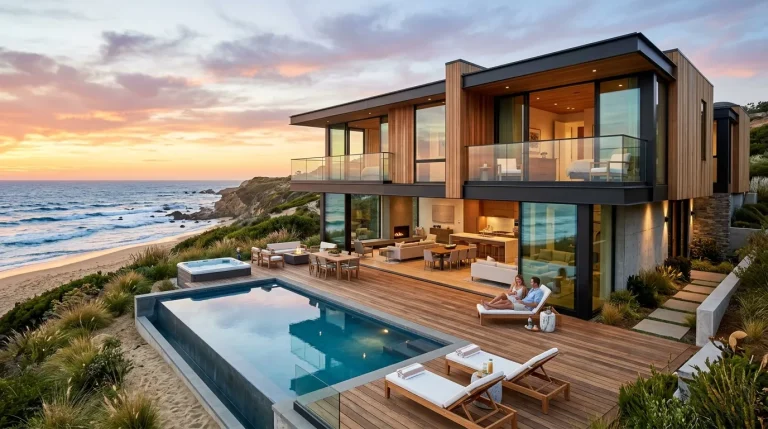
Indoor-outdoor living remains a strong part of modern home design. Large sliding doors, wide openings, similar flooring, and coordinated furniture can make a patio feel like a natural extension of the living room.
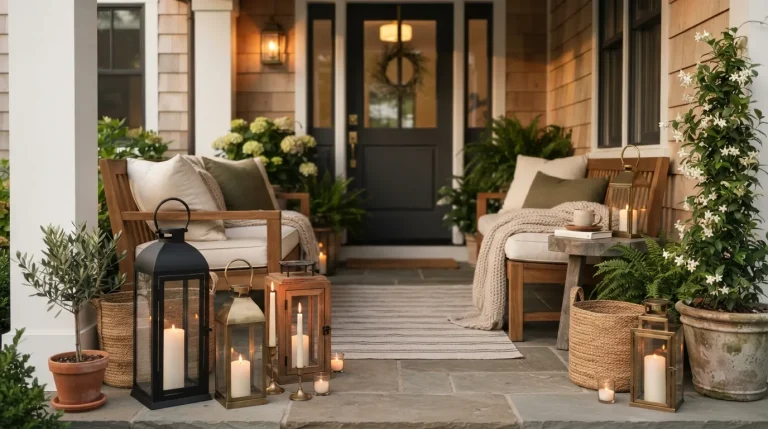
You can create this connection without a major remodel. Repeat a color or material outside, such as wood, stone, or woven furniture, and keep the transition visually simple. A covered patio with comfortable seating can become a useful second living room for warm days.
11. Organic Modern Kitchens Feel Calm and Practical
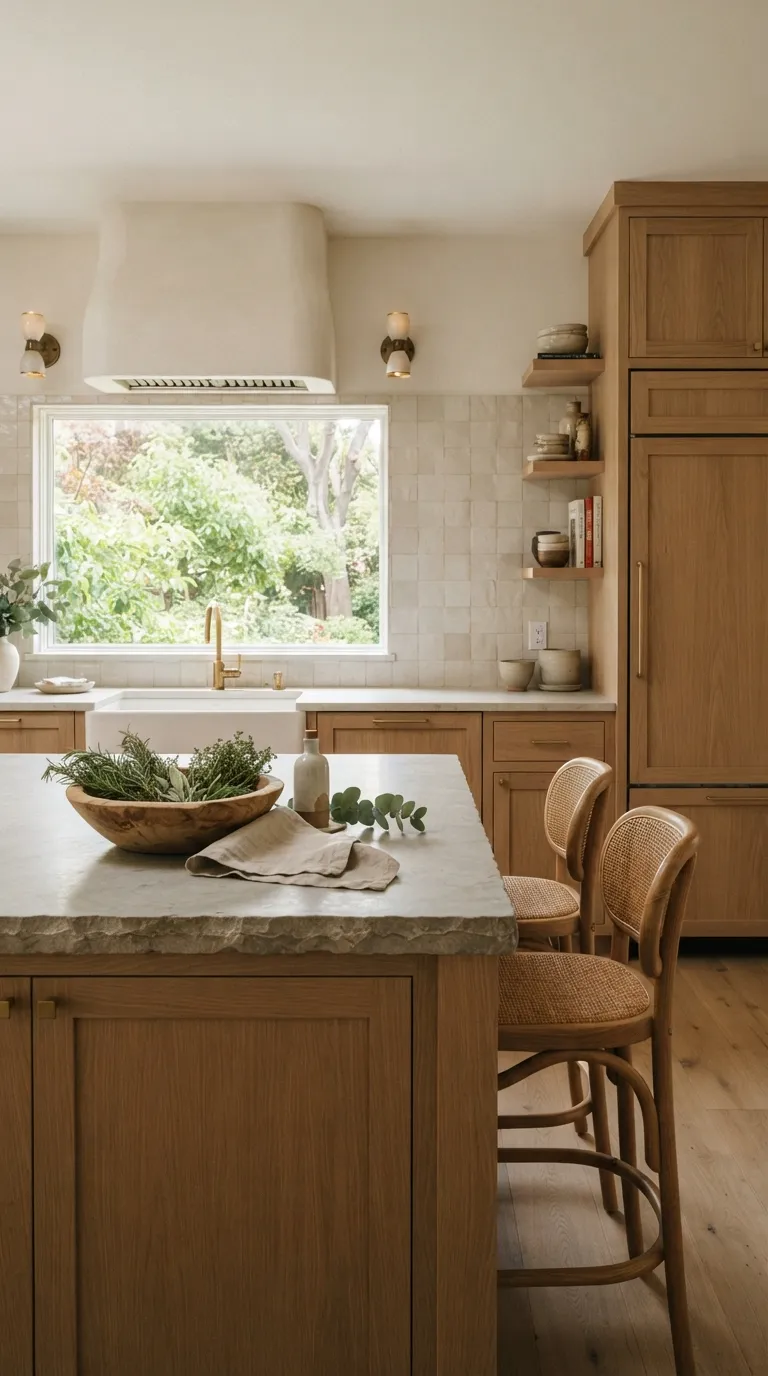
Organic modern kitchens combine clean planning with warmer materials. Oak cabinetry, natural stone, handmade tile, plaster hoods, and earthy colors help soften the hard surfaces found in many kitchens.
Function still comes first. Keep frequently used items within easy reach, add deep drawers for cookware, and use closed storage to keep counters clear. A few open shelves can display ceramics or wood pieces without turning the kitchen into a storage wall.
12. Hidden Storage Keeps Clean Lines Intact
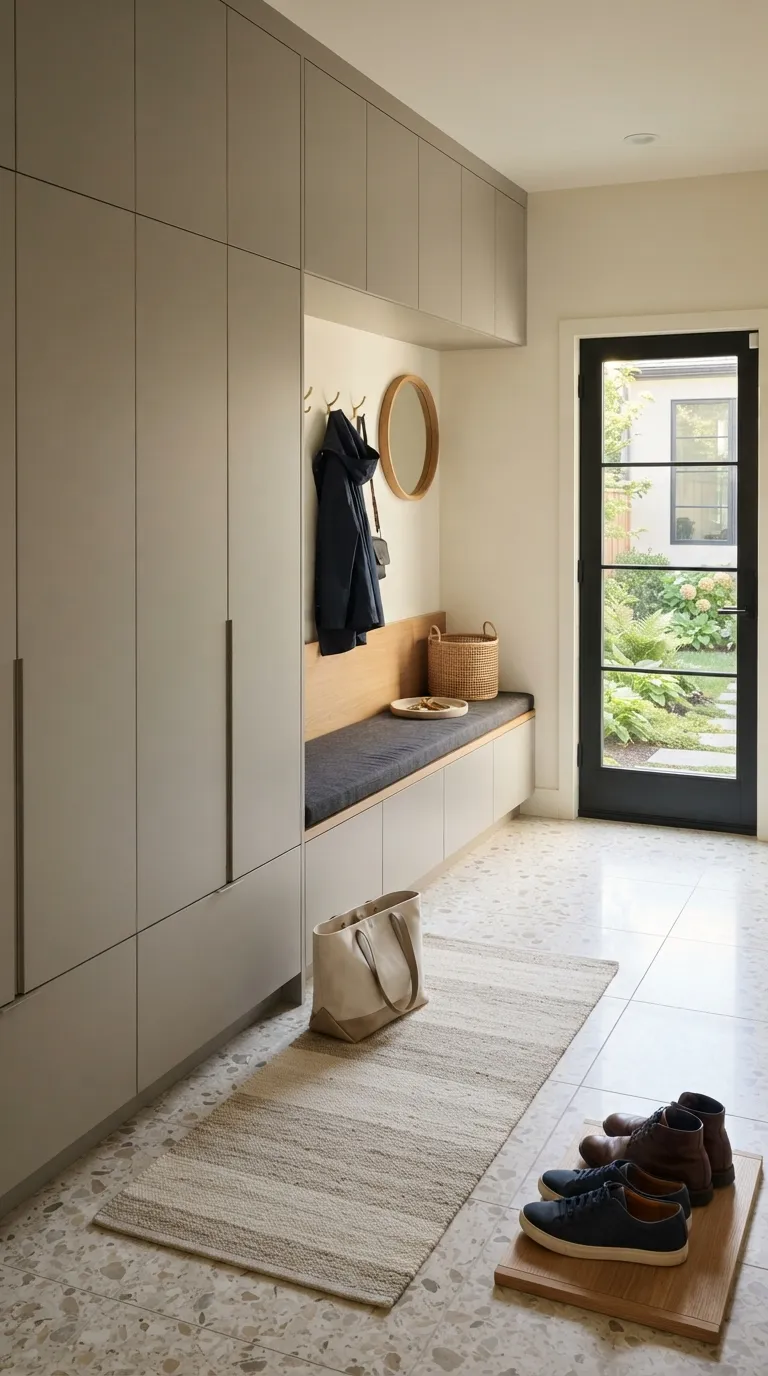
Hidden storage helps modern rooms keep their clean appearance. Flush cabinetry, built-in drawers, storage benches, and concealed appliances can hide everyday clutter while keeping useful items close.
This approach is especially helpful in smaller homes. Picture a narrow entry where coats, shoes, bags, and mail quickly pile up. A wall of simple built-ins can give each item a place while leaving the visible floor area open and easy to clean.
13. Soft Architectural Curves Shape Modern Spaces
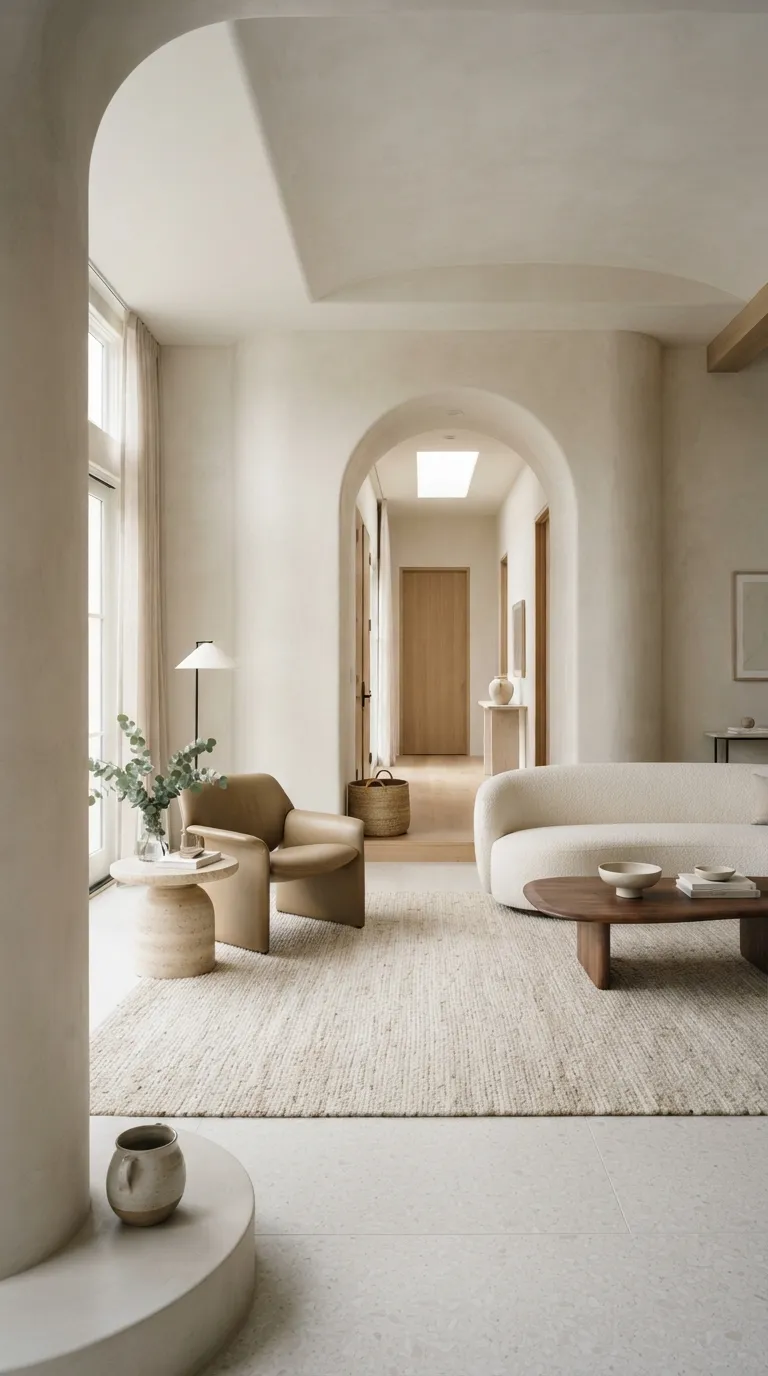
Curves are showing up in the structure of modern homes, not just in furniture. Rounded walls, arched openings, curved niches, and soft corners can make a room feel less rigid while adding architectural interest.
You can borrow the look without changing the floor plan. An arched doorway, rounded wall niche, or curved plaster detail can create a strong focal point. Keep nearby finishes simple so the shape remains easy to appreciate.
14. Rich Wood Tones Add Depth
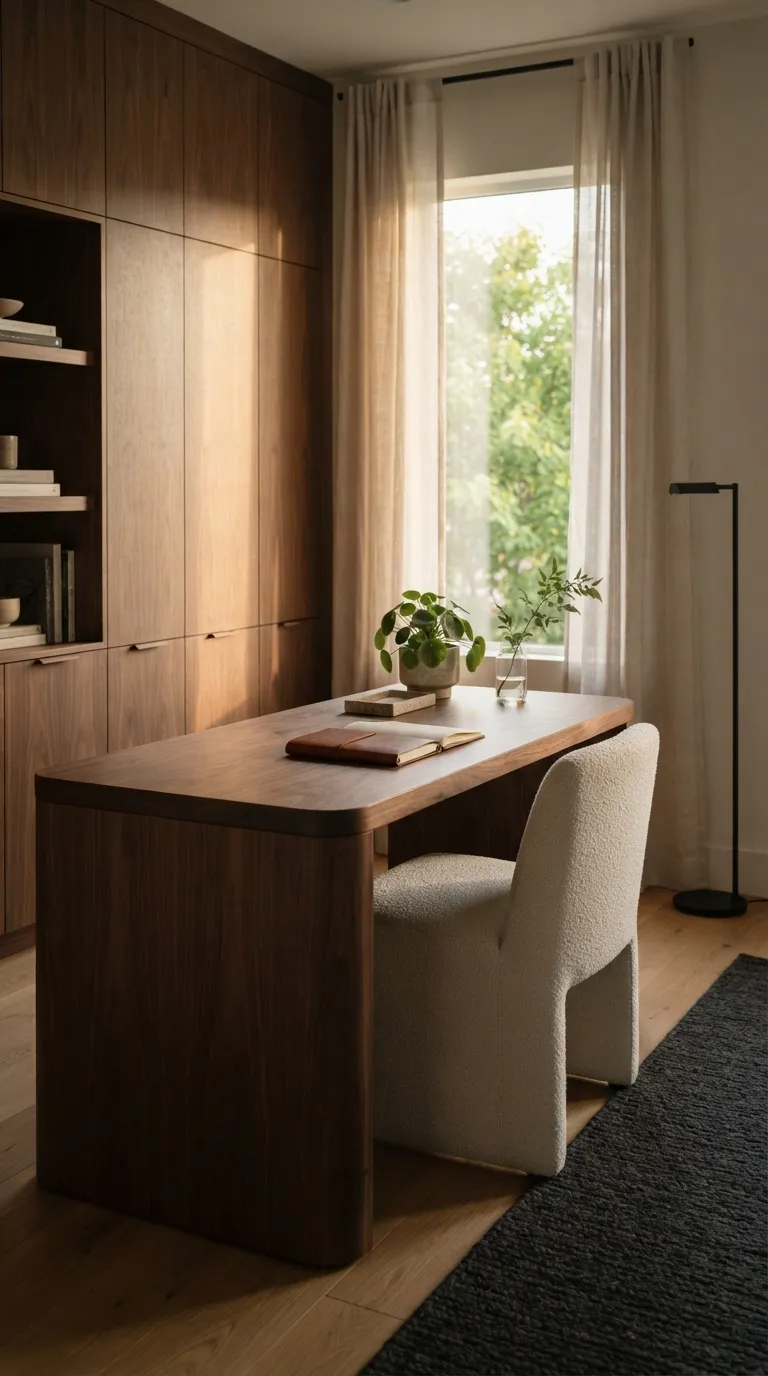
Light wood has dominated many modern interiors, but deeper tones bring a richer look. Walnut, smoked oak, and dark-stained wood can add contrast without relying on bold paint colors.
Use darker wood where you want visual weight. A walnut desk, media cabinet, kitchen island, or bedroom nightstand can anchor a lighter room. Balance it with cream upholstery, pale stone, or soft textiles to keep the space from feeling heavy.
15. Layered Neutrals Make Rooms Feel Collected
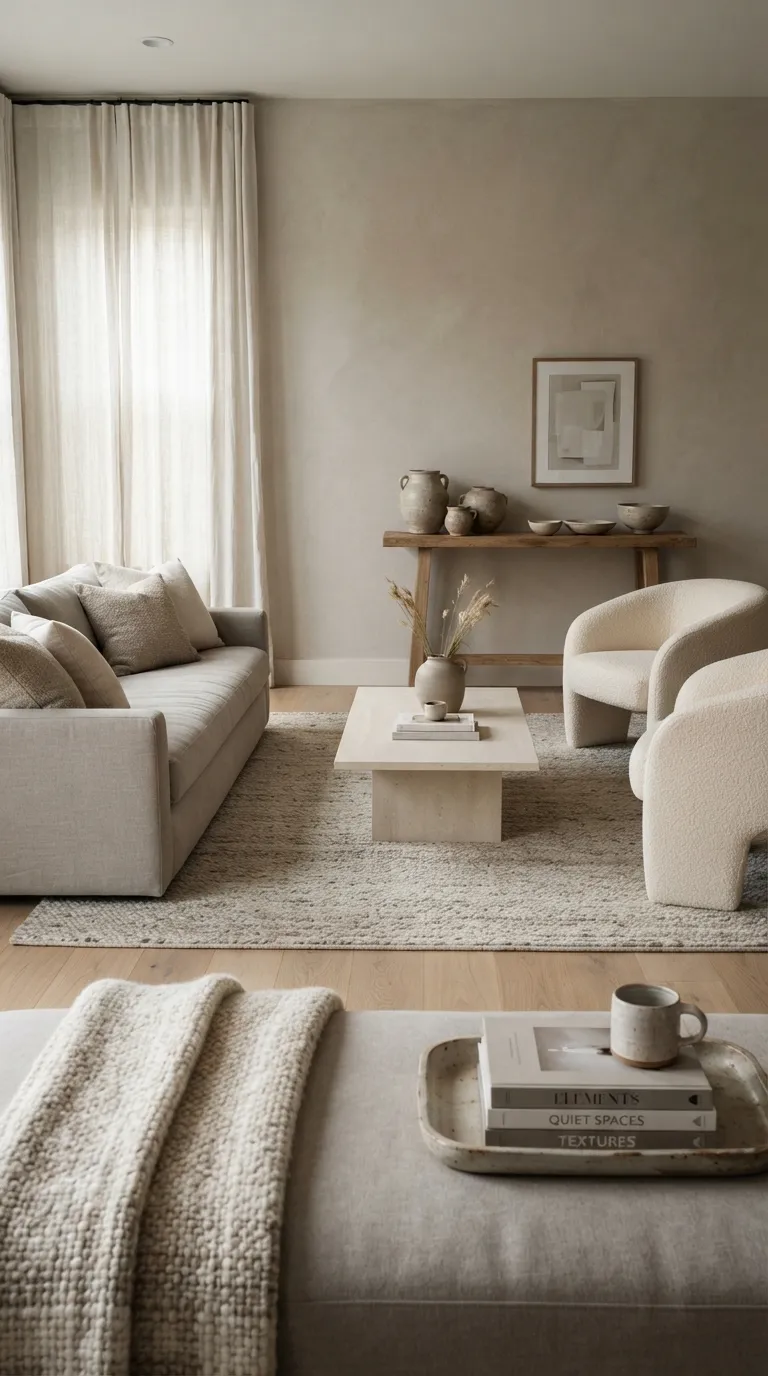
Neutral doesn’t have to mean plain. Layering cream, beige, taupe, greige, mushroom, and soft brown creates a room with depth while keeping the overall look calm.
Vary the texture as you vary the shade. Combine linen curtains with a wool rug, plaster walls, smooth stone, and woven furniture. This simple formula gives a neutral modern room enough contrast to feel warm and finished.
16. Dedicated Wellness Spaces Fit Everyday Homes
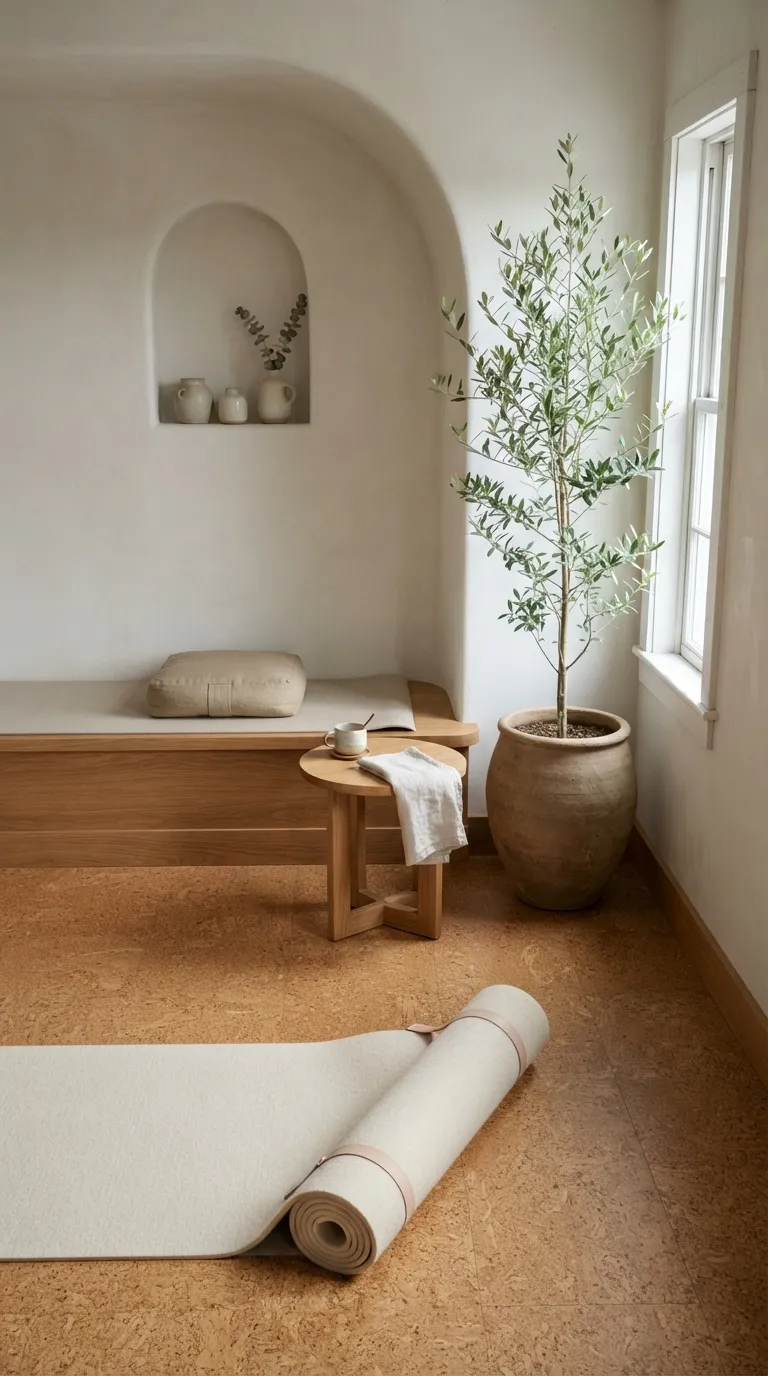
Wellness spaces are becoming part of practical home planning. You don’t need a large private gym to create one. A spare corner, small room, or quiet section of a bedroom can support stretching, reading, meditation, or other calming routines.
Keep the setup simple and easy to use. A comfortable mat, soft lighting, natural materials, and hidden storage can make the area feel intentional. When the space takes seconds to access, you’re more likely to use it as part of your normal routine.
17. Built-In Seating Makes Every Inch Count
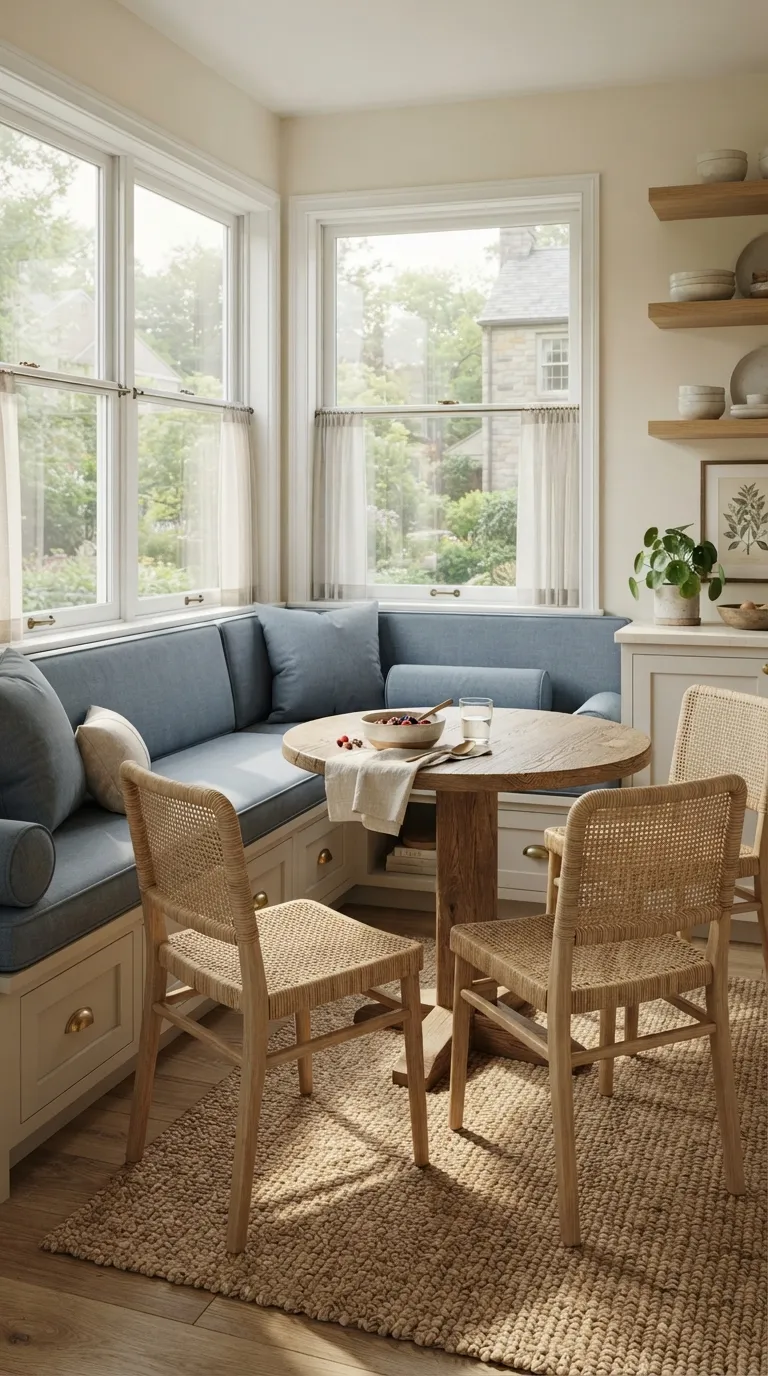
Built-in seating gives awkward spaces a clear purpose. Window benches, breakfast nooks, hallway seats, and reading corners can provide comfortable seating without taking up the footprint of a large sofa or chair.
Add storage underneath whenever possible. Drawers or lift-up compartments can hold blankets, shoes, games, or seasonal items. This idea works especially well in compact homes where every square foot needs to earn its keep.
18. Textured Walls Replace Flat Painted Surfaces
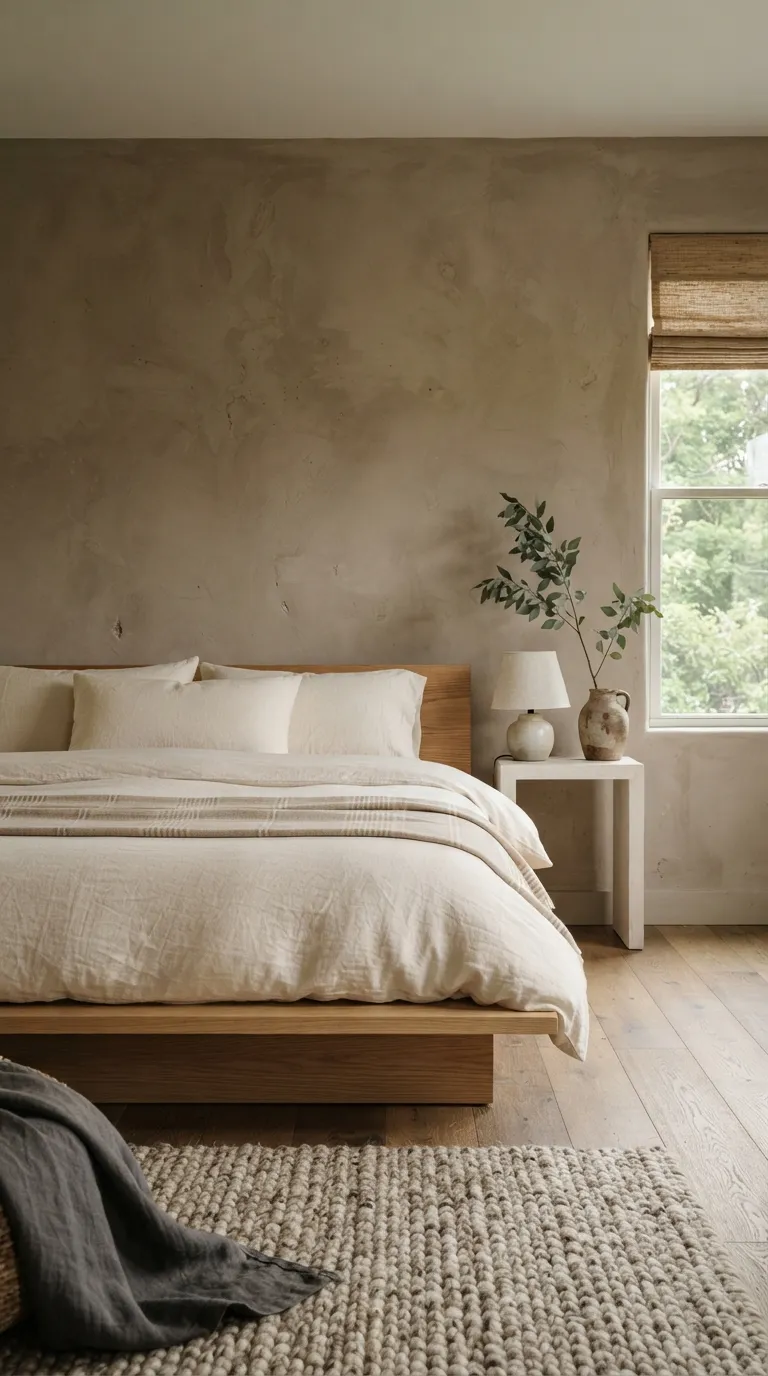
Plain painted walls can feel finished, but textured surfaces add another layer without filling the room with decor. Limewash, plaster, grasscloth, and subtle paneling can give walls a soft sense of depth.
Choose the finish based on the room’s mood. A gentle limewash works beautifully in bedrooms and living spaces, while vertical paneling can suit an office or hallway. Keep the furniture restrained so the wall texture doesn’t compete with everything around it.
19. Modern Bathrooms Feel More Like Retreats
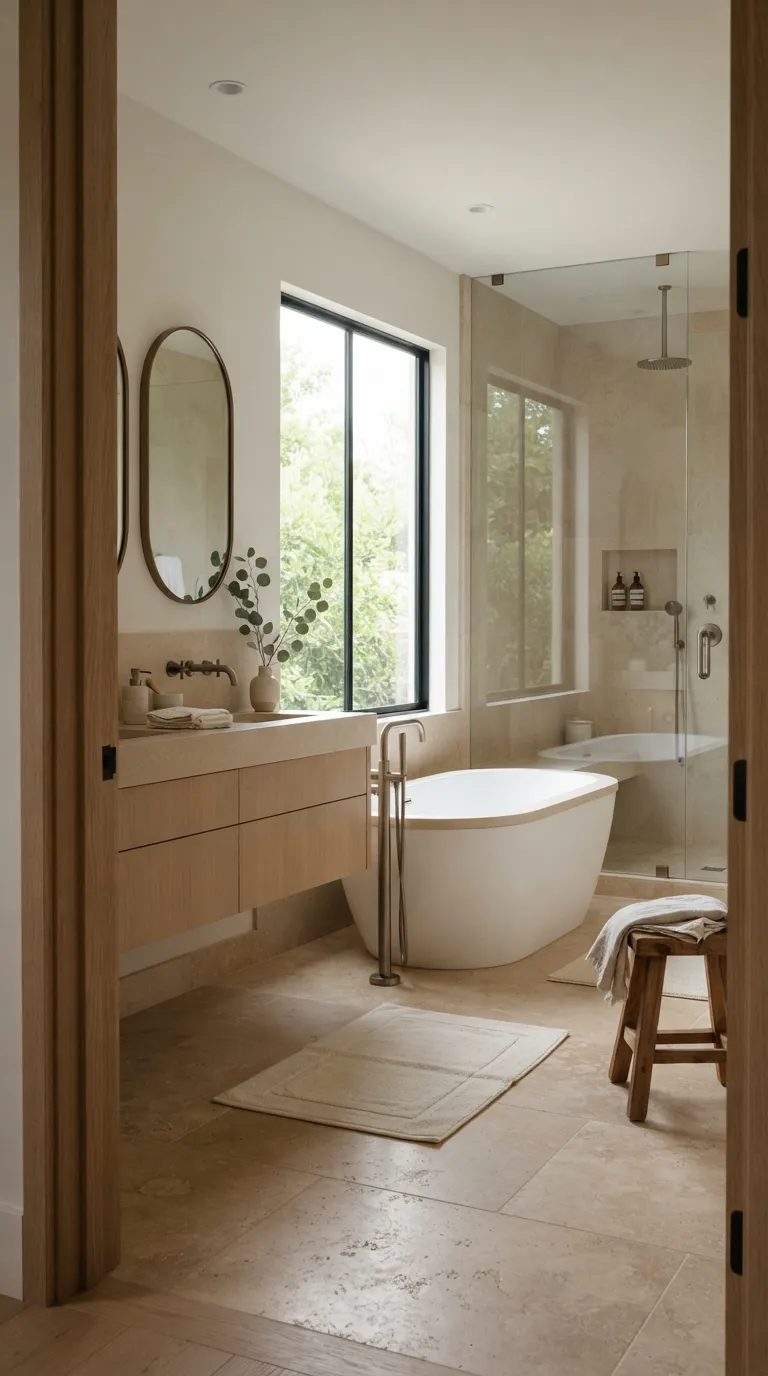
Bathrooms are becoming quieter and more comfortable in their design. Freestanding tubs, natural stone, warm wood, soft lighting, and large showers can make a practical bathroom feel more restful.
Focus on the surfaces you touch every day. A stone shower bench, comfortable bath mat, wall-mounted vanity, or warm wood cabinet can make a noticeable difference. Keep storage organized and counters mostly clear for a cleaner modern look.
20. Vintage Pieces Add Character to Modern Rooms
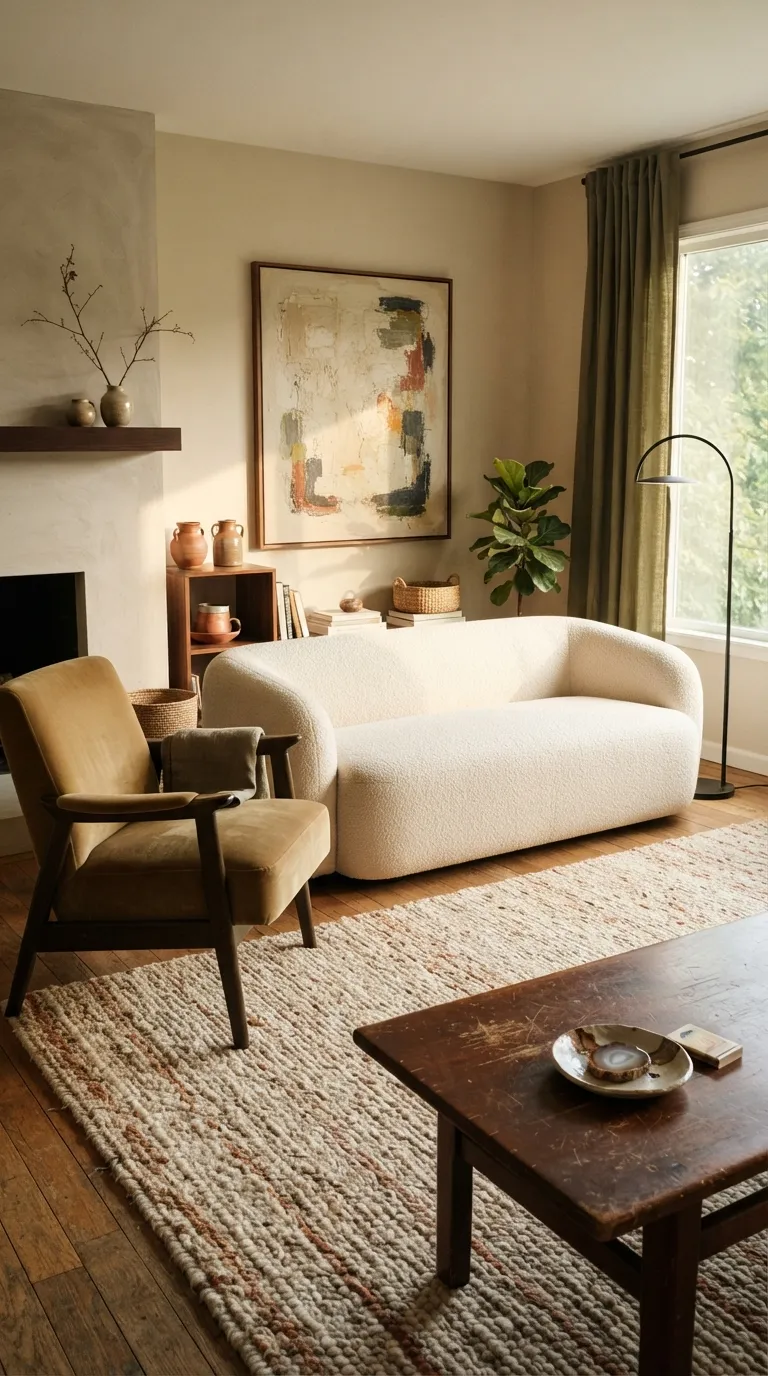
Modern interiors don’t have to look brand new. A vintage chair, antique side table, old-world mirror, or reclaimed wood piece can add warmth and personality beside contemporary furniture.
Keep the mix intentional. Choose one standout older piece, then repeat one of its colors or materials elsewhere in the room. The contrast between crisp modern lines and natural signs of age can make the space feel more personal.
21. Flexible Rooms Support Modern Daily Life
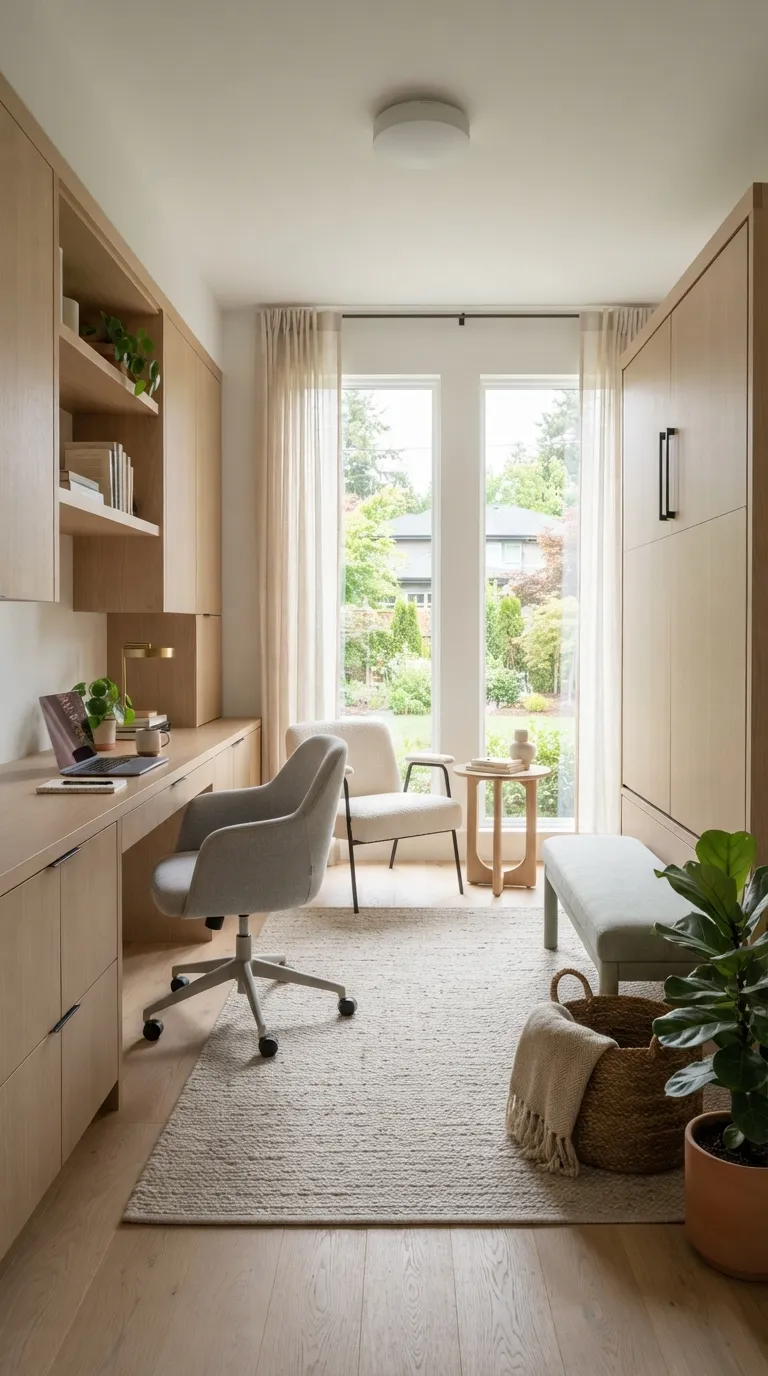
Flexible rooms make more sense when one space needs to do several jobs. A home office can double as a guest room, while a dining area can serve as a workspace or homework station when needed.
Choose furniture that can change roles easily. Wall beds, nesting tables, movable chairs, built-in desks, and concealed storage help a room adapt without feeling temporary. Before buying anything, consider how you’ll use the room during a normal weekday.
22. Biophilic Details Bring Nature Indoors
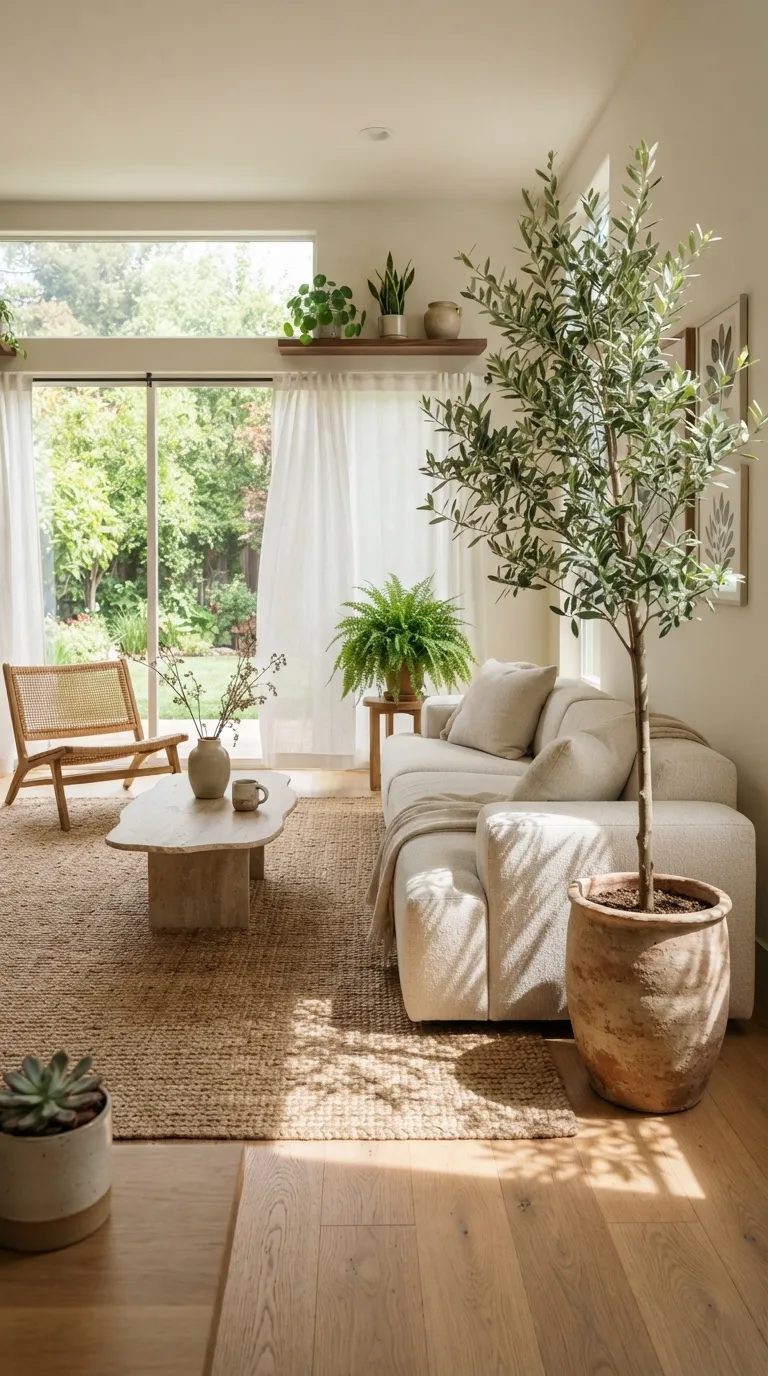
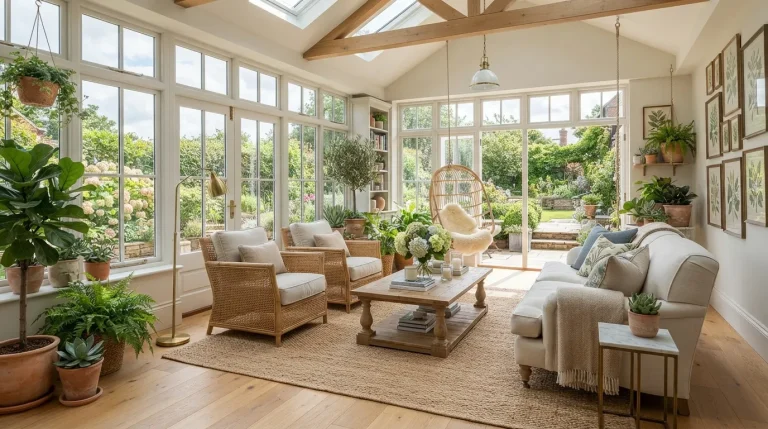
Plants remain an easy way to bring life into a modern home. In 2026, the look works best when greenery pairs with natural wood, stone, clay, linen, and other organic materials rather than appearing as a collection of random pots.
Choose plants based on the room’s light and your routine. A large tree can fill an empty corner, while smaller plants can soften shelves or windowsills. Even one well-placed plant can create a natural focal point without adding visual clutter.
Wrapping Up
Modern home design in 2026 is less about making every room look identical and more about creating spaces that feel warm, useful, and personal. Natural stone, rich wood, curved forms, earthy colors, hidden storage, flexible layouts, and thoughtful lighting can all work together without making your home feel overdesigned.
Start with one room and choose one trend that solves a real need. You might add built-in storage, replace a harsh light, introduce warmer materials, or bring in a vintage piece. Small changes can build a modern home that looks current while still feeling comfortable for everyday life.
Emma Williams
Emma Williams is an interior design expert and decor editor at Lady Home Decor. She specializes in modern, cozy, and functional home styling, helping readers discover inspiring decorating ideas that are easy to recreate. Her work focuses on timeless design, practical solutions, and the latest home decor trends.