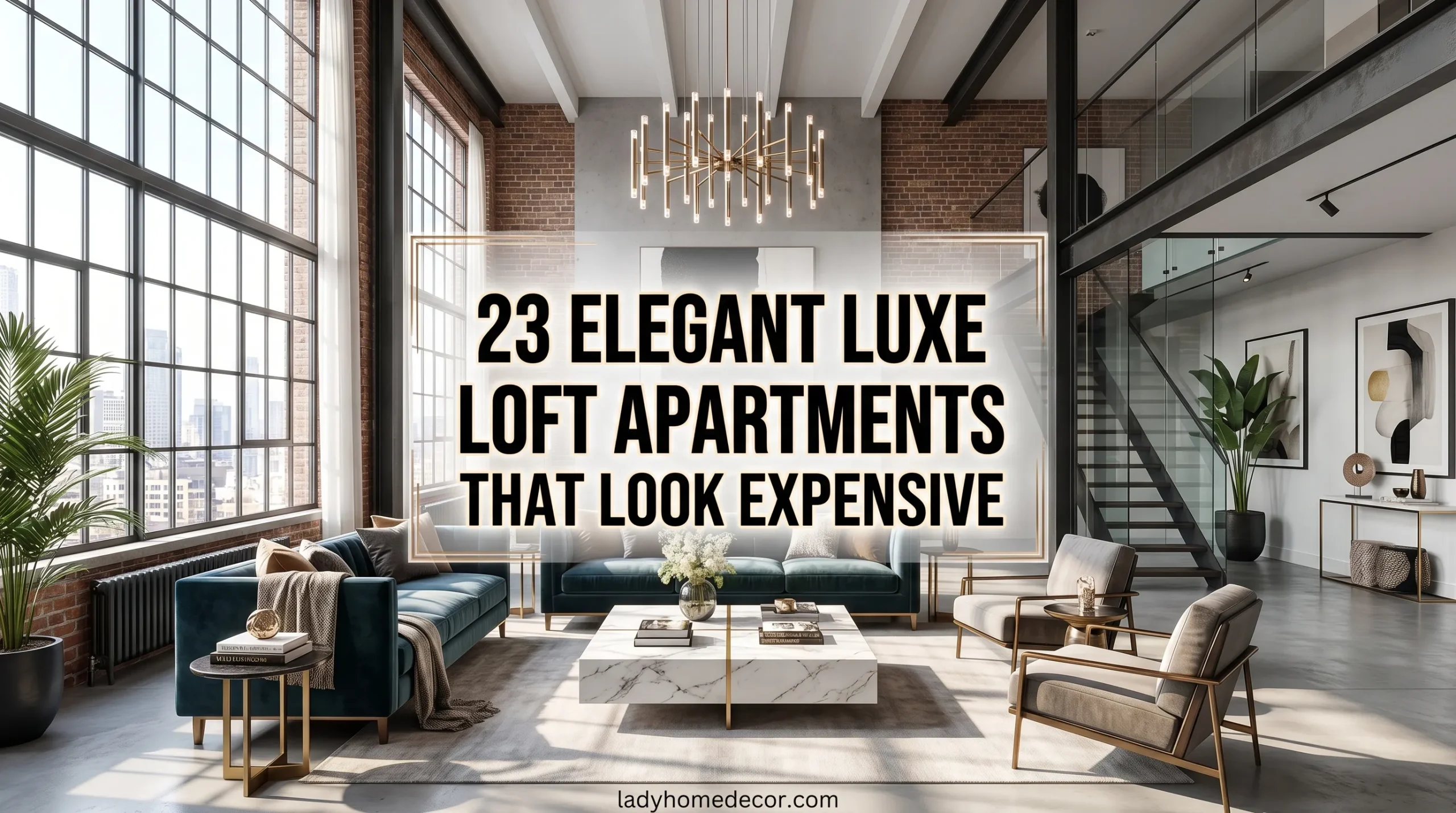
23 Elegant Luxe Loft Apartments That Look Expensive

INTRODUCTION
Have you ever scrolled past a stunning loft photo and felt an immediate ache to live there? That feeling is exactly what this article is about. Luxe loft apartments have an architectural energy unlike anything else in residential design they feel simultaneously open and intimate, raw and refined, effortless and deeply considered. Whether you already live in a loft or simply dream of the aesthetic, the ideas here will show you how to achieve that jaw-dropping, magazine-worthy look in a real home. I’ve noticed that the most impressive loft interiors share surprisingly simple principles, and once you understand them, recreating that elevated look becomes far more achievable than it first appears.
From soaring ceilings and exposed brick to velvet sofas and floating staircases, each idea in this collection offers a clear, practical, and visually inspiring path to a space that feels genuinely expensive without necessarily costing a fortune. Save this article now, because you will want to come back to it.
1. Soaring Ceiling Drama
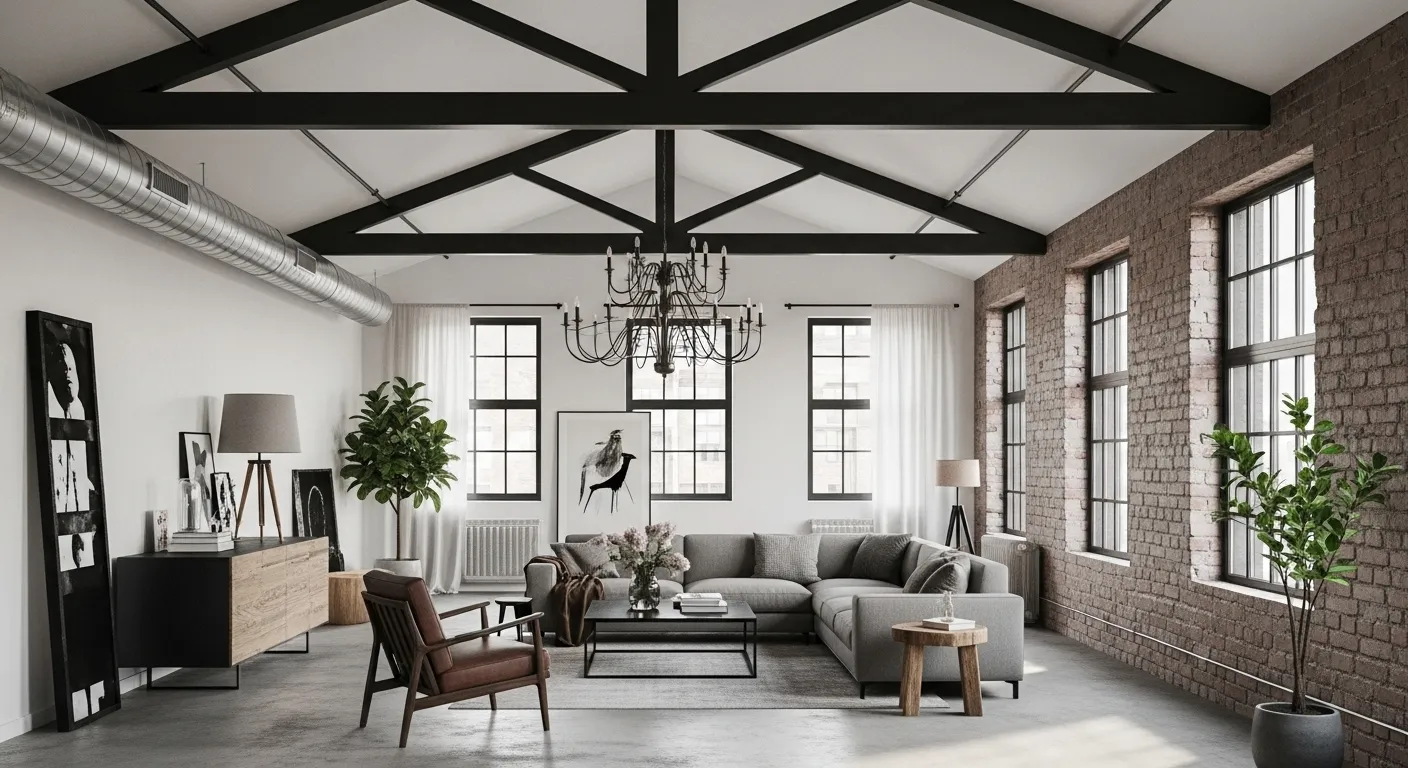
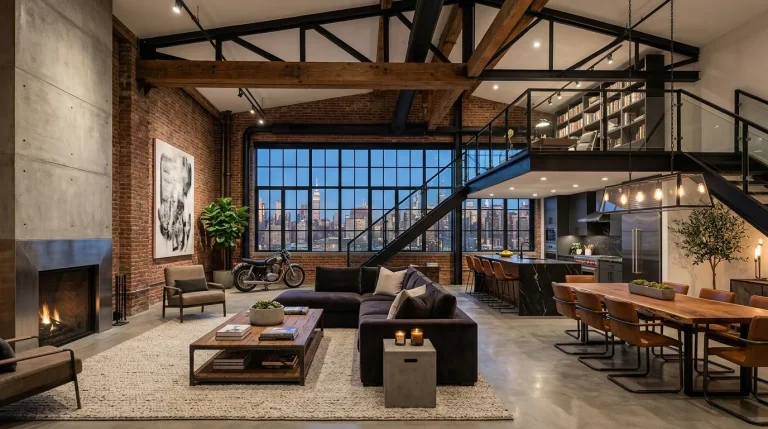
Few design elements make as powerful a first impression as a room with soaring ceilings. The moment you walk into a space with double-height or vaulted ceilings, your eyes automatically travel upward, and the entire room feels bigger, grander, and more intentional. In my experience, this single architectural feature is what separates a truly impressive loft from an ordinary apartment. The height creates breathing room, allowing furniture and decor below to feel carefully curated rather than crowded. It also gives you vertical real estate to layer lighting, art, and greenery in ways smaller-ceiling spaces simply cannot accommodate.
What makes this design choice especially clever is how it works at every style level. Whether your loft leans industrial-chic with exposed concrete, or leaner toward soft Scandinavian elegance, high ceilings complement both effortlessly. I’ve noticed that adding dark-painted beams along a white ceiling creates a striking frame that reads as intentionally designed rather than accidental. Pair those ceilings with one hero pendant light or a dramatic chandelier, and the result is immediately editorial. The warmth of the light bouncing against the high walls transforms the room from simply large to genuinely luxurious in a way most people never forget.
2. Exposed Brick Feature Wall
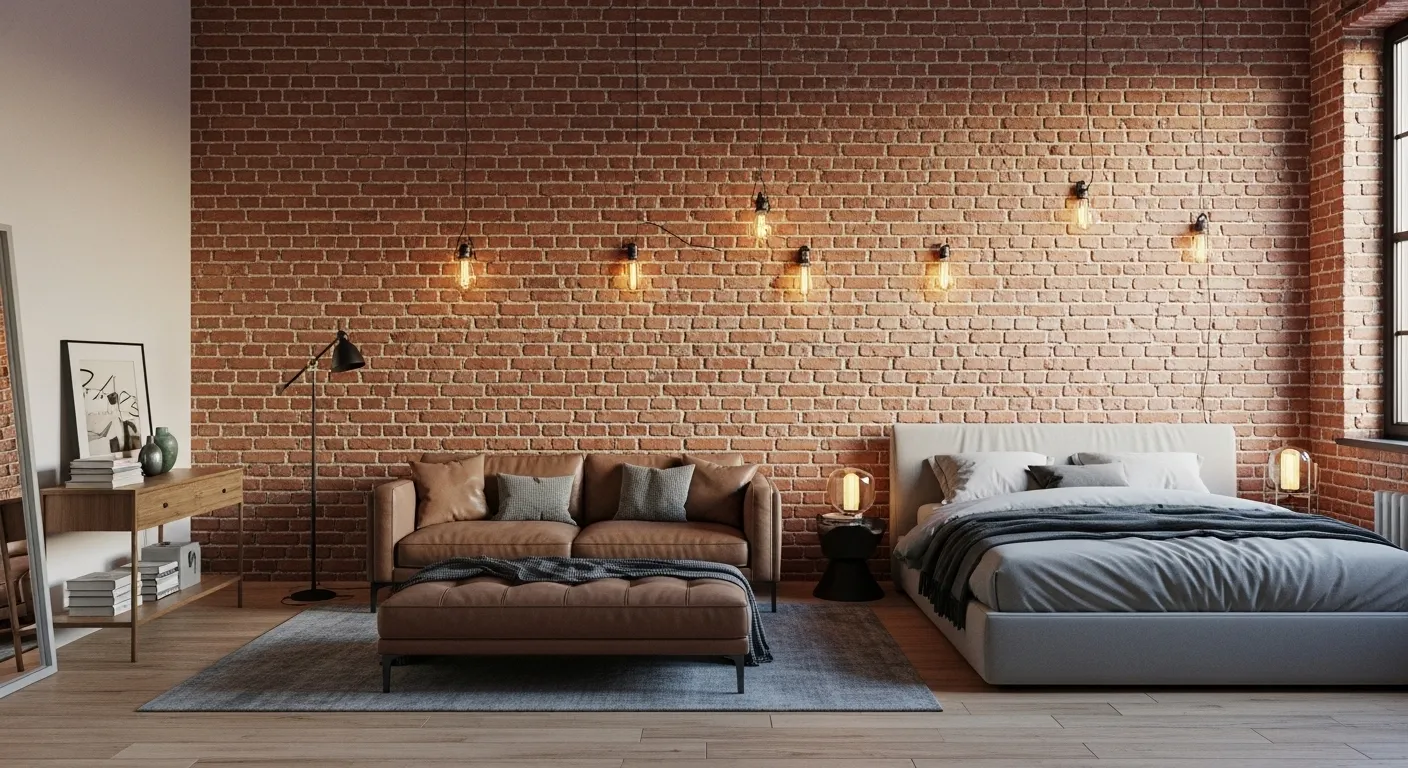
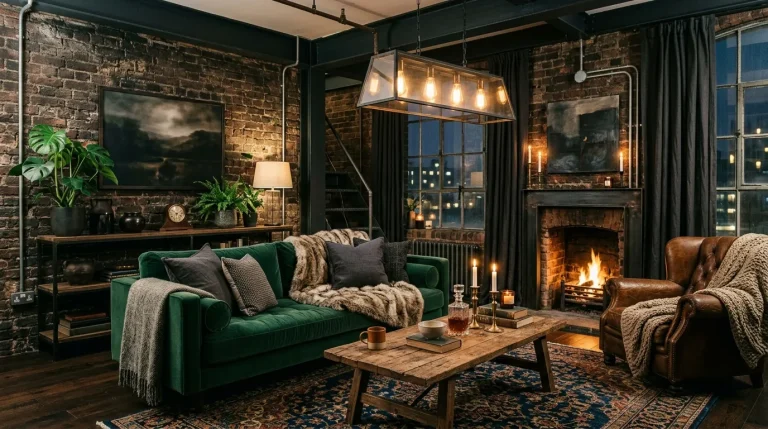
There is something deeply satisfying about a beautifully exposed brick wall. It is one of those design features that requires almost no additional styling to make a room feel expensive and intentional. The raw, organic texture of aged brick creates a warmth and history that smooth painted walls simply cannot replicate. That said, the magic is in the curation around it. When you place a low upholstered bed or a sleek leather sofa against exposed brick, the contrast between rough and refined feels perfectly balanced. That is why many designers recommend keeping surrounding elements simple so the brick remains the undisputed hero of the space.
Brick walls work particularly well in loft-style spaces because they echo the industrial origins of the building. They also have an almost chameleon-like quality. In natural daylight, exposed brick glows with warm terracotta undertones that feel earthy and grounding. By evening, with warm Edison or amber lighting across its surface, the same wall transforms into something entirely more romantic and moody. I have seen this work brilliantly in both bedrooms and living spaces. The key is to resist the temptation to clutter the wall with too many decorative elements. Let the texture speak for itself, and the room will feel curated without feeling overworked.
3. Open-Plan Kitchen Drama
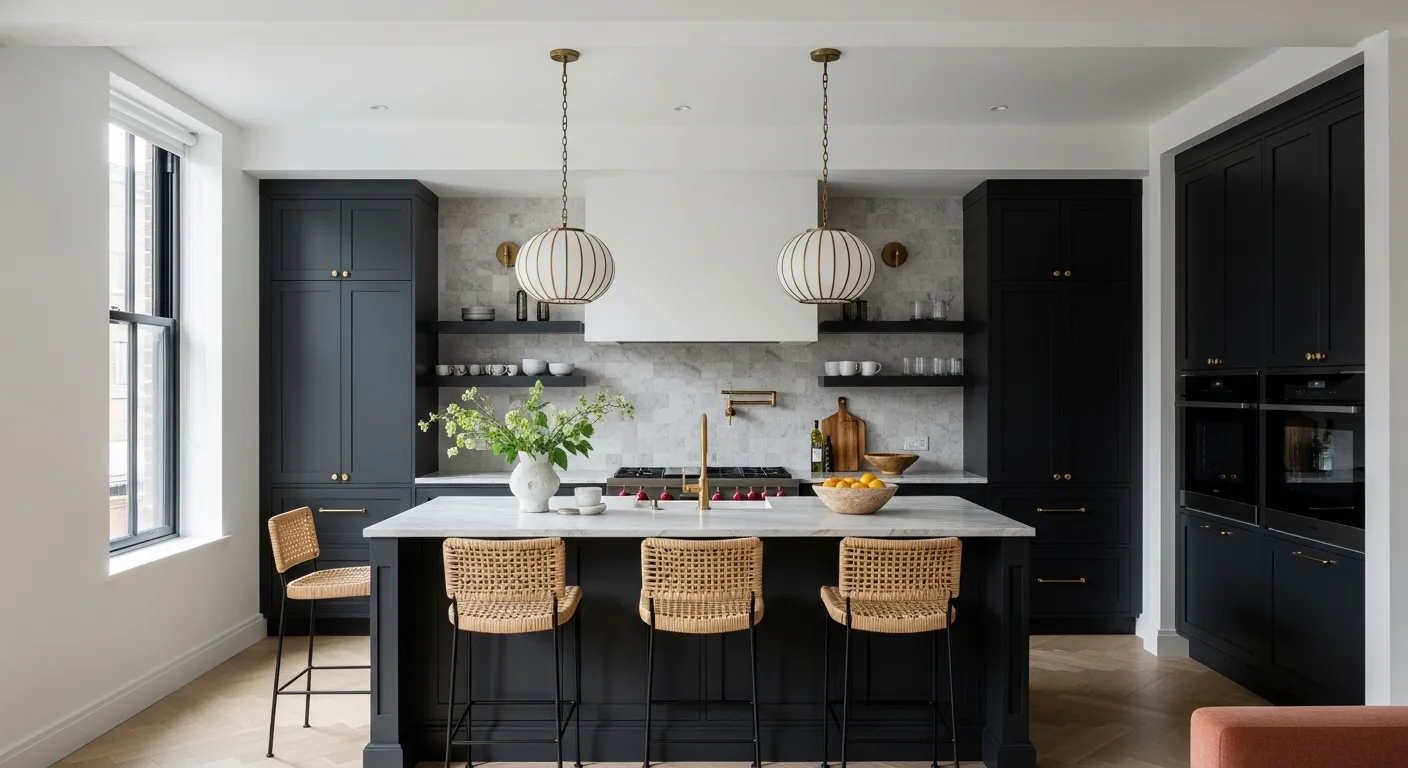
An open-plan kitchen is one of the defining features of a truly impressive loft interior. When a kitchen is fully integrated with the living space, it stops being just a functional room and becomes a design statement in its own right. Every material choice, from cabinet color to countertop finish, is on full display. That elevated visibility actually pushes you toward better decisions. I have noticed that homeowners with open-plan kitchens tend to invest more carefully in quality finishes, and the payoff is a space that feels cohesive, editorial, and genuinely expensive at every angle, even when nothing is happening in the kitchen at all.
The secret weapon of a show-stopping open kitchen is contrast. Pairing dark matte cabinetry with a pale marble or stone surface creates a visual tension that feels bold and refined at the same time. Add sculptural barstools in a warm material like rattan, leather, or velvet, and the island becomes a natural gathering point that is as beautiful as it is practical. That is why many designers recommend investing most of the kitchen budget in two or three hero elements rather than spreading everything thin. A statement island, quality pendants, and one beautifully tiled surface can make an entire open kitchen look as though it cost twice the actual budget.
4. Industrial Pipe Shelving
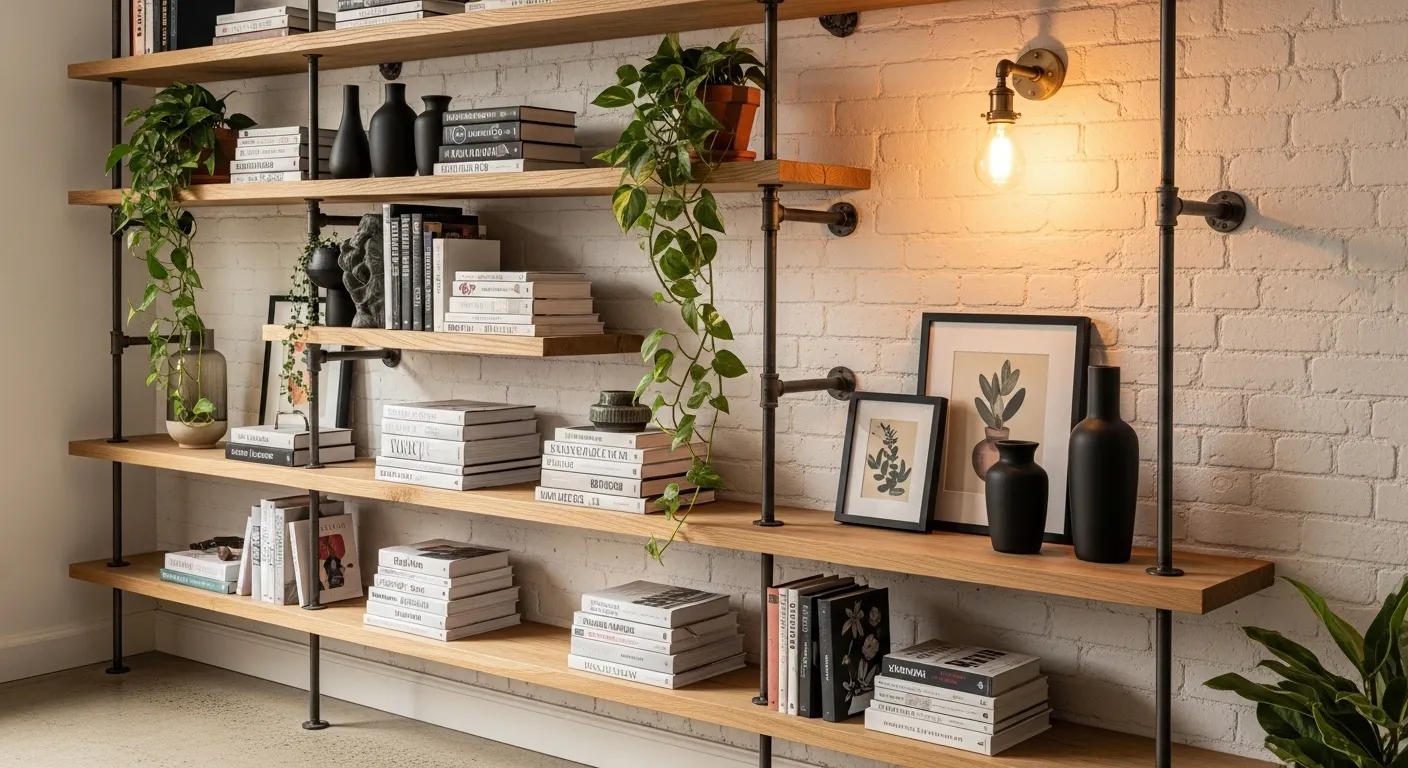
Industrial pipe shelving is one of those design choices that manages to feel both effortless and deeply intentional. It is a classic loft feature for good reason. The combination of raw steel pipes and solid wood planks creates a visual contrast that is at once rugged and refined, and when styled thoughtfully, it reads as expensive and curated rather than makeshift. I have tried various shelving configurations in loft spaces, and open pipe shelves always win on visual impact. They allow the wall itself to become part of the display, framing the objects on the shelves rather than hiding them inside closed cabinets.
Beyond the aesthetic appeal, pipe shelving brings genuine practical value to a loft interior. The open structure creates the illusion of more space compared to closed cabinetry, while the dark metal frames act as a graphic element that gives the wall definition and structure. Styling these shelves is half the pleasure. A thoughtful mix of trailing greenery, stacked hardcover books, textured ceramics, and small framed prints creates a display that feels personal and collected over time. That is why many designers recommend leaving some deliberate negative space on each shelf. The breathing room makes every chosen object look intentional rather than cluttered.
5. Concrete Accent Walls
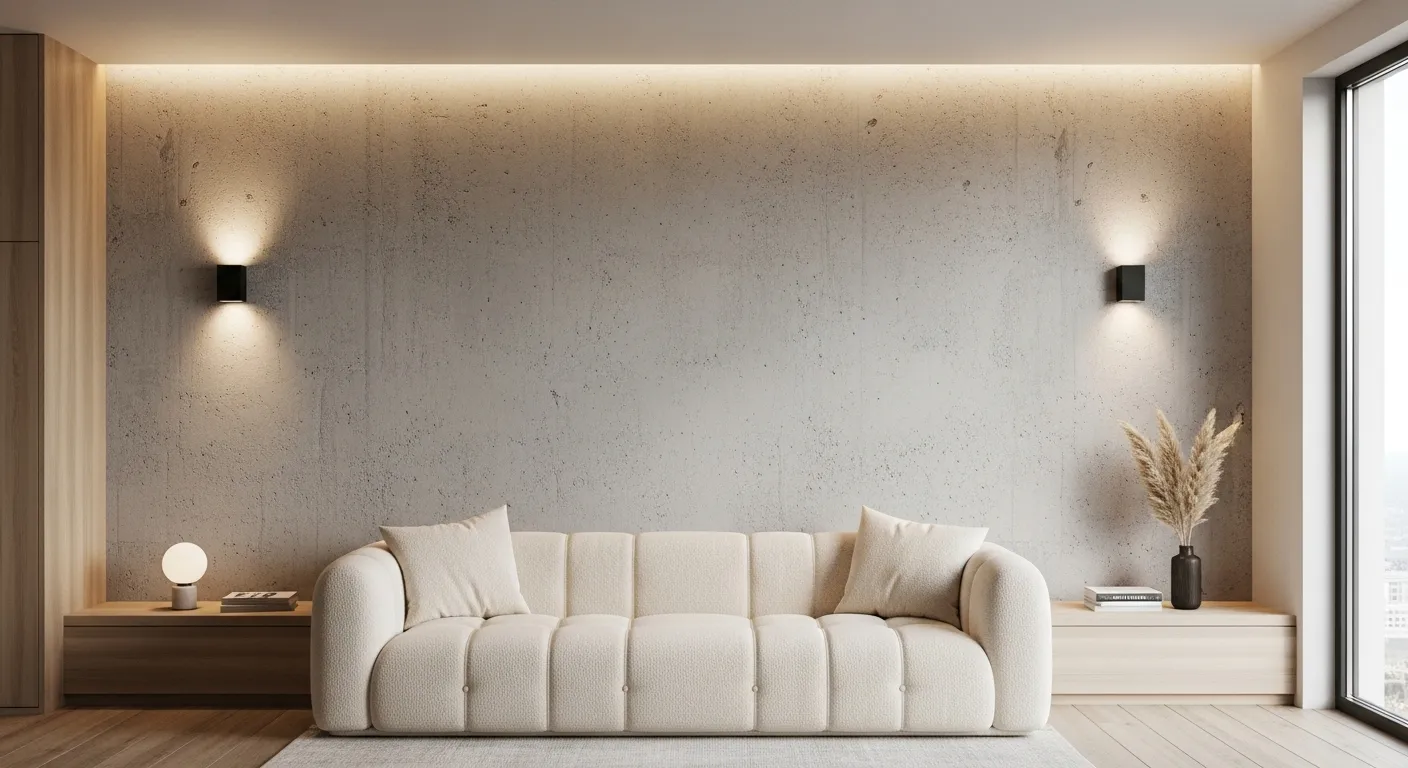
A concrete accent wall is one of those design choices that looks bold on paper but lands beautifully in practice. The material’s inherent coolness and texture create a visual weight that anchors the entire room around it. Rather than feeling heavy or industrial, a well-finished concrete wall actually adds a kind of quiet sophistication. It communicates restraint, which reads as confidence in design. I have noticed that concrete walls work especially well when the rest of the room leans soft and warm. A cream bouclé sofa, warm oak floors, and rounded travertine surfaces placed in front of raw concrete creates a tension between hard and soft that feels incredibly considered.
What makes the concrete accent wall particularly smart as a design choice is its versatility across lighting conditions. In bright natural daylight, the surface takes on a cool, crisp, almost gallery-like quality. As the light warms toward evening, the wall shifts to a softer, moodier tone that feels deeply atmospheric. Adding warm recessed lighting directly above or wall sconces at either side enhances this transformation beautifully. You do not need the entire room in concrete to achieve this effect. One wall, especially behind a sofa or a bed, delivers maximum visual impact with minimum commitment. The result is a space that feels architecturally considered and genuinely expensive.
6. Mezzanine Bedroom Level
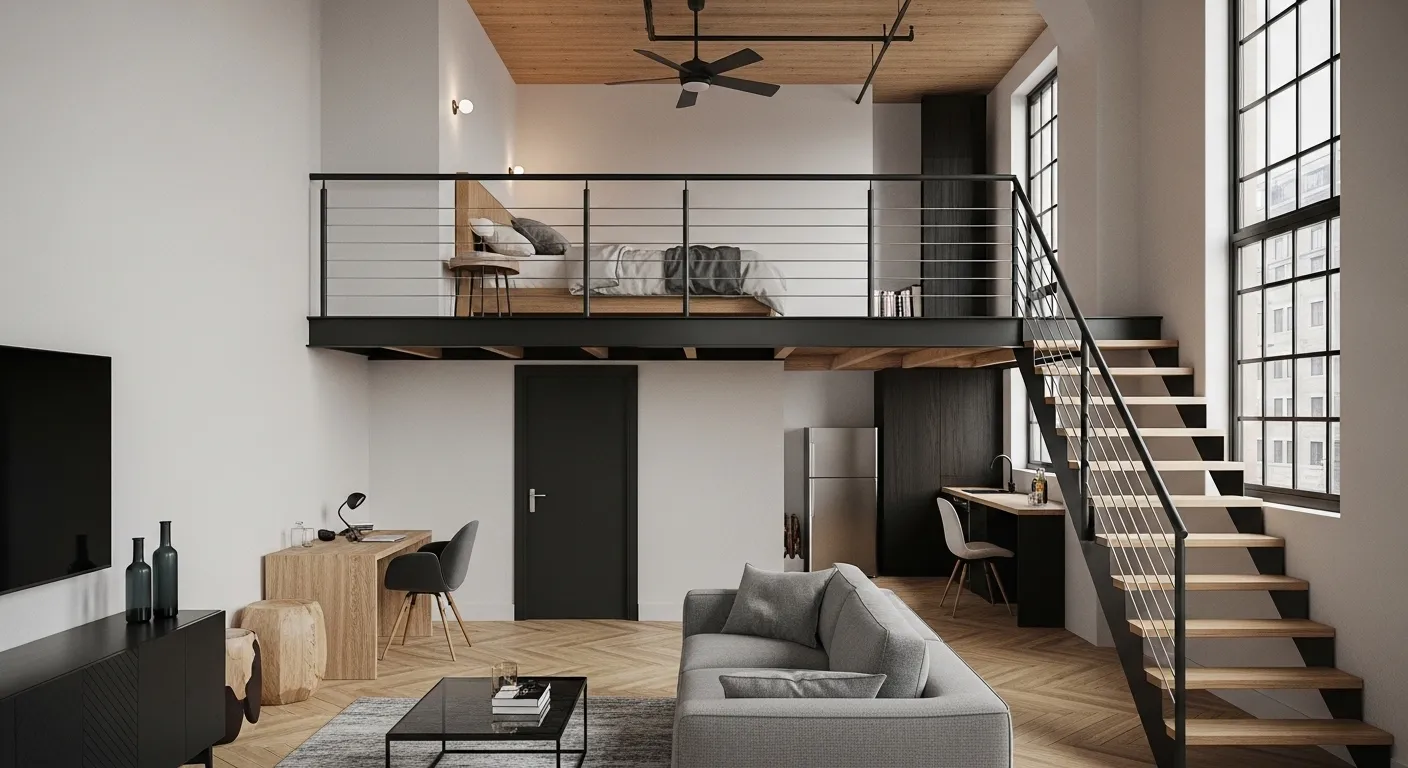
A mezzanine bedroom is perhaps the most iconic feature of a genuine loft apartment. It uses vertical space in the most intelligent way possible, carving out a private sleeping zone without sacrificing the open, airy quality of the main living area below. The separation feels instinctive. You go up to sleep and come down to live. That simple physical transition creates a meaningful psychological boundary that flat, single-level studios never achieve. That is why many designers recommend the mezzanine as the single most impactful intervention in a double-height loft space. It transforms the apartment from one open box into a layered, multi-zone home that feels genuinely well thought out.
Beyond function, a mezzanine introduces a visual richness that benefits the entire space. The floating staircase becomes a sculptural element in its own right. The contrast between the intimate sleeping level above and the generous social space below gives the room a cinematic quality that feels editorial rather than residential. The area tucked naturally under the mezzanine floor is equally valuable. I have seen it styled as a compact home office, a reading corner with a single dramatic armchair, or even a wet bar. Each option adds purpose and personality to what might otherwise be an underused corner. Every square inch in a loft should feel intentional, and a mezzanine guarantees exactly that.
7. Floor-to-Ceiling Windows
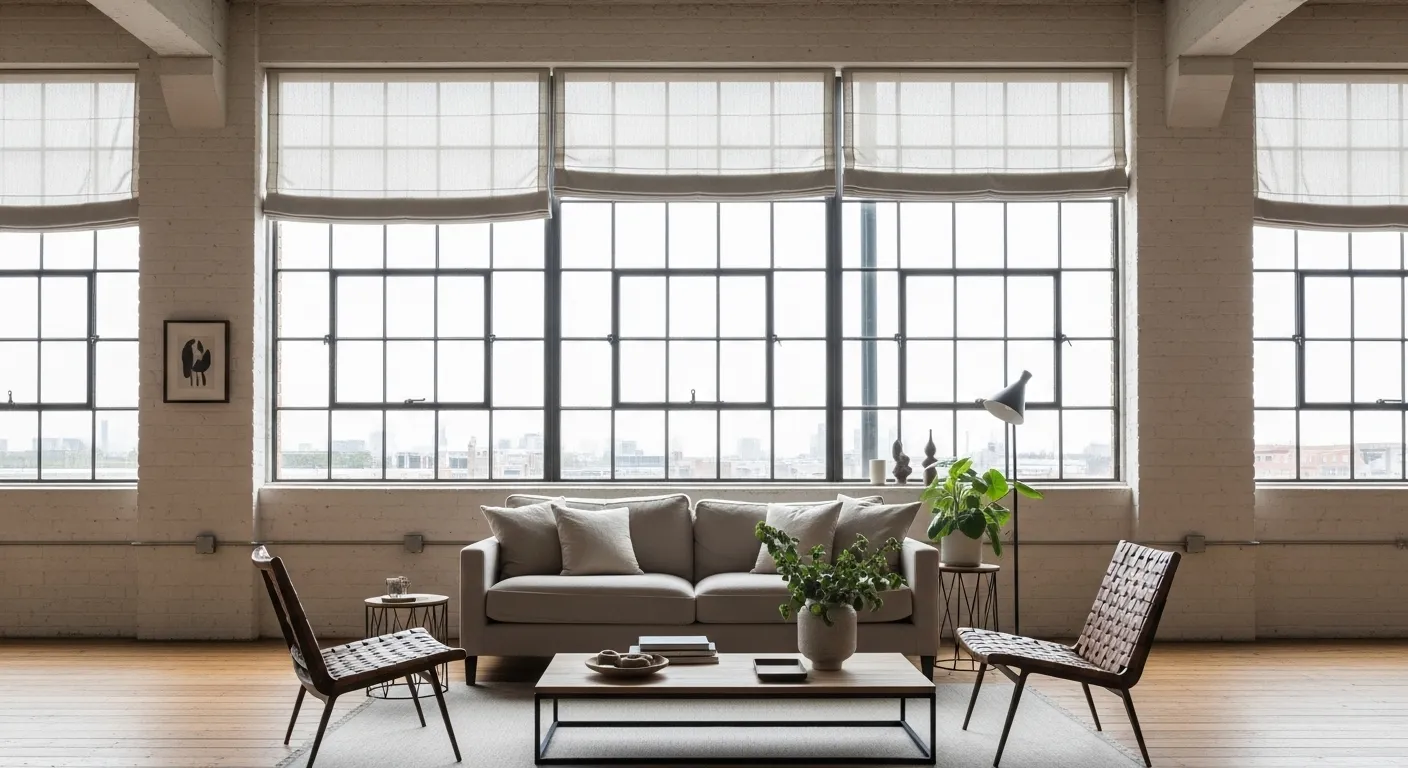
There is no single upgrade more transformative in a loft space than floor-to-ceiling windows. They do something no interior styling trick can fully replicate: they bring the outside world in and make natural light the most dominant and ever-changing design element in the room. Throughout the day, the light shifts from a crisp morning white to a golden afternoon warmth, and the room transforms with it. That quality of light makes every surface, texture, and material look more beautiful than it would under artificial lighting alone. In my experience, rooms with generous natural light simply photograph better, feel more expensive, and lift the mood of everyone who enters them.
Steel-framed industrial windows deserve special mention here because they add a second layer of value beyond just light. The dark metal grid creates a graphic pattern across the window wall that reads as an architectural detail in its own right. It frames the view like a series of living paintings, giving the room a depth and dynamism that standard double-pane windows in white PVC frames never achieve. Keeping the window treatment minimal, sheer linen panels or no curtains at all, allows the windows to do their full work uninterrupted. The combination of maximum light, strong frames, and a minimal interior palette creates a space that feels effortlessly curated and luxurious.
8. Statement Lighting Fixtures
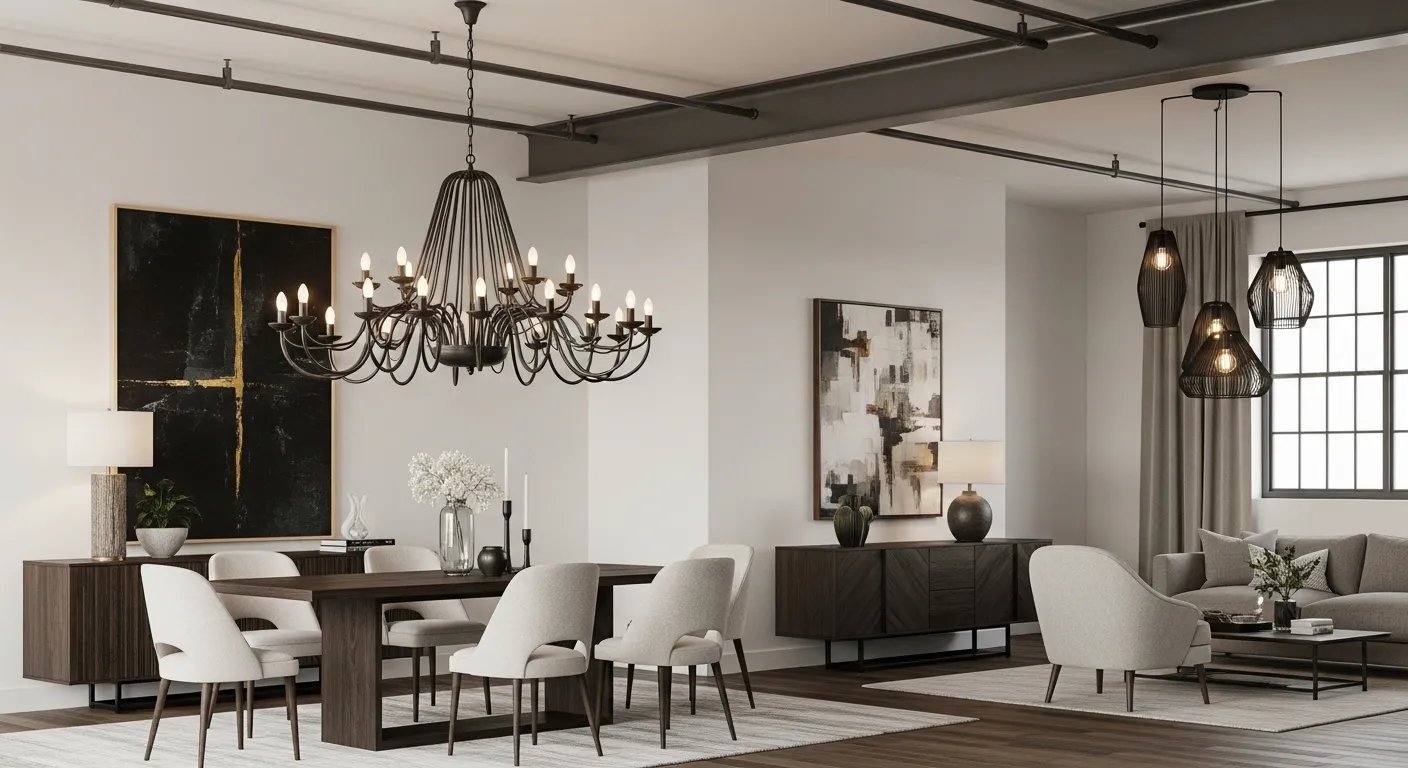
Statement lighting is the fastest route to making a loft interior feel like a professionally designed space. A single extraordinary fixture, positioned correctly and at the right height, can completely restructure how the room feels and functions. It creates a focal point, establishes the mood, and speaks directly to the overall design story of the space. I have noticed that most people underestimate the psychological impact of an oversized or sculptural light fixture. Where a standard pendant lamp simply illuminates, a truly considered statement fixture invites you to stop, look up, and feel something. That pause is worth everything in a space designed to impress and inspire.
The height at which you hang a statement fixture matters as much as the fixture itself. Many people hang pendant lights too high, losing both the intimate glow and the visual drama the piece was designed to create. In a dining area, hanging a chandelier lower than feels intuitive, roughly thirty to thirty-four inches above the table surface, creates a cocoon of warm light that feels deeply luxurious. In a living area, a bold pendant or cluster of pendants at varying heights adds architectural interest to a wide, open ceiling plane. That is why many designers treat lighting as furniture and give it the same planning attention as a sofa or dining table.
9. Warm Neutral Color Palette
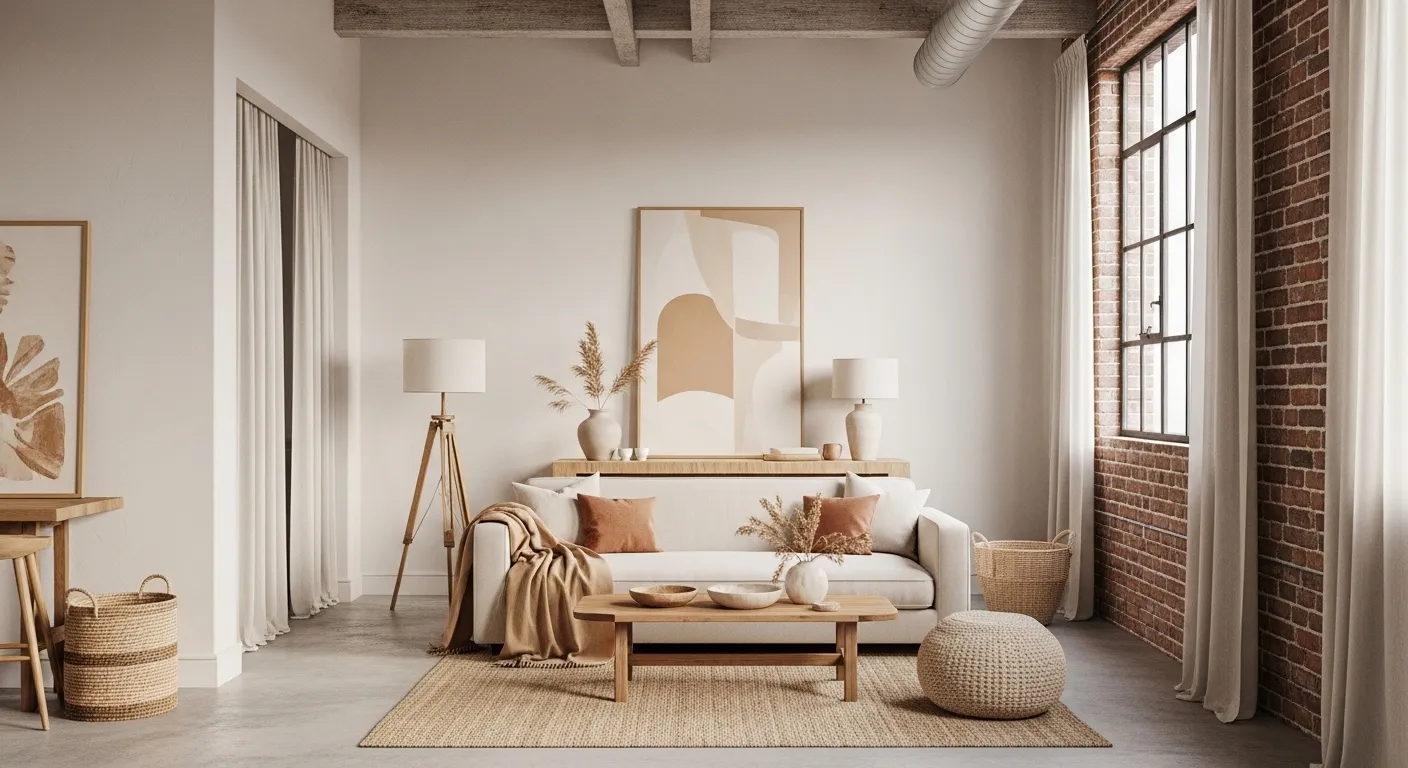
A warm neutral color palette is one of the most enduring and universally flattering choices for a loft interior. Unlike bolder color schemes that can feel exciting for a season and dated by the next, warm neutrals create a backdrop that simply gets better over time. Cream, sand, warm white, terracotta, and camel tones layer together in a way that feels rich without being loud. The key is variation in texture rather than variation in color. When the same warm tone appears in bouclé, linen, jute, and ceramic within the same space, the result is an interior that looks deeply considered and intentional without a single dominant focal point competing for attention.
What makes warm neutrals especially powerful in loft apartments specifically is how beautifully they counterbalance the raw, cool elements that define the loft aesthetic. Concrete floors, exposed pipes, steel-framed windows, and brick walls all bring a coolness that can feel stark without the right softening. Introducing a palette anchored in warm sand and cream tones transforms the rawness into a backdrop rather than a dominant feature. I have seen lofts with genuinely cold industrial bones become deeply warm and inviting through color palette alone. Layer in organic textures through woven baskets, linen drapes, and organic ceramics, and the transformation from cool and stark to warm and luxurious is complete.
10. Oversized Wall Art
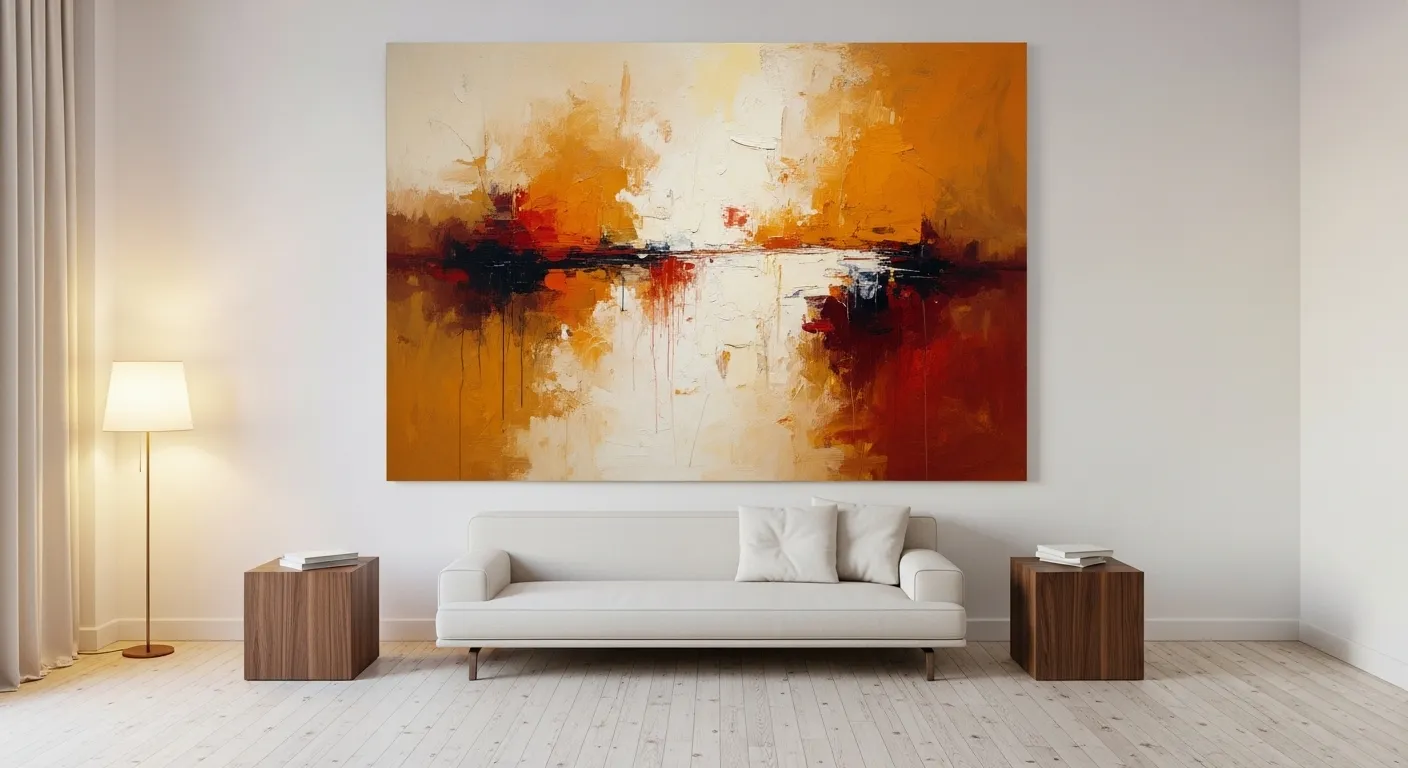
Oversized wall art is one of the most impactful moves you can make in a loft interior, and one of the most commonly underutilized. Most people play it safe with smaller prints, frames, or gallery arrangements, and while those can be beautiful when done well, they rarely deliver the visual authority of a single large-scale artwork. A canvas that nearly fills a wall section commands the room in a way that immediately communicates confidence and intent. It tells the visitor that this space was designed with conviction, not assembled from a catalog. That quality of intentionality is what most people recognize as the difference between a nice apartment and a genuinely impressive one.
The beauty of investing in one oversized piece is that it does the heavy lifting of the entire wall. You no longer need picture rails, multiple frames, or layers of smaller decor competing for attention. The single painting or print becomes the focal point around which the rest of the room is quietly organized. For luxe loft apartments especially, large abstract works in warm, earthy tones, ochre, burnt sienna, soft cream, and muted terracotta, complement the raw industrial architecture beautifully. They bring warmth and humanity to spaces that might otherwise feel cold. Leaning a canvas casually against the wall rather than hanging it adds an effortless, artist-studio quality that feels expensive without trying.
11. Velvet Sofa Moment
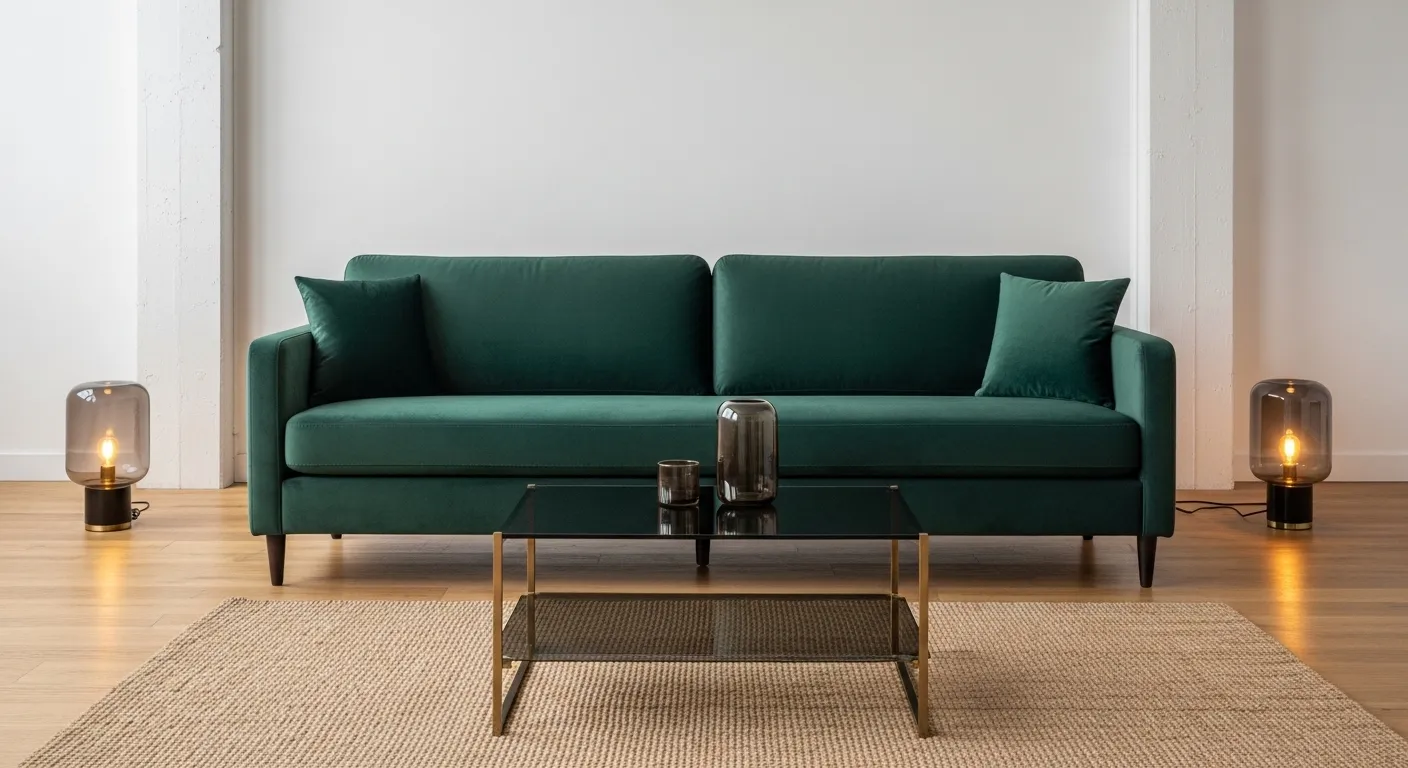
If there is one furniture investment that consistently elevates a loft interior from comfortable to genuinely breathtaking, it is a velvet sofa in a deliberate, confident color. Velvet has a quality that very few fabrics can match. Its pile catches light in two different directions simultaneously, creating a depth and richness that makes the sofa appear to glow softly from within.
A deep emerald green velvet sofa placed in a neutral, white-walled loft with warm oak floors creates a composition so visually satisfying that it almost looks styled for a magazine, even before you add a single cushion or accessory. The contrast between the raw loft space and the refined luxurious fabric creates exactly the tension that great interior design relies on.
Beyond the obvious visual appeal, velvet is a practical and surprisingly robust fabric choice. Many people hesitate because they associate it with delicacy or high maintenance. In reality, performance velvet blends used in most contemporary furniture are stain-resistant, pet-friendly, and become increasingly soft and inviting with use rather than worn and tired. The key to making a velvet sofa work in a loft space is to keep the surrounding elements deliberately simple. A brushed brass or smoked glass coffee table in front, a natural jute rug beneath, and warm ambient lighting at the side creates a vignette that feels deeply curated. One standout sofa, styled with confidence, transforms the entire room’s character.
12. Raw Wood Ceiling Beams
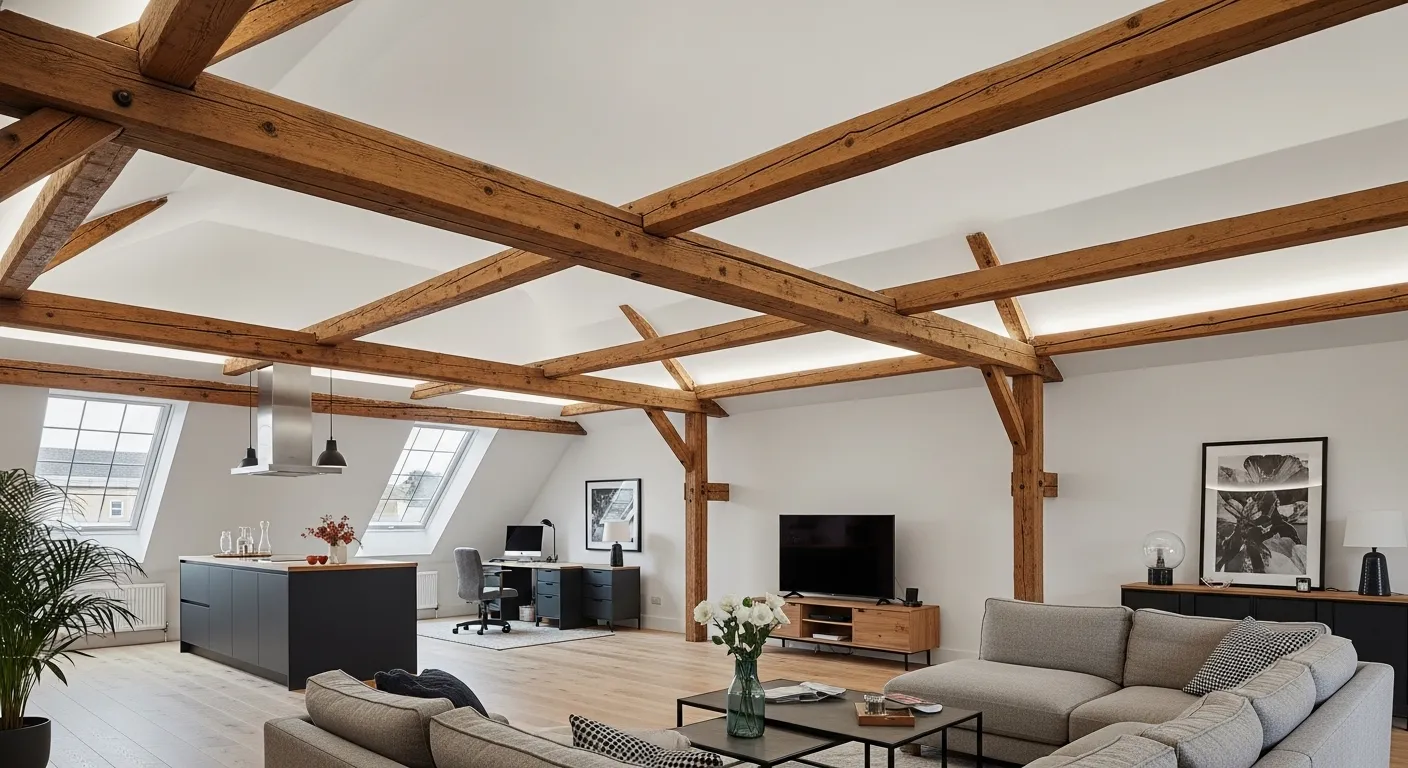
Raw wooden ceiling beams are one of the most authentically beautiful features a loft apartment can possess. Unlike decorative additions that can feel like a design afterthought, original structural beams carry real history. They speak to the building’s past life, whether as a warehouse, a factory, or a mill, and that story adds a layer of character and depth that no amount of styling can manufacture. I have noticed that rooms with exposed wooden beams almost universally photograph better and feel more grounded and resolved than those without. The organic warmth of natural wood grain against a white ceiling creates a balance between refinement and rawness that defines the most admired loft interiors.
What makes ceiling beams such a clever design feature is their ability to do multiple jobs simultaneously. They add visual texture to an otherwise flat ceiling plane. They can be used to zone different areas of an open-plan space, drawing an invisible boundary between the kitchen and the living area, or between a workspace and a lounge. When lit from below with directional recessed spots or from above with concealed strip lighting, beams cast dramatic shadows that add a moody depth to the ceiling at night. That layered quality, where the same structural element looks different at noon versus midnight, is what makes raw wooden ceiling beams one of the most enduringly valuable design features in any loft space.
13. Minimalist Floating Staircase
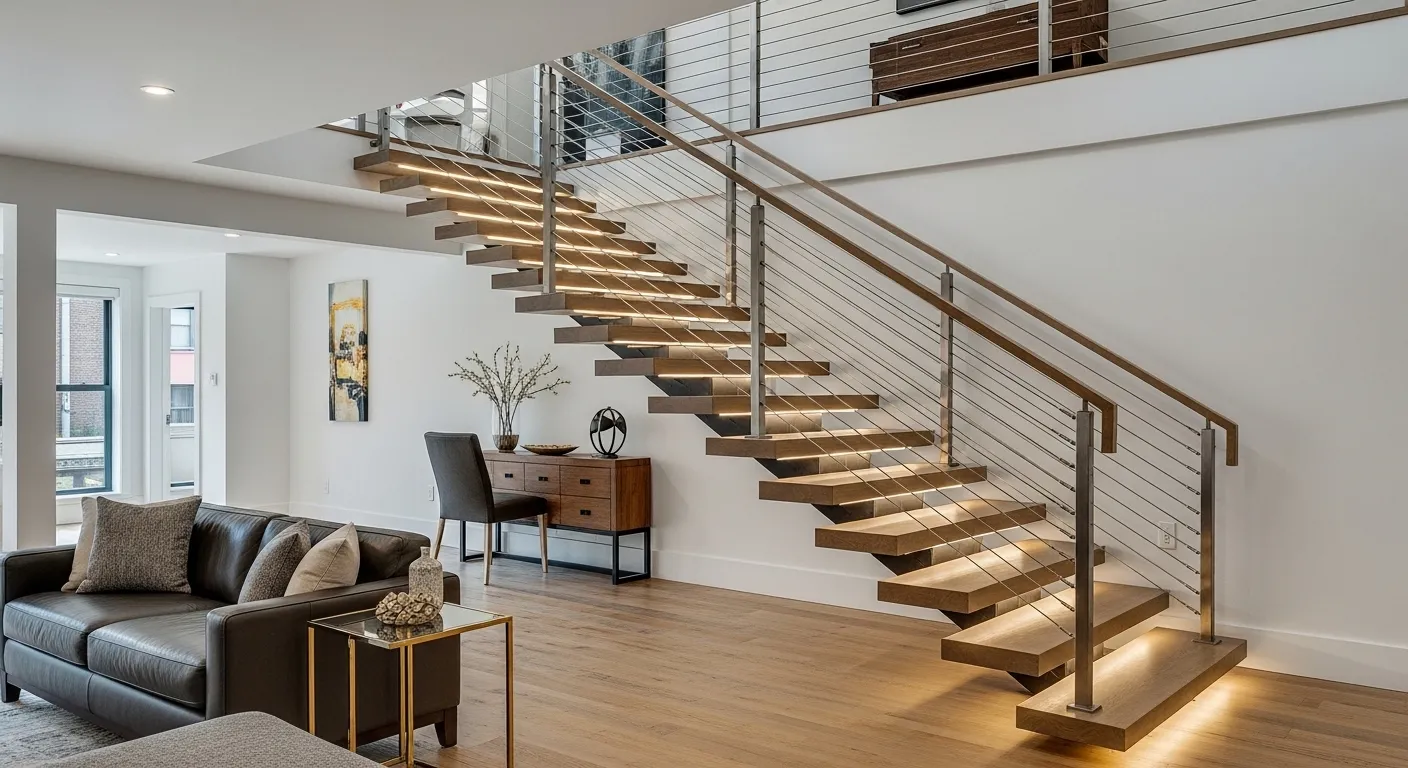
A floating staircase is arguably the single most architecturally dramatic feature you can introduce to a loft apartment with a mezzanine level. Where a traditional staircase with a solid structure and conventional railing is simply functional, a floating staircase is genuinely sculptural. The cantilevered treads with no visible support beneath create a visual effect that feels almost defiant of gravity. It draws the eye upward and creates movement through the vertical space of the loft in a way that transforms the staircase from a practical connector between two levels into a genuine design centerpiece. Every guest who enters will comment on it. That reaction alone makes it one of the highest-impact investments possible.
Beyond the pure visual drama, a floating staircase with an open cable or rod railing system maintains the openness that defines great loft living. Unlike bulky, enclosed staircases, the see-through structure allows light to pass freely between floors, and the sightlines from the living area below remain completely unobstructed.
Under-tread LED lighting adds a third layer of value, creating a soft, glowing ribbon of warm light that makes the staircase as beautiful at midnight as it is in full daylight. I have seen floating staircases styled as the literal centrepiece of a loft living room, with seating arranged to face them, and in every case the effect is one of an interior that feels like a private gallery or boutique hotel.
14. Smart Zoning With Rugs
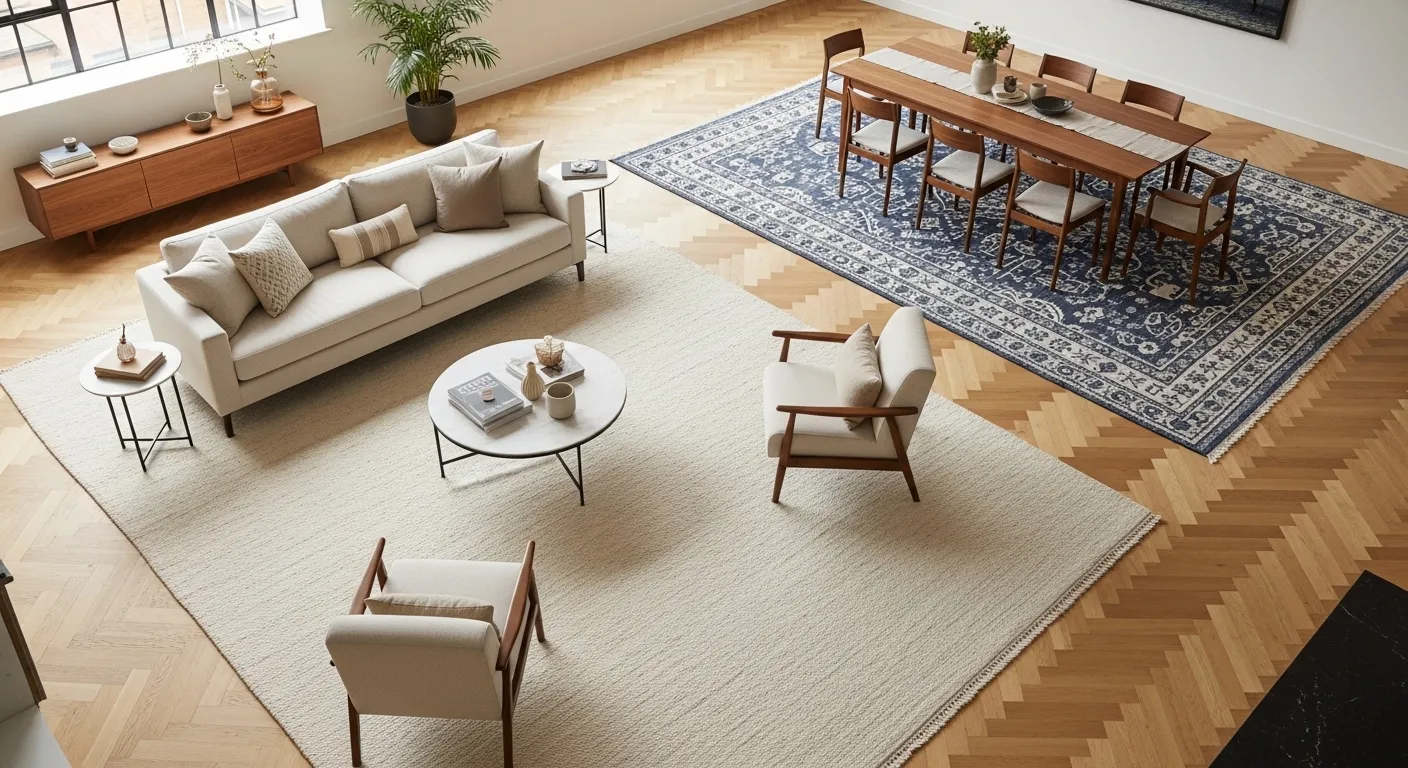
In an open-plan loft space, rugs are doing far more than decorative work. They are the primary architectural tool available to define distinct zones within one continuous floor plan. Without them, a large open loft can feel directionless, like a furniture showroom without any organizing principle. The moment you introduce a generous area rug beneath a seating arrangement, that cluster of furniture becomes a room. It has an edge, a boundary, a sense of completion. I have tried many approaches to open-plan zoning, including lighting changes, furniture arrangement tricks, and partial screens, but nothing works as immediately and as economically as the right rug in the right position.
The sizing of the rug is where most people go wrong. A rug that is too small for the furniture grouping it is meant to anchor actually makes the room feel smaller and more disjointed. All four legs of a sofa and the chairs around it should sit comfortably on the rug surface, with at least a foot of rug border visible beyond the furniture edges. When sized correctly, the rug creates a clearly defined floor plane that reads as its own room within the open plan.
Using two rugs of different scales and textures in one loft space, one for the living zone and a smaller one for the dining area, creates a layered, multi-room effect that makes the entire loft feel genuinely well designed and thoughtfully organized.
15. Curated Shelf Styling
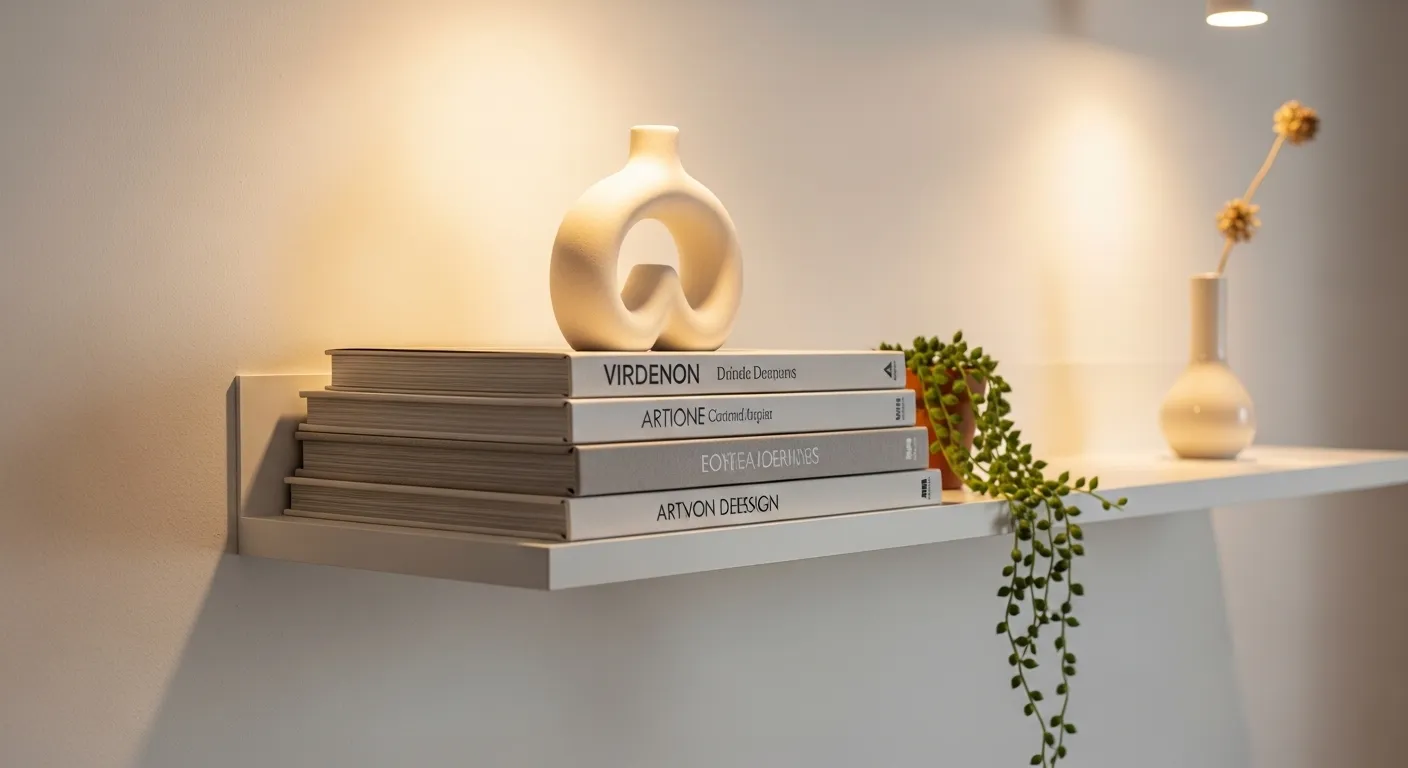
Curated shelf styling is one of those quiet skills that separates a space that looks lived-in from one that looks designed. Anyone can fill a shelf. Curating one is a different act entirely. It requires restraint, proportion awareness, and a genuine sense of what each object is contributing to the overall composition. The best-styled shelves I have ever seen share one quality: they look like they were assembled slowly over time, one meaningful piece at a time, rather than purchased and placed in a single afternoon. That quality of accumulated curation is what makes a shelf feel personal and luxurious rather than generic and decorative.
Practically speaking, shelf styling follows a few simple principles that produce consistent results. Anchor each shelf section with one taller element, whether a vase, a framed print propped against the wall, or a sculptural object. Add one medium item beside it, and one small element to complete the grouping. Varying the textures within that trio, rough ceramic beside a smooth book cover beside a soft plant, creates visual interest without introducing color chaos. Most importantly, leave empty space. A shelf that breathes communicates confidence. It says that the person who styled it was selective and intentional rather than filling every inch to justify the furniture’s existence. That restraint is what elevates shelf styling from decoration to genuine design.
16. Botanical Greenery Moments
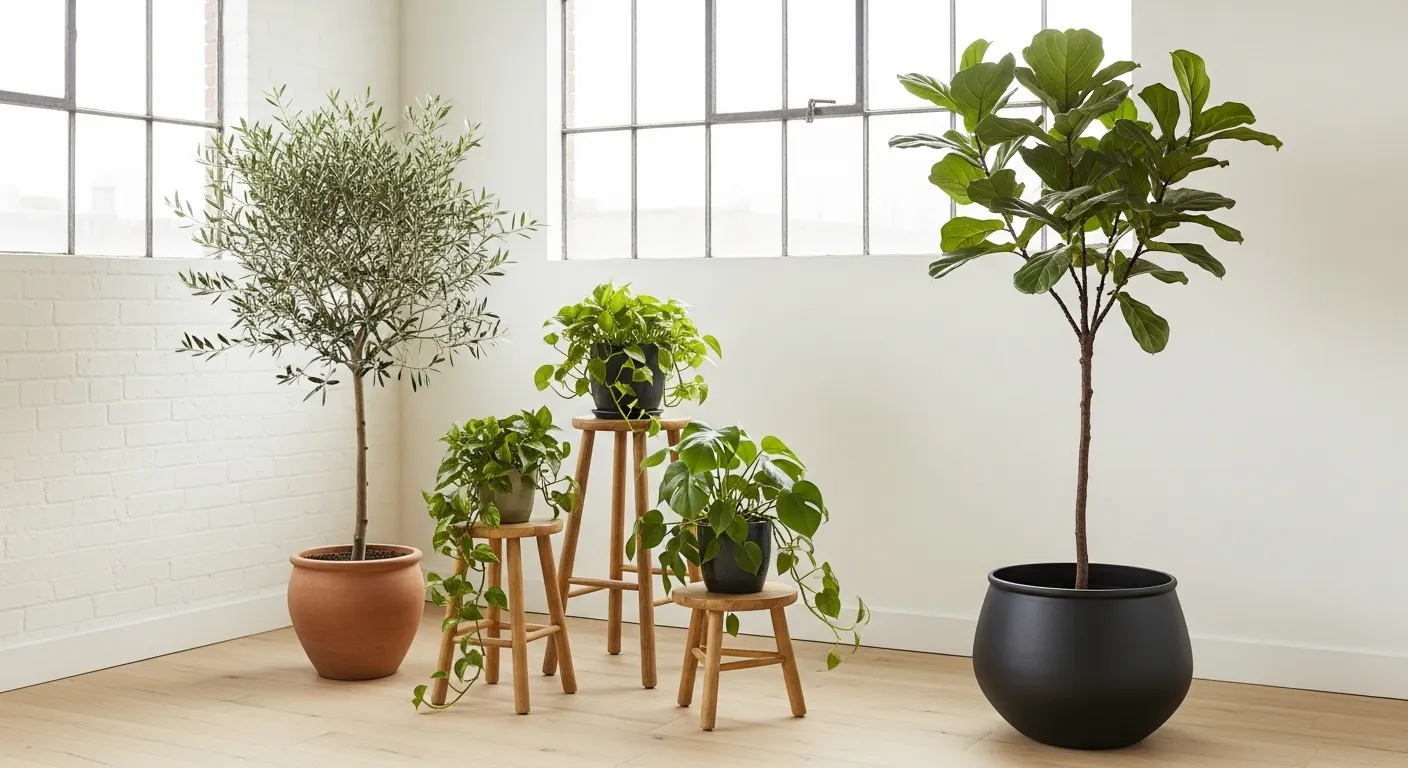
Indoor plants bring something genuinely irreplaceable to a loft interior: life. Not life in a metaphorical sense, but the kind that moves with air currents, grows toward light, and changes subtly week by week. A room with plants feels inhabited and cared for in a way that even the most expensive furniture alone cannot convey. I have noticed that spaces with generous greenery consistently feel warmer, more grounding, and more aspirational than those without. The addition of a tall fiddle-leaf fig or an olive tree to an otherwise finished loft interior is the difference between a beautiful photograph of a space and a space that feels worth living in every single day.
What makes botanical styling in a loft particularly effective is the contrast it creates against raw materials. Dark concrete, exposed brick, matte black metal, and pale wood are all beautiful in their own right, but they are static and inorganic. A grouping of plants introduces movement, softness, and an evolving quality that industrial materials simply cannot possess.
The key to making a plant grouping look intentional rather than random is layering. Combine one tall architectural plant with one mid-height bushy variety and one trailing or low plant on a stool below it. Vary the pot materials, textures, and tones within a cohesive palette. The result is a living installation that reads as both designed and deeply natural at the same time.
17. Dramatic Dark Ceiling
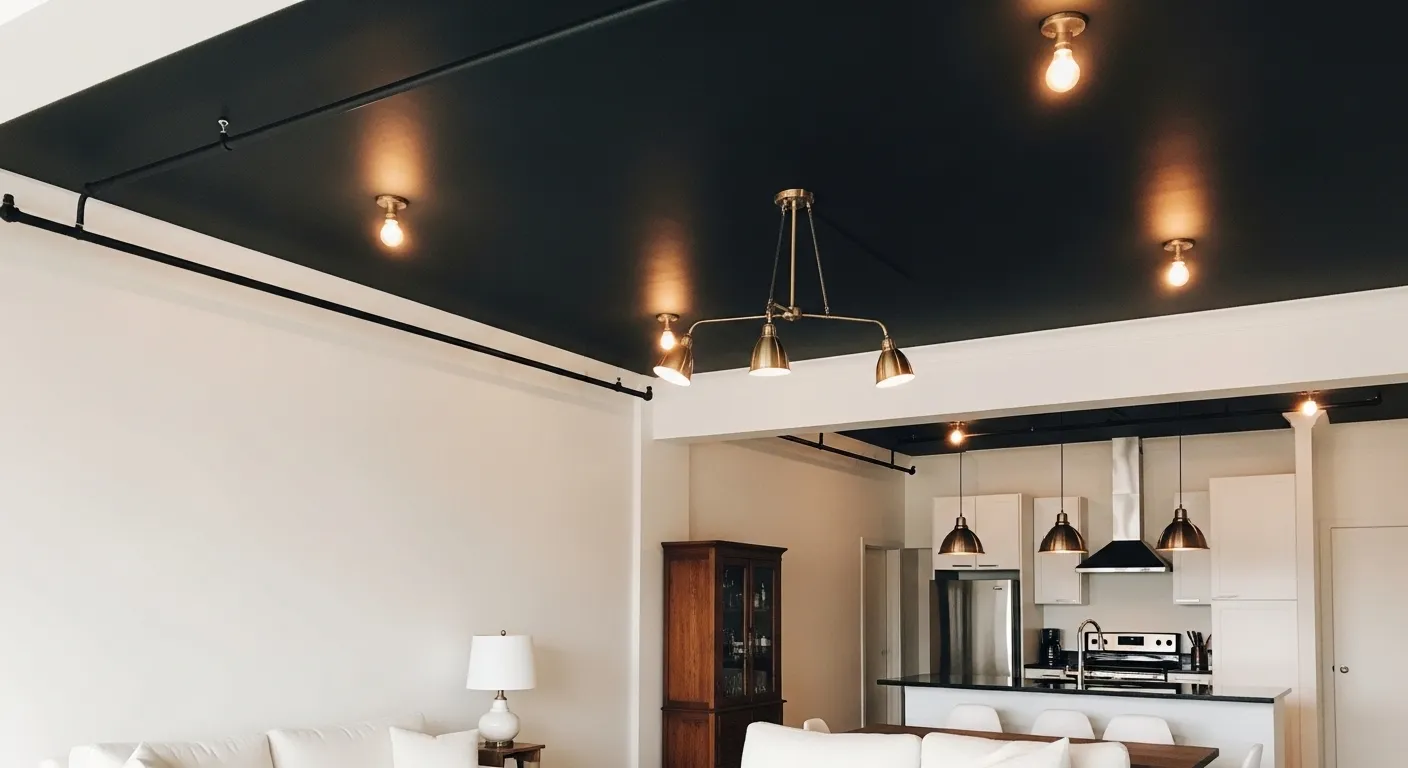
Painting a ceiling dark is one of the most counterintuitive and consistently rewarding design decisions in interior work. Every instinct says to keep ceilings white to maximize the sense of space, especially in a loft where height is a primary asset. But a deep matte charcoal or near-black ceiling does something white cannot: it creates atmosphere. The room feels suddenly intimate and enveloping despite its actual size. I have seen this technique transform very basic, unfinished lofts into spaces that feel custom-designed and richly atmospheric. The dark ceiling overhead creates a kind of canopy effect that makes the furniture and people below feel more warmly lit and deliberately composed.
What makes the dark ceiling especially impactful in a loft is that it pairs so beautifully with the contrasting white walls beneath. The hard line where dark ceiling meets bright wall creates a graphic border that gives the room extraordinary definition and structure. Add warm brass or gold pendant lights hanging from the dark plane above, and the effect becomes genuinely theatrical. The light sources glow against the dark background rather than disappearing into a pale ceiling, making them more visually present and impactful. The furniture below, often in lighter tones, reads as brighter and cleaner by comparison. That layered contrast throughout the room is what interior design professionals identify as a space with genuine depth.
18. Marble Surface Accents
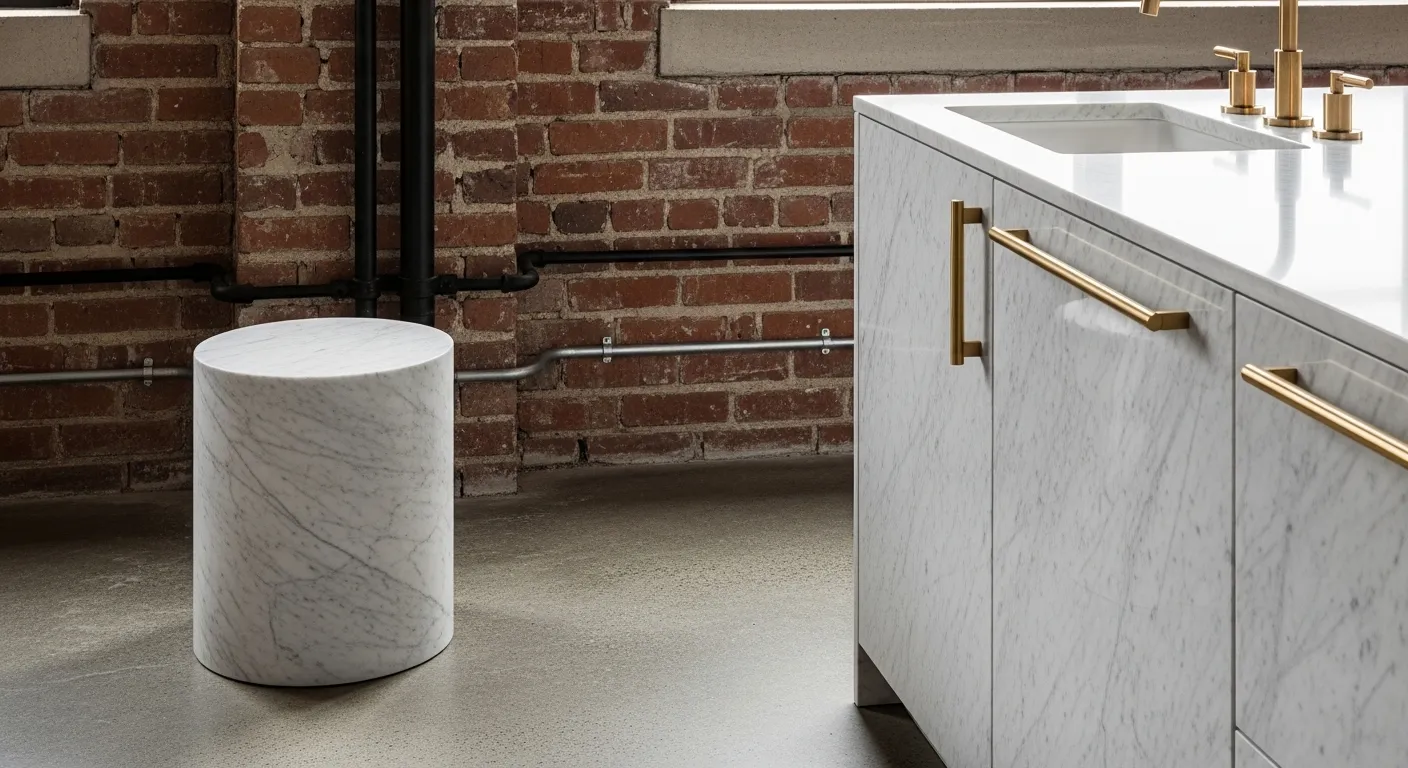
Marble carries a visual shorthand for luxury that is almost universally understood. Its natural veining, cool surface temperature, and subtle luminosity communicate quality in a way that manufactured surfaces simply cannot replicate. Even a small marble accent, a circular side table, a kitchen island surface, a bathroom shelf, changes the perceived quality level of the entire surrounding space. That is the true power of strategic material selection. You do not need to marble every surface in a loft to benefit from its prestige. One well-placed marble moment, surrounded by simpler, complementary materials, delivers more design impact than covering an entire room in a single material could ever achieve.
In the context of luxe loft apartments, marble works especially well as a counterpoint to raw industrial elements. The juxtaposition of delicate natural veining against rough brick, exposed pipe, or concrete floors creates a tension that feels simultaneously unexpected and perfectly resolved. The marble says refinement. The raw surfaces say authenticity. Together they tell a complete and compelling design story. Pairing marble with brushed gold or aged brass hardware amplifies this quality significantly. The warm metal tones bring out the subtle golden warmth in the marble’s background, creating a combination that reads as deliberately premium from every angle and in every lighting condition throughout the day.
19. Leather and Linen Layering
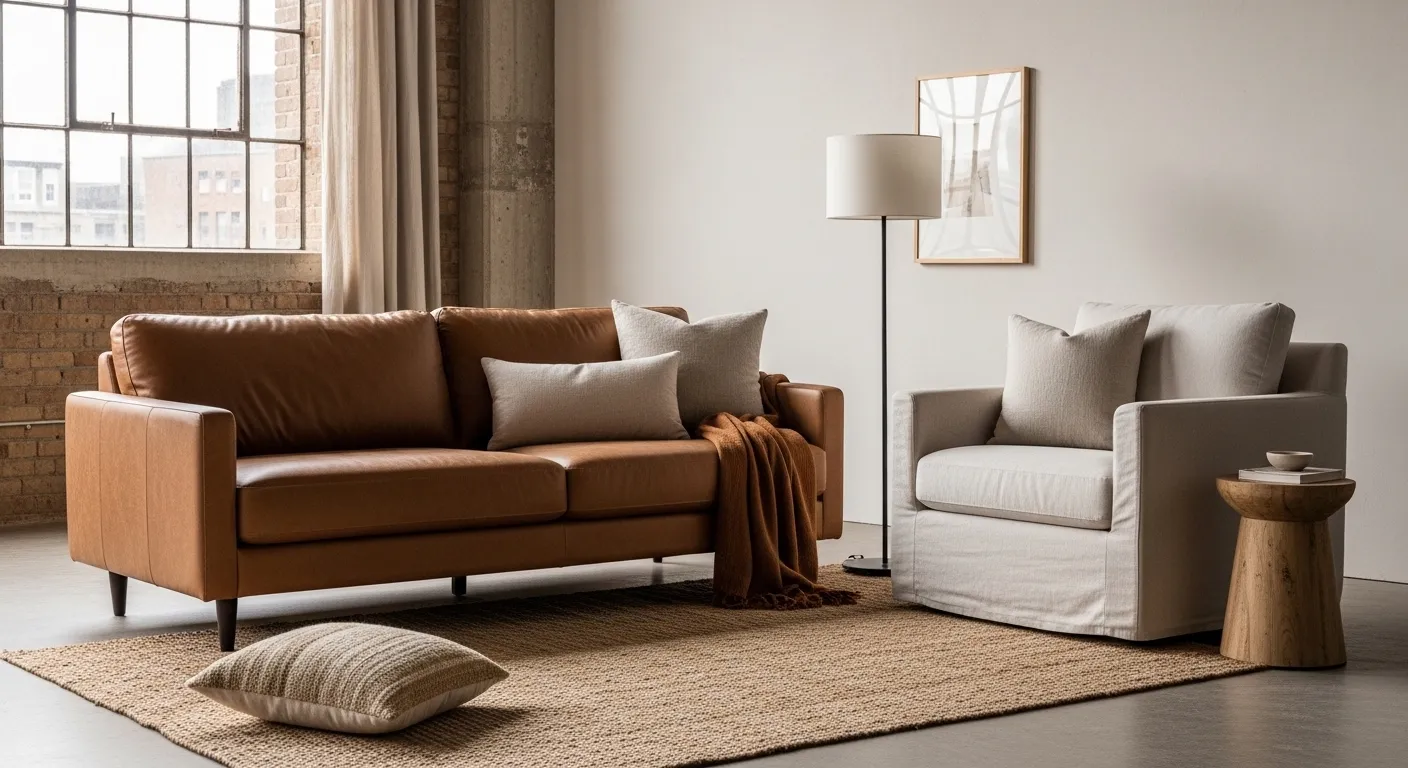
The pairing of leather and linen within the same room is one of those combinations that simply works every time without exception. Each fabric brings something the other cannot provide. Leather brings warmth, durability, richness, and a tactile firmness that anchors a seating arrangement with visual weight. Linen brings softness, breathability, a casual grace, and a sense of understated elegance that heavy fabrics can never achieve. Together they create a layered, textured reality that feels both considered and effortlessly lived-in. That combination is deeply appealing because it communicates that the room was designed by someone with genuine taste and genuine commitment to daily comfort, not just photography.
In a loft space where the architecture already contributes significant visual character through its raw materials, the furniture selection needs to balance softness with substance. A caramel leather sofa beside a cream linen armchair, both resting on a generous jute area rug, creates exactly that balance. The three textures, leather, linen, and jute, occupy the same warm neutral tonal family but feel completely distinct against one another. Add a cognac throw, a few cushions in bouclé and natural linen, and the seating vignette becomes a composition worth spending hours in. That quality of textural richness, where every surface you touch feels intentionally chosen, is a hallmark of interiors that are remembered long after the visit ends.
20. Moody Library Corner
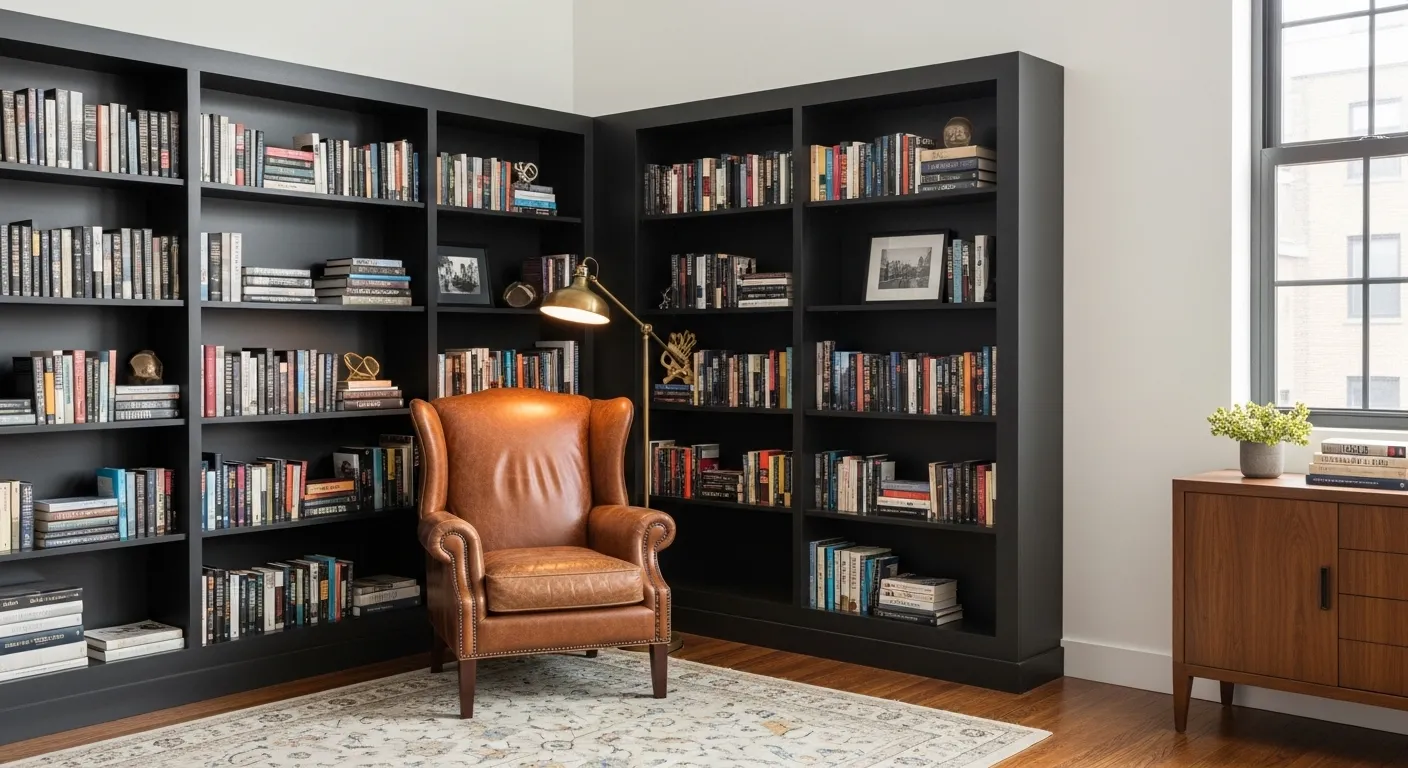
A library corner is one of those additions to a loft apartment that delivers value far beyond its practical purpose. Yes, it houses books. But more importantly, it creates a destination within the open plan, a place with a clearly defined character and a specific emotional purpose that is entirely different from the rest of the space. The floor-to-ceiling bookshelf, especially when built in matte black against a white or dark accent wall, becomes one of the most visually impressive features in the entire loft. I have seen these corners completely transform the perceived character of a space, making it feel layered, intelligent, and deeply personal in a way that purely decorative additions rarely achieve.
The key to making a library corner feel truly luxurious is the chair selection. The bookshelf alone is impressive, but pairing it with a deep cognac leather wingback chair and a warm brass floor lamp positioned directly beside it creates an invitation that is almost impossible to refuse. That specific vignette, chair, lamp, shelf, is one of the most timeless and instantly appealing compositions in interior design. It promises comfort, warmth, and quiet absorption. In a loft where the rest of the space is open, social, and visual, the library corner offers a counterpoint. A place to retreat without leaving home. That emotional range is what truly livable, truly luxury spaces provide.
21. Vintage Industrial Furniture
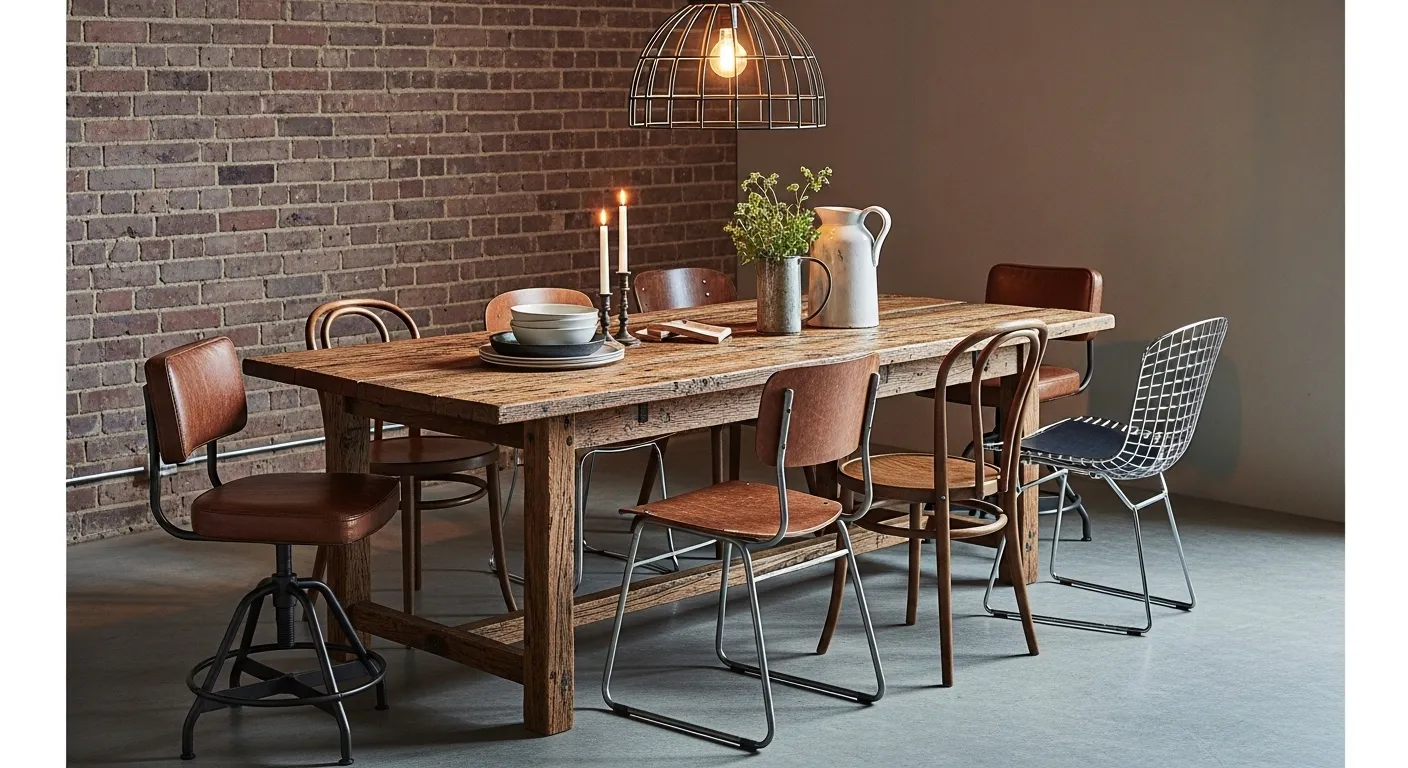
Vintage and industrial-era furniture occupies a unique position in loft design because it connects directly to the architectural heritage of the building itself. Warehouses, factories, and mills were working environments, and the furniture made for those environments, reclaimed wood tables, metal frame chairs, factory stools, factory shelving, carries that working-life DNA into the domestic space in a way that feels deeply honest. There is no pretense in a genuinely old piece of furniture. Its dents, its patina, its worn grain tell real stories. That authenticity is precisely what makes vintage industrial furniture so compelling and so consistently popular in the most admired loft interiors around the world.
Mixing vintage pieces with contemporary elements is where the real design skill comes in. A heavily weathered reclaimed wood dining table, for example, looks extraordinary when surrounded by a mix of chair styles: a leather industrial stool beside a bentwood classic beside a modern wire chair. The mix feels collected and personal rather than matched and manufactured. The key is staying within a cohesive tonal palette even as the styles vary. Black, brown, warm wood, and aged metal all live happily together in the same neutral industrial family. Within those boundaries, variety in chair shape and material creates exactly the kind of effortless sophistication that genuinely impressive loft dining rooms are built around.
22. Bathroom Spa Aesthetic
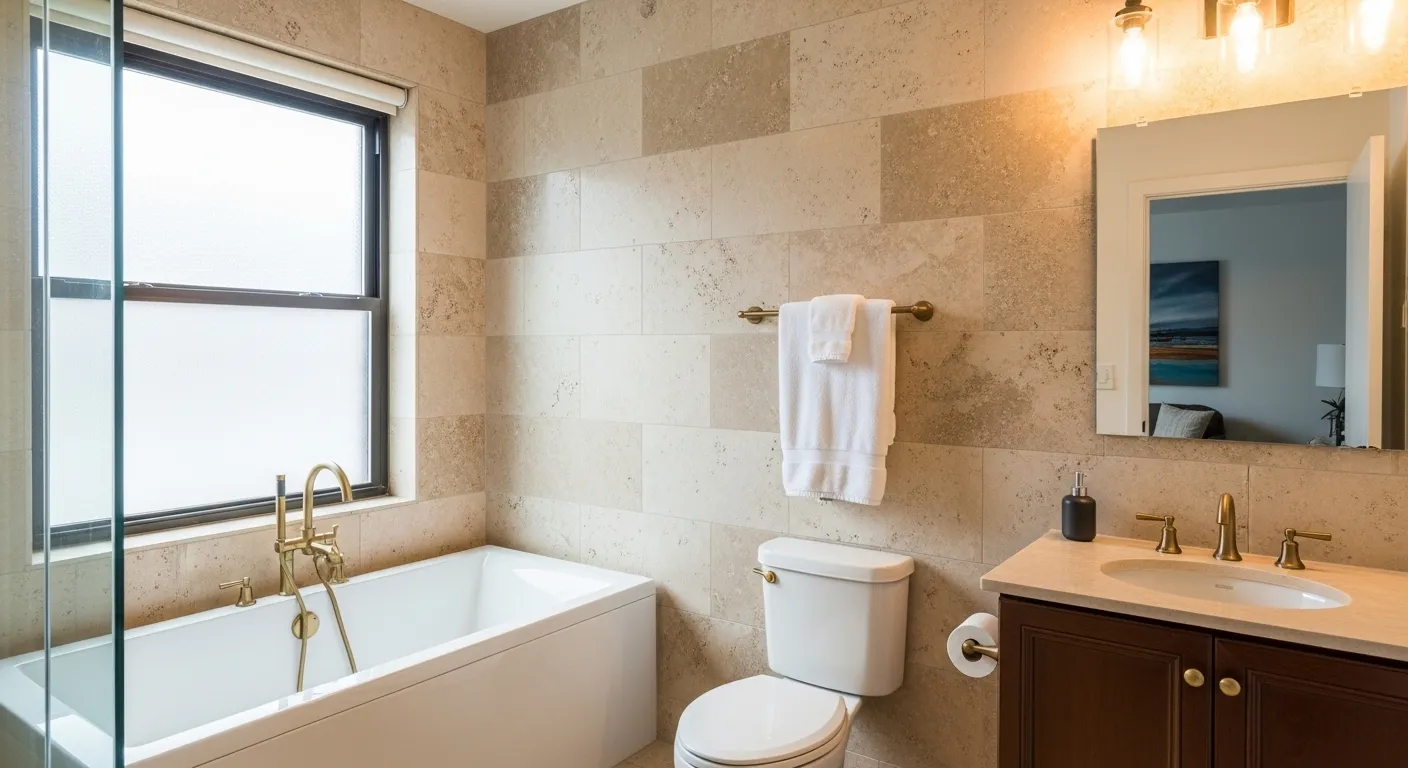
The bathroom in a loft apartment is often an afterthought, a functional space tucked behind the main drama of the open living area. But it does not need to be. A bathroom styled with genuine intention, around natural stone, warm metals, and deliberate lighting, becomes a private retreat that is as aspirational as any other room in the space. The freestanding bathtub is the single most transformative element available. Positioned correctly near a window that allows diffused natural light, it creates a composition that reads as genuinely spa-like. That quality of private luxury, a beautiful tub in a well-lit, beautifully tiled room, is one of the highest-value additions any loft interior can possess.
Beyond the bathtub, the choice of wall surface material does the most work in creating a genuinely luxurious bathroom feel. Large-format travertine or warm stone tiles eliminate the visual noise of multiple grout lines, creating a calmer, more expansive wall surface that feels premium at every scale. Paired with brushed gold fixtures rather than chrome, the bathroom immediately moves from functional to aspirational. I have seen simple bathroom renovations that made no structural changes but transformed the space entirely through material and fixture upgrades alone. The investment in quality tile, a warm metal finish, and a considered lighting fixture is modest relative to the visual and experiential transformation it delivers.
23. Monochrome Moment
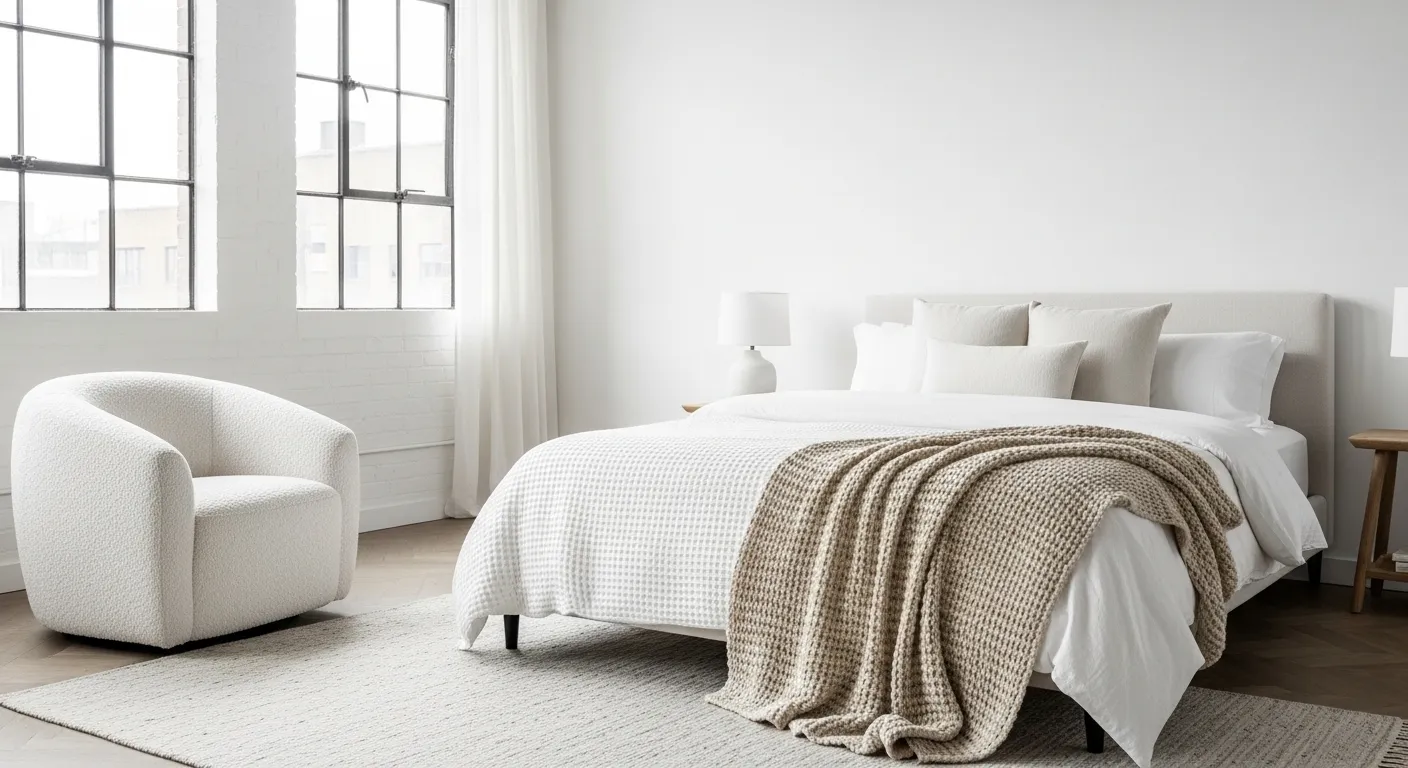
A monochrome room executed in warm white and cream tones is perhaps the most consistently impressive and universally admired interior aesthetic available. It requires no bold choices, no dramatic color, no statement furniture. It relies entirely on the sophistication of restraint. When you layer multiple shades and textures within the same tonal family, crisp white cotton beside a cream waffle knit beside an off-white bouclé armchair, the room develops a depth and richness that feels almost paradoxical given how few ingredients are involved. The palette communicates intentionality, confidence, and a very specific kind of quiet luxury that resonates deeply with the Pinterest audience looking for inspiration to elevate their own spaces.
The practical benefit of a monochrome approach in a loft bedroom is significant beyond aesthetics. White and cream tones reflect natural light back into the room, maximizing the benefit of whatever windows the space possesses. In a loft where morning light might flood through large industrial windows, a white bedroom becomes luminous in a way that darker schemes simply cannot match. The key to preventing the palette from feeling cold or sterile is texture.
Every surface needs a different material finish. Smooth cotton, woven waffle, brushed bouclé, natural jute, raw linen, these textural variations create a visual and tactile richness that more than compensates for the absence of color contrast. The result is a room that feels genuinely restful and genuinely beautiful simultaneously.
CONCLUSION
Great design is never about how much you spend. It is about how intentionally you choose. Every idea in this collection of luxe loft apartments proves that a single well-made decision, the right rug, a statement light fixture, a curated shelf, a velvet sofa in a confident color, can elevate an entire space beyond what any renovation budget could guarantee on its own.
I have seen how small, deliberate changes like these completely transform a home from ordinary to extraordinary. Now it is your turn. Save this post to your Pinterest boards so you always have it close when inspiration strikes. Pick just one idea that excites you and start there. Then share this article with a friend who deserves a more beautiful home. Your dream space is closer than you think.
Olivia Carter
Olivia Carter is the founder of Lady Home Decor and a passionate home decor expert. She shares practical, stylish ideas to help homeowners create beautiful, comfortable, and welcoming spaces. Her expertise covers bedrooms, kitchens, living rooms, bathrooms, and small-space decorating.