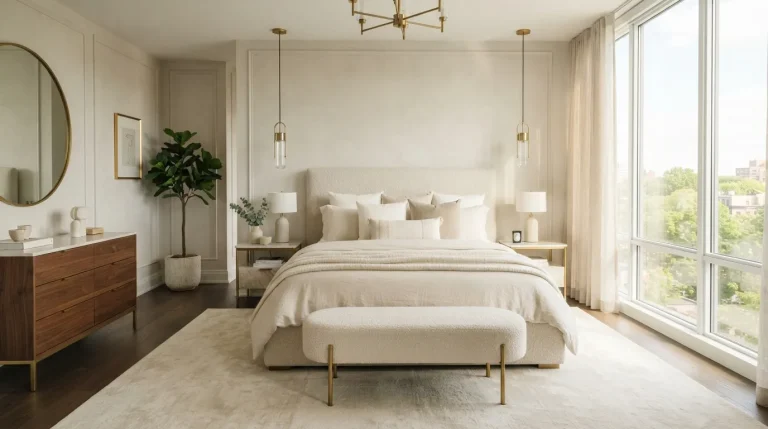
How to Decorate a Bedroom with Brilliant Ideas

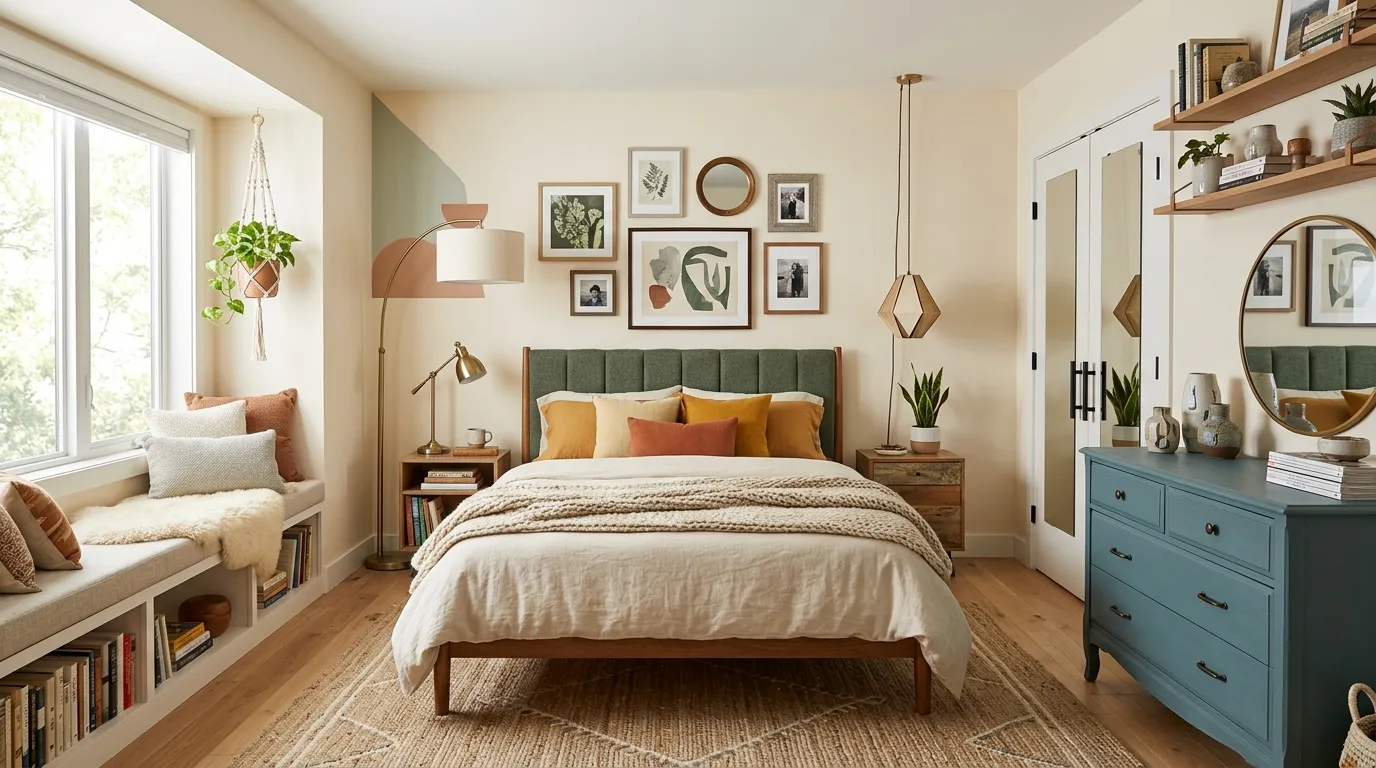
Wondering how to decorate a bedroom that feels modern, comfortable, and beautifully organized? Whether you’re refreshing your current space or starting from scratch, the right design choices can completely transform the way your bedroom looks and feels.
A bedroom should be more than just a place to sleep it should be a personal retreat that promotes relaxation, comfort, and everyday functionality. From selecting the right color palette and furniture layout to layering textures, improving lighting, and adding meaningful decorative accents, every detail contributes to the overall atmosphere. One common challenge is knowing where to begin without making the room feel overcrowded or inconsistent. In my experience, focusing on timeless design principles before following trends creates a space that remains stylish for years. This guide explores practical, beginner-friendly ideas that help you design a bedroom with confidence while balancing beauty, comfort, and functionality.
Choose a Color Palette
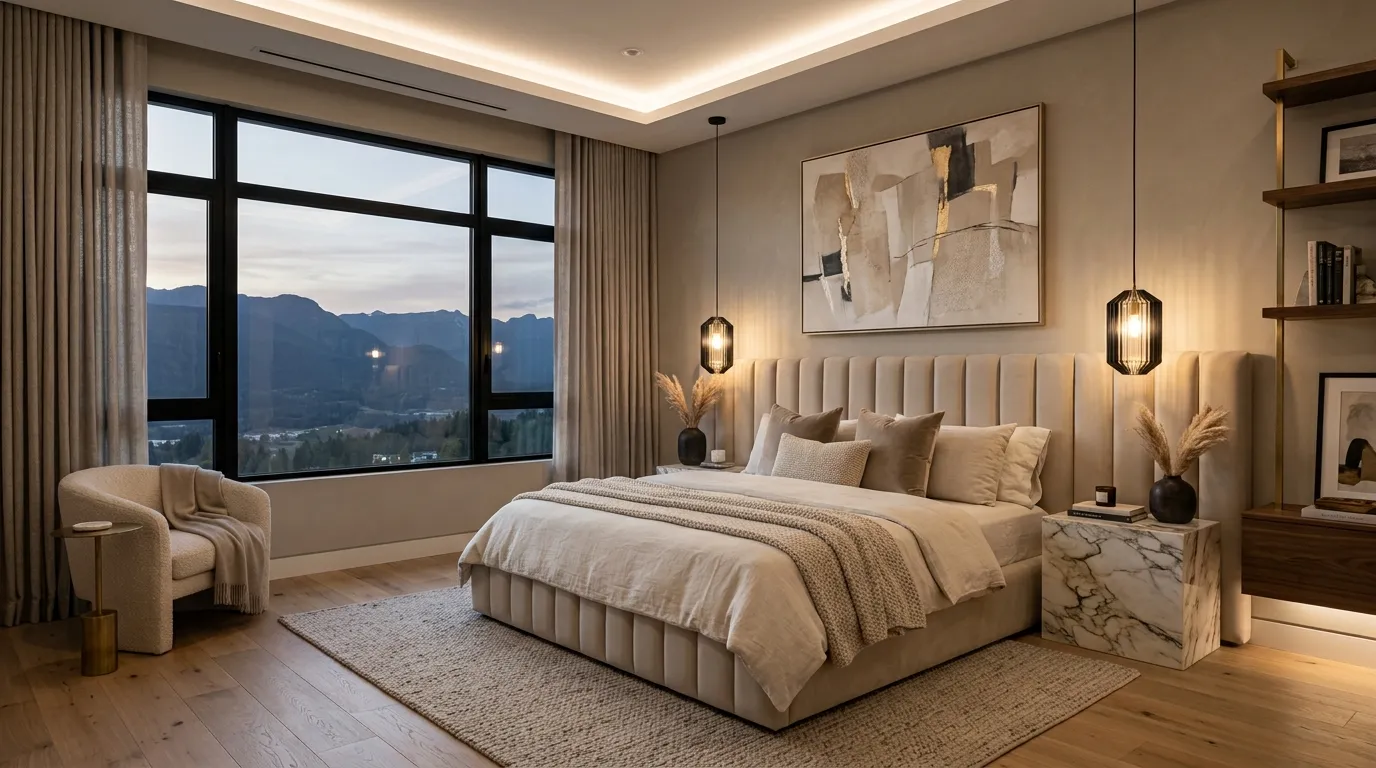
A carefully selected color palette creates the foundation for a stylish and comfortable bedroom. If you’re learning how to decorate a bedroom, start by choosing colors that suit both your personal taste and the room’s lighting. Warm ivory, soft greige, muted taupe, and creamy white remain timeless choices, while charcoal, olive green, deep navy, or mocha can introduce a sophisticated, high-end feel. In my experience, keeping the base neutral makes future decorating updates much easier without requiring a complete room makeover.
Today’s luxury interiors often rely on layered colors instead of bold contrasts. Pair soft walls with darker furniture, textured fabrics, metallic accents, or natural wood to create depth without overwhelming the space. A common mistake people make is introducing too many competing shades, making the room feel cluttered rather than elegant. One practical approach is adding personality through decorative accessories, artwork, and bedding instead of permanent finishes. This method keeps the bedroom current while allowing seasonal updates with minimal effort.
Statement Wall Design
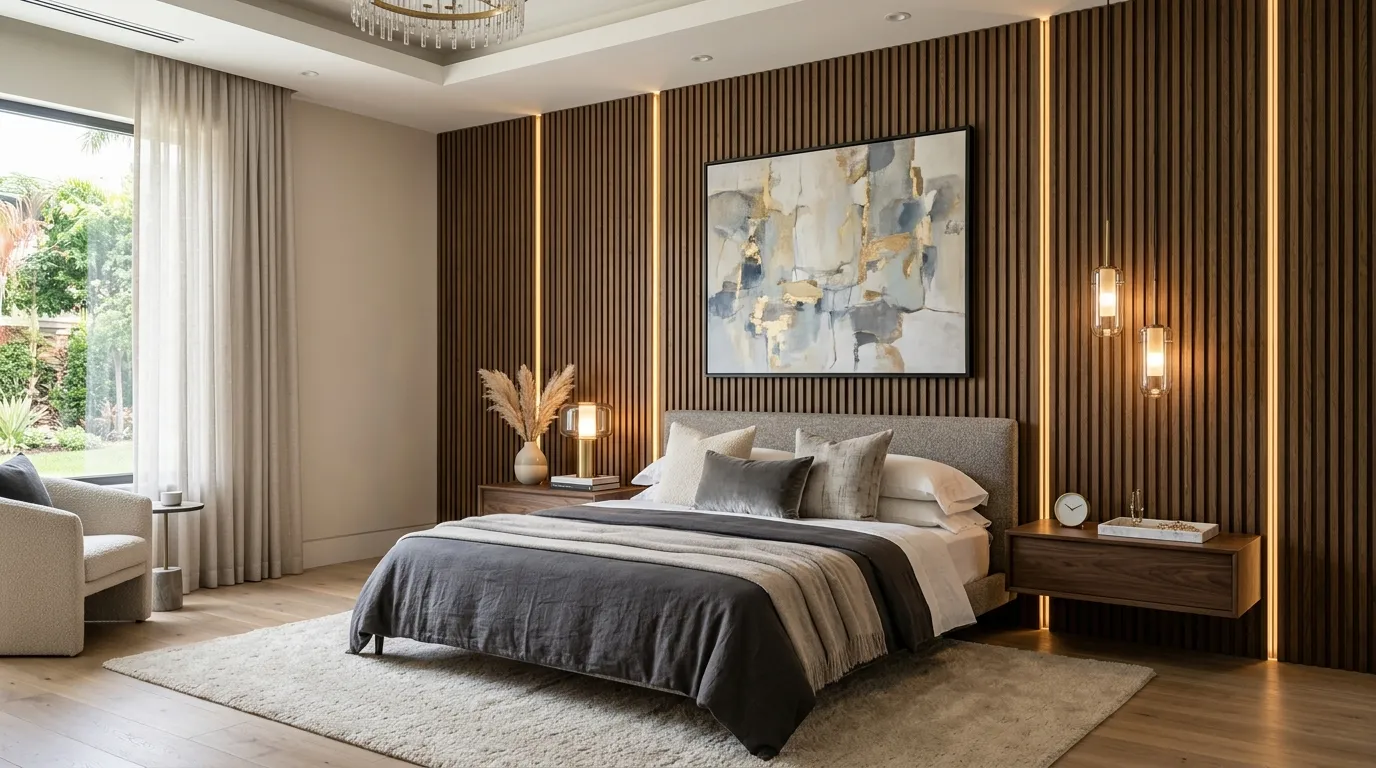
A statement wall instantly elevates the visual appeal of a bedroom without requiring a full renovation. Instead of filling every wall with decorations, dedicate one surface behind the bed to become the room’s centerpiece. Modern homes often use vertical wood slats, fluted panels, limewash finishes, oversized artwork, or elegant wallpaper to achieve a luxurious appearance. I’ve noticed that one well-designed feature wall creates far more impact than several smaller decorative elements competing for attention.
The best feature walls combine texture, proportion, and lighting for maximum effect. Integrated LED strips, wall sconces, or picture lights can enhance architectural details while adding warmth during the evening. Avoid choosing patterns that are excessively busy, especially in smaller bedrooms where they may overwhelm the space. Many professionals recommend selecting finishes that coordinate with existing furniture and flooring, creating a balanced look that feels intentional, contemporary, and easy to update as design trends continue evolving.
Layered Bedding Style
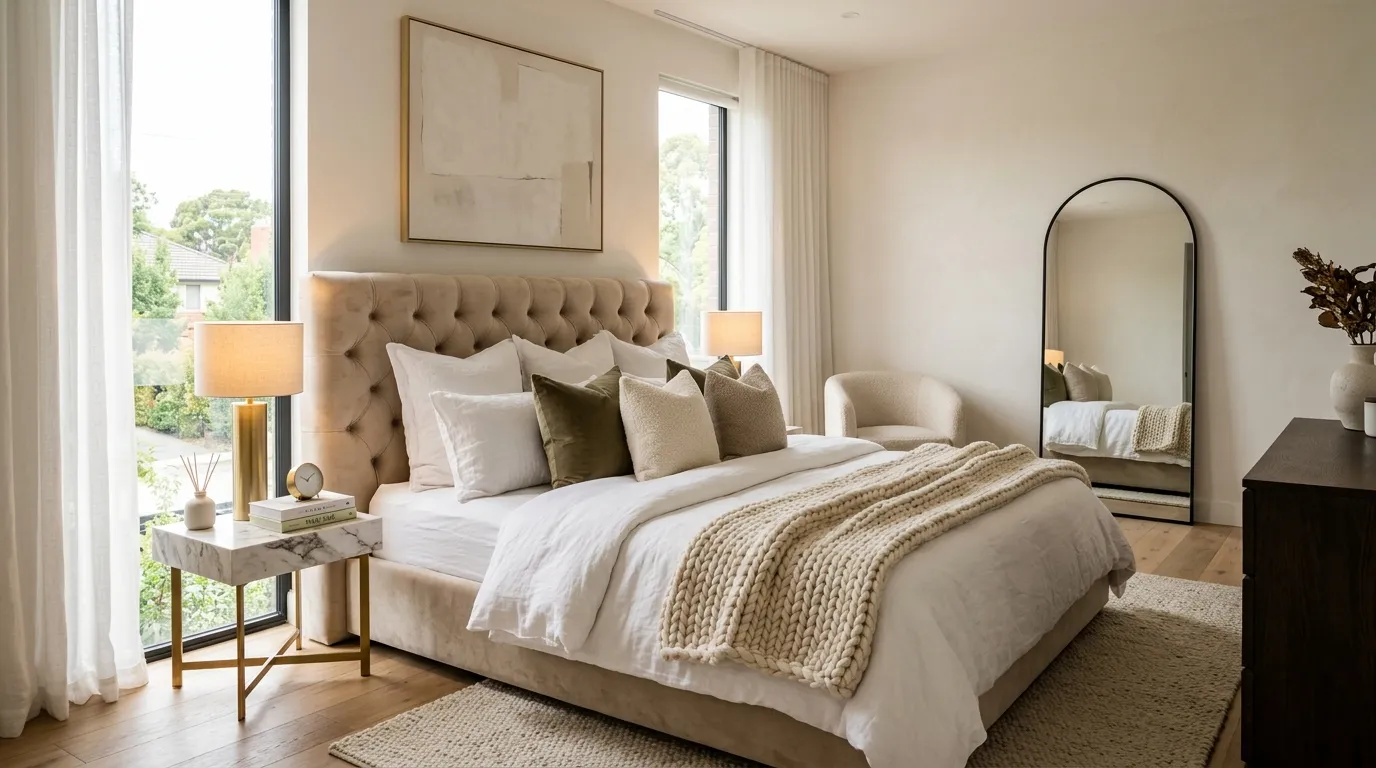
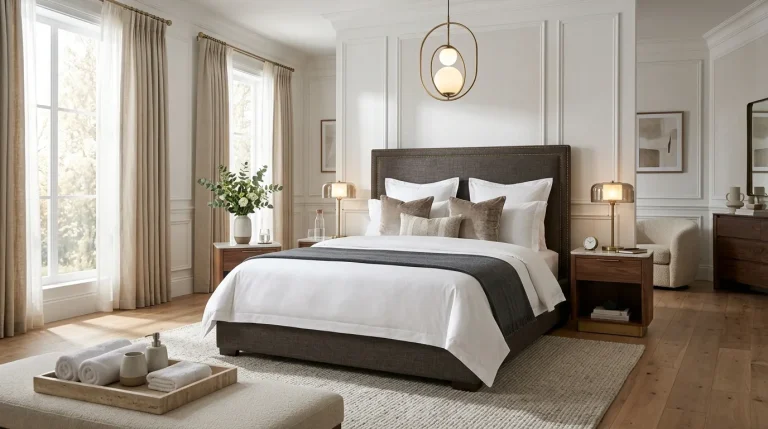
Layered bedding transforms an ordinary sleeping area into a luxurious retreat while improving comfort throughout the year. High-end bedrooms typically feature crisp sheets, plush duvets, quilted coverlets, decorative cushions, and textured throws arranged in carefully balanced layers. One practical approach is mixing linen, cotton, velvet, boucle, or knit fabrics to introduce depth without relying on excessive decoration. This technique creates a welcoming atmosphere while making the bed appear professionally styled.
Luxury bedding should feel comfortable as well as attractive, so prioritize breathable materials and durable fabrics over purely decorative options. A common mistake people make is overcrowding the bed with too many cushions, leaving little functional space. I’ve found that three to five coordinated pillows often provide the perfect balance between elegance and usability. Keeping colors consistent while varying textures creates a refined, designer-inspired finish that remains timeless regardless of changing interior trends.
Designer Lighting
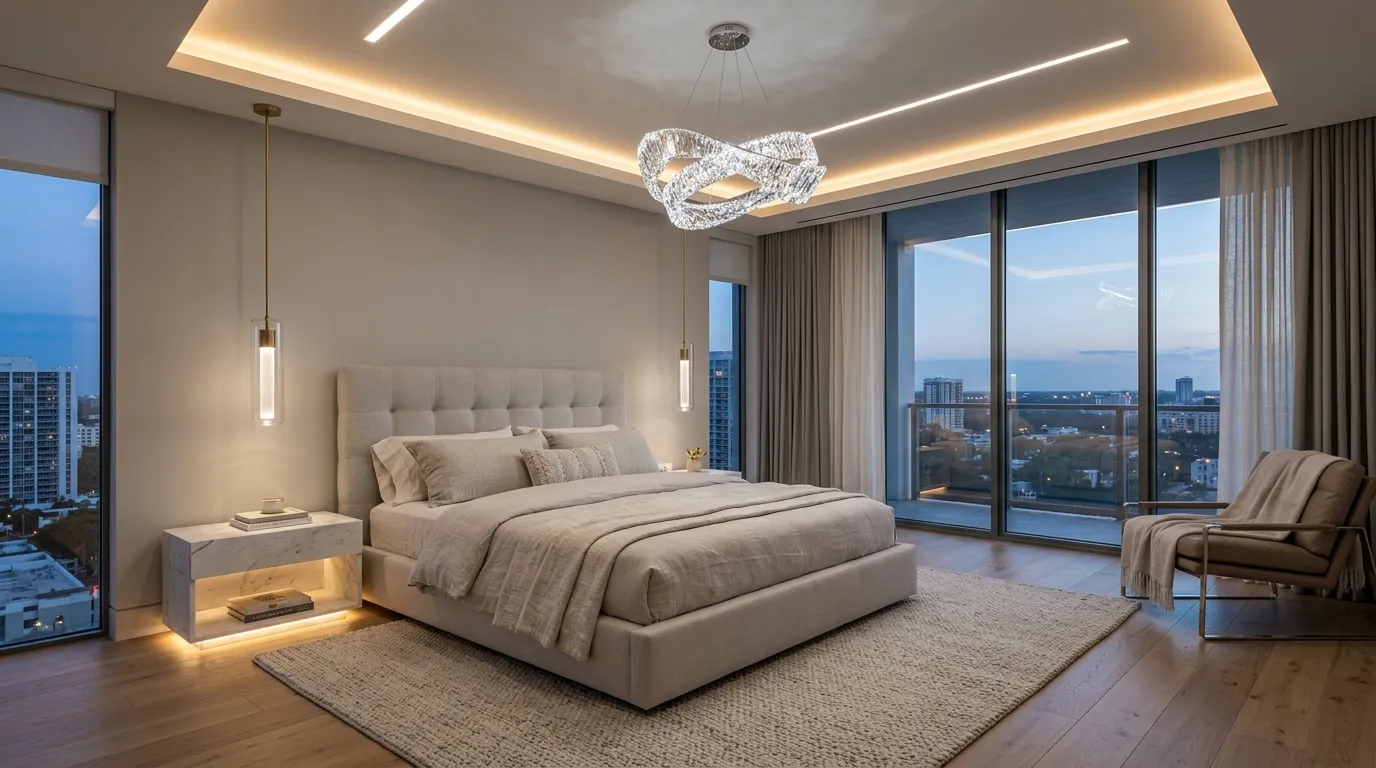
Lighting does much more than brighten a room it shapes the overall mood and highlights your favorite design features. Rather than relying on a single ceiling fixture, combine multiple light sources to create depth and comfort. Contemporary bedrooms often feature sculptural pendants, slim wall sconces, recessed LEDs, and hidden strip lighting behind headboards or ceiling details. In my experience, layered lighting makes even a simple bedroom feel more expensive while improving everyday comfort for reading, relaxing, or getting ready.
Smart lighting systems have become increasingly popular because they allow easy control over brightness and color temperature throughout the day. Warm lighting encourages relaxation during the evening, while brighter illumination supports daily tasks without straining your eyes. A common mistake people make is choosing bulbs with inconsistent color temperatures, which can make the room feel disconnected. Many professionals recommend keeping all primary lighting within the same warm color range to maintain a cohesive, inviting atmosphere.
Functional Furniture Layout
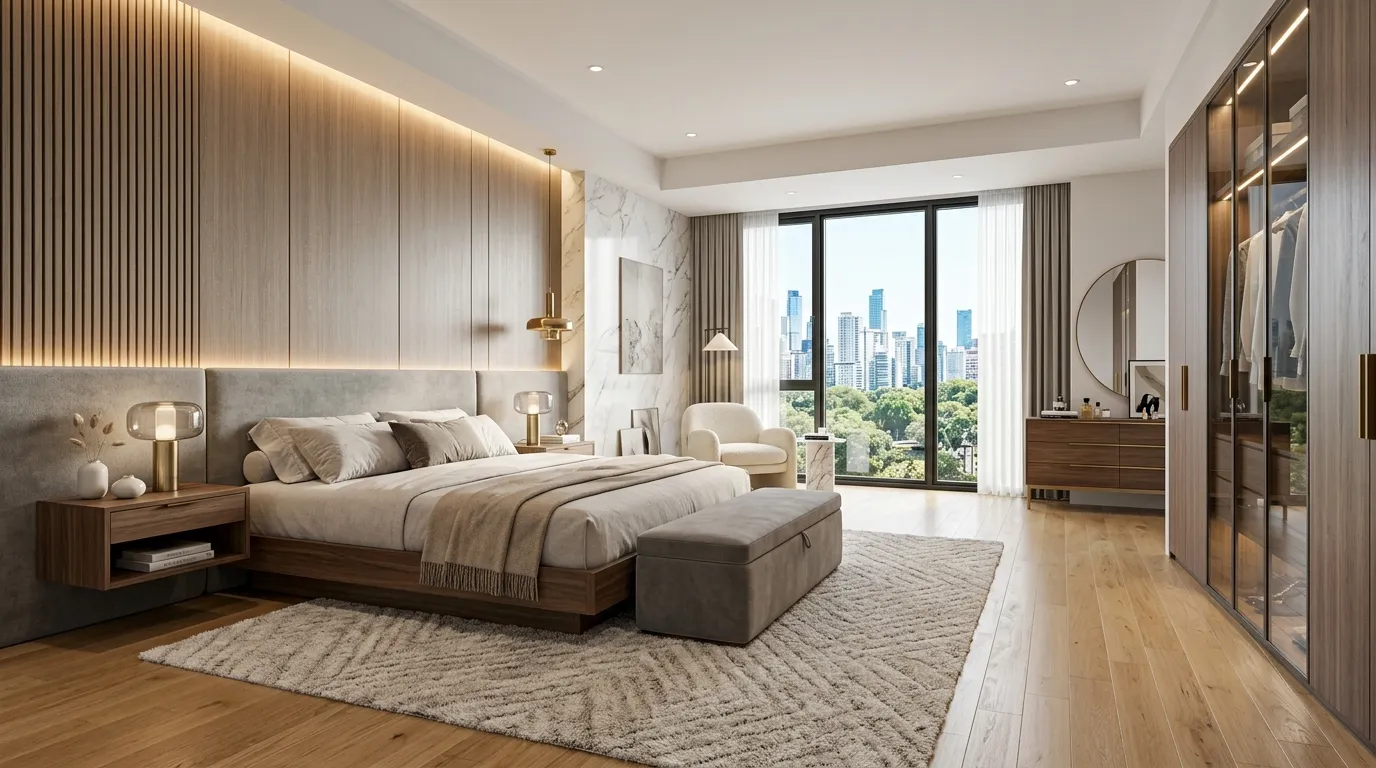
A well-planned furniture layout improves both comfort and visual appeal by making the bedroom feel open and organized. Instead of filling every corner, focus on essential pieces that support your daily routine while maintaining clear pathways. Modern interiors often feature platform beds, floating nightstands, sleek dressers, and compact storage benches that maximize functionality without overwhelming the room. I’ve found that thoughtful spacing between furniture pieces instantly creates a calmer, more luxurious environment.
Before purchasing new furniture, measure the room carefully to ensure every item fits comfortably. One practical approach is positioning the bed as the central focal point while arranging surrounding furniture to support natural movement. A common mistake people make is selecting oversized pieces that dominate the space and reduce usability. Choosing streamlined designs with clean lines helps the room appear larger, brighter, and more sophisticated while maintaining excellent everyday functionality for years to come.
Luxury Decorative Accents
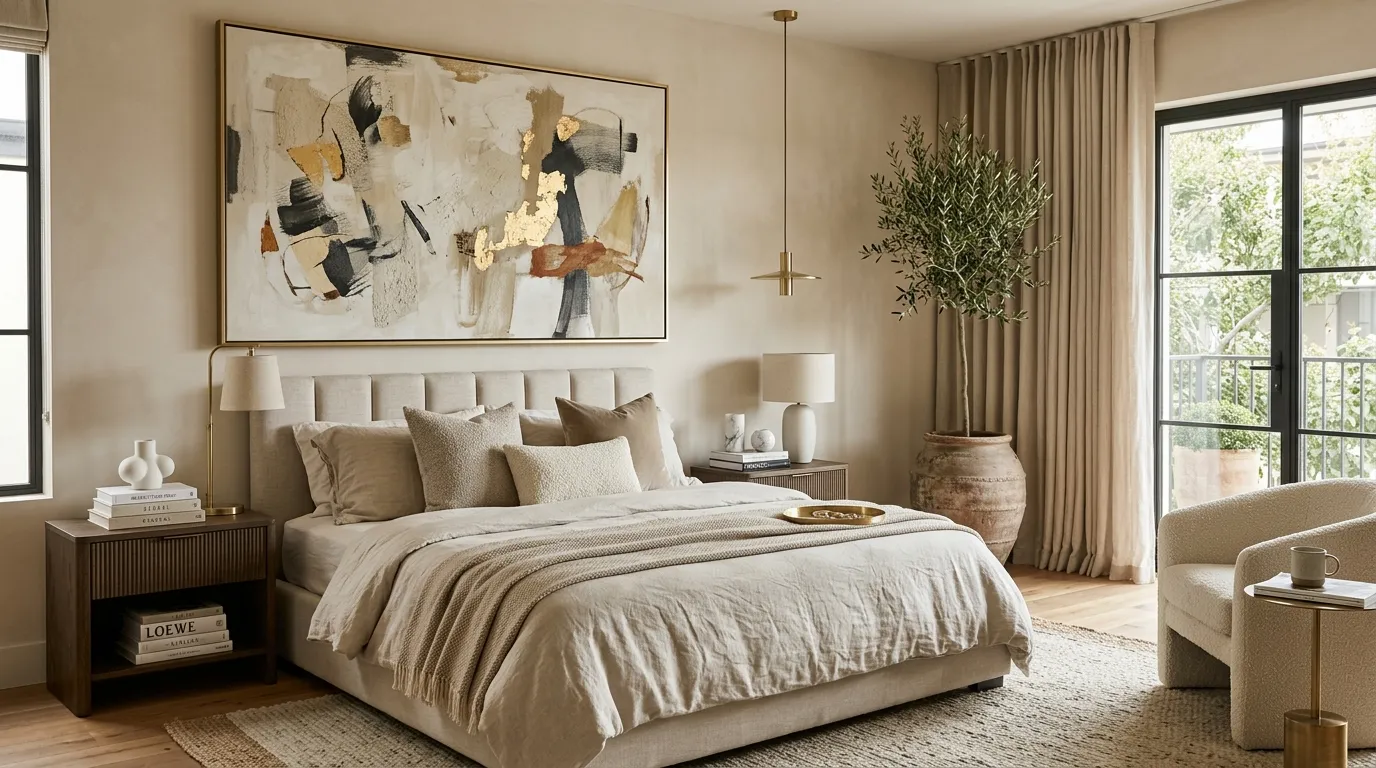
Decorative accents bring personality to a bedroom while completing the overall design without making the space feel crowded. Instead of displaying many small objects, focus on a few carefully chosen pieces that complement the room’s style. Contemporary luxury spaces often feature sculptural vases, framed abstract artwork, textured ceramics, decorative books, elegant mirrors, and indoor plants. These finishing touches introduce character while preserving the clean, sophisticated appearance that defines modern bedroom interiors.
Accessories should enhance the room rather than compete for attention. I’ve noticed that combining different textures, such as stone, glass, wood, linen, and brushed brass, creates depth while maintaining visual harmony. A common mistake people make is filling every shelf and tabletop with decorative items, resulting in unnecessary clutter. Many professionals recommend editing accessories regularly so each piece contributes meaningfully to the overall design, helping the bedroom remain timeless, stylish, and effortlessly inviting.
Window Treatments
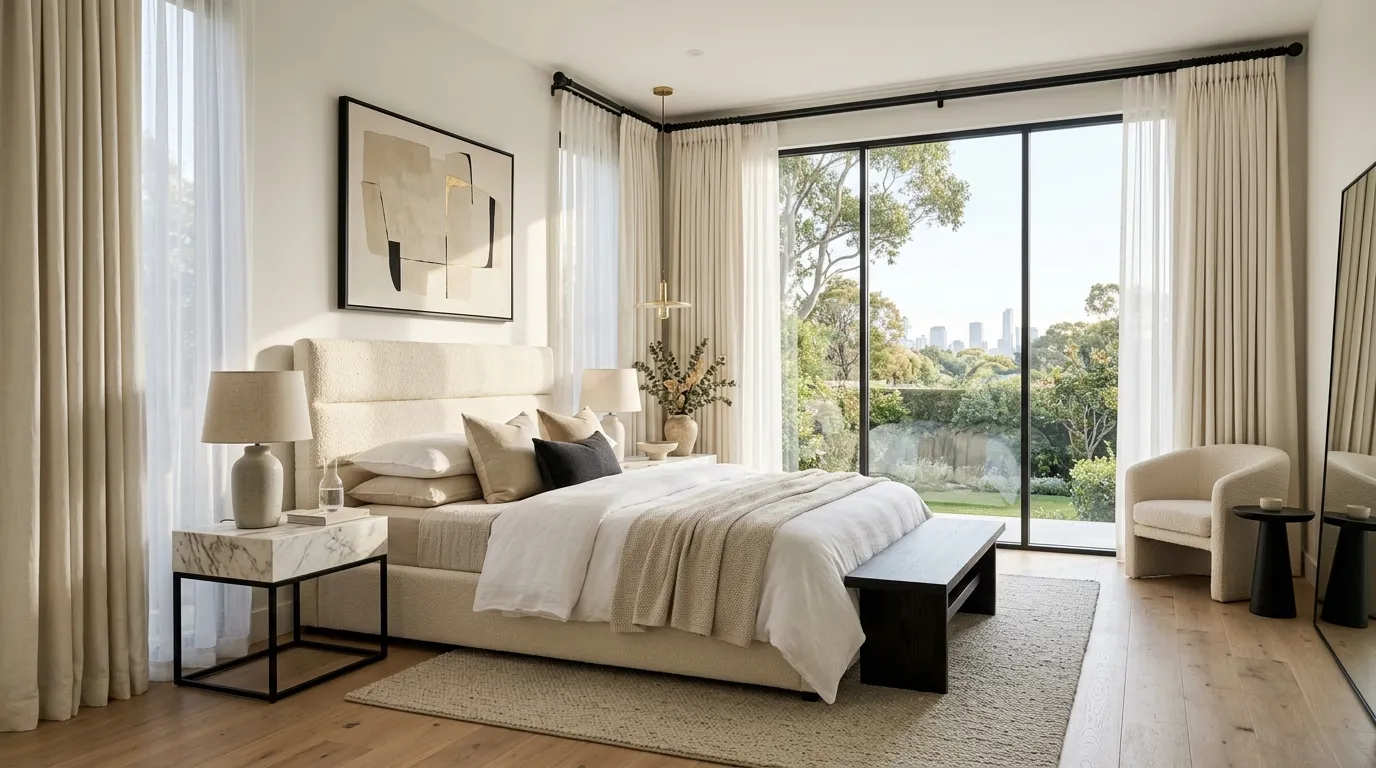
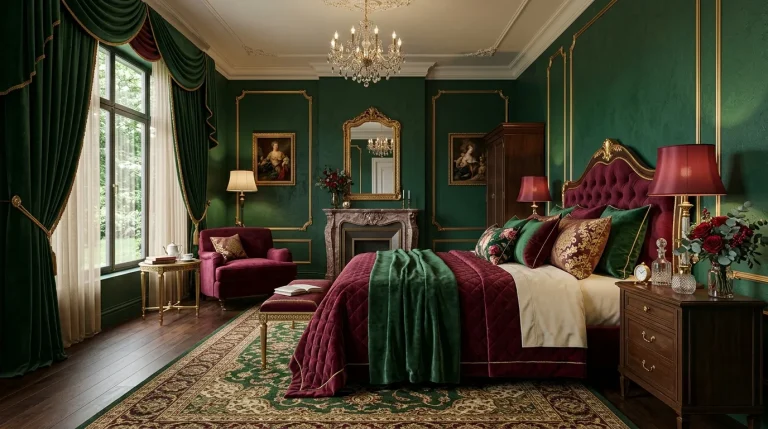
Window treatments influence both the appearance and functionality of a bedroom by controlling natural light, privacy, and overall comfort. Long, flowing curtains instantly add elegance while making ceilings seem higher than they are. Current interior trends favor soft linen, textured cotton, and velvet drapes paired with sheer panels that gently filter daylight. One practical approach is selecting neutral fabrics that coordinate with furniture and bedding, allowing the windows to frame the room beautifully without overpowering the overall design.
Quality window coverings also improve sleep by reducing outside light and helping regulate indoor temperatures throughout the year. A common mistake people make is choosing curtains that are too short or too narrow, which can make the room feel unfinished. I’ve seen this simple upgrade dramatically improve the overall appearance without requiring major renovations. Well-fitted drapes create clean vertical lines, soften architectural features, and contribute to the calm, refined atmosphere found in modern luxury bedrooms.
Smart Storage Solutions
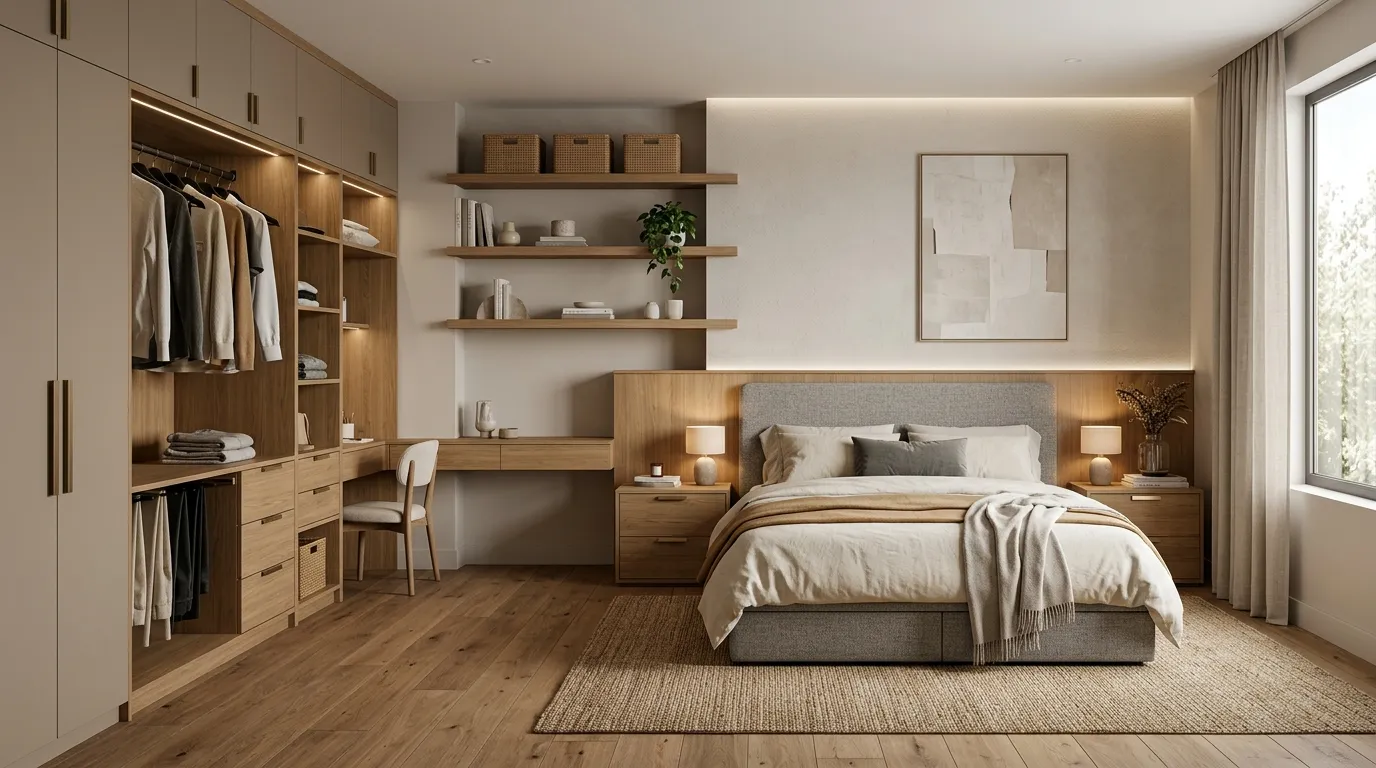
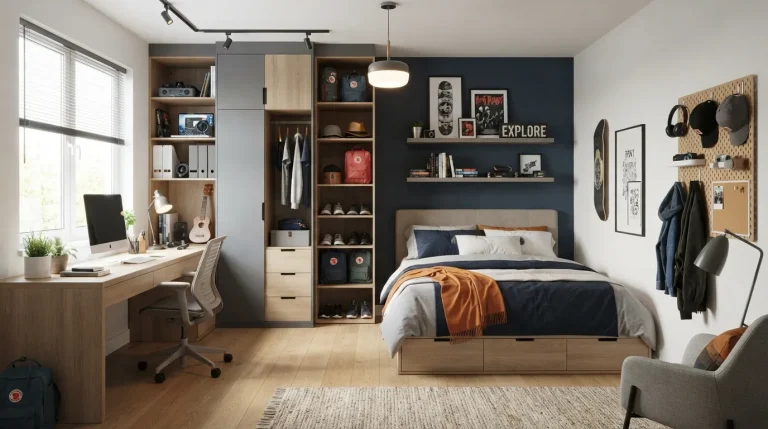
A well-organized bedroom feels larger, calmer, and easier to maintain because everything has a dedicated place. Modern storage solutions combine practicality with attractive design through built-in wardrobes, storage beds, floating shelves, and concealed cabinets. If you’re wondering how to decorate a bedroom without making it feel crowded, reducing clutter is one of the most effective strategies. In my experience, attractive storage systems improve the room’s appearance just as much as new furniture or decorative accessories.
Luxury interiors often hide everyday items behind clean cabinet doors or inside multi-purpose furniture to preserve a minimalist aesthetic. A common mistake people make is leaving personal belongings exposed on every available surface, creating unnecessary visual noise. Many professionals recommend reviewing stored items regularly and keeping only what is useful or meaningful. This habit maintains an organized environment while allowing decorative pieces, artwork, and carefully selected furniture to become the true focal points.
Personal Finishing Touches
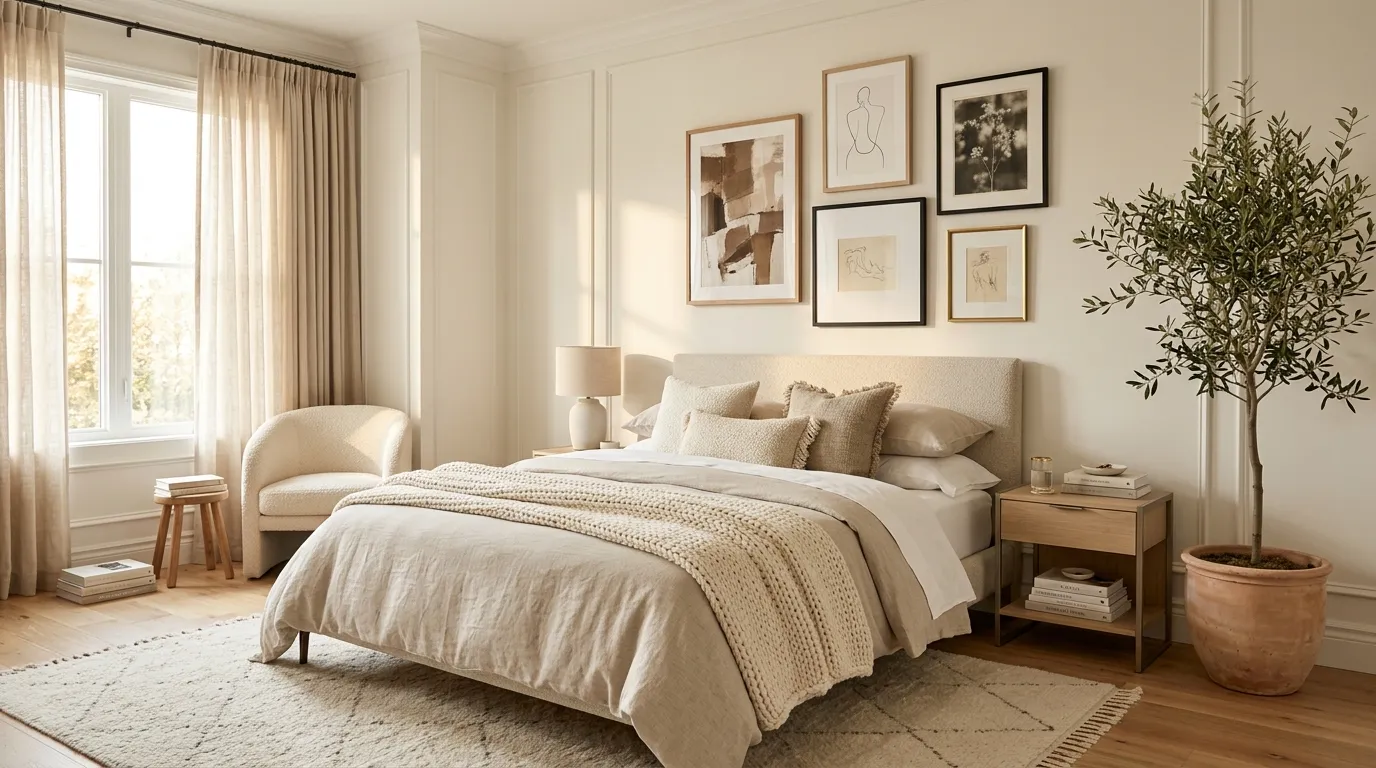
Personal touches transform a beautifully designed bedroom into a space that feels warm, welcoming, and uniquely yours. Thoughtfully chosen artwork, travel souvenirs, framed family photos, handcrafted decor, or favorite books add character while telling your story. Rather than following every design trend, choose pieces that genuinely make you feel comfortable and inspired. I’ve found that rooms with a personal connection remain enjoyable much longer because they reflect individual tastes instead of temporary decorating fashions.
Finishing details should support the overall design without creating unnecessary clutter or distraction. One practical approach is rotating decorative accessories throughout the year to keep the space feeling fresh while maintaining a consistent style. A common misconception is that luxury interiors must look impersonal or overly formal. In reality, the most inviting bedrooms blend timeless design with meaningful personal elements, creating an environment that feels elegant, relaxing, and truly lived in every single day.
Texture Layering
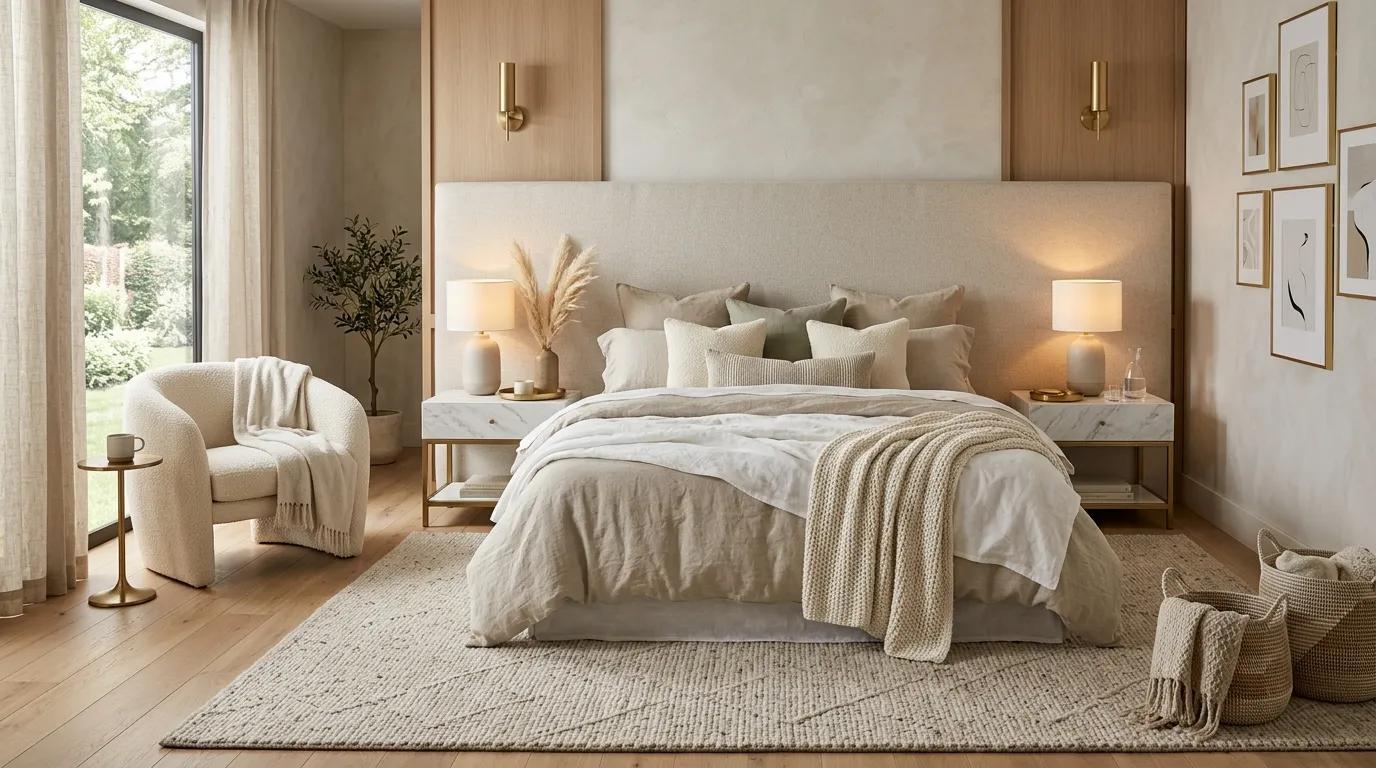
Layering textures is one of the easiest ways to make a bedroom feel richer without introducing additional colors. Smooth wood, soft linen, plush rugs, boucle chairs, velvet cushions, and woven baskets work together to create a welcoming environment that feels professionally designed. Rather than relying on decorative items alone, focus on how different materials interact with one another. I’ve noticed that rooms with varied textures often appear warmer and more inviting, even when decorated with a simple neutral palette.
Modern luxury interiors typically balance contrasting finishes instead of repeating identical materials throughout the room. Pairing matte surfaces with polished accents or soft fabrics with natural stone creates subtle visual interest while maintaining harmony. A common mistake people make is using the same texture everywhere, causing the space to look flat and uninspiring. One practical approach is introducing three or four complementary materials that repeat naturally across furniture, textiles, and decorative accessories for a timeless designer finish.
Natural Elements
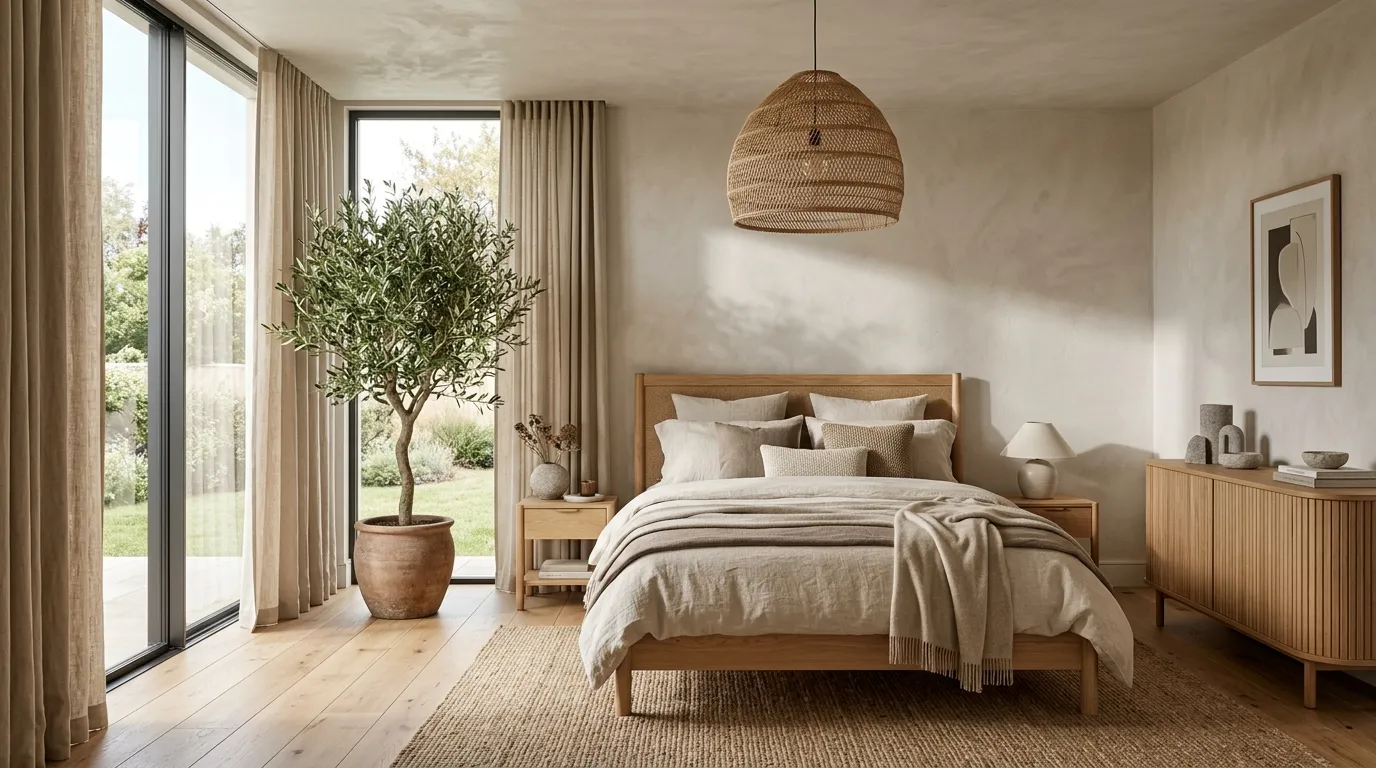
Natural elements help create a peaceful bedroom by connecting indoor spaces with the calming qualities of nature. Wooden furniture, stone accessories, woven textures, and healthy indoor plants bring warmth while preventing modern interiors from feeling cold or sterile. Large windows, fresh air, and abundant daylight further enhance the atmosphere, making the room feel brighter and more relaxing. Many professionals recommend incorporating natural materials because they remain stylish across changing design trends and pair beautifully with nearly every decorating style.
Houseplants not only enhance appearance but also introduce color and softness without overwhelming the space. A common mistake people make is selecting plants that require more maintenance than they can realistically provide. One practical approach is choosing low-maintenance varieties placed in elegant ceramic planters that complement the room’s palette. I’ve seen this simple addition completely transform bedrooms by making them feel fresher, more balanced, and effortlessly sophisticated while requiring very little ongoing effort.
Seasonal Room Updates
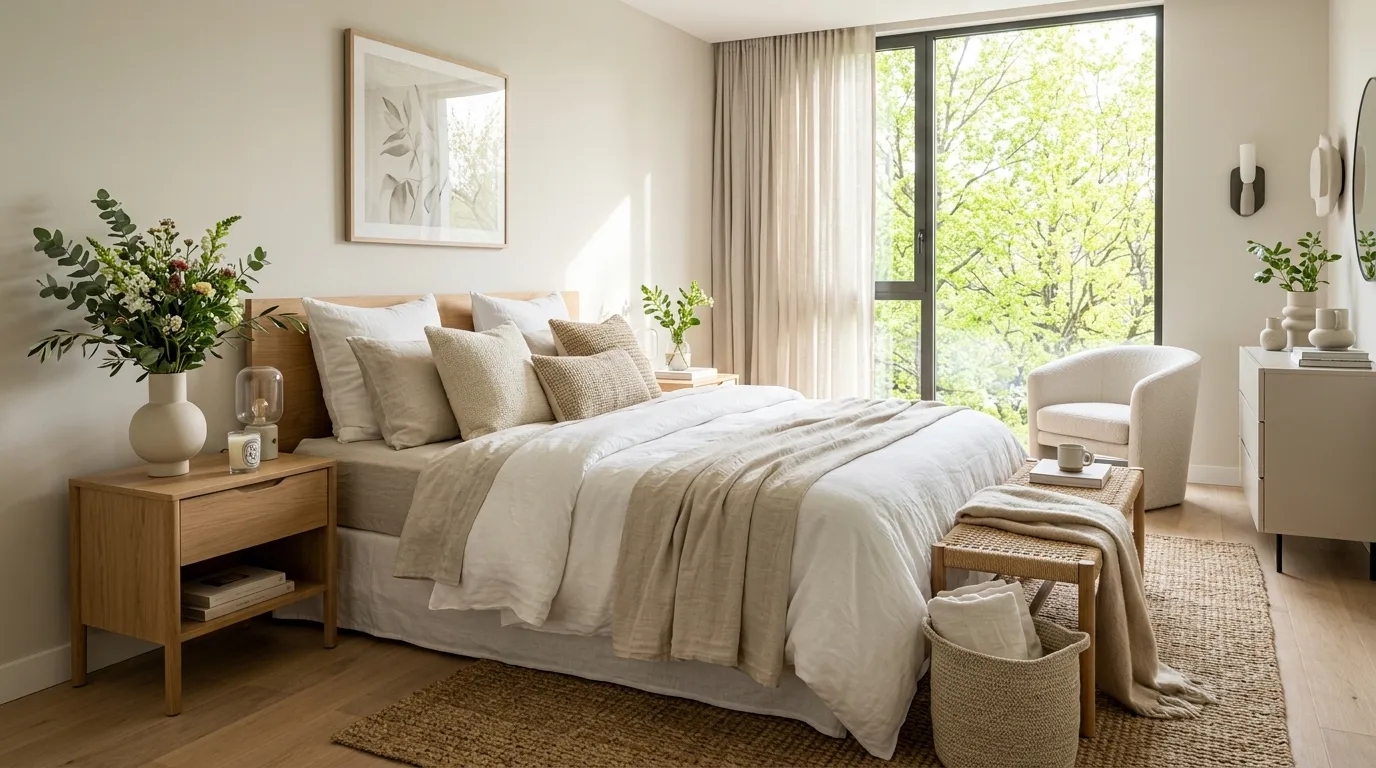
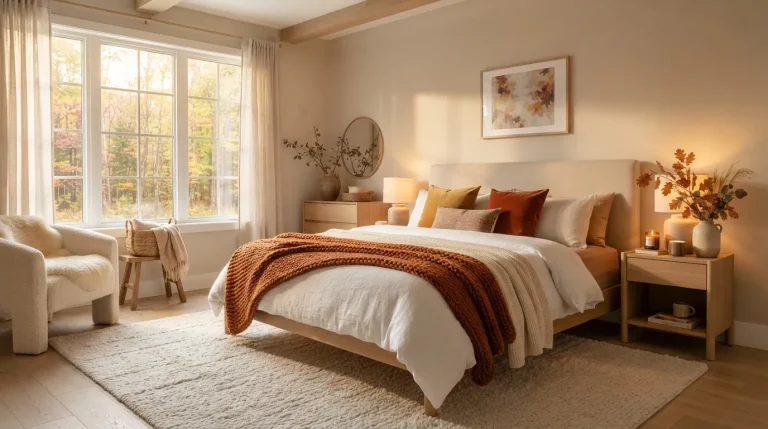
Refreshing a bedroom throughout the year keeps the space interesting without requiring expensive renovations. Simple updates such as changing bedding, decorative cushions, artwork, candles, or floral arrangements can give the room an entirely different personality. If you’re exploring how to decorate a bedroom for long-term enjoyment, seasonal styling offers flexibility while preserving your core design. In my experience, these small updates provide the biggest visual impact for the least amount of effort and help the room always feel current.
Focus on accessories that are easy to replace while maintaining the same furniture, wall colors, and overall layout. During cooler months, introduce chunky knit throws, deeper accent colors, and warmer textures, while spring and summer can feature lighter fabrics and botanical details. A common mistake people make is redesigning the entire room every season, which quickly becomes expensive and inconsistent. Small, thoughtful changes keep the bedroom feeling fresh, elegant, and welcoming all year without sacrificing a timeless aesthetic.
Mirror Placement
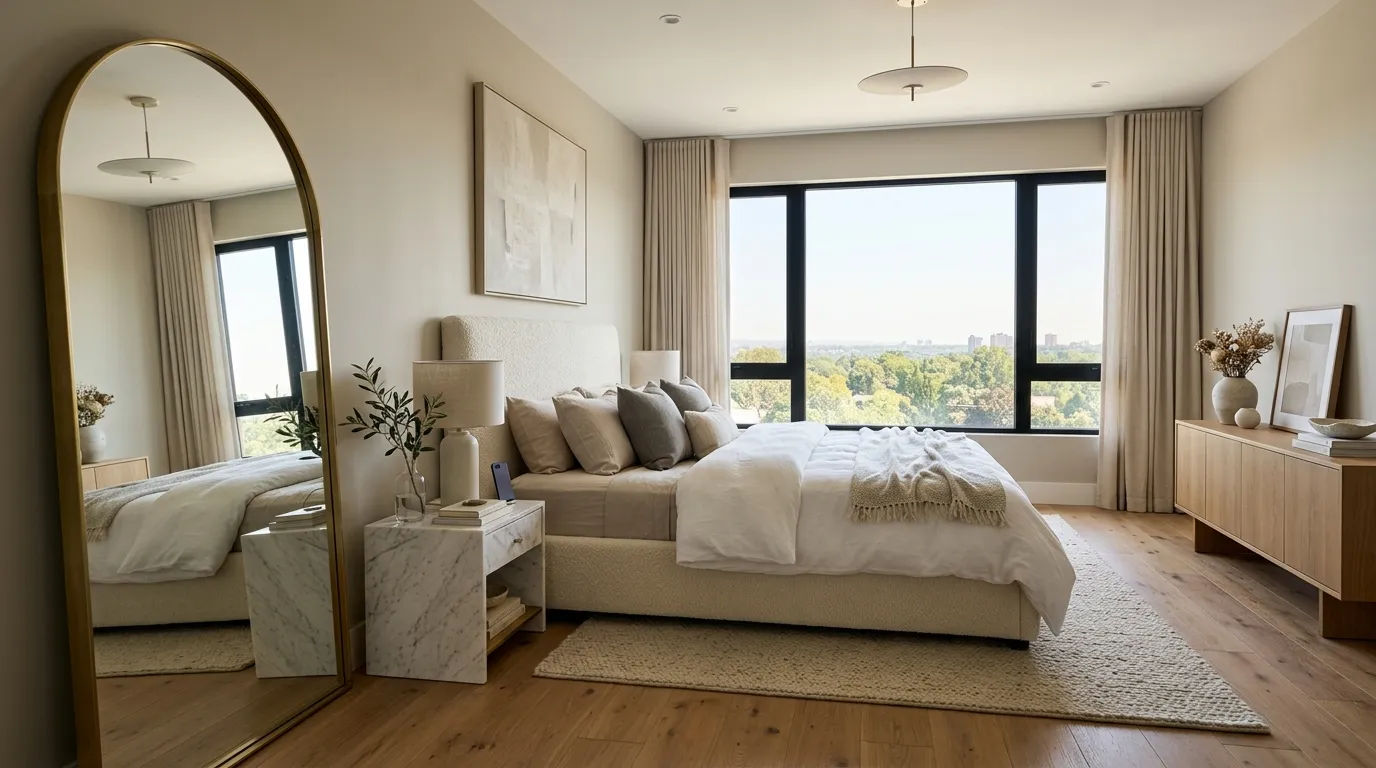
Mirrors are both decorative and practical, helping a bedroom feel brighter and more open without requiring structural changes. A large mirror placed opposite or beside a window reflects daylight throughout the room, creating an airy atmosphere that enhances modern interiors. Slim black frames, brushed brass finishes, and arched designs remain popular choices because they complement a wide range of decorating styles. I’ve found that one thoughtfully positioned mirror usually creates a stronger visual impact than several smaller pieces scattered around the room.
Beyond improving brightness, mirrors contribute balance by adding depth to the overall layout. A common mistake people make is hanging mirrors where they reflect clutter or busy areas, reducing the calming effect the bedroom should provide. One practical approach is treating the mirror as a statement feature that complements surrounding furniture and artwork. This creates a polished, designer-inspired appearance while helping the room feel larger, lighter, and more sophisticated every day.
Ceiling Enhancements
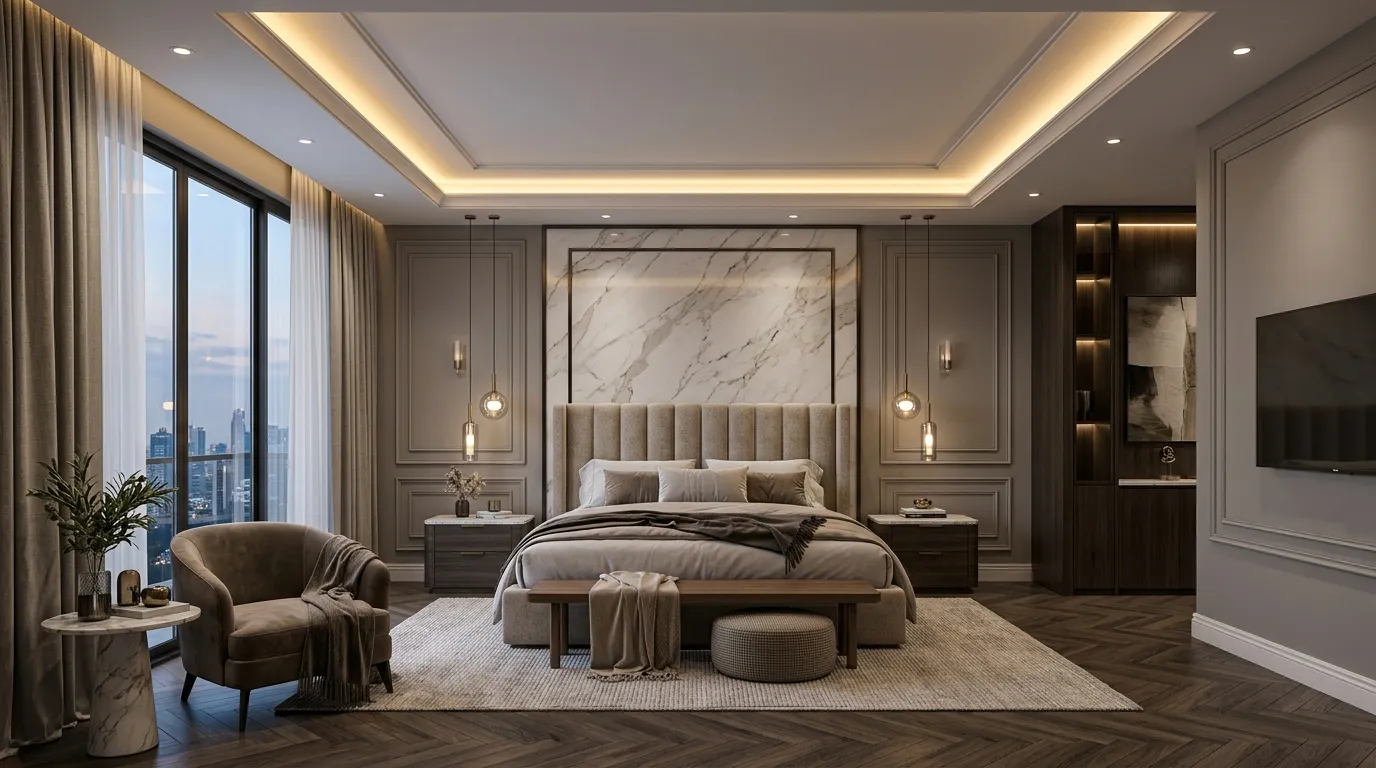
The ceiling is often overlooked, yet it plays an important role in making a bedroom feel complete and luxurious. Instead of leaving it completely plain, consider subtle enhancements such as recessed lighting, decorative molding, wood accents, or a soft cove ceiling with concealed LED strips. These architectural details add dimension without overwhelming the room. Many professionals recommend keeping ceiling treatments clean and understated so they support the overall design while maintaining a calm and relaxing atmosphere.
Modern ceiling designs emphasize simplicity and balanced lighting rather than excessive ornamentation. A common misconception is that dramatic ceilings require large budgets, but even carefully placed LED lighting can significantly elevate the room’s appearance. I’ve seen this method work well in both compact and spacious bedrooms because it creates gentle visual depth and a welcoming glow during the evening. Coordinating ceiling finishes with walls and furniture ensures the entire space feels cohesive and professionally designed.
Cohesive Styling
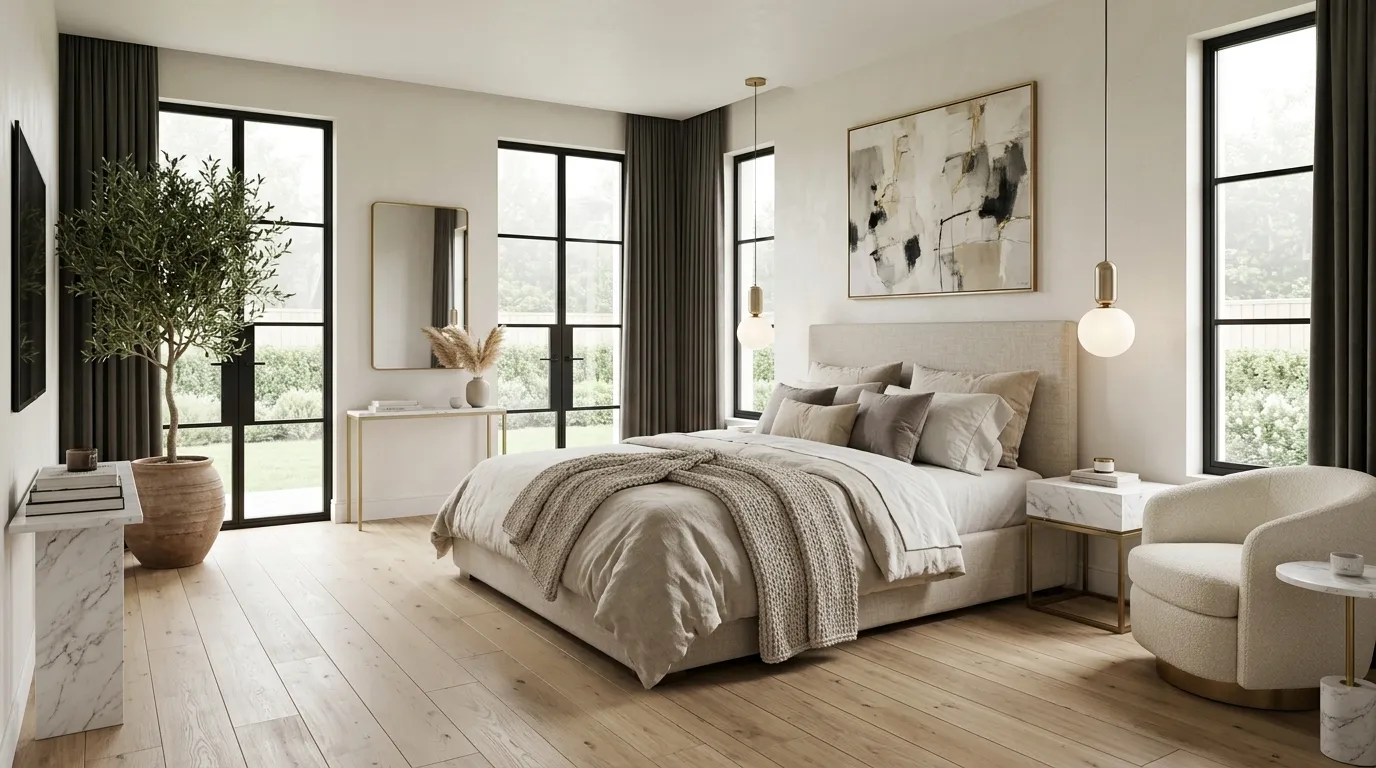
A cohesive design brings every bedroom element together, creating a space that feels intentional instead of randomly decorated. Consistency in colors, textures, furniture finishes, and decorative accents helps establish visual harmony while allowing individual features to stand out naturally. Rather than chasing every new trend, focus on selections that complement one another and support your preferred style. This thoughtful approach results in a bedroom that remains elegant, comfortable, and timeless regardless of changing interior fashions.
As you refine the space, step back occasionally to evaluate the room as a whole instead of concentrating on individual items. A common mistake people make is adding attractive pieces that don’t relate to the existing design, making the room feel disconnected. One practical approach is asking whether each addition improves both function and appearance before bringing it into the space. This habit creates a balanced environment that feels luxurious, organized, and enjoyable to live in for years to come.
Area Rug Selection
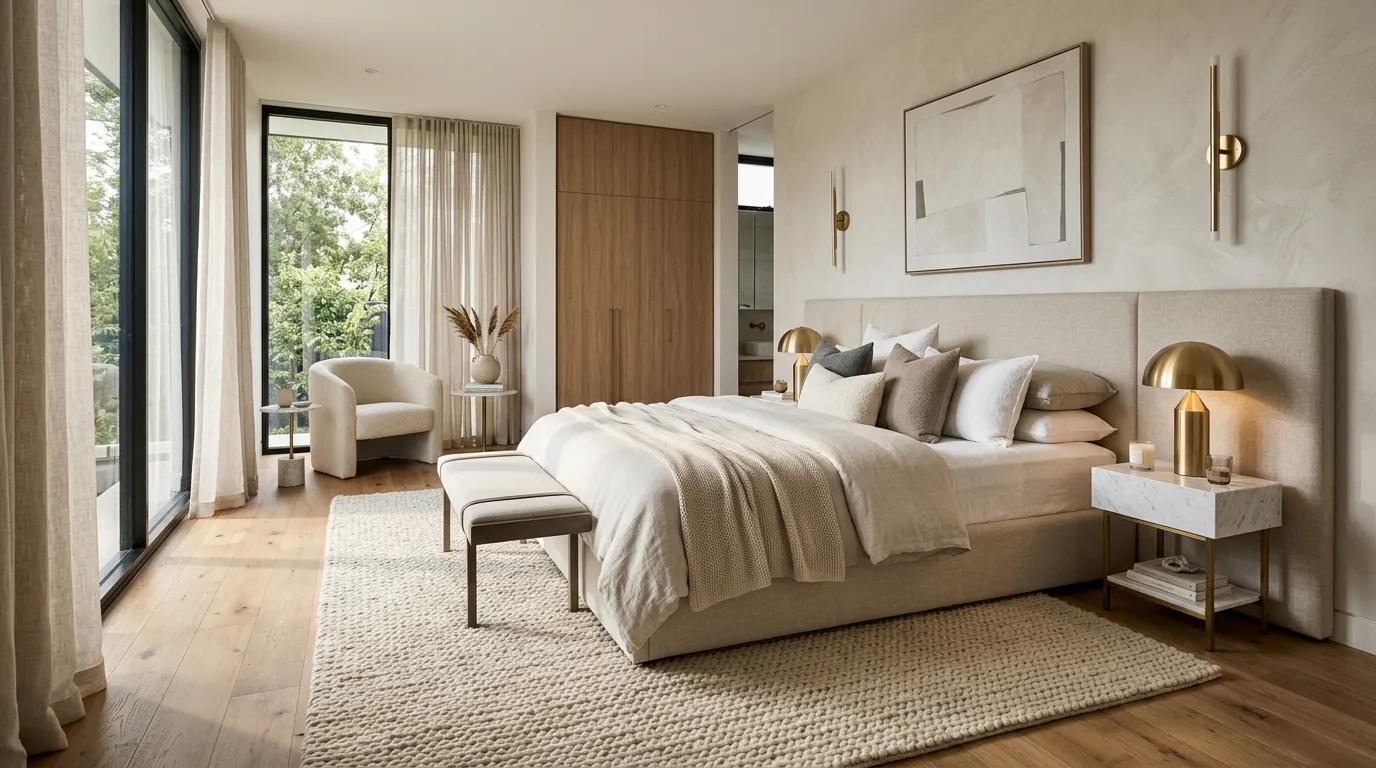
An area rug helps anchor the furniture while adding warmth, texture, and comfort underfoot. A well-sized rug creates visual balance by connecting the bed, nightstands, and surrounding furnishings into one cohesive arrangement. Contemporary bedrooms often feature plush wool, low-pile textured designs, or neutral geometric patterns that enhance the overall aesthetic without dominating the space. I’ve found that a quality rug instantly makes a bedroom feel more inviting while also reducing noise and increasing everyday comfort.
Size is just as important as style when selecting a rug. A common mistake people make is choosing one that is too small, making the furniture appear disconnected from the rest of the room. One practical approach is allowing the rug to extend well beyond the sides and foot of the bed to frame the sleeping area naturally. Coordinating its texture with bedding, curtains, and upholstery creates a layered, designer-inspired look that remains elegant through changing trends.
Artwork Display
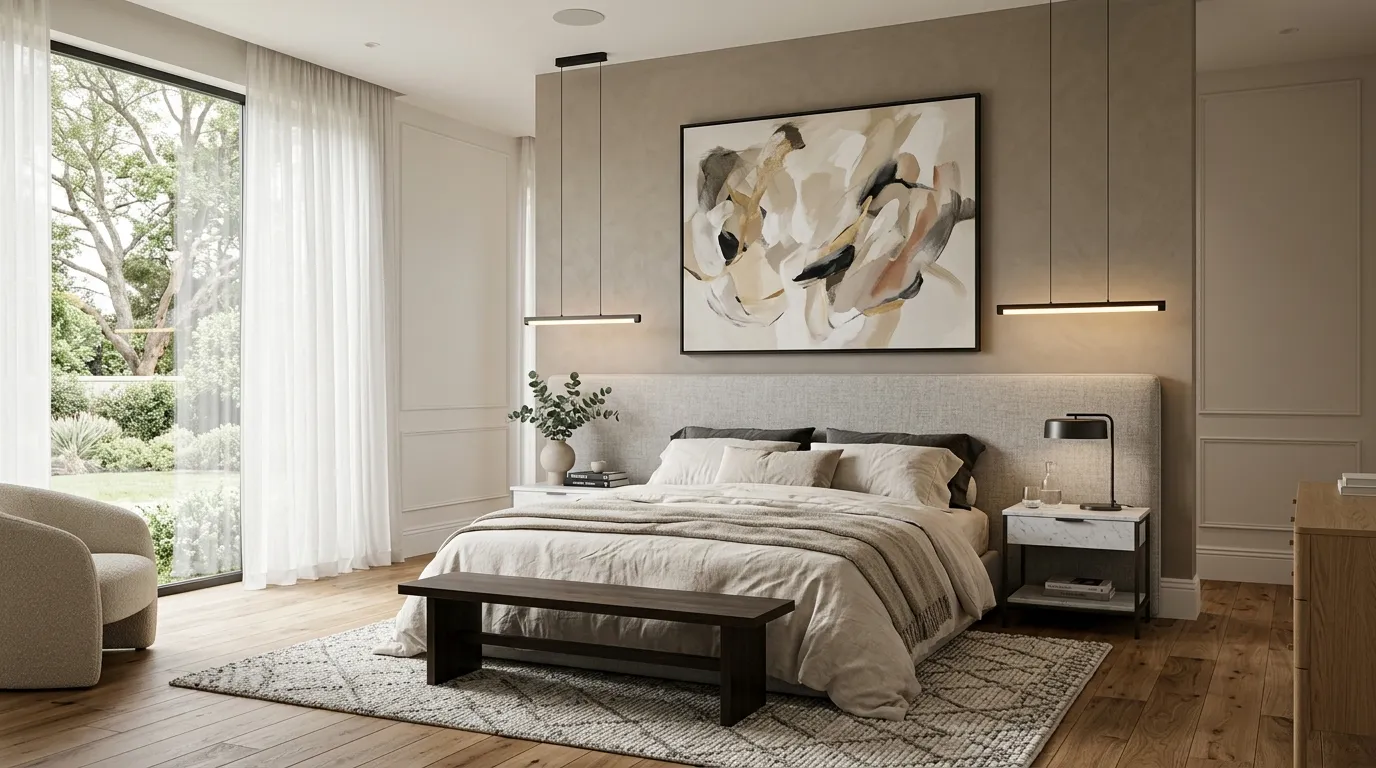
Artwork gives a bedroom personality while reinforcing its overall design direction. Large abstract paintings, calming landscape prints, monochrome photography, or textured canvas art can become elegant focal points that enhance the sleeping area. Instead of filling every wall, choose one or two meaningful pieces that complement the furniture, lighting, and color palette. Many professionals recommend oversized artwork because it creates a sophisticated appearance while keeping the room visually uncluttered and easy to enjoy.
Placement plays a significant role in achieving a polished finish. A common mistake people make is hanging artwork too high or combining unrelated styles that compete for attention. I’ve noticed that carefully centered artwork above the headboard or dresser provides the strongest visual balance. Coordinating frame colors with nearby metals or wood finishes further strengthens the overall design, creating a bedroom that feels intentional, refined, and effortlessly luxurious.
Technology Integration
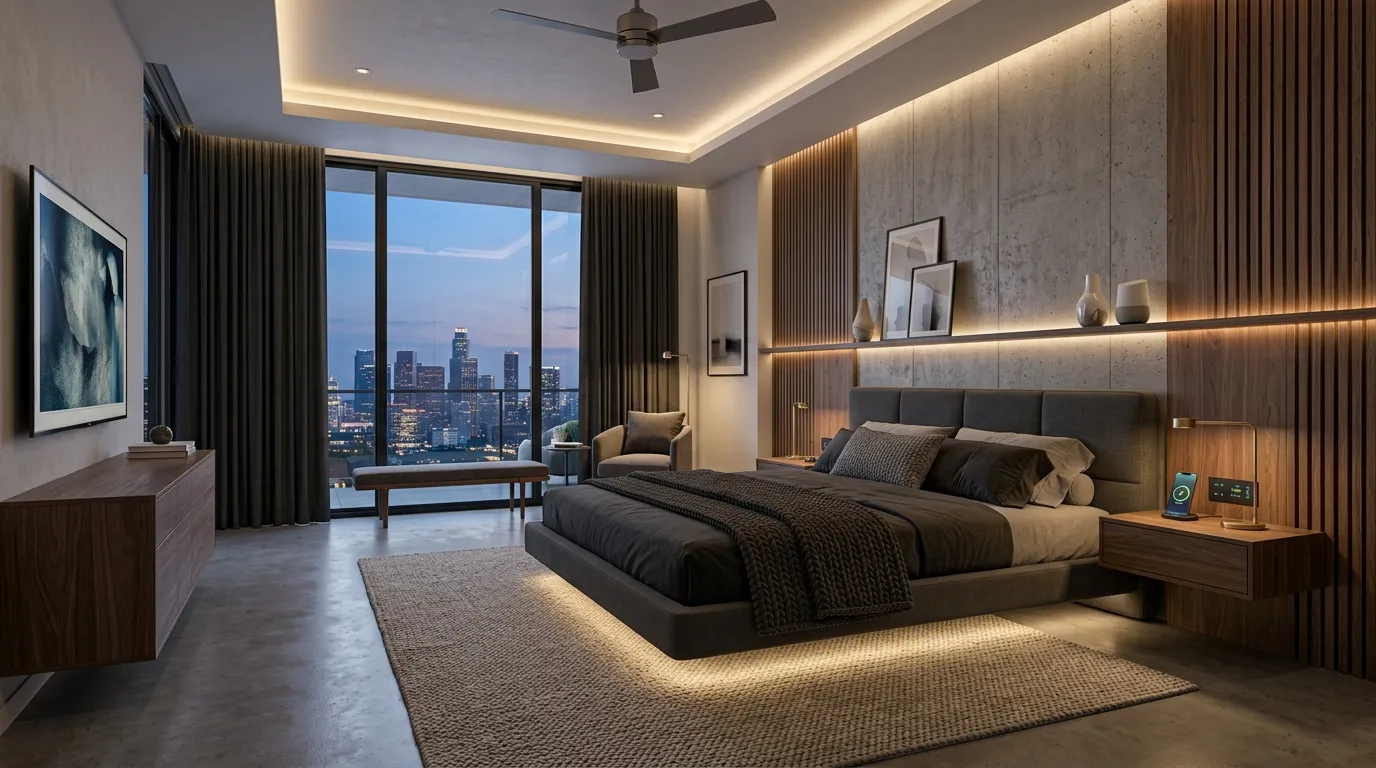
Modern technology can improve comfort without sacrificing style when integrated thoughtfully into the bedroom. Smart lighting, automated curtains, hidden charging stations, and discreet speakers provide convenience while preserving a clean, uncluttered appearance. Instead of displaying visible wires and bulky electronics, choose solutions that blend seamlessly with furniture and architectural features. In my experience, discreet technology enhances daily living while allowing the room to retain its calm, luxurious atmosphere.
Balance is essential when introducing modern conveniences into a sleeping space. A common mistake people make is filling the room with unnecessary devices that distract from relaxation. One practical approach is selecting only the features that genuinely improve your routine, such as programmable lighting or bedside wireless charging. Keeping technology subtle ensures the bedroom remains a peaceful retreat where comfort, functionality, and contemporary design work together in perfect harmony.
Reading Corner
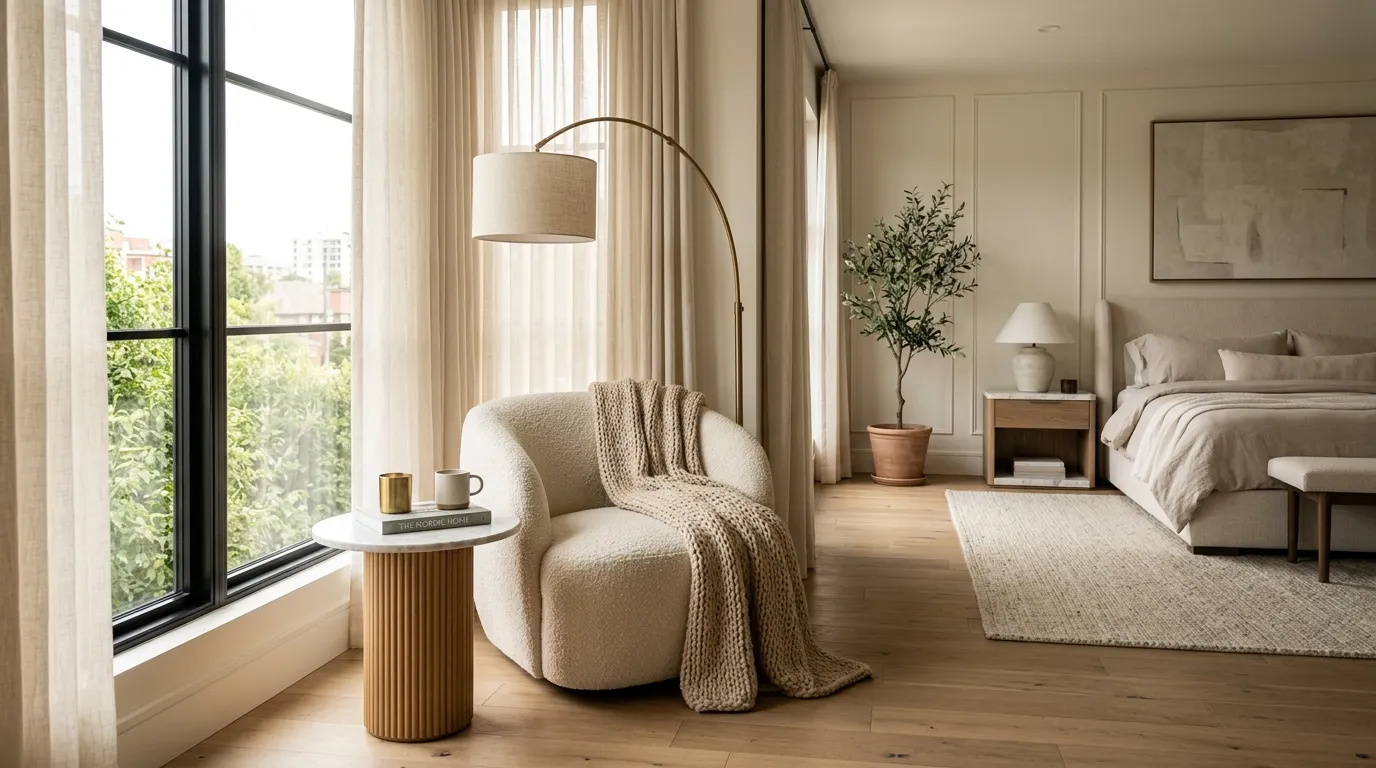
A reading corner adds function and comfort by transforming an unused area into a peaceful retreat. Even a compact bedroom can accommodate a cozy chair, a slim side table, and a floor lamp placed near a window or quiet corner. Rather than treating every space as purely decorative, consider how it can improve your daily routine. I’ve found that adding a comfortable seating area encourages relaxation while making the bedroom feel more thoughtfully designed and welcoming throughout the day.
The most successful reading nooks balance comfort with visual simplicity. A common mistake people make is overcrowding the area with shelves, decorations, or oversized furniture that limits movement. One practical approach is selecting a chair with clean lines, layering it with a textured throw, and introducing one or two decorative accents for personality. This creates a luxurious corner that feels intentional, practical, and perfectly integrated into the overall bedroom design.
Minimalist Approach
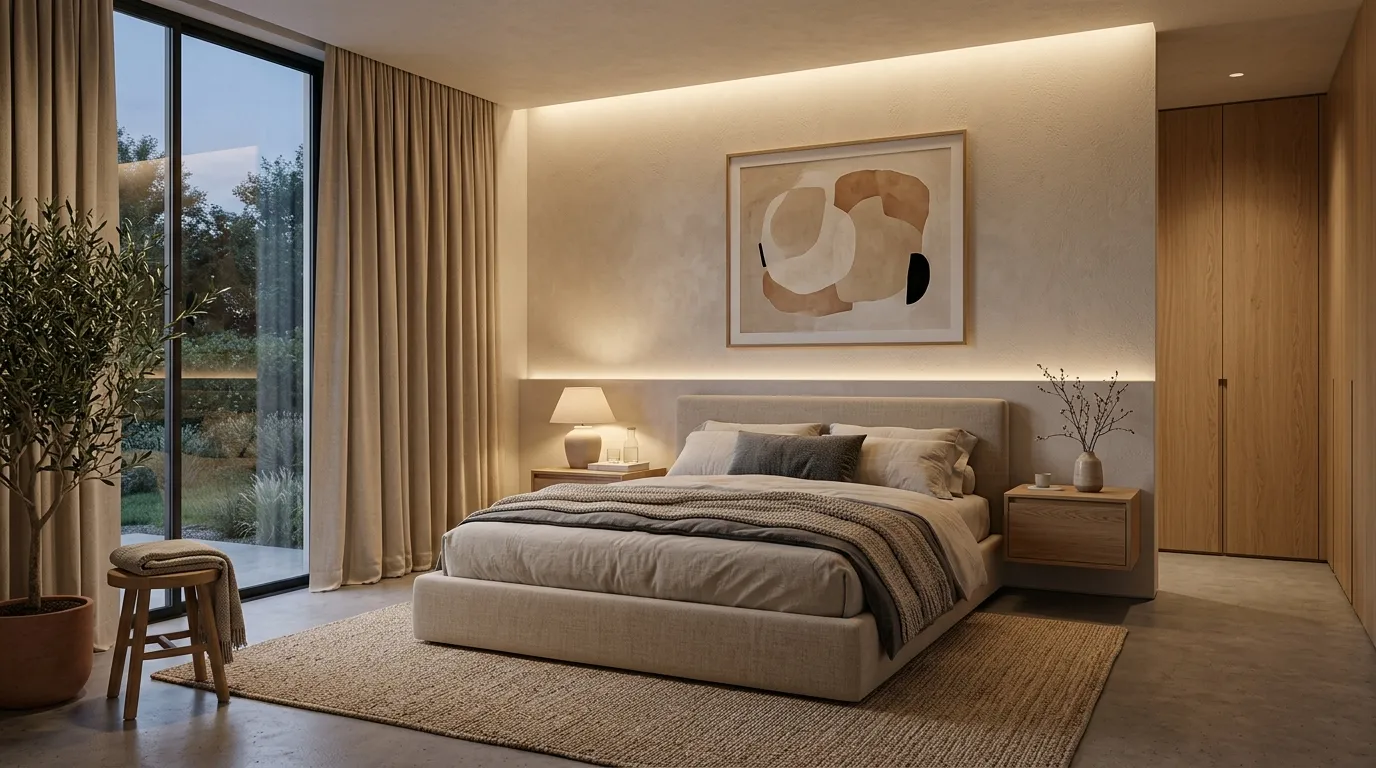
Minimalist design focuses on creating a calm environment by removing unnecessary distractions while highlighting carefully selected furnishings and decor. Clean lines, open space, and thoughtful organization help the bedroom feel larger and more relaxing without appearing empty. If you’re deciding how to decorate a bedroom with a timeless style, simplicity often delivers the most elegant results. Many professionals recommend investing in fewer, higher-quality pieces that combine beauty with everyday functionality.
Minimalism does not mean sacrificing warmth or personality. A common misconception is that minimalist rooms must feel cold or unfinished, but layered textures, natural materials, and subtle decorative accents create balance without visual clutter. I’ve noticed that limiting decorative items makes each piece more meaningful while simplifying daily cleaning and maintenance. The result is a sophisticated bedroom that supports rest, improves focus, and remains beautiful despite changing interior design trends.
Maintenance Tips
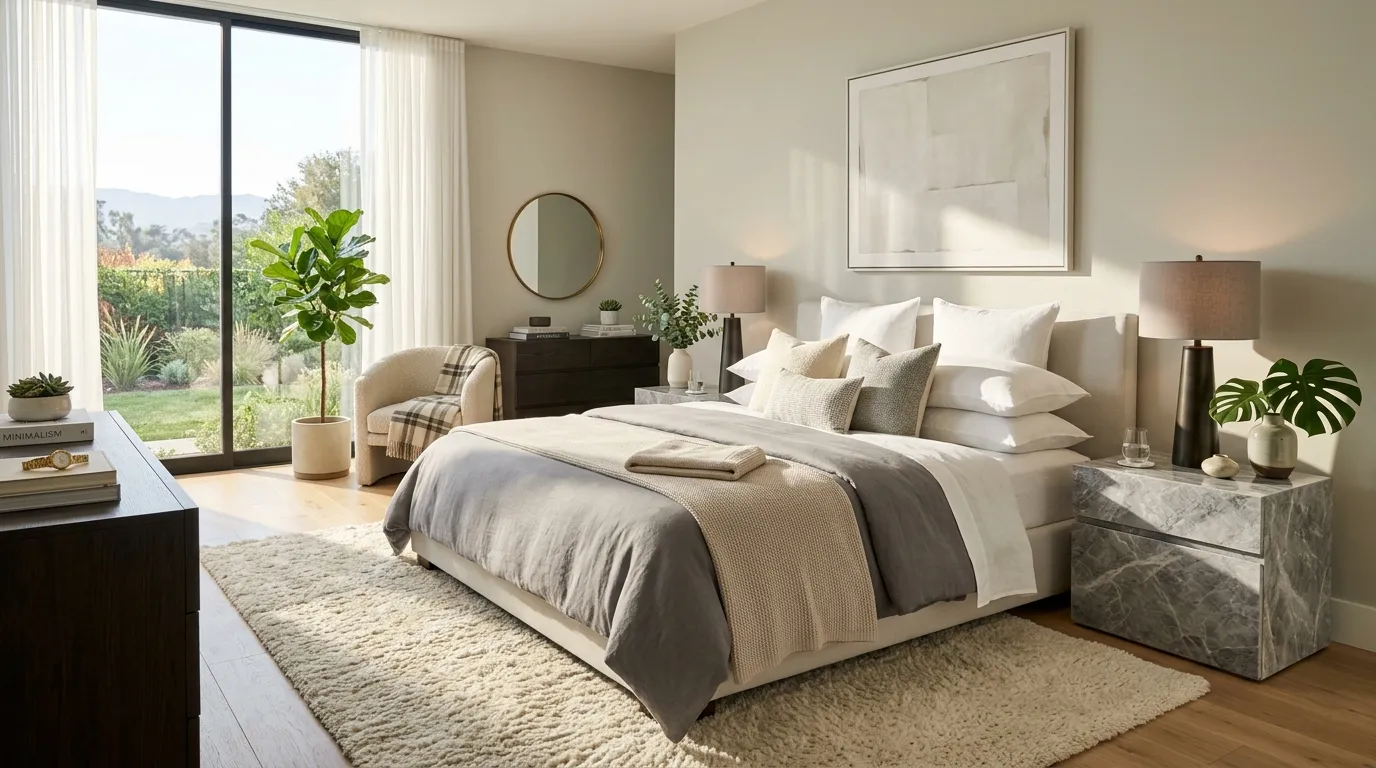
A beautifully decorated bedroom stays attractive only with consistent maintenance and thoughtful care. Dust-free surfaces, neatly arranged bedding, and organized storage preserve the polished appearance you’ve worked hard to create. Small habits, such as making the bed every morning or returning items to their proper place, prevent clutter from building over time. I’ve seen this simple routine make a greater difference than frequent redecorating because it keeps the room consistently inviting and comfortable.
Long-term maintenance also protects furniture, fabrics, and decorative finishes from unnecessary wear. A common mistake people make is focusing only on new purchases while overlooking routine care. One practical approach is setting aside a few minutes each week to clean mirrors, vacuum rugs, water plants, and refresh decorative accessories. These simple habits help the bedroom maintain its luxurious appearance while extending the life of your furnishings and preserving a calm, welcoming atmosphere.
Budget-Friendly Upgrades
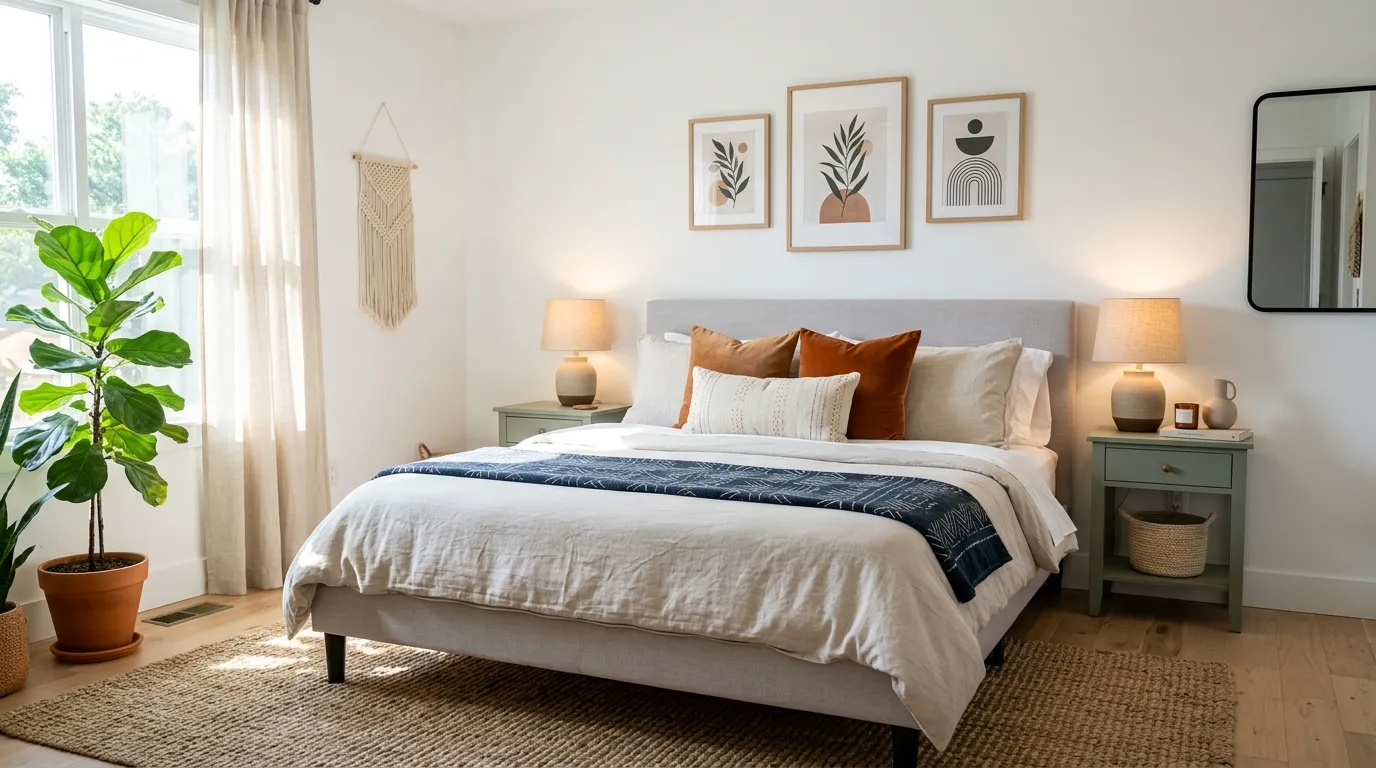
Creating a beautiful bedroom does not always require a large budget because small, thoughtful upgrades can dramatically improve the overall appearance. Replacing outdated bedding, adding decorative cushions, updating light fixtures, or repainting furniture are practical ways to modernize the space without major renovations. One practical approach is improving one area at a time instead of redesigning everything at once. This allows you to make intentional choices while keeping the room cohesive and avoiding unnecessary spending.
Luxury design is often the result of careful planning rather than expensive purchases. A common mistake people make is buying trendy decorations without considering how they fit into the overall style. I’ve found that investing in timeless basics, then adding affordable decorative accents, creates a balanced look that feels both elegant and personal. With thoughtful planning, even modest updates can transform an ordinary bedroom into a stylish retreat that looks professionally designed.
Common Decorating Mistakes
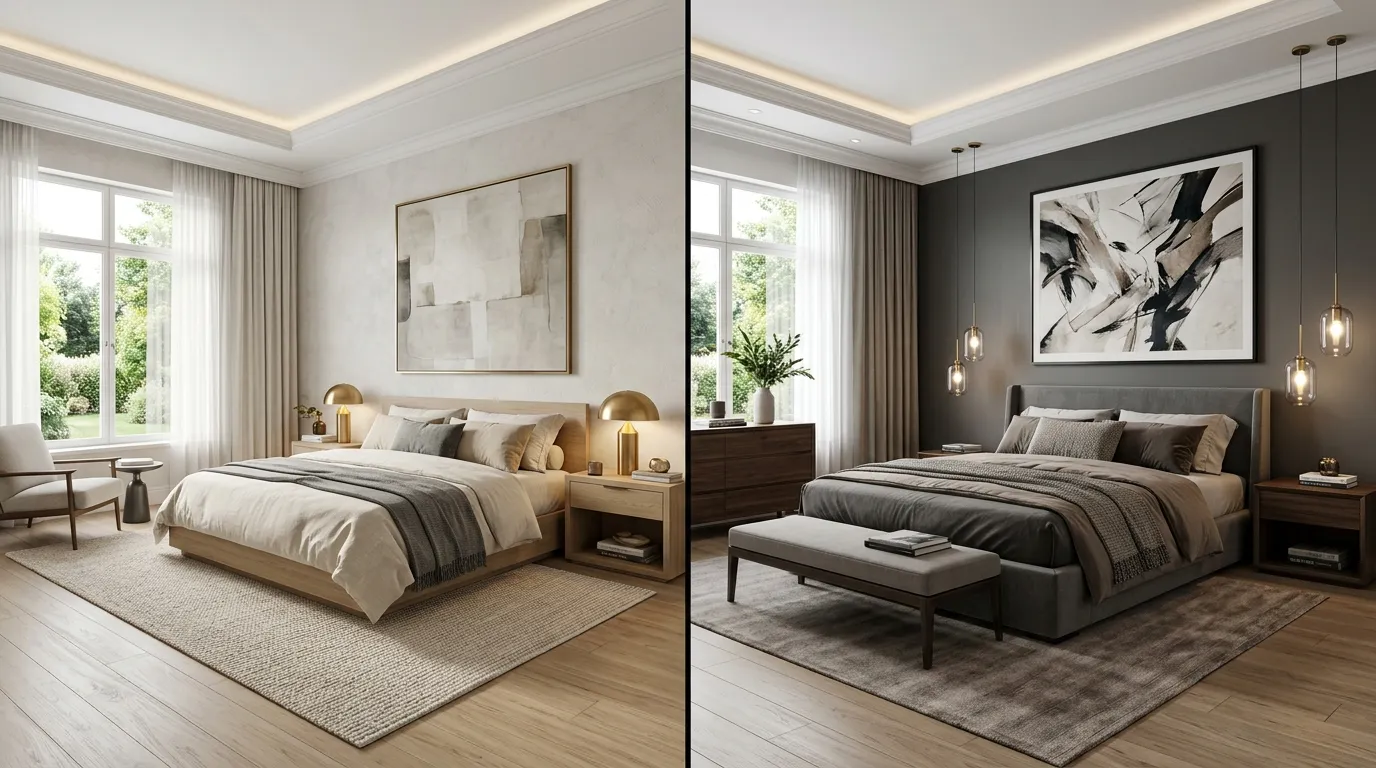
Even the most attractive furniture can lose its impact when decorating mistakes disrupt the overall balance of the room. Oversized furniture, poor lighting, mismatched colors, and excessive accessories often make bedrooms feel smaller and less relaxing. Instead of adding more decorative items, focus on improving layout, organization, and proportion. Many professionals recommend reviewing the room as a whole before purchasing new decor so every addition contributes to a cohesive, functional design.
Another frequent mistake is following every trend without considering long-term comfort or practicality. I’ve noticed that timeless materials, quality furnishings, and a restrained decorating approach usually produce the most satisfying results over time. One practical approach is removing one unnecessary item before introducing something new, helping the room stay organized and visually balanced. This simple habit keeps the bedroom elegant, functional, and enjoyable while preventing clutter from gradually taking over the space.
Final Styling Checklist
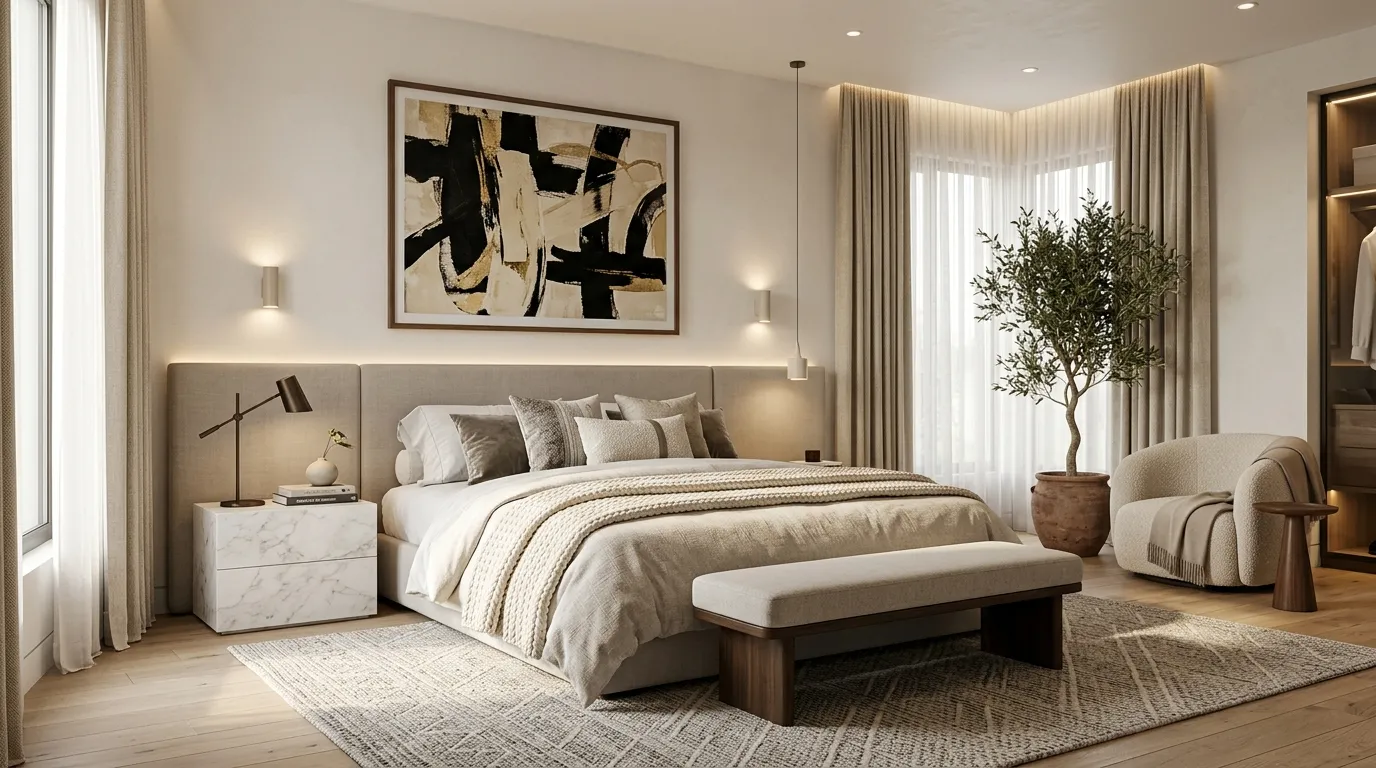
The final stage of decorating is refining every detail until the bedroom feels complete, balanced, and comfortable. Walk through the room during both daylight and evening hours to evaluate lighting, furniture placement, textures, and decorative accents. Small adjustments often have a greater effect than major purchases because they improve the overall flow and visual harmony. Taking time to review the finished space helps ensure every element contributes to a relaxing environment that supports both style and everyday living.
As you complete the design, remember that the most successful bedrooms evolve gradually rather than being finished in a single day. If you’re still deciding how to decorate a bedroom, trust a combination of timeless design principles and personal preferences instead of chasing short-lived trends. I’ve found that thoughtfully edited spaces remain attractive for years because every piece serves a purpose. The result is a welcoming retreat that feels modern, luxurious, functional, and uniquely your own.
Ready to Start?
Creating a beautiful bedroom is about combining thoughtful planning with practical design choices that reflect your lifestyle and personal taste. Throughout this guide, you’ve explored everything from color palettes and furniture placement to lighting, storage, textures, and finishing details that work together to create a welcoming, luxurious space. When deciding how to decorate a bedroom, remember that small, intentional improvements often have the greatest long-term impact. I’ve found that even simple updates can dramatically improve comfort and style over time. Continue experimenting, refine your space as your needs change, and enjoy creating a bedroom that feels timeless, functional, and uniquely yours.
Olivia Carter
Olivia Carter is the founder of Lady Home Decor and a passionate home decor expert. She shares practical, stylish ideas to help homeowners create beautiful, comfortable, and welcoming spaces. Her expertise covers bedrooms, kitchens, living rooms, bathrooms, and small-space decorating.